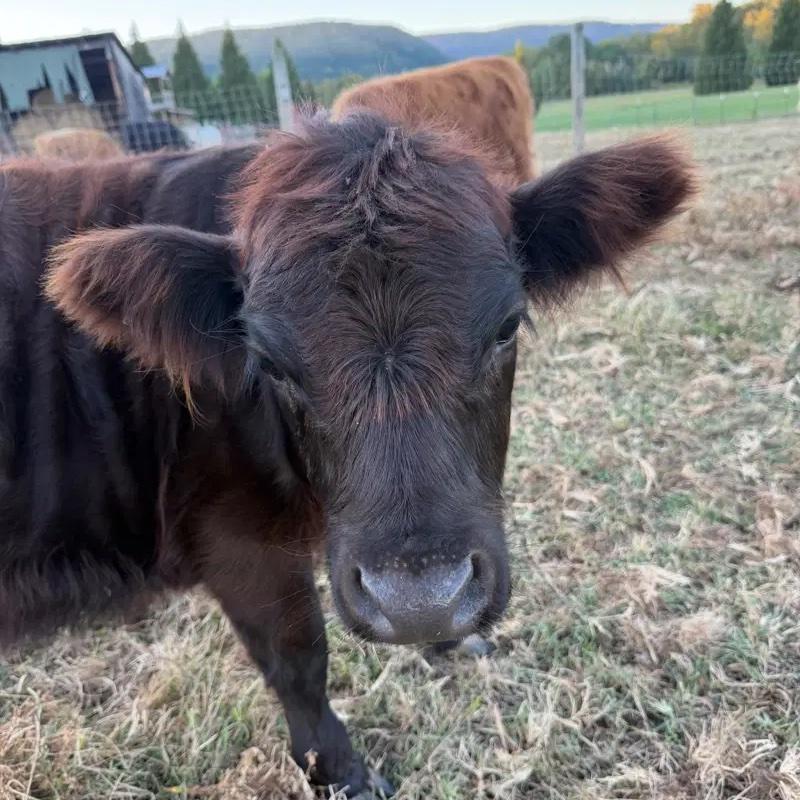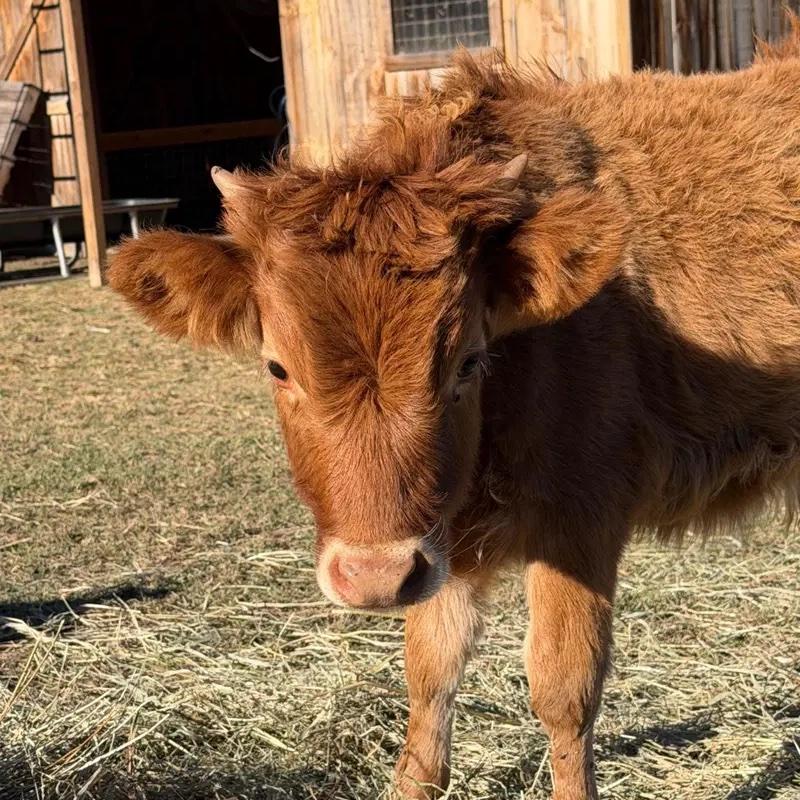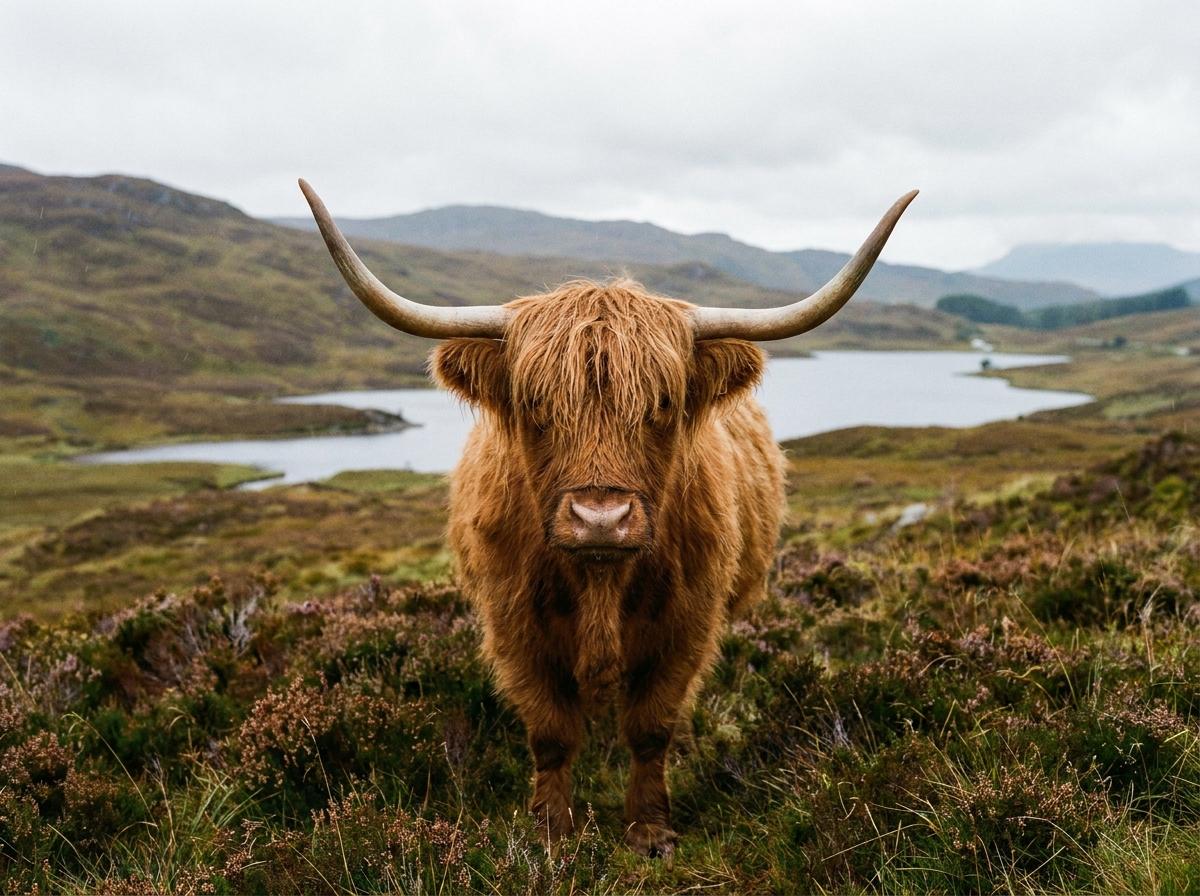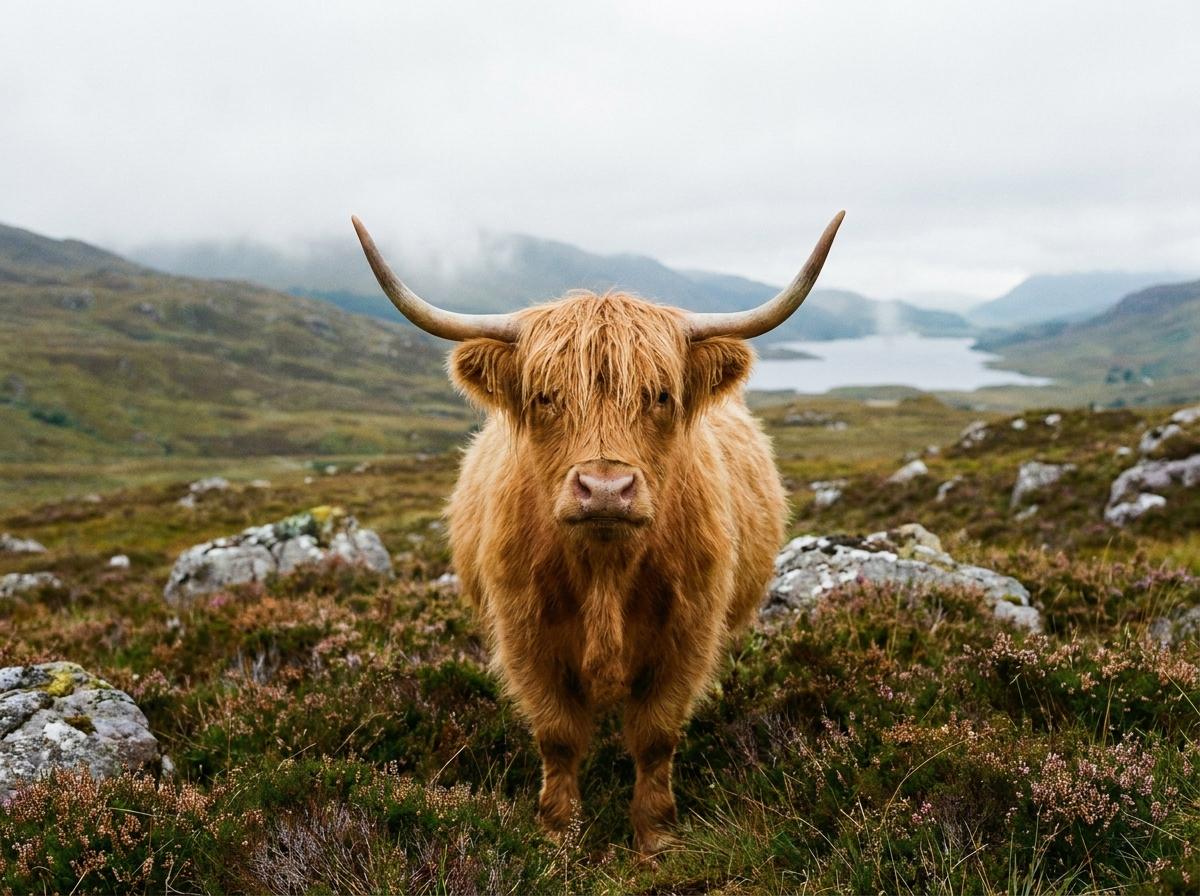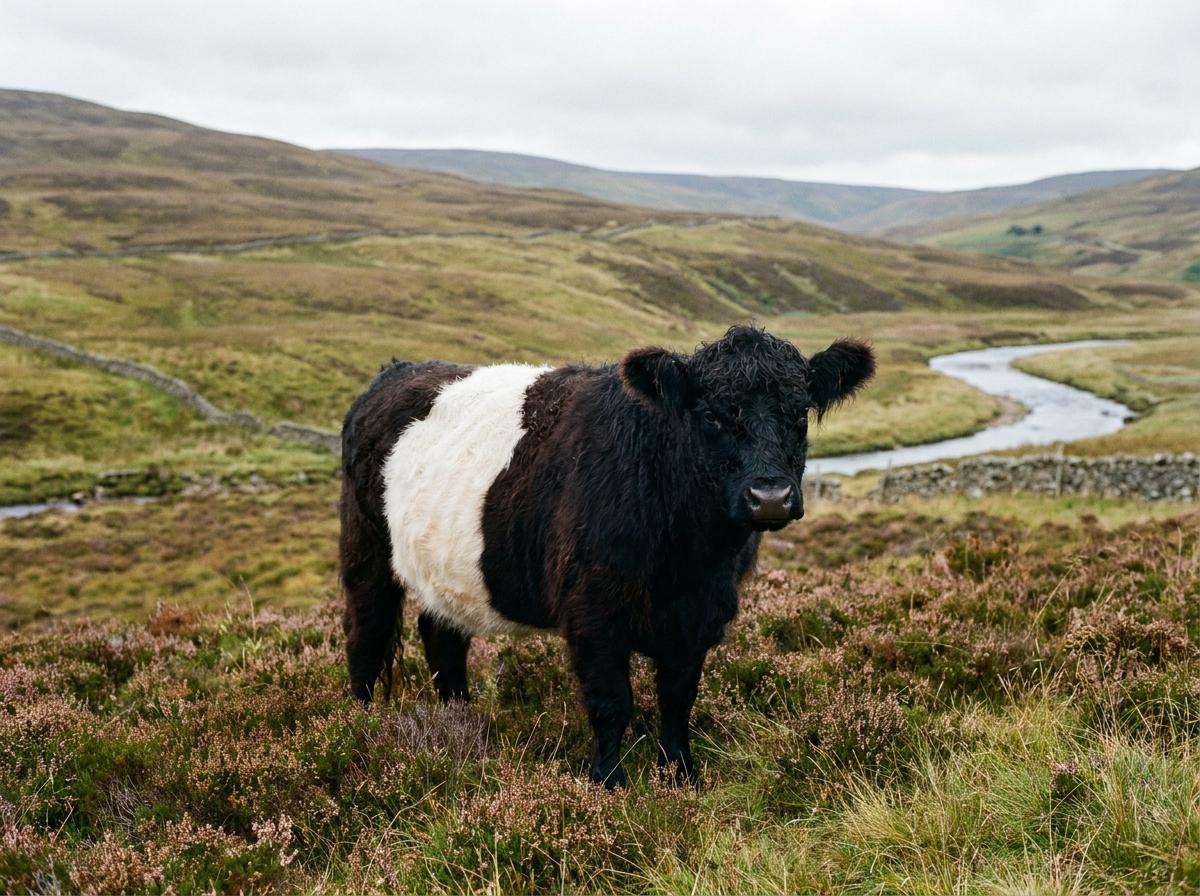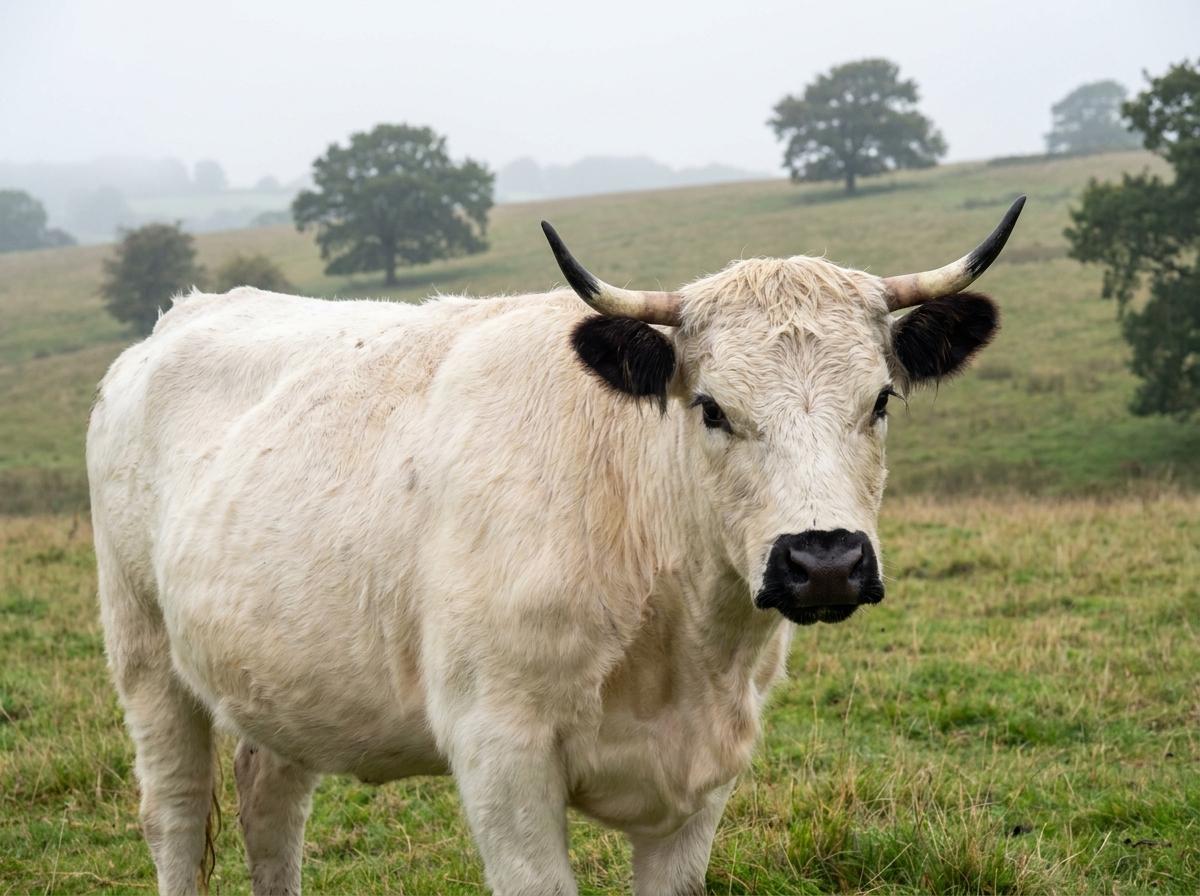
Cattle
Bos taurus
Author: Elliott Garber, DVM · Published
Cattle are large, grass-eating herd animals kept for beef, for milk, for breeding stock and, more and more often, as small-farm and family animals. Every domestic breed descends from the wild aurochs, and for a buyer they sort into four practical types: beef, dairy, dual-purpose and miniature. A cow carries her calf for about 283 days, can live around 20 years if she is kept to old age, and needs forage, clean water, good fences and the company of other cattle every day of that life. If you are shopping now, you can browse cattle for sale on the Creatures marketplace or search the cattle breeders and farms listed in the Creatures directory.
This page is the starting point for cattle on Creatures: the main types and breeds, what they cost, the land and care they need, breeding and calving, the records to keep and where to buy. Each section summarizes a topic and links to the detailed guide, and the free cattle tools, from a gestation calculator to a pedigree chart maker, are linked where each one helps.

| Species | Domestic cattle: taurine (Bos taurus) and humped zebu (Bos indicus) types |
|---|---|
| Main types | Beef, dairy, dual-purpose and miniature |
| Adult size | Most Dexter cows 36 to 42 in at the hip; commercial beef cows often 1,300 lb or more; mature beef bulls about 1,800 to 2,200 lb or more |
| Diet | Forage first: pasture or hay at about 2 to 2.5% of body weight in dry matter a day, plus water, salt and minerals |
| Gestation | About 283 days, a little over nine months |
| Lifespan | About 20 years natural life expectancy (the published figure for dairy cattle); commercial cows usually leave the herd far sooner |
| Social needs | Herd animals: plan on at least two |
| Price (mid-2026) | Roughly $2,500 to $3,500 for a commercial bred beef cow; registered and miniature cattle often more |
| US herd | 86.2 million cattle and calves on January 1, 2026, the fewest since 1951 |
Browse listings, public profiles, breeders, or add your animal.
What cattle are
Cattle are ruminants. Their stomach has four compartments, and the largest, the rumen, is a fermentation vat where microbes break down the fiber in grass and hay that a person or a pig could not digest. That is the whole economic case for cattle: they turn grass from land too steep, rough or dry for crops into beef, milk, leather and calves. It is also the first rule of keeping them. A cow’s digestive system is built for a steady supply of roughage, and most feeding problems start when that supply is disrupted. (The four compartments are the rumen, reticulum, omasum and abomasum, as University of Minnesota extension explains.)
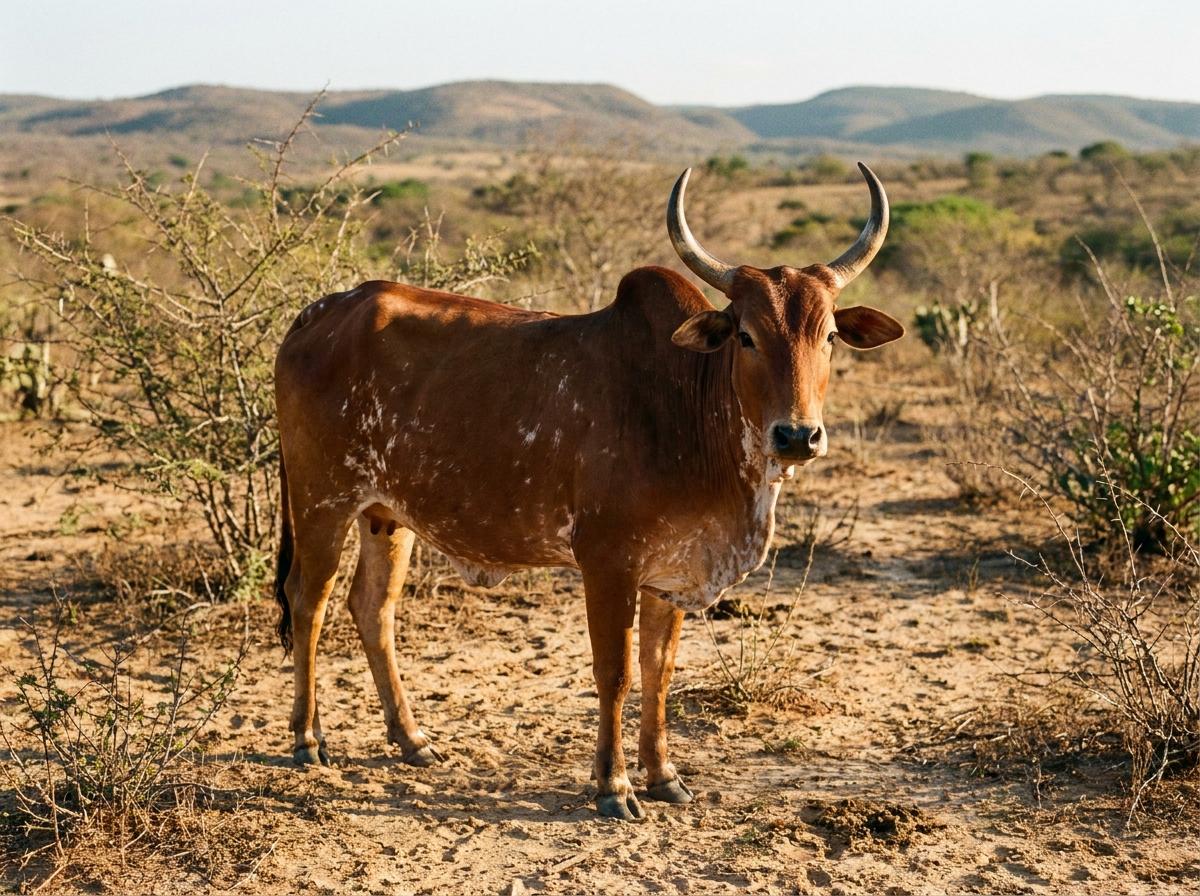
All domestic cattle descend from the aurochs (Bos primigenius), a large wild ox whose last known individual died in a royal forest in Poland in 1627. People domesticated it twice, from different wild populations: taurine cattle in the Fertile Crescent about 10,500 years ago, and humped zebu cattle in the Indus Valley about 8,000 years ago, according to a 2026 review of cattle domestication genomics. The two lines are often written as separate species, Bos taurus and Bos indicus, and they cross freely. Zebu cattle, such as the Brahman and the Gyr, carry a hump over the shoulders, loose skin and a dewlap, and they handle heat and insects better than most European breeds, which is why so much cattle breeding in hot climates uses zebu blood.
Sellers use the vocabulary precisely, so learn it before you read a single ad:
- Cow: a female that has had a calf. People also say “cow” for any bovine, but on a sale bill it means a female that has calved.
- Heifer: a young female that has not yet had a calf. A “bred heifer” is pregnant with her first; a “first-calf heifer” is raising it.
- Bull: an intact (uncastrated) male kept for breeding.
- Steer: a castrated male, raised for beef or kept as a pet. Steers are generally calmer and safer to keep than bulls.
- Calf: a young animal of either sex under about a year old.
- Pair: a cow with her calf at her side. Bred means pregnant; open means not pregnant.
- Cattle is the plural for the species; a single animal is “a head of cattle”, or simply a cow, bull, steer or heifer.
These are the standard meanings in Cornell’s 4-H beef cattle terms and USDA’s market reporting glossary, and USDA’s auction reports use the same terms when they price pairs, bred cows and open cows.
Cattle are prey animals that live in herds, and one kept alone is an unhappy animal. The Merck Veterinary Manual’s summary of cattle behavior is blunt about it: isolation is stressful for cattle, and even an animal that has to be taken out of the herd should be kept in a pair. That means a pet steer needs another bovine for company too. They are also big. A friendly cow that weighs well over half a ton can hurt you without meaning to, and a bull of any breed deserves real respect and should never be treated as a pet. Handle calmly, never turn your back on a bull, and teach young cattle to lead early with halter training.
Types of cattle and example breeds
There are a great many cattle breeds. The UN Food and Agriculture Organization’s 2022 status report on animal genetic resources counts more than 1,000 local cattle breeds worldwide, and cattle have more breeds reported extinct (159) than any other livestock species. Creatures lists hundreds of them in the A to Z breed list further down this page, each with its own breeders, listings and public profiles. For choosing an animal, though, four practical types matter more than the full list.
Beef cattle
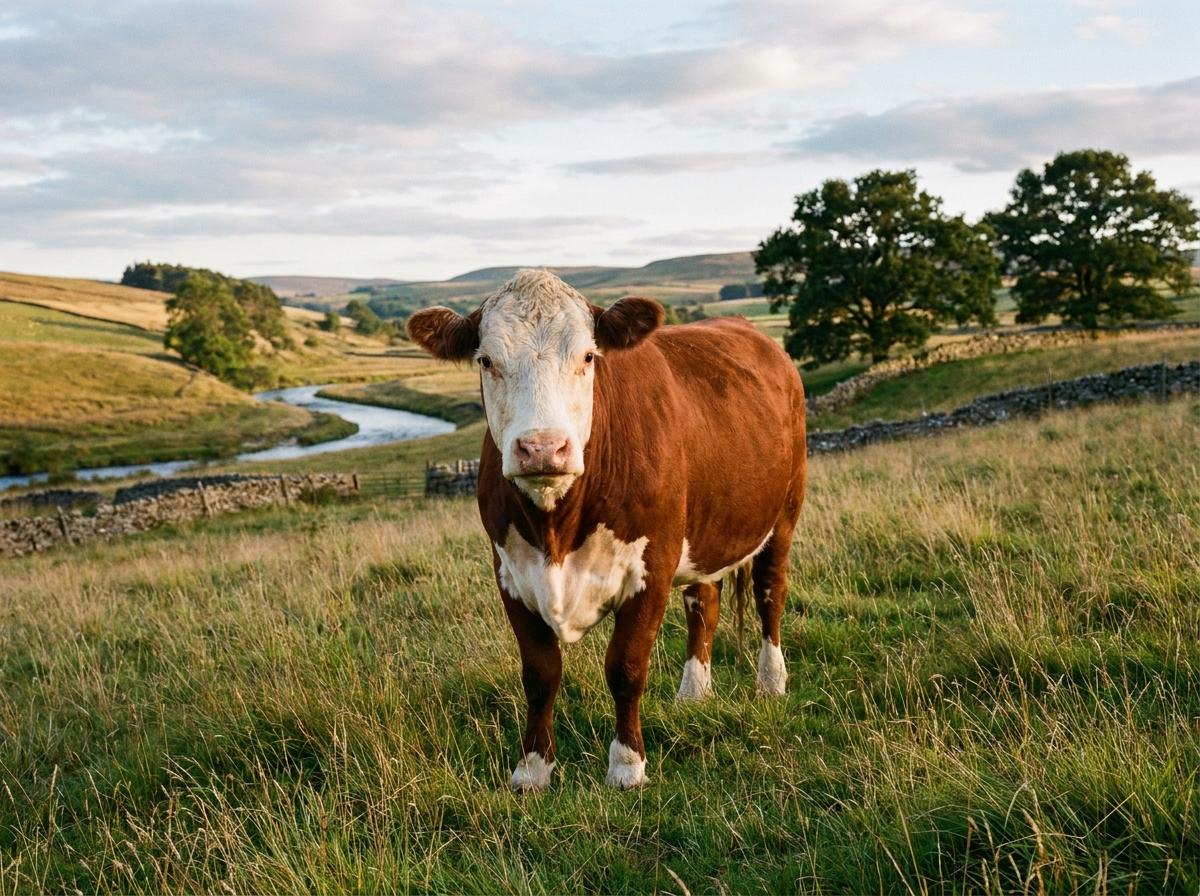
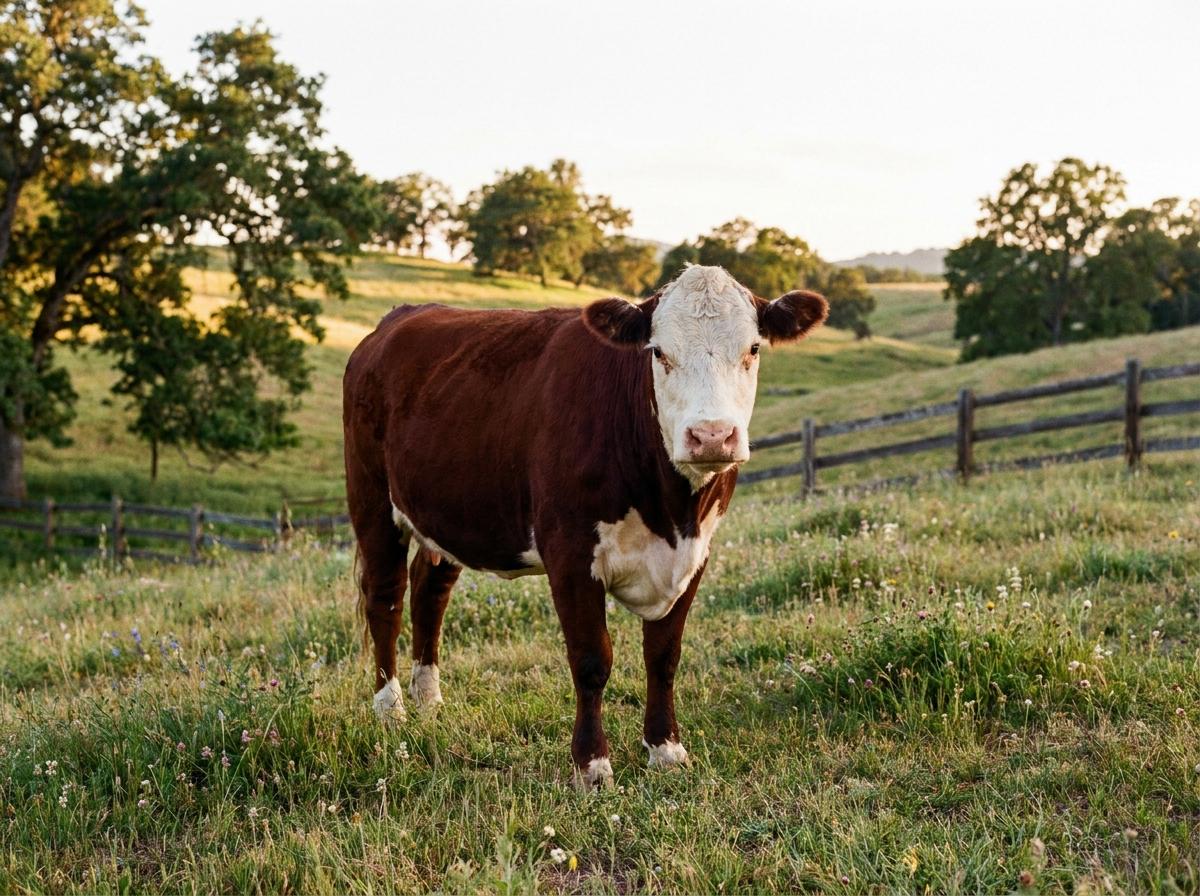
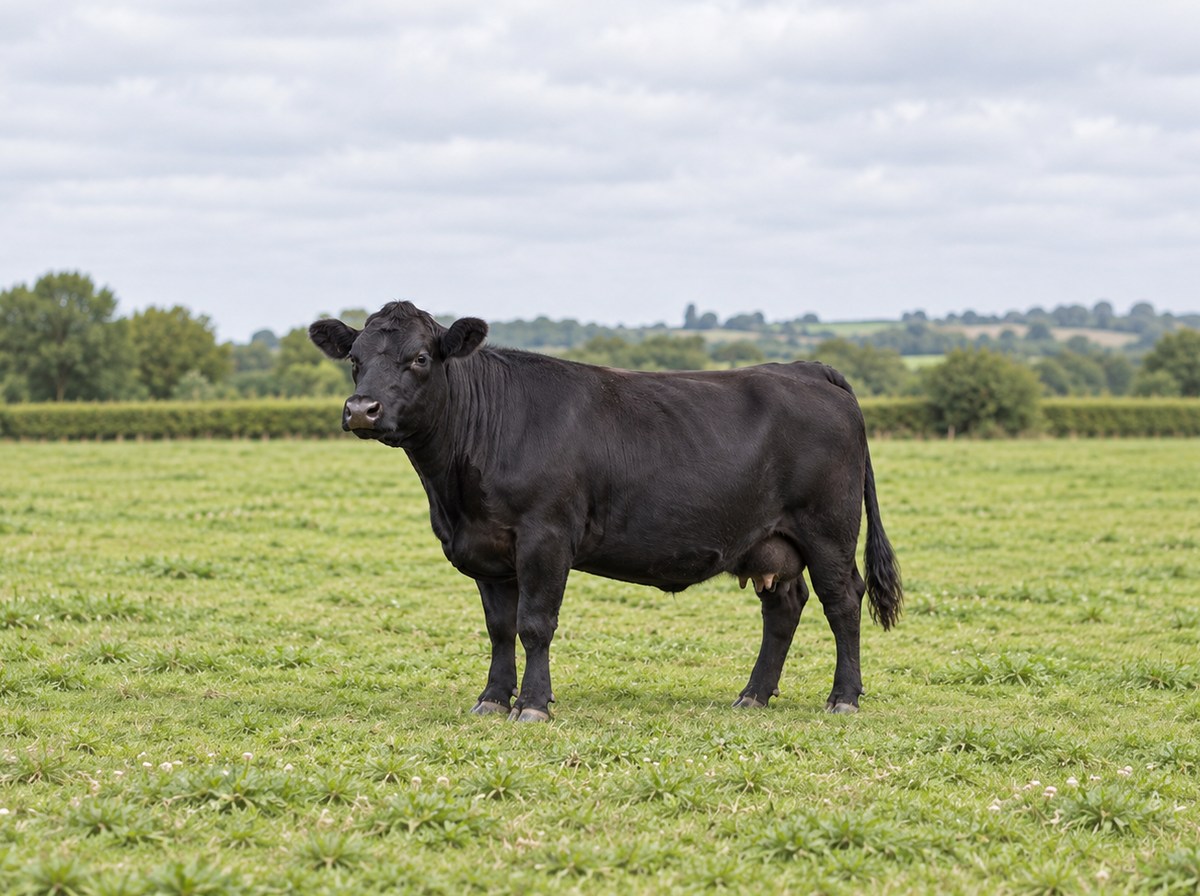
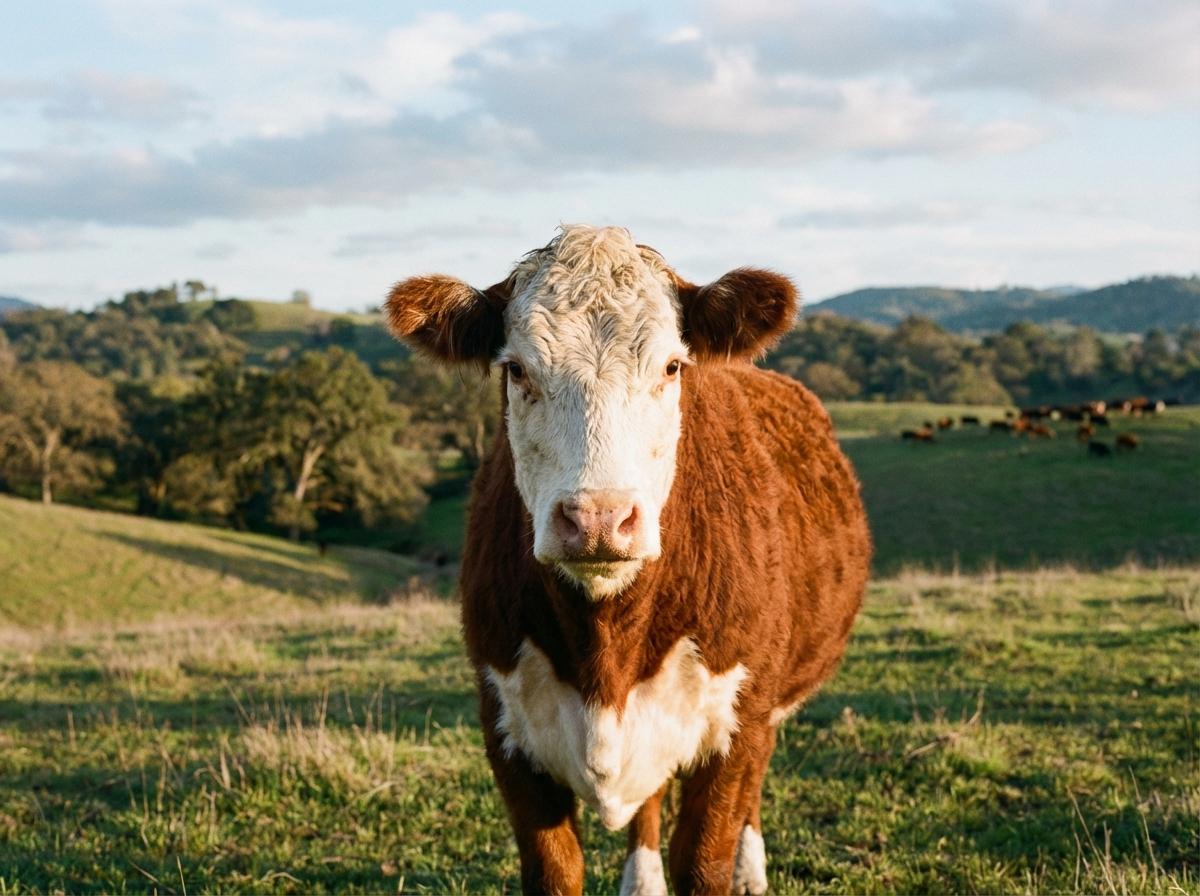
Beef breeds are built to turn grass into muscle: deep, wide bodies, heavy hindquarters and a short, thick neck. Angus cattle are solid black and naturally hornless (polled), from northeast Scotland; the American Angus Association registers black cattle and calls itself the nation’s largest beef breed organization, while Red Angus have their own registry. Hereford cattle, red with a white face, were founded by farmers in Herefordshire, England. The large Continental breeds, such as the white Charolais and golden-red Limousin from France and the Simmental from Switzerland, add frame and muscle. In hot, humid country the humped Brahman, developed in the United States from Indian cattle, brings heat tolerance and insect resistance. It is the foundation of Bos indicus-influenced composite breeds such as the Brangus, Santa Gertrudis and Beefmaster. The Texas Longhorn, whose ancestors arrived from Spain with Columbus in 1493, is prized for hardiness and longevity.
Beef cattle have also grown bigger over the decades: Ohio State extension reports that average cow slaughter weights rose from 1,047 pounds in 1975 to 1,369 pounds in 2005, and extension bull-development guides such as Mississippi State’s plan around mature bull weights of about 1,800 to 2,200 pounds.
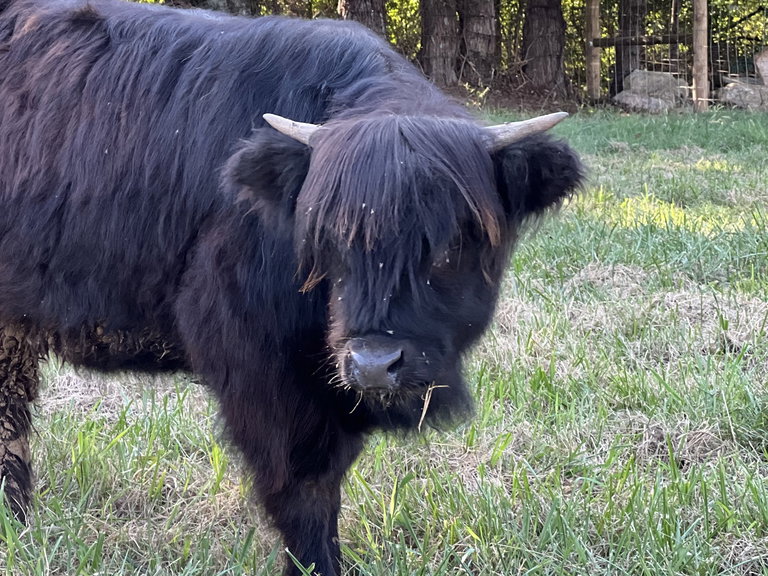
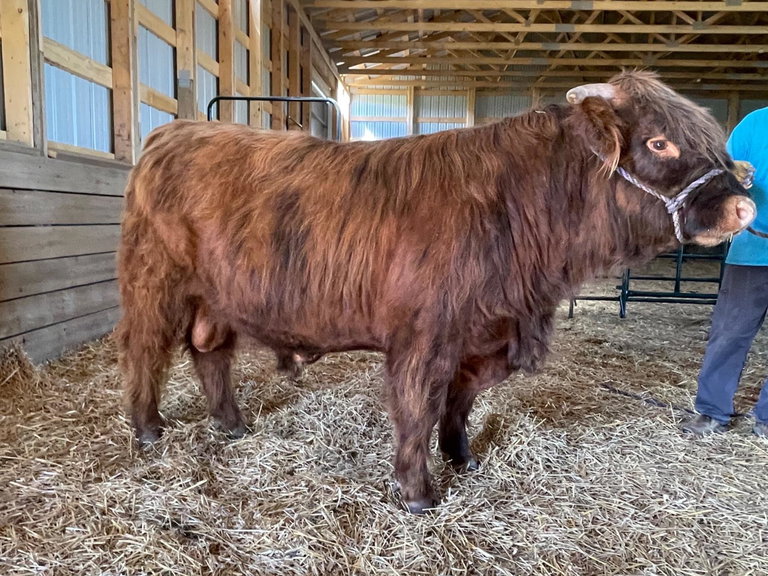
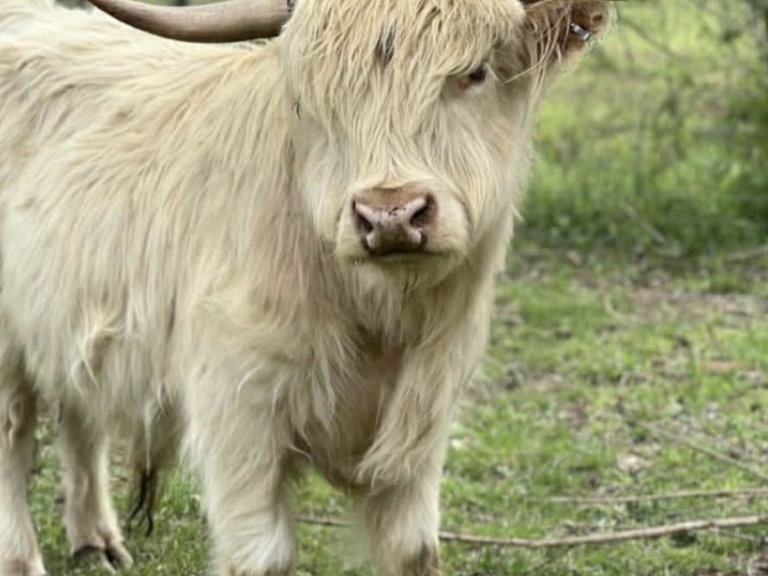
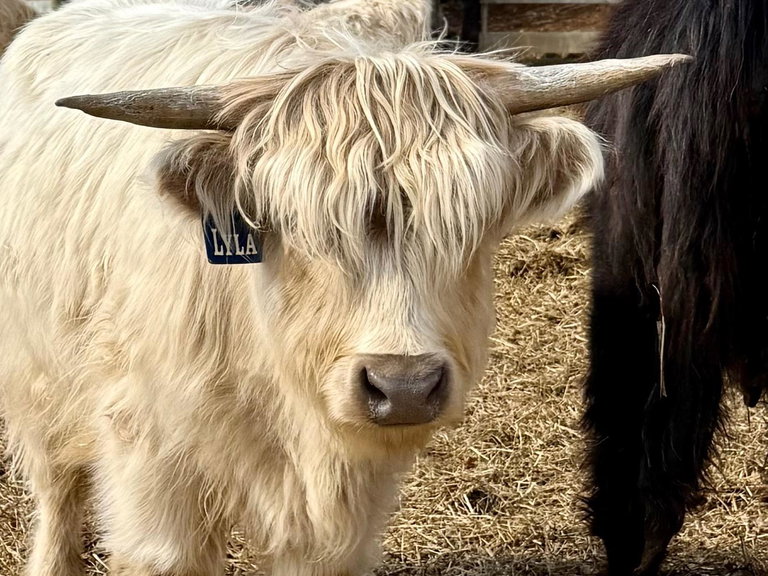
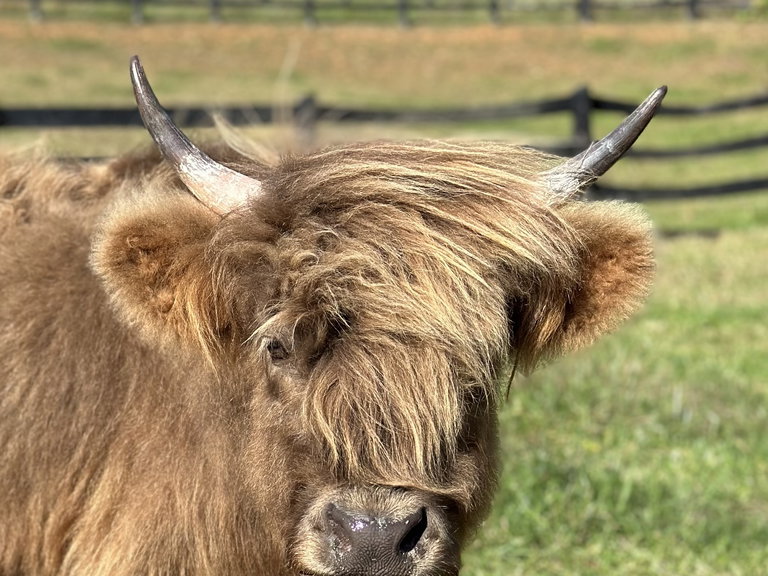
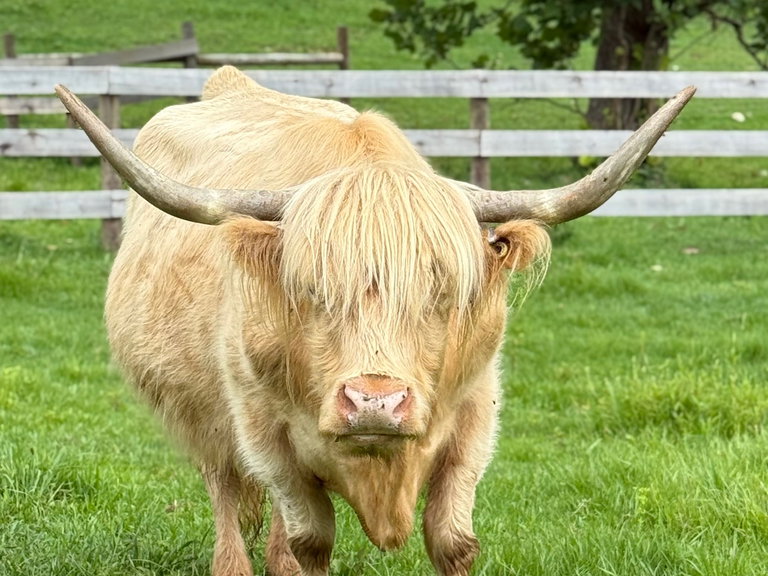
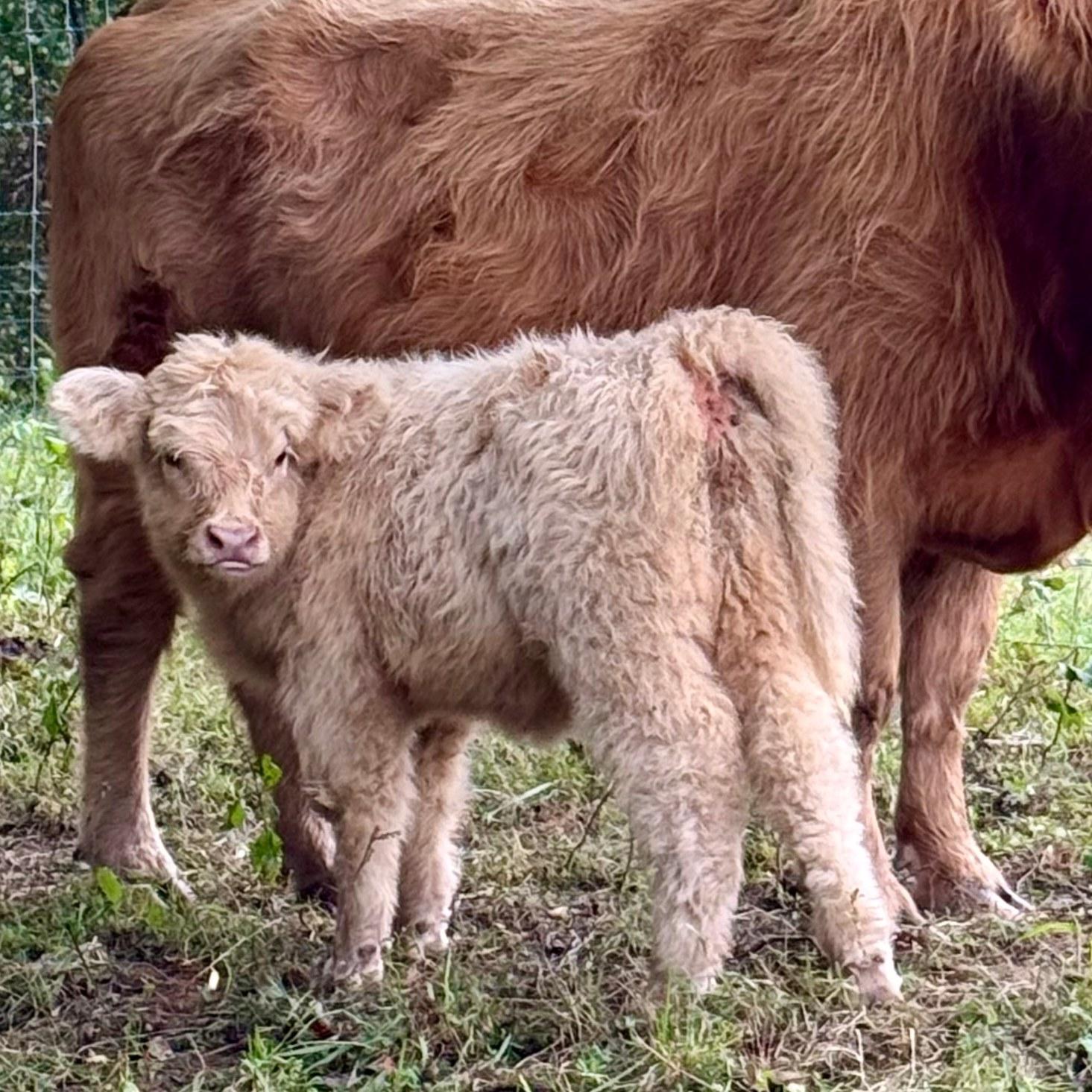
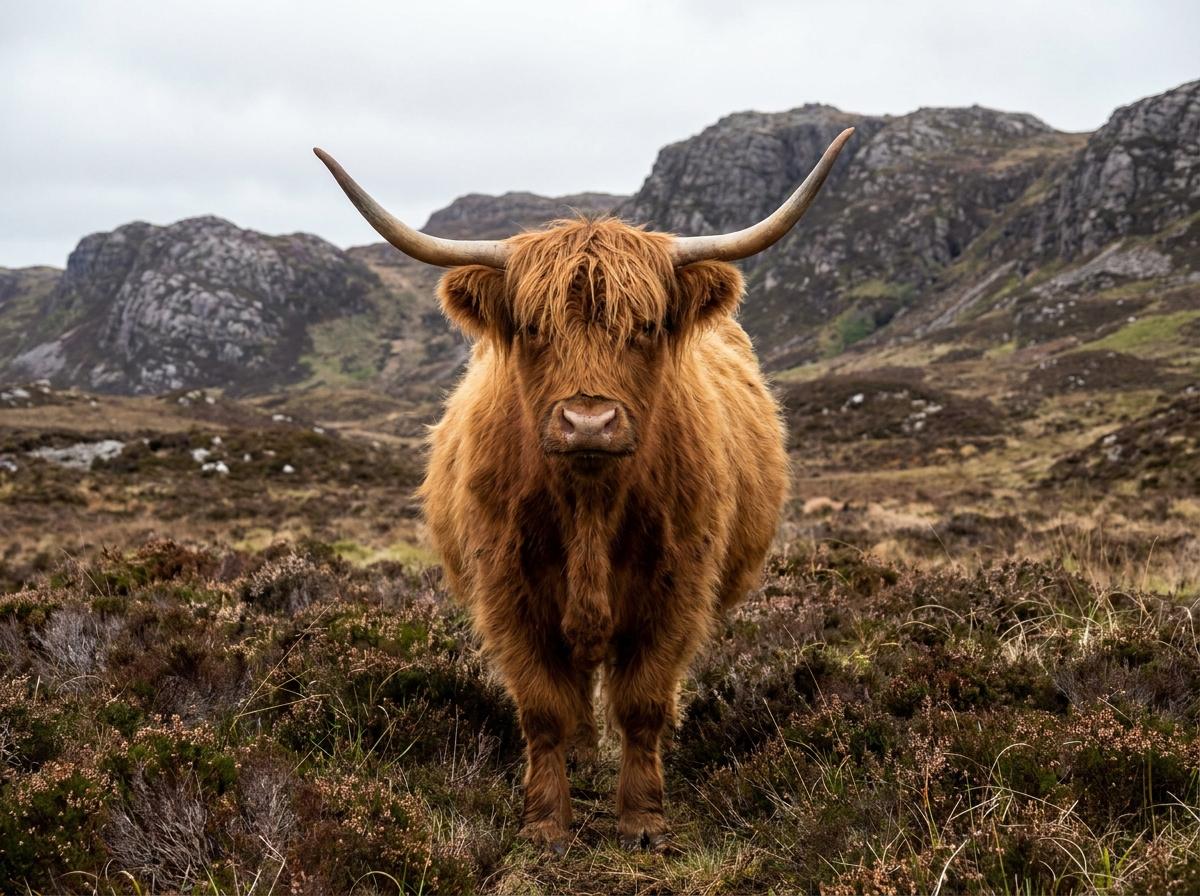
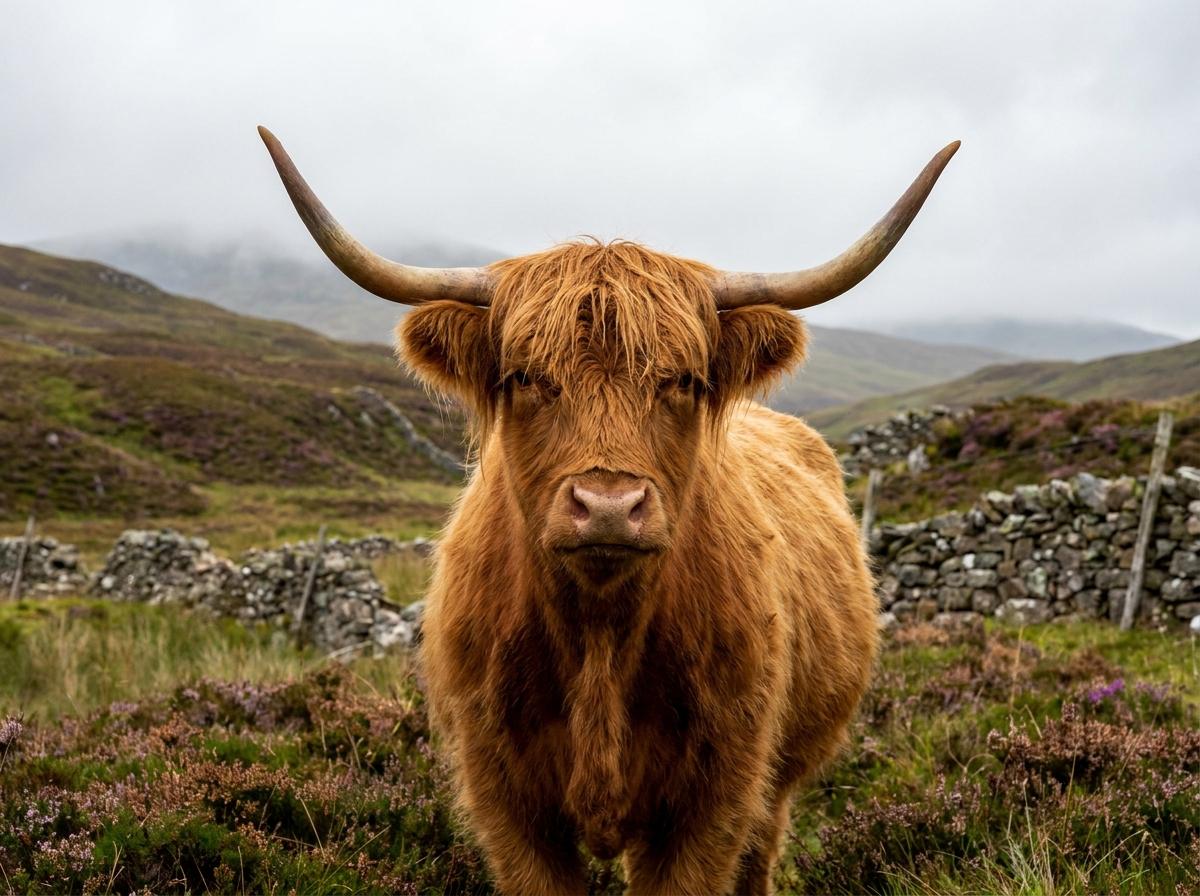
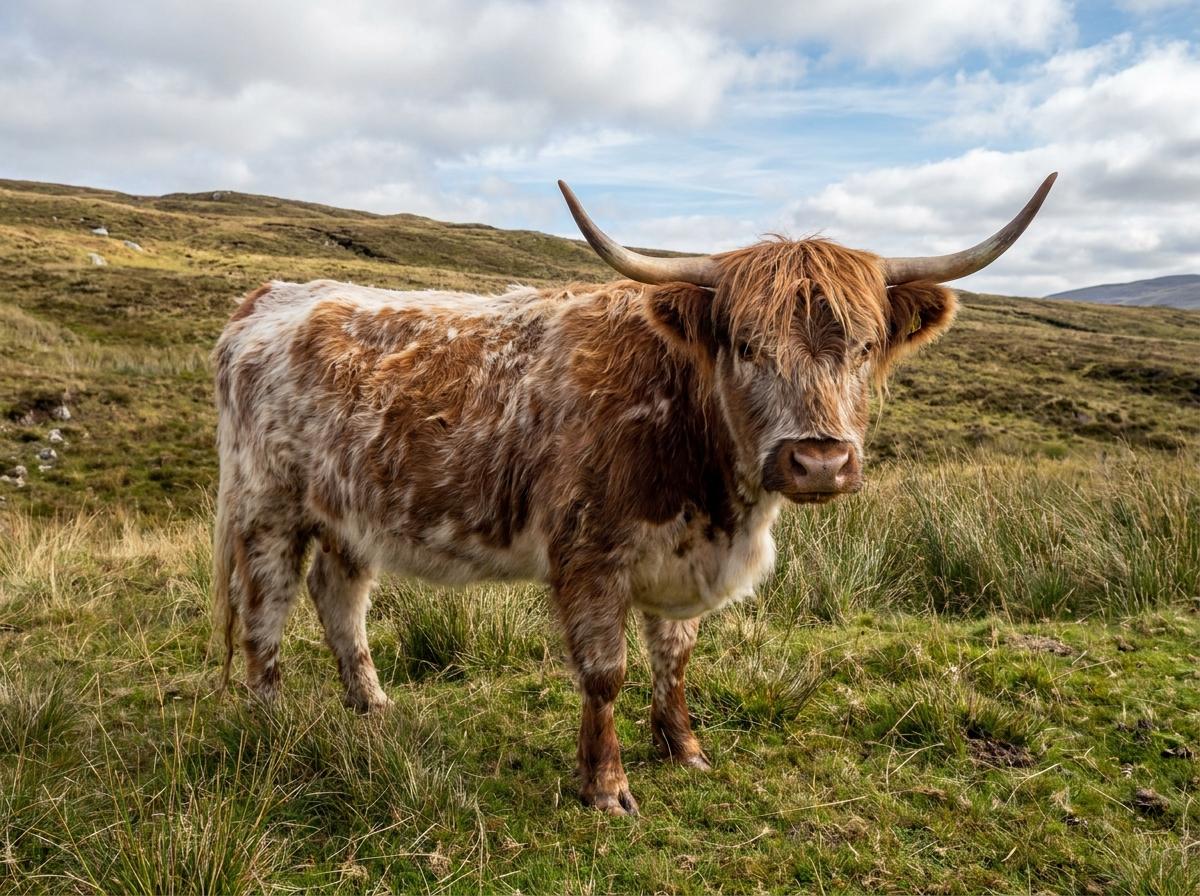
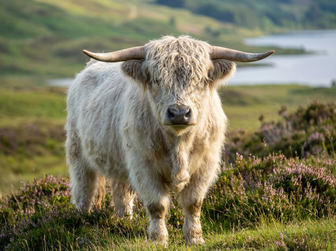
Many commercial beef herds crossbreed, because crossing two or three breeds produces hybrid vigor (heterosis). University of Missouri extension notes that crossbred cows with crossbred calves can wean as much as 25 percent more pounds of calf per cow exposed than purebreds of the same average breed makeup, and small farms use the same idea: the Highland cross pairs Highland hardiness with a faster-growing beef breed. Purebred and registered cattle still matter, because they are where the genetics for those crosses come from, and they are what many small breeders raise and sell. Beef and specialty breeds with their own detailed pages on Creatures include the Black Hereford, the Maine-Anjou, the Braunvieh (the Swiss ancestor of the Brown Swiss, raised in the United States today as a beef and maternal breed), the rodeo-bred Corriente and the Highland, the shaggy Scottish breed behind most of the cattle listed on Creatures today. If a Highland is what you are after, start with What You Need to Know Before You Buy a Highland Cow and the Highland cow cost guide.
Dairy cattle
Dairy breeds are built for the milk pail instead: lean and angular, with a long neck, a wide deep body behind the ribs and, in a cow in milk, a capacious udder. They are selected to put feed into milk rather than onto their backs, so a healthy dairy cow looks thin to people used to beef cattle. The black-and-white (occasionally red-and-white) Holstein is the high-volume milk breed, and about 90 percent of US dairy cows are Holsteins, according to University of Florida IFAS extension. The Jersey, from the Channel Island of Jersey, is the smallest of the major dairy breeds at roughly 800 to 1,200 pounds, ranges from light to very dark fawn, and gives rich milk: the American Jersey Cattle Association puts market-average Jersey milk at 5.0 percent fat and 3.8 percent protein. The fawn-and-white Guernsey is known for golden milk high in beta carotene, the gray Brown Swiss for high-protein milk suited to cheese, and the Ayrshire comes from Scotland’s County of Ayr. Across all breeds, the average US dairy cow produced 24,390 pounds of milk in 2025, close to 2,800 gallons.

For a small farm, the dairy purchase is usually one family milk cow plus a companion for her (her own steer calf, a heifer or a second cow), and the commitment is the real price: a cow in milk has to be milked every day, usually twice, with no days off, and she has to calve every year or so to keep milking. The How Much Does a Cow Cost? guide covers what a milking-age family cow sells for, and the Jersey is the classic homestead choice. If you are hoping a Highland or mini Highland can double as a house cow, read Can You Milk a Mini Highland Cow? first. For hot, humid country, the Gyr, a zebu dairy breed, and the Australian Friesian Sahiwal and Karan Swiss, which carry zebu blood, are dairy options built for tropical heat.
Dual-purpose and heritage cattle
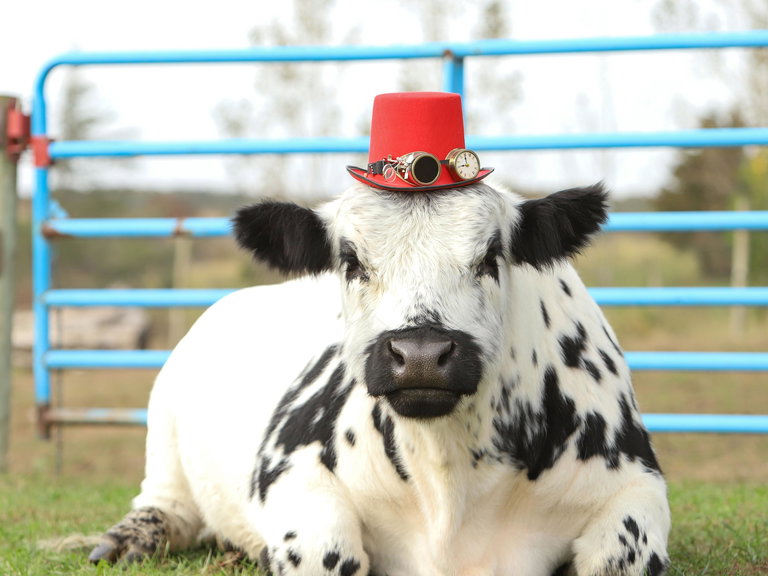
Dual-purpose breeds give a useful amount of milk and a respectable beef carcass from the same animal. Before specialized dairy and beef breeds took over, many farm cattle were like this, and a family that wants a house cow whose steer calves are worth raising for the freezer still does well with one. Examples include the Dexter, a small Irish breed its US association calls tri-purpose (beef, milk and draft), the Red Poll, the Milking Shorthorn and the American Milking Devon, which the Livestock Conservancy calls triple-purpose because it still makes fine oxen.
Many of these old breeds are now rare. The Livestock Conservancy’s 2026 Conservation Priority List ranks the Milking Devon and Randall Lineback as critical; the Red Poll, Florida Cracker, Pineywoods and Heritage Shorthorn (the original, native strain of the Milking Shorthorn) as threatened; and the Dexter as recovering. Buying registered heritage stock and recording its pedigree is one of the most practical things a small farm can do for a rare breed.
Miniature cattle
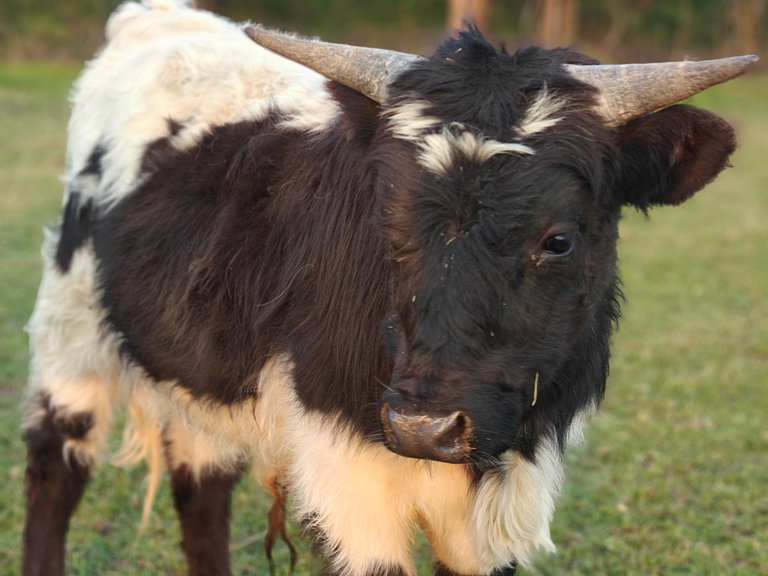
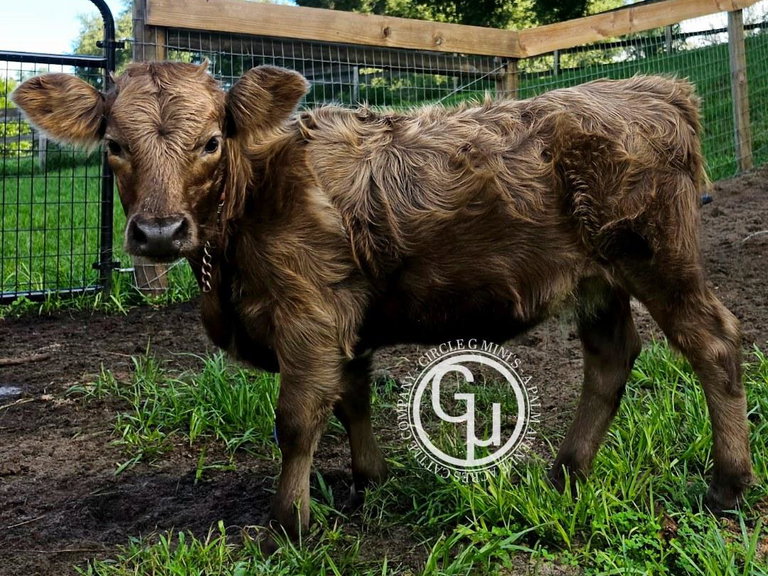
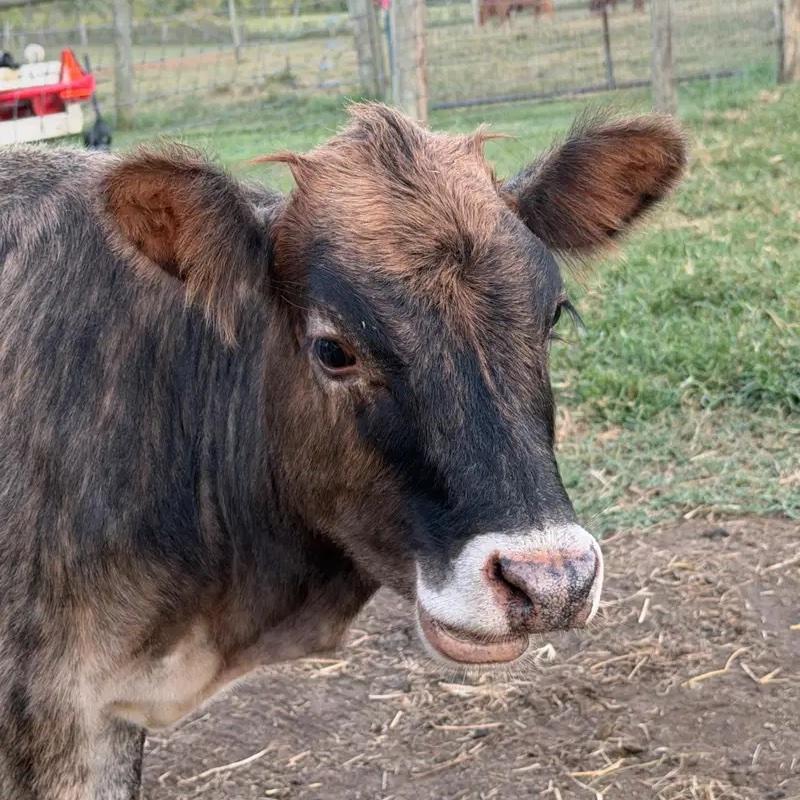
Miniature cattle are popular with small farms, and they sell at a premium: in the Creatures cattle auction price guide, miniature Highlands have a median sale price of about $8,000, more than twice the median for standard Highlands. Some breeds are small by nature: most Dexter cows stand about 36 to 42 inches at the hip, according to the American Dexter Cattle Association’s breed guidelines, and the humped Miniature Zebu is another naturally small type. Others are scaled-down lines of standard breeds, such as the Miniature Hereford, the Lowline, developed from an Angus research herd at Australia’s Trangie research center, the Miniature Jersey and the miniature Highland. Height classes are set by registries rather than by any government standard; the International Miniature Cattle Breeders Registry, for example, measures cattle at three years old and classes 42 inches or less as miniature and up to 48 inches as mid-size.

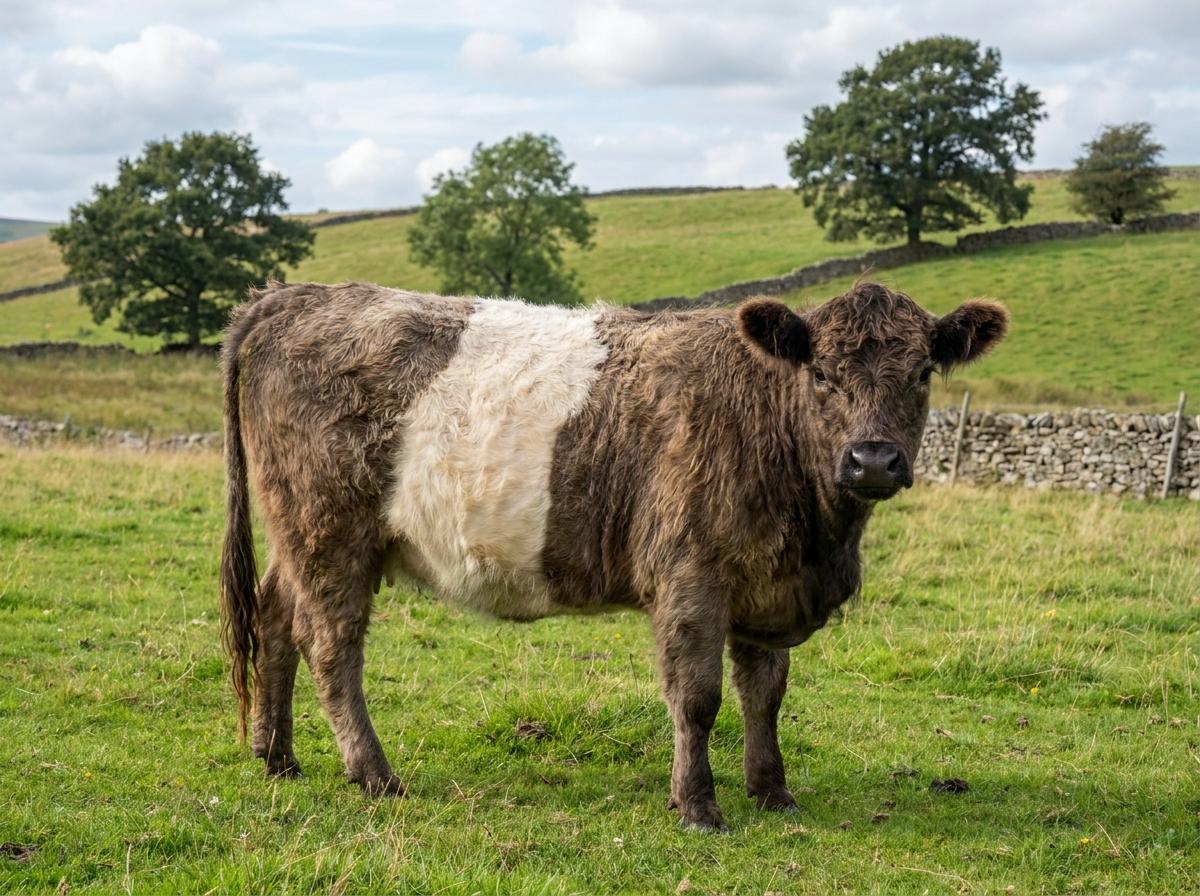
Small does not mean easy. A mini cow is still a cow: a herd animal that needs a companion, a vaccination and parasite program, minerals, hoof care, sturdy fencing and a vet, and she can still weigh several hundred pounds (the Livestock Conservancy puts a typical Dexter at 700 to 900 pounds). The Miniature Hereford breeders’ association says minis eat 30 to 40 percent less than full-size cattle, which is a real saving but not the difference between a cow and a large dog. Because small sells, be wary of “teacup” claims and ask how, where and at what age an animal was measured. Genetics matter too. One copy of the “bulldog” dwarfism gene (chondrodysplasia) gives Dexters their short-legged look, but a calf with two copies dies before birth, and UC Davis has found the same variant in miniature Highland, Miniature Jersey and Miniature Zebu cattle. Its DNA test is offered for all of them, so ask for results on any small breeding animal and never mate two carriers. Our guides on whether teacup mini Highland cows really exist and whether miniature Highland cows suit your farm go through the details, and the Belfair and Miniature Texas Longhorn profiles cover two other small breeds. Hybrids are a separate question: the beefalo is a cattle and American bison cross raised for beef, while the zubron, a cross with the European bison, is a research curiosity with no market.
What cattle cost to buy and keep
Cattle prices are at record highs. USDA’s January 2026 Cattle report counted 86.2 million cattle and calves in the United States, which University of Arkansas extension notes is the lowest total since 1951, and a shrunken herd meeting steady beef demand has pushed every class of cattle to high prices. In mid-2026, the How Much Does a Cow Cost? guide puts a commercial bred beef cow at roughly $2,500 to $3,500, a cow-calf pair at $4,000 to $6,000, a good dairy cow at $3,000 to $4,400 and even a day-old bottle calf at roughly $400 to $1,000. Young cattle at auction are priced by the pound (per hundredweight), and breeding cattle by the head.
For registered, show and miniature cattle, catalog auction results are the better guide. In its September 2026 release, the Creatures cattle auction price guide summarizes 2,384 qualified per-head sale records from public catalog auctions through August 25, 2026, with a median of $3,350 across all ages and breeds (about 40 percent of the records are Holsteins) and $3,800 for registered animals, and it breaks the figures down by breed, sex, age and registration. For a specific animal, the free livestock value calculator gives a directional market range from the same auction data. Neither is an appraisal, but both beat guessing.
The purchase is the smaller number over time. The 66 beef herds in the Kansas Farm Management Association’s 2025 enterprise summary averaged about $1,800 per cow in total costs for the year, or about $1,330 before a charge for the owner’s own labor and capital, and costs run higher anywhere hay must be bought year round. Feed, above all hay through the winter, is the largest line, followed by minerals, vaccines and dewormers, breeding costs, fence and water upkeep and a reserve for the vet call you did not plan. If you plan to breed with artificial insemination rather than keep a bull, the cattle AI cost guide and what a straw of bull semen costs cover that side of the budget.
Land, fencing, water and shelter
Land. There is no single number of acres per cow. Stocking rate depends on rainfall, soil, forage and how you graze. Using USDA data, University of Nebraska beef specialists put the average at about 1.5 grazed acres per beef cow in the Northeast, Lake States and Appalachia and about 50 in the Mountain states. Planners work in animal units, where one animal unit is a 1,000 pound cow with or without a young calf, eating about 26 pounds of forage dry matter a day. How Many Cattle Per Acre explains the method, and How Much Land Do You Need for Cattle? works through the small-acreage version, including the hay you will need to buy when grass runs out. Your county extension office or USDA Natural Resources Conservation Service (NRCS) field office can give you a realistic figure for your own ground. Before any of that, check that your zoning allows cattle at all: Livestock Zoning Laws covers minimum lot sizes, animal limits and setbacks.
Fencing. Cattle test fences, and a loose cow on a road is dangerous and can be expensive. University of Tennessee extension recommends that perimeter cattle fences stand at least 54 inches high, and Virginia Tech’s fencing guide favors woven wire or several strands of high-tensile electric for the perimeter, with one to three electric wires for interior paddocks. Cattle Fencing: Barbed Wire vs High-Tensile vs Electric compares the options and costs.
Water. Cattle need more water than any other nutrient, and intake climbs steeply with heat and milk production. University of Nebraska extension’s water requirement table has a lactating beef cow drinking about 11 gallons a day at 40°F and about 18 gallons at 90°F, and a separate Nebraska dairy guide puts a cow giving 100 pounds of milk a day at up to 50 gallons. Tanks and troughs need to be cleaned and kept ice-free in winter; the cattle waterer buyer’s guide covers automatic and frost-free options.
Shelter. Most cattle breeds do not need a barn, but they do need shelter from wind in winter and shade in summer. A windbreak of trees or a simple open-fronted shed keeps cattle drier and warmer in a storm, and in hot weather shade and water are critical. Winter Cattle Care covers cold stress, feeding before storms and keeping water open.
Handling facilities. Sooner or later every cow needs a vaccination, a hoof look or a trip in a trailer, and a small pen with a head gate or chute makes that safe for her and for you. Cattle Chutes and Head Gates covers what to buy, and Weighing Cattle explains when a scale is worth it.
Feeding cattle
Feed cattle forage first. Grazed pasture through the growing season and hay, silage or baleage through the winter make up the base of almost every beef diet, and everything else, from protein supplement to grain, fills a gap that forage leaves for a particular animal at a particular time of year. A mature cow eats roughly 2 to 2.5 percent of her body weight in dry matter every day, depending on forage quality and whether she is milking, so a 1,300 pound cow works through about 26 to 33 pounds of dry matter, a little more than that in hay as fed. What to Feed Cattle walks through matching feed to each stage of life.
Every herd also needs free-choice salt and a mineral suited to local soils and forage; cattle mineral supplements explains what a herd actually needs, and there are buyer’s guides to mineral feeders and to hay feeders and bale rings that cut the waste. A few feeding hazards catch new owners every year:
- Grain overload. A sudden change to grain, or cattle breaking into the feed room, can cause acidosis serious enough to kill. Introduce any concentrate gradually, over two to three weeks.
- Bloat. Pastures rich in legumes such as alfalfa and clover cause the most bloat; ask your vet or extension office about management and bloat-preventive products before turning hungry cattle onto them.
- Grass tetany. Lush spring grass can be low in magnesium, and older cows in milk are at greatest risk; a high-magnesium mineral before and during spring turnout is the usual prevention.
Watch body condition rather than the calendar. Beef cattle are scored from 1 (emaciated) to 9 (obese), and University of Georgia extension recommends feeding cows to calve at 5 to 6 (heifers at 6): cows in moderate condition come back into heat sooner after calving, while thin cows have more calving trouble, weaker calves and less milk. Weight matters too, because dewormer and many other doses go by it. If you do not have a scale, the free cattle weight calculator estimates weight from a tape measure around the heart girth and the body length, with no account needed.
Health basics
Find a veterinarian who works on cattle before you bring any home, not the day one gets sick. Large-animal vets are scarce in many areas, and How to Find a Large Animal Vet for Your Farm covers where to look. A working relationship matters for a legal reason too. Since January 1, 2017, medically important antibiotics in feed have needed a Veterinary Feed Directive and those given in drinking water a prescription, and since June 11, 2023 the last over-the-counter ones, such as injectable penicillin and oxytetracycline, need a veterinarian’s authorization too. In practice that means you need a vet who knows your herd before you can buy most antibiotics for it.
The core of a health program is short:
- Vaccines. A typical program covers clostridial diseases (the 7-way or 8-way blackleg vaccine), the respiratory viruses IBR, BVD, PI3 and BRSV, and for breeding herds leptospirosis and vibriosis, but University of Kentucky’s beef specialists are clear that the program must be designed for your cattle with your vet. The cattle vaccination schedule lays out the timing by stage, from young calves to cows before breeding and calving.
- Parasites. Internal worms and external flies and lice cost weight and milk. Deworm on a plan based on fecal egg counts and your vet’s advice rather than by habit, because dewormer resistance is a growing problem; see Cattle Deworming and Parasite Control and Cattle Fly Control.
- Feet and eyes. Foot rot, other lameness and pinkeye are familiar problems in cattle herds. A cow that stops walking out to graze or holds one eye shut needs attention that day.
- New arrivals. Keep newly bought cattle apart from your herd for at least 30 days and preferably 60, and ask your vet about an ear-notch test for persistent BVD infection while they are in isolation. Bred cows and heifers are the exception: the same SDSU guidance keeps them separate until their calves are born and the calves are ear-notch tested for BVD (at least 30 days), so agree a plan for any pregnant arrival with your herd veterinarian.
- Drug withdrawal. Every approved livestock drug has a withdrawal time, the period before meat or milk from a treated animal can enter the food supply. Record the date it clears for every treatment, and never sell or butcher an animal inside it.
Learn what normal looks like for your own animals, because early signs are subtle: a cow that stands apart, stops eating, is not chewing her cud, has a dull coat, or lies down and gets up repeatedly is telling you something. Write it down with the date and call your vet early rather than late.
Moving cattle has its own paperwork. Animals crossing state lines usually need a certificate of veterinary inspection, and the destination state may require tests on top of that, such as a trichomoniasis test for breeding bulls. Since November 5, 2024, official ear tags for the cattle that must be identified to move interstate (sexually intact cattle 18 months or older, all dairy cattle, and rodeo and show cattle of any age) have had to be readable both visually and electronically (visual-only official tags applied before that date stay valid for the animal’s life); feeder cattle and cattle going straight to slaughter are largely exempt from that individual ID rule. Check with the state veterinarian of the state the animal is going to before you haul. Cattle Identification Requirements, Cattle Ear Tags and Livestock Health Certificates explain what applies and when.
Breeding, gestation and calving
Cows come into heat about every 21 days (usually 18 to 24), according to Mississippi State University extension. Standing heat, the window when a cow will stand to be mounted, averages about 14 hours in South Dakota State extension’s figures and 18 in the Merck Veterinary Manual’s table, and can run from about 4 to 24 hours. Beef heifers are usually bred at 13 to 15 months so they calve at about two years old, once they reach about 65 percent of their expected mature weight, though newer research shows many breed well somewhat lighter. To calve every 12 months, a cow has to be pregnant again within about 82 to 85 days of calving, as Oregon State University extension explains.
If you run a bull, have a veterinarian do a breeding soundness exam before every breeding season. A common rule of thumb from University of Tennessee extension is about one cow per month of the bull’s age, up to about 36 cows for a mature bull.
A cow is pregnant for about 283 days, a little over nine months, and most calve between day 279 and day 287 after breeding. That range comes from University of Nebraska-Lincoln beef extension, and breed and calf sex shift it: bull calves are carried a little longer than heifer calves, a study of more than 100,000 Angus AI matings summarized by Kansas State in 2026 averaged about 278.6 days, and Brahman-type cattle average around 292, as the cow gestation chart explains. Put the breeding or AI date into the free cattle gestation calculator for a calving date and planning window (Highland owners have a Highland cow gestation calculator with that breed’s default), and read the cow gestation chart for what moves the date.

Most cows calve without help, but you need to know the timing rules for when a birth has stopped being normal. According to the Merck Veterinary Manual, most calving difficulty happens in first-calf heifers. Once the water bag or feet appear, a mature cow should make clear progress within about 30 minutes and a heifer within about an hour; if she does not, examine her or call your veterinarian, and do not wait if you cannot correct a problem quickly. Calving a Cow covers the signs from weeks out to the final hours and exactly when to call a vet.
The calf needs colostrum, its mother’s first milk, within the first few hours, because its gut can absorb protective antibodies only for a short window. A healthy beef calf should be up and nursing within about two hours, and hand-fed dairy calves should get their first colostrum within an hour or two, because absorption falls off quickly and stops by about 24 hours. If a calf cannot nurse, Bottle-Feeding a Calf takes over, and Weaning Calves covers low-stress weaning at around six to eight months.
Keeping a bull is a big commitment for a few cows. Artificial insemination lets a small herd use high-merit, proven sires without buying and keeping one, as Oregon State University extension notes; Frozen Semen Storage 101 covers tanks and straws if you store your own, and the Creatures directory lists reproduction services that can help.
How long cattle live
Left to old age, a cow can live a long time. A review of dairy cow longevity in the journal Animal puts the natural life expectancy of dairy cattle at about 20 years, and the oldest cow on record, an Irish cow called Big Bertha, lived to 48 years and 9 months. Commercial cattle live far shorter lives, because they leave the herd when they stop earning their keep: the same review puts the average productive life of a cow in high-producing dairy countries at about 3 to 4 years, and cattle raised for beef are marketed young. A family cow or a pet steer kept for life is the case where the long number applies, so plan for a commitment measured in decades rather than years. How Long Do Cows Live? goes through each case, from the dairy cow to the pet steer, and the records that decide how long a cow stays in a herd.
Records to keep from day one
Records are what turn a cow into an animal someone else will pay a fair price for, and they are what you will need when a vet, a buyer or a state animal health official asks a question. Start with permanent identification: an ear tag with a herd number you can read across a pen, an official electronic ID tag if your breeding, dairy or show cattle will cross a state line, and, in much of the West, a brand. Brand law varies by state: some require a state brand inspection when cattle are sold or leave the state, and Colorado requires one even for unbranded animals; brands are recorded with a state brand office in some states and with the county clerk in others, such as Texas. The cattle brands guide explains how brands work, the free cattle brand generator lets you design one, and the brand registration directory lists the recording office and fees for every state. If you are buying cattle that already carry a brand, Cattle Brand Lookup explains how to find out who it is registered to. Then record, on the day it happens:
- birth date, sire and dam, and any registration number;
- breeding dates, bull or AI sire, and pregnancy check results;
- calving date, calving ease and the calf’s ID;
- weights, especially at birth and weaning;
- every vaccination and treatment, with the product, dose and the date its withdrawal clears;
- every purchase, sale and move.
Cattle Record Keeping shows exactly what to record for each event with filled-in examples, and Livestock Record Keeping and Livestock Bookkeeping Basics cover the herd-wide and money side. If your children show cattle, the 4-H livestock record book guide and How to Show Cattle are the places to start.
Registered cattle add a pedigree. A registered animal is recorded in a breed association’s herd book with its parents, and many beef associations also publish expected progeny differences (EPDs), which let you compare animals within a breed for their genetic potential to pass on traits such as birth weight or growth. The free cattle pedigree chart maker makes a printable three-generation pedigree with registration numbers for a sale or show, no account needed. And if the new arrival still needs a name, the cow name generator has ideas from classic to funny, and there is a Highland cow name generator for the shaggy ones.
On Creatures, each animal gets a free profile that holds its ID, pedigree, photos and every record above, with reminders for boosters and due dates, and when you sell you can transfer the animal to its new owner with its history attached. Adding a record and health and medical records walk through it.
Where to find cattle and breeders
Good cattle come with a history, so the best places to buy are the ones where you can see it.
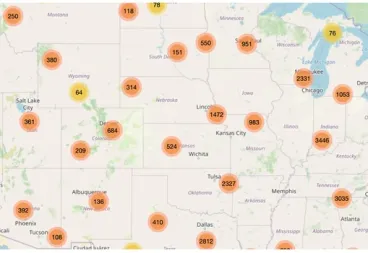
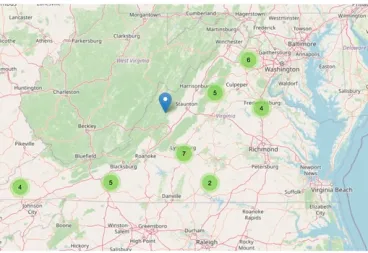
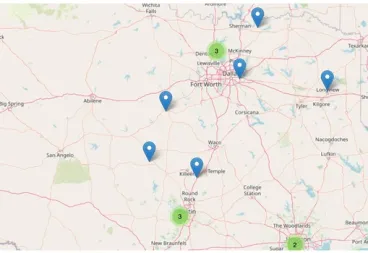
- Breeders and ranches (private treaty). Buying directly lets you see the herd, the parents and the records. The Creatures directory lists cattle breeders and farms you can search by breed and state; most listings are compiled from public sources, so contact the farm and ask your questions directly.
- Breed associations. Many breed associations keep member directories and run or promote sales, and registered animals come with papers. The Creatures registry directory lists breed registries and associations by species.
- Auction markets. Local sale barns sell feeder, slaughter and breeding cattle through much of cattle country, often every week. Before you bid, check what cattle like the ones you want are really bringing: USDA’s Market News service publishes free weekly auction summaries by state and individual sale barn reports, with head counts, weights and prices for feeder, slaughter and replacement cattle, including bred cows and pairs. How to Buy Cattle at Auction explains the process, the fees and the health risks of mixing cattle from many herds.
- Online listings. The Creatures cattle marketplace lists cattle from sellers who have passed verification; today most listings are Highland and miniature cattle, so if you want a breed that is not listed, set an alert and let the listing come to you. For Highlands in particular, Highland Cattle for Sale: Where to Buy Registered Stock and Where to Buy Miniature Highland Cattle go deeper.
Whoever you buy from, ask for the same things: the herd’s vaccination and disease history, a pregnancy check with the stage of pregnancy on any bred female, a breeding soundness exam on any bull, and a close look at eyes, feet and legs, udder, teeth and temperament. University of Arkansas extension goes further and advises having breeding cattle examined by a veterinarian before you buy. What to Look for When Buying Cattle is a full checklist for the day you go to look. Then plan the trip home: Livestock Transport covers moving animals safely, including across state lines.
Frequently asked questions
What is the difference between a cow, a heifer, a bull and a steer?
A cow is a female that has had a calf, and a heifer is a young female that has not. A bull is an intact male kept for breeding, and a steer is a castrated male raised for beef or kept as a pet. A calf is a young animal of either sex under a year old.
What are the main types of cattle?
Beef, dairy, dual-purpose and miniature. Beef breeds such as Angus and Hereford are built for meat, dairy breeds such as Holstein and Jersey for milk, and dual-purpose breeds such as the Dexter and Red Poll give some of both. Miniature cattle are naturally small breeds such as the Dexter and Miniature Zebu, plus scaled-down lines of standard breeds, and they are kept mostly on small farms.
How much land do you need for one cow?
There is no single figure. Using USDA data, University of Nebraska specialists put regional averages at about 1.5 grazed acres per beef cow in the Northeast and Appalachia and about 50 in the Mountain states, and most small farms also buy hay for the months without grass. Your county extension or NRCS office can give a realistic number for your own land.
Can you keep just one cow?
You should not. Cattle are herd animals, and the Merck Veterinary Manual notes that isolation is stressful for them, so plan on at least two: a cow and her calf, two steers, or a cow with another bovine for company.
How long is a cow pregnant?
About 283 days, a little over nine months, with most cows calving between day 279 and day 287 after breeding. Some modern Angus herds average a few days shorter, and Brahman-type cattle average around 292 days.
How long do cattle live?
The natural life expectancy of dairy cattle is about 20 years, and the oldest cow on record lived to 48 years and 9 months. Commercial cows usually leave the herd much sooner, once they stop calving or milking well.
How much does a cow cost?
In mid-2026 a commercial bred beef cow sells for roughly $2,500 to $3,500, a cow-calf pair for $4,000 to $6,000 and a good dairy cow for $3,000 to $4,400, while registered, show and miniature cattle often cost more. Keeping one costs more over time: Kansas Farm Management Association member beef herds averaged about $1,800 per cow in total costs in 2025.
What is the smallest breed of cattle?
Guinness World Records recognizes the Vechur of Kerala, India, as the smallest cattle breed. Other small breeds you are more likely to meet in North America are the Dexter, with most cows about 36 to 42 inches at the hip, and the Miniature Zebu, plus scaled-down lines such as the Lowline and Miniature Hereford. Even a very small cow needs the same basic care as any other cow, and small breeding stock should be DNA tested for the bulldog dwarfism gene.
Do this next on Creatures
Whether you are shopping for your first cow, bringing a new animal home or already running a small herd, these are the useful next steps, in the order most readers need them.
Get told when the right animal is listed. Set a free cattle listing alert and Creatures emails you when matching cattle are posted, no account needed to start. Here is how saved searches work.
See what is for sale now. Browse cattle on the Creatures marketplace, mostly Highland and miniature cattle today, and ask every seller for vaccination records, a pregnancy check on any bred female and a breeding soundness exam on any bull.
Find breeders by breed and state. Search the Creatures breeder directory, or go straight to cattle breeders and farms.
Bought a cow, a calf or a whole pen? Create a free profile for each animal with its tag number, birth date, breed and photos, no account needed to start. The walkthrough is in adding an animal to Creatures.
Keep the records that protect your money. Vaccinations, treatments and withdrawal dates, breeding dates, pregnancy checks, calvings and weights: add a record. The record sheet opens for any visitor to look around, and a free account saves what you enter. See adding a record and reminders and upcoming care for boosters and due dates.
Raise or sell cattle? Ranches, dairies and breeders can create a free farm or breeder profile so buyers searching for cattle can find you, no account needed to start. See getting listed in the breeder directory, adding your team and how seller payout works.
Use the free cattle tools. Work out a calving date with the cattle gestation calculator, estimate weight with a tape and the cattle weight calculator, print a cattle pedigree chart, sketch a brand in the cattle brand generator, or find a name in the cow name generator.