Black Angus
Author: Elliott Garber, DVM · Updated
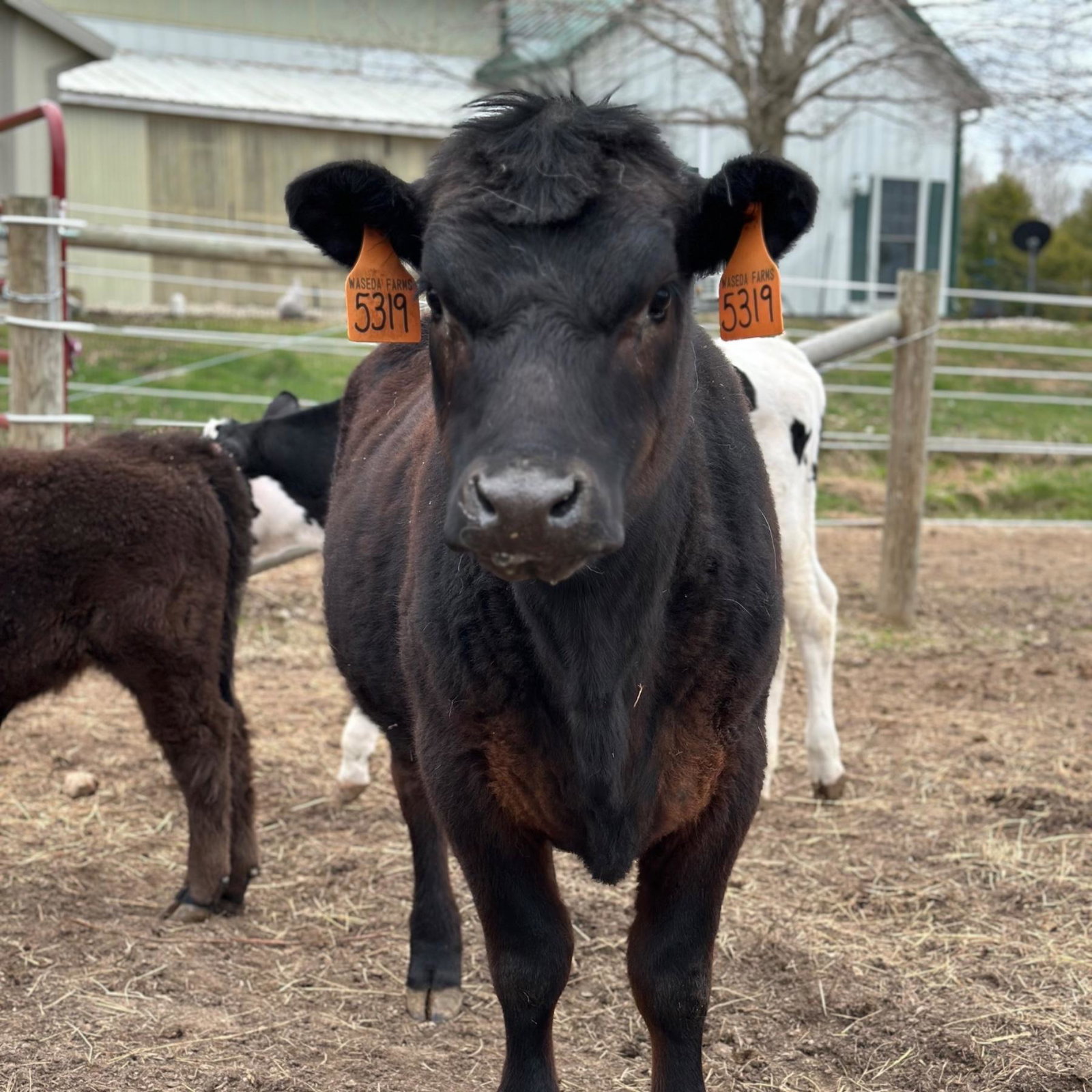
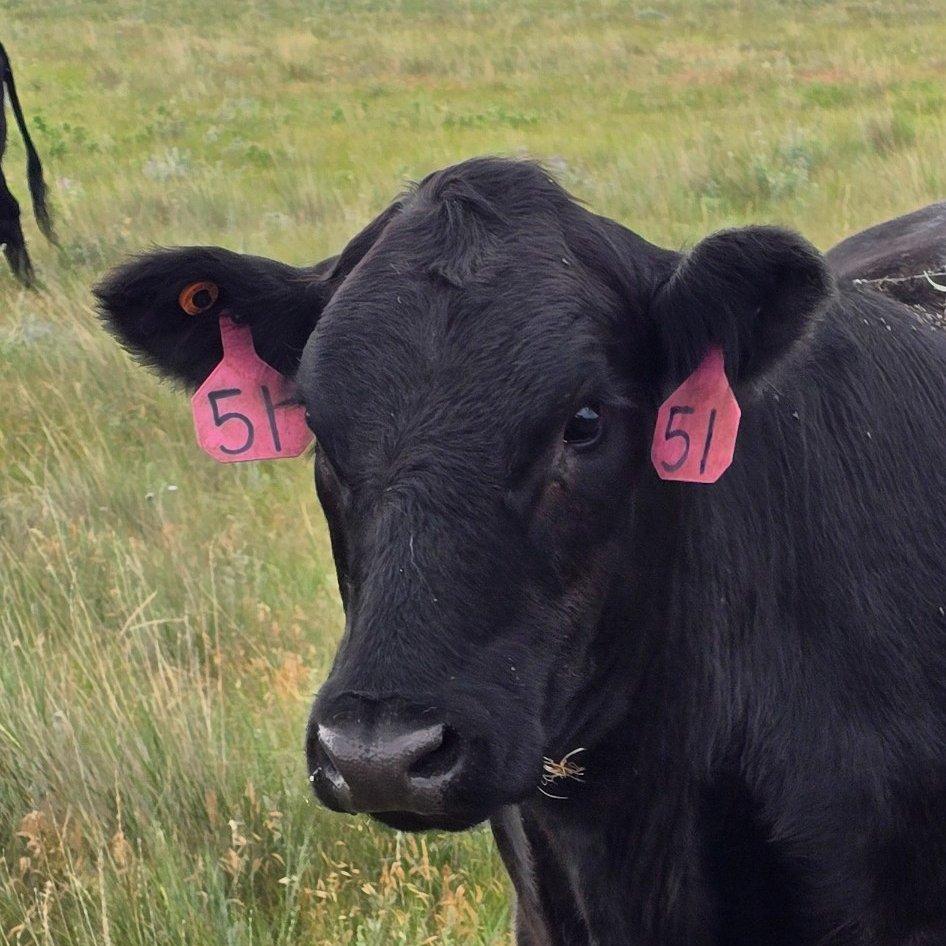
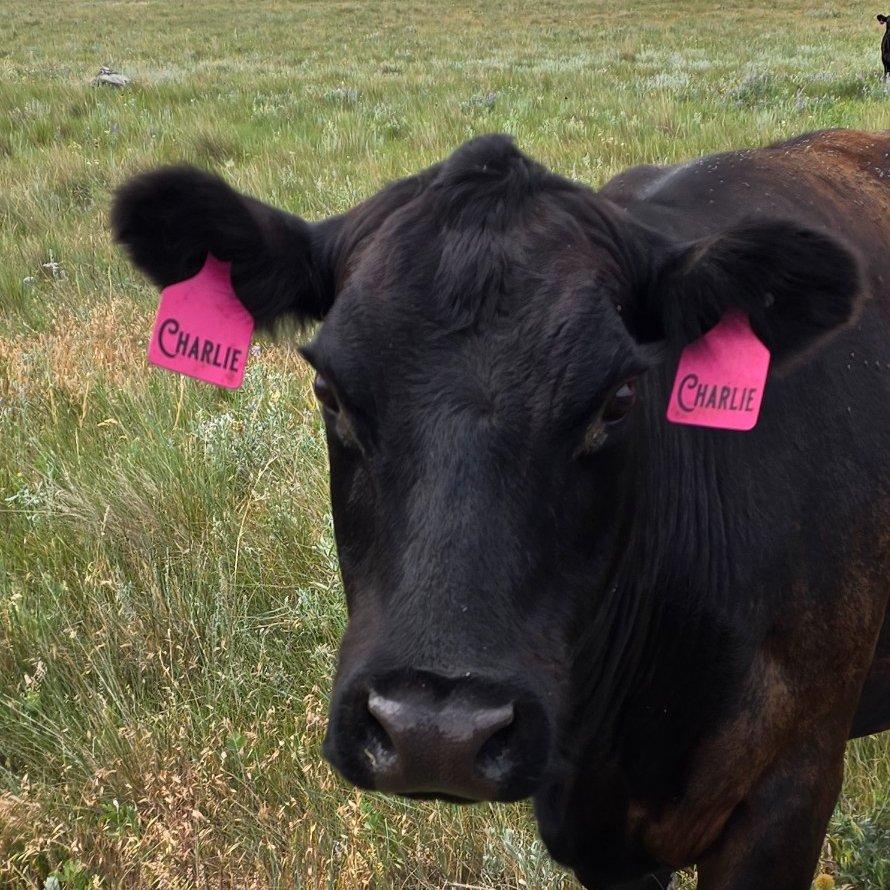
Black Angus are naturally polled beef cattle associated with a black coat and Scottish ancestry. The name is useful as a starting point, but black color alone does not establish registered Angus ancestry, breeding merit or eligibility for a particular beef program.
The free cattle pedigree chart maker helps put a seller’s supplied ancestry in view. The original registration documents still determine what has actually been recorded by the registry.
Set a Black Angus search alert for new matching listings. Current supply may be empty; the Black Angus breeder directory is another route to contact sources and ask about availability.

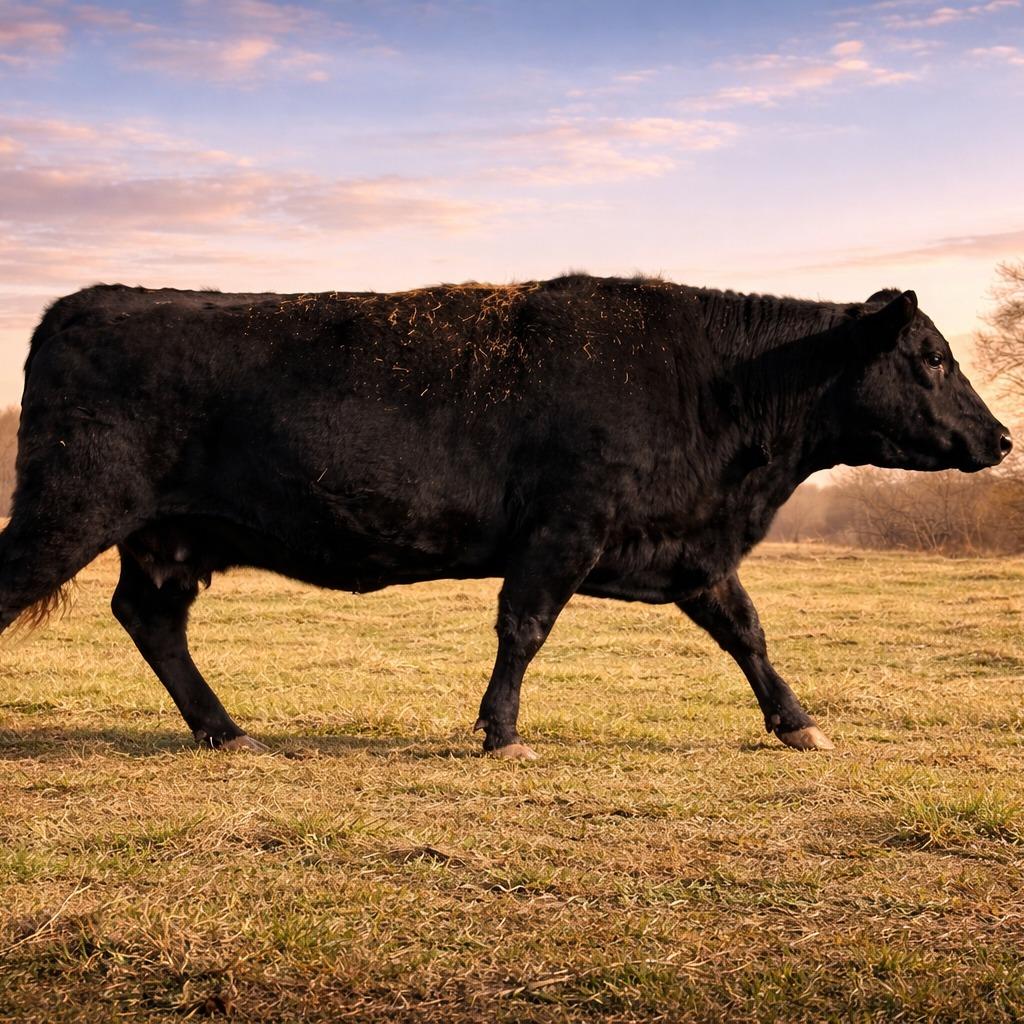
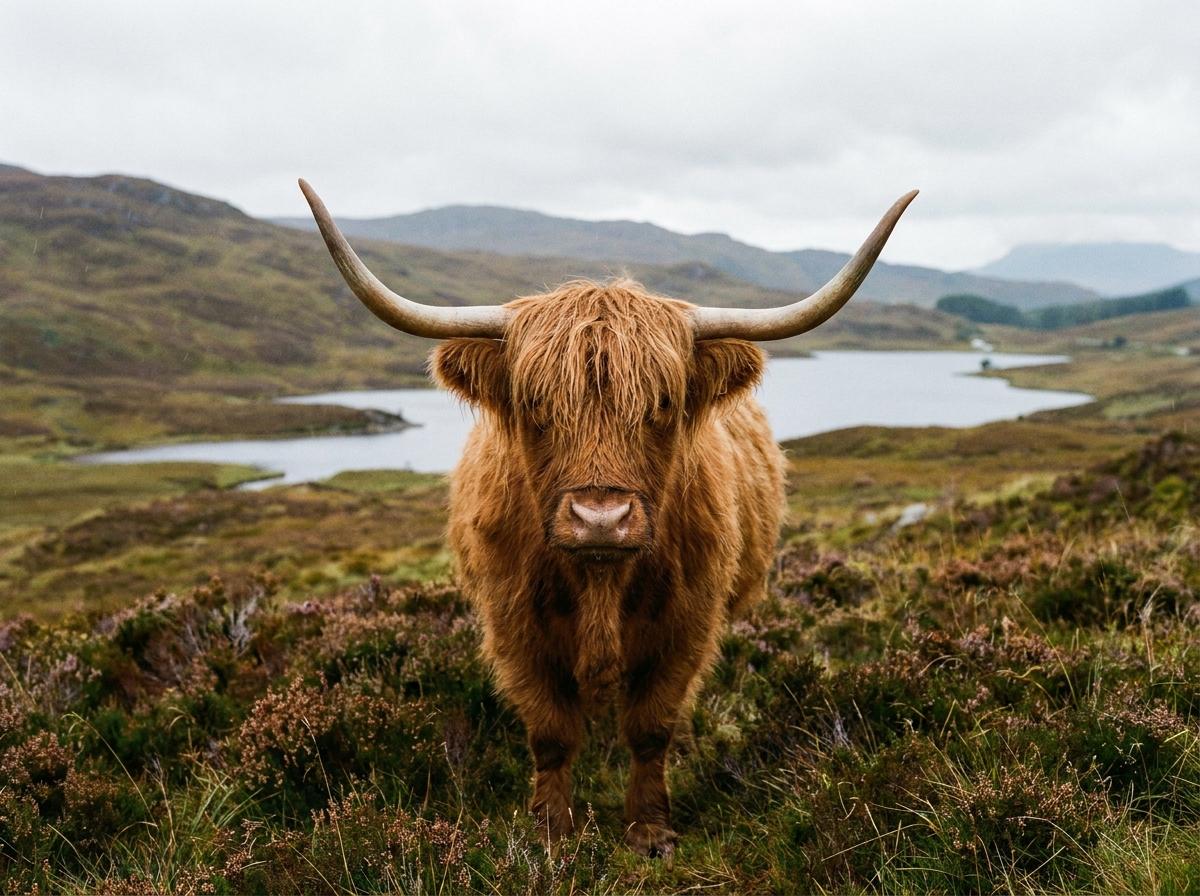
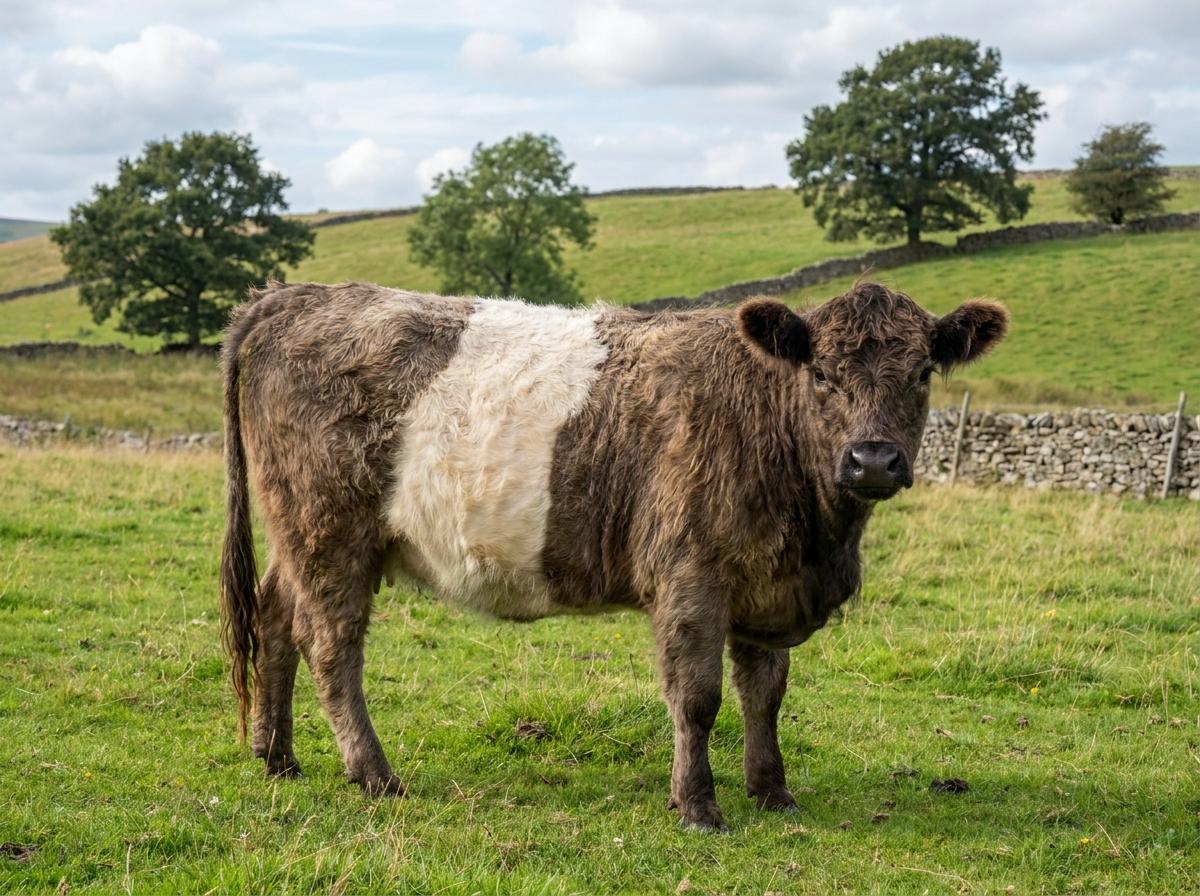
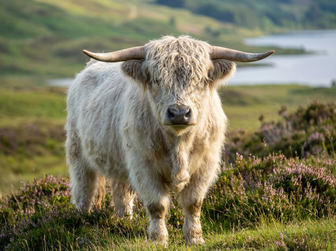
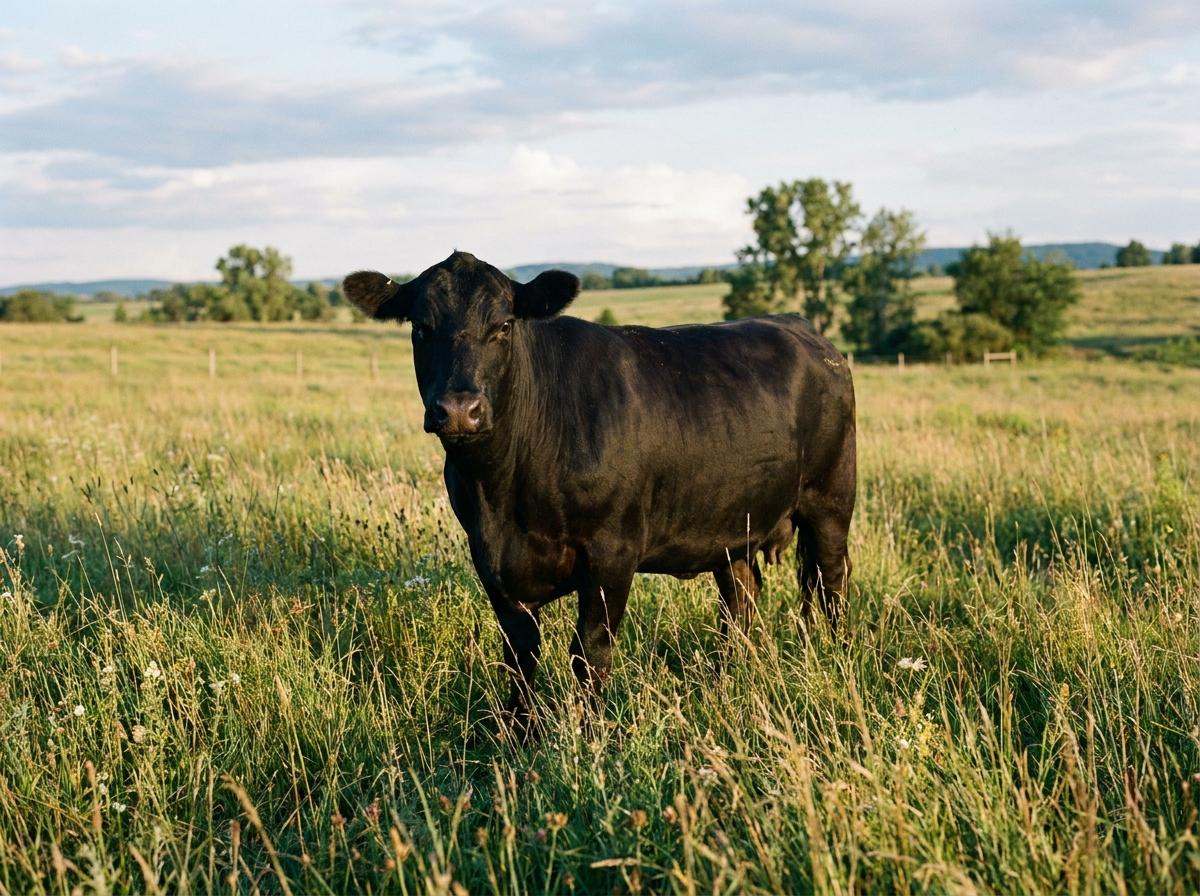
AI-generated illustration.
| Origin | Scottish Aberdeen Angus |
|---|---|
| Color and horns | Black and naturally polled |
| US registry | American Angus Association; black cattle |
| Separate breed registry | Red Angus Association of America |
| Marketing distinction | CAB eligibility is not pedigree registration |
| Buying priority | Current genetic, breeding and soundness records |
Browse listings, public profiles, breeders, or add your animal.
Scottish roots, black coats and three different labels
Angus developed from polled cattle in the Scottish counties of Aberdeen and Angus. George Grant brought four Angus bulls to Kansas in 1873, an early step in the breed’s American expansion. Oklahoma State’s breed history puts today’s familiar black cattle in that context. Modern cattle vary substantially in frame and mature weight, so ask for the actual cow family’s size before deciding how many your forage can support.
“Black Angus” in a sale description can mean registered Angus or black Angus-influenced commercial cattle. A black, hornless animal can still be crossbred. Match the animal’s identification to its certificate when ancestry matters; the Black Hereford guide illustrates why black color does not identify one breed.
The American Angus Association’s registration rules exclude red-colored animals from its US herd book. Red Angus cattle have a separate US registry, the Red Angus Association of America. Ask which association issued the papers rather than treating “Angus papers” as a complete answer.
Certified Angus Beef is another distinction. The American Angus Association’s explanation of CAB describes a predominantly black hide as the initial eligibility screen, followed by carcass specifications. It is not proof of registered parentage, and black color does not guarantee acceptance or a premium. Confirm the intended buyer’s program before budgeting that income.
Genetic reports to request
Ask the breeder for the current genetic-condition report and the animal identity attached to it. The American Angus Association’s 2026 testing guidance names AM, NH, CA, OS, DD, M1, D2 and OH in its testing bundle, with requirements depending on the animal’s registration and breeding role. A generic “DNA tested” claim does not tell you which conditions were assessed or whether parentage was the only test.
Have the registry or a qualified adviser explain carrier and potential-carrier codes before arranging a mating. Keep both parents’ reports: appearance cannot establish recessive-condition status, and an animal’s test result is different from an assumed status inferred through its pedigree.
Start with a breeding objective
Write down your forage conditions, mature cow type, calving season and destination for calves. State whether you will retain daughters. These details determine which traits deserve attention when comparing sires or females.
The American Angus Association’s commercial-cattle resources provide a route into its selection information. Read the definitions before using a breeding evaluation or dollar index. An index is built around assumptions; it is not the sale price of a future calf or a guarantee of farm profit.
Ask the breeder to explain the relevant figures using your herd as the example. What would change if you kept daughters rather than selling all calves? What trade-offs are involved in selecting strongly for growth? A useful discussion makes the reasoning visible instead of simply circling the highest number.

AI-generated illustration.
Calving ease and practical soundness
For a sire intended for heifers, review appropriate calving-ease information and the heifers themselves with an adviser. Do not rely on the bull’s own birth weight or a seller’s unexplained “heifer safe” description. No mating comes with a guarantee of an unassisted birth.
For any breeding bull, obtain a current breeding soundness examination and ask about previous use, injuries and handling. University of Georgia’s bull-buying guide provides a practical framework for selecting breeding animals. The examination date and animal identity belong with the report.
Watch cattle move and turn. Feet, legs, condition and behavior affect how an animal functions on your property. A strong paper record does not make a visibly unsound animal a sensible purchase, and attractive conformation does not replace reproductive or health information.
Once a mating is chosen, use its service date in the cattle gestation calculator and prepare with the calving guide. An estimated date adds no guarantee to a calving-ease evaluation.
Docility is something to observe
The word “quiet” should lead to examples. Ask what the animal does during weighing, loading, separation and routine veterinary handling. Observe normal work from a safe position with the seller or an experienced handler. Do not enter a pen to test an unfamiliar bull’s friendliness.
For buyers starting a small herd, choosing compatible animals and getting hands-on instruction may be more valuable than chasing a fashionable pedigree. Ask the breeder how the cattle were grouped and handled, and plan the transition around the actual animals.
Feed, pasture and herd health
Inventory forage through the least productive season, not only the best one. Have the feeding plan reviewed against the cattle’s age, condition and breeding or growth demands. Record the existing ration before changing it, including feed weights rather than only bucket sizes.
Use the cattle vaccination guide to prepare questions, then ask your veterinarian for an introduction plan based on both herds. Request dated vaccination, testing and treatment information. Keep those documents connected to the correct animal; herd-level statements and individual test results should not be mixed together.
The guide to health and medical records explains the Creatures workflow for keeping that information together. It supports your care history while veterinary interpretation remains with your veterinarian.
Use the cattle-feeding guide to review forage, body condition and supplementation with the person advising your herd.
Use the cattle weight calculator only for an estimate. For measured weights and equipment choices, see the cattle scale guide; estimates should not determine medication doses.
What does Black Angus cost?
Use the cow cost guide to compare breeding-stock and feeder prices before assessing local offers.
Compare cattle of similar age, sex, pregnancy or breeding status and documentation. A registered sire, commercial heifer and feeder steer should not be combined into a single “Angus price.” Ask what the offer includes and which claims are covered in writing.
The total budget also includes feed, fencing, working facilities, veterinary care, transport and the possibility that a breeding animal cannot perform when required. Before buying a bull for a small group of cows, discuss alternative breeding arrangements and the practical demands of keeping him throughout the year.
If a premium market is central to your plan, talk to the buyer before purchasing cattle. Confirm the route and requirements without assuming that a breed label alone creates a sale. Your local costs and buyer relationships matter more than a general online price range.

AI-generated illustration.
Compare the system, not just the coat
The cattle overview is a useful foundation. Compare Brangus when considering a composite with Brahman ancestry, and Charolais for another beef-breeding option. For an Angus-derived breed in a different coat, see the Murray Grey cattle guide, an Australian polled breed whose herd book still grades up from black Angus. The comparison should sharpen your questions about adaptation and purpose, not create a universal breed ranking.
Black Angus questions
Does black color prove Angus ancestry?
No. Other breeds and crosses can be black. Registration or reliable breeding records provide the relevant evidence.
Does a polled animal still need handling facilities?
Yes. Lack of horns does not make large cattle harmless or remove the need for safe restraint and experienced handling.
Will an Angus calf automatically qualify for a premium?
No. Certified Angus Beef uses a black-hide eligibility screen and carcass specifications, not a promise based on registered ancestry. Other programs have their own terms; ask the intended buyer before counting a premium.
Do this next on Creatures
Keep the animal’s identity, original documents and your dated observations together. Choose the next step that matches where you are in the process.
- Set up a Black Angus search alert. Get notified when new listings match, with help from the saved-search guide.
- Check current Black Angus listings; supply may be empty or change. Ask for the evidence relevant to your intended purchase.
- Start a Black Angus profile. No account is needed to start. The animal-profile guide explains the details.
- Add a care or breeding record. The form opens for visitors; a free account saves the record. Read the record guide before adding documents.
- Start a breeder or farm profile. The directory guide explains how a breeder listing works.
- Explore Black Angus breeders to compare sources and prepare a careful introduction to the seller.