

Brown Swiss
Author: Elliott Garber, DVM · Published
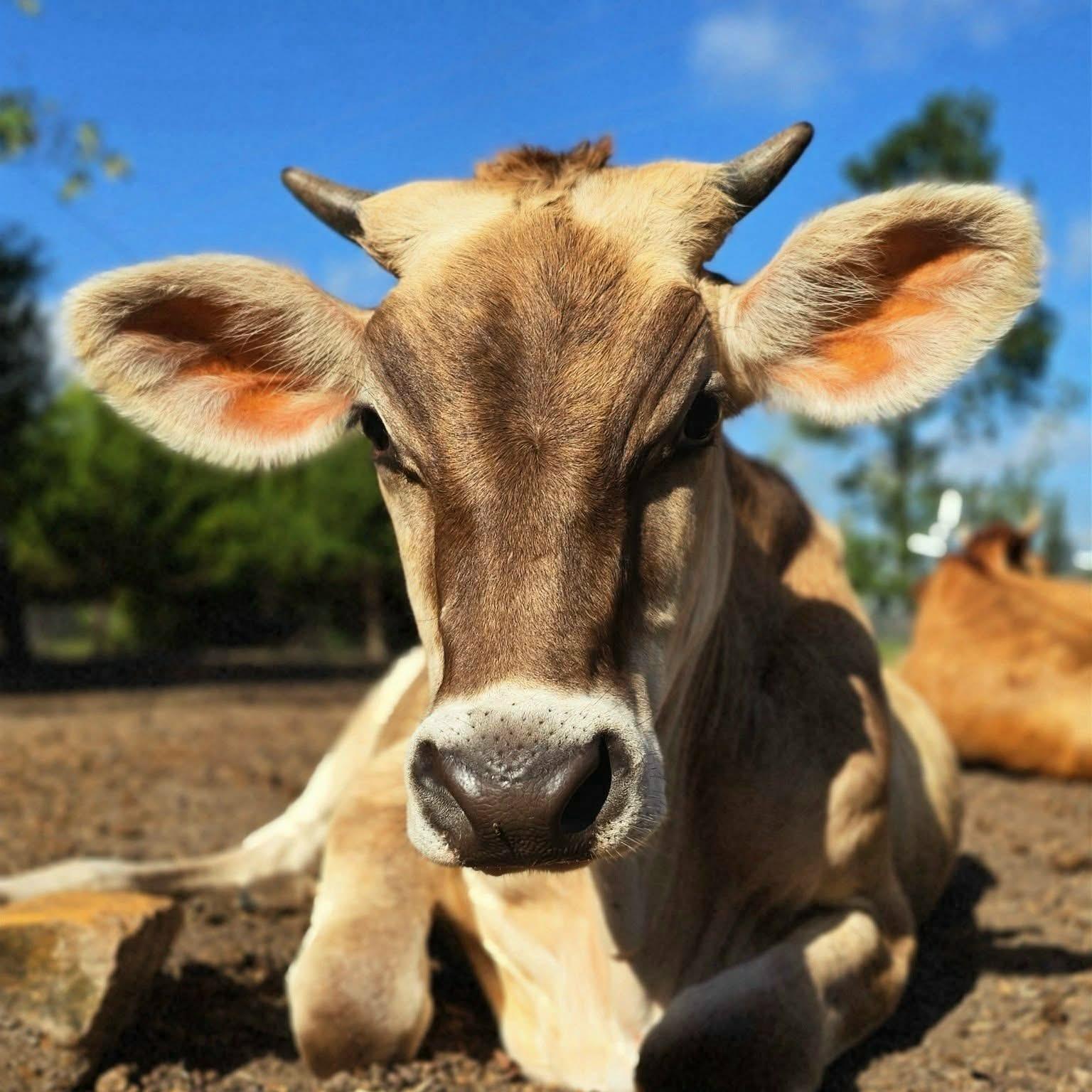
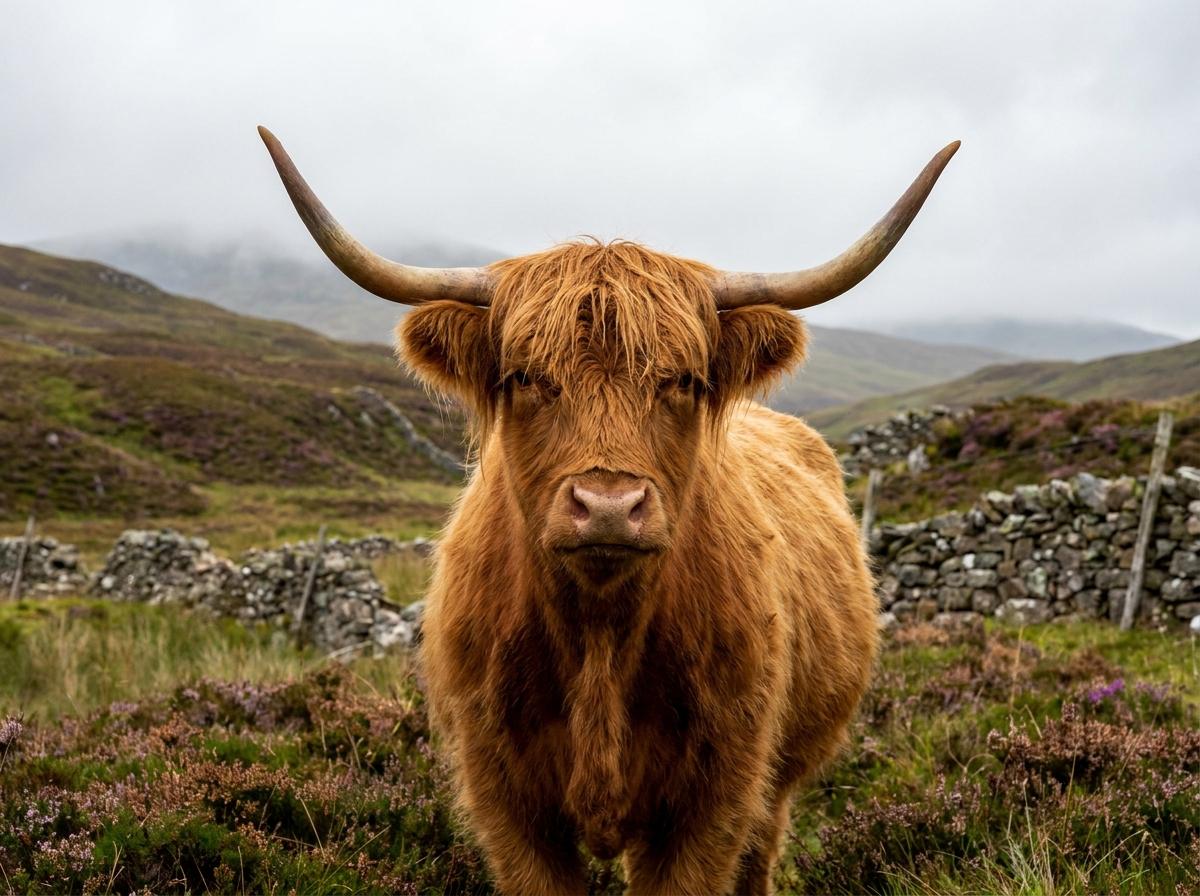
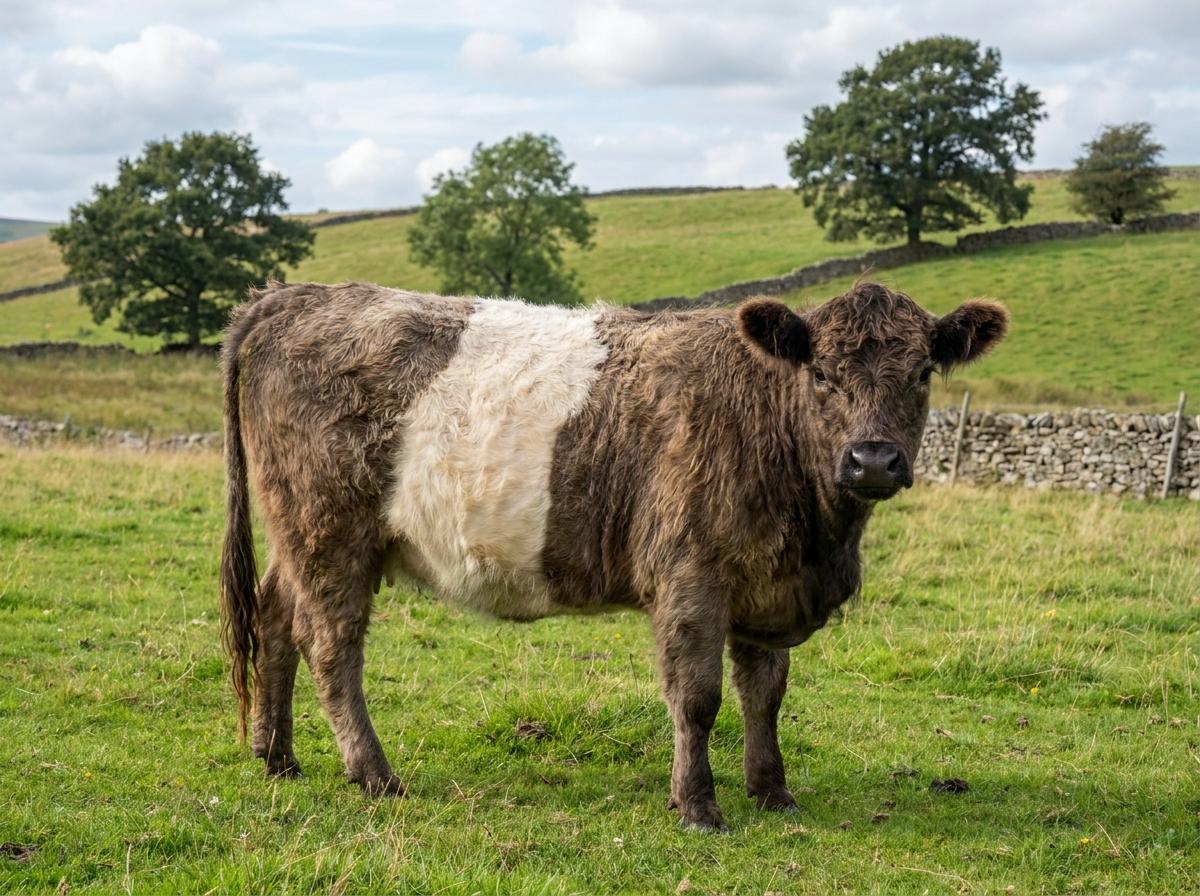
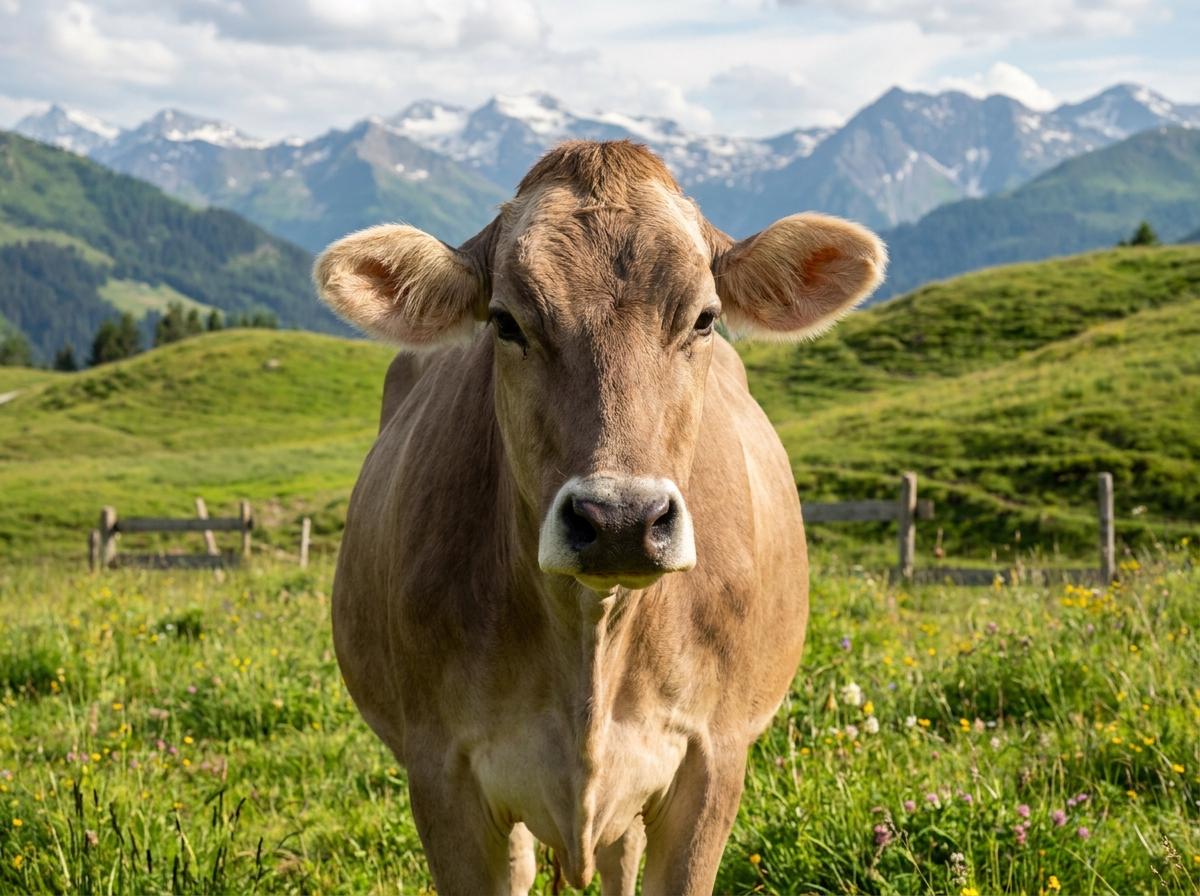
Brown Swiss are dairy cattle recognized by a brown-to-gray coat and a dark muzzle surrounded by a lighter ring. Their appeal often includes milk components and dairy longevity, but an individual cow should be chosen from her records, health and fit with your milking routine.
Use the free cattle pedigree chart maker to lay out the supplied family history, then assess the cow’s own lactation and health records separately.
Set a Brown Swiss search alert for new matching listings. Current supply may be empty; use the alert while you prepare your care plan and the records to request from a seller.

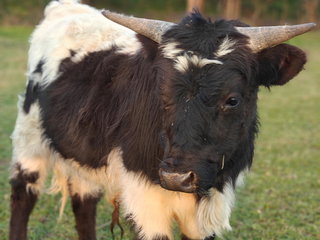
AI-generated illustration.
| Origin | Swiss brown cattle; US dairy selection |
|---|---|
| Color | Gray, tan, brown or almost white; dark muzzle |
| Mature cow reference | About 1,300 to 1,400 pounds |
| Mature bull reference | Near 2,000 pounds |
| 2024 production context | 24,561 lb milk, 305-day mature-equivalent average |
| Buying priority | Actual lactation, milk components and genetic reports |
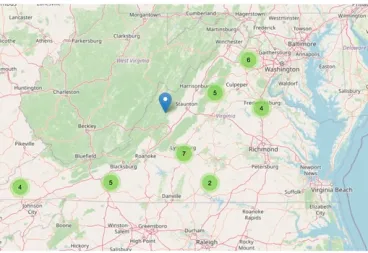
Browse listings, public profiles, breeders, or add your animal.
Swiss ancestry, dairy Brown Swiss and Braunvieh
Brown Swiss developed from Switzerland’s brown cattle. The Brown Swiss Cattle Breeders’ Association of the USA traces the American population to early imports totaling 25 bulls and 140 females. Its breed facts describe gray, tan, dark brown and almost white coats, usually with a black muzzle, hooves and tail switch. It gives mature cows at about 1,300 to 1,400 pounds and bulls near 2,000 pounds; measure the individual when planning transport and facilities.
In a US advertisement, dairy Brown Swiss should be distinguished from beef-oriented Braunvieh. They share Swiss ancestry, but selection goals and herdbooks differ. Ask which association recorded the animal and whether it comes from a dairy, dual-purpose or beef breeding program. The Braunvieh guide explains why these related names are not interchangeable purchasing categories.
The association describes Brown Swiss as adaptable and often docile. Those are breed-level expectations to investigate at a viewing, not guarantees. Watch the cow move, rise and enter her usual milking area, then have her health and udder function assessed for your intended system.
Read production records in context
The association’s 2024 annual report reports a 305-day mature-equivalent average of 24,561 pounds of milk, 4.14% fat and 3.36% protein. Mature-equivalent figures are adjusted comparisons, not the amount every cow actually gives: the same report’s actual breed average is 21,332 pounds. This distinction matters when translating breed statistics into a household milk plan.
Ask for this cow’s actual lactation records, days in milk and measured components. Milk volume and fat or protein concentration answer different questions about drinking milk, processing and income.
A single peak-day statement is not a lactation record. Nor is a dam’s performance the same as measured production from an uncalved heifer. If the seller quotes a herd average, ask where this cow sits within that herd and whether the figure covers the same period you are comparing elsewhere.

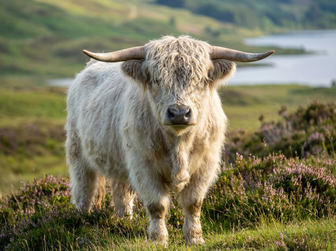
AI-generated illustration.
A reliable milking routine matters more than a reputation
Observe an ordinary milking if possible. Ask who usually milks the cow, what equipment she knows and whether she behaves differently with a new handler. A cow described as calm still needs suitable facilities and a keeper who can recognize problems.
Penn State Extension’s milking-management guidance stresses consistent technique and a clean, dry environment. Work with a dairy adviser or veterinarian to learn a routine suitable for your equipment. A breed guide cannot teach the entire practical job of preparing, milking, cleaning and monitoring a cow.
Plan for absence and equipment failure. Who can perform the routine when you are ill? Where is replacement equipment available? What will happen during a power or water interruption? Establish those arrangements before owning a lactating animal, when the work is already due.
Feeding, housing and the dry period
The cattle feeding guide helps organize forage, body condition and life-stage questions before your nutrition adviser balances the dairy ration.
Ask for the current forage and concentrate details, including product names and amounts by weight. Have the ration reviewed for the cow’s condition, stage of lactation and available feed. Changing homes should not also mean an unplanned abrupt change in everything she eats.
The period when a dairy cow is not being milked also requires a plan. Penn State’s dry-cow mastitis guidance treats the dry period as an important part of udder-health management. Agree with your veterinarian on the appropriate approach for the individual cow; do not copy another herd’s treatment or schedule without that assessment.
The cattle weight calculator gives only an estimate. Use the cattle scale guide when planning how to obtain a reliable measured weight; do not dose medication from an estimate.
Health records to see before buying
For breeding stock, ask for a genetic report as well as disease-testing records. The association’s genomics resource discusses Weaver, spiderleg (arachnomelia), spinal muscular atrophy, spinal dysmyelination, BH2 and BH14. Its current testing page lists the available panel. Have an adviser interpret both parents’ results; a healthy-looking carrier and an affected animal are different categories, and parentage testing alone does not assess every condition.
Request milk-quality and mastitis history, breeding and calving dates, previous treatment records and any current restrictions. Ask whether all information is linked to the cow’s identity. A verbal claim of “no problems” should not prevent an independent veterinary assessment.
For a pregnant animal, obtain the service sire and dates and ask how pregnancy was confirmed. For a cow in milk, find out whether the advertised yield is current and what changes occurred recently. For a calf or heifer, request the rearing and health history; the calf bottle-feeding guide helps identify the equipment and daily work a young calf adds.
Discuss herd-level disease testing and the introduction plan with your own veterinarian before transport. A negative result is meaningful only in the context of the disease, test, date and animal sampled. Avoid describing any purchased cow as guaranteed disease-free.
Bring the service record into planning for the next lactation. The cattle gestation calculator estimates a date without confirming pregnancy; the calving guide covers preparations for the cow and calf.
What should you budget?
The cow cost guide separates age and production classes so you can compare like with like.
Price comparisons should separate calves, heifers, pregnant females and proven milking cows. Papers, performance records, reproductive status, training for your milking system and transport can all affect what is being offered. Confirm transfer responsibilities in the written agreement.
The ownership budget includes forage, appropriate supplementary feed, bedding, hoof care, veterinary support, milking and cleaning supplies, equipment maintenance and relief labor. A cow that costs less to buy can still need facilities you do not have. Get local estimates for those facilities before committing.

AI-generated illustration.
If you are comparing breeds for a household milk supply, the Jersey guide examines the daily commitment as well as the appeal of a particular dairy breed.
Keep a useful cow history
Record each lactation, breeding event and veterinary document against the same animal identity. Keep actual measurements separate from forecasts. The guide to adding a record explains how to build that history on Creatures while retaining the original reports.
The cattle guide covers the broader ownership decision. Compare Holstein cattle if you are choosing between dairy options, and Alpine goats if a smaller dairy species is also under consideration. Smaller animals change the facilities and output, but they still need a complete milking and care plan.
Brown Swiss questions
Are Brown Swiss always dark brown?
No. The breed includes a range of gray and brown shades. Coat color is less useful than identity and records when evaluating a purchase.
Does Brown Swiss milk guarantee better cheese yield?
Do not make that promise for an individual cow. Review measured milk components and discuss your processing goals with a qualified adviser.
Can a first-time owner keep one as a family cow?
Only with suitable facilities, companionship arrangements, practical training and dependable veterinary and relief support. Observe and learn the daily work before purchasing.
Do this next on Creatures
Keep the animal’s identity, original documents and your dated observations together. Choose the next step that matches where you are in the process.
- Set up a Brown Swiss search alert. Get notified when new listings match, with help from the saved-search guide.
- Check current Brown Swiss listings; supply may be empty or change. Ask for the evidence relevant to your intended purchase.
- Start a Brown Swiss profile. No account is needed to start. The animal-profile guide explains the details.
- Add a care or breeding record. The form opens for visitors; a free account saves the record. Read the record guide before adding documents.
- Start a breeder or farm profile. The directory guide explains how a breeder listing works.
- Explore cattle breeders to compare sources and prepare a careful introduction to the seller.