Galloway
Galloway cattle are a Scottish beef breed known for a naturally hornless head and a dense, shaggy coat. They attract interest from people planning forage-based herds, but a successful purchase depends on more than hair and a reputation for hardiness. The useful questions concern the individual animal, its breeding records and the system in which it has been raised.
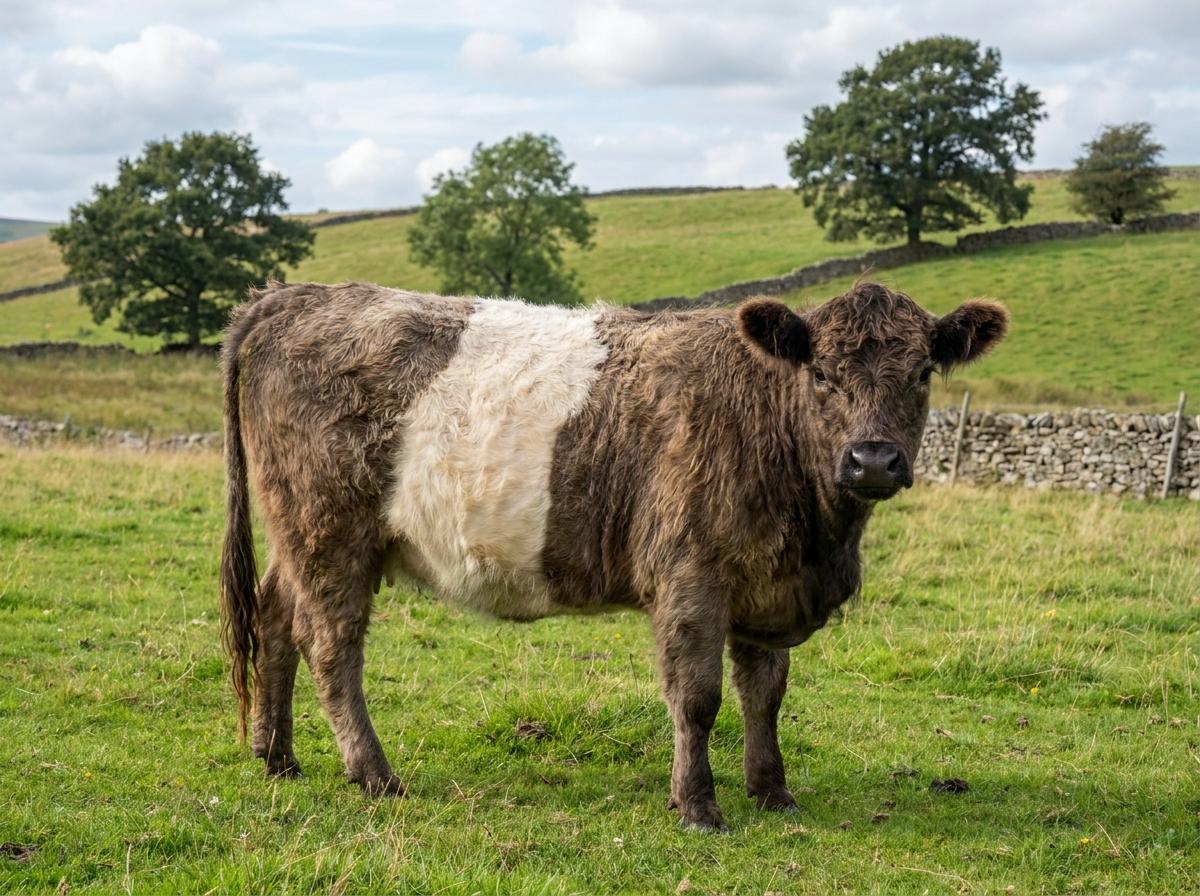
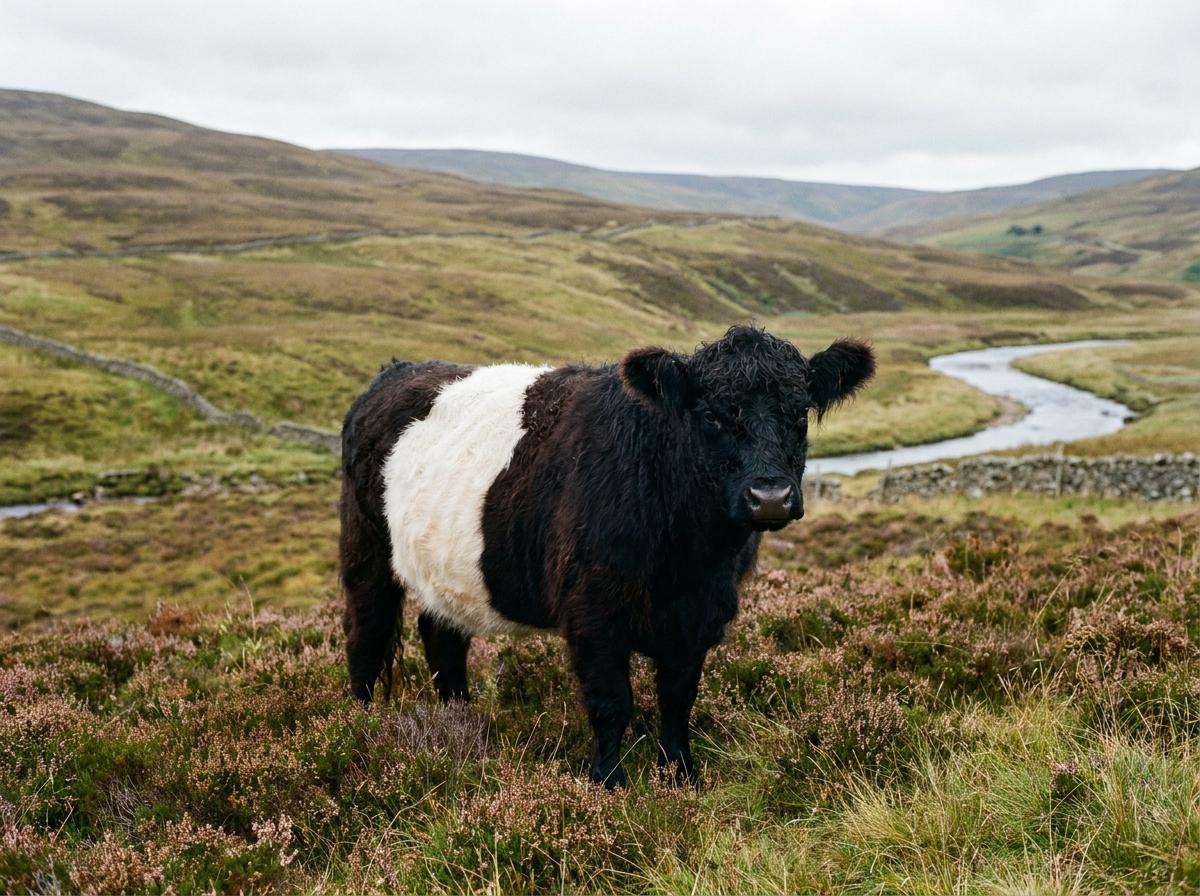
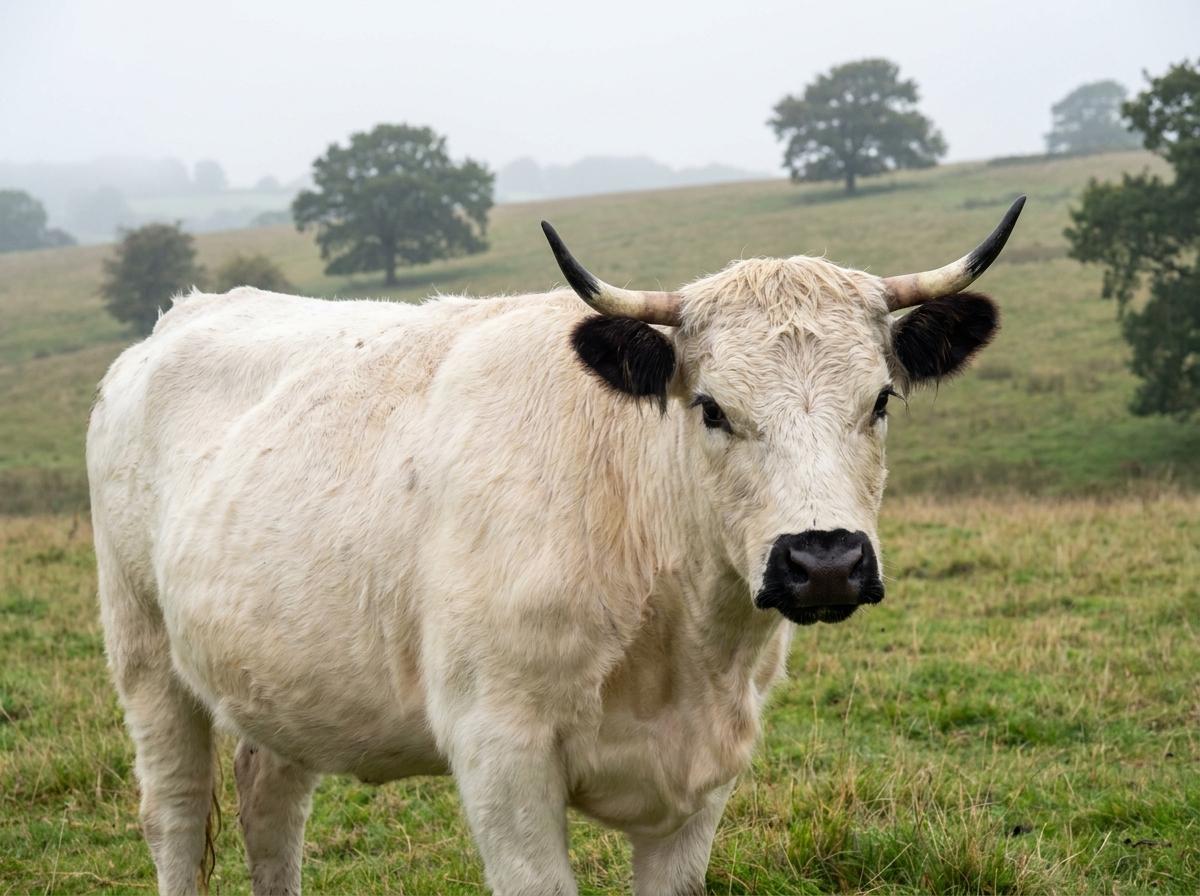
This page covers Galloway cattle. If the animal you have in mind has a broad white middle band, compare the Belted Galloway page. Predominantly white cattle with dark points belong in a separate White Galloway comparison.
The cattle hub provides a wider breed comparison. The Galloway breeder directory offers research leads, but most entries are directory listings compiled from public sources. Check current breed focus and a working contact before travel or payment.
| Origin | Southwest Scotland |
|---|---|
| Primary role | Beef cattle |
| Horns | Naturally polled |
| Coat | Dense and shaggy; solid black is familiar |
| Related types | Belted and White Galloway need their own identity checks |
| Selection priority | Sound cattle and records that fit the intended system |

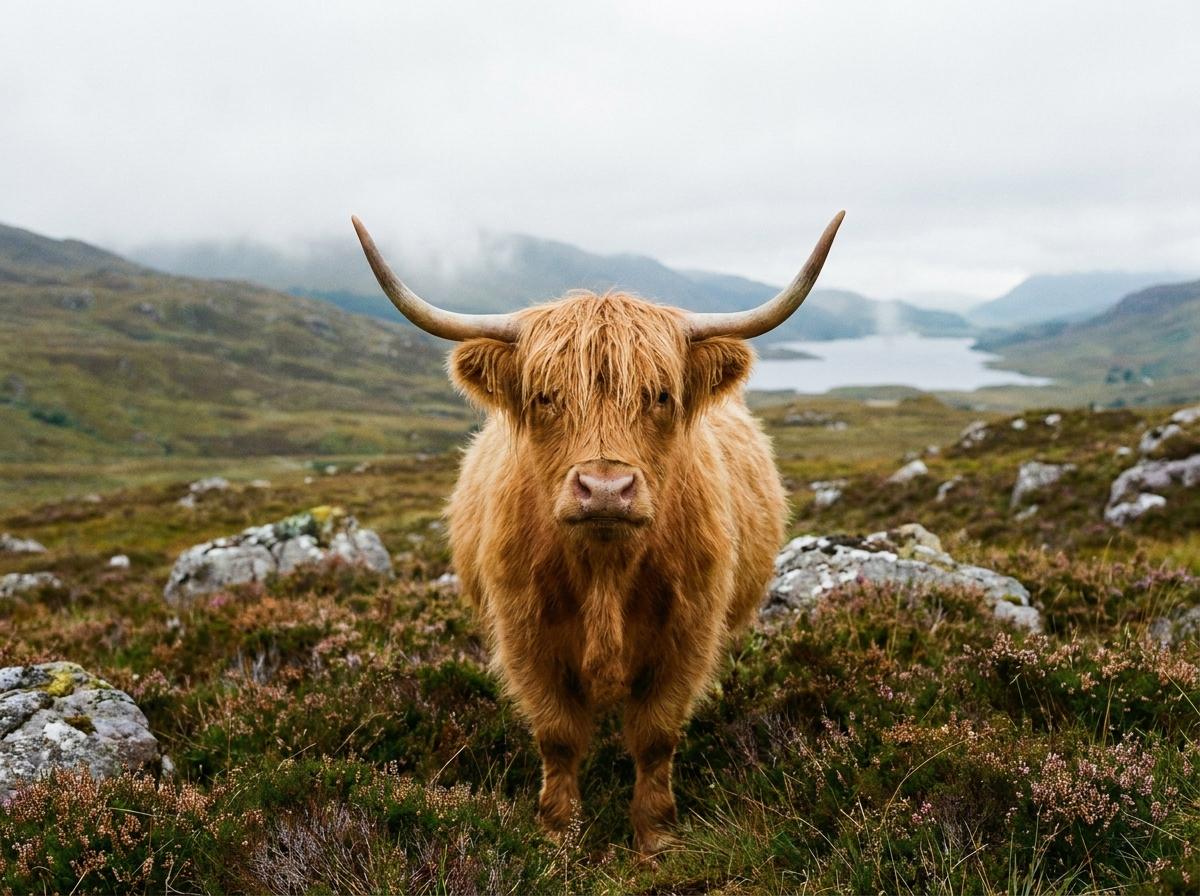
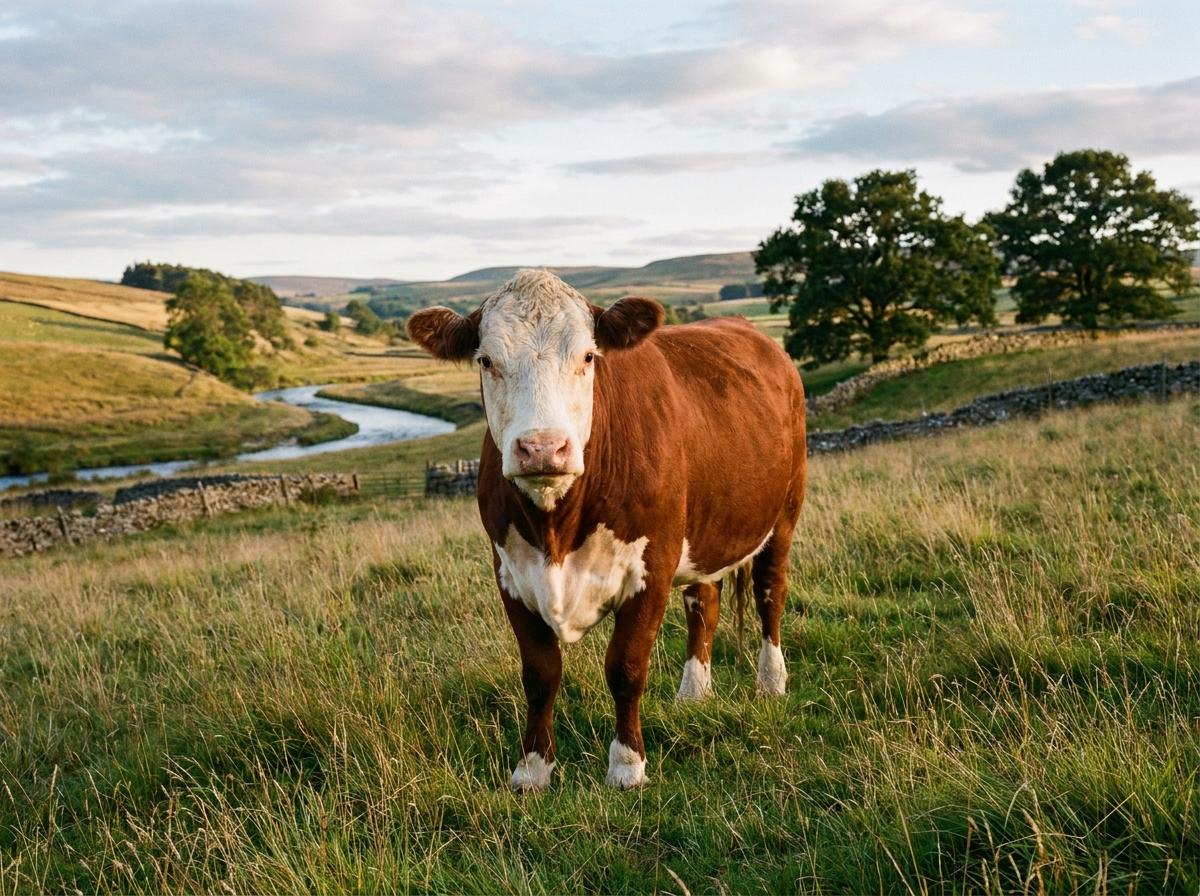
AI-generated illustration. An educational reconstruction, not actual stock.
Browse listings, public profiles, breeders, or add your animal.
How to recognize a Galloway
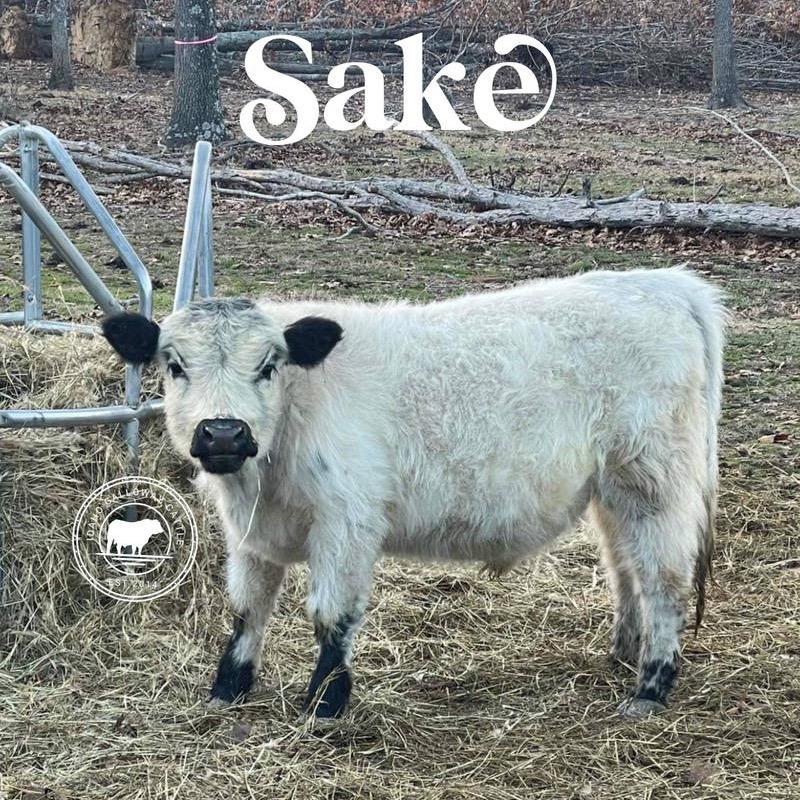
The Galloway Cattle Society describes a naturally polled breed with a broad, relatively short head, substantial beef conformation and a long, shaggy coat. Black is the familiar color, while red and dun also occur. The coat and hornless head are more useful first clues than an assumption that every Galloway must be black. The society’s breed characteristics describe the intended type.
Polled means naturally without horns. It does not mean an animal has been dehorned, and it does not establish temperament. Ask how horn status is recorded when evaluating a crossbred animal or an unfamiliar pedigree.
A thick coat can also make body shape difficult to judge. Examine the animal moving and assess body condition with someone competent to handle it safely. Hair should not conceal poor feet, an unsuitable mouth or a lack of condition.
Galloway, Belted, White and Riggit Galloway
These names should remain specific in an advertisement, pedigree or conversation with a breeder. A belt is not simply an optional accessory to use when describing any black Galloway, and a white coat with colored points is not evidence of one particular ancestry on its own.
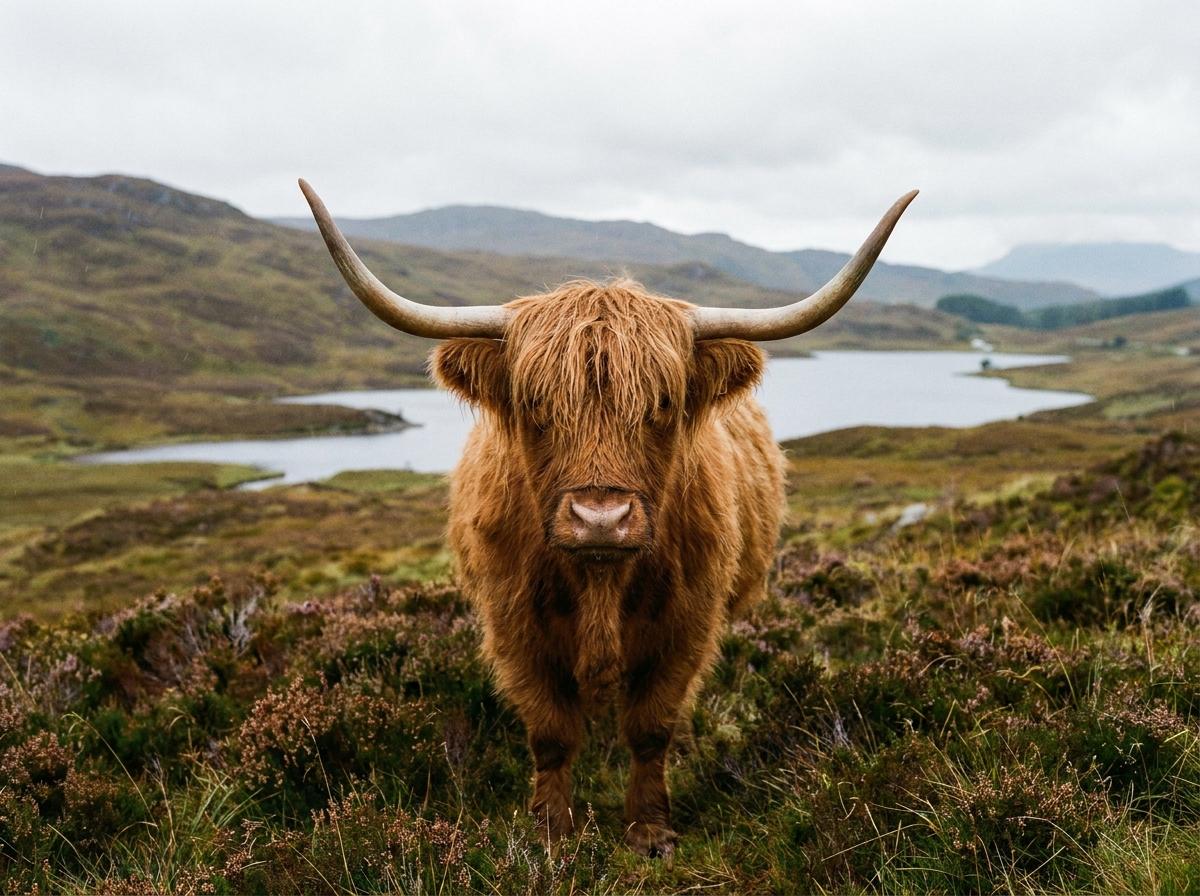
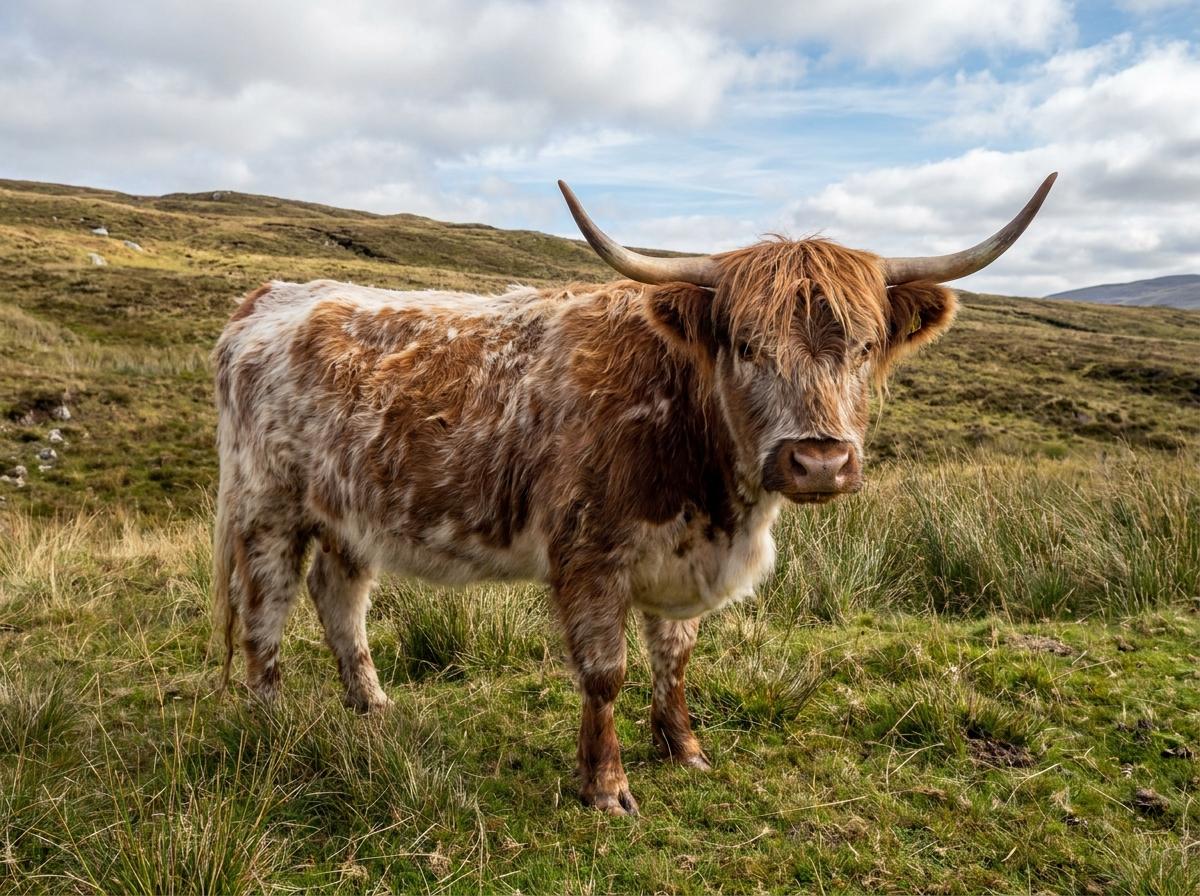
Ask which herd book records the animal and which category appears on its certificate. If the cattle are crossbred, request the actual parentage instead of inferring it from color. The same approach helps distinguish Galloways from horned, long-haired Highland cattle.
Also distinguish Riggit Galloway, whose pattern has a white line along the back rather than a middle belt. In the US, registration is handled through the American Galloway Breeders’ Association herd book, with separate sections and eligibility rules for solid, White and Riggit cattle. Check the section on the actual certificate.
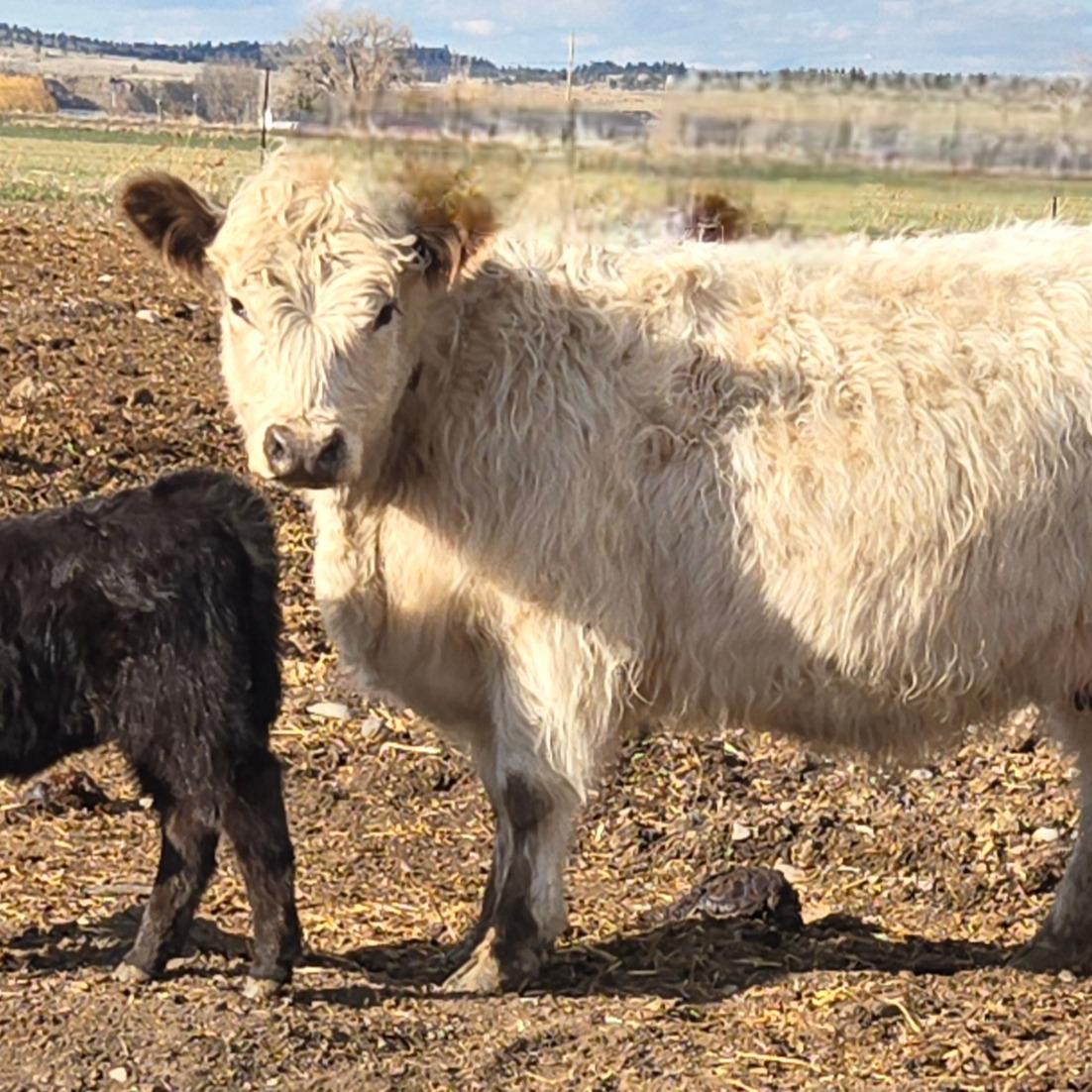
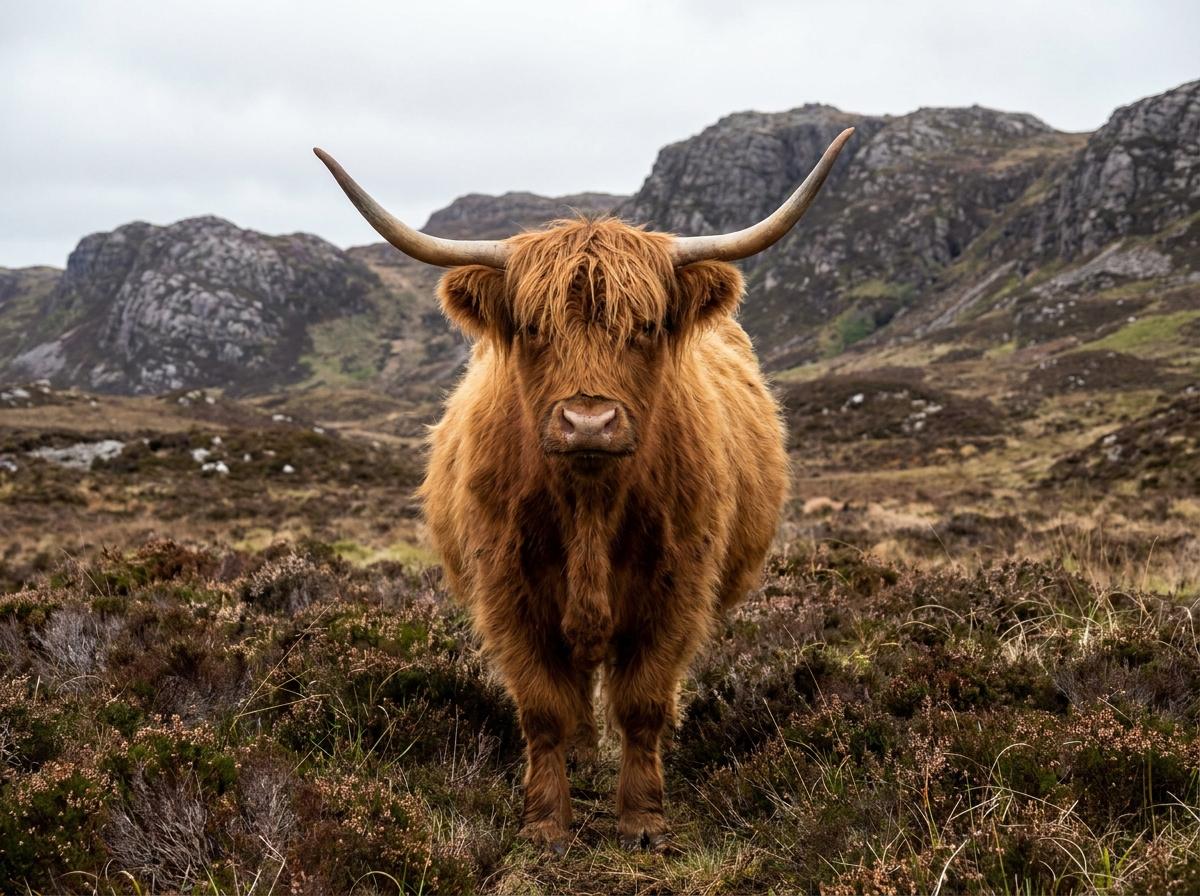
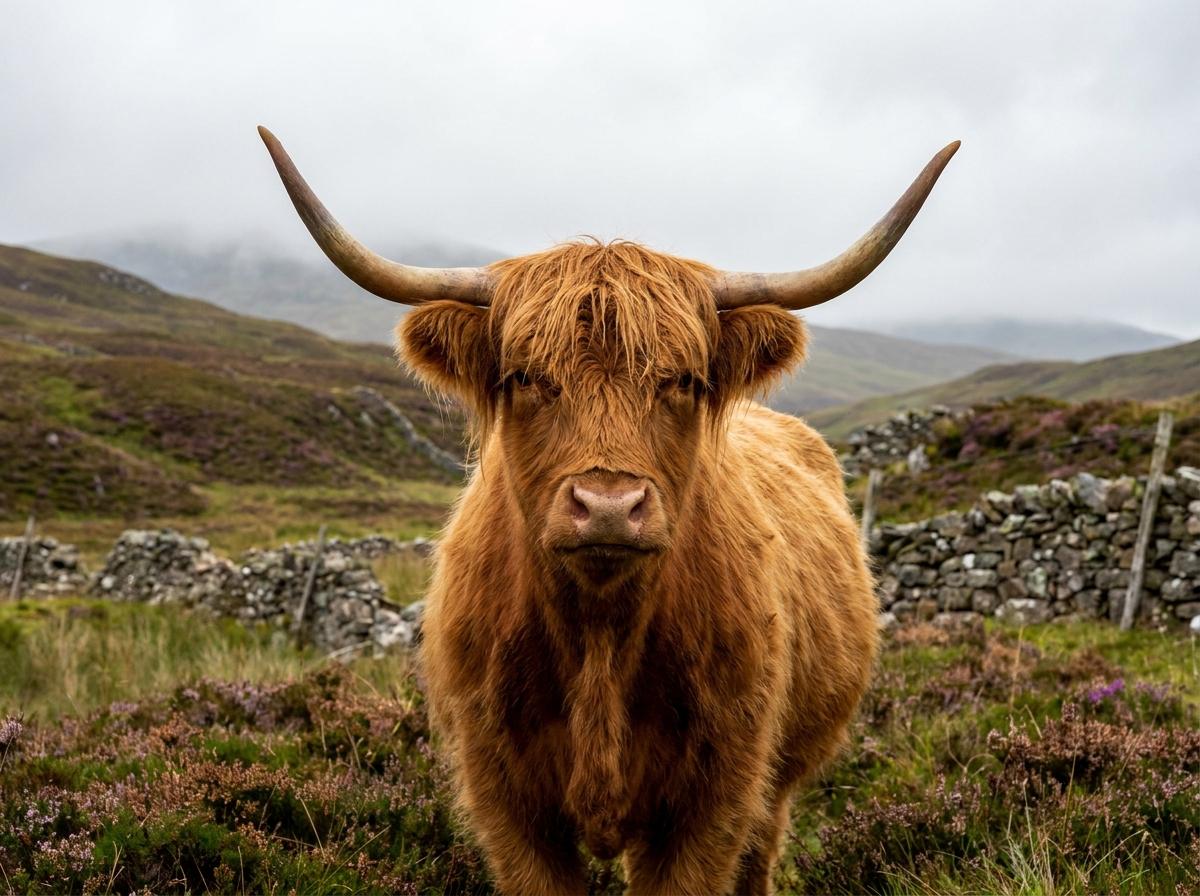
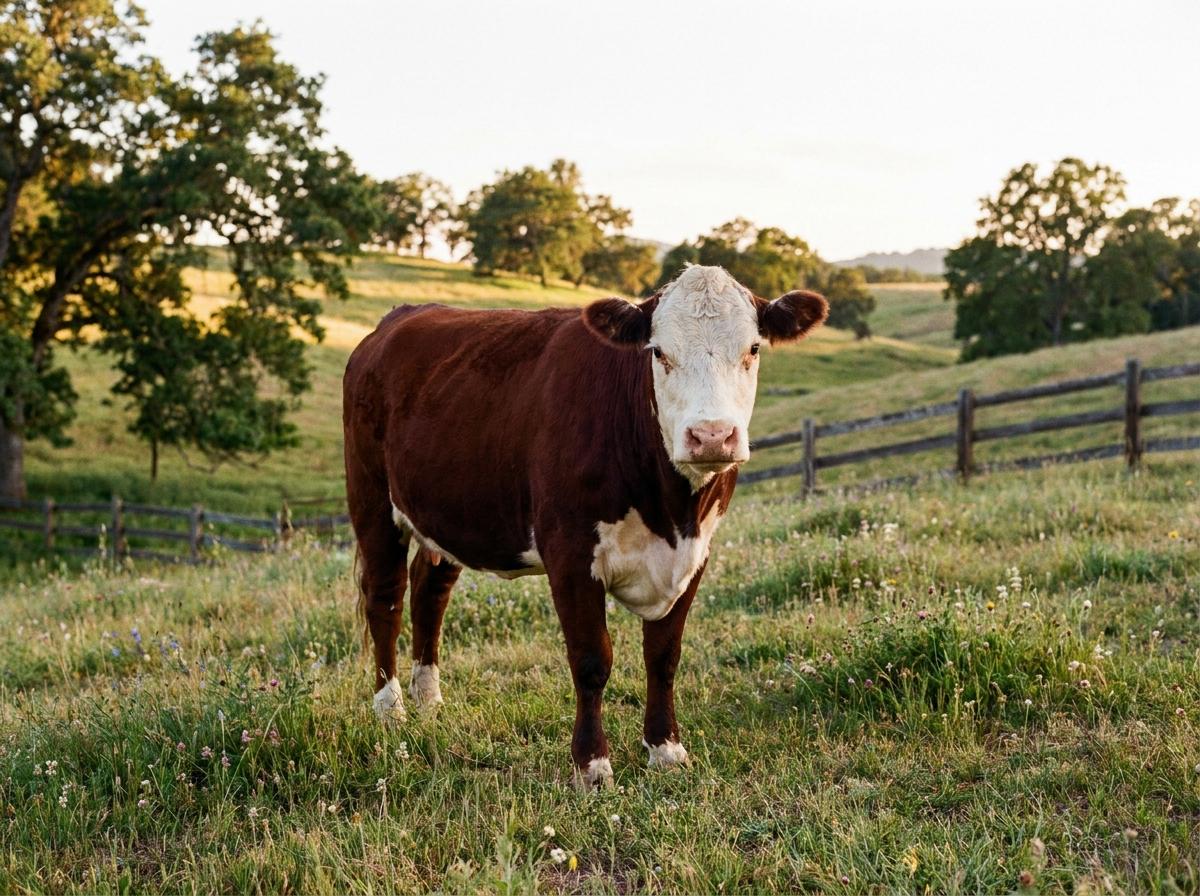
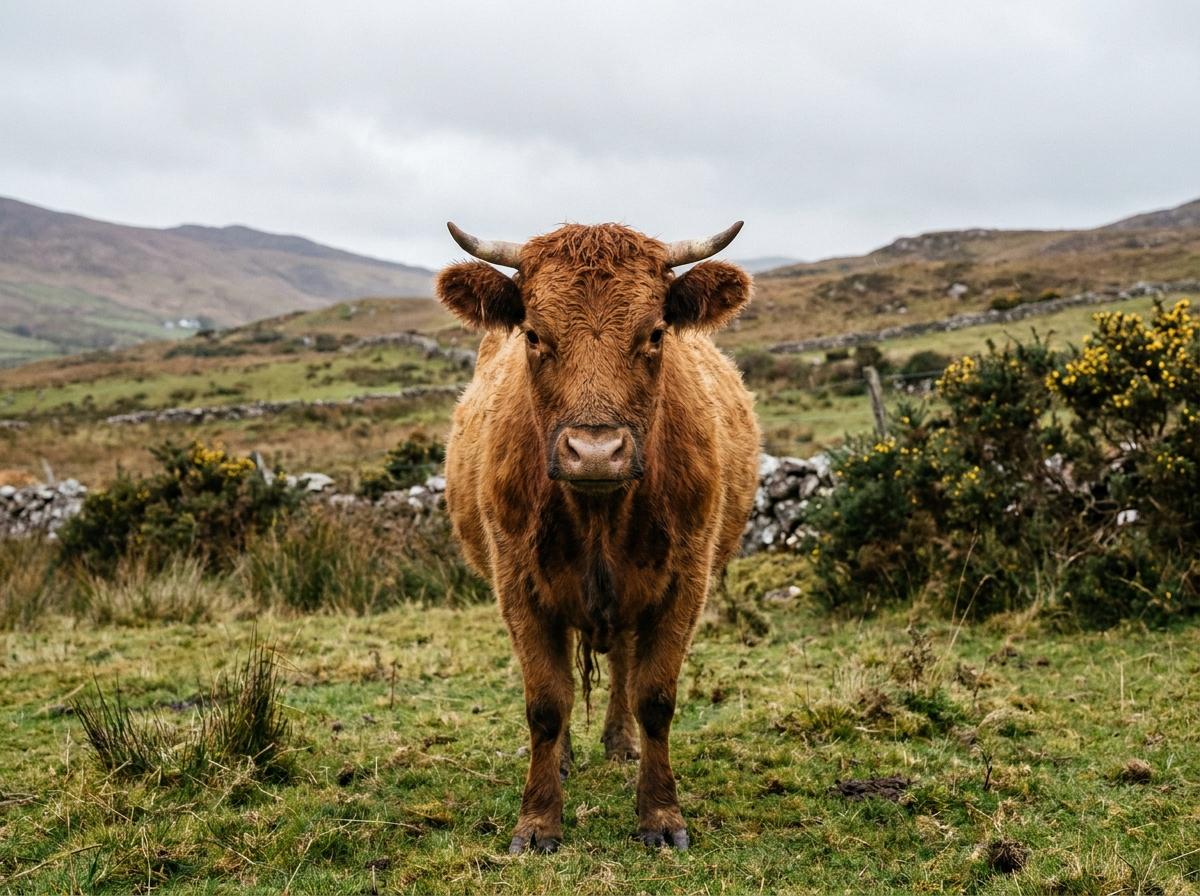
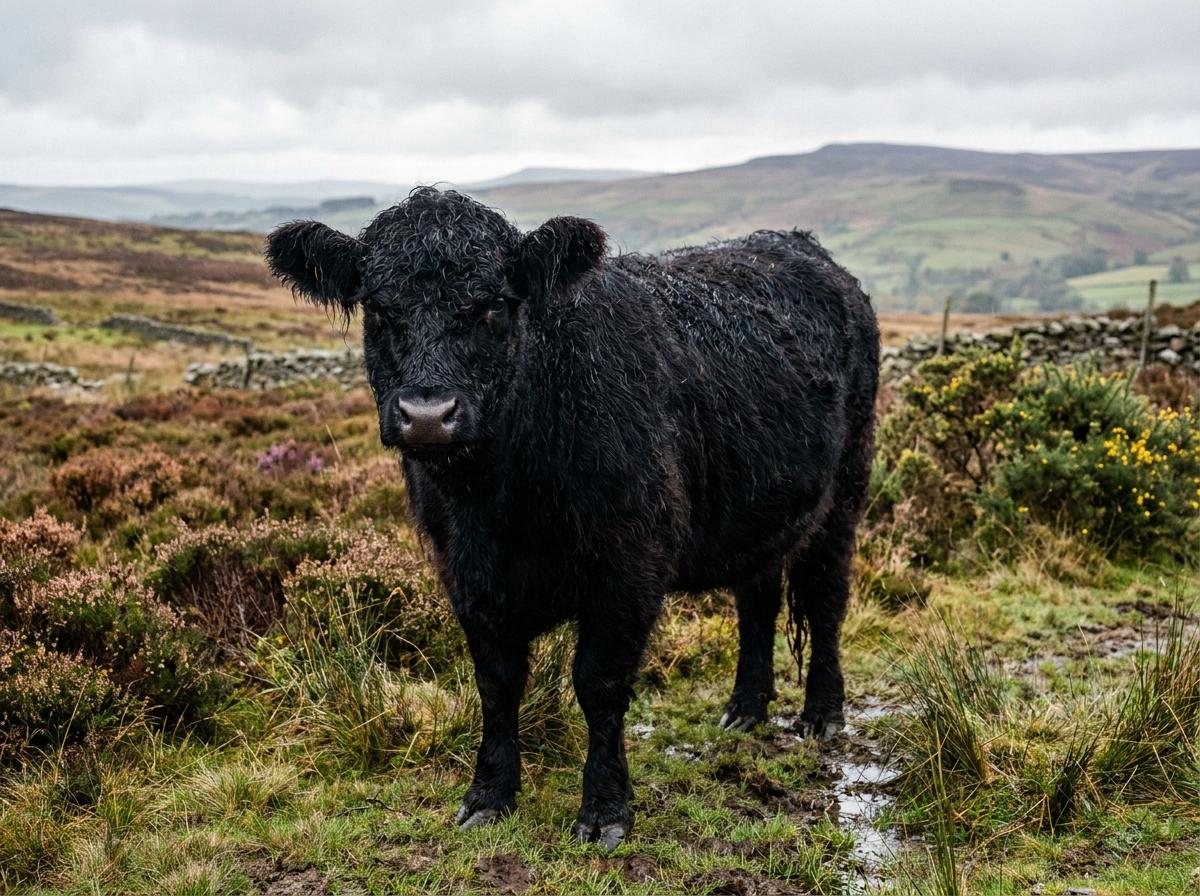
The pictures here illustrate solid black, polled Galloway type. They are educational reconstructions, so they cannot certify a registered animal or show every recognized color.

AI-generated illustration. A portrait crop, not a complete husbandry setup.
Match the herd to the intended beef system
Decide what you expect the cattle to do before choosing a family line. A herd producing breeding replacements needs evidence about fertility, maternal function and offspring. A herd raising finished beef also needs a realistic plan for feed, growth monitoring and the eventual market.
Ask the breeder to explain the complete production cycle:
- When do cows calve, and how is calving assistance recorded?
- How many calves were born and weaned in the same group?
- What forage and supplementary feed supported the reported weights?
- At what ages were weights taken?
- How are feet, udders, temperament and breeding problems recorded?
A claim such as “grass finished” becomes more useful when accompanied by age, growth records and a description of the pasture and winter ration. It does not guarantee that a different farm can reproduce the result with the same acreage or calendar.
For a breeding bull, discuss soundness and breeding suitability with a veterinarian. A large animal with a quiet-looking photograph still needs facilities and handling arrangements appropriate to a bull.
Hardiness still requires a weather plan
A dense coat does not remove the need for water, enough feed or a dry place to rest. Cold-weather care should consider the animal’s condition and whether its coat is clean and dry. University of Minnesota Extension discusses how wet or matted coats and inadequate condition affect winter needs in its cold-weather cattle guidance.
Plan for the difficult season on your property. That may mean stored winter forage, shelter from wind, dry standing areas at feeders or summer shade. Do not calculate a stocking rate from the breed name: forage quantity, soil, rainfall and management decide how many cattle the land can support.
Provide suitable cattle company, routine observation and a safe way to gather and restrain animals for examination. The Defra cattle welfare code emphasizes competent stockmanship and handling facilities matched to the cattle. Use local veterinary advice for the herd’s health plan.
Summer planning matters too: University of Maryland Extension advises shade space for the whole herd, cool clean water and avoiding unnecessary movement in the hottest hours.

AI-generated illustration. An educational reconstruction, not actual stock.
Buying checks and price comparisons
Compare cattle of the same sex, age, breeding status and registration category. A weaned steer, an in-calf cow and a breeding bull serve different purposes, so a single “Galloway price” can obscure the choice.
Request identification, registration transfer terms, health records and the evidence behind pregnancy or breeding claims. Watch the animal walk and ask to see routine handling. For cows, check the history of their udders and previous calves. Include transport, quarantine arrangements and winter feed in the budget.
A conservation or rare-breed interest is a reason to ask more about pedigree and breeding plans, not a reason to overlook function. Sound, manageable cattle are essential whether the herd is large or small.
Common questions
Do Galloways have horns?
The breed is naturally polled. If an animal described as Galloway has horns, clarify its ancestry and the seller’s terminology.
Is every Galloway a Belted Galloway?
No. Use the exact type and registry category. The broad white belt is central to identifying the belted type, while this page’s illustrations show solid black Galloways.
Can Galloways live outdoors all year?
That depends on the climate, land, shelter, feed and the needs of the individual animals. An outdoor system still needs a plan for severe weather, illness, calving and safe handling.
Do this next on Creatures
Use the Galloway breeder directory to identify leads. Verify that a contact still breeds Galloways before asking about individual records or current stock; a public-source entry does not establish an active herd.