Black Hereford
Author: Elliott Garber, DVM · Updated
Black Hereford cattle are black beef cattle built from documented Hereford ancestry and registered under rules maintained by the American Black Hereford Association. The white Hereford face is visually familiar, but color alone does not prove registration. A buyer should verify the animal’s certificate, permanent identity, recorded percentage, pedigree, DNA status and performance data before treating it as a registered Black Hereford.
Already managing one? Create a Black Hereford profile on Creatures and attach registration, parentage, weights, calving and health records to the individual animal.

| Primary use | Beef production |
|---|---|
| US registry | American Black Hereford Association (ABHA) |
| Herd-book | Black Hereford Registry, with percentage and purebred classes |
| Registration floor | At least 62.5 percent registered Hereford ancestry and black color under current ABHA rules |
| Purebred class | 87.5 percent Hereford ancestry and black color under current ABHA rules |
| Typical appearance | Black beef body with a white Hereford face and white underline or lower-leg markings |
| Horn status | Confirm on the individual and certificate; do not infer from the name |
| Key buyer proof | Registry record matched to permanent identification |
Browse listings, public profiles, breeders, or add your animal.
What is a Black Hereford?
In the United States, the precise answer comes from the registry rather than from a coat-color nickname. The current ABHA bylaws state that the association exists to collect and preserve Black Hereford pedigrees and maintain the American Black Hereford Registry. Its rules define which cattle enter the herd-book and how their percentage is recorded.
The breed combines the recognizable Hereford pattern and documented Hereford ancestry with black hair color. The parent Hereford breed has a much longer recorded history; the American Hereford Association registers pedigrees and provides genetic evaluation for Hereford cattle. Under ABHA rules, however, identity is governed by records, not by resemblance to a conventional red Hereford or a generic black baldy.
That distinction matters because many crossbred cattle can have a black body and white face. A commercial black baldy may be an excellent beef animal, but it is not automatically a registered Black Hereford. Registration is a documented status, not a photograph.
Percentage and purebred do not mean the same thing
The current ABHA Rules and Regulations, still labeled as updated April 2025, place both percentage and purebred cattle in the herd-book. Under those rules, an animal submitted for registration must be black and at least 62.5 percent registered Hereford. Cattle at 87.5 percent Hereford ancestry are classified as purebred Black Herefords.
Those thresholds create useful precision:
- Percentage Black Hereford identifies registered cattle that meet the entry floor but remain below the purebred percentage.
- Purebred Black Hereford identifies registered black cattle at or above the association’s 87.5 percent Hereford threshold.
- F1 and other recorded categories can appear in the association system, but the certificate and herd-book status should be read exactly rather than compressed into the word purebred.
The rules also say that herd-book entries include the registration number, animal name, sex, birth date, breeder and owner, identification number, percentage Black Hereford blood and available pedigree. That is the evidence package a buyer should expect to match to the animal.
What Black Hereford cattle look like
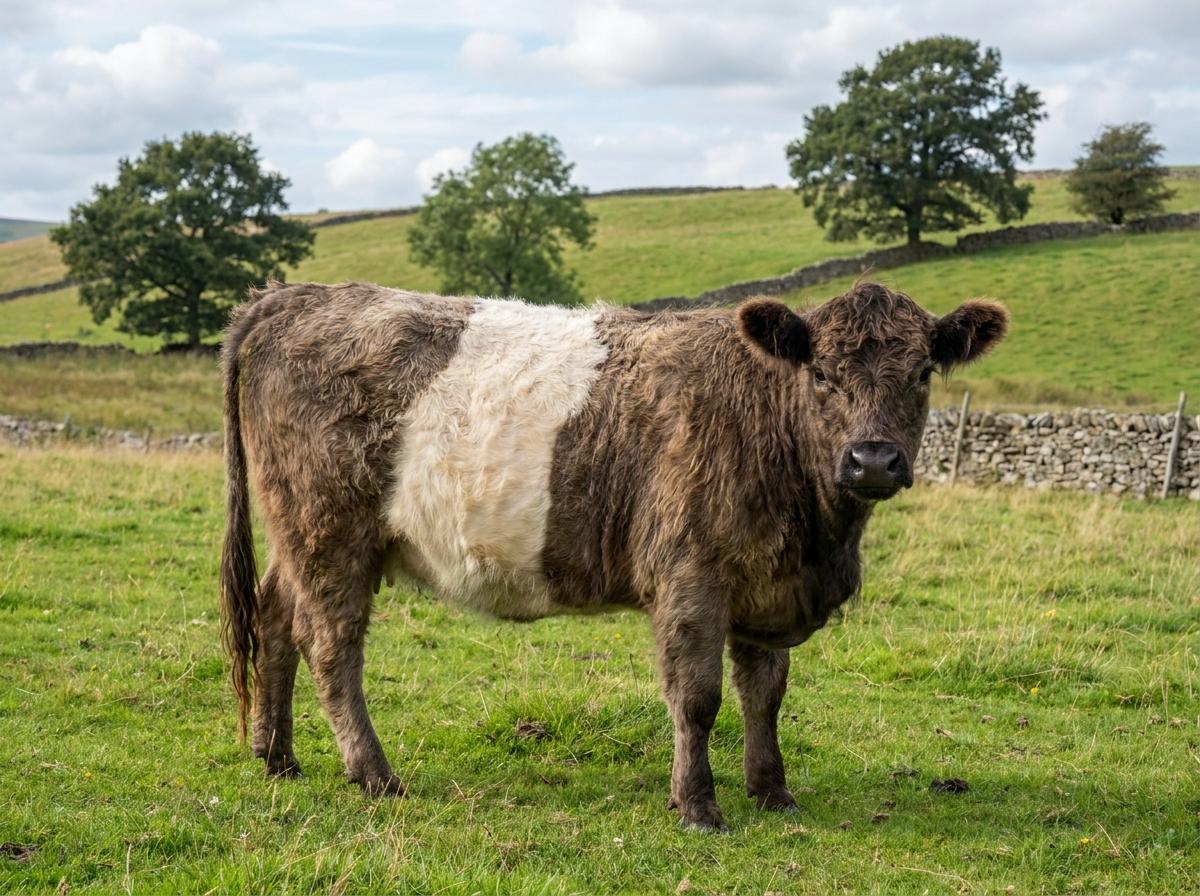
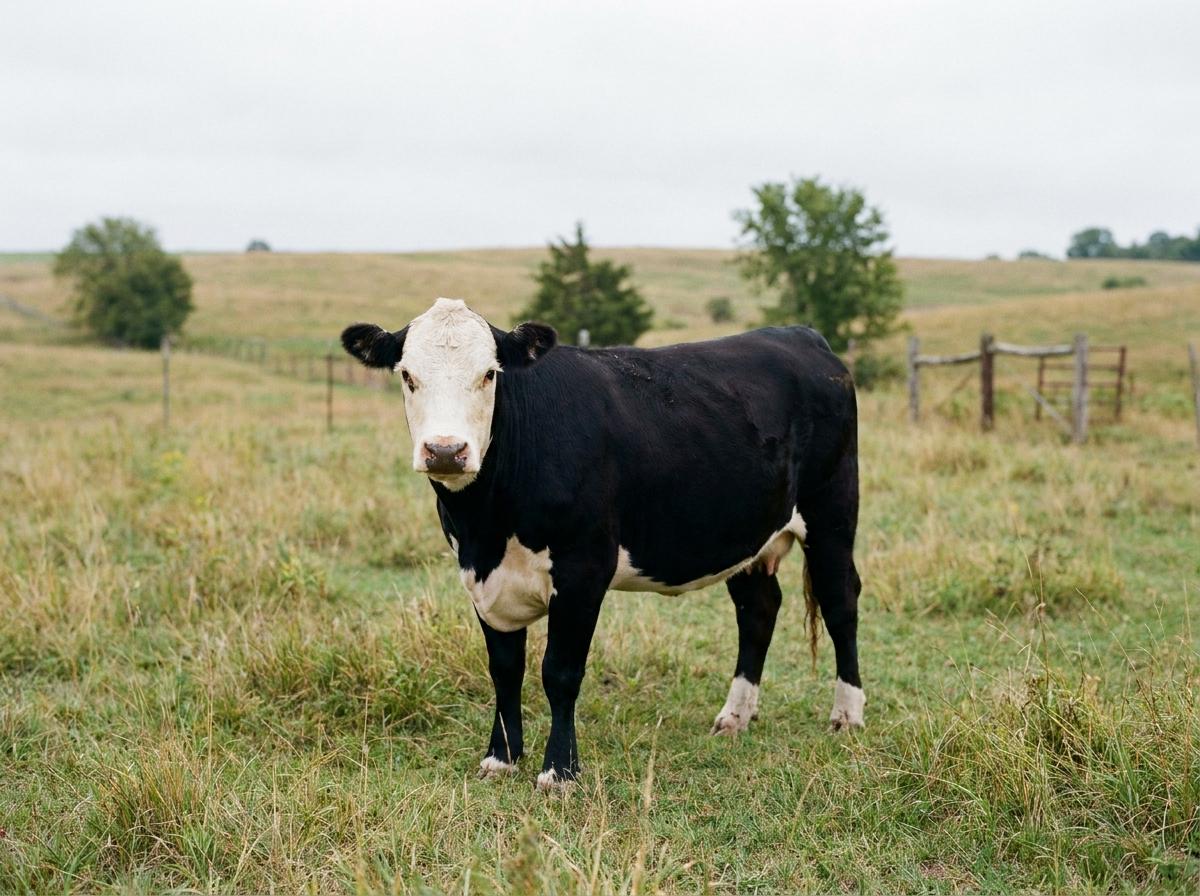
Most people first notice the contrast: a black body paired with a white Hereford face. White commonly continues through the throat, brisket, underline, tail switch or lower legs. Build should read as functional beef cattle, with depth, capacity and sound movement rather than dairy angularity.
There is still variation. Markings are not photocopies. Mature size depends on sex, line, age, nutrition and selection. Some cattle are naturally polled, but buyers should verify horn status and breeding expectations from the actual pedigree rather than assuming every animal is identical.

No fixed height or mature-weight range appears here because the association does not use one universal size number to define registration. Performance records and expected progeny differences are more useful than a copied internet average when choosing cattle for a particular herd.
Why breeders use registry data
A black coat does not tell you calving performance, growth, maternal ability, carcass traits or structural soundness. The ABHA publishes genetic evaluations using expected progeny differences, or EPDs, to express predicted genetic transmitting ability for measured traits. An EPD is a comparison tool within the relevant evaluation, not a promise that every calf will hit a specific result.
Read an animal in layers:
- Confirm registration status and percentage.
- Match the certificate to permanent identification.
- Review the pedigree and parentage status.
- Compare EPDs with the needs of your cows, environment and market.
- Inspect feet, legs, eyes, body condition and temperament in person.
- Review actual weights, calving and health history where available.
The association offers DNA testing through its registry process. Ask which tests were ordered, which animal supplied the sample and what the result establishes. Parentage verification, a genomic profile and a test for a named condition are different products. A vague claim that an animal is DNA tested is incomplete.
Cow, bull and calf records that matter
For a bull, ask for permanent identification, registration, parentage, breeding soundness information, current weight and condition, feet and leg assessment, and EPD context. A veterinarian should perform any breeding soundness examination and interpret health findings.
For a cow or heifer, review calving dates, assistance scores, calf identification, weaning records, pregnancy status and udder observations. A single flattering calf photograph cannot replace a reproductive record. For a cow-calf pair, make sure the calf at side is identified and that the registry relationship is documented rather than assumed.

Keep source records intact even when a summary is entered elsewhere. A Creatures profile can organize the timeline, while the original registry certificate, laboratory result and veterinary document remain the authority for their specific claims.
Management basics
This breed is not a shortcut around ordinary cattle husbandry. The animals need forage and supplementation matched to production stage, constant clean water, appropriate minerals, shade or weather protection, safe handling facilities and a veterinarian-guided health plan. Pasture carrying capacity and winter feed needs are local decisions.
Record body condition and weights instead of guessing from a black coat, which can make visual contours harder to read in some light. Watch locomotion on a firm surface. Quarantine and test new arrivals according to veterinary and herd biosecurity advice. Keep medication, withdrawal and vaccination records tied to the correct permanent identity.
For breeding decisions, avoid turning one trait into the whole goal. Color is required by the registry, but soundness, fertility, calving fit, maternal function and market requirements determine whether the animal works in your herd. Selection should start with a defined production objective.
Buying registered Black Herefords
Before paying a registered-stock premium, ask the seller to show the animal in the ABHA record system and provide the certificate details needed for transfer. The association’s rules and forms page explains its official process and makes clear that members are responsible for the accuracy of information they submit. The association does not guarantee a private sale.
Use this checklist:
- registration number and exact class;
- recorded Black Hereford percentage;
- permanent identification that matches the papers;
- current ownership and transfer path;
- sire and dam records;
- DNA or parentage result, with test type stated;
- EPDs with the current evaluation context;
- health, vaccination and treatment records;
- reproductive or calf records appropriate to age and sex;
- a live inspection or independent veterinary examination.
Do not accept black coat plus white face as the whole proof. Do not infer purebred from the word registered. Do not confuse a marketing description with the class printed by the registry.
Black Hereford compared with other cattle pages
The broader cattle hub helps frame management and marketplace choices across breeds. The same Wave 4 research set also includes Gyr cattle, where the naming issue is Gir versus Gyr rather than a percentage registry. For other record-heavy livestock pages, compare the Ouessant sheep and Philippine Domestic Goose guides. Each page separates what a registry or official data source actually says from what appearance alone can support.
The Black Angus guide explains why a black coat, breed registration and beef-program eligibility answer different questions.
Frequently asked questions
Is a Black Hereford just a black baldy?
No. The commercial term black baldy broadly describes black cattle with a white face. Registered Black Hereford is a specific herd-book status based on ABHA ancestry, color and registration rules.
What percentage makes a purebred Black Hereford?
Current ABHA rules classify black cattle at 87.5 percent Hereford ancestry as purebred. Registered percentage cattle begin at 62.5 percent. Read the current rules and the individual certificate because registry policy can change.
Are all Black Herefords polled?
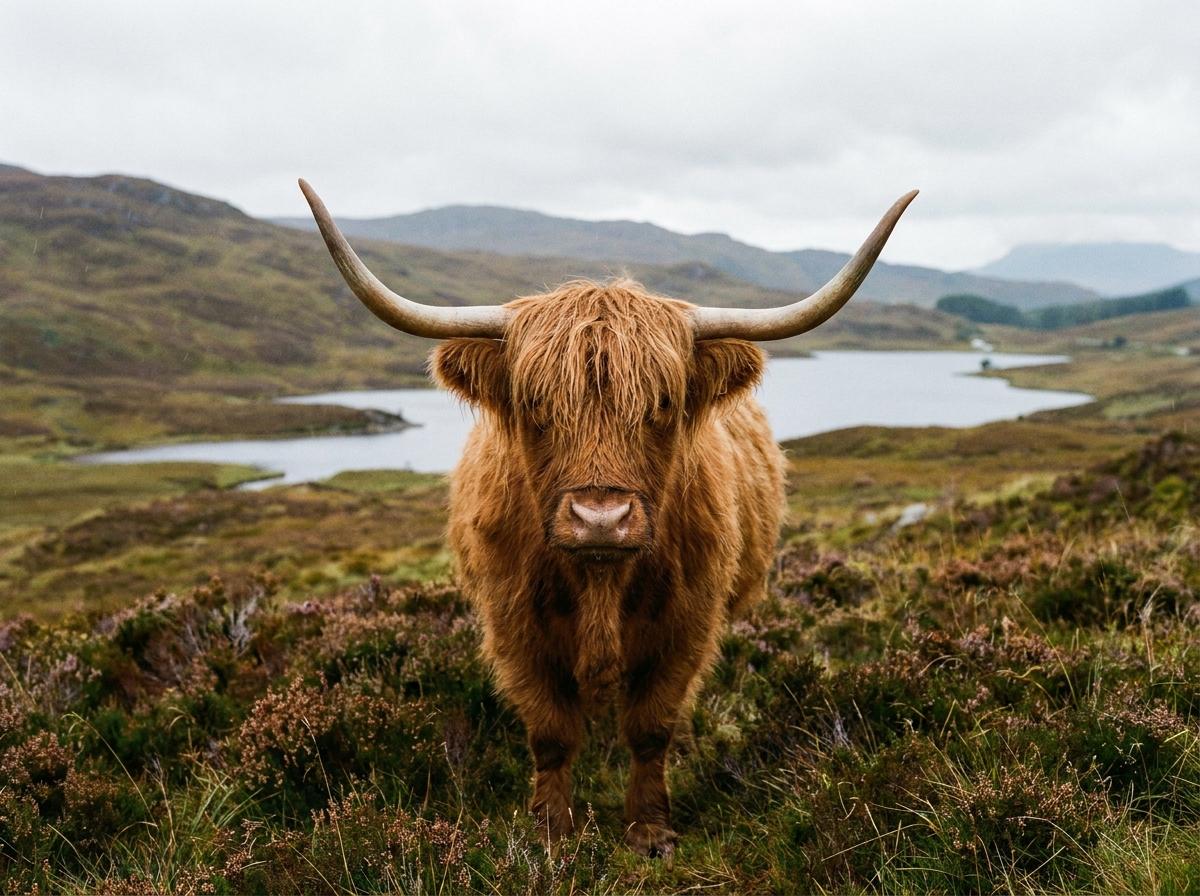
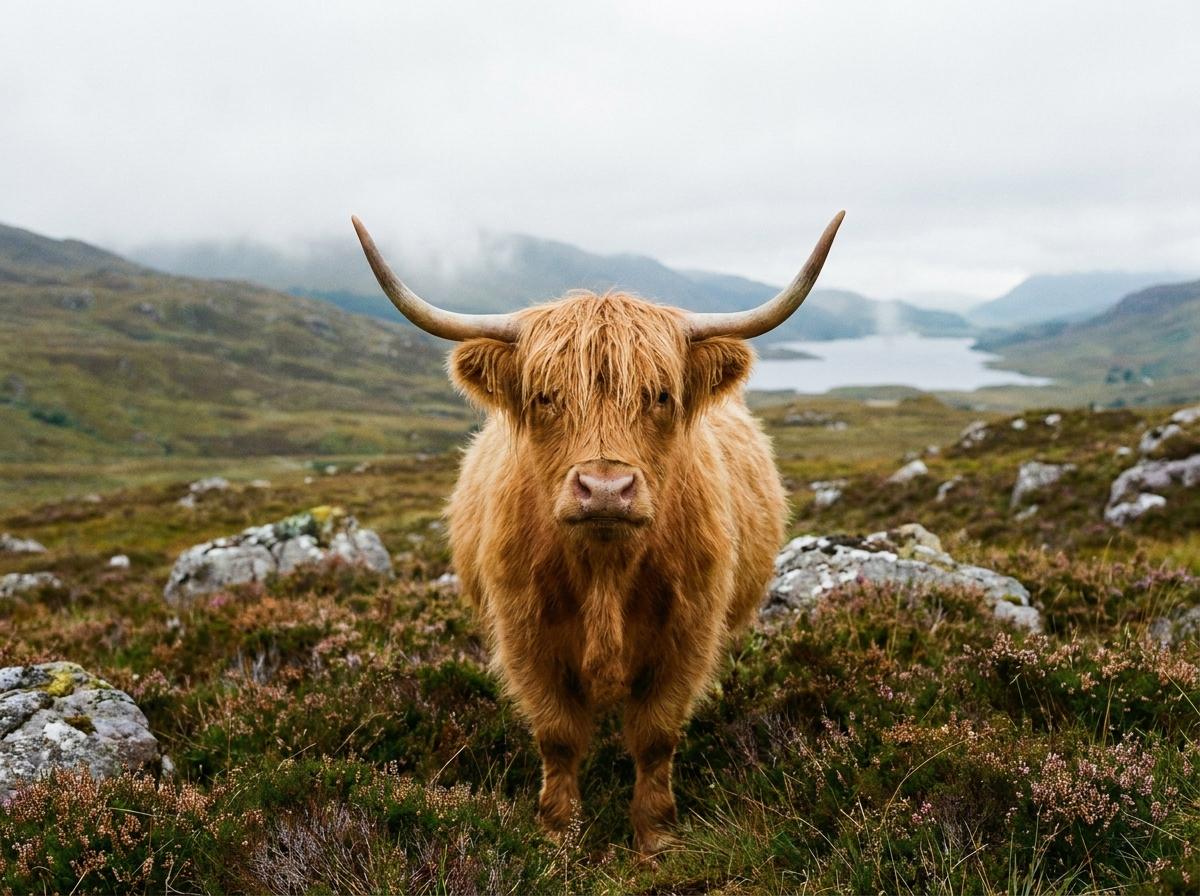
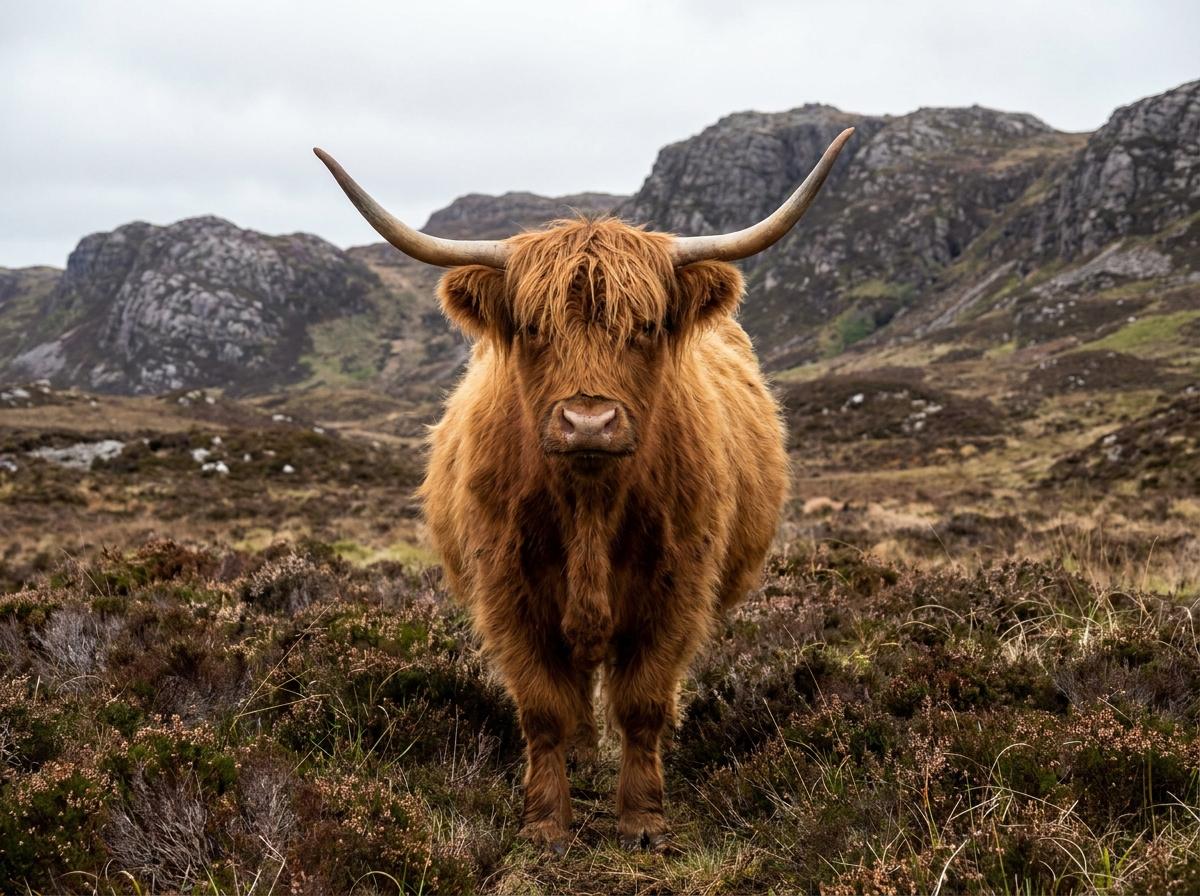
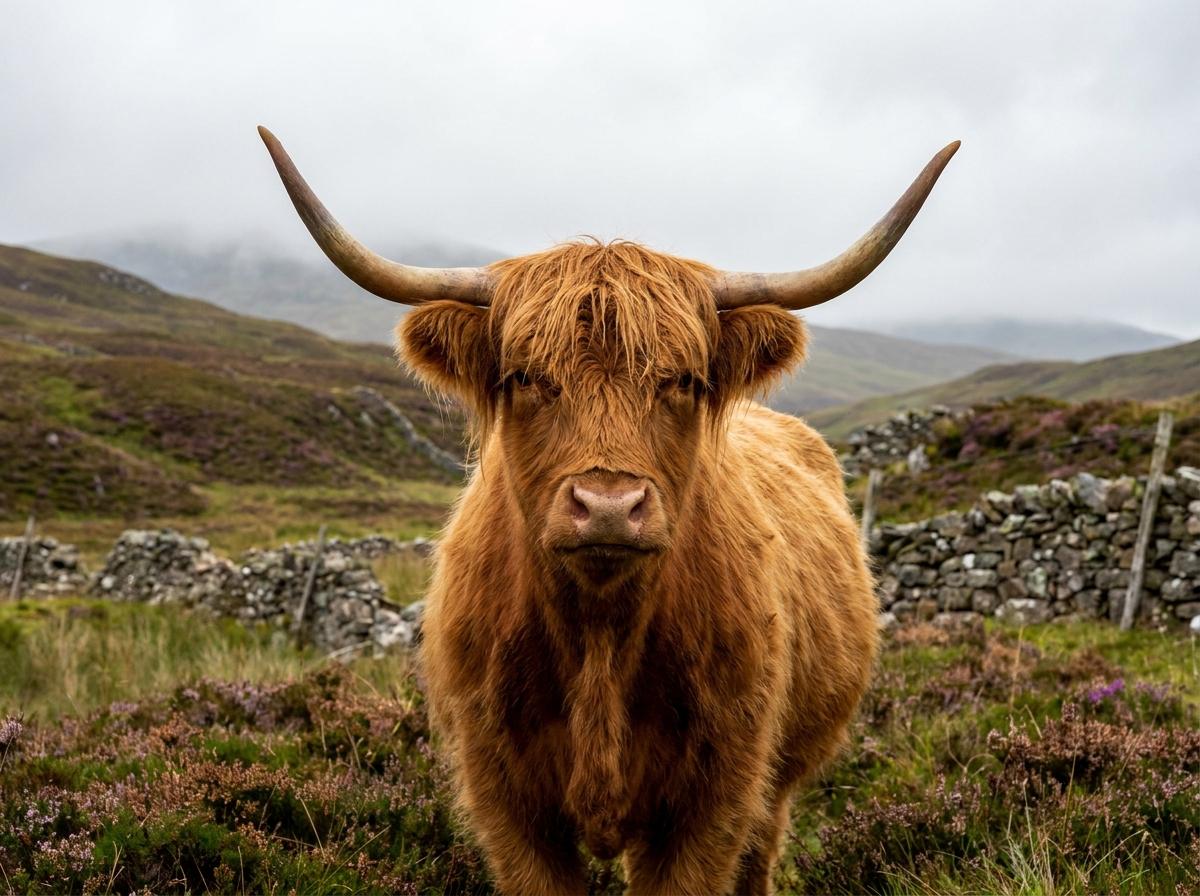
Do not assume it from the name. Verify the animal, pedigree and certificate. The images on this page show polled individuals, not a promise about every registered animal.
Does black color improve performance?
Color alone does not establish growth, fertility, maternal performance, carcass traits or soundness. Use records, EPDs, inspection and herd fit.
What should I verify before buying?
Match the registration record to permanent identification, confirm class and percentage, review parentage and test results, inspect the animal, and agree on the ownership transfer process in writing.
Do this next on Creatures
Turn papers and production events into a record that stays with the correct animal.
Add an animal. Start a Black Hereford profile, no account needed to begin. See adding an animal to Creatures.
Record the evidence. Open the record sheet as a visitor; a free account is required to save. Use adding a record for help.
Watch the market. Set a free Black Hereford listing alert, no account needed to start. Learn about saved searches and the watchlist.
Browse cattle. Open the Black Hereford marketplace filter and verify registration against permanent identification before making an offer.
List a cattle operation. Create a cattle organization profile, no account needed to begin. Read creating an organization and adding your team.
Find producers. Search the Creatures breeder directory and ask for the exact ABHA record, not only a color description. The guide to getting listed in the breeder directory explains how farms can appear there.