Brangus
Author: Elliott Garber, DVM · Published
Brangus are beef cattle developed from Angus and Brahman ancestry. Buyers often consider them when they want a breeding program that takes heat and local conditions seriously, but the individual cattle and their management history matter more than a broad claim of adaptability.
Use the free cattle pedigree chart maker to organize the family information supplied with a breeding candidate. Check its registration category with the relevant association.
Set a Brangus search alert for new matching listings. Current supply may be empty; the Brangus breeder directory is another route to contact sources and ask about availability.

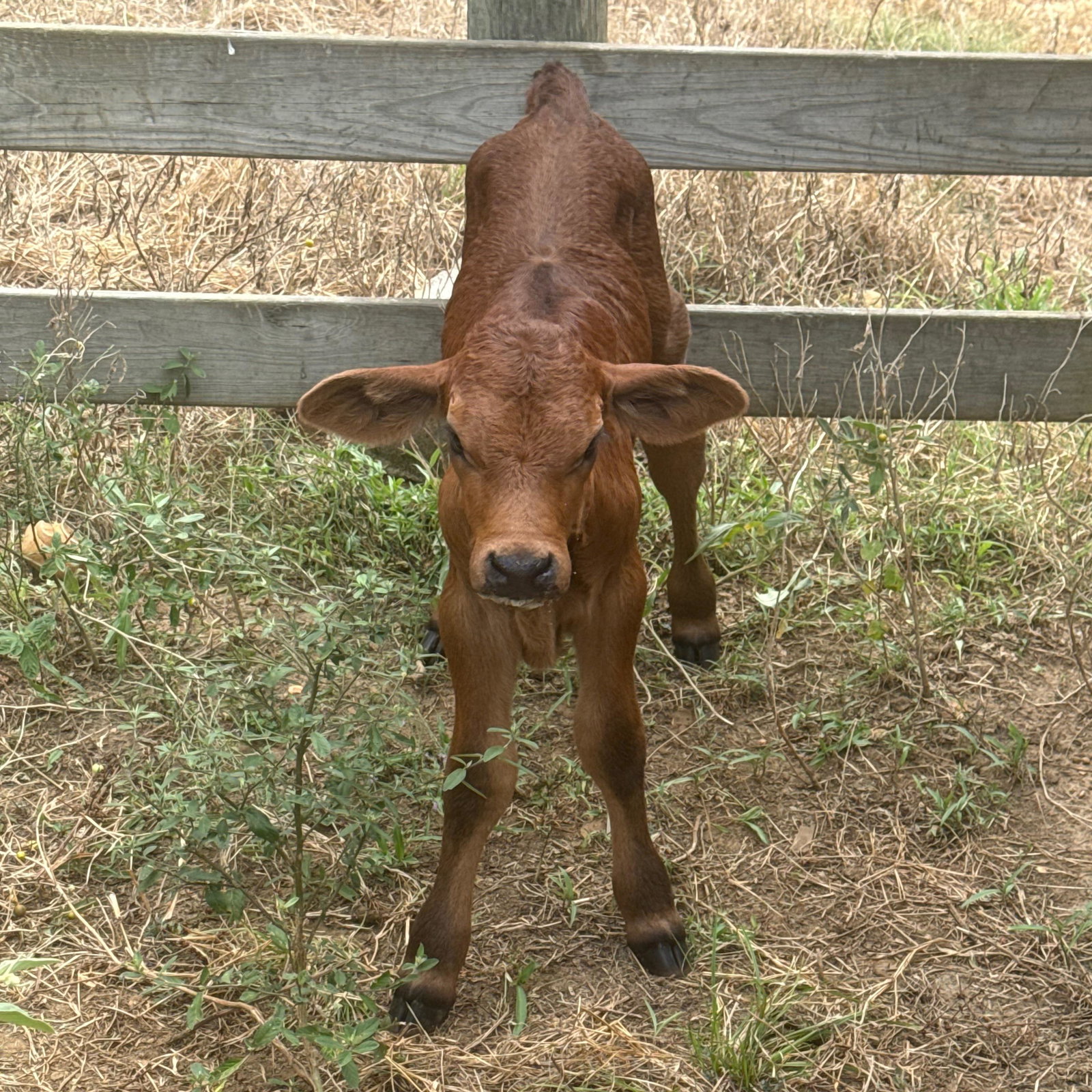
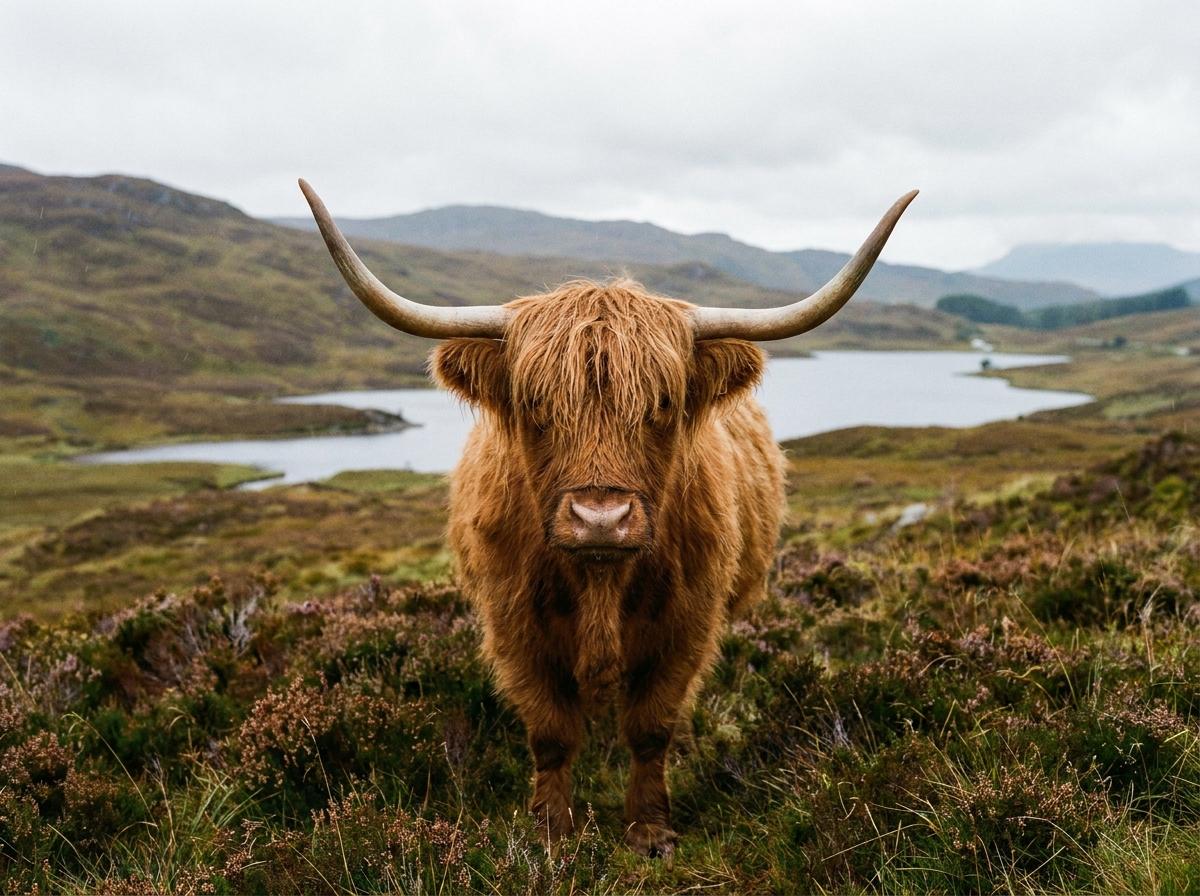
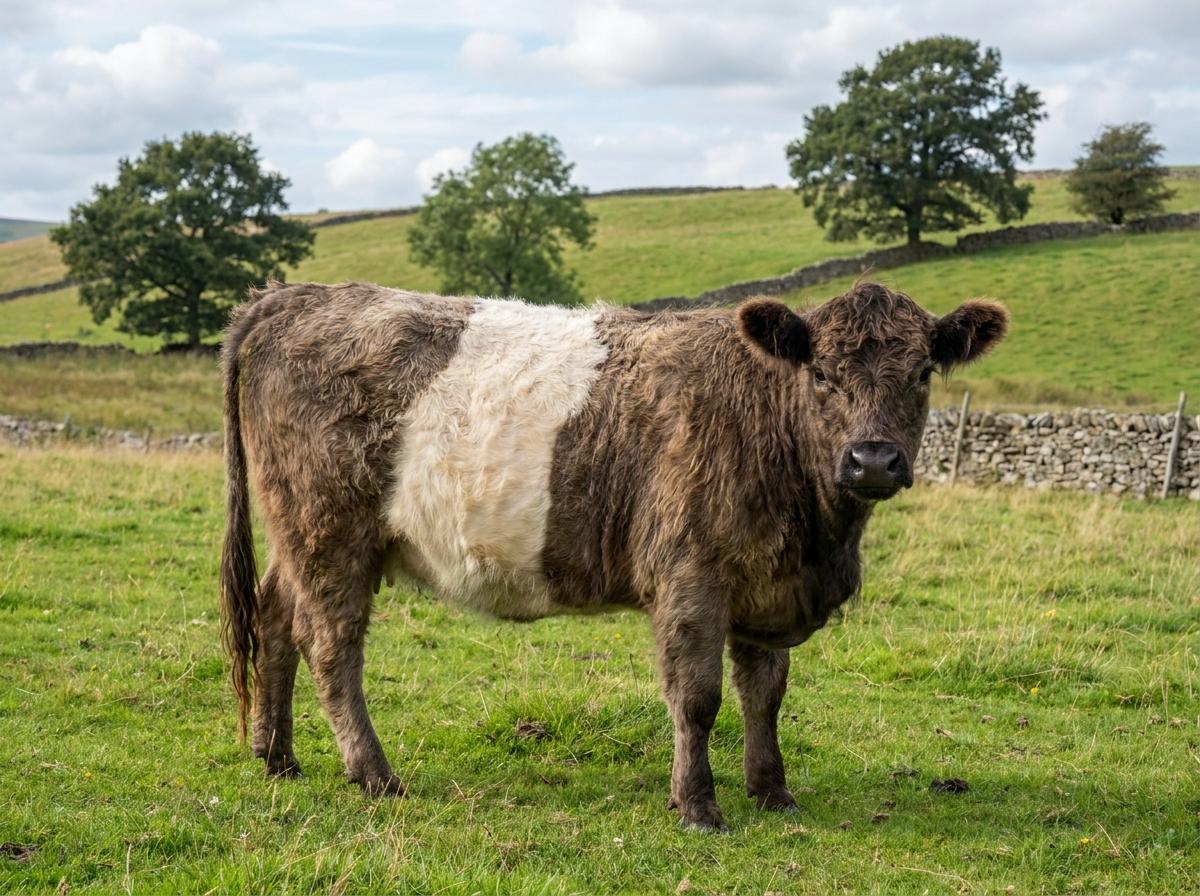
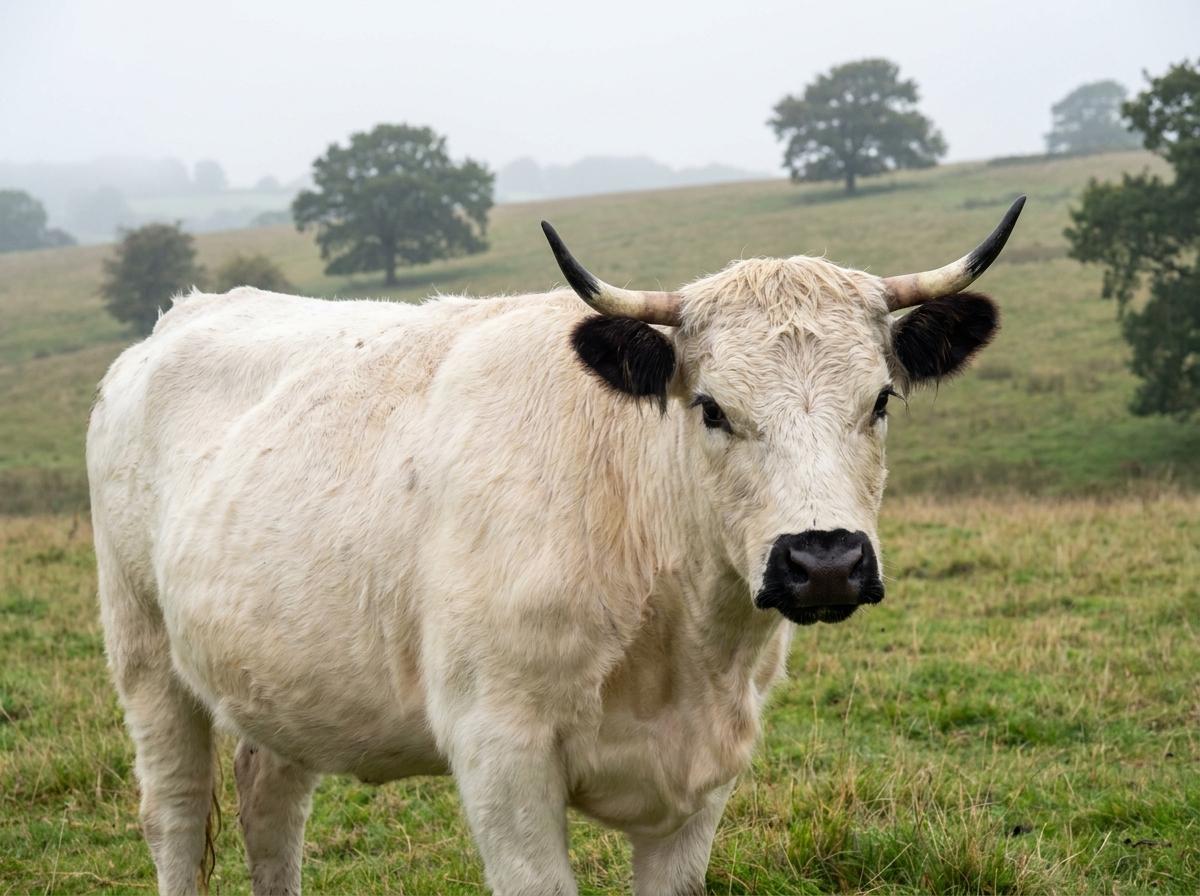
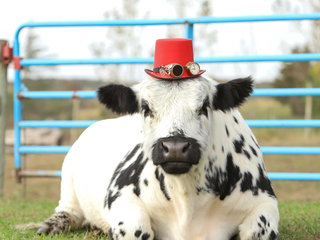
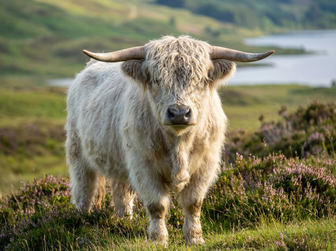
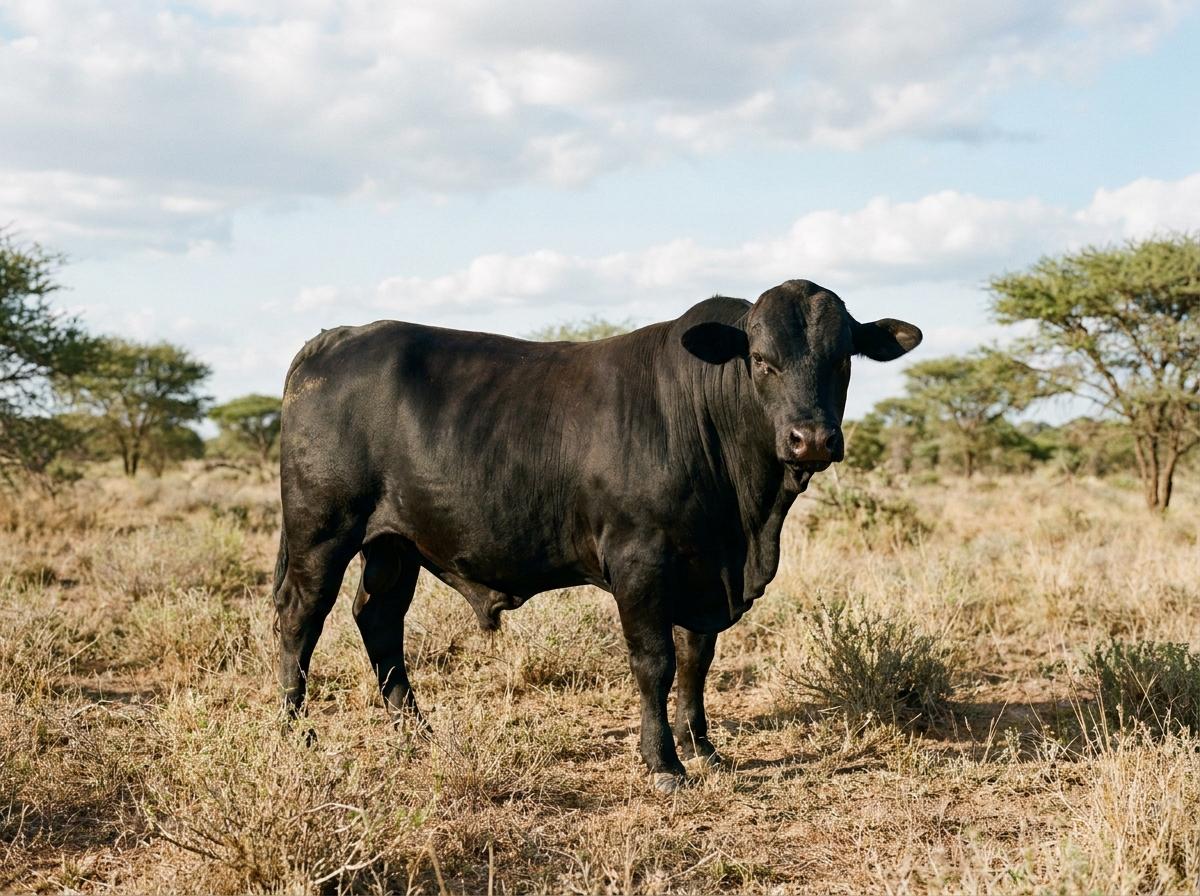
AI-generated illustration.
| Origin | US Brahman and Angus composite |
|---|---|
| Registered composition | 3/8 Brahman and 5/8 Angus |
| Colors and horns | Black or red; polled |
| Registry | IBBA, including Ultrablack and Ultrared |
| Ultra categories | 12.5% to 87.5% Brangus ancestry |
| Buying priority | Exact certificate category and local performance |
Browse listings, public profiles, breeders, or add your animal.
What Brangus means
Brangus combines Brahman and Angus ancestry. Early US development included USDA work at Jeanerette, Louisiana; a breed association was organized in 1949. Oklahoma State’s Brangus history describes the attempt to combine Brahman adaptation with Angus beef traits. That purpose is useful context, not a promise that every cross will perform alike.
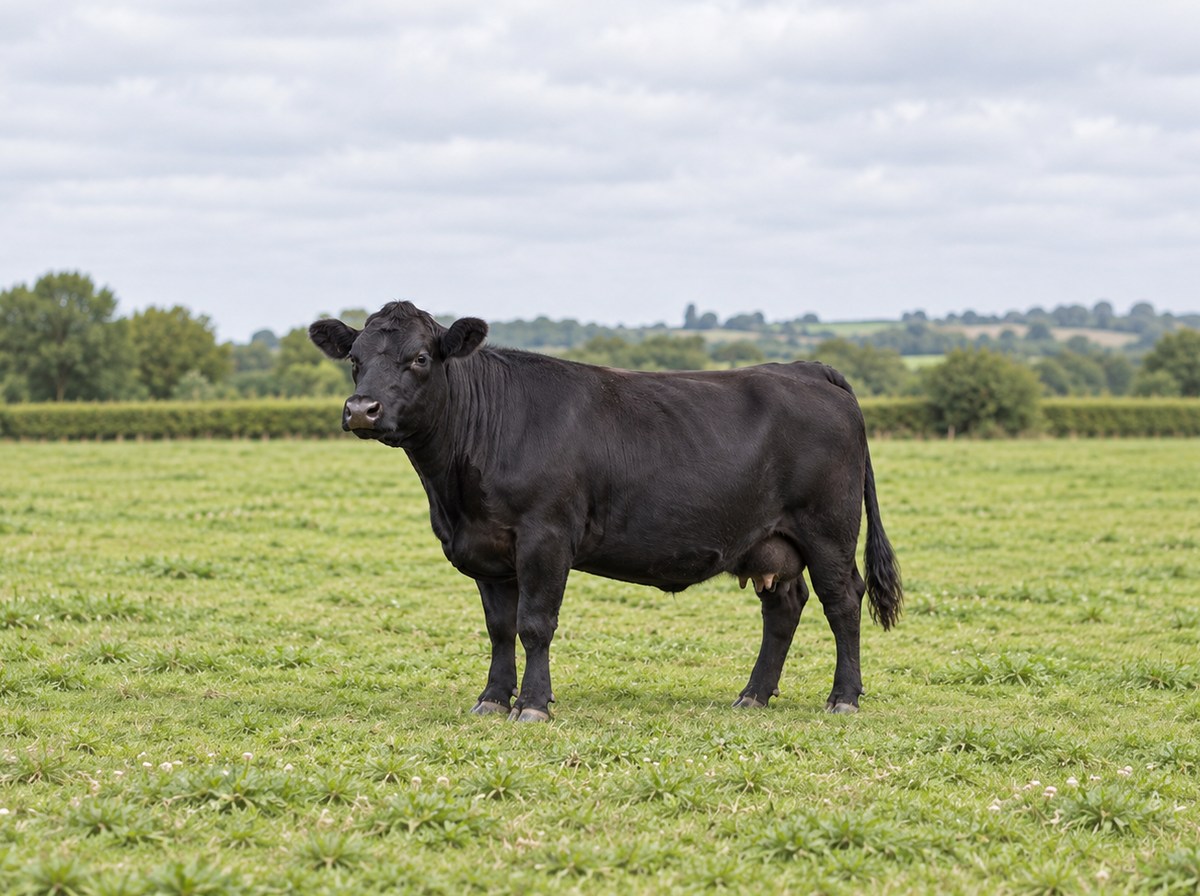
The International Brangus Breeders Association (IBBA) defines registered Brangus and Red Brangus as 3/8 Brahman and 5/8 Angus. Black or red coats and a polled head are characteristic; visible Brahman influence varies. Read the certificate rather than estimating composition from ears, dewlap or hump.
IBBA’s breed-up explanation distinguishes Ultrablack and Ultrared: registered composites with 12.5% to 87.5% Brangus ancestry and the remainder registered Angus or Red Angus. It also describes the route by which offspring from a registered Brangus crossed with an Ultrablack or Ultrared can enter the Brangus or Red Brangus registry at at least 7/8 Brangus ancestry. This is a specific breed-up rule, not permission to call any Angus-Brahman cross registered Brangus.
Ask the seller to show the animal’s category, recorded percentages and eligibility of a proposed mating. A commercial cross can suit your farm perfectly well, but it should be priced and described for what it is.
Adaptation is a question to investigate
Brahman ancestry is relevant to discussions of warm-climate adaptation. The International Brangus Breeders Association’s sustainability material discusses that background. It does not justify treating any animal as immune to heat stress, parasites or disease.
Ask where the cattle were raised and how they performed in that environment. What forage did they receive? What did the breeder do during heat, drought or a wet season? What health interventions were needed? Local, dated experience is more useful than the word “hardy” without explanation.

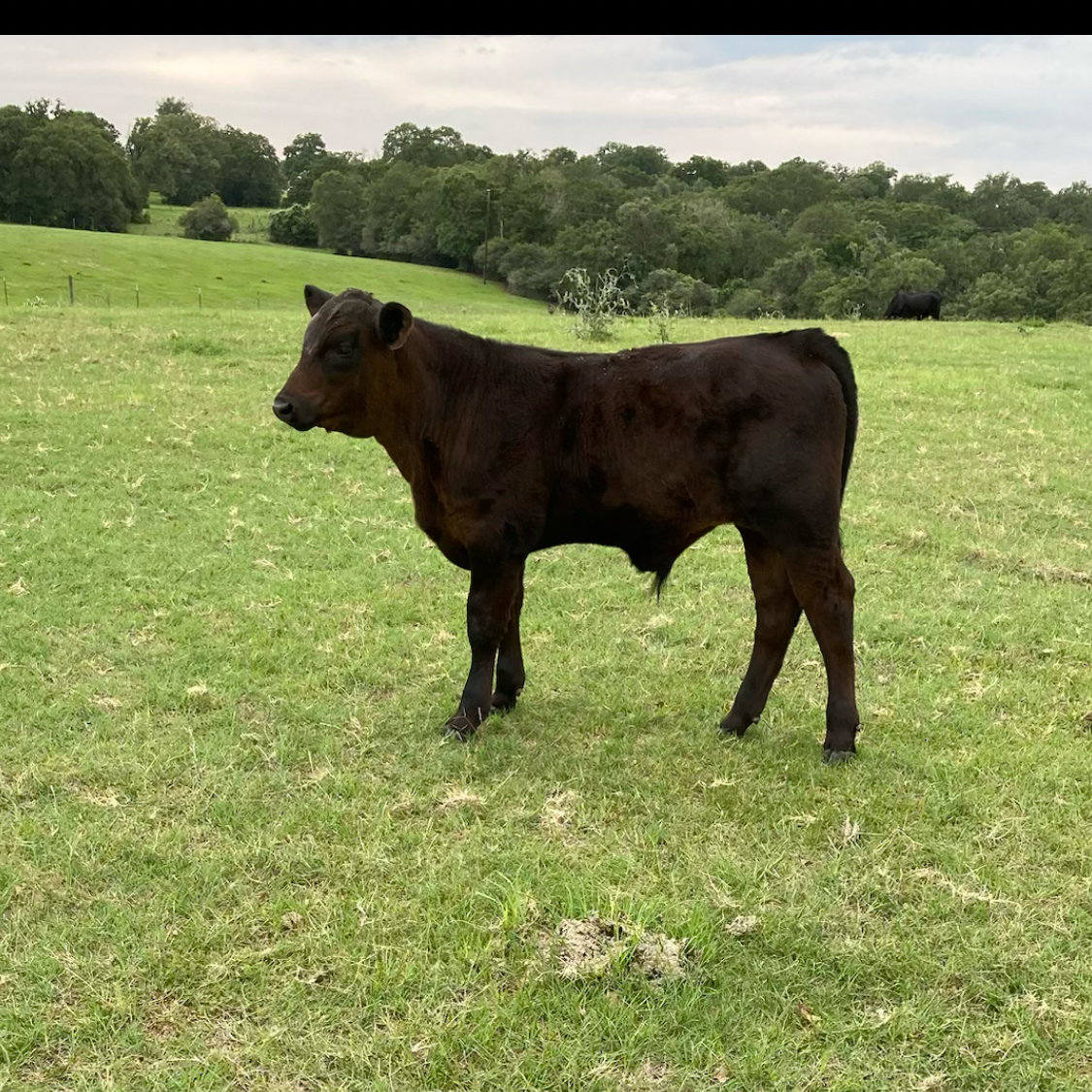
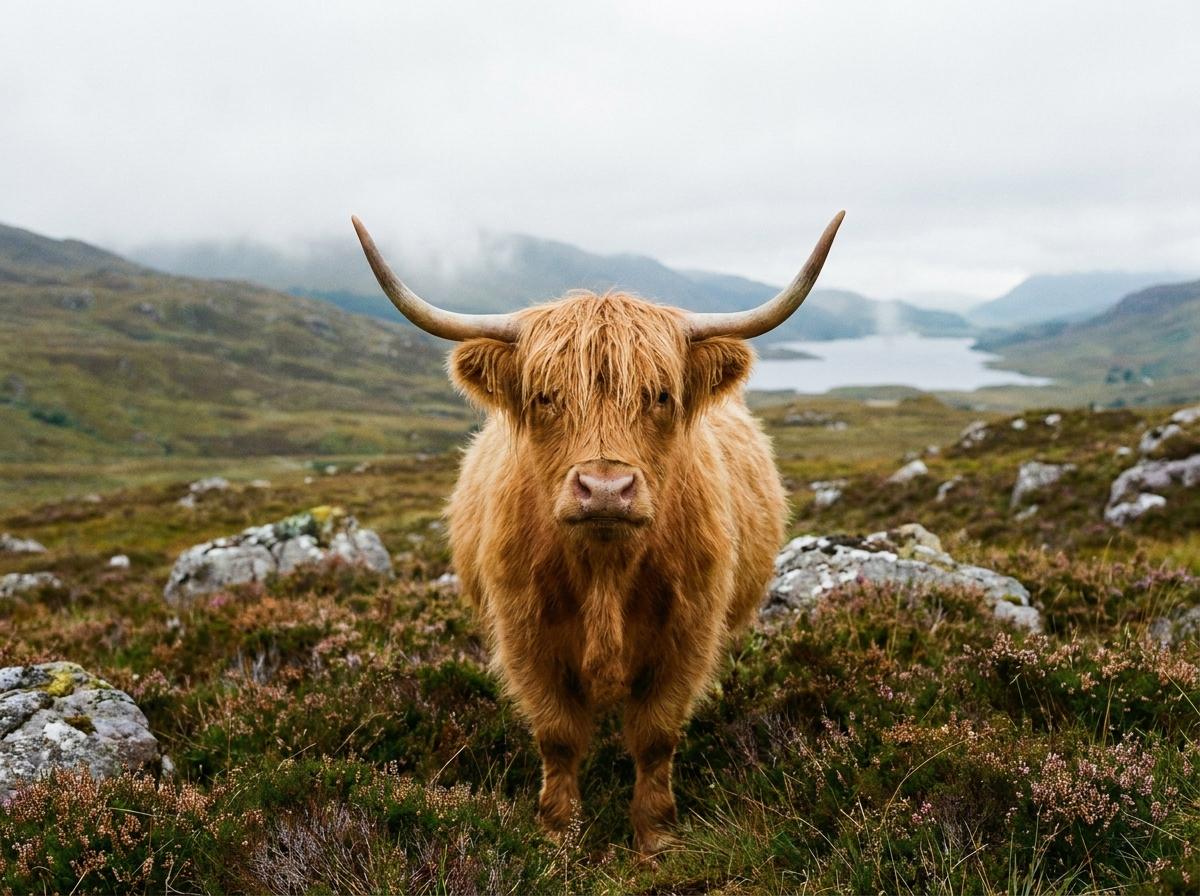
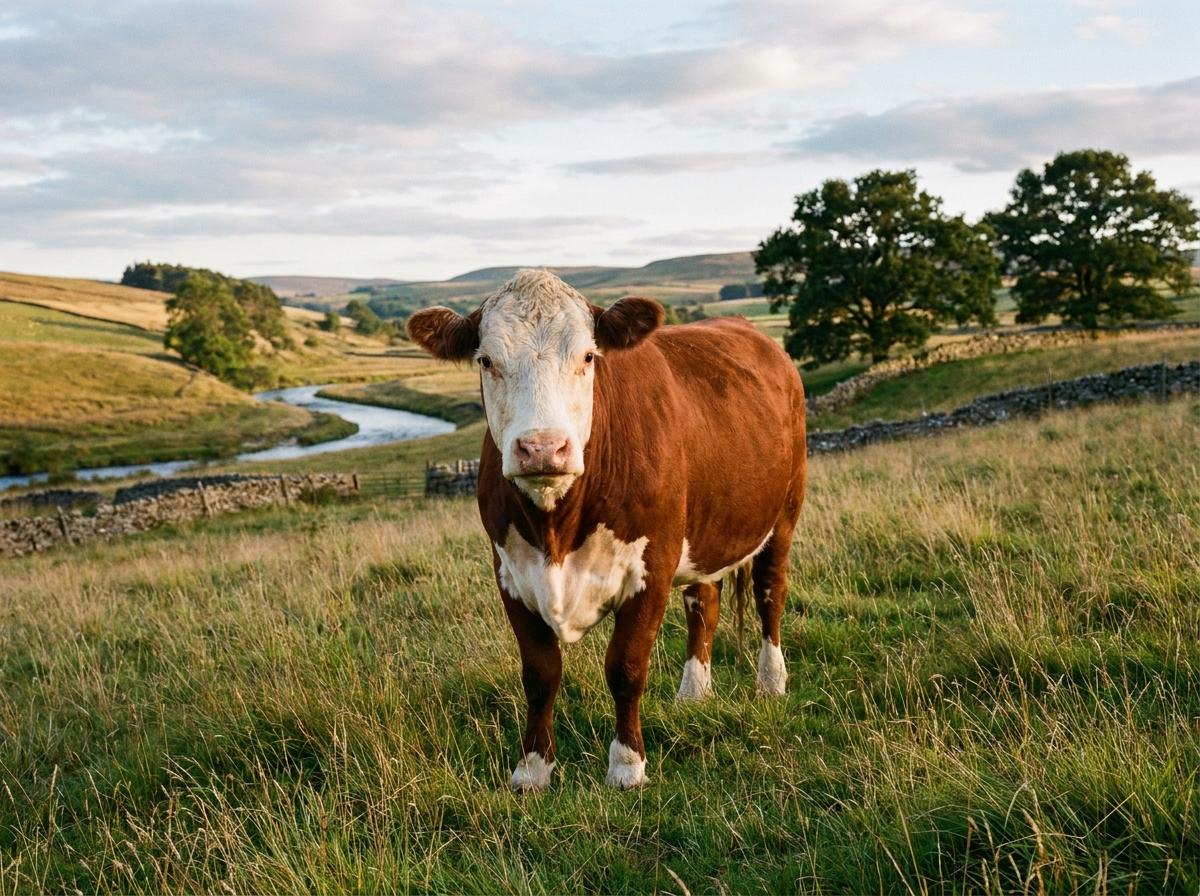
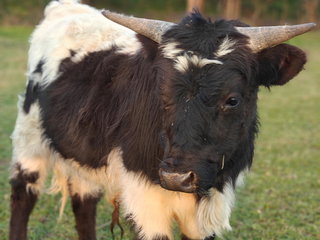
AI-generated illustration.
The Gyr guide offers another climate-related cattle comparison while keeping the individual animal and its care needs central.
Use the evaluation that belongs to the animal
The association publishes trait definitions and breed averages. Review those definitions when reading expected progeny differences. Calving ease, birth weight and growth describe different selection information, and the most useful combination depends on your herd.
Tell the breeder whether you will retain replacement females or market all calves. Ask about the dams, the management group behind the records and the accuracy of the evaluation. Do not treat a forecast for progeny as a measured outcome from the bull standing in front of you.
A crossbreeding plan should also describe the next generation. Keeping daughters changes future mating decisions. Write down the role of each animal so that a practical commercial plan does not become a series of unrelated purchases chosen only by appearance.
Temperament and handling need direct evidence
Observe normal handling, with appropriate barriers and experienced people. Ask how the cattle respond to separation, loading and routine procedures. An animal can be manageable in one system yet unsuitable for the facilities or experience available at your farm.
Make gates, races or alleys, restraint equipment and loading arrangements part of the purchase assessment. They should suit the mature cattle you will keep, not merely the size of a young animal on collection day. Arrange a safe route to a receiving area before the trailer arrives.
For a breeding bull, request a current breeding soundness examination and a clear history of use and behavior. A pleasant interaction at feeding time does not establish safety during breeding or close handling. Choose with someone experienced if this is your first bull purchase.
Feeding and veterinary planning
Start with the source farm’s actual feeding and health routine. Record feed types and quantities by weight, the animal’s condition and relevant recent changes. Your adviser can then help adapt the plan to your forage and stage of production.
A warm-climate reputation does not replace shade, reliable water or a plan for severe weather. Inspect the whole property from the animal’s perspective, including access for lower-ranking cattle and the state of gateways during wet periods. Where resources are limited, reduce the purchase plan to what you can support properly.
Discuss introductions and testing with your veterinarian before mixing cattle; the cattle vaccination guide helps organize the handover questions. Ask for dated reports and the identity of sampled animals, rather than accepting “tested herd” without details. Keep treatment records and any instructions that affect subsequent management or sale.
Use the Creatures guide to adding a record to build a dated animal history. Keep observations, laboratory findings and breeding predictions distinguishable so a future keeper can understand what each entry means.
When comparing growth records, distinguish a scale weight from the cattle weight calculator estimate. The cattle scale guide covers measured weights; do not set medication doses from an estimate.
Buying females and planning calving
For a cow offered pregnant, request service dates, sire identity and confirmation details. Ask about previous calvings and any assistance or reproductive problems. For a heifer, review development and the proposed mating rather than assuming an advertised pregnancy is automatically suitable.
Plan supervision, facilities and veterinary access before the expected calving period. Discuss the specific cows and sire with an adviser. Even a carefully chosen mating still requires observation and a clear route to help if something goes wrong.

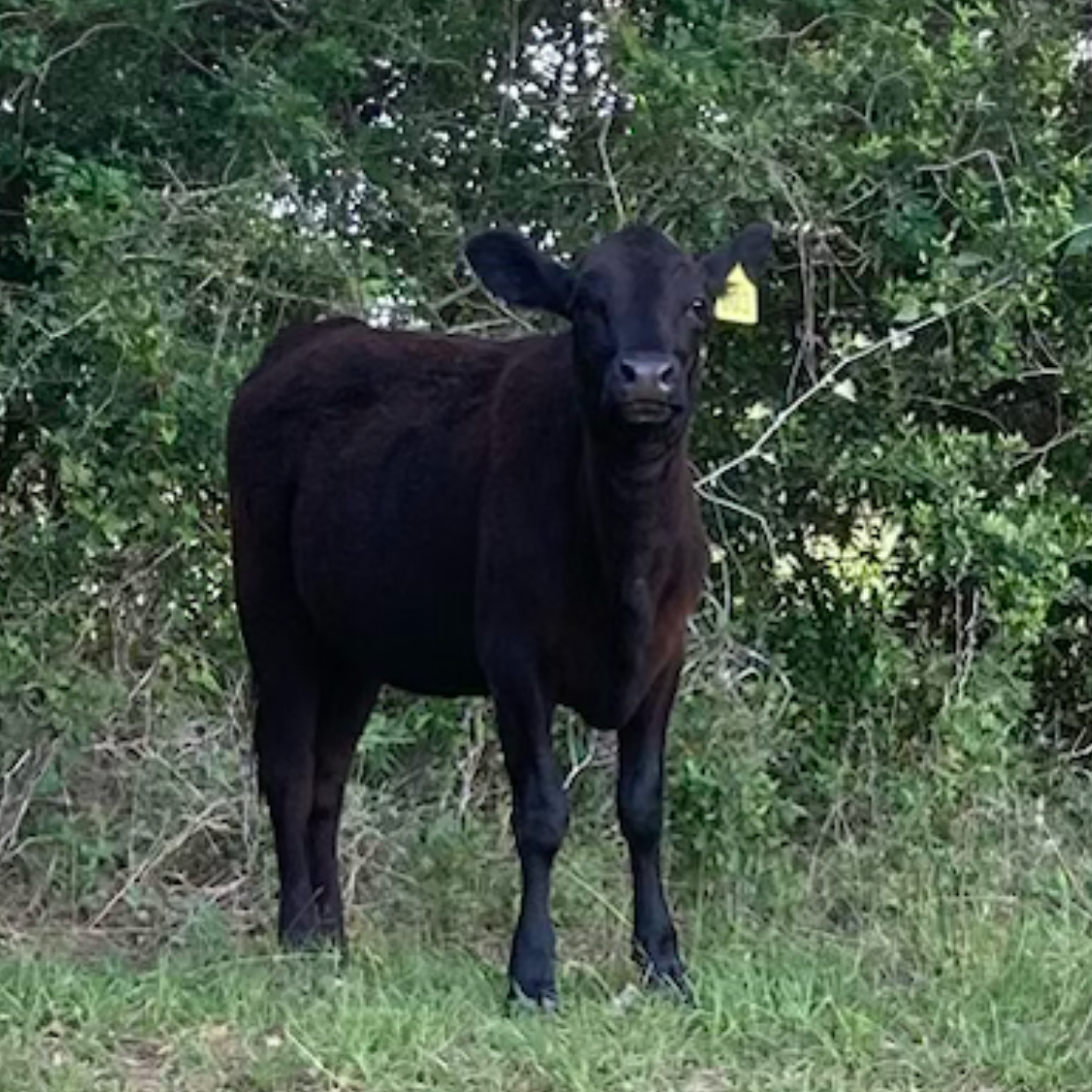
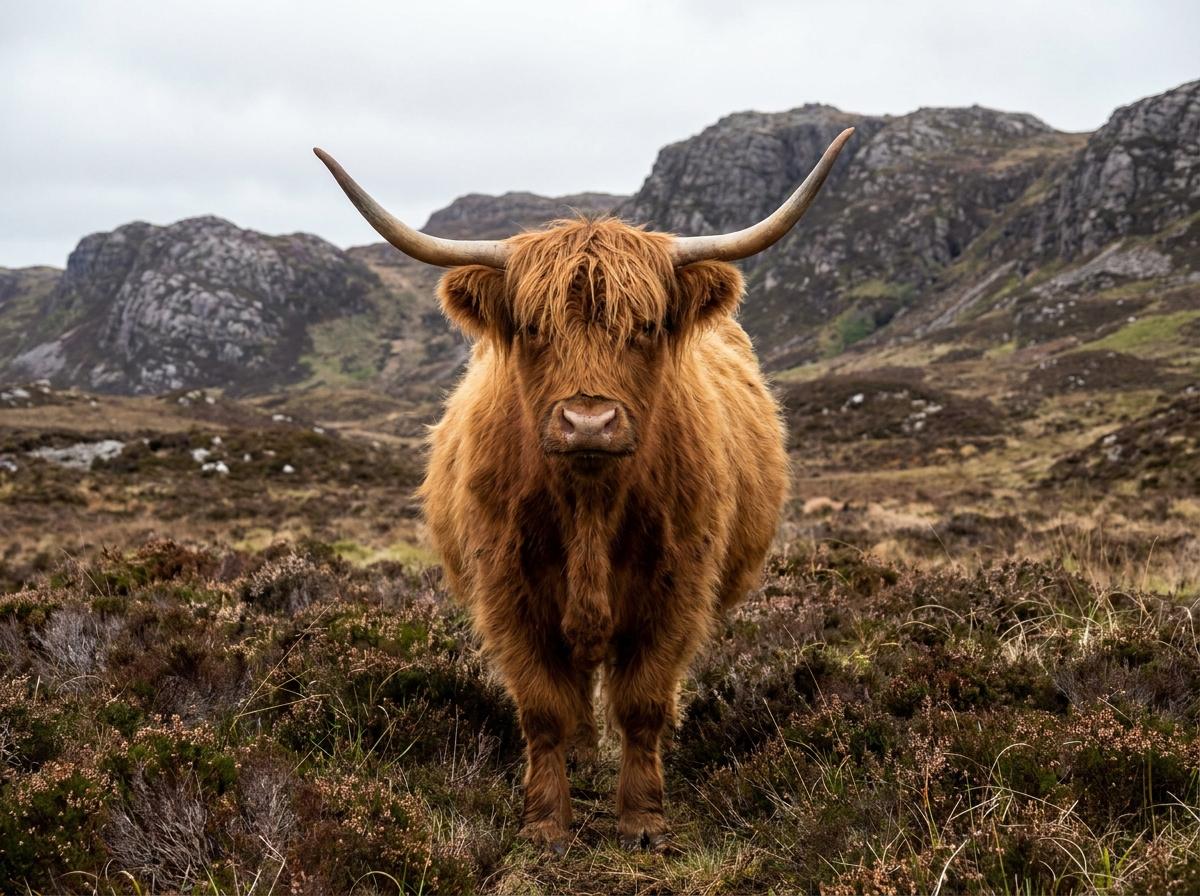
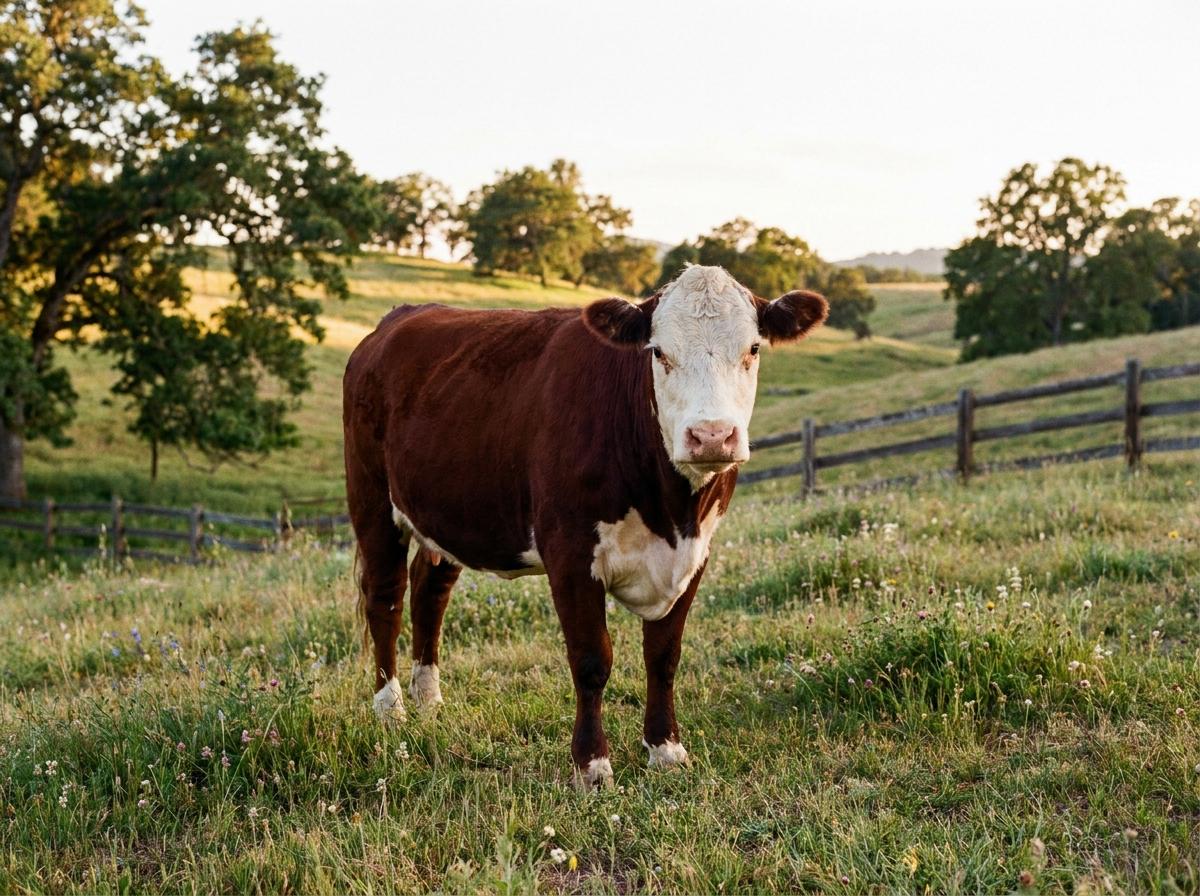
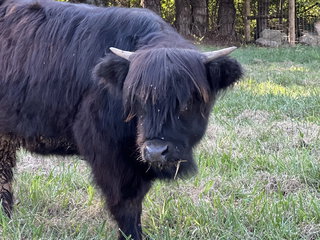
AI-generated illustration.
Use the purchased female’s documented service date in the cattle gestation calculator. If only an exposure period is known, retain that uncertainty when planning the watch described in the calving guide.
Prices and comparisons
Use the cow cost guide to compare breeding-stock and feeder prices before assessing local offers.
There is no universal Brangus price. Age, sex, registration category, reproductive status, measured performance and local demand all affect the comparison. Ask what the seller includes and which guarantees have written conditions.
Include feed, fencing, handling equipment, veterinary work, transport and replacement contingencies in the budget. A purchase made for climate suitability still needs a viable year-round care plan. Do not count a promised premium before confirming the market that would pay it.
Read the cattle guide, then compare Black Angus to understand the contrasting ancestry question and Limousin for another beef selection process. Compare evidence from individual animals under relevant conditions.
Brangus questions
Is every Angus-Brahman cross registered Brangus?
No. Registration depends on the applicable association’s requirements and documented ancestry. Ask for the category shown on the certificate.
Does heat tolerance mean no shade is needed?
No. Adaptation is not immunity to severe conditions. Provide appropriate resources and a weather plan for every animal.
Is Ultrablack simply another spelling of Brangus?
No. IBBA Ultrablack cattle have 12.5% to 87.5% Brangus ancestry with registered Angus making up the remainder. Read the certificate and ask how the breed-up rules apply to future offspring.
Do this next on Creatures
Keep the animal’s identity, original documents and your dated observations together. Choose the next step that matches where you are in the process.
- Set up a Brangus search alert. Get notified when new listings match, with help from the saved-search guide.
- Check current Brangus listings; supply may be empty or change. Ask for the evidence relevant to your intended purchase.
- Start a Brangus profile. No account is needed to start. The animal-profile guide explains the details.
- Add a care or breeding record. The form opens for visitors; a free account saves the record. Read the record guide before adding documents.
- Start a breeder or farm profile. The directory guide explains how a breeder listing works.
- Explore Brangus breeders to compare sources and prepare a careful introduction to the seller.