Lineback
Author: Elliott Garber, DVM · Published
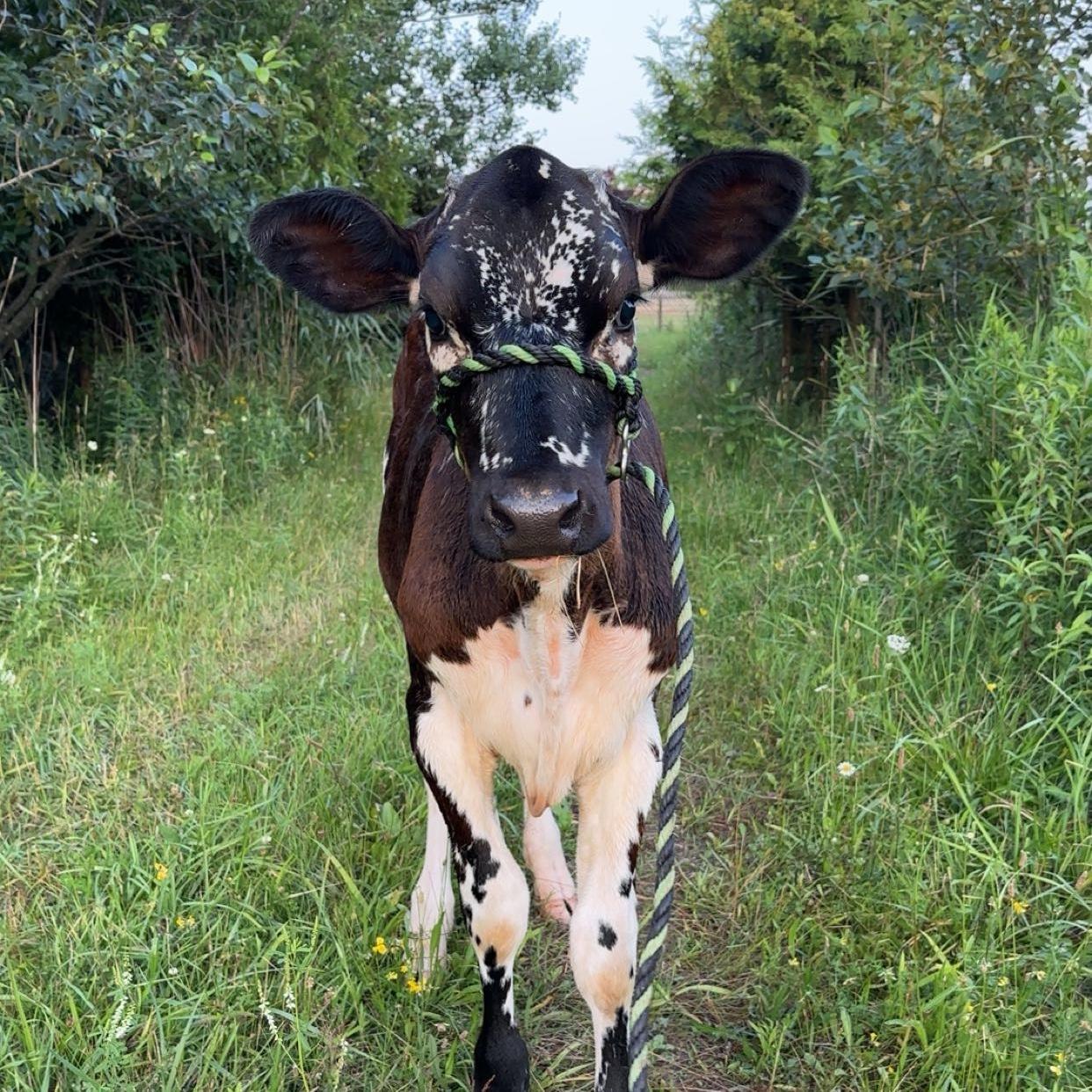
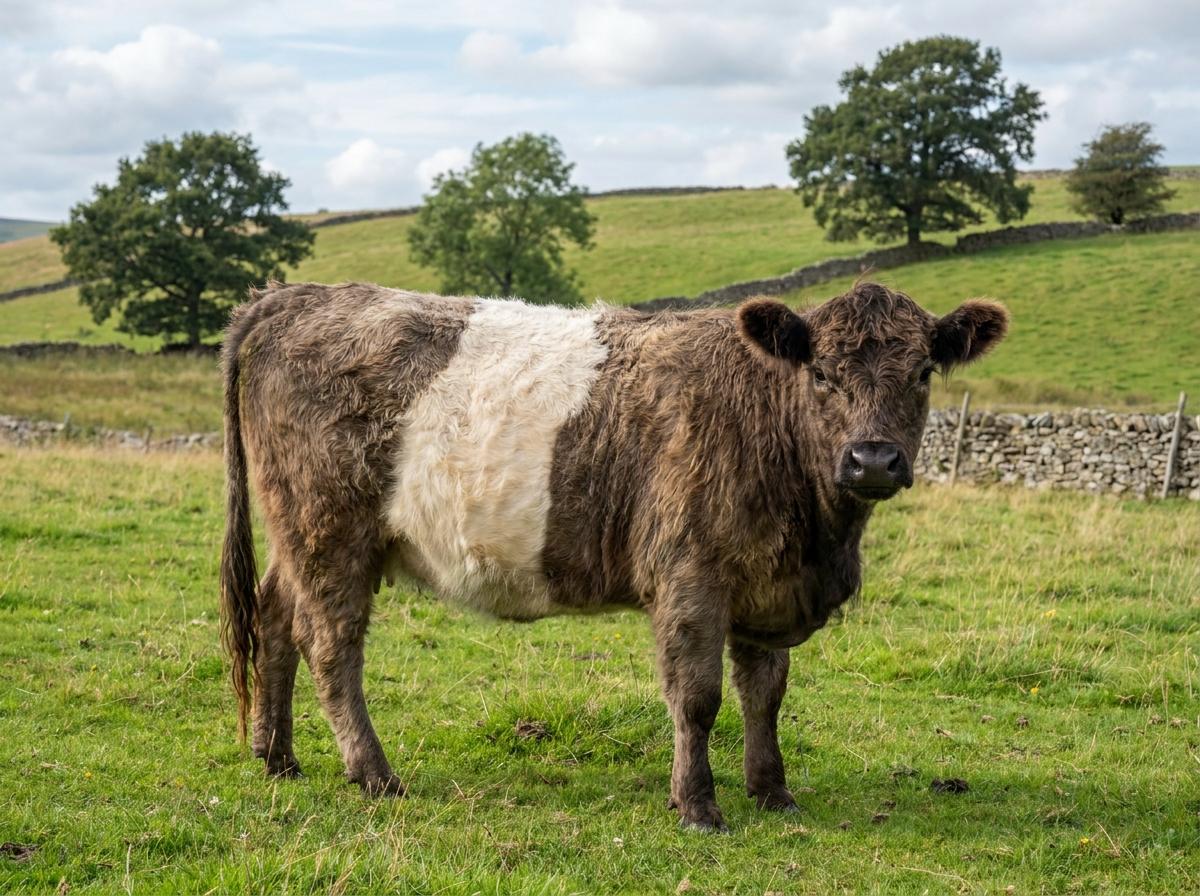
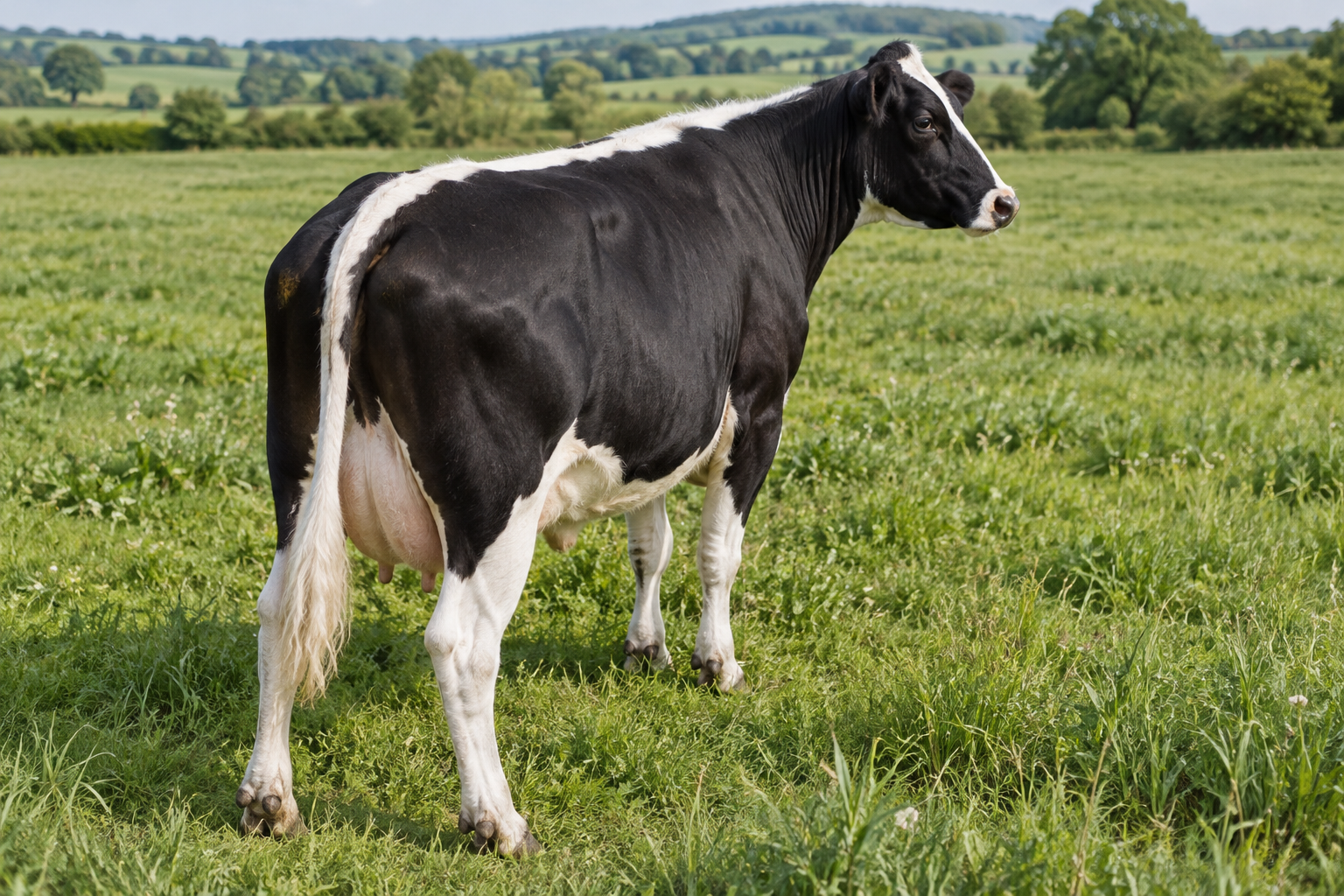
“Lineback” describes cattle with a contrasting line along the back, and it is also used in cattle names. The first buying question is whether the seller means an American Lineback dairy animal, a documented Randall Lineback or simply a cow with that color pattern. Those descriptions should not be exchanged without evidence.
Start with the cattle guide, then ask for the individual animal’s registered name, identification and ancestry. A back stripe is visible; a pedigree needs records.
| Visible feature | Contrasting line along the back |
|---|---|
| Identity question | American Lineback, Randall or a descriptive pattern? |
| Randall ancestry | Requires evidence beyond markings |
| Milk output | Compare individual dated production records |
| Adult size | No universal figure asserted here |
| Buyer check | Match animal identification with original documents |
Identity context from The Livestock Conservancy’s Randall profile and the Randall Lineback Breed Association history. Source effective dates not stated; checked October 16, 2026. Randall measurements are not transferred to all Lineback cattle.
Browse listings, public profiles, breeders, or add your animal.
Pattern is not a complete breed history
The Randall Lineback Breed Association’s historical account describes older New England cattle populations containing different forms of lineback pattern. Some had a relatively clear stripe; others were flecked or roan. Source effective date: not stated; checked October 16, 2026. The visible pattern is broader than one closed family of cattle.
The Livestock Conservancy’s Randall profile expressly distinguishes the conserved Randall population from the broader American Lineback dairy registry. Source effective date: not stated; checked October 16, 2026. This page therefore does not apply Randall rarity, ancestry or adult-weight figures to every animal advertised as Lineback.
Ask the seller which organization issued any certificate and what that certificate actually records. If the animal is described only by appearance, keep that description instead of adding a registered-breed claim. This is especially important when buying cattle for a conservation breeding program.
A dairy purchase needs a cow’s own records
If milk is the intended job, ask for production records with the period measured, age, lactation stage and feeding system. A peak-day observation and a completed lactation are different measurements. Ask whether the figures are individually recorded, herd averages or simply a breed description copied into an advertisement.
Milk volume, components, udder health, feet and handling behavior all matter to a purchase. Have your veterinarian help decide which health evidence is relevant. This guide omits a breedwide milk-yield or body-weight figure because the label covers differing ancestry and no comparable primary dataset has been established here.
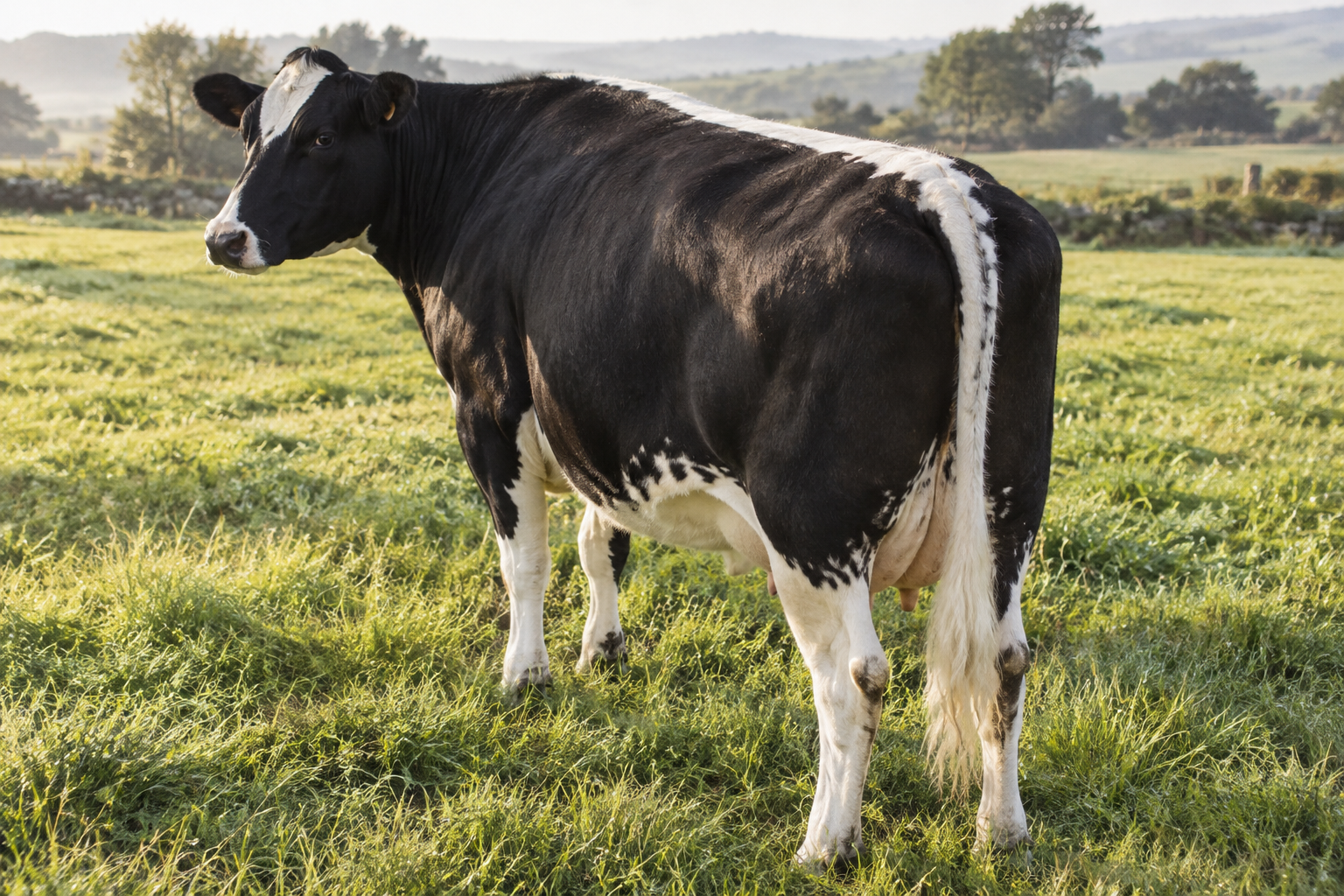
Keep conformation scores separate from production. The Purebred Dairy Cattle Association’s dairy scorecard describes a framework for evaluating dairy form, rather than a certificate of an individual cow’s milk output. Source effective date: the literature page labels the scorecard 2025; checked October 16, 2026. Request the dated scoring report if a seller uses a classification in an offer.
Choose the animal for the system you can run
Discuss milking, handling and housing arrangements before buying. A cow used to one routine may require a planned introduction to another. Ask how she enters the milking area, whether she is accustomed to restraint and how the seller handles her around a calf.
Consider the complete daily job: forage and feeding, water, milking equipment where relevant, relief cover and veterinary access. Compare the practical requirements with Normande or Tarentaise cattle using actual herd records. The coat pattern does not tell you which system will work.
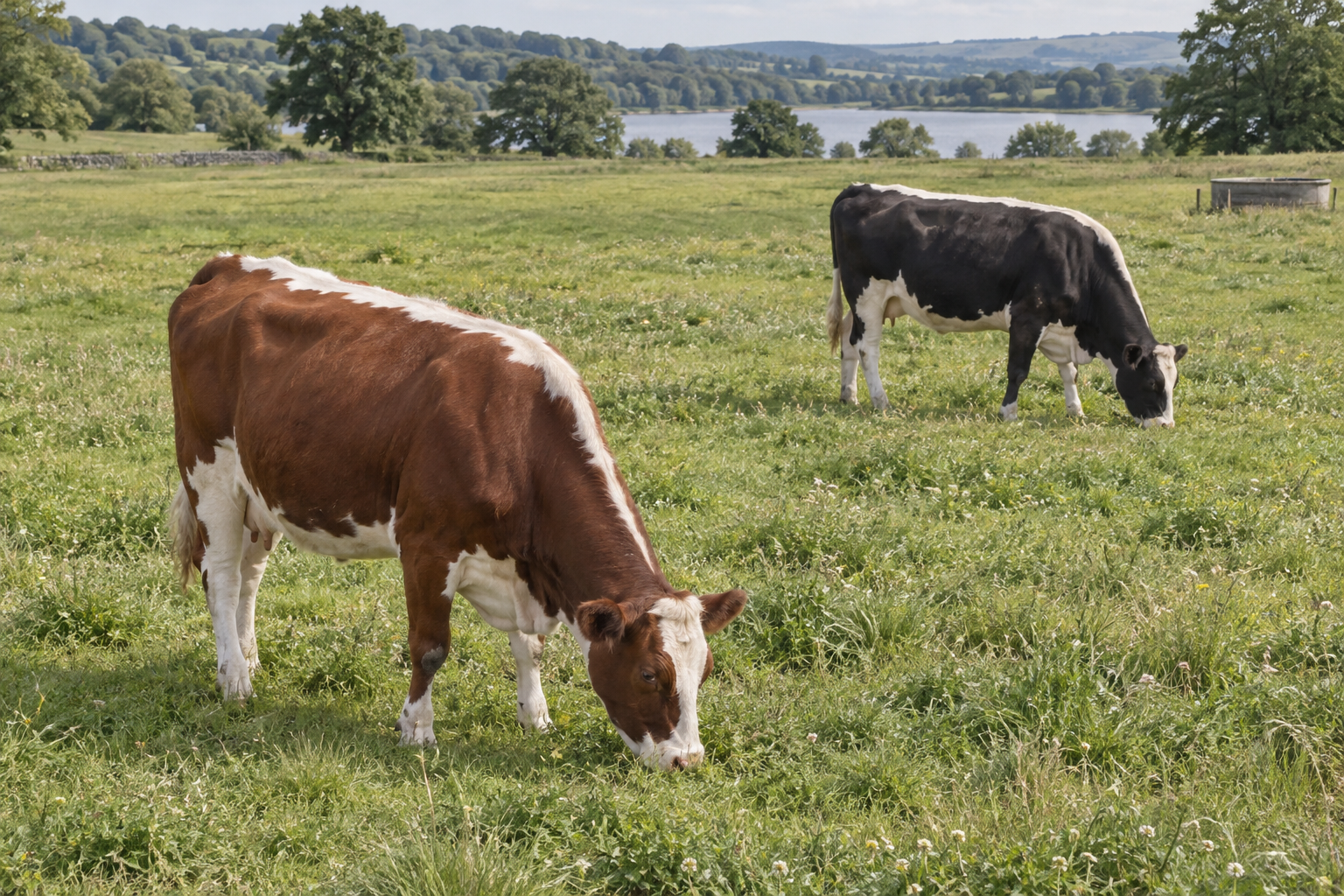
For outdoor management, University of Maryland Extension’s shade guidance supports planning shade access and water for cattle. Source effective date: July 2, 2026; checked October 16, 2026. Adapt the arrangement to the animals and climate with local advice, rather than assuming a visually attractive pasture supplies everything.
Put the description into the sale record
Request a dated offer specifying identity, age, sex, breeding or lactation status, registry where applicable, quantity and transport costs. There is no verified current seller offer quoted here and no synthesized “typical Lineback price.” An unproven heifer and a cow with documented production are not comparable simply because both have a white stripe.
Attach the original documents and measurements to an individual animal profile. Record unknown parentage honestly. If a later registration or parentage result changes the interpretation, add that evidence and its date instead of silently turning an earlier assumption into a fact.
Are Lineback and Randall Lineback synonyms?
Not in a buying or breeding record. Randall describes a particular conserved population; the broader pattern and American Lineback dairy category should not be substituted for it.
Can a photo prove registered identity?
No. A photo can document appearance and visible identification. Connect it to the actual certificate and parentage records before relying on a registry claim.
Do this next on Creatures
Choose the action that fits your stage. A listing search may be empty; an alert is a way to hear about a future match, not a promise of availability.
- Compare the filtered marketplace or open a listing alert. Save-search help explains the account and notification flow.
- Already own an animal? Start an animal profile, then add a record. The record form opens for visitors; a free account is needed to save. See adding an animal and adding a record.
- Keep a breeding operation? Start a breeder or farm profile and review getting listed in the directory. The breeder directory is also available for public research.
Sources checked October 16, 2026. The Creatures content routine owns refreshes with Elliott’s review: stable facts yearly or on reported change; seller price lines monthly in the selling season and quarterly otherwise. An overdue price line is removed.