

Highland Cattle
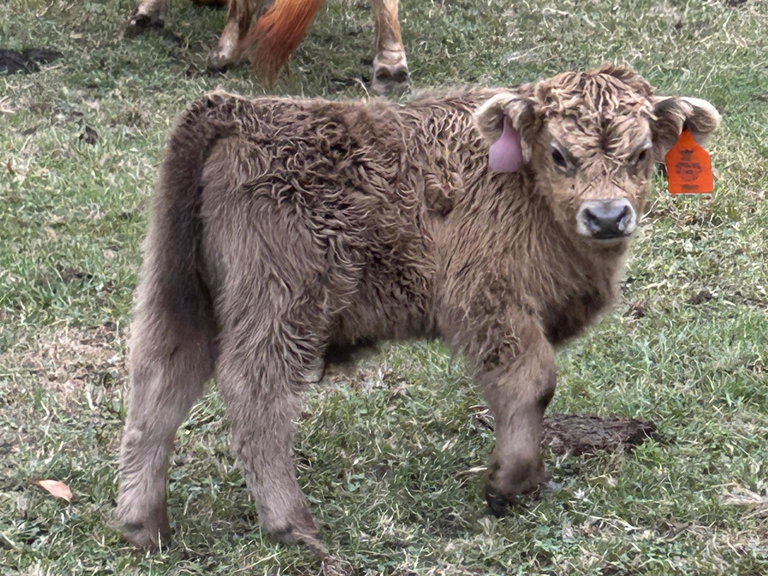
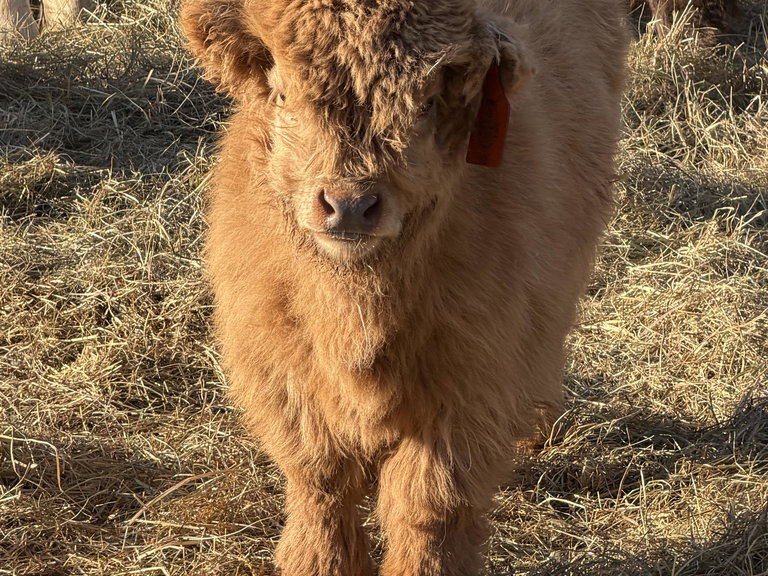
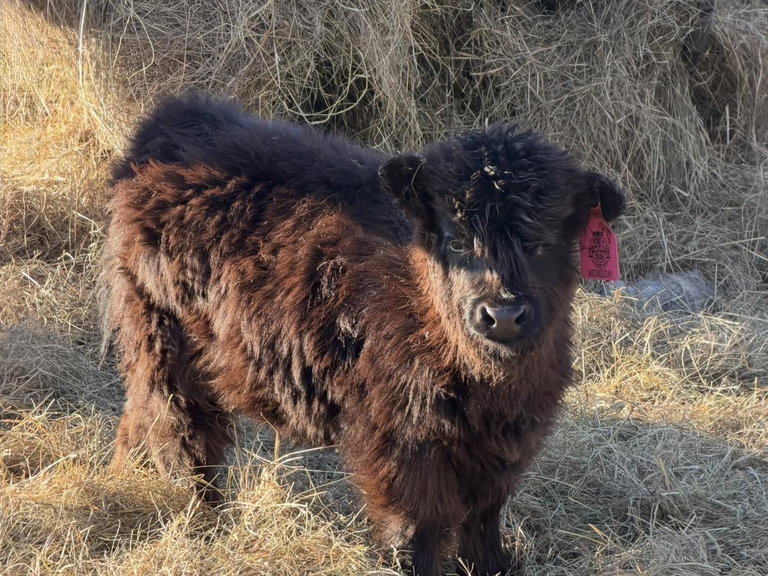
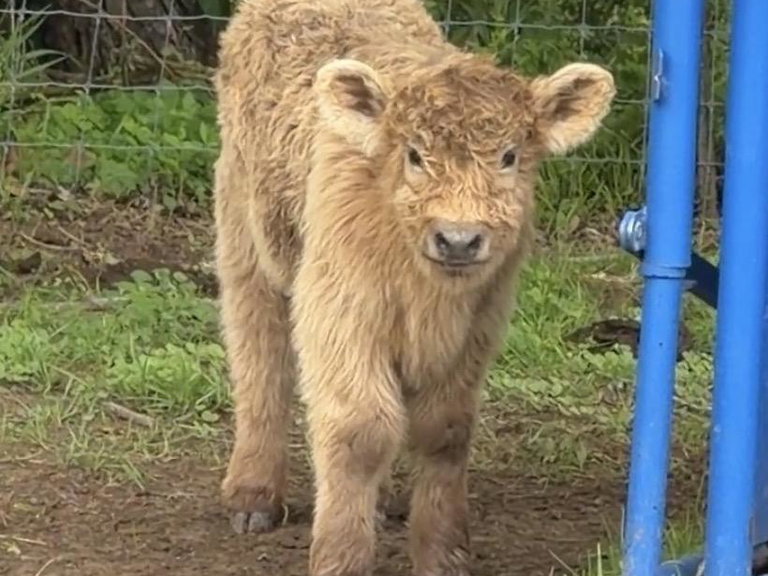
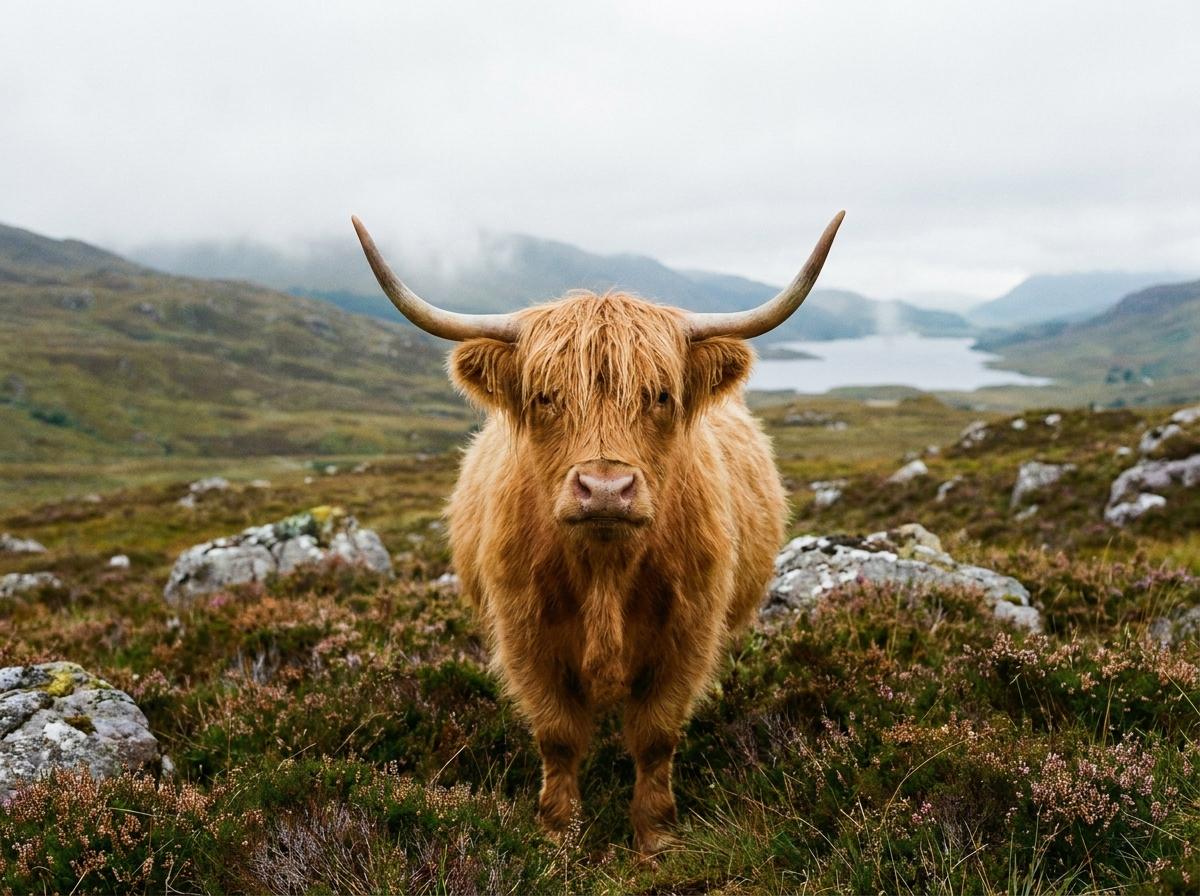
Highland cattle, also known as Scottish highland cattle or simply “highland cows,” are one of the world’s oldest and most recognizable cattle breeds. Known for their shaggy double coats, sweeping horns, and gentle temperament, they’ve become favorites for everything from beef production and conservation grazing to small-farm homesteading and companion animals.
And if you’re here because you’ve been searching for “mini highland cow” or “miniature highland cattle,” we’ve got you covered too. There’s a dedicated section below that breaks down exactly what miniature highlands are, how they differ from standard highlands, and what every buyer should know before purchasing one.
History and Origin of Highland Cattle
Highland cattle are one of the oldest registered breeds in the world. They originated in the Scottish Highlands and Western Isles, where centuries of harsh weather, rocky terrain, and sparse forage shaped them into the hardy, self-sufficient animals we know today.
The Highland Cattle Herd Book was established in 1884, making it one of the oldest breed registries on record. In the early days, two distinct classes existed: the smaller, typically black “Kyloe” from the Western Isles, and the larger, often red or dun animals from the Scottish Highlands. These were eventually merged into a single breed.
Highland cattle were first imported to North America in the late 1800s. The American Highland Cattle Association (AHCA) was founded in 1948 and remains the primary breed registry in the United States, maintaining DNA-verified pedigrees for fullblood registered animals.

Highland Cattle Breed Characteristics
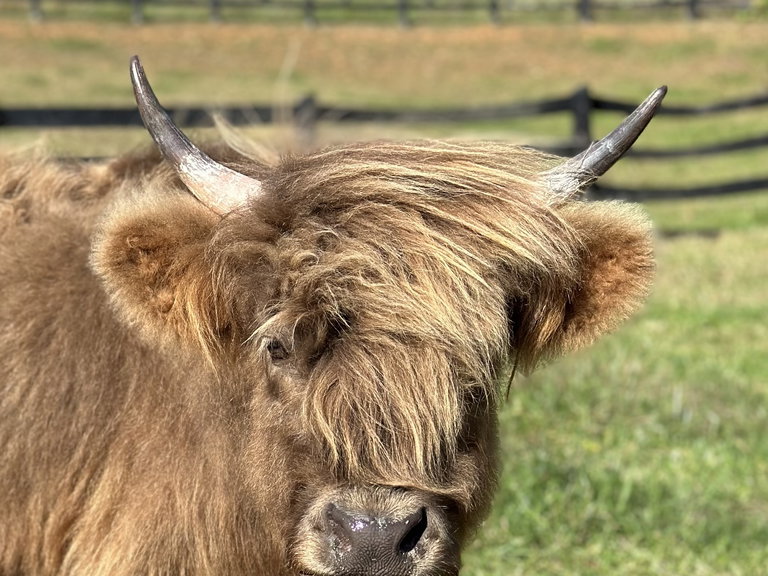
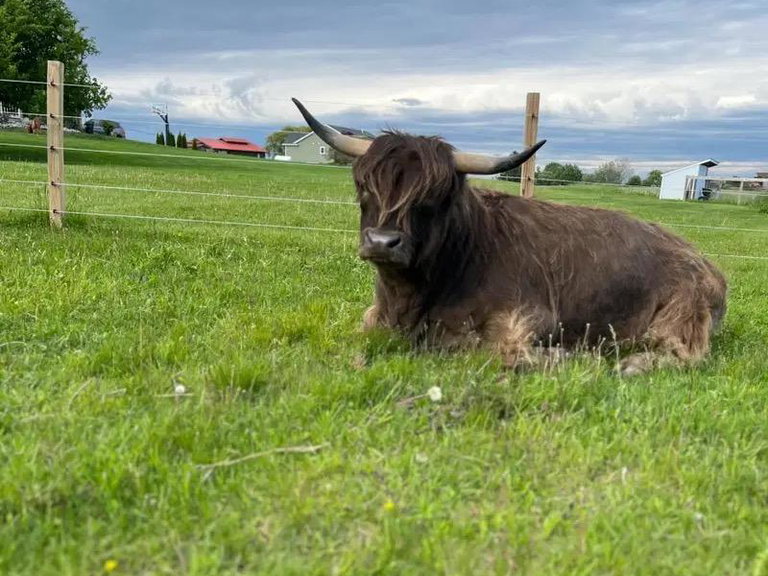
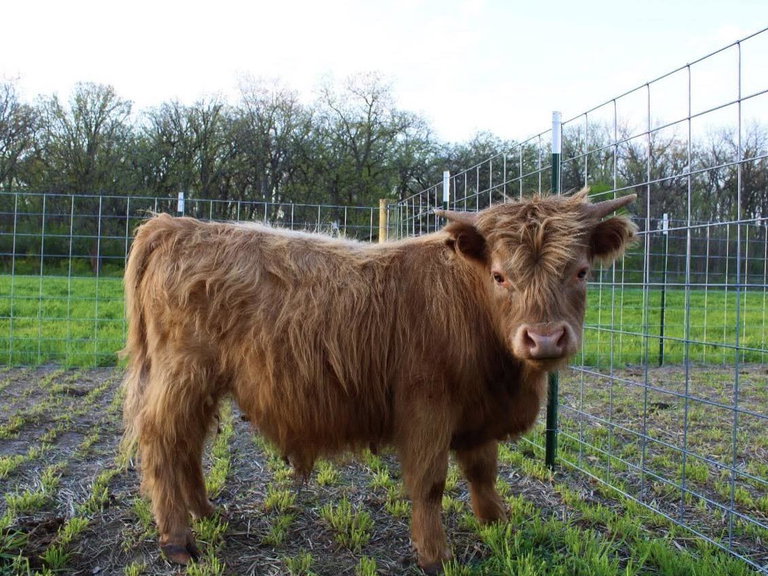
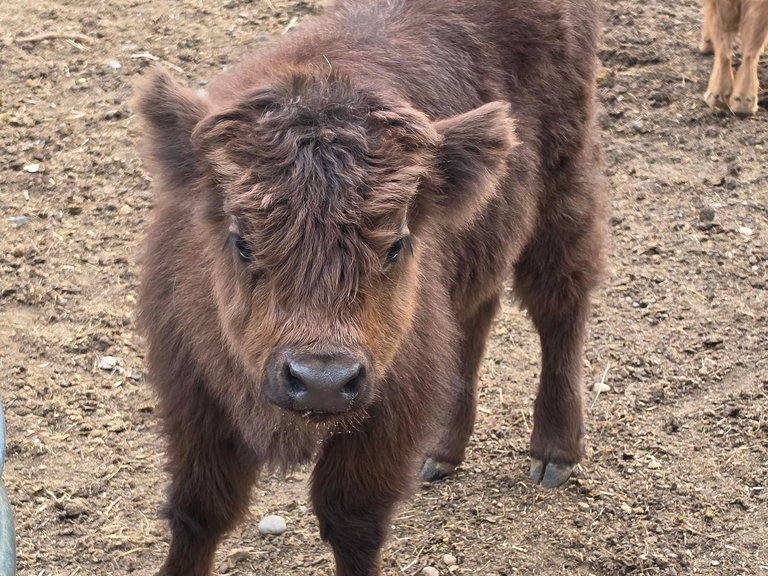
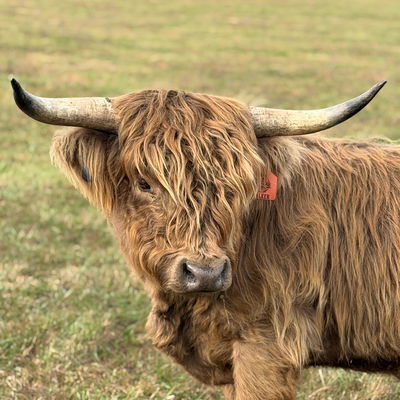
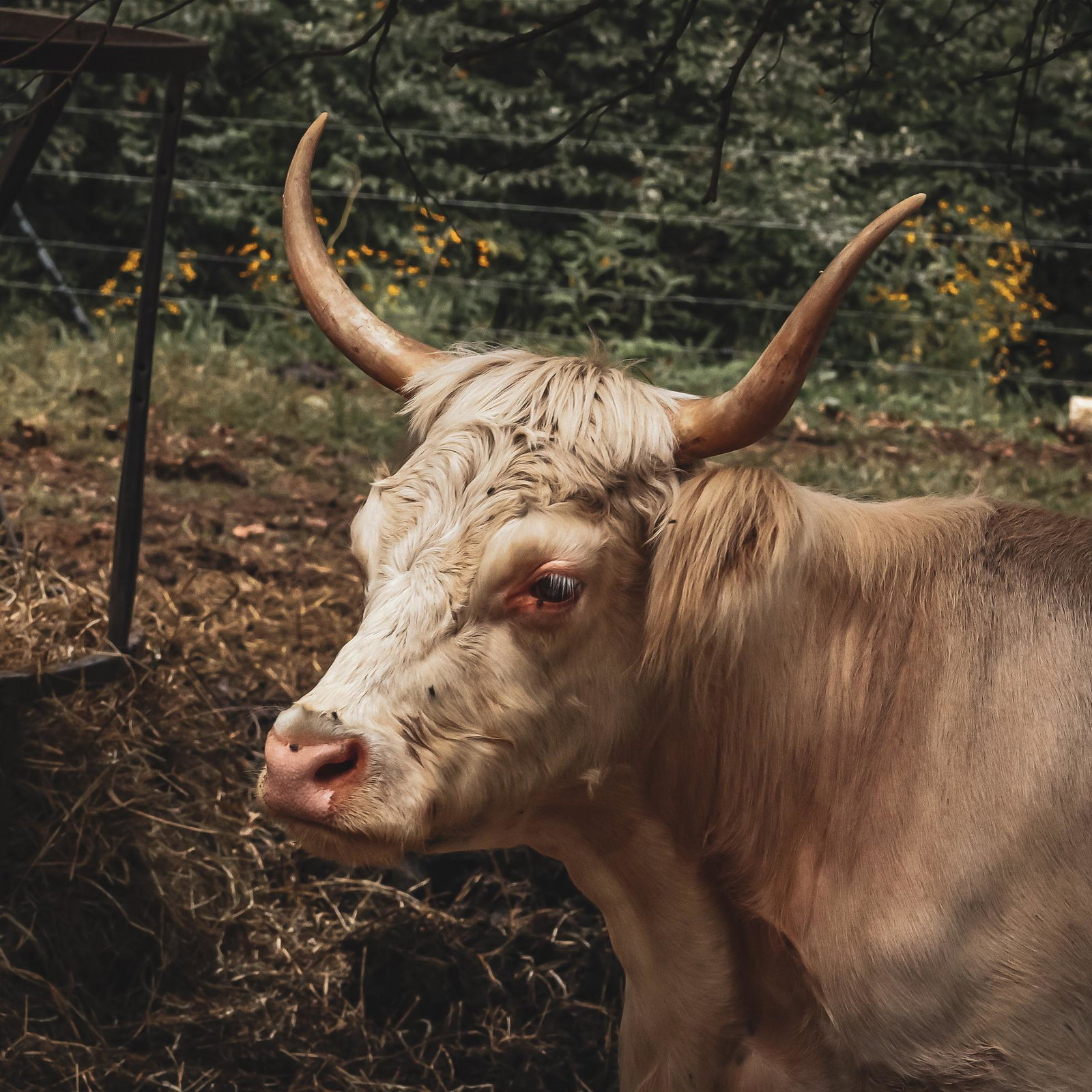
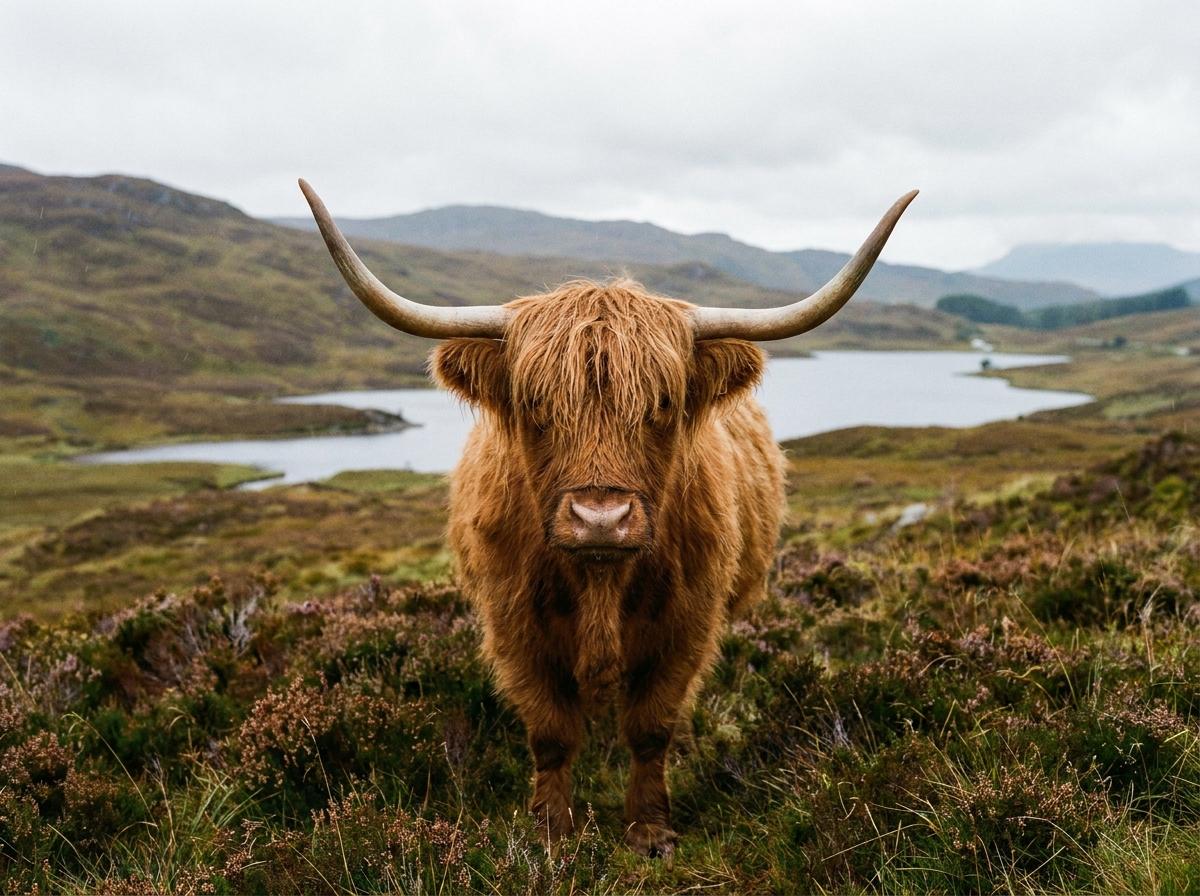
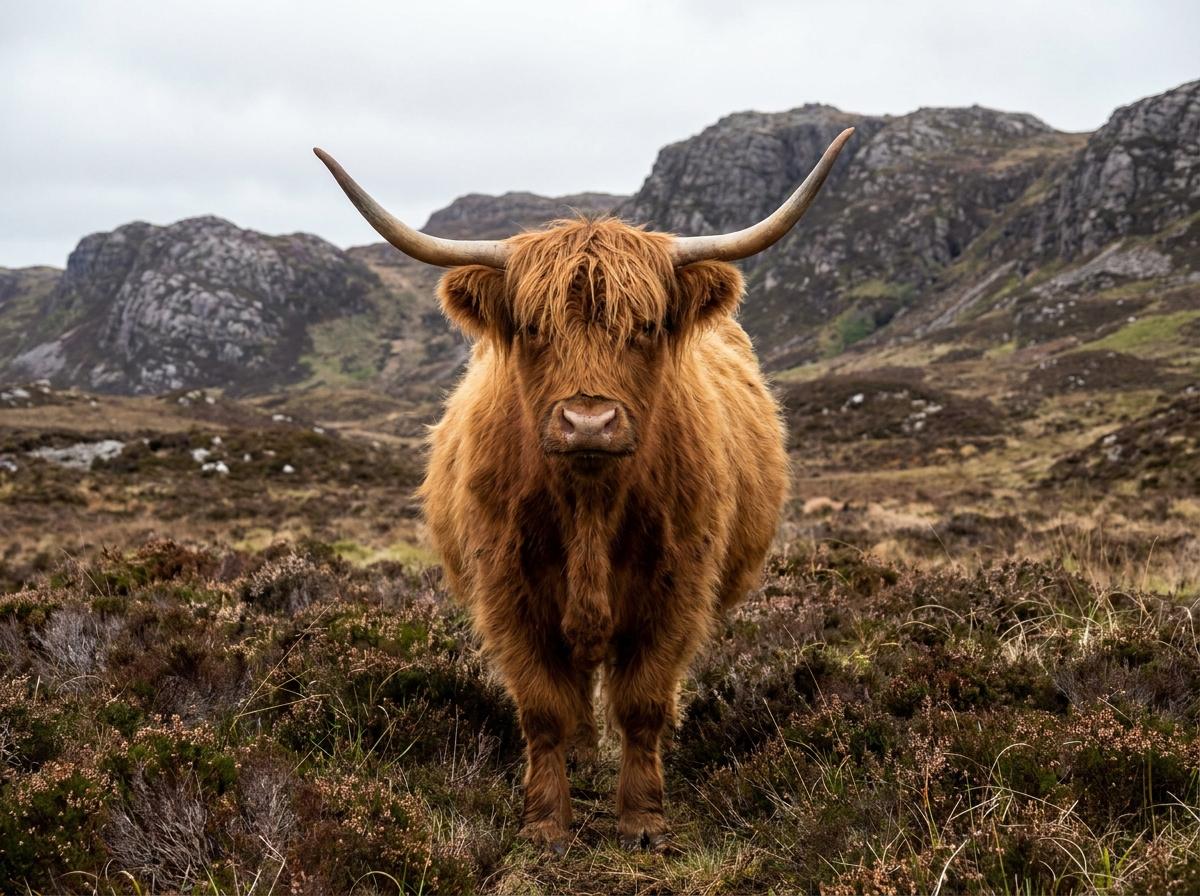
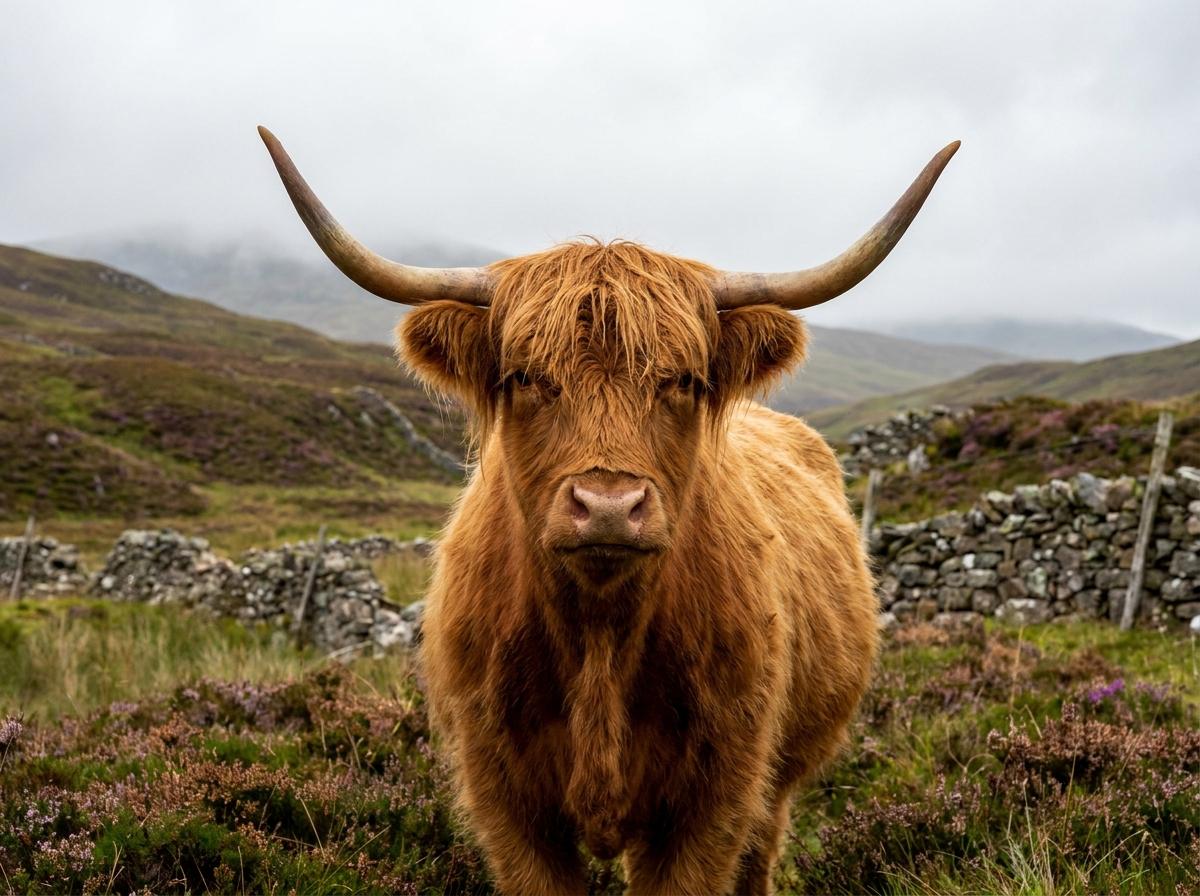
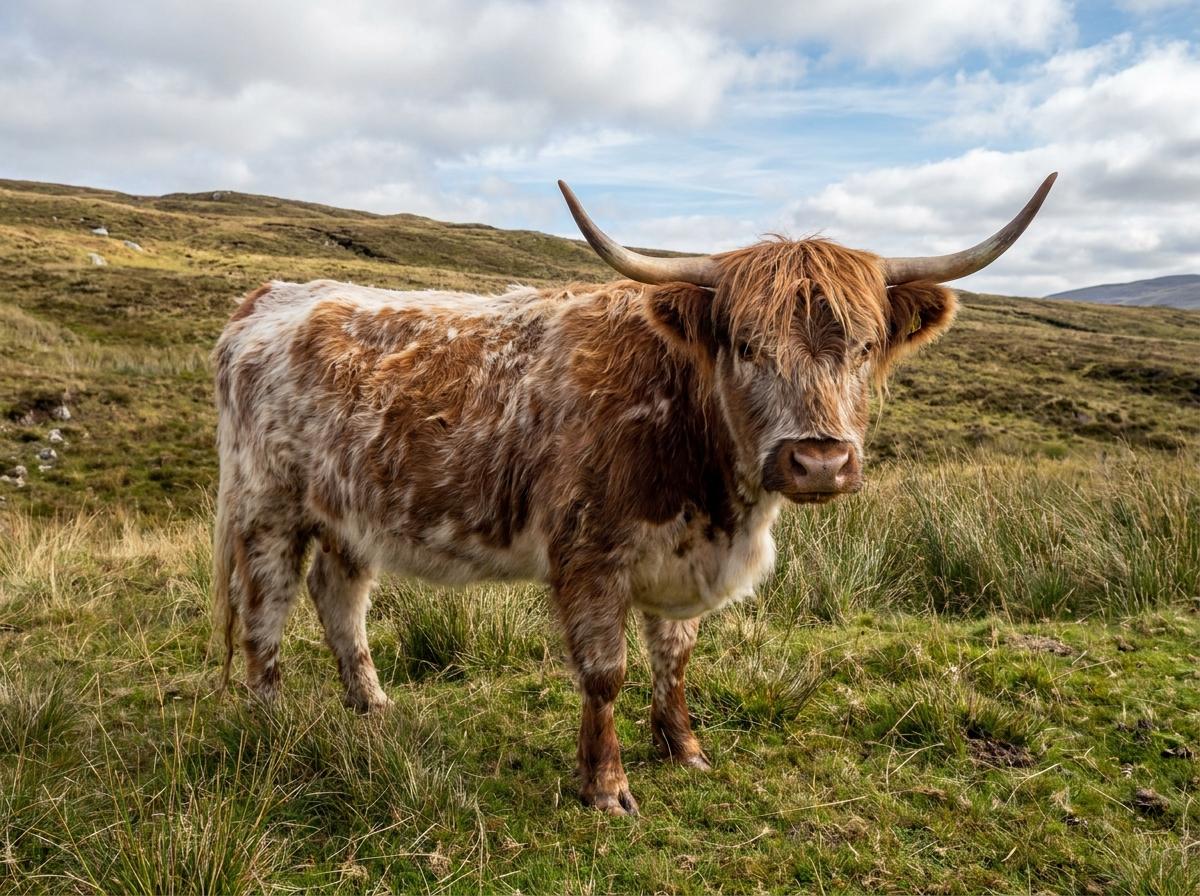
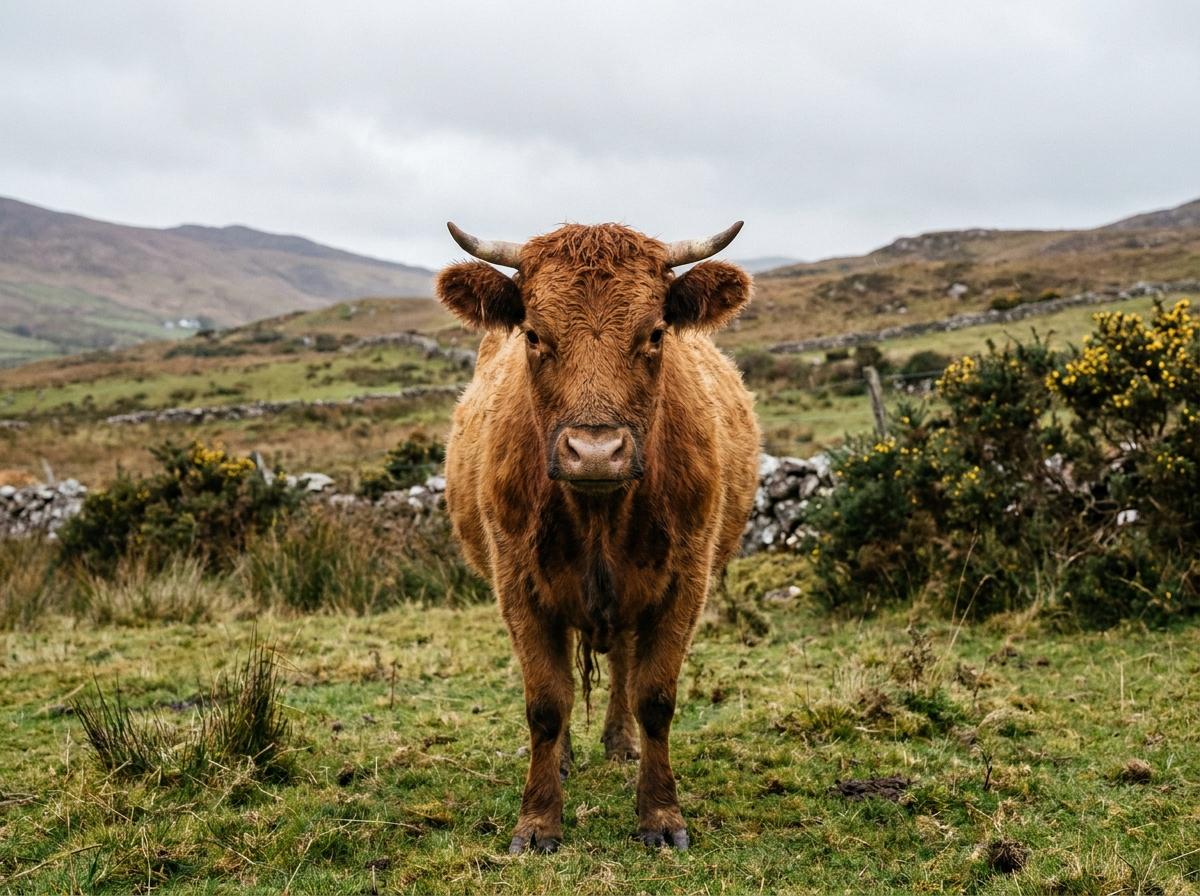
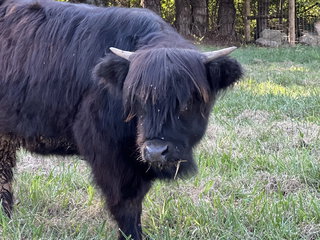
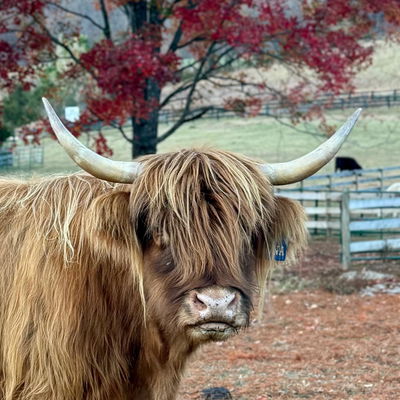
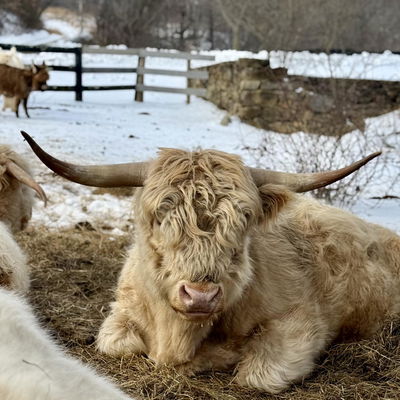
Highland cattle are unmistakable. Their long, sweeping horns, shaggy double coat, and sturdy build set them apart from every other cattle breed. Both cows and bulls carry horns, though bull horns tend to grow more horizontally while cow horns curve upward.
The breed’s most distinctive feature is its double coat. A long, oily outer layer of guard hair sheds rain and snow, while a soft, downy undercoat provides insulation. This combination allows highlands to thrive in cold, wet climates without needing the heavy fat layer that many commercial breeds rely on for warmth.
Size and Build for Standard Highlands
- Cows: 900 to 1,200 lbs, typically 42 to 48 inches at the shoulder
- Bulls: 1,500 to 1,800 lbs
- Calves: 60 to 70 lbs at birth
These measurements are for traditional, standard-sized highland cattle. Smaller highland and highland-cross animals are covered in detail in the miniature highland section below. It’s also worth noting that highlands are a slow-maturing breed. Many animals continue adding height even after three years old, so a young animal’s measurements may not reflect its mature size.
Highlands are compact and well-proportioned compared to larger commercial breeds. Their moderate size is one reason they work well on small farms and rough terrain.
Recognized Coat Colors
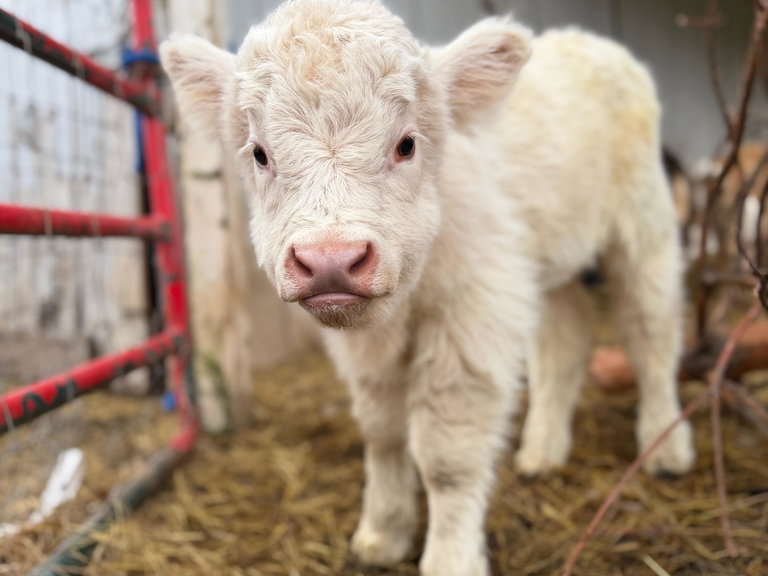
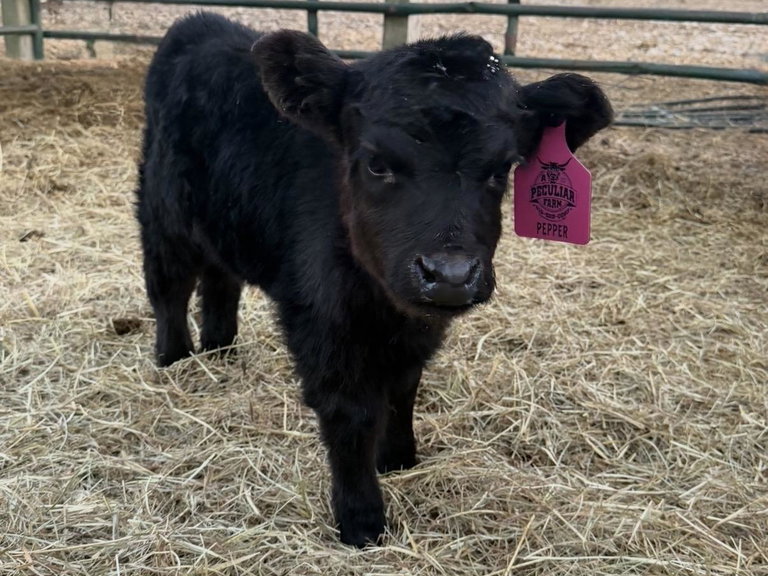
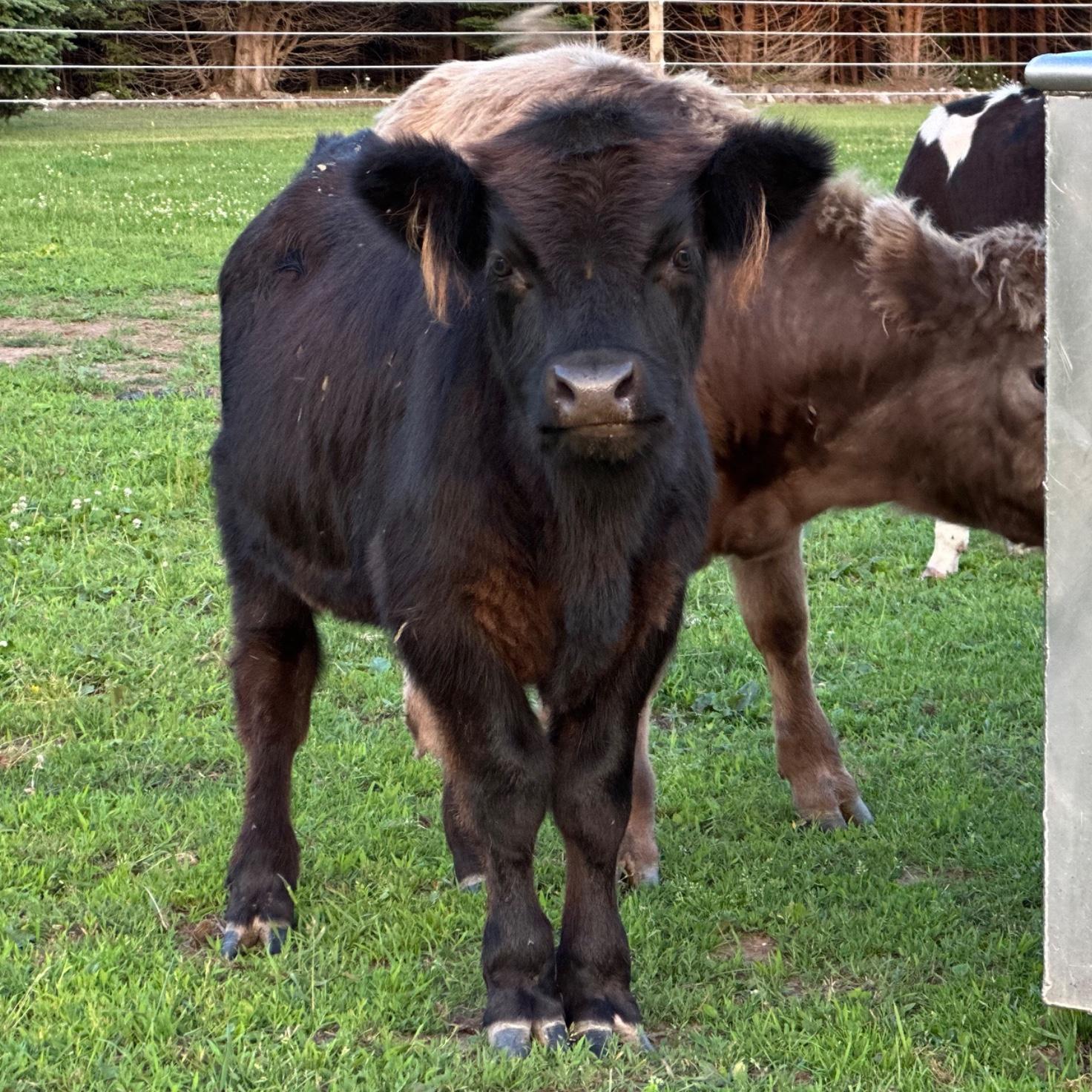
Highland cattle come in a striking range of colors. The AHCA recognizes black, brindle, red, yellow, white, dun, and silver. Red is the most common color seen today, though black was historically dominant in the original Kyloe type from the Western Isles.
In recent years, the diluted colors (white and silver) have surged in popularity, particularly on social media. That increased demand often means white and silver animals are priced significantly higher than other colors. On the other end of the spectrum, many experienced breeders favor dun animals because dun genetics can produce the full range of highland coat colors in offspring, making them versatile foundation animals for a breeding program.
Curious about coat color genetics? Use the Highland Cattle Coat Color Calculator on Creatures to predict offspring colors based on parent genetics.

Highland Cow Temperament and Personality
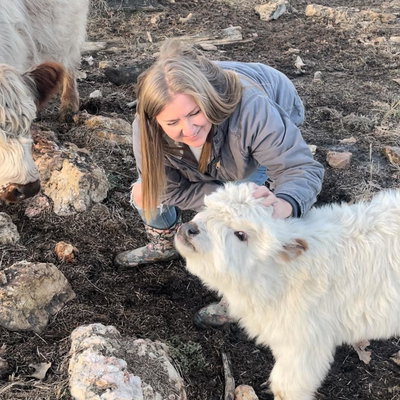
Highland cattle are widely known for their calm, docile temperament. When raised with regular human contact, they become remarkably gentle and easy to handle. Many highland owners describe their cattle as curious, intelligent, and genuinely affectionate.
Highland cows are attentive mothers with strong maternal instincts. They calve easily, rarely need assistance, and are fiercely protective of their young. A baby highland cow (calf) bonds quickly with its mother and is typically on its feet within minutes of birth. This combination of easy calving and good mothering ability is one of the breed’s most valued traits among ranchers.
Highlands are herd animals and do best in groups. A single highland kept alone can become stressed or develop behavioral issues. Most breeders recommend keeping at least two animals together, whether that means two highlands or a highland with a companion animal.
A note on bulls: while highland cows and steers are generally calm around people, bulls of any breed require standard safety precautions. Never turn your back on a bull, and always maintain appropriate fencing and handling infrastructure.

Why People Raise Highland Cattle
Highland cattle serve a wide range of purposes, from commercial beef production to backyard companionship. Here’s why the breed has gained such a dedicated following.
Beef Production
Highland beef is lean, well-marbled, and lower in cholesterol than most commercial beef breeds. Because highlands insulate with hair rather than fat, the meat carries less exterior fat while maintaining excellent flavor. Highland beef commands premium prices at farmers’ markets and through direct-to-consumer sales. The breed finishes well on grass alone, making them a natural fit for grass-fed beef operations.
Conservation Grazing
Highlands are exceptional conservation grazers. Their ability to thrive on rough, marginal forage makes them ideal for managing overgrown land, controlling invasive plant species, and maintaining biodiversity on sensitive landscapes. Land trusts and conservation organizations across the UK and North America use highland cattle specifically for habitat management.
Breeding Stock and Show Animals
Registered fullblood highland cattle with strong pedigrees are in steady demand for breeding programs and show competition. AHCA-sanctioned shows and sales draw serious breeders from across the country.
Crossbreeding
Highland bulls crossed with commercial beef cows produce calves that inherit the highland’s hardiness, calving ease, and foraging ability. This crossbreeding strategy is popular in northern climates and on rough terrain where conventional breeds struggle.
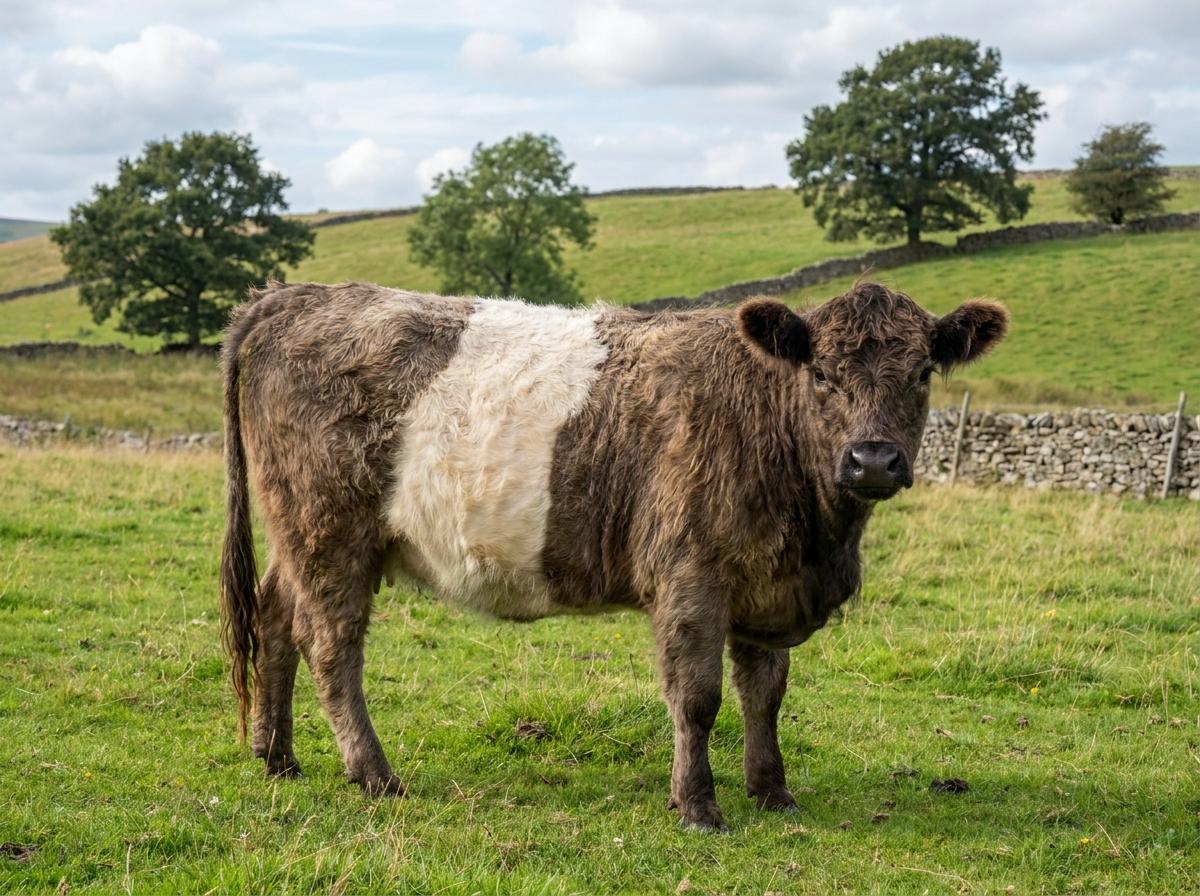
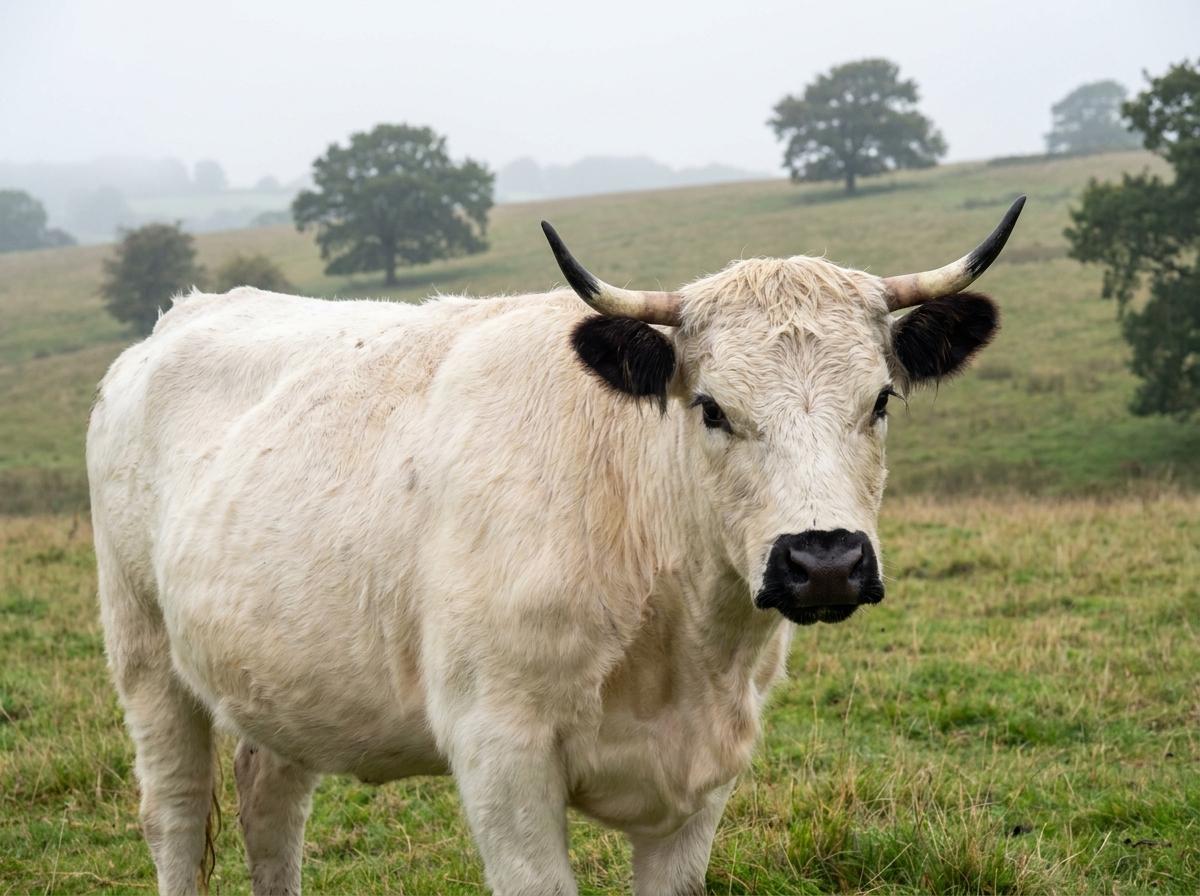
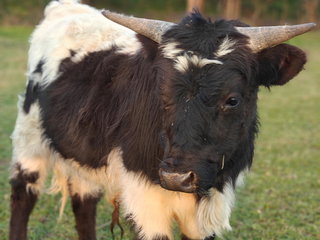
Highland crosses with White Park cattle and White Galloway cattle have also gained a dedicated following. These “HighPark” crosses produce animals with the highland’s thick, shaggy coat in the striking white-with-colored-points pattern that many people find irresistible. They’ve become some of the most sought-after animals in the hobby farm market.
Crosses with Dexter cattle have been used extensively to reduce frame size, with some breeders working to bring back a more compact, “heritage-sized” highland through careful multi-generational breeding. This approach, along with the role of the chondrodysplasia gene in size reduction, is covered in depth in the miniature highland section below.
Small Farms and Homesteads
Highland cattle are one of the most popular breeds for small-acreage farms. Their moderate size, low feed requirements, easy temperament, and hardiness make them manageable for owners who may not have a background in cattle production. They require less infrastructure than larger breeds and are generally easier to handle.
Companion Animals
The rise of social media has driven enormous interest in highland cattle as companion animals. Their photogenic appearance and gentle nature have made them viral favorites. Many people now keep highlands primarily as pets, particularly on hobby farms and rural properties.
Ready to find your own? Browse highland cattle for sale on the Creatures Marketplace, or search the breeder directory to connect with highland cattle breeders near you.

How to Care for Highland Cattle
Feeding and Nutrition
Highland cattle are efficient foragers that thrive primarily on grass and hay. They require less feed per head than larger commercial breeds, which is one of their key advantages for small-farm owners.
- Primary diet: Quality pasture grass in season, good hay year-round
- Minerals: Free-choice loose mineral supplement formulated for cattle (check local soil deficiencies)
- Grain: Generally unnecessary for adult highlands on adequate forage. May supplement growing calves, lactating cows, or animals in harsh winter conditions.
- Water: Clean, fresh water available at all times. Heated waterers in freezing climates.
Avoid overfeeding. Highlands evolved on sparse forage. Excess grain or rich pasture can lead to obesity and related health problems.
Shelter and Space
Highland cattle are among the hardiest cattle breeds in the world. Their double coat provides remarkable cold-weather protection, meaning a three-sided shelter with dry bedding is sufficient in most climates. Full barns are unnecessary and can actually cause overheating.
Heat is a greater concern than cold for this breed. In warm climates, highlands need reliable shade, adequate ventilation, and constant access to water. Some owners clip coats in summer to help with heat tolerance.
For space, plan on 1 to 2 acres per animal for grazing, with rotational grazing practices extending pasture life significantly.

Health and Veterinary Care
Highlands are a hardy breed with fewer health problems than many commercial cattle breeds. Standard care includes:
- Annual vaccinations per your veterinarian’s recommendations
- Regular deworming based on fecal egg counts
- Hoof trimming every 6 to 8 weeks
- Annual wellness exams
Fencing
Standard cattle fencing works well for highlands. Despite their docile disposition, secure fencing is essential. Highlands are curious animals, and inadequate fencing invites escapes. Five-strand barbed wire, woven wire, or board fencing are all common choices.
Grooming
Highlands shed their downy undercoat seasonally. Pasture cattle generally manage this on their own with help from trees, fence posts, and brushes. Show cattle require regular brushing, coat conditioning, and significant grooming preparation before competition.
Breeding season? Use the Highland Cattle Gestation Calculator to track pregnancy timelines and estimate calving dates.
Highland Cattle Pricing
Highland cattle prices vary widely depending on registration status, pedigree strength, age, sex, color, and geographic region.
General price ranges:
- Unregistered calves: $1,500 to $3,500
- Registered calves: $3,000 to $8,000+
- Bred cows: $5,000 to $15,000+
- Show-quality or elite breeding stock: $10,000 to $50,000+
Registered fullblood animals with deep AHCA pedigrees command the highest prices. Color, horn set, and coat quality also influence pricing. The market has strengthened significantly over the past several years as demand continues to outpace supply.
For a detailed breakdown of pricing factors, market trends, and what to expect at different price points, read the full Highland Cow Prices: Complete Cost Guide.
Browse highland cattle currently for sale on the Creatures Marketplace to see live pricing and available animals.
Understanding “Miniature Highland Cattle”
If you’ve searched for “mini highland cow” or “miniature highland cattle,” you’re not alone. These terms have exploded in popularity, driven by social media and growing interest in smaller livestock for hobby farms and homesteads. But the terminology can be confusing, and the reality behind “miniature highlands” is more nuanced than most buyers realize.
What People Mean by “Mini Highland Cow”
When most people search for a mini highland cow, they’re looking for a smaller animal with the classic highland look: long shaggy coat, sweeping horns, gentle temperament. The appeal is understandable. A 500-pound animal that looks like a highland but takes up less space and eats less feed sounds ideal for a small property.
Here’s the important context: the AHCA doesn’t recognize a “miniature” classification within the highland breed. There’s no official mini highland breed. The term is a market-driven label, not a breed designation. But that doesn’t mean these animals aren’t real or worth owning. Understanding what’s actually being sold under that label requires knowing the three distinct categories of smaller highland-type cattle, and the community’s accepted size definitions:
- Mid-miniature (standard): 42 to 48 inches at maturity
- Miniature: 36 to 42 inches at maturity
- Micro: Under 36 inches at maturity
Keep in mind that highlands and highland crosses are slow-maturing animals. Many don’t reach their full height until age four or five, and it’s not uncommon for an animal to add several inches after age three. Unfortunately, quality height measurements aren’t always done or shared when animals are sold, which makes it important to ask specific questions about age and measurement methods.
Three Types of Smaller Highland-Type Cattle
1. Naturally Smaller Purebred Highlands
Like all livestock breeds, highland cattle have natural size variation. Some registered, purebred AHCA animals simply mature at the shorter end of the breed’s range. An AHCA purist would say a purebred highland cow standing 42 inches at the shoulder isn’t a “miniature,” she’s just a highland. But many people in the broader community are comfortable calling smaller purebred animals miniature highlands. Either way, these animals carry full AHCA registration, verified pedigrees, and no crossbred genetics.
2. Highland Crosses Bred for Smaller Size
Most animals marketed as “miniature highland cattle” are crossbred. The most common cross is Highland x Dexter, sometimes called “High-Dex.” Dexter cattle are a naturally small breed (34 to 44 inches tall), and crossing them with highlands reduces offspring size.
There’s a trade-off. First-generation Highland x Dexter crosses (50/50) often lose the characteristic highland double coat as they mature. The thick, shaggy look that buyers want typically doesn’t hold in animals with significant Dexter genetics. Breeders report that it can take reaching 87.5% or higher Highland genetics (through several generations of breeding back to highlands) before calves consistently display the full double coat.
Other crosses used in miniature programs include Highland x Lowline Angus (for naturally smaller frame without the dwarfism gene) and various multi-breed composites.
3. Chondrodysplasia-Positive Animals
Many miniature highland programs use a specific genetic mutation to achieve shorter legs: chondrodysplasia, caused by the BD1 mutation in the aggrecan (ACAN) gene. This mutation originated in Dexter cattle and was introduced into miniature highland programs through crossbreeding. Animals carrying this gene are, by definition, crossbred. That isn’t necessarily a bad thing, and many smaller, high-percentage highland crosses are indistinguishable from purebred animals in both appearance and temperament.

Chondrodysplasia: What Buyers Should Know
Chondrodysplasia (often called “chondro” in breeder circles) is a semi-dominant genetic condition that affects cartilage and bone development. If you’re considering purchasing any animal marketed as a miniature highland, understanding this gene is essential.
How it works:
- One copy (carrier): The animal has disproportionately shortened legs, creating the compact “mini” appearance. Carriers may also develop arthritis or joint issues over time.
- Two copies (affected): Lethal. The calf develops severe skeletal deformities (sometimes called a “bulldog calf”) and is naturally aborted around the seventh month of gestation or is stillborn. There are no survivors.
The breeding math matters: When two chondro carriers are bred together, there is a 25% chance of producing a lethal outcome. Responsible breeders test all animals and never breed carrier to carrier. This eliminates the risk entirely.
Testing is available and affordable. UC Davis Veterinary Genetics Laboratory, Neogen, and Texas A&M all offer chondrodysplasia testing. Any breeder selling miniature highland-type cattle with a particular chondro status should be able to provide test results. If they can’t or won’t, that’s a significant red flag.
This information isn’t intended to discourage anyone from purchasing smaller highland-type cattle. It’s here to help buyers make informed decisions and ask the right questions.
Registration: What the Papers Actually Mean
Several registries serve the highland and miniature highland community, each with a different focus:
- AHCA (American Highland Cattle Association): Registers purebred fullblood highland cattle only. No miniature category. DNA verification required. This is the gold standard for purebred highland cattle registration in the U.S.
- HHCA (Heartland Highland Cattle Association): An open registry that welcomes smaller highland-type animals and provides a community and registry option for breeders working with animals that don’t fit the AHCA’s fullblood-only model. A good option for high-percentage highland crosses and smaller animals.
- IMCBR (International Miniature Cattle Breeders Registry): Registers “Miniature Highland” cattle based on height (under 42 inches at the hip). Serves the broader miniature cattle community across multiple breeds and provides height-verified documentation.
For buyers, the practical takeaway: AHCA papers confirm that an animal is a purebred highland with a DNA-verified pedigree. HHCA and IMCBR registrations offer different benefits, including community support, height documentation, and a path for registering animals that fall outside the AHCA’s purebred requirements. Each registry serves a real need in the market. What matters most is understanding what each registration does and doesn’t guarantee, and asking the right questions about the specific animal you’re considering.
Pricing for Miniature Highland-Type Cattle
Demand for miniature highland-type cattle currently exceeds supply, which drives prices up. Expect to pay:
- Miniature highland calves: $3,000 to $10,000+
- Micro mini highland cow calves (under 36″): $5,000 to $25,000+
- Bred miniature cows: $5,000 to $20,000+
Be cautious of animals priced dramatically above or below market norms. Extremely high prices may reflect marketing hype rather than genetic quality. Very low prices may indicate health issues, registration problems, or outright scams. Livestock fraud is unfortunately common in online sales. Always verify registration papers, chondro testing status, and health records before purchasing, and visit the farm in person whenever possible.
For a complete pricing breakdown, see the Highland Cow Prices: Complete Cost Guide.
Buying Highland Cattle: What to Look For
Whether you’re buying a registered fullblood highland or a miniature highland-type animal, the principles of smart buying are the same.
Signs of a Reputable Breeder
- Transparent about registration status and what registry the animal is registered with
- Provides health records including vaccinations, deworming, and veterinary exams
- Offers genetic testing results (chondro status for miniatures, parentage verification for registered stock)
- Welcomes farm visits and questions
- Can provide references from previous buyers
- Stands behind their animals with health guarantees
Questions to Ask Before You Buy
- Is this animal registered, and with which association?
- Can you provide the full pedigree?
- Has this animal been tested for chondrodysplasia? (critical for any miniature)
- What vaccinations and health treatments has this animal received?
- What is the animal’s actual height and weight?
- Can I visit the farm and see the parents?
Red Flags
- Use of terms like “teacup highland cow” (this is not a real category)
- No registration papers or vague claims about “pending” registration
- Refusal to provide chondro test results for miniature animals
- No health records or vaccination history
- Pressure to buy quickly or deposits before you have seen the animal
- Prices that seem too good to be true
Find highland cattle breeders in the Creatures Breeder Directory, where you can filter by location and connect directly with verified breeders. You can also browse highland cattle for sale on the Marketplace, where listings include health records and verified animal profiles.
New to buying livestock online? Learn how Creatures works and how the platform protects buyers and sellers.
Highland Cattle FAQ
How big do highland cattle get?
Standard highland cows typically weigh 900 to 1,200 pounds and stand 42 to 48 inches at the shoulder. Bulls are larger, ranging from 1,500 to 1,800 pounds. Calves are born at around 60 to 70 pounds. Smaller highland and highland-cross animals are categorized as mid-miniature (42 to 48 inches), miniature (36 to 42 inches), or micro (under 36 inches). Keep in mind that highlands are slow-maturing and may continue growing in height past age three.
Are highland cattle friendly?
Highland cattle are known for their docile, calm temperament. When raised with regular human interaction from a young age, they can become very gentle and affectionate. However, temperament varies by individual, and proper socialization is important.
How much does a highland cow cost?
Prices range from $1,500 for unregistered calves to $50,000+ for elite registered breeding stock. Most buyers will spend $3,000 to $8,000 for a registered highland calf. See the full Highland Cow Prices Guide for detailed pricing.
Are mini highland cows a real breed?
No. The AHCA doesn’t recognize a “miniature highland” breed or classification. Most animals sold as mini highland cows are Highland x Dexter crosses or other composites bred for smaller size, though some purebred highlands are naturally smaller. Other registries like the HHCA and IMCBR do register smaller highland-type animals. See the miniature highland section above for the full breakdown.
What is a fluffy cow?
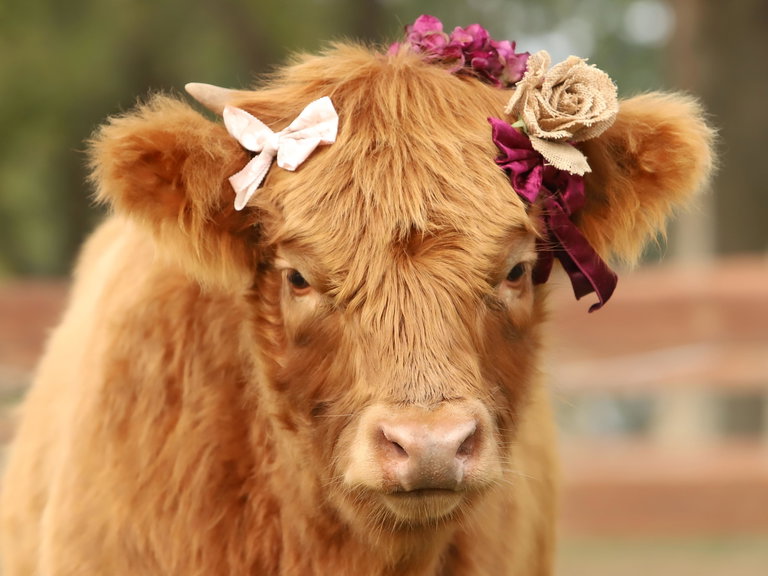
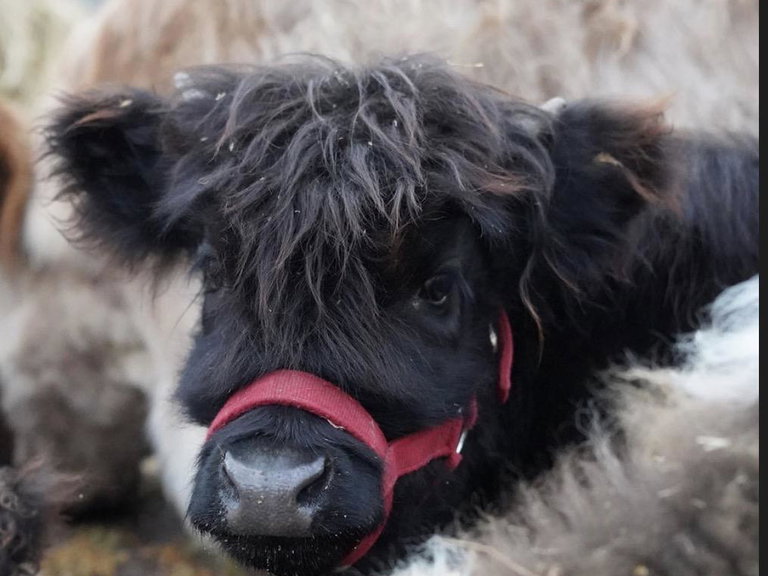
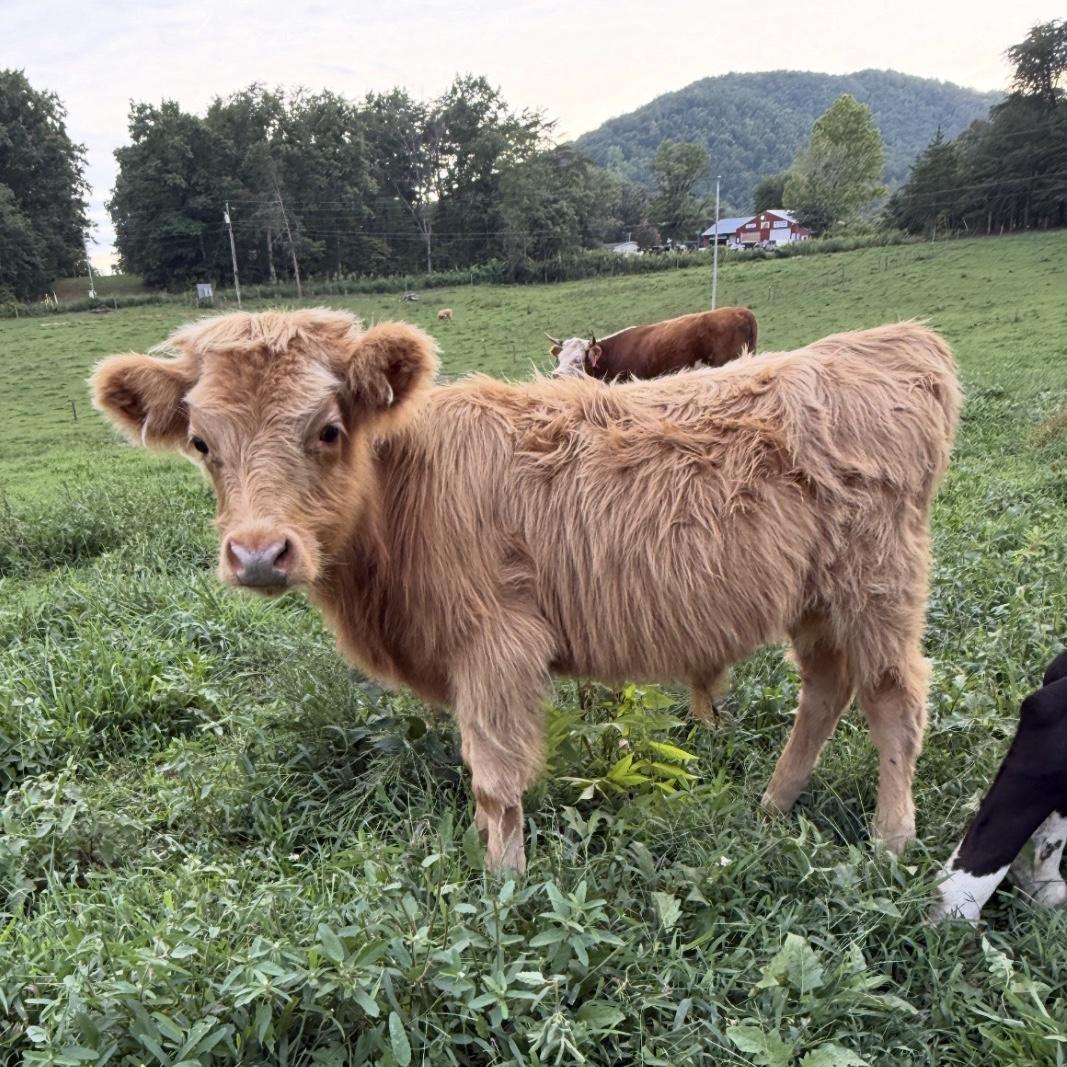
“Fluffy cow” is a popular nickname for highland cattle, especially calves, whose long shaggy coats give them a teddy-bear-like appearance. The term gained traction on social media and often leads people to discover the highland breed for the first time.
Can you milk a highland cow?
Yes, highland cows can be milked, though they are not a dairy breed. They produce modest quantities of rich, high-butterfat milk. Some homesteaders milk highlands for personal use, but they aren’t practical for commercial dairy production.
How much land do highland cattle need?
Plan on 1 to 2 acres per animal for grazing, depending on pasture quality and regional forage conditions. Rotational grazing practices can help maximize pasture productivity. Highlands are efficient grazers and generally need less acreage per head than larger commercial breeds.
What do highland cattle eat?
Highland cattle thrive on grass and hay with free-choice mineral supplementation. They are efficient foragers that can utilize rough, marginal forage that other breeds would reject. Grain supplementation is generally unnecessary for adult animals on adequate pasture.
Are highland cattle good for small farms?
Yes. Their moderate size, low feed requirements, easy temperament, calving ease, and hardiness make highland cattle one of the most popular breeds for small-acreage farms and homesteads. They require less infrastructure and less feed than larger commercial breeds.
What is chondrodysplasia in highland cattle?
Chondrodysplasia is a genetic condition caused by a mutation in the ACAN gene, originating from Dexter cattle. It produces shorter legs in carriers (one copy) but is lethal when an animal inherits two copies. It is relevant primarily in miniature highland-type cattle, which often carry Dexter genetics. Genetic testing is available and recommended for all miniature highland purchases.
Looking for the perfect name?
Try the Highland Cattle Name Generator on Creatures for creative highland cow name ideas.
Curious about coat color genetics?
Use the Highland Cattle Coat Color Calculator to predict offspring colors based on sire and dam genetics, or explore the Highland Cattle Coat Color Visualizer to see what each color looks like.
Ready to find highland cattle?
Browse highland cattle for sale on the Creatures Marketplace.
View 2022 Highland breeders in the Creatures breeders directory.
All Species & Breeds
Miniature Donkeys
All Species Directory
Highland Cattle in Virginia
Miniature Donkeys in Texas