Tarentaise
Author: Elliott Garber, DVM · Published
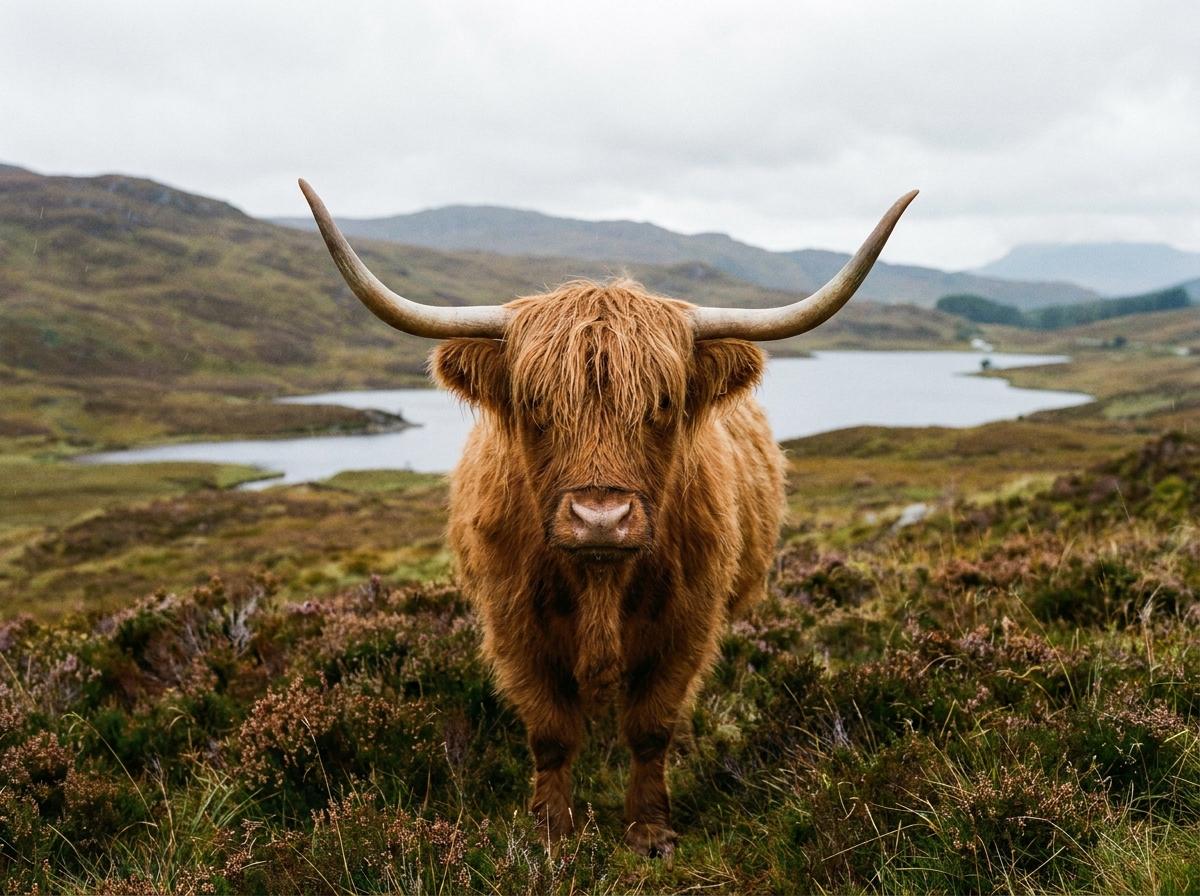
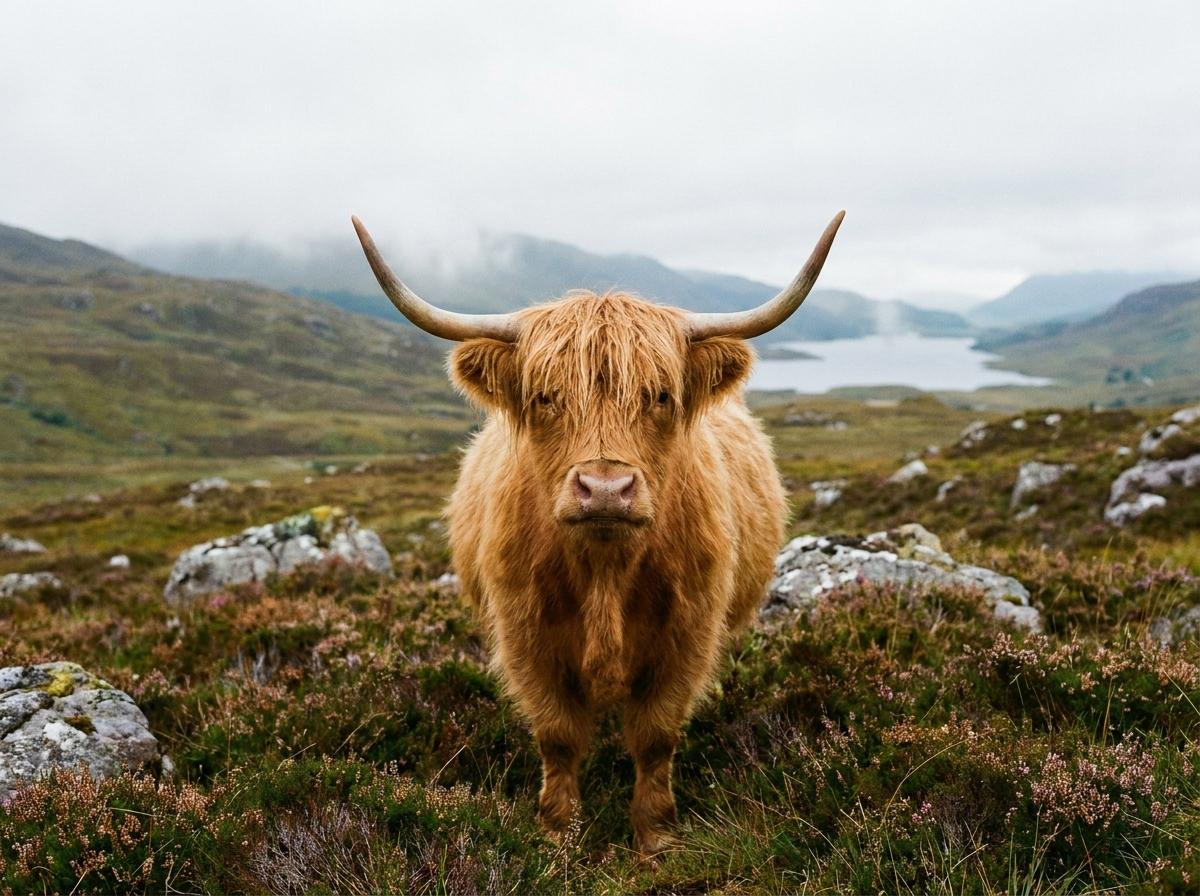
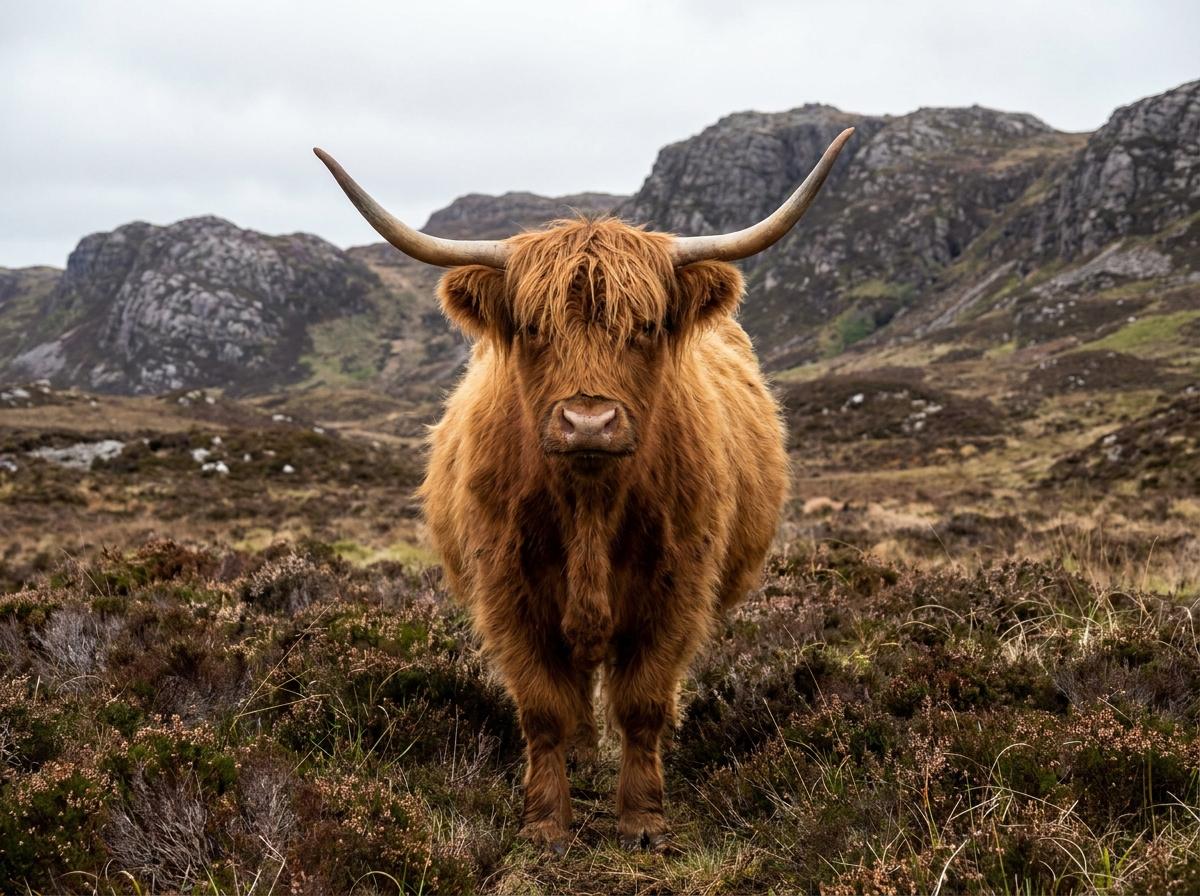
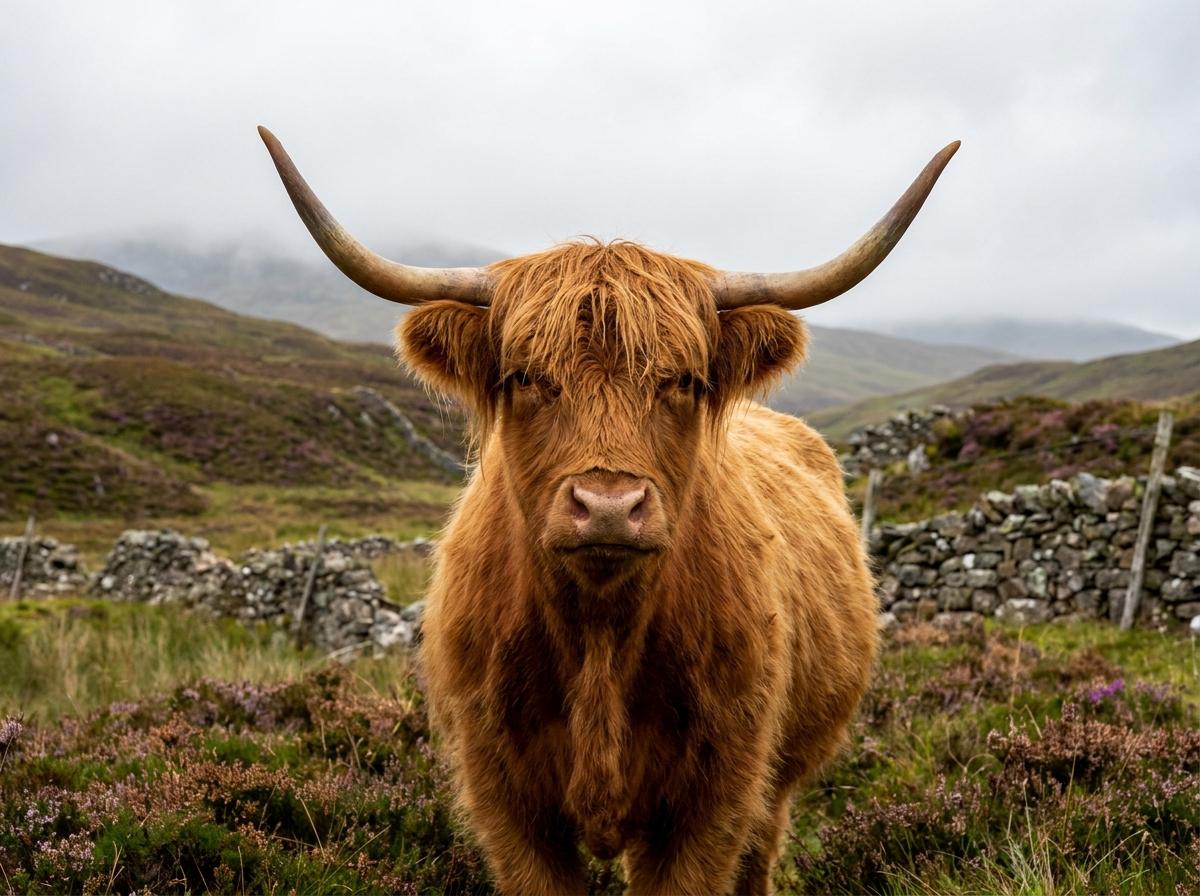
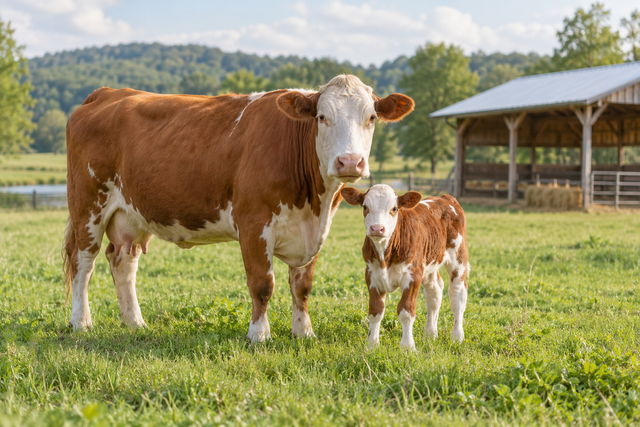
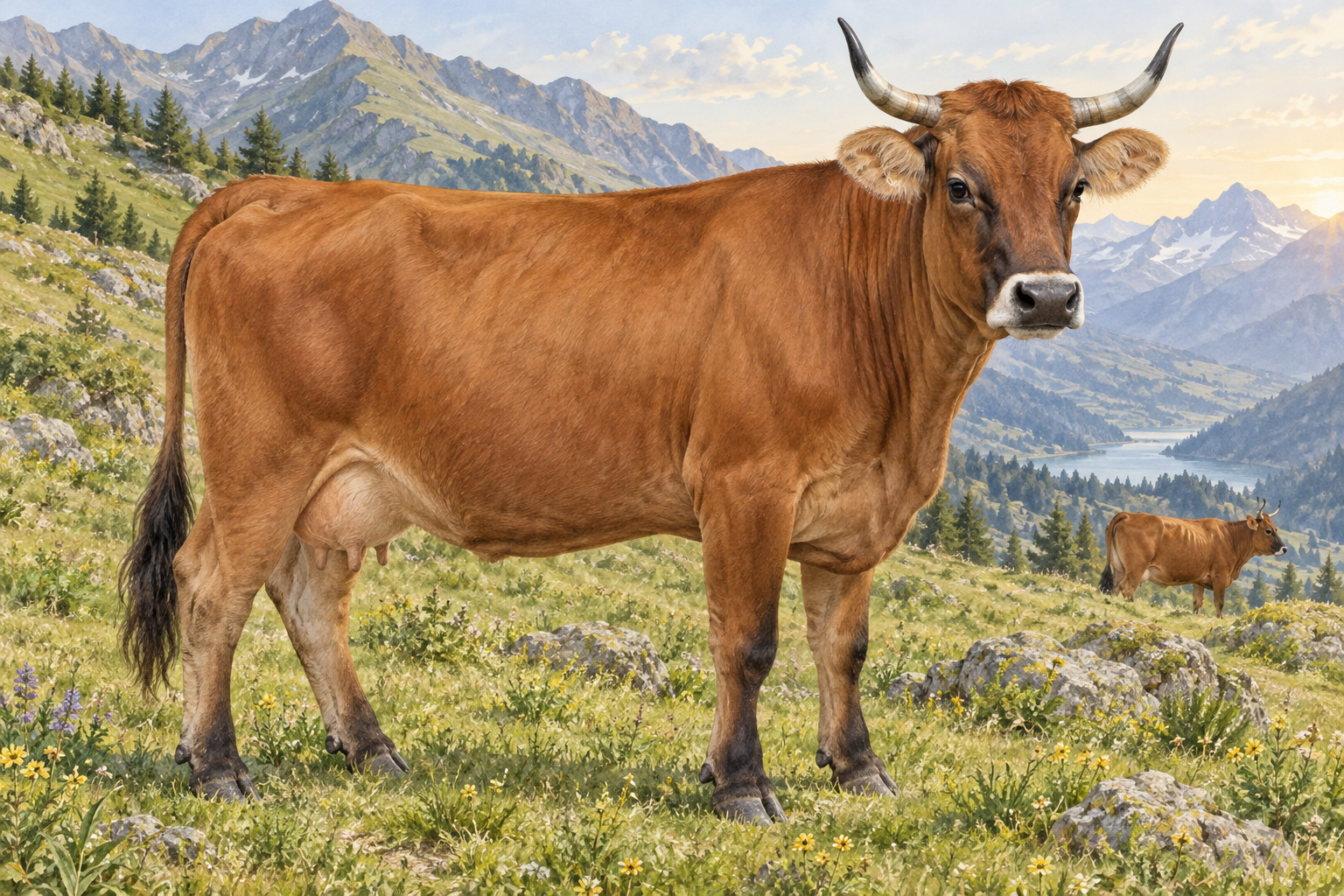
Tarentaise cattle are fawn colored cattle from the French Alps, also called Tarine. They have dairy roots in France, while North American breeders also select them for beef and maternal crossbreeding. That distinction matters more to a buyer than a broad promise that the breed can do everything. Start with your intended use, then compare the actual animals and their records in the cattle marketplace.
| Other name | Tarine |
|---|---|
| Breed roots | French Alps |
| French adult females | 550 to 600 kg, breed reference, not an individual target |
| French adult males | 800 kg, breed reference |
| Breeding focus | French dairy; North American beef and maternal programs also exist |
| Buyer priority | Match registration, production records and management to your intended use |
The size figures above come from Races de France, Tarentaise. Context: adult cattle in the French breed profile, separated by sex; these are descriptive reference figures, not a show weight limit or a growth schedule. Source effective date: undated physical characteristics; adjacent population figures concern 2022 and do not date the measurements. Checked: October 16, 2026.
Browse listings, public profiles, breeders, or add your animal.
Dairy roots, different breeding decisions
Races de France describes a uniform fawn mountain breed associated with grass based dairy systems and cheese production. The American Tarentaise Association’s breed history describes the later North American interest in maternal and crossbreeding traits. Both pages are undated; checked October 16, 2026.
For a family milk cow, ask about the individual cow’s handling, milking routine, udder health history and dated lactation records. For a commercial beef program, ask about the registration percentage and the traits the breeder selects in that herd. A dairy story from France does not establish the milk yield of a North American beef selected cow.
The association publishes a French milk production summary on its dairy page, but it does not give that figure a clear observation year. We have left out a numeric breed milk yield rather than present an undated average as a current forecast for your farm. Ask sellers for the cow’s own test reports, with dates and the stage of lactation.
Recognizing a Tarentaise without buying on color alone
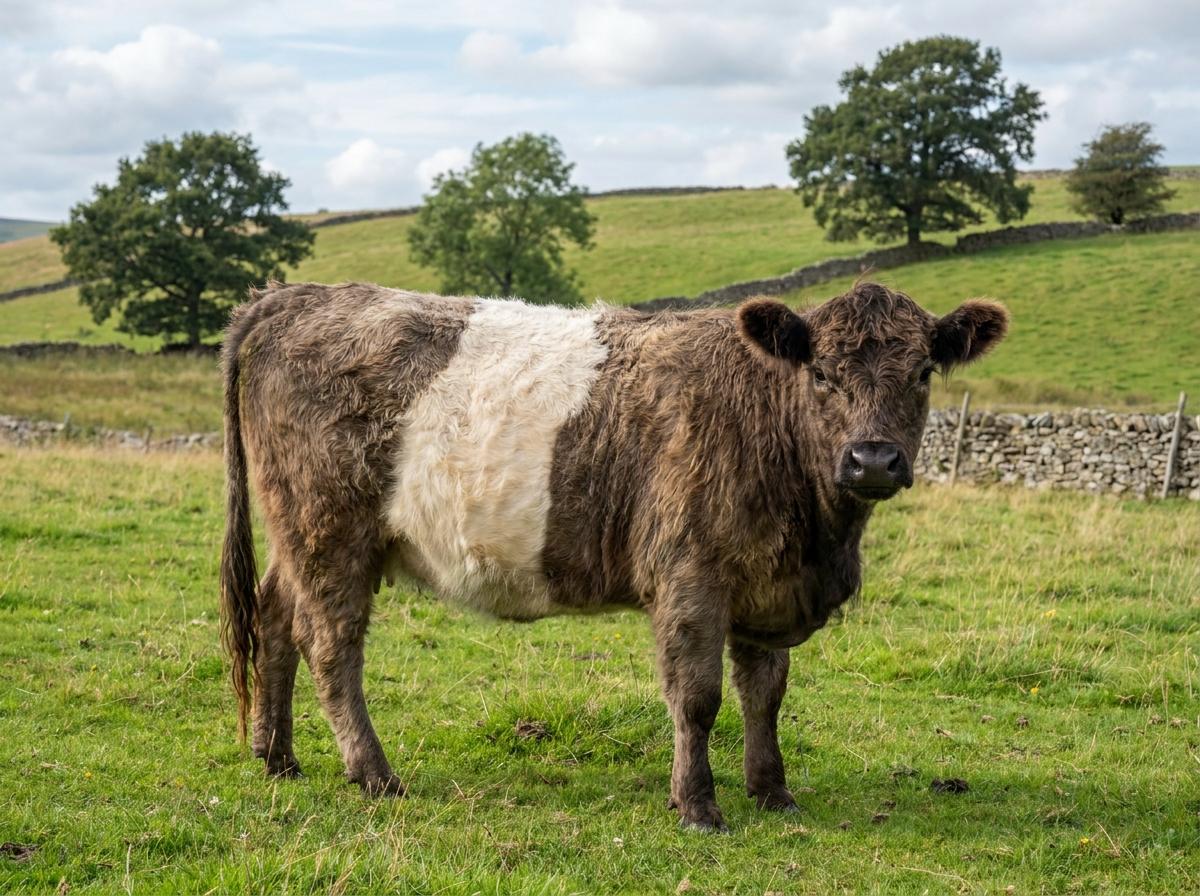
The fawn coat is a useful first clue, but papers establish recorded ancestry. Ask for a registration identity that matches the animal, its permanent identification and its seller’s transfer documents. A crossbred with Tarentaise ancestry may suit a commercial objective without being a purebred.
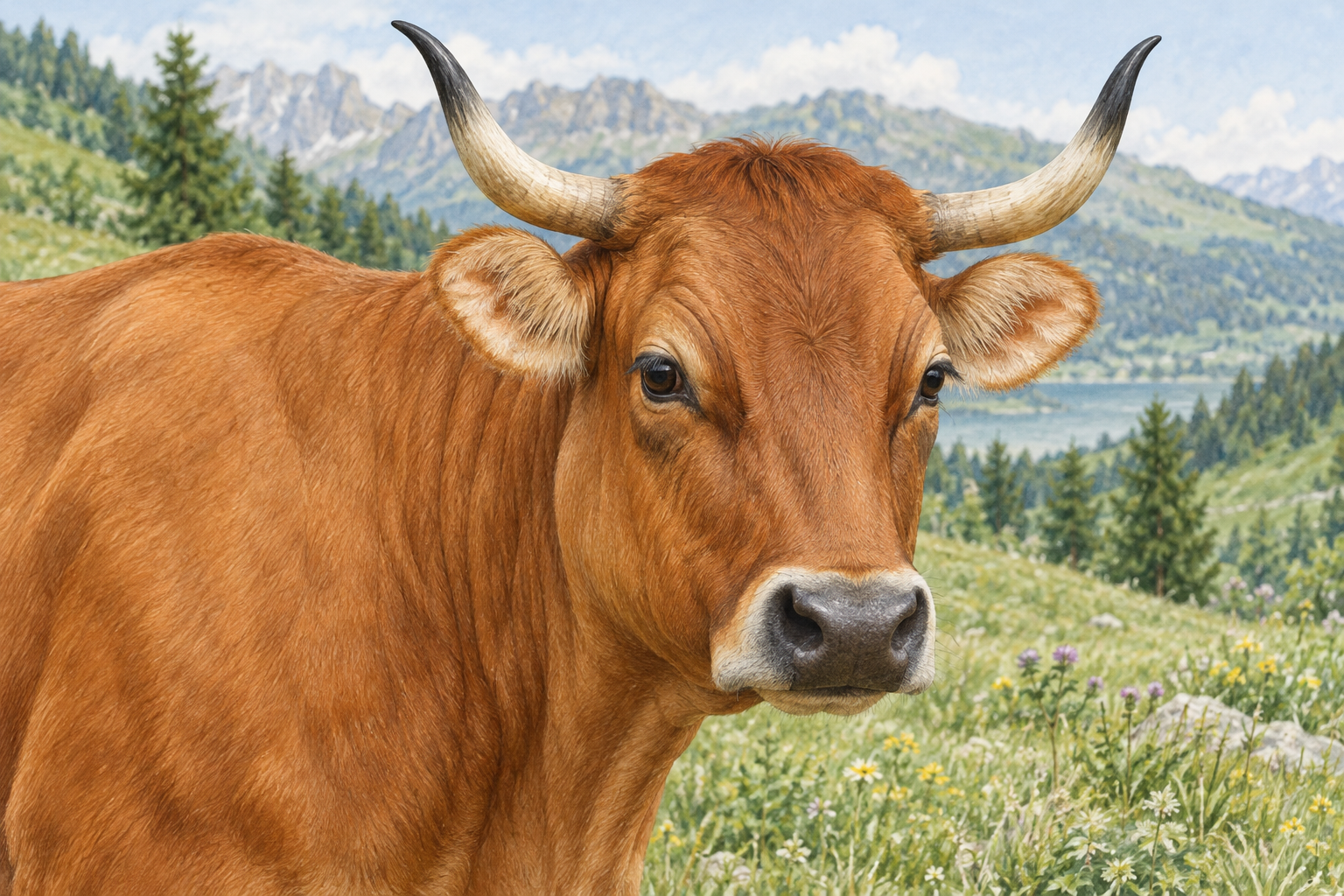
Watch the animal walk and stand. Examine the feet, legs and udder as appropriate to sex and use, and arrange a veterinary assessment when needed. A statement about mountain adaptation does not replace inspection of the animal you are considering.
Compare another French breed in our Normande cattle guide, then return to the wider cattle hub to keep the breed decision connected to your production goal.
Build the purchase around records and facilities
Iowa State University Extension’s livestock purchase checklist recommends looking at health records, structural soundness, temperament and suitability for the intended purpose. Source effective date: undated; checked October 16, 2026. Discuss incoming animal testing and separation with your veterinarian before transport.
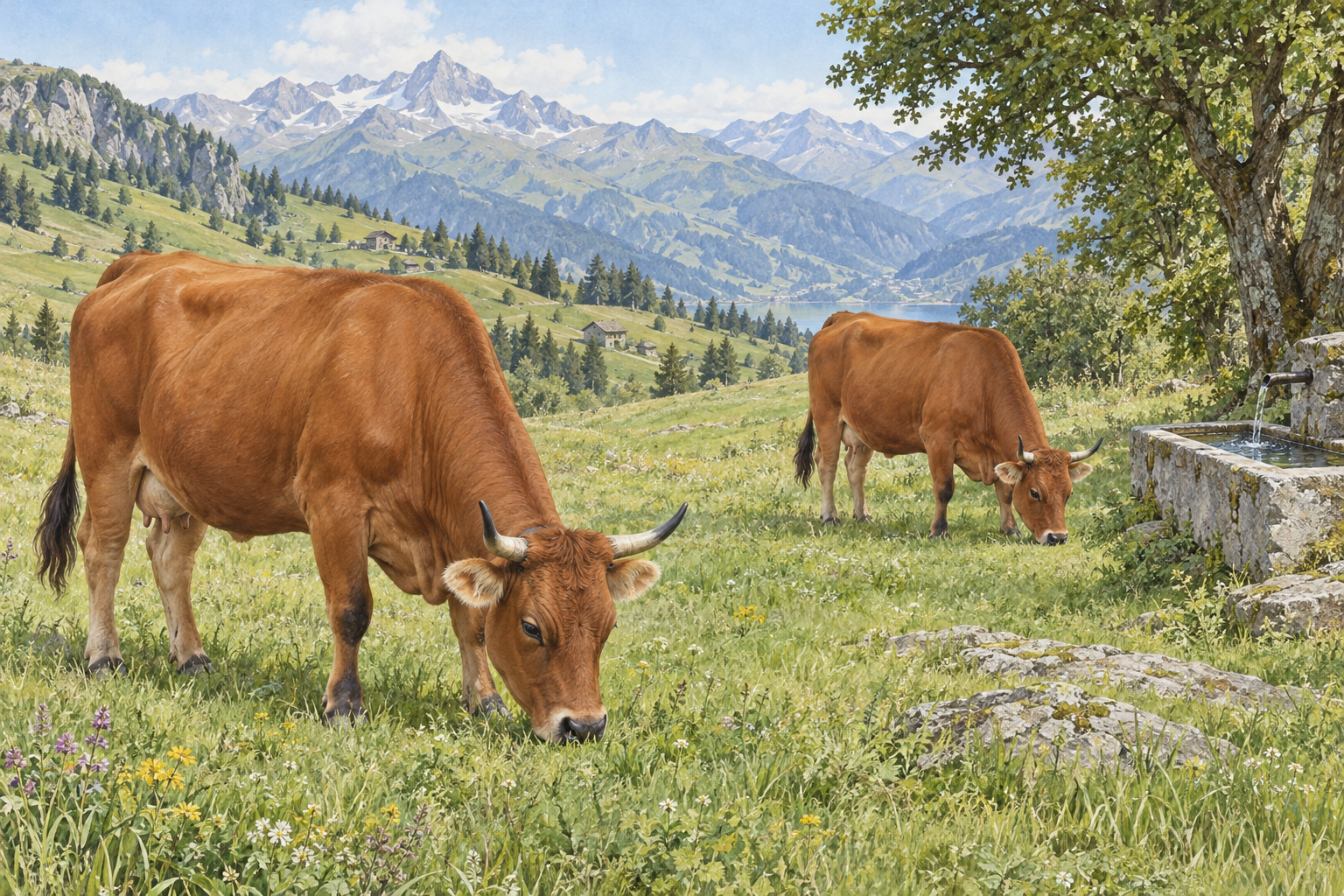
Local forage, shelter and stocking decisions need a farm specific plan.
For a breeding female, request reproductive history and the service or pregnancy information being represented. For a breeding bull, ask for the breeding soundness information and the basis for the seller’s claims. Use comparable records, rather than comparing an animal’s measured weight with a breed description from another country.
Before committing, work through handling access, fencing, water, winter forage and the transport route. Confirm who is responsible for registration transfer, tests, loading and delivery. Put any condition of sale in writing.
Cost and availability
A registered heifer, a cow with a calf, a breeding bull and a commercial crossbred are different purchases. Request a written, dated quote for the identified animal, including what is included, transport, testing and transfer fees. We have no current original dated seller offer to cite here, so this guide does not give a numeric price range.
Treat availability as something to verify with the seller. A breed profile or old advertisement is not evidence that an animal is still for sale. Preserve the offer date with the listing or purchase record so it can be distinguished from a later sale.
Questions buyers ask
Are Tarentaise dairy or beef cattle?
Both uses occur, but breeding objectives vary. The French dairy background and North American maternal or beef selection described above are reasons to ask about the actual herd’s purpose, not to assume every Tarentaise can be substituted for every other.
How large are Tarentaise cattle?
Use the sex specific French reference figures in the card as orientation. Ask for a current measured weight or a clearly labeled estimate for the animal being sold. Do not use a mature cow figure as a target for a growing heifer.
Does the breed guarantee easy calving or disease resistance?
No breed label guarantees an individual outcome. Ask for the relevant animal and herd records, and make breeding and health decisions with your veterinarian. Promotional descriptions of hardiness are not an exemption from a herd health plan.
Do this next on Creatures
Find an animal or breeder
Browse Tarentaise listings and check each animal’s current location and availability. If a suitable listing is missing, save a Tarentaise search and receive listing emails. No account is needed to start. Saving searches and using your watchlist explains the next steps.
Use the breeder directory to explore cattle farms and breeding programs. Ask whether they actually keep this breed and have suitable animals available; a directory entry is not a stock reservation.
Keep the individual history
Add your Tarentaise animal profile, with no account needed to start. Keep identification and the seller’s documents together. See adding an animal to Creatures.
Add a care, weight or health record. The form opens for visitors; a free account is required to save. Adding a record explains how to attach the history to the right animal.
Make your breeding program easier to evaluate
Create your breeder or farm profile. No account is needed to start. Add the breeds you actually work with, then keep availability and contact details current. Read creating an organization and adding your team before inviting collaborators.
Sources checked October 16, 2026. The Creatures content routine owns refreshes with Elliott’s review: stable facts yearly or on reported change; seller price lines monthly in the selling season and quarterly otherwise. An overdue price line is removed.