Beef Crosses
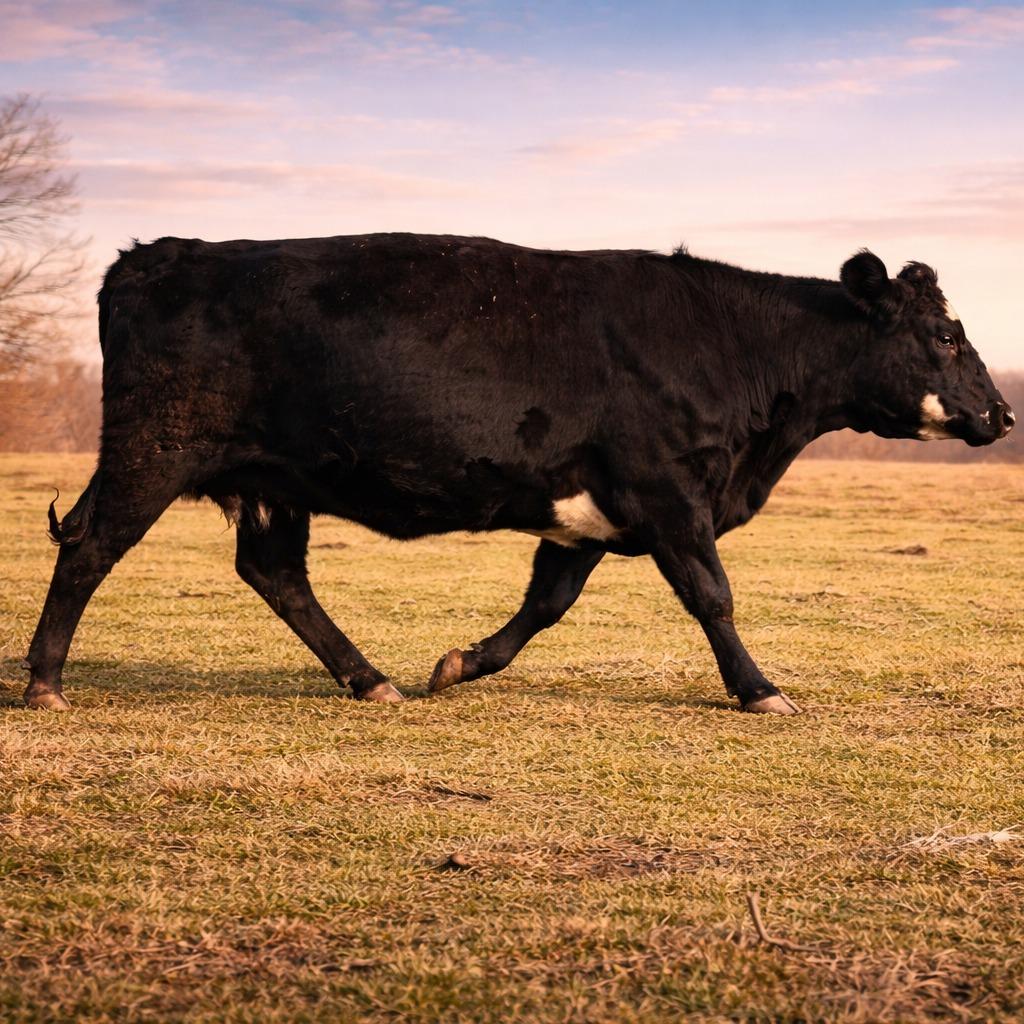
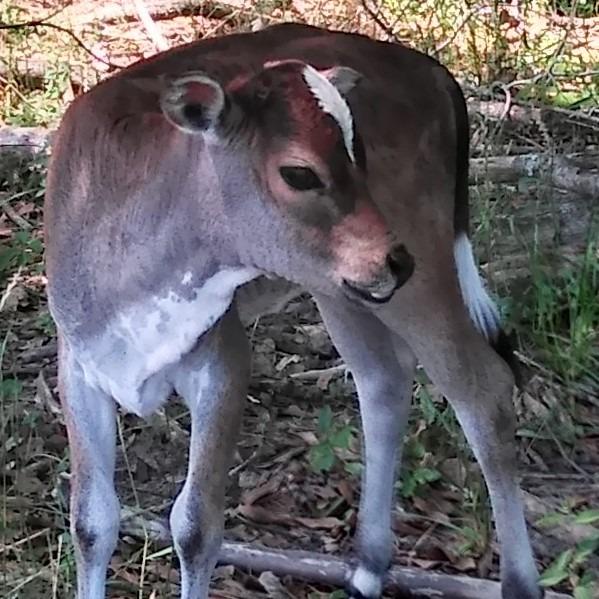
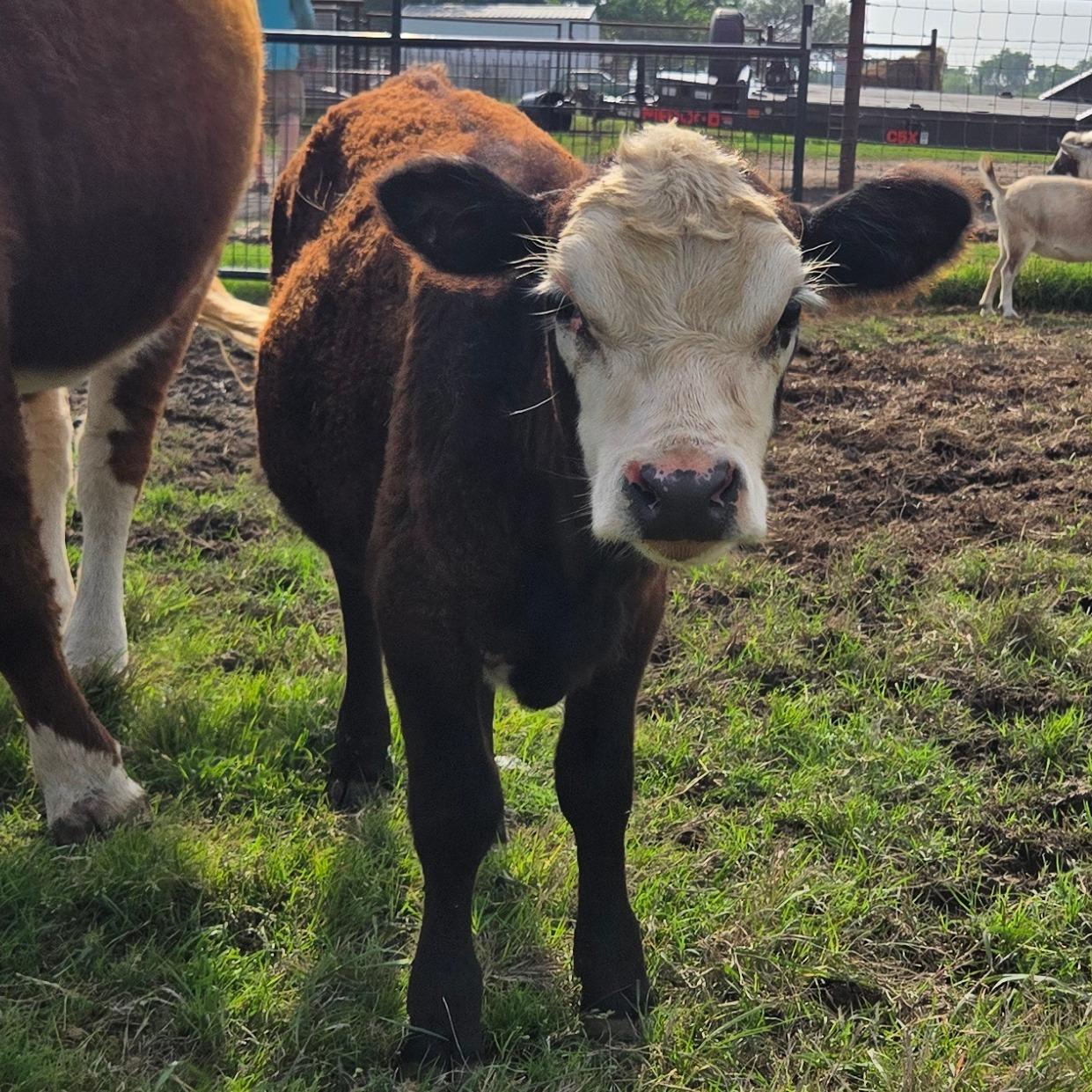
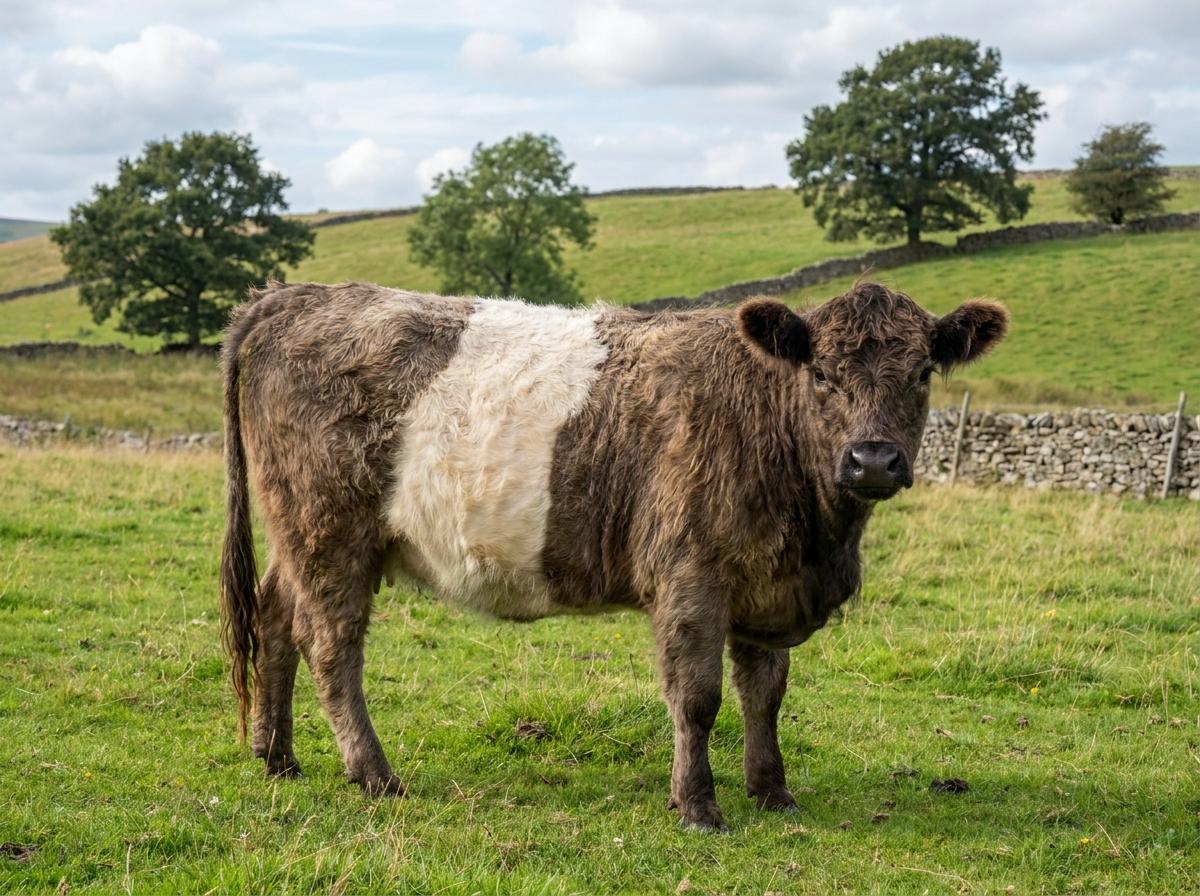
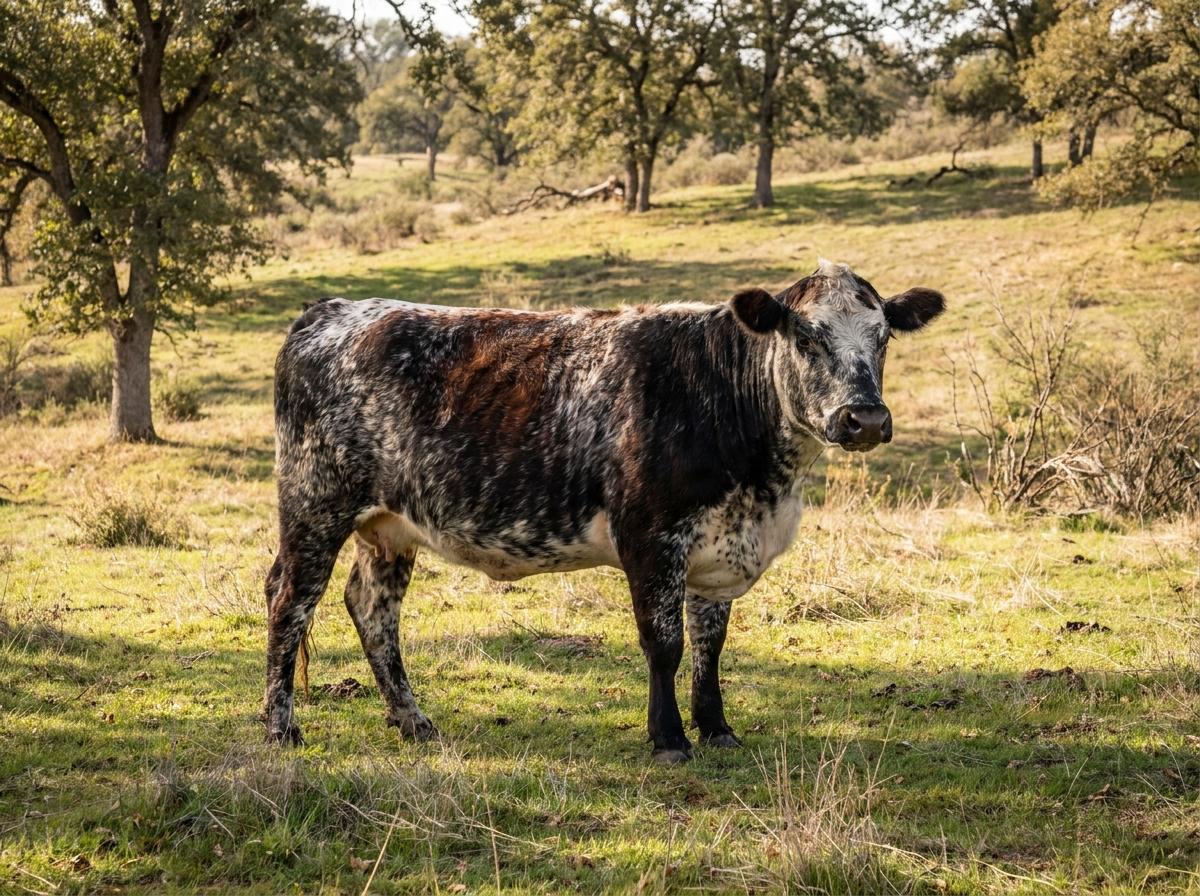
Beef crosses is a practical livestock label rather than a single breed. It covers cattle produced by crossing two or more beef breeds, such as Angus-Hereford baldy cattle, Charolais- or Simmental-sired calves from British-breed cows, Brahman-influenced composites, and many local combinations. Appearance, mature size, coat color, temperament, and carcass type depend on the parents. The common reason for making beef crosses is to use heterosis while matching maternal ability, growth rate, heat tolerance, and market requirements.
Management starts with knowing the cross. A calf by a large terminal sire needs different calving-risk planning than a replacement heifer from a maternal cross, and a Brahman-influenced animal may handle heat better but mature differently from a purely British cross. Buyers should ask about parent breeds, age, vaccination and deworming history, castration or dehorning, and whether the animal was bred for grass finishing, feedlot finishing, or retained breeding stock. Most are commercial cattle rather than registered purebreds.