Salers
Author: Elliott Garber, DVM · Updated
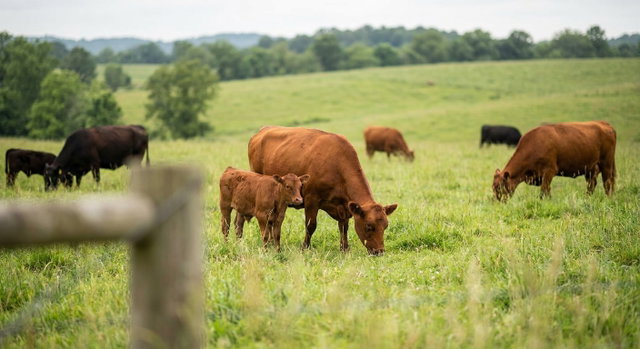
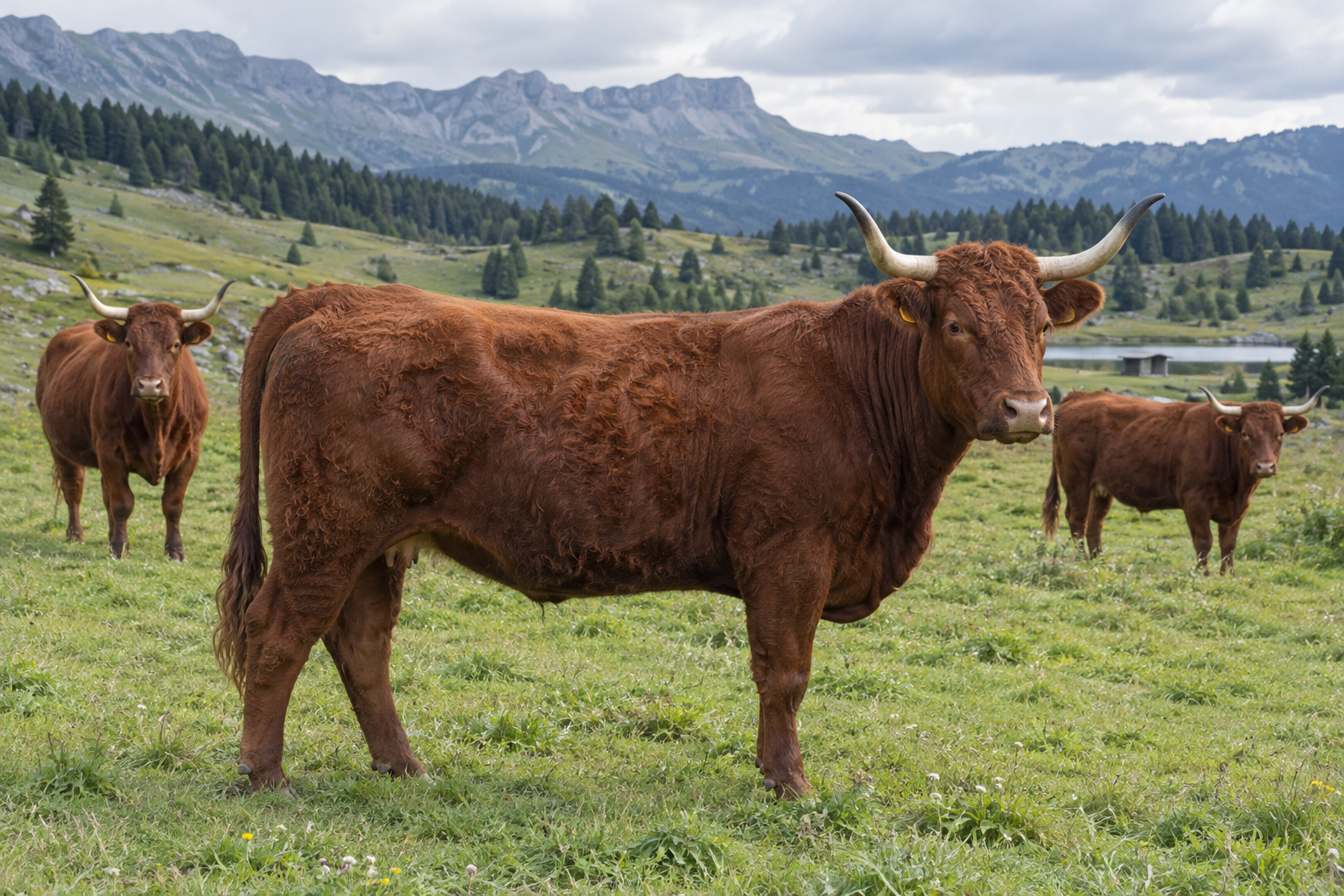
Salers cattle are a French breed with a long history in the Auvergne and a modern North American role in maternal beef herds. Traditional cattle are mahogany red and horned, but black and polled Salers also exist. If you are choosing a cow or bull, the useful question is how that animal’s breeding, temperament and records fit your herd.
Start the comparison with the free cattle pedigree chart maker, then check the names and IDs against the issuing association. The chart organizes the ancestry you enter; it does not replace registration or parentage evidence.
| Origin | Auvergne, France |
|---|---|
| Traditional appearance | Mahogany red coat and sweeping horns |
| Other lines | Black and polled cattle are available |
| North American focus | Maternal beef cattle and crossbreeding |
| US association | American Salers Association |
| Selection evidence | Registration, current EPDs and individual herd records |
Browse listings, public profiles, breeders, or add your animal.
A mountain breed with more than one modern form
The American Salers Association’s history places the breed in the Auvergne of south-central France. Its North American breeding emphasis is maternal beef production. Oklahoma State University’s breed account also describes the older milk and draft roles, alongside the characteristic dark red coat and the presence of black and polled cattle.
Those are distinct contexts. A North American beef cow should not be purchased on the assumption that she will fit a small dairy, and a French dairy tradition does not establish a milk yield for an American seedstock herd. Ask how the particular family has been selected and managed.
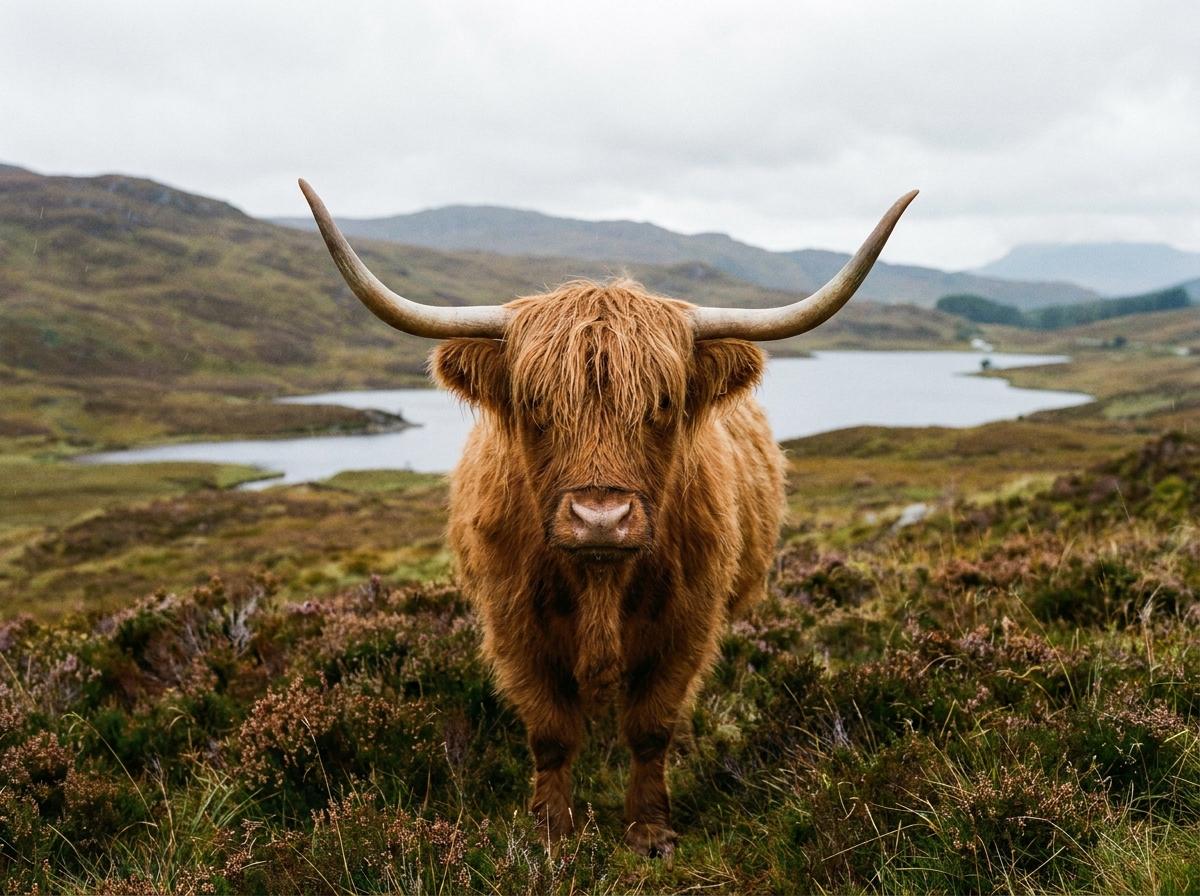
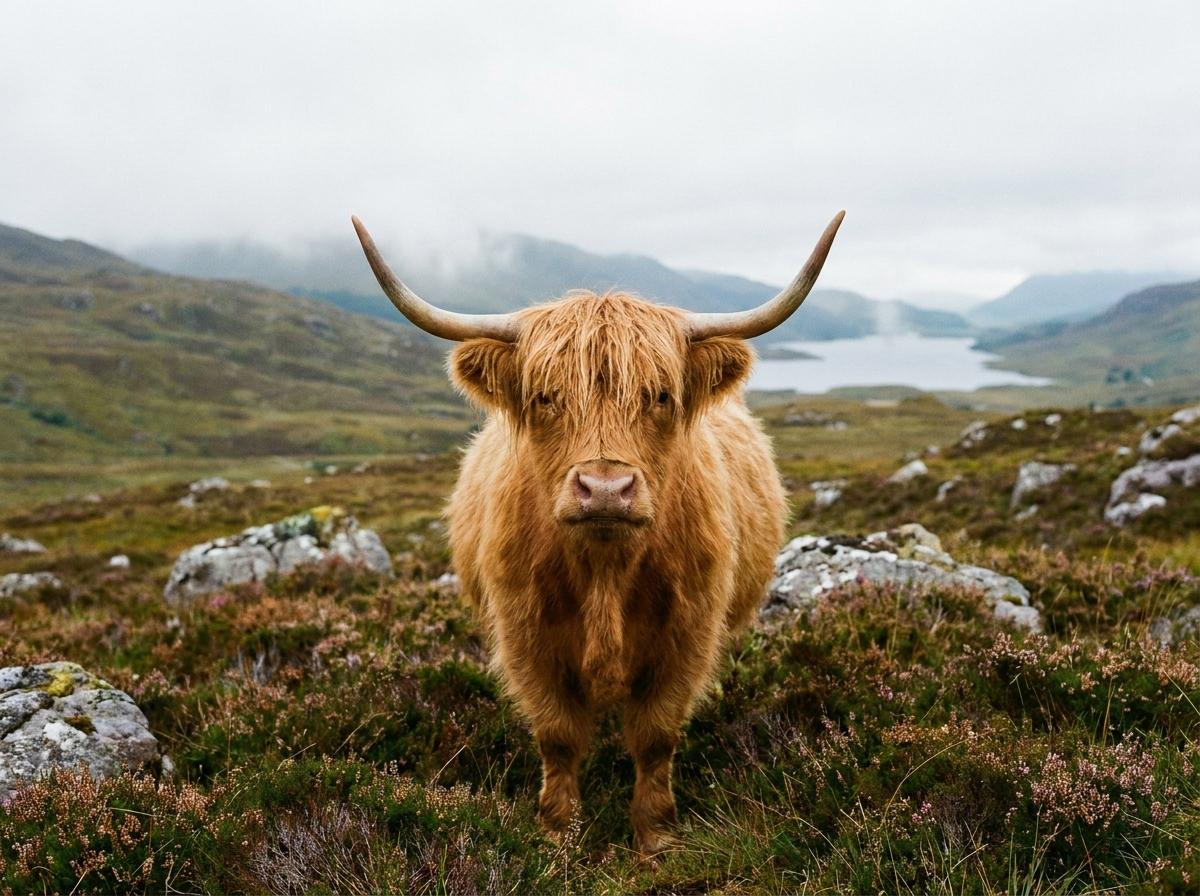
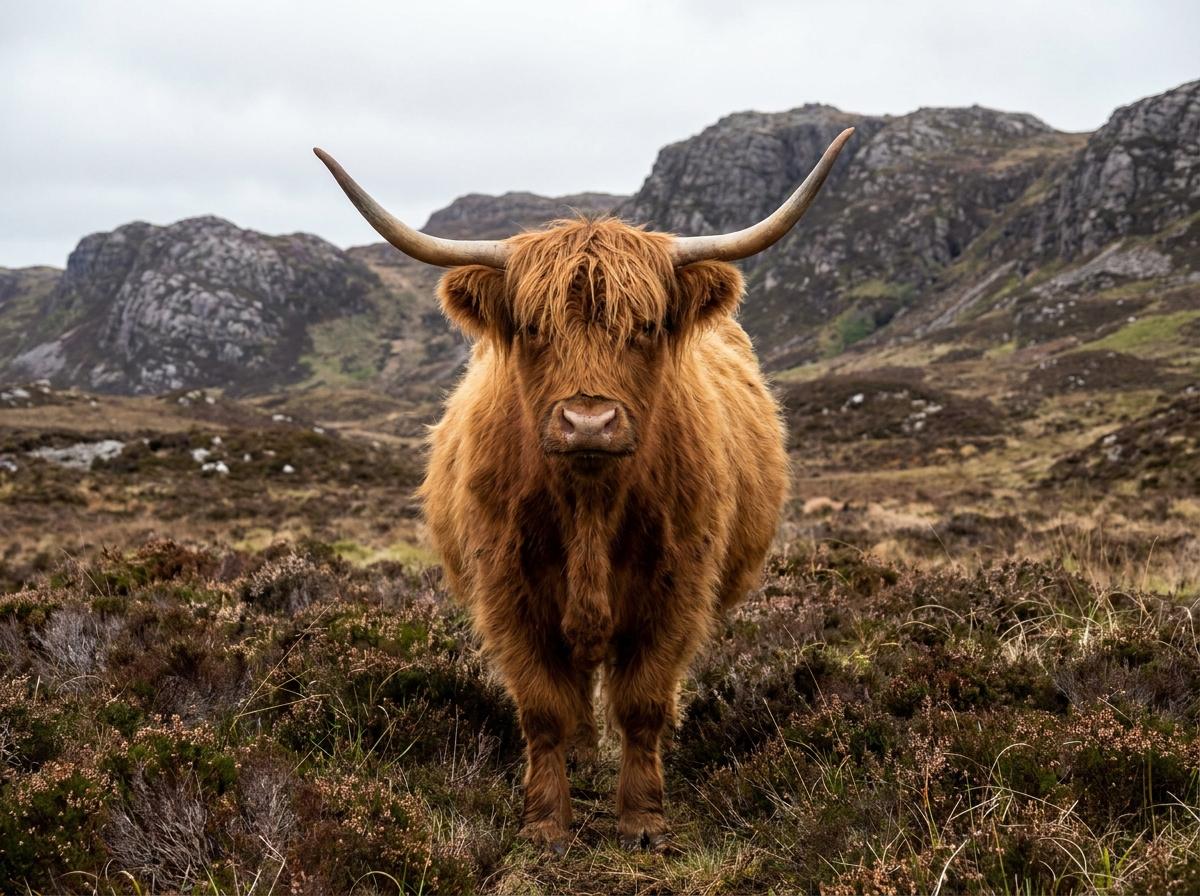
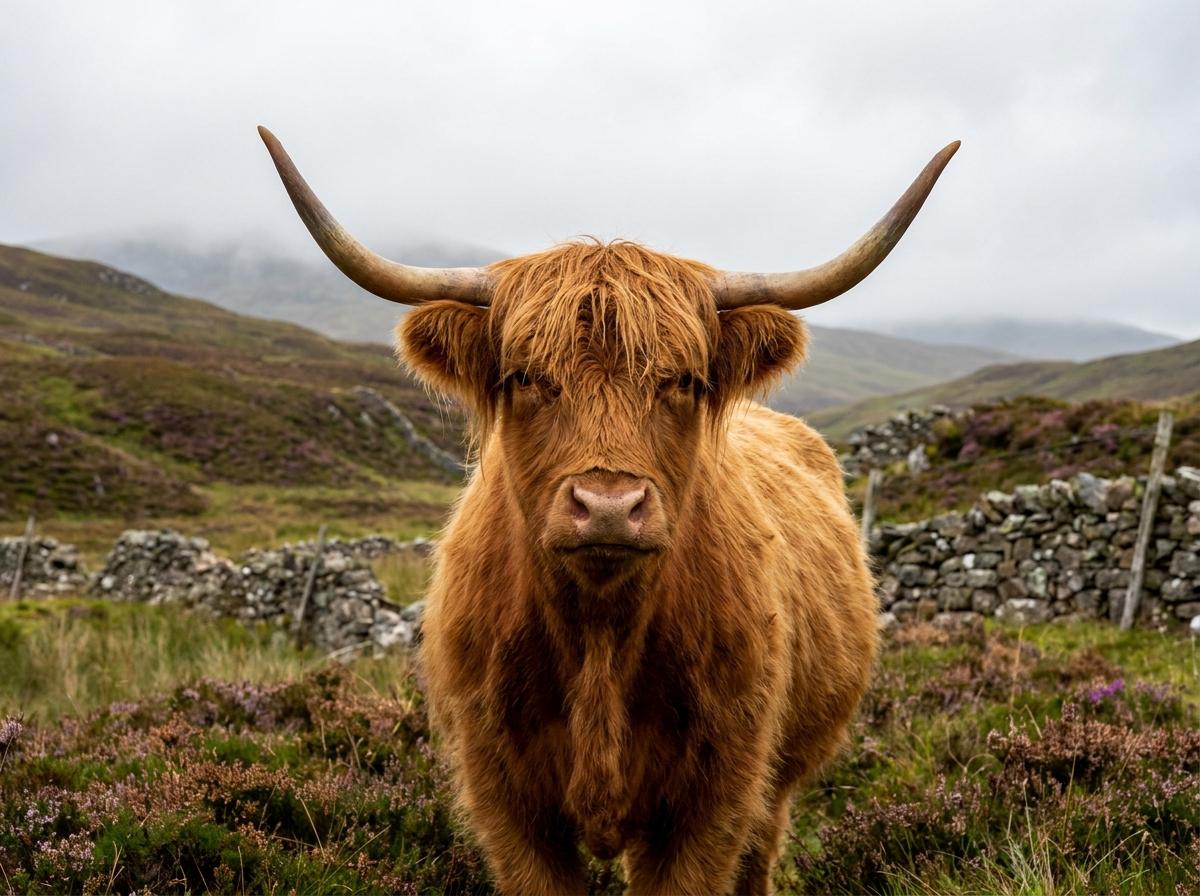
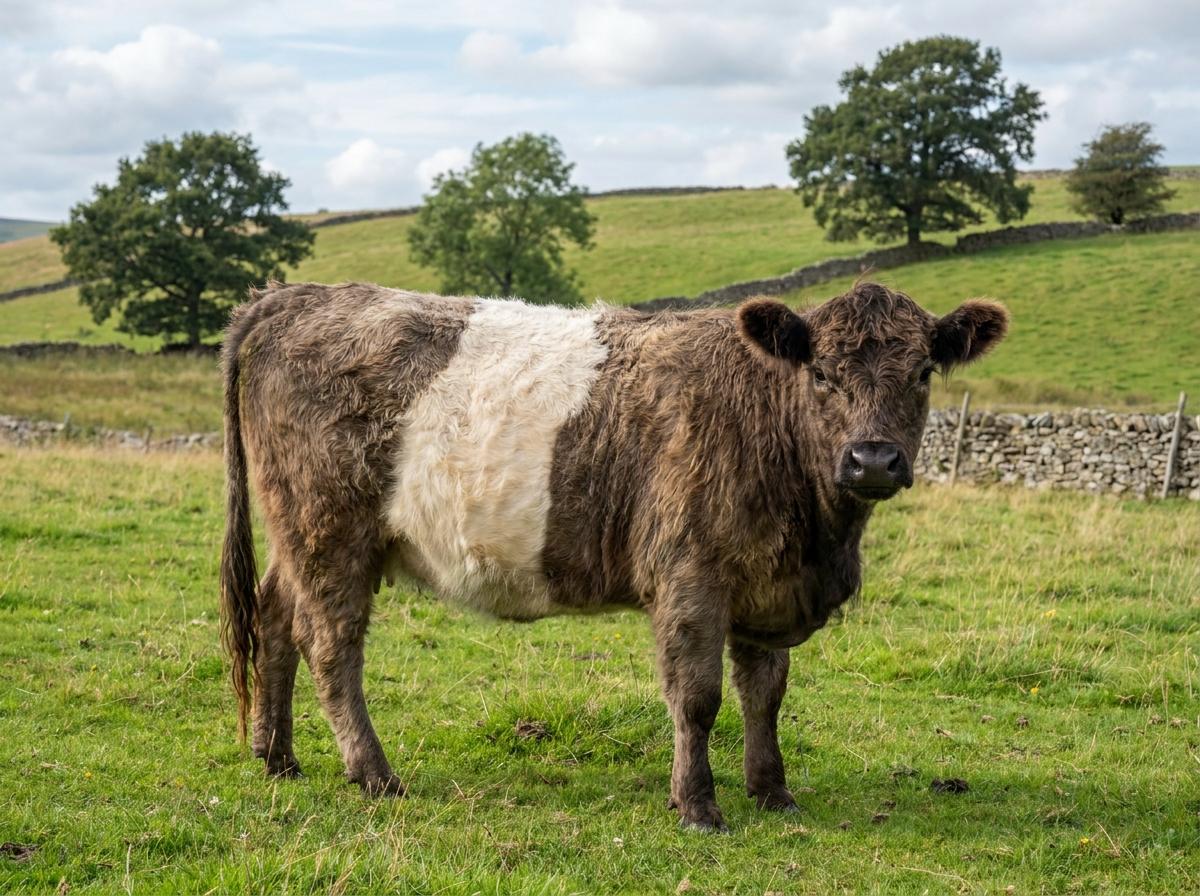
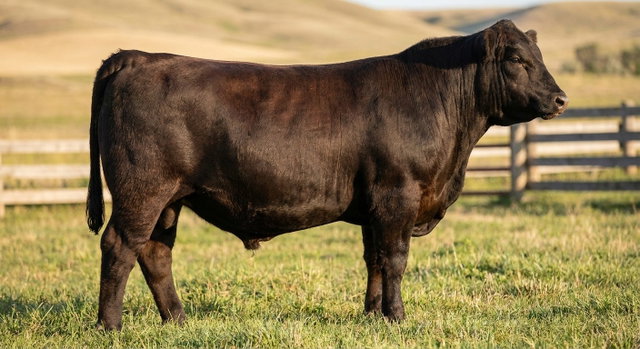
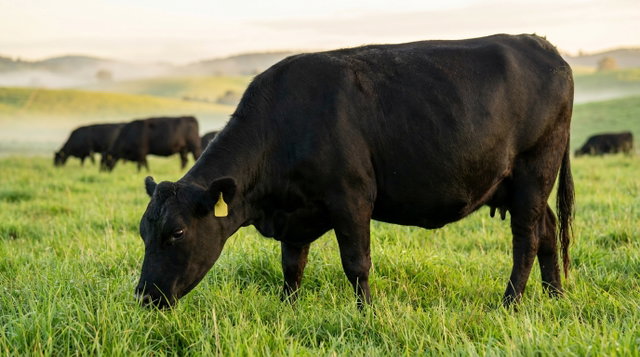
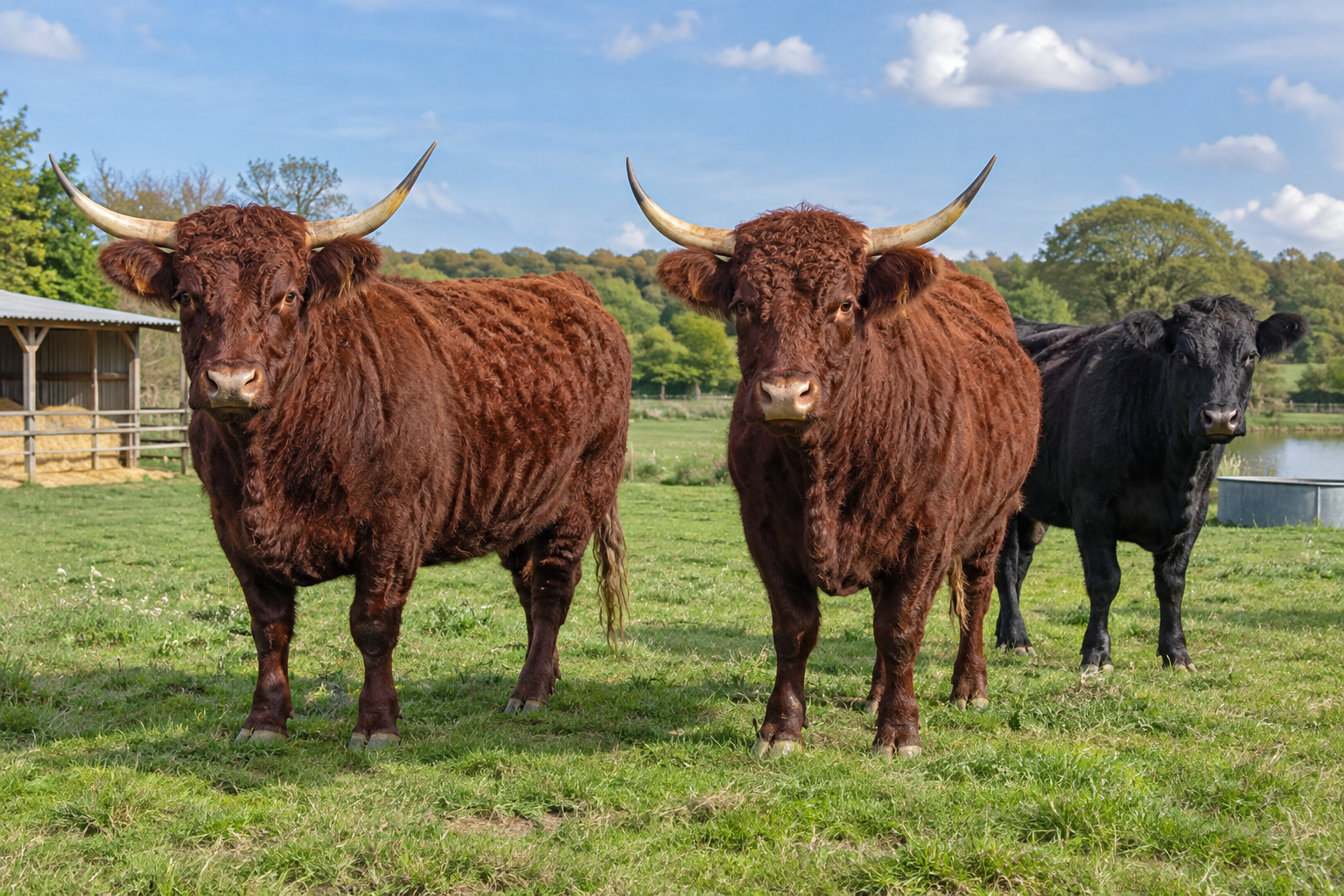
The familiar Salers look includes a substantial frame, a relatively long or curly coat and, in horned animals, pale horns sweeping out and up. Coat color and horns are identification clues, not proof of pedigree. Black does not automatically mean Angus, and hornless does not automatically mean crossbred. Check the registration and parentage record.
Registration and Optimizer are questions for the certificate
The American Salers Association provides registration and ownership records for its program. Its Optimizer program concerns documented composites, particularly the use of Salers and Angus genetics. Optimizer is not a synonym for fullblood Salers.
Ask the seller to identify the category and recorded breed composition on the animal’s certificate. If the purchase depends on a particular program, show or breeding eligibility, get the association’s current answer for that registration number before agreeing to buy. Imported papers, a farm pedigree and a US association certificate should not be treated as identical documents.
Match the animal’s permanent ID to its paperwork and confirm who can sign the transfer. Keep original certificates and laboratory reports, even if you also enter their details into an animal profile. Our cattle pedigree papers guide explains the difference between a recorded lineage and a parentage claim backed by testing.
Maternal reputation does not guarantee an easy calving
ASA emphasizes fertility, mothering, milk and calving ease in its description of Salers characteristics. These are reasons to investigate the breed, not a promise that every mating will produce a small calf or require no assistance.
Use the actual sire’s current evaluation and the female’s history. The association’s EPD definitions distinguish calving ease direct, which concerns calves born to first-calf heifers, from maternal calving ease, which concerns daughters’ first calvings. Birth-weight EPD answers a different question. EPDs predict differences in average progeny performance; they are not an outcome certificate for an individual calf.
Ask for the evaluation date, accuracy and the comparison population. Then ask what the herd experienced: assisted births, calf survival, udder problems and females that failed to rebreed. A strong sale photograph tells you none of those things.
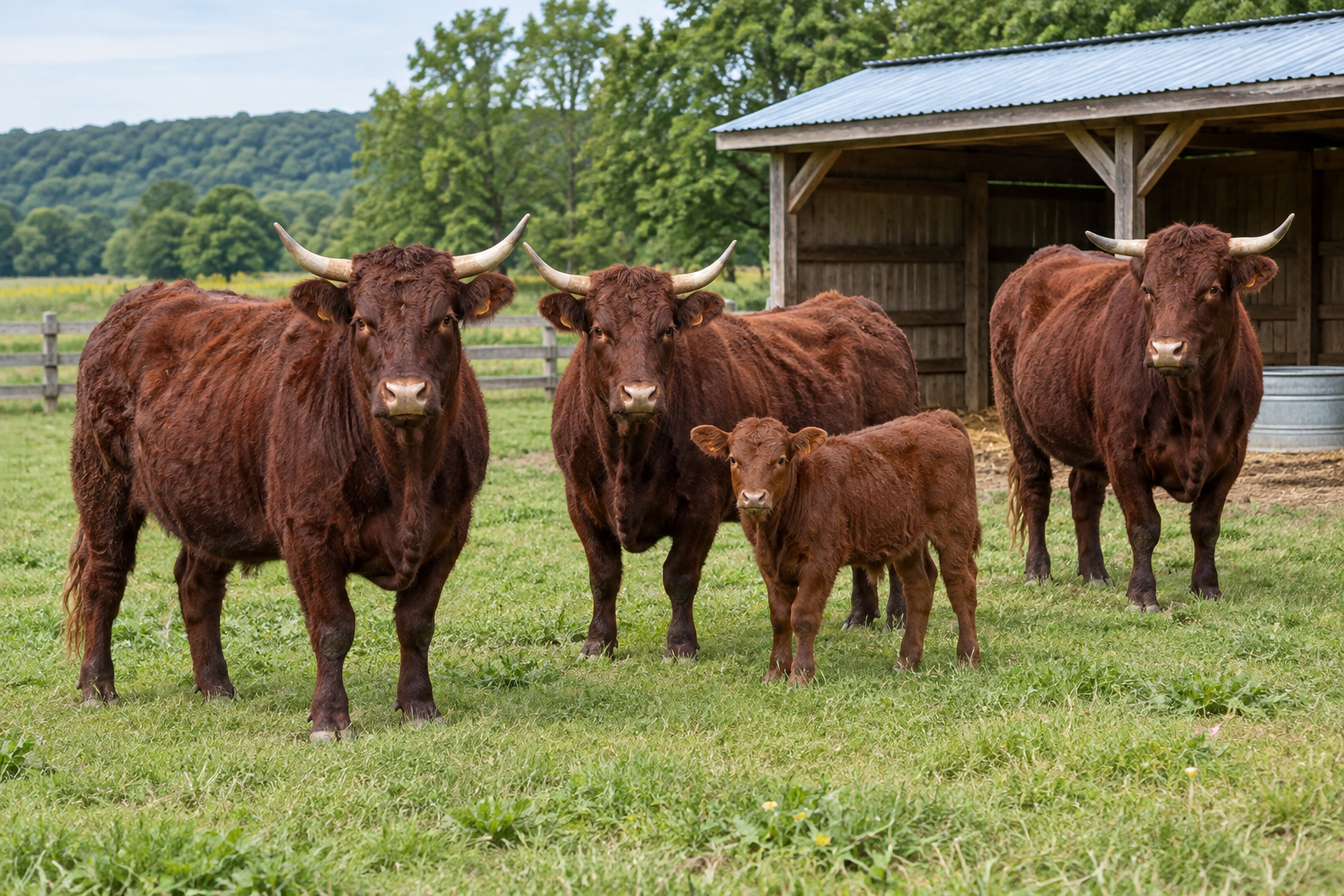
Keep breeding dates, pregnancy-examination findings, calving outcomes and calf IDs connected. The cattle gestation calculator estimates a planning date; it cannot confirm pregnancy or decide when a cow needs help. Plan calving supervision and veterinary support before the season starts.
Pasture, feeding and facilities
A forage-based herd still needs a ration matched to body size, stage of production and forage quality. Do not interpret range ability as permission to keep cattle short of nutrients. Test the forage, assess body condition and use a cattle nutritionist or local extension adviser to identify supplementation needs. Oklahoma State’s beef nutrient guidance explains those changing requirements. The cattle feeding guide turns them into practical questions for your farm.
Provide clean water, weather protection, drainage and enough feeding space that quieter cattle can eat. Red cattle can still suffer heat stress. Wisconsin Extension’s heat guidance supports shade, water and avoiding stressful handling in extreme heat. Do not use the breed’s mountain origin as a substitute for shelter and feed planning in your climate.
For horned cattle, examine gates, feeders, transport and restraint equipment for horn clearance. Arrange safe handling before purchase and work with experienced cattle handlers. A cow with a new calf or an intact bull deserves careful management even when described as quiet. Judge behavior in the seller’s ordinary handling routine, not only while an animal is eating at a fence.
Health and growth records that help selection
Agree on an incoming-animal and herd-health plan with your veterinarian. Request vaccination, treatment, parasite-management and reproductive records. The Mississippi State beef producer guide covers the management framework; the appropriate program depends on the herd and local disease risks. This guide does not prescribe a universal Salers vaccination or deworming schedule.
Inspect feet, locomotion and body condition. For females, ask about udder function and previous nursing problems. For a breeding bull, ask what breeding-soundness assessment was performed and when. Retain the report instead of reducing it to an unsupported claim that the bull is fertile indefinitely.
The cattle weight calculator can organize a measurement-based estimate when safe measurement is possible. Mark it as an estimate and use actual scale weights for decisions that require them. Our cattle weight measurement guide explains the landmarks and why method matters. Compare growth records with age, feeding and management context attached.
Availability, cost and buyer questions
Use current quotes for cattle that actually fit your purpose. There is no single Salers price that fairly covers commercial calves, registered replacement females, bred cows and tested seedstock bulls. Include transport, ownership transfer, veterinary checks, forage, winter feed and handling facilities in your budget. A cheap animal can be a poor match for the system you already have.
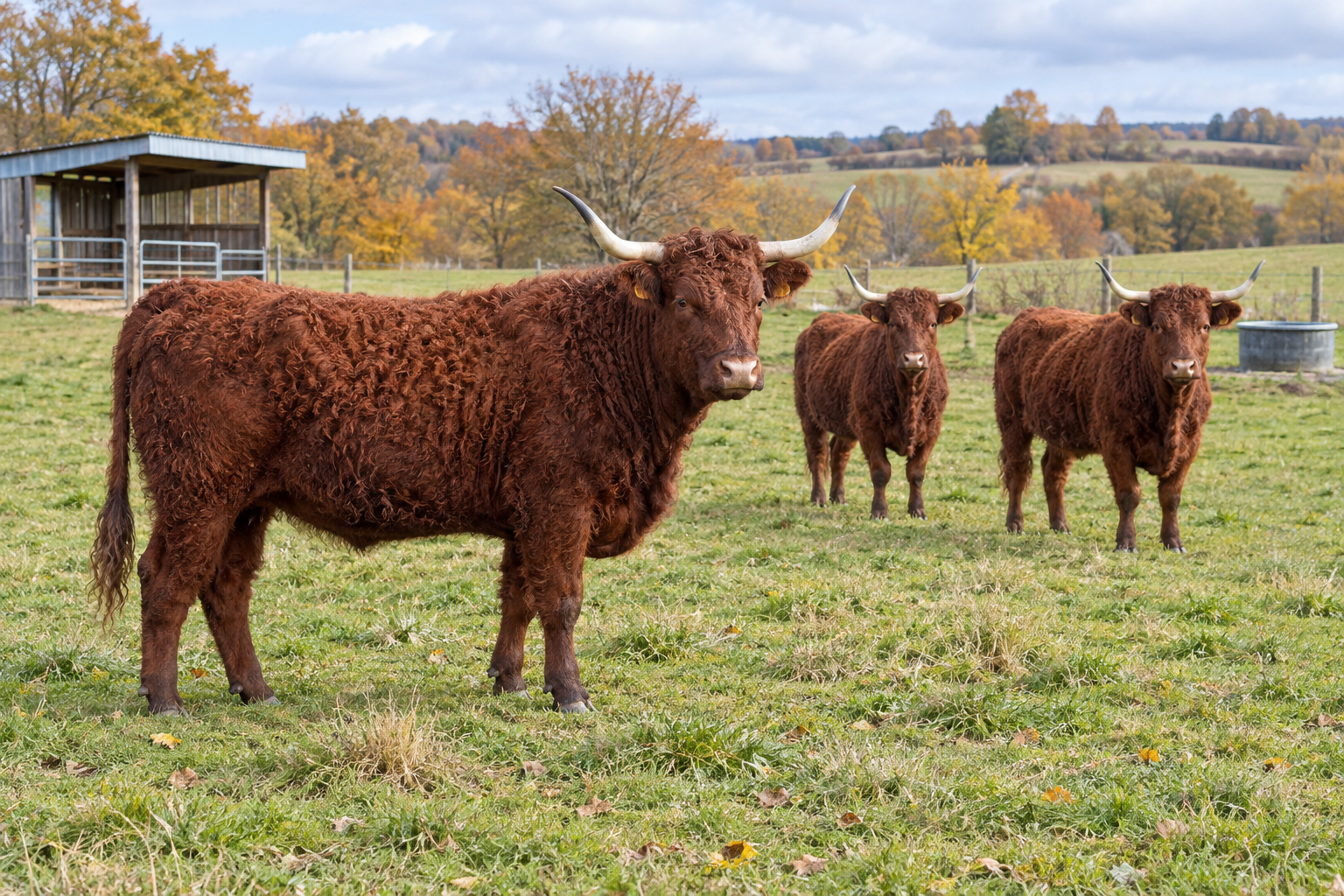
Before paying, ask:
- Which association issued the papers, what category is recorded and who completes the transfer?
- Are the cattle horned, polled or scurred, and what evidence supports any genetic claim about horn status?
- How were the herd’s calving outcomes recorded, including difficult births?
- What are the current EPDs, their date and their accuracy?
- How do these cattle behave in a chute, when separated briefly and around calves?
- What pasture, feed and health program produced the records I am comparing?
- What is included in the price, and what examinations or sale conditions are documented in writing?
For other beef-cattle comparisons, read the Senepol guide for slick-coat and heat-adaptation evidence, Speckle Park for another registered beef option, and Piedmontese for a different set of muscling and breeding questions. Start from your herd objective, then use the cattle hub to compare suitable candidates.
Frequently asked questions
Are Salers cattle always red and horned?
No. That is the traditional appearance, but black and polled Salers exist. Verify identity through the animal and its papers rather than excluding or accepting it on color alone.
Are Salers cows guaranteed to calve without help?
No. Calving ease is a selection trait. Evaluate the sire, the female, their records and the planned mating, and keep a calving and veterinary plan.
Are Salers used for milk?
The breed has a French milk and cheese history. North American Salers are chiefly promoted as maternal beef cattle. Ask for the actual animal’s milking and handling history before considering a dairy use.
Is an Optimizer a fullblood Salers?
Do not assume that. ASA’s Optimizer is a composite program. The certificate’s recorded category and ancestry matter more than a short sale label.
Are they a good beginner breed?
Assess the actual cattle and the keeper’s facilities, experience and support. Begin with animals whose handling history you can see. Neither a maternal reputation nor a calm photograph removes the risks of large livestock.
Do this next on Creatures
Choose the next action that fits your stage. Keep purchase claims and your own observations tied to the right animal.
- Watch for a suitable listing. Save a Salers cattle listing alert for future matching listings. No account is needed to start. See saving searches and using your watchlist.
- Check current listings. Browse Salers cattle listings. Availability changes; inspect the actual listing and contact the seller about its documents and terms.
- Research a breeder or farm. Browse the breeder directory. A directory entry does not guarantee available stock or establish the animal’s identity, soundness or suitability.
- Start an animal profile. Add your Salers cattle profile. No account is needed to start; a free account keeps the records. Follow adding an animal to Creatures.
- Keep the evidence. Add a health, weight, breeding or care record. The sheet opens for visitors; a free account saves it. See adding a record and health and medical records.
- Describe your operation. Start a breeder or farm profile. Starting a profile does not verify breeder status or guarantee directory admission. Read creating an organization and adding your team and getting listed in the breeder directory.