Lakenvelder (Dutch Belted)
Author: Elliott Garber, DVM · Published
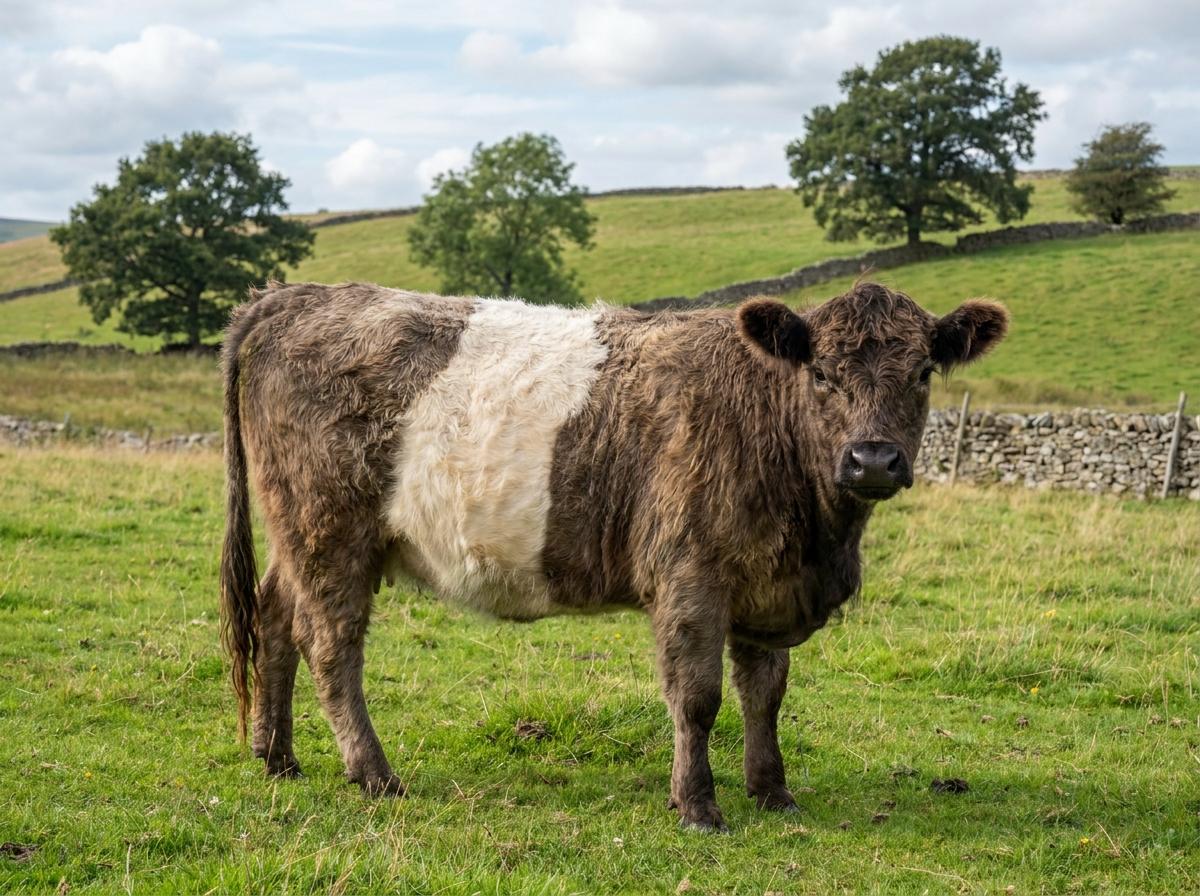
Dutch Belted cattle, also called Lakenvelder cattle, are a dairy breed recognized by a broad white belt around the middle of a black or sometimes red body. They are different from the shaggy beef cattle called Belted Galloways. The word Lakenvelder is also used for the Lakenvelder chicken, but this page concerns cattle.
For a prospective keeper, the belt is the beginning of identification. Milk records, udder function, breeding history and the daily milking routine determine whether a particular cow fits the intended dairy system.
The cattle hub provides a wider breed comparison. For dairy-program research, find Dutch Belted directory entries and verify each program’s current breed focus and documentation directly.
| Also called | Lakenvelder cattle |
|---|---|
| Primary role | Dairy cattle |
| Pattern | White middle belt on a black or red body |
| Common confusion | Belted Galloway beef cattle; Lakenvelder chickens |
| Selection priority | Udder function, milk records and documented ancestry |
| Directory status | Public-source research leads, not a current stock count |

AI-generated illustration. An educational reconstruction, not actual stock.
Browse listings, public profiles, breeders, or add your animal.
What should the belt look like?
The Dutch Belted Cattle Association of America describes a white band that starts behind the shoulder, ends before the hips and passes around the body. Black is familiar, while red animals also occur. The breed’s purpose is dairy, so the body and udder should be considered alongside the pattern. The association’s breed description explains these identifying features.
A well-placed belt does not establish registration. Other cattle can carry belted coloring, and crosses may resemble the breed. Request the pedigree and match its identification to the individual animal.
The illustrations show smooth-coated dairy cattle with a clear middle belt. They demonstrate an appearance, not an animal’s pedigree or eligibility for exhibition.
Dutch Belted versus Belted Galloway
A Belted Galloway is a beef type with a shaggy coat. A Dutch Belted is a dairy type with a smoother coat and a different breeding history. Their shared color arrangement is not a reason to interchange the names.
This distinction matters when buying a “belted cow.” A buyer seeking a milking animal should not have to infer dairy purpose from color. Ask which breed or cross is meant, which registry records it and whether the cow has an individual production history.
The broader Galloway cattle page offers context for the related beef names. Keep the actual certificate’s breed and category in the purchase agreement rather than shortening everything to “Beltie.”

AI-generated illustration. A portrait crop, not a complete husbandry setup.
Registration and breeding-up records
Dutch Belted breeding records may include animals in a documented breeding-up program. The association’s published program describes successive generations using registered Dutch Belted sires and specified female categories. That is a formal recording process, not a conclusion drawn from an increasingly complete white belt. The published breeding-up program sets out its framework.
Ask which certificate the animal holds, which generation or category is recorded and whether the transfer is complete. Because the published program includes older provisions, confirm the applicable requirements directly with the association before planning a mating or relying on future registration eligibility.
For a conservation-minded herd, keep pedigree planning connected to animal function. A useful breeding decision considers sound udders, feet, fertility and the documented relationships between potential mates as well as coat pattern.
Read milk records in context
A dairy record should tell you which cow was measured, when the lactation began, how long the record covers and how the cow was managed. A high daily figure and a completed lactation are different measures.
Before choosing a cow, ask:
- Was she milked once or twice daily, and was a calf also nursing?
- What feed supported the recorded production?
- Which milk components were measured, and on what dates?
- Has she had mastitis, teat injury or difficulty with the intended milking method?
- What were her previous calving dates and any assistance required?
Watch a normal milking if possible. Observe how she enters the area, stands for preparation and responds when equipment or a person approaches the udder. Check teat placement and udder function with someone experienced in dairy cattle.
Breed-level claims about rich milk do not replace an individual test result. Nor does a breed name establish that milk is easier to digest or suitable for a person with an allergy. Choose on documented production and the household or farm’s actual needs.
Build the routine around a milking cow
A cow in milk needs dependable daily care. Plan milking cover, equipment cleaning, feed storage and access for veterinary attention before the animal arrives. Have a separate arrangement for newly purchased or sick stock, and keep the health history with the animal’s identity.
Good milking hygiene, regular observation and prompt attention to changes in the udder or milk are basic dairy responsibilities. The Defra cattle welfare code covers these husbandry principles.
For summer pasture, University of Maryland Extension recommends sufficient shade for all animals and consistent access to clean, cool water. Plan those resources alongside the milking routine.
Winter planning should consider body condition, a clean dry coat and enough nutrition for the conditions. These needs change with weather and production, as described in University of Minnesota Extension’s cold-weather guidance. A good belt pattern tells you nothing about whether a ration is adequate.

AI-generated illustration. An educational reconstruction, not actual stock.
Comparing purchase costs
Compare the same class of animal: a young heifer, a proven milking cow and an in-calf dry cow bring different evidence and immediate responsibilities. Registration category, health history, pregnancy documentation and milk records may all affect an asking price.
Ask what is included in writing, especially transfer paperwork, transport arrangements and any breeding assurance. Include milking equipment, feed, cattle companions and routine veterinary care in the budget. There is no dependable single price for “a Dutch Belted cow” without those details.
Creatures has directory listings compiled from public sources. They provide research leads, not confirmation that a program is currently breeding Dutch Belteds or has current stock. Check each program’s own recent information and verify its location, breed focus and contact route before making plans.
Common questions
Are Dutch Belted cattle and Lakenvelder cattle the same thing?
These names refer to the belted cattle discussed here. Lakenvelder is also used for chickens, so include “cattle” when searching.
Are Dutch Belteds always black and white?
No. The breed association also describes red cattle with the white middle belt. A color match alone still does not prove pedigree.
Does a perfect belt make a good dairy cow?
No. The belt is an identity feature. Udder function, health, feet, fertility, handling and milk records remain essential to a dairy decision.
Do this next on Creatures
Find Dutch Belted directory entries and verify each program’s current dairy focus and documentation.