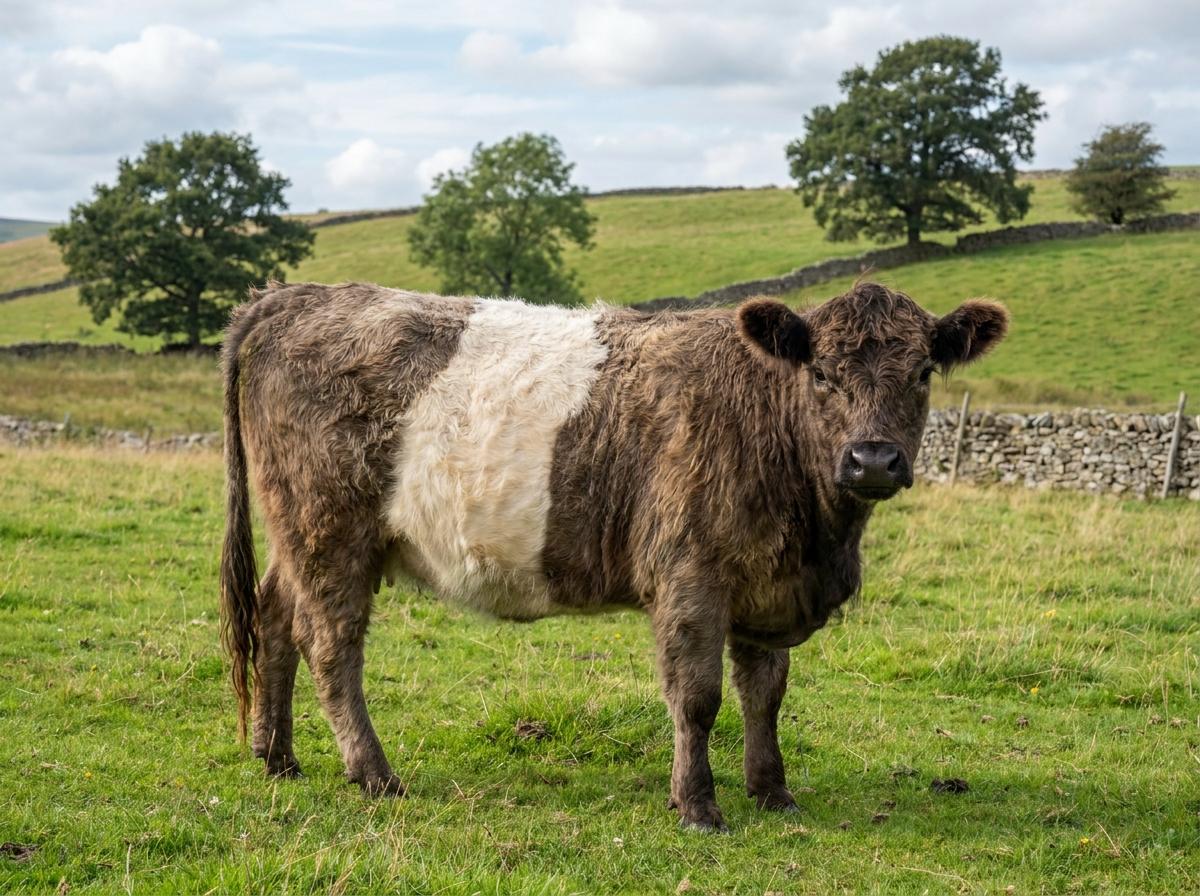
Chianina
Author: Elliott Garber, DVM · Published
Chianina are tall, long-bodied cattle from central Italy, recognized in their traditional mature form by a white coat and dark pigmentation around the muzzle and eyes. For a buyer, the first important distinction is between that breed identity and the wider range of cattle described as Chianina-influenced or “Chi.”
A white cow is not proof of a Chianina pedigree. Equally, a Chi-influenced animal may not look like the white cattle in these illustrations. Establish the animal’s registration category and parentage before interpreting its appearance or price.
The cattle hub provides a wider breed comparison. For a Chianina breeding decision, establish the registration category before comparing animals or contacting a program.
| Origin | Val di Chiana, central Italy |
|---|---|
| Primary role | Beef cattle |
| Typical mature appearance | White coat, dark muzzle and eye rims, short horns |
| Main distinction | Fullblood, purebred and Chi-influenced are different descriptions |
| Practical priority | Adult size, suitable handling facilities and documented parentage |
| Research priority | Verify breed focus, registration category and individual records |

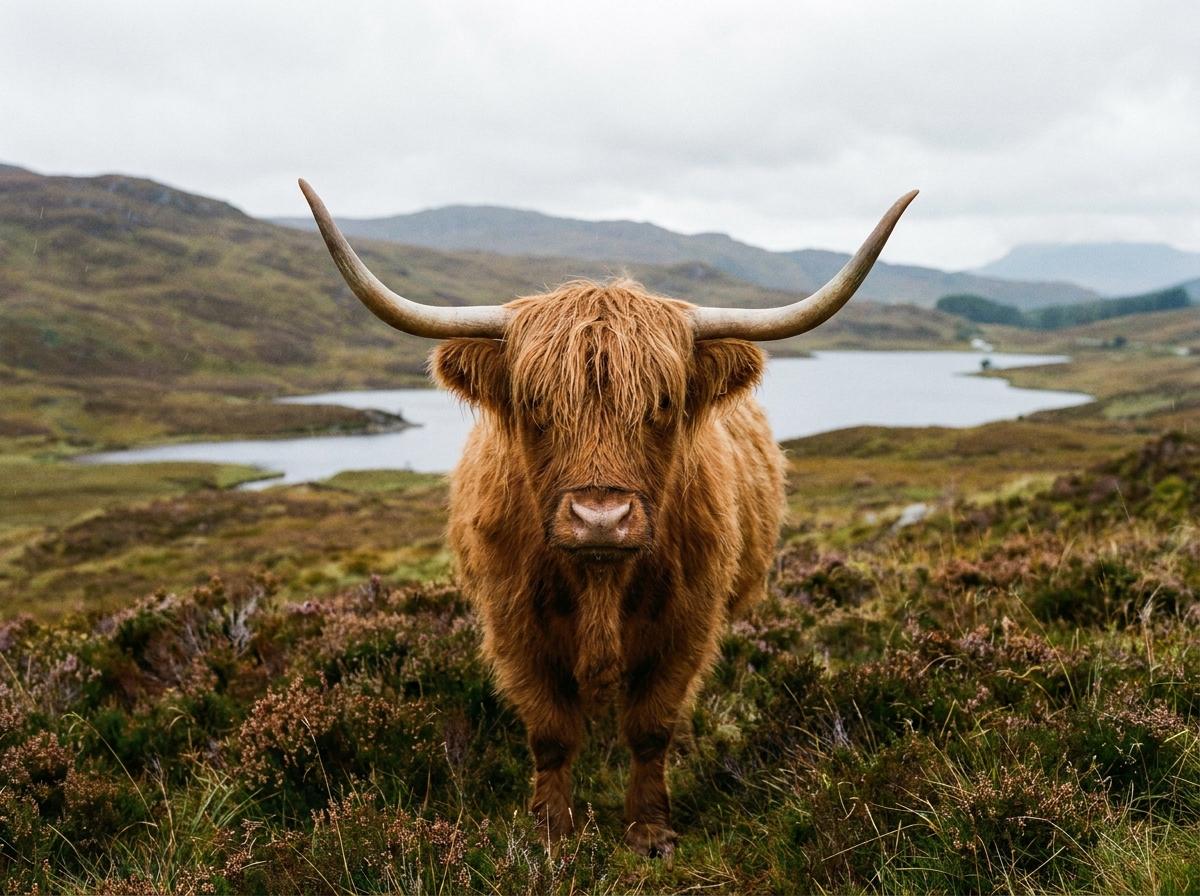
AI-generated illustration. An educational reconstruction, not actual stock.
Browse listings, public profiles, breeders, or add your animal.
The Italian Chianina type
The Italian beef-cattle association ANABIC locates the breed’s origin in the Val di Chiana of Tuscany and Umbria. Its standard describes substantial height, a long body, a porcelain-white coat, dark skin pigmentation and black points, including the muzzle. The horns are relatively short and dark-tipped; managed animals may be dehorned. ANABIC’s Chianina standard provides the detailed conformation description.
Those features distinguish the traditional type from a generic white beef animal. They do not tell you an individual’s age, breeding soundness, temperament or suitability for a particular mating.
Size is especially relevant when planning a herd. Obtain actual measurements and weights for the animals being considered, alongside the mature size of their parents. Do not design a handling system around a calf photograph or a spectacular breed-record weight.
Fullblood, purebred and Chi-influenced cattle
In the American Chianina Association’s registration information, fullblood Chianina are recorded as 100 percent Chianina. Its purebred or high-percentage category begins at seven-eighths, or 87.5 percent, with specified registration requirements for the parents. The association also recognizes composite categories. These are registry definitions, not terms to infer from color. ACA’s registration information explains the categories.
Ask to see the actual certificate and identify the registry issuing it. “Chi,” “Chianina cross” and a named composite should not be silently upgraded to fullblood. If registering future calves matters to your plans, check the proposed parents and intended category with the registry before breeding.
The distinction does not rank every cross below every fullblood animal. It clarifies what you are buying. A commercial producer, a fullblood breeder and someone choosing a show prospect may have very different requirements.

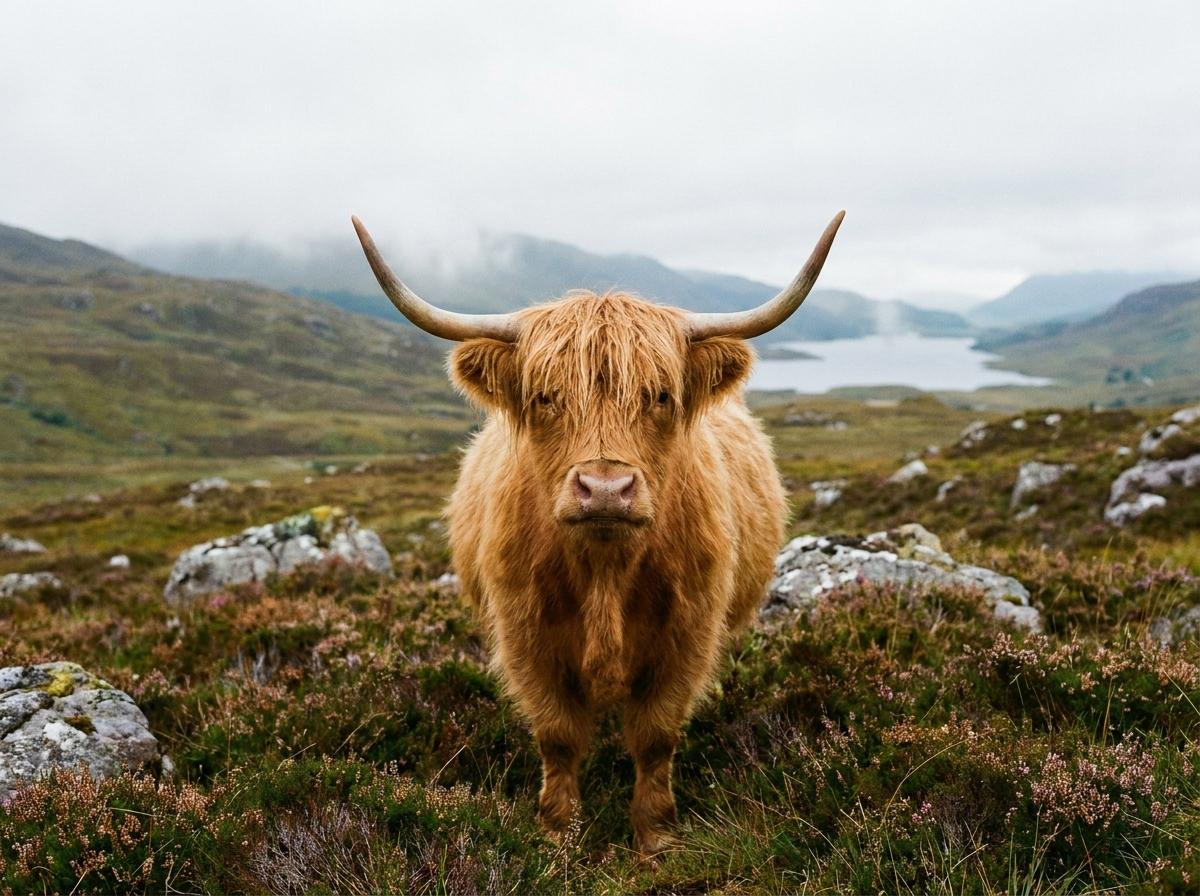
AI-generated illustration. A portrait crop, not a complete husbandry setup.
Which records matter for a breeding decision?
Start with a written breeding objective. Do you need replacements for an established herd, a bull for a defined group of cows or cattle to grow out for beef? That answer determines which records deserve the closest attention.
Useful questions include:
- What are the animal’s permanent identity, pedigree and registration category?
- What are its birth date and dated growth records?
- What feed and management supported those weights?
- What calving assistance has been recorded in the relevant maternal family or offspring?
- Which genetic evaluations are current, and what population and accuracy do they represent?
For a bull, arrange a breeding-soundness discussion with a veterinarian. For females, examine feet, movement, udder history and previous calving records. A breed’s large frame or reputation for growth cannot promise a safe mating with every cow.
Compare evaluation figures within the framework in which they were produced. A number copied from a sales sheet is incomplete without its trait definition, date and context. Ask the breeder to explain the decision that a figure should inform.
Facilities must fit the adult animal
Measure gateways, loading arrangements and restraint equipment against the cattle you intend to keep. Height, body length, horn status and weight all matter. Make sure the local people who will transport or examine them can work with those dimensions.
Safe handling requires suitable pens, sound footing and a practical means of restraint. Routine observation and a veterinary herd-health plan remain necessary in a pasture system. The Defra cattle welfare code provides general stockmanship principles.
Feed planning should follow the actual animals and forage supply. Before purchase, work out the difficult season’s feed, water, shelter and access arrangements. Leave room in the budget for transport and the facilities needed to manage a mature animal, not just its initial cost.
In hot US pasture conditions, provide shade for the whole group and clean, cool water. University of Maryland Extension explains natural, permanent and portable shade options.

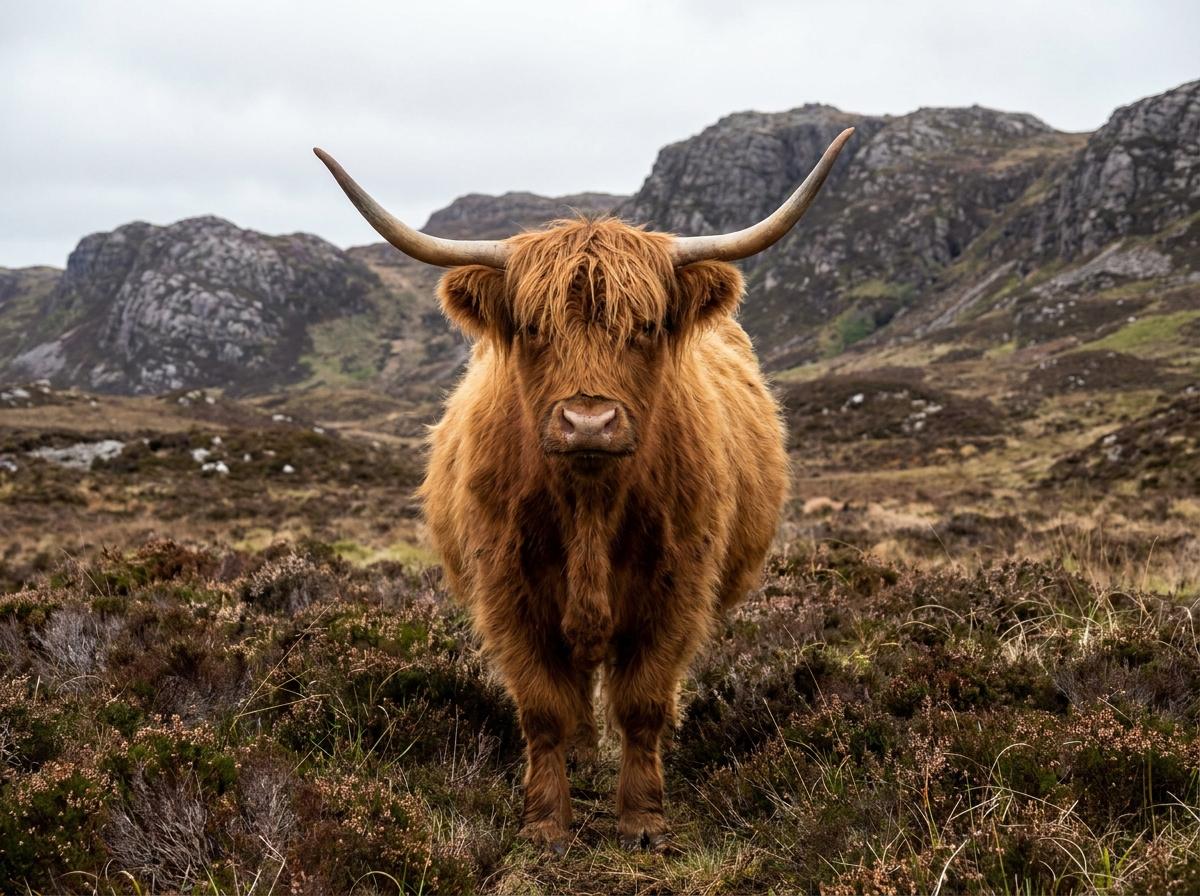
AI-generated illustration. An educational reconstruction, not actual stock.
Chianina prices and the evidence behind an asking price
There is no useful single price that covers a calf, an in-calf cow, a breeding bull and a commercial Chi cross. Compare the same class of animal, then examine registration, health history, breeding status and performance evidence.
Keep exceptional auction results separate from ordinary purchase planning. A highly promoted animal’s result does not establish the value of every Chianina-influenced animal. Request written terms identifying the animal, what documentation accompanies it and any breeding assurance being offered.
Pedigree paperwork and a photograph should agree on the animal’s identity. Where a claim cannot be documented, treat that uncertainty as part of the purchase decision rather than filling the gap with the breed’s reputation.
Verify a program’s breed focus
Creatures has directory listings compiled from public sources in its Chianina directory, but the sample checked for this guide described other cattle breeds rather than Chianina. A tagged entry is not evidence of a current Chianina or Chi-influenced program or current stock. Verify breed focus and a working contact before travel or payment; do not treat the listing count as a count of purebred herds.
Common questions
Are Chianina always white?
The traditional mature breed type is white with dark pigmentation. The wider Chi-influenced population can have other appearances, so ask which category is meant.
Is a Chianina cross the same as purebred Chianina?
No. Use the exact parentage and the issuing registry’s category. A vague “Chi” description does not establish a purebred or fullblood pedigree.
Are these cattle suitable for a small farm?
A small acreage does not answer the question by itself. Adult size, forage supply, facilities, cattle company and the keeper’s experience must all fit the proposed animals.
Do this next on Creatures
Use the cattle hub to compare breeds against your herd’s purpose, then evaluate the documented ancestry and management needs of individual animals.