
How Much Does a Cow Cost? Beef, Dairy, and Bottle Calf Prices in 2026
Author: Elliott Garber, DVM · Updated
A cow costs more right now than at any point in history. In mid-2026, plan on roughly $2,500 to $3,500 for a commercial bred beef cow, $4,000 to $6,000 for a cow-calf pair, and $3,000 to $4,400 for a good dairy cow, with registered and top-end animals selling well above those ranges. Even a weaned calf is a serious purchase: feeder calves have been trading between roughly $350 and $500 per hundred pounds at auction, which puts a 500 pound calf near $2,500. The driver is plain supply and demand. USDA counted 86.2 million cattle and calves on January 1, 2026, the smallest United States herd since 1951, and beef demand has stayed strong while the herd shrank.
That is the short answer. The useful answer depends on what kind of cow you mean, because the market prices a beef cow, a dairy cow, and a bottle calf destined to be a pet steer in completely different ways, and it prices most young cattle by the pound rather than by the head. Here is each category with current numbers, then what a cow costs to keep once you own one.
To see current availability and asking prices, you can browse the cattle marketplace on Creatures.
| Weaned feeder calf | Roughly $2,000 to $3,000 per head, priced by weight at $350 to $500 per cwt |
|---|---|
| Bred beef cow | Roughly $2,500 to $3,500; quality bred heifers $3,500 to $5,000 or more |
| Cow-calf pair | Commonly $4,000 to $6,000 at 2026 auctions |
| Dairy cow (milking age) | About $3,130 national average; good Holstein springers $3,500 to $4,400 |
| Day-old bottle calf | Roughly $400 to $1,000; beef-cross calves have topped $1,700 |
| Annual cost to keep | Commonly $1,000 to $1,600 per cow per year, feed the biggest line; about $1,800 counting the owner’s labor and capital (KFMA 2025) |
| Freezer beef instead | About $6 to $10 per pound of packaged beef after processing |
| Why prices are high | US herd at 86.2 million head, smallest since 1951 (USDA) |
Why cow prices are at record highs
Every category of cattle is expensive at the same time, which is unusual. The US herd has contracted about 9 percent since its 2019 peak, years of drought and high feed costs pushed ranchers to sell cows rather than keep them, and the January 2026 USDA Cattle report put beef cows at 27.6 million head, down another 1 percent from the year before. Fewer cows means fewer calves, and fewer calves means everyone from feedlots to freezer-beef buyers is bidding on a smaller supply.
The results show up across the board. USDA forecasts fed slaughter steers to average close to $250 per cwt in 2026, a record, and even cull cows (older cows sold at the end of their productive life) have set all-time highs, with the national dressed price for lean cows topping $300 per cwt for the first time. There is no cheap category of cattle right now, and since rebuilding a herd takes years, expect prices to stay historically strong for a while.
How cattle are actually priced: by the pound, not by the head
Before comparing numbers, learn the market’s units. Auctions price young and growing cattle in dollars per hundredweight, written cwt, meaning per 100 pounds of live weight. A 500 pound calf selling “at $480” is at $480 per cwt, or $4.80 per pound, or $2,400 for the animal. Lighter calves almost always bring more per pound than heavier ones, so the per-head prices converge as animals grow.
Breeding animals work differently. Bred cows, cow-calf pairs, and dairy cows in milk sell per head, because you are buying reproductive value and milk production rather than pounds of gain. That is why a quoted price means little without a weight, an age, and a pregnancy status attached, and why the same animal can be worth noticeably more or less from one week’s sale to the next.
Beef cattle prices: calves, bred cows, and pairs
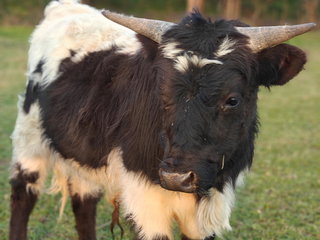
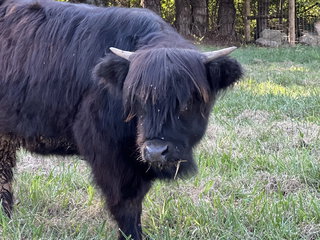
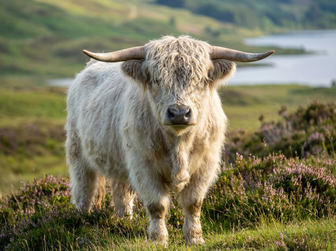
Beef cattle are built like the animals they are: stocky and heavily muscled, with broad shoulders, a deep body, and a thick frame selected for turning feed into meat. They come in black, red, white, grey (like the Murray Grey), brown, and patterned colors depending on breed.
If you are pricing a dual-purpose herd, the Simmental guide explains what to verify about the animal’s line and intended use.

Feeder calves are weaned animals headed for grass or a feedlot, and they are where per-pound pricing rules. USDA projects feeder steers in the 750 to 800 pound class to average about $364 per cwt in 2026, roughly 13 percent above the 2025 average, which works out to around $2,800 per head. Lighter calves run higher per pound; spring 2026 auction reports from the Southern Plains showed 500 pound steers bringing around $500 per cwt, or about $2,500 each. These are the highest feeder prices ever recorded, well past the 2014 to 2015 peak.
Bred cows and heifers sell per head. USDA market reports through mid-2026 show ordinary commercial bred cows trading around $2,500 to $3,500, with quality bred heifers commonly $3,500 to $5,000 and top consignments selling higher still. Age matters: a young bred cow has eight or more calves ahead of her, while a short-term cow in her final productive years costs less up front but has fewer paychecks left in her.
Cow-calf pairs (a cow with her calf at side) have commonly brought $4,000 to $6,000 at 2026 auctions. A pair costs the most because it is the most complete package: a proven cow, a live calf, and usually a rebreeding underway.
Dairy cow prices: the family milk cow
Dairy cattle look nothing like their beef cousins. The frame is lanky and angular, the chest narrower, the legs longer and finer, and the udder large and prominent, because generations of selection put the feed into the milk pail instead of onto the topline. The average US dairy cow produced about 24,390 pounds of milk in 2025 by USDA’s count, which is roughly 7 to 8 gallons per day across a lactation.

Dairy prices are setting records too, for a related reason: so many dairy farms now breed part of the herd to beef bulls (those beef-cross calves are worth a premium) that fewer dairy heifers are being raised as replacements. USDA reported the national average price for milk cows sold as dairy herd replacements at $3,130 per head in April 2026, a record, and good Holstein springers (heifers close to their first calving) have regularly brought $3,500 to $4,400 at auction.
For a homestead family milk cow, expect to pay in that same range for a sound, gentle cow that will tolerate hand milking, and be honest with yourself about the other cost: a cow in milk needs milking every day, usually twice, with no days off. The milk offsets grocery bills, and a good family cow can raise a bottle calf alongside her own, but the commitment is the real price of ownership.
Bottle calves and pet steers
The cheapest way into cattle ownership used to be a day-old dairy bull calf for under $100. That era is over. With calf supplies tight, Holstein bull calves have been bringing roughly $400 to $1,000 in typical 2026 markets, and day-old beef-on-dairy cross calves have topped $1,700 at some auctions. The purchase is also only the start: a calf drinks through bags of milk replacer for two to three months, needs clean housing and careful attention, and young calves carry real mortality risk if scours or pneumonia set in. Budget for the vet before you need one.
If the plan is a pet steer, plan for the adult he will become. A friendly bottle-raised steer grows into an animal weighing 1,400 pounds or more that can live 15 to 20 years, needs a companion because cattle are herd animals, and requires serious fencing and handling facilities. A tame steer with no fear of people is, if anything, more dangerous than a wary one, because he will walk through you rather than around you. Check local zoning before you buy, and read up on the species on the Creatures cattle page if you are still deciding.
What a cow costs to keep each year
Whatever you pay for the animal, the ongoing bill is the number that decides whether ownership makes sense. University extension budgets and farm management records put the annual cost of keeping a cow commonly between $1,000 and $1,600, with the Kansas Farm Management Association’s 2025 records showing about $1,330 per cow in cash costs and depreciation, or about $1,800 once the owner’s own labor and capital are charged, and higher figures anywhere hay must be purchased year round.
Feed dominates, at roughly 40 to 70 percent of the total. A cow eats 2 to 2.5 percent of her body weight in dry matter daily by the standard extension rule of thumb, so a 1,300 pound cow works through 30 pounds or more of hay a day when she is not grazing, and hay has recently run around $215 to $275 per ton depending on quality and region. The rest of the budget is mineral (extension budgets commonly figure about $35 per cow per year), vaccinations and deworming (often $10 to $30 per year), breeding costs, water, fence and equipment upkeep, and a reserve for the vet call you did not plan on. Pasture needs vary enormously with rainfall, from a couple of acres per pair in good country to ten times that in dry range, so ask your county extension office what is realistic locally.
If you are weighing cattle against smaller homestead livestock, the same math on a smaller scale is in our guides to what a goat costs and what a sheep costs.
Buying beef by the pound instead
If the actual goal is a freezer full of beef, you do not need to own a cow at all, and the math is different. Custom freezer beef is priced on hanging weight (the dressed carcass, roughly 60 percent of the live weight), which in 2026 has generally run about $3.50 to $6.00 per pound; USDA’s quarterly grass-fed report put whole grass-fed carcasses at an average of $5.90 per pound in the second quarter of 2026. On top of that comes processing, which averaged about $0.94 per pound of hanging weight plus a kill fee. A whole beef hanging at 750 pounds yields roughly 400 to 450 pounds of packaged cuts, so conventional custom beef typically lands around $6 to $10 per pound of beef in the freezer, with grass-fed at the top of that range or above. That is a real number to compare against both the grocery store and the cost of raising your own.
How to buy well in a record market
At these prices, mistakes are expensive, so buy information along with the animal. A sale barn gives you price discovery but little history; buying private treaty from a breeder or ranch gets you the animal’s records. If a seller says the animal is registered, the cattle pedigree papers guide shows how to match its permanent ID and sire and dam numbers with the association record. Ask for vaccination and deworming history (compare it with a typical cattle vaccination schedule), a preg-check result on any bred female, calving records on a proven cow, and a reason the animal is for sale. On a dairy cow, ask about milk production and watch her be milked before money changes hands. Sound feet and legs, good body condition, and a calm disposition are worth paying for, and a bargain animal with a problem is rarely a bargain.
You can browse current cattle listings on the Creatures marketplace, and find trusted cattle breeders and ranches in the Creatures directory. Prices move weekly in this market, so check your state’s current USDA AMS auction summary before you bid.
The livestock value calculator guide explains how to read an auction-based range without treating the median as an appraisal or a guaranteed sale price.
Frequently asked questions
How much does a cow cost per pound?
Live cattle are quoted per hundredweight (cwt). In mid-2026, feeder calves have run roughly $350 to $500 per cwt ($3.50 to $5.00 per pound of live weight) depending on size, and USDA forecasts fed slaughter steers near $250 per cwt. Beef in the freezer is a different number: after processing, custom freezer beef typically works out to about $6 to $10 per pound of packaged meat.
What is the cheapest way to get a cow?
A day-old bottle calf is still the lowest purchase price, roughly $400 to $1,000 in 2026 markets, but it carries the most labor and the most risk, since young calves need months of milk replacer and can be lost to illness. An older short-term bred cow is often the cheapest productive adult, with fewer calves ahead of her.
How much does a family milk cow cost?
Plan on roughly $2,500 to $4,400 for a sound milking-age cow in 2026. The national replacement average is about $3,130 per head, and gentle, hand-milkable family cows often command a premium above ordinary herd replacements.
How much land do I need for a cow?
It varies too much with rainfall and forage to give one honest number: from a couple of acres per cow-calf pair in strong pasture country to many times that on dry range. Your county extension office can tell you the realistic stocking rate for your area.
Will cattle prices come down soon?
Not quickly. The herd is the smallest since 1951, and rebuilding it requires ranchers to hold heifers back from market, which tightens supply further before it loosens. USDA’s 2026 forecasts have prices rising, not falling, so budget on current numbers rather than waiting for old ones.
Do this next on Creatures
Whether you are pricing your first cow, watching the market for the right animal, or already running cattle, Creatures is the marketplace, directory, and records layer to do it in one place.
Get alerted when the right animal is listed. Waiting on a bred heifer, a family milk cow, or a pair at the right price? Set a free cattle listing alert and we will tell you when a match is posted. No account needed to start, and the walkthrough is in saving searches and using your watchlist.
Browse what is for sale now. See current cattle on the marketplace and find trusted breeders and ranches in the Creatures directory.
Add your animals. Bought a cow, a calf, or a whole pen? Create a free animal profile for each one in minutes. No account needed to start; see adding an animal to Creatures.
Keep the records that protect your money. Preg-checks, vaccinations, calving dates, and costs per head are what make a cow herd a business. Add a record on Creatures. The record sheet opens for any visitor to look around, and a free account saves what you enter. The how-to is in adding a record.
Sell cattle? Create a ranch or breeder profile so buyers searching for cattle can find you. No account needed to start; see creating an organization and getting listed in the breeder directory.
Learn the species first. The Creatures cattle page covers breeds, care, and ownership basics in more depth.