Limousin
Author: Elliott Garber, DVM · Published
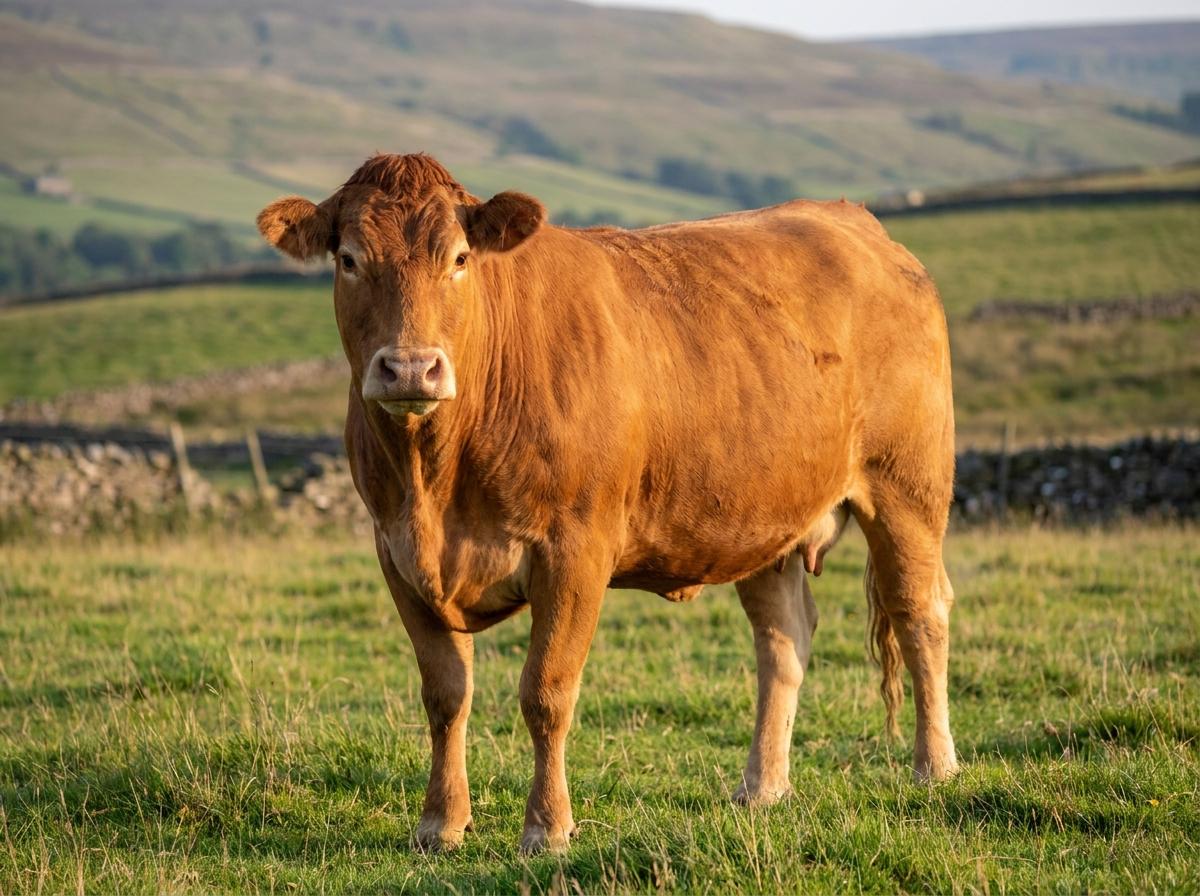
Limousin are a beef cattle breed with French origins, traditionally recognized by a red-gold coat and lighter areas around the muzzle and eyes. Buyers often investigate them for beef production, but the useful question is how a particular animal fits a herd, handling system and market.
Start with the free cattle pedigree chart maker to organize the ancestry provided with a candidate. A chart cannot settle its registry category or breeding value.
Set a Limousin search alert for new matching listings. Current supply may be empty; the Limousin breeder directory is another route to contact sources and ask about availability.

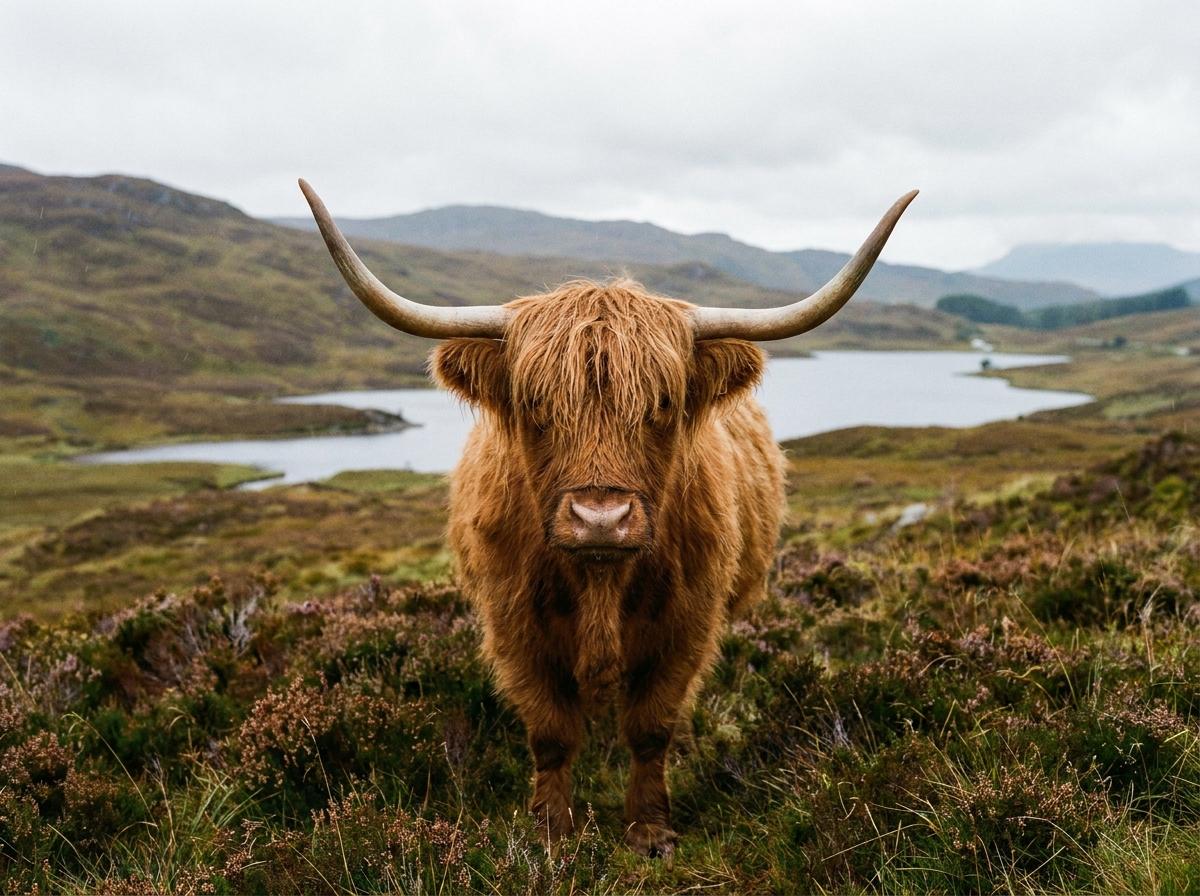
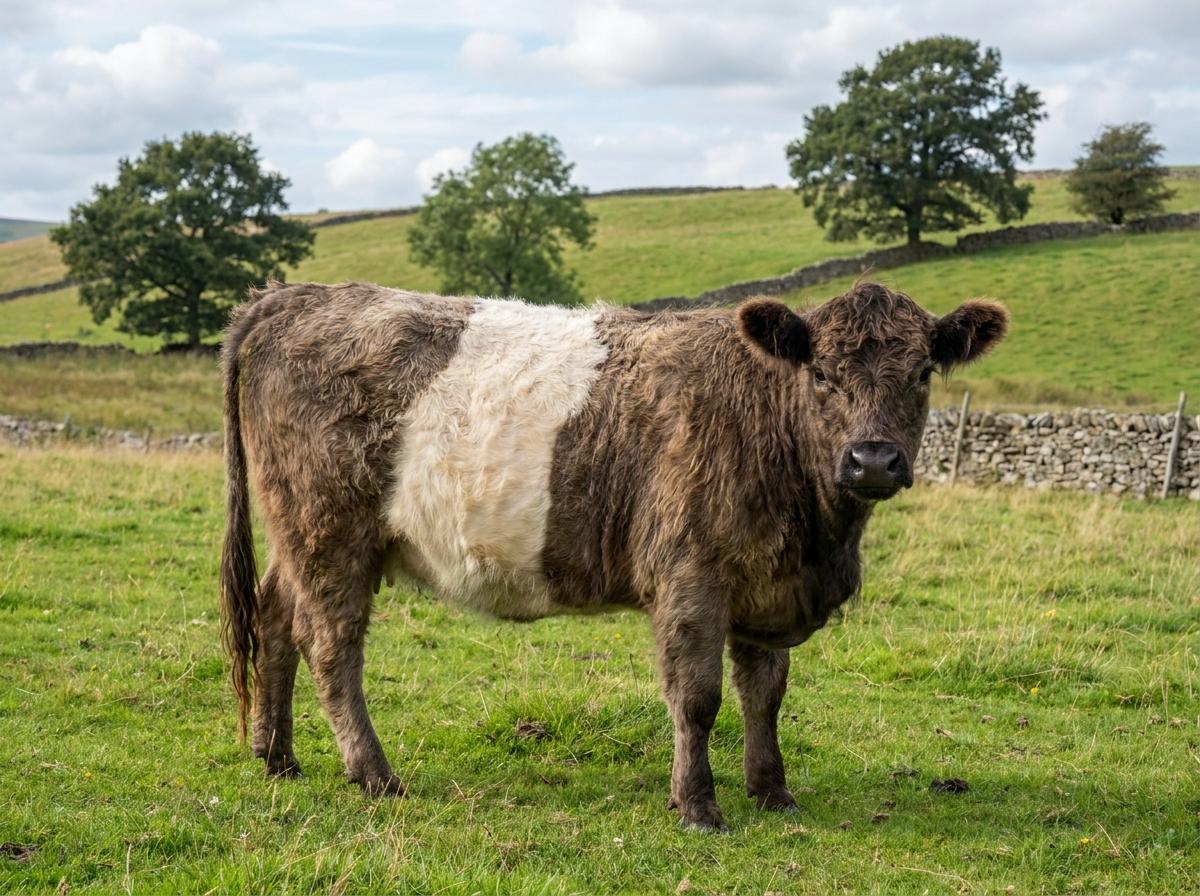
AI-generated illustration.
| Origin | Limousin and Marche, France |
|---|---|
| French herdbook | Established 1886 |
| Color and horns | Golden red or black; horned or polled lines |
| US registry | North American Limousin Foundation |
| Categories | Fullblood, Purebred, Percentage and Lim-Flex |
| Buying priority | Registry-specific rules and suitable breeding role |
Browse listings, public profiles, breeders, or add your animal.
French origin, muscular build and varied color
Limousin cattle come from the Limousin and Marche regions of France, where the French herd book was established in 1886. The North American Limousin Foundation (NALF), the US registry, was organized in 1968. Its breed history traces the subsequent movement of genetics through Canada into the United States.
The traditional appearance is golden red with lighter hair around the eyes and muzzle. Black and polled lines also exist. Oklahoma State’s profile describes the muscular beef conformation, but neither color nor a sale pose proves ancestry or soundness. Watch the animal walk and turn, and match permanent identification to its papers.
Fullblood, Purebred, Percentage and Lim-Flex
Start with the issuing registry: NALF in the United States or the Canadian Limousin Association (CLA) in Canada. Fullblood describes the fully documented original breed ancestry; Purebred, Percentage and Lim-Flex are separate registration categories. NALF’s 2018 rules (archived copy) listed Purebred animals from 87% recorded Limousin ancestry; that differs from the Canadian threshold below. Ask NALF to confirm the recorded percentage, category and current eligibility of any planned offspring before a cross-border purchase.
Section K.1 of those archived rules specifies a registered hybrid containing 25% to 75% Limousin, at least 25% Angus or Red Angus, and no more than 12.5% another or unknown breed. Its current Lim-Flex overview explains the breeding role of that hybrid.
The CLA registry information uses different thresholds: Canadian Purebred starts at 90% Limousin, while Canadian Lim-Flex contains 37.5% to 75% Limousin and 25% to 62.5% Angus or Red Angus. Do not apply those Canadian thresholds to US papers. Before buying across the border, ask the receiving registry how it will record the animal.
For a commercial herd, the category still needs to serve a purpose. State whether you will retain daughters or market all calves, and compare maternal or terminal traits accordingly.

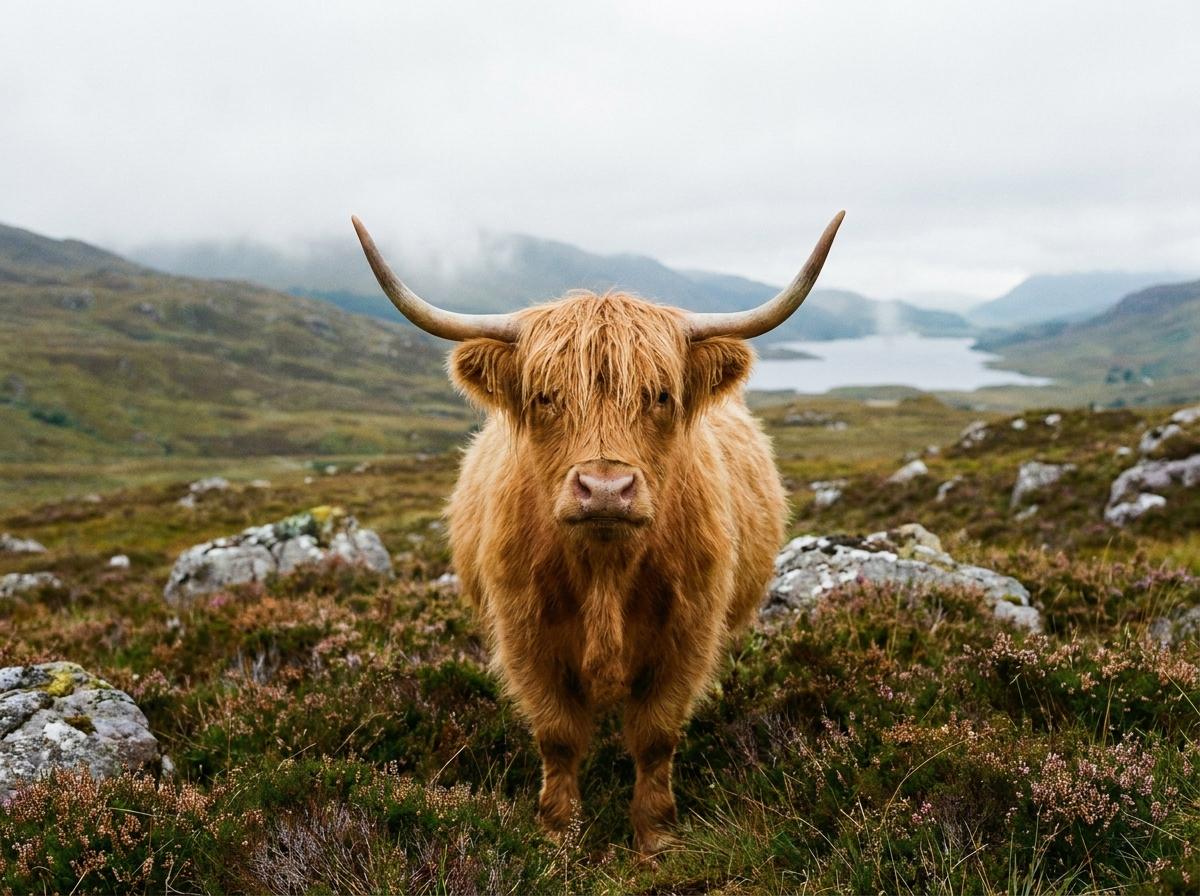
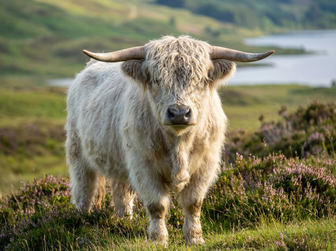
AI-generated illustration.
The Maine-Anjou guide offers a second example of a percentage herdbook, useful when learning to read the category printed on a sale animal’s papers.
Temperament is a selection decision
Do not accept either “all Limousin are flighty” or “this line is always quiet” as an assessment. Observe the individual in normal handling and ask what it does in the race, crush or chute, trailer and a separated pen. Viewing from outside a safe barrier can reveal more than entering a pen to test an unfamiliar animal.
Illinois Extension’s bull-selection advice includes docility and functional feet and legs among the practical selection criteria. Ask for any relevant recorded temperament evaluation, but still watch ordinary handling. A number and direct observation should complement each other.
The cattle-chute guide helps connect what you observe at the viewing with the restraint equipment and facility layout at home.
Breeding evidence to request
For a bull, ask for a current breeding soundness examination, identification, age and breeding history. Review the current genetic evaluation in its own system, paying attention to the definitions and accuracy. Do not compare raw figures from unrelated evaluations as though they were one scale.
For females, request calving dates, any assistance, calf records and reproductive history. Ask who confirmed a stated pregnancy and when. If a heifer is offered as a breeding prospect, distinguish what has been measured from what the seller hopes she will produce.
Choose a calving plan before choosing a mating. Discuss your females and the proposed sire with your veterinarian or breeding adviser. A seller’s phrase “easy calving” needs supporting evidence and a clear context, particularly when young females are involved.
Keep the sire’s registry category separate from the timing question. The cattle gestation calculator uses a service date to estimate arrival; the calving guide helps prepare the receiving herd.
Daily care and the receiving plan
Before collection, make a written handover list covering feed, water arrangements, group companions and handling habits. Have suitable space for your veterinarian’s introduction and testing plan. New cattle should not arrive before you know where they will go or how they will be handled if treatment is needed.
Build the feeding program around available forage, the cattle’s stage of production and professional ration advice. Photograph condition and record weights where safely practical. Compare like with like: a weight recorded after different feeding or transport conditions may not be directly comparable with the seller’s figure.
Use the cattle vaccination guide to prepare the health handover. Keep a dated treatment history and the original veterinary reports. The Creatures guide to health and medical records explains the record workflow. Your veterinarian remains the person to interpret health findings and choose treatment.
Mark outputs from the cattle weight calculator as estimates in the handover. For comparable measured records, use the cattle scale guide; a calculated weight should not determine medication doses.
Prices and the cost of keeping breeding stock
Use the cow cost guide to compare breeding-stock and feeder prices before assessing local offers.
Compare local cattle of the same age, sex, reproductive status and documentation level. A breeding guarantee, transport arrangement or completed registration transfer can change what a price includes. Get those terms in writing rather than relying on a conversation at the gate.
Budget for more than the purchase. Feed, fencing, suitable handling equipment, veterinary care, breeding examinations and transport all continue after collection. If keeping a bull would require substantial new facilities, price that work before deciding he is affordable.

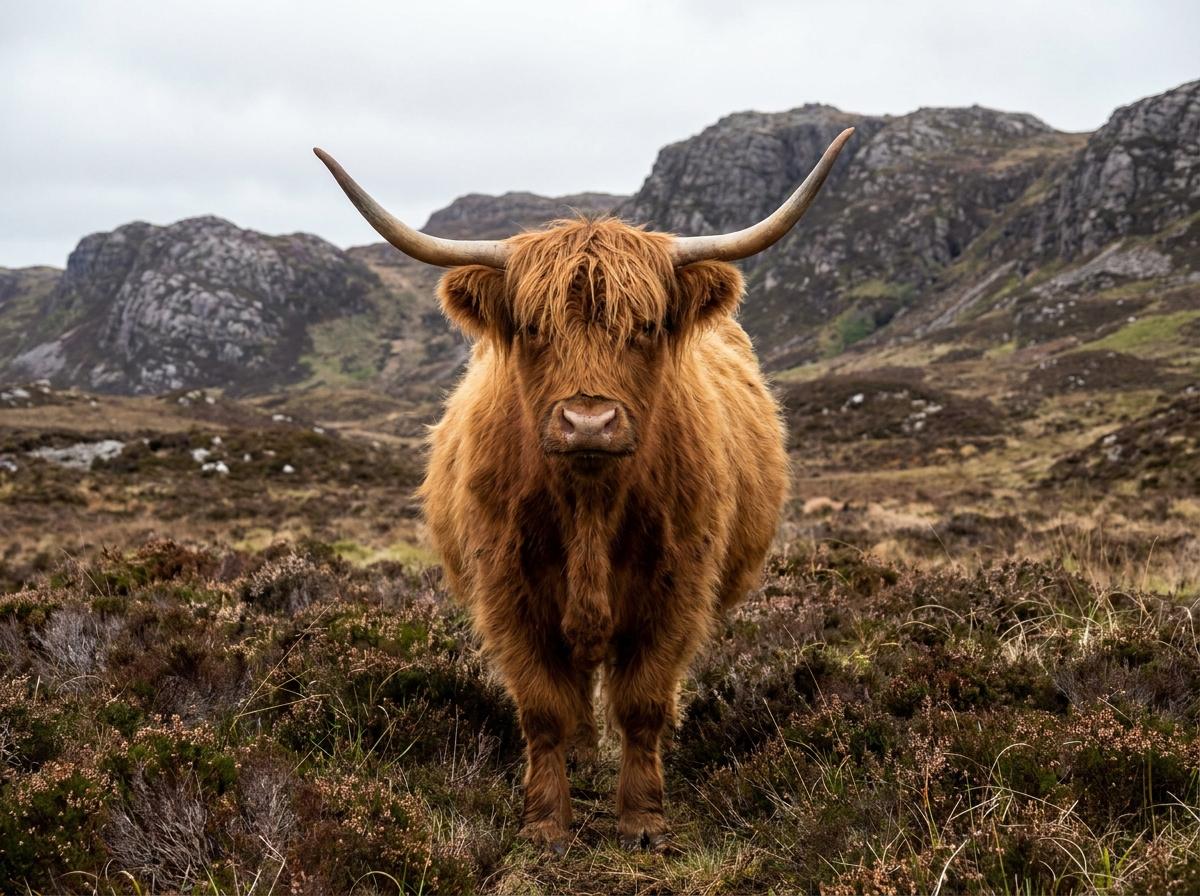
AI-generated illustration.
Limousin compared with other beef cattle
Start with the cattle overview, then compare Charolais and Black Angus. Use the guides to build consistent questions about records, handling and breeding purpose. There is no single breed that removes the need for those checks.
Common Limousin questions
Are all Limousin red?
No. The traditional appearance is red-gold, but black cattle also occur in modern Limousin populations. Confirm the animal’s registration and category from documents.
Is Lim-Flex just another name for purebred Limousin?
Lim-Flex is a registered Limousin x Angus or Red Angus hybrid. NALF and CLA set different percentage ranges, so check the issuing registry and certificate.
Can appearance predict calving ease?
Appearance alone is insufficient. Use the appropriate breeding information, the female’s circumstances and professional advice to plan a mating.
Do this next on Creatures
Keep the animal’s identity, original documents and your dated observations together. Choose the next step that matches where you are in the process.
- Set up a Limousin search alert. Get notified when new listings match, with help from the saved-search guide.
- Check current Limousin listings; supply may be empty or change. Ask for the evidence relevant to your intended purchase.
- Start a Limousin profile. No account is needed to start. The animal-profile guide explains the details.
- Add a care or breeding record. The form opens for visitors; a free account saves the record. Read the record guide before adding documents.
- Start a breeder or farm profile. The directory guide explains how a breeder listing works.
- Explore Limousin breeders to compare sources and prepare a careful introduction to the seller.