
Holstein
Author: Elliott Garber, DVM · Published
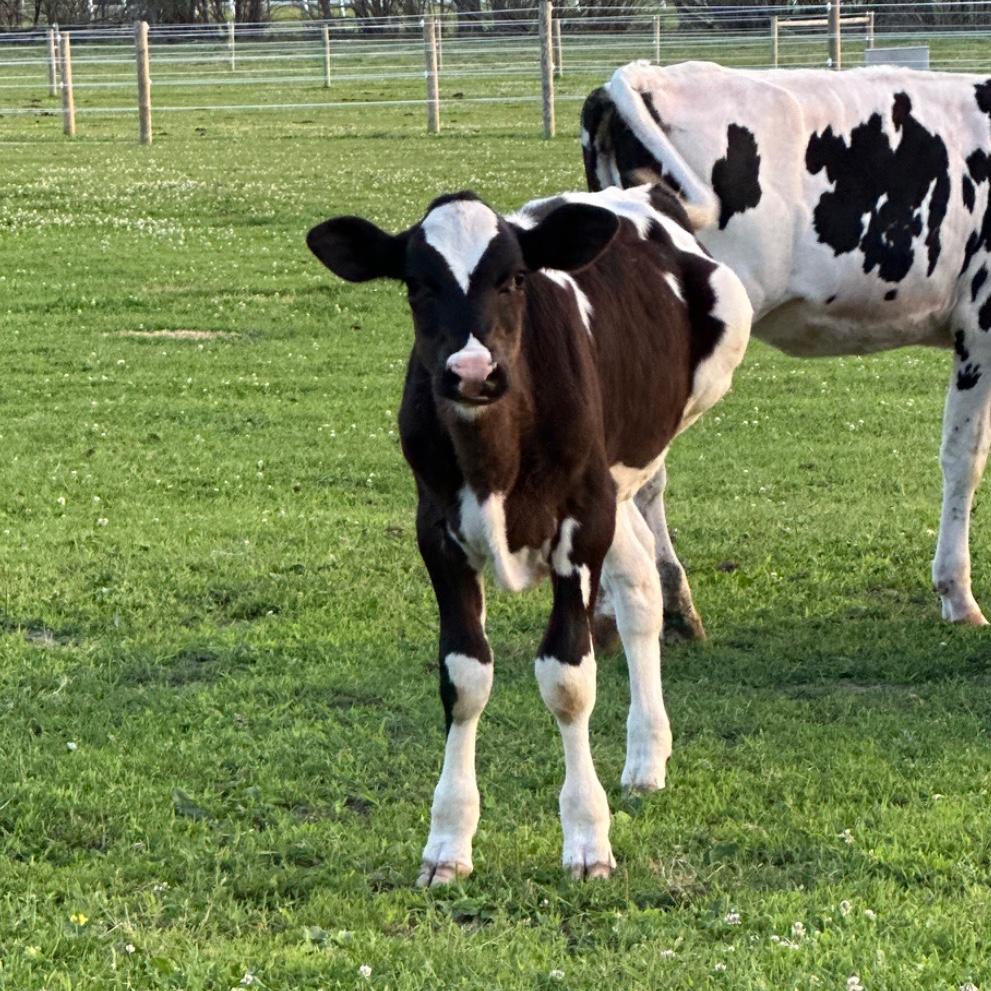
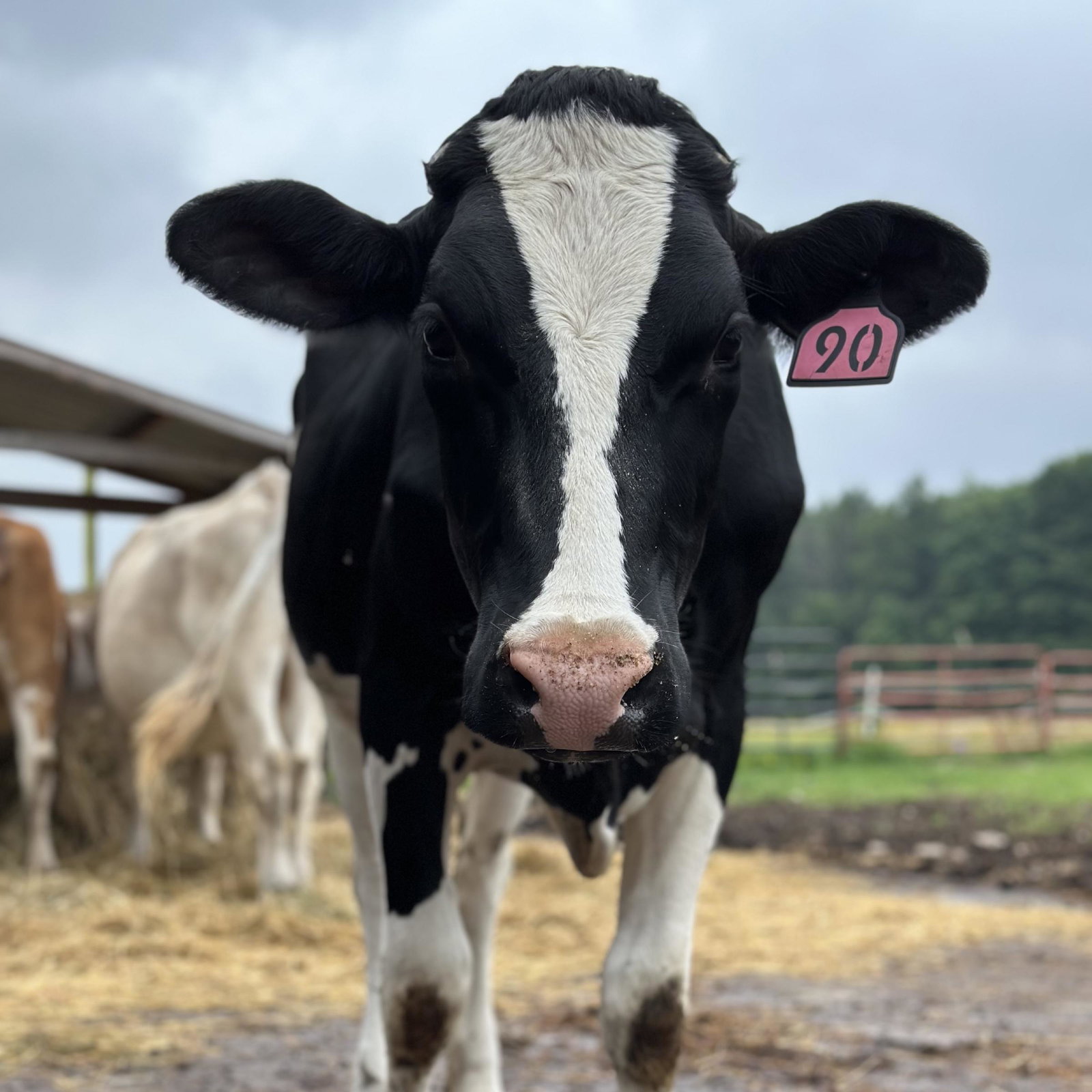
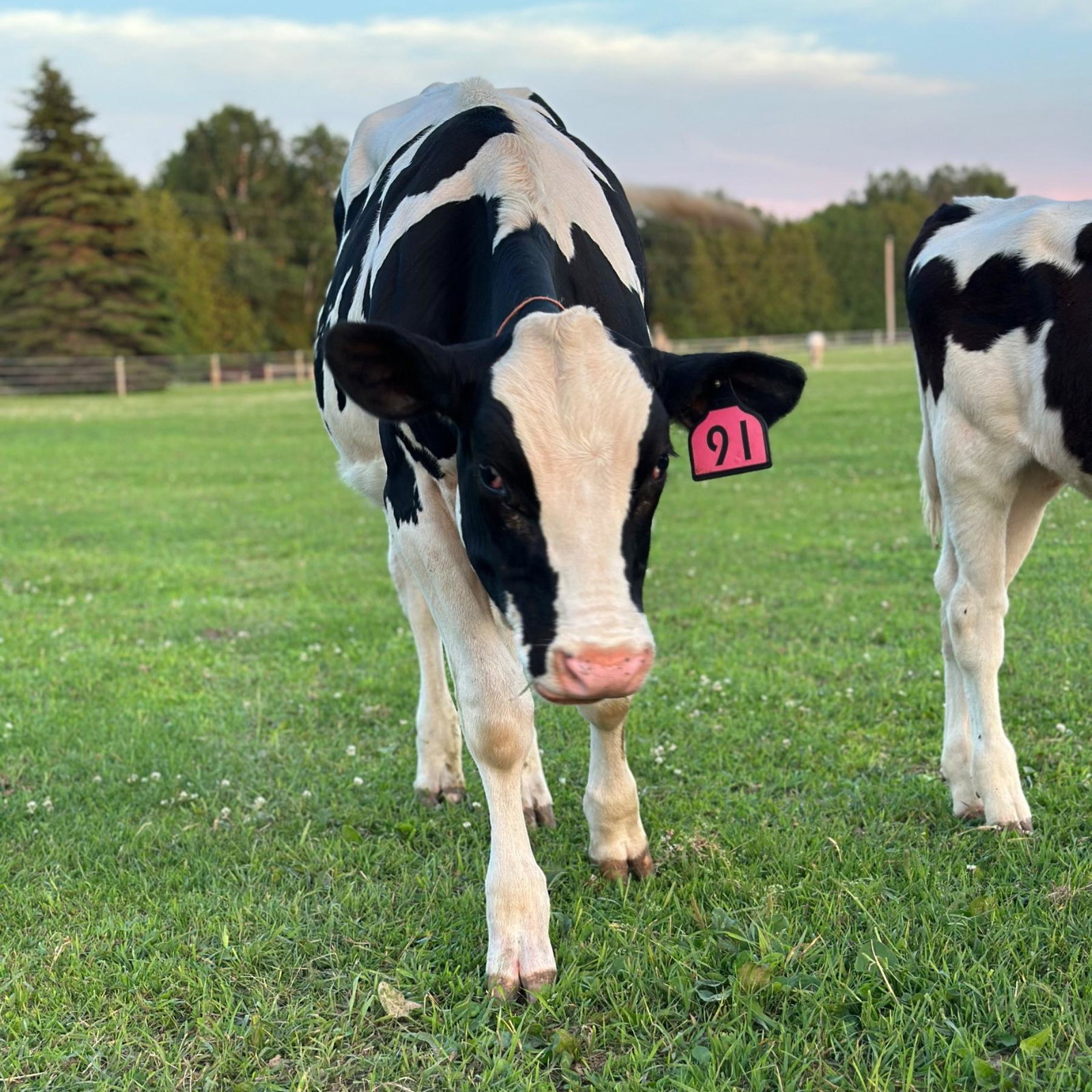
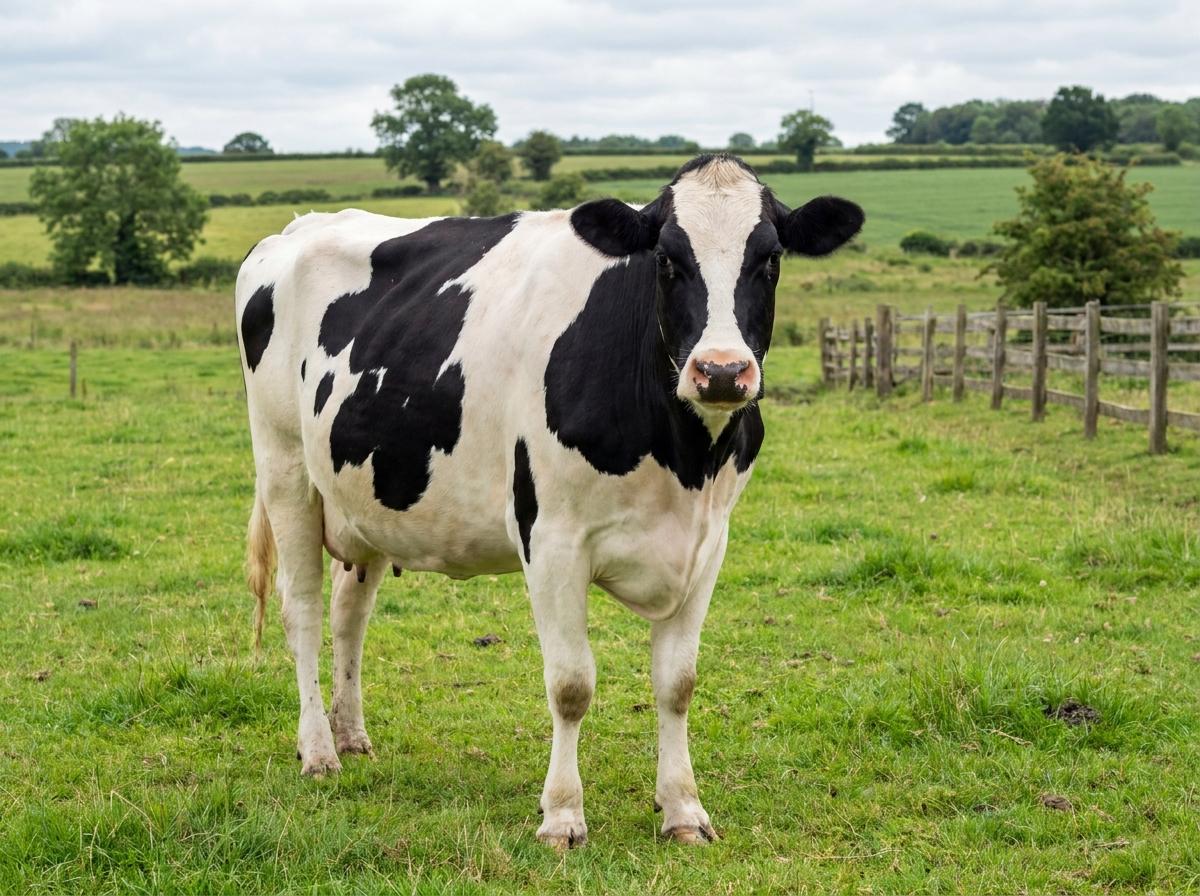
Holstein cattle are a dairy breed widely recognized by their black-and-white coat, although red-and-white Holsteins also occur. Choosing one is a decision about daily milk production, feeding, facilities and care, not simply buying a familiar-looking cow.
The free cattle pedigree chart maker offers a way to organize the ancestry supplied with a dairy animal. It does not turn family history into a prediction of that cow’s milk output.
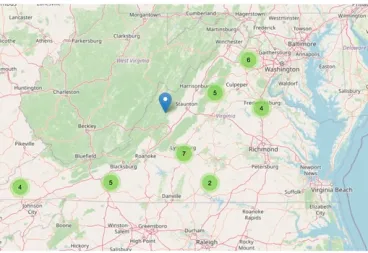
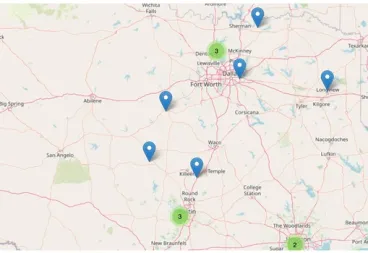
Set a Holstein search alert for new matching listings. Current supply may be empty; the Holstein breeder directory is another route to contact sources and ask about availability.

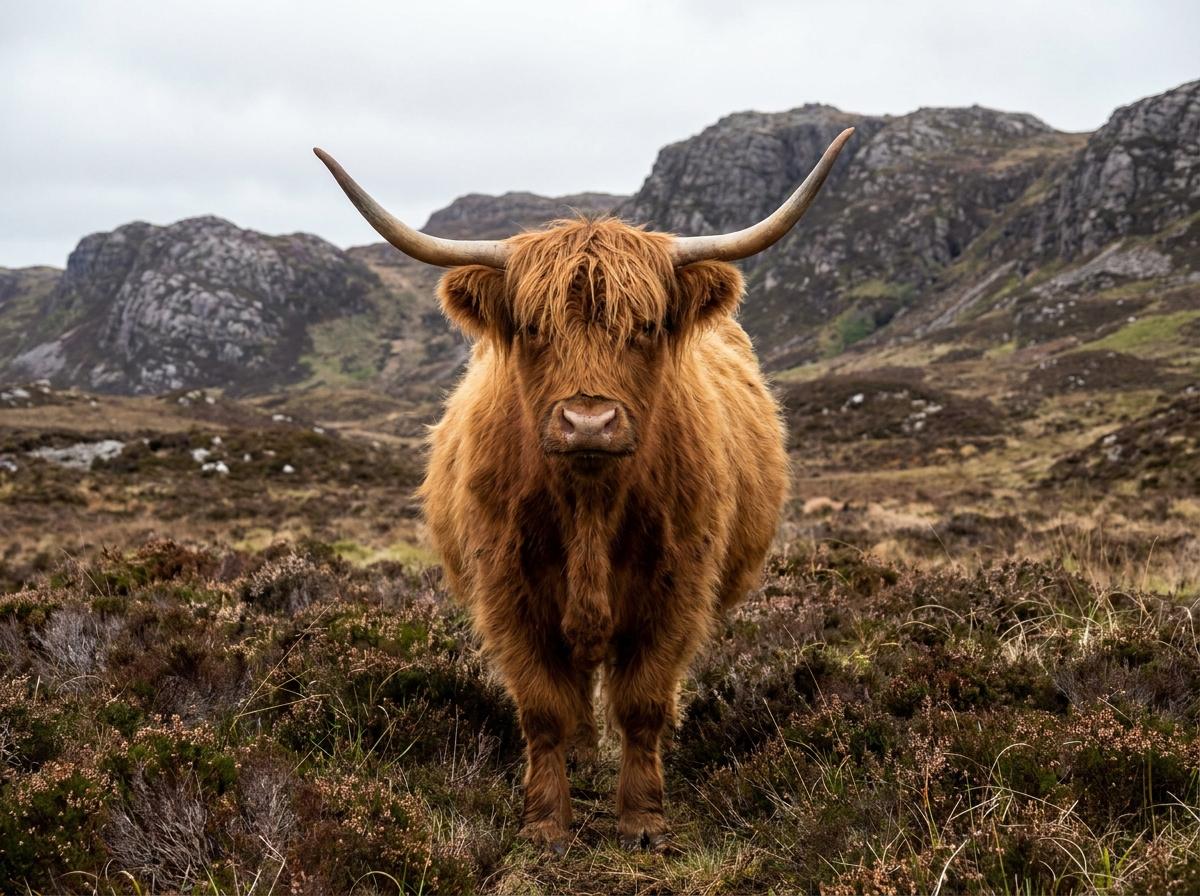
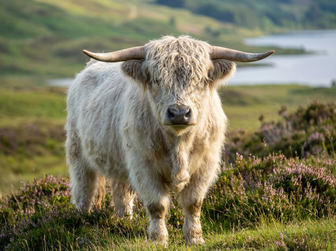
AI-generated illustration.
| Origin | Netherlands; Holstein-Friesian ancestry |
|---|---|
| Colors | Black-and-white or red-and-white |
| Mature cow reference | About 1,500 pounds and 58 inches tall |
| Typical first calving | About 23 to 26 months; individual readiness varies |
| 2024 TriStar context | 28,443 lb milk, 305-day mature-equivalent average |
| Care priority | Feed, cooling, milking and backup labor |
Browse listings, public profiles, breeders, or add your animal.
Dutch roots, mature size and registration
Holsteins developed from cattle in the Netherlands. Holstein Association USA’s history and breed facts describe Winthrop Chenery’s 1852 purchase of a Dutch cow, the US associations’ merger in 1885 and the 1994 adoption of the current association name. It gives a typical mature cow as about 1,500 pounds and 58 inches at the shoulder. Those are planning references, not substitutes for measuring an individual.
Black-and-white and red-and-white are both Holstein colors. Red is commonly recessive, but a dominant-red variant also exists; the Council on Dairy Cattle Breeding’s genetic-code reference distinguishes them. A coat photograph therefore cannot tell you the complete inheritance behind a proposed mating.
Ask whether the cow is registered with Holstein Association USA, recorded through a different system or an unregistered grade animal. The Red & White Dairy Cattle Association, established in 1964, is a separate organization. Its certificate and a Holstein certificate should be read on their own terms rather than inferred from red patches. Color also does not establish whether a smooth head is genetically polled or the result of disbudding.
Milk yield needs a date and a context
Holstein Association USA’s Summer 2025 report on 2024 performance gives a TriStar Lactation 305-day mature-equivalent milk average of 28,443 pounds. It describes that program’s adjusted records, not a guaranteed yield for every Holstein or an unchanging daily milk supply. Ask for the offered cow’s actual lactation record, dates, diet and days in milk.
The association gives first calving at about 23 to 26 months as typical, with gestation around nine months. A heifer’s readiness still depends on development and the mating plan. Calving starts a new lactation and an immediate daily-care commitment.
A peak figure can create the wrong expectation if you treat it as a steady daily supply. Ask for the available lactation history, milk components and milk-quality information. For a heifer, distinguish her own genetic information from production records belonging to relatives.

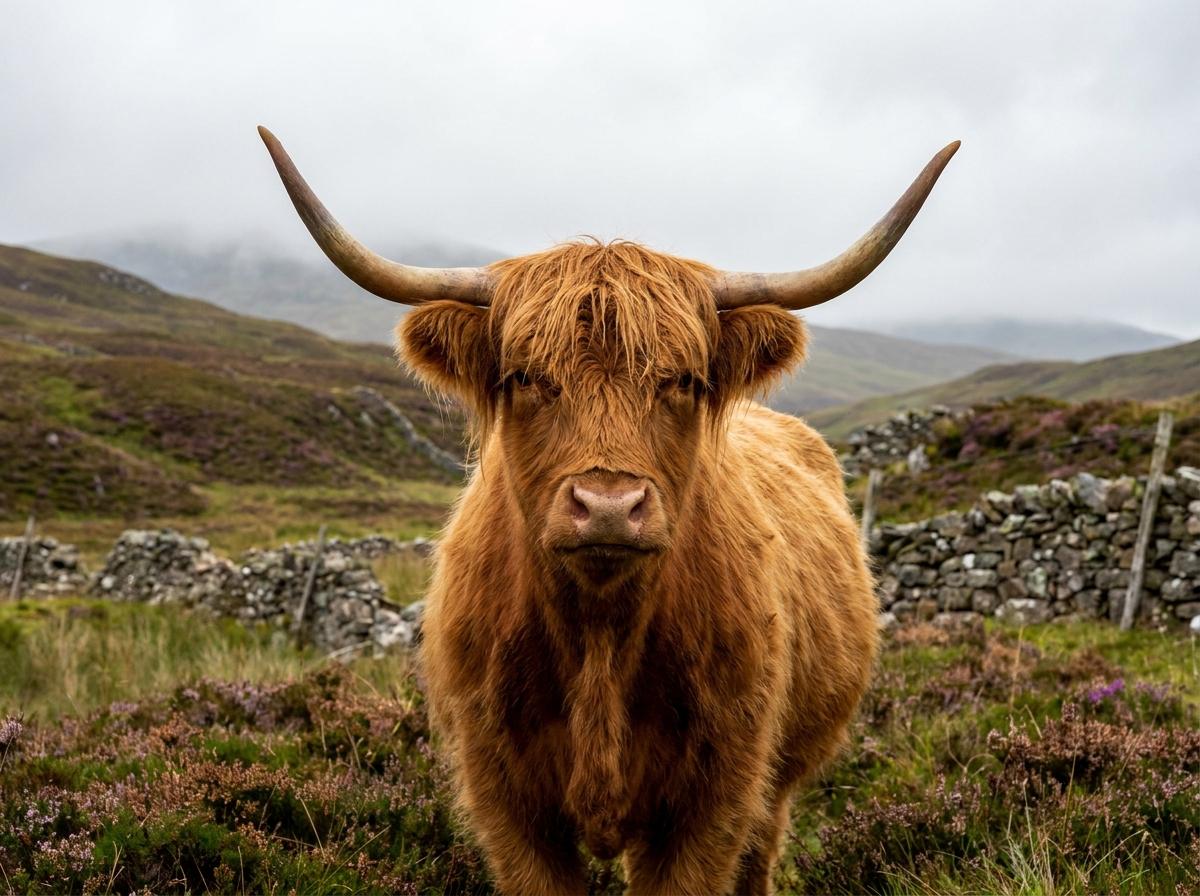
AI-generated illustration.
Learn the routine before bringing a cow home
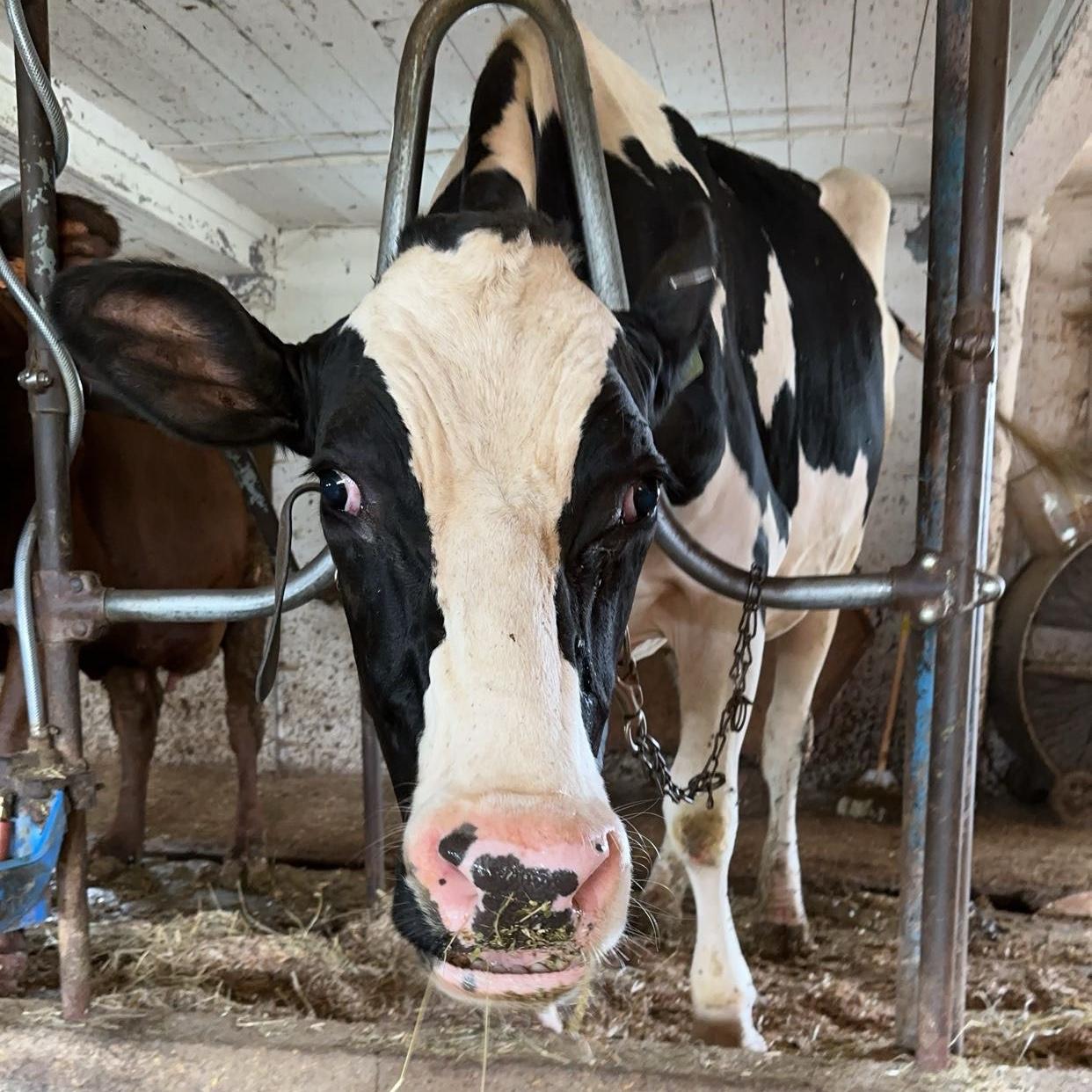
Ask to see the cow milked in her ordinary surroundings. Observe how she enters, stands and leaves. Find out whether she has been hand-milked or machine-milked and what she does when equipment, people or timing change. A seller’s demonstration is a starting point for planning your own training and facilities.
Penn State Extension’s checklist for milking highlights cow, equipment and teat cleanliness. Learn the complete routine with an experienced dairy keeper and your adviser. Cleaning equipment and monitoring the animal are part of the job, not optional tasks after the milk has been collected.
Arrange relief care before purchase. Write the routine clearly enough that the trained backup person can follow it, including whom to call when the cow behaves differently or milk appears abnormal. If nobody can cover a missed milking, the household is not yet ready for the commitment.
The Jersey guide also explores the practical demands of a family milk cow, which are worth comparing before selecting any dairy breed.
Feed and facilities should match the individual
Get the current ration in enough detail to use: actual feed products, forage type and quantities by weight. Have your veterinarian or nutrition adviser plan the change to your available feeds. The cattle feeding guide helps organize that discussion; grass alone does not establish whether a lactating cow’s needs are met.
Provide suitable resting space, reliable water, safe routes through the yard and facilities for examination and treatment. Check the water system under realistic demand, including during interruptions or extreme weather. Think about where the cow will stand and lie during wet periods, not just where she will graze in spring.
Ask about hoof-care history and any recurring mobility issue. A cow’s ability to reach feed, water and the milking area is central to daily management. Do not postpone a veterinary assessment because she can still follow the herd.
High-producing cows generate substantial metabolic heat. Penn State heat-stress guidance explains why milk output adds to heat load. Plan shade, ventilation, water access and cooling for your climate with a dairy adviser, including dry cows and growing heifers.
The cattle weight calculator gives only an estimate. Use the cattle scale guide when planning how to obtain a reliable measured weight; do not dose medication from an estimate.
Udder health and reproductive records
A breeding purchase also warrants genetic reports. CDCB’s reference covers Holstein conditions including BLAD, complex vertebral malformation, brachyspina and cholesterol deficiency, alongside fertility-related haplotypes. Ask which tests were actually performed and have both parents’ status interpreted before mating; an untested animal is not automatically free of a condition.
Request mastitis history, milk-quality results, treatments, calving dates and breeding information. Penn State’s discussion of mastitis pathogens explains the role of clean housing, appropriate milking practice and veterinary planning. No coat pattern or breed reputation removes those responsibilities.
If the cow has received medication, obtain the product, dates and veterinarian’s instructions, including any applicable withdrawal requirements. If she is offered pregnant, ask how and when that was confirmed and for the service sire’s identity. If she is dry, ask for the dry-period plan and expected calving information.
A receiving-herd health plan should be arranged before transport. Discuss testing and separation with your veterinarian, using the seller’s actual reports. An undated “health checked” label is not enough to know which risks were assessed.
Use the cattle gestation calculator with the service record, then prepare facilities and veterinary backup using the calving guide. The projected date does not confirm pregnancy.
Buying a calf, heifer or milking cow
The cow cost guide separates age and production classes so you can compare like with like.
A calf may have a lower initial asking price, but it requires rearing and time before any possible milk production. Use the calf bottle-feeding guide to understand the early workload. An uncalved heifer carries uncertainty about her eventual routine and production. A cow in milk gives you more observable information, but she also brings an immediate daily workload.
Compare prices within the same class. Add transport, feed, veterinary work, registration transfer where relevant, milking equipment, bedding and relief labor to the budget. Budgeting should establish that you can care for the cow even when production or sale income is below expectations.

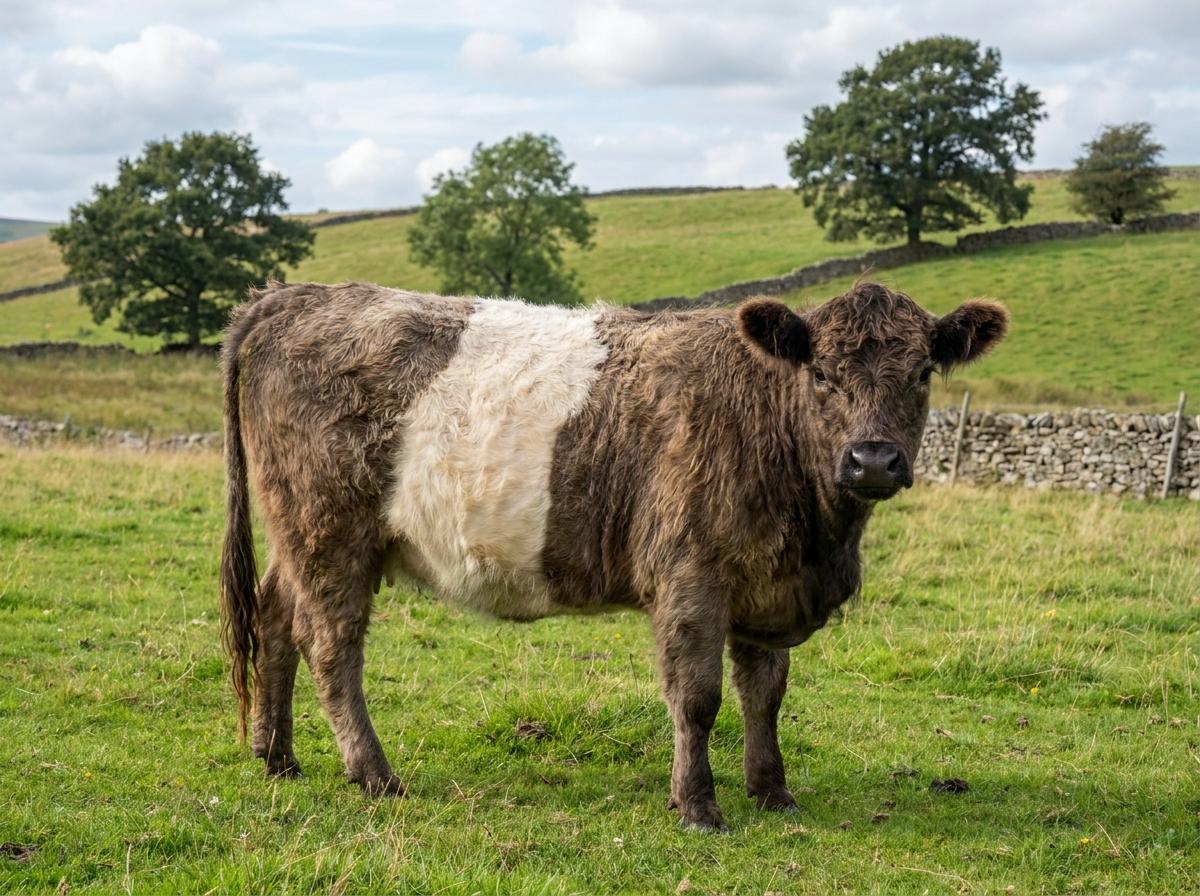
AI-generated illustration.
Build the history you will need later
Keep a dated record of identification, lactations, breeding, calving, milk-quality findings and treatment. The Creatures record guide explains how to add the information, while original laboratory and veterinary reports remain the underlying evidence.
Read the broader cattle guide, and compare Brown Swiss if you are considering another dairy breed. If you are still deciding between a cow and goats, the Alpine guide sets out a different dairy-management choice.
Holstein questions
Are red-and-white Holsteins a different breed?
No. Red-and-white is a recognized color within Holstein cattle. Check the individual registration where that matters to your plans.
Can a Holstein live on pasture alone?
Do not assume pasture alone meets the needs of every animal. The answer depends on forage quality, intake, condition and stage of production. Have the total ration assessed.
Is a calf the easiest route to a family milk cow?
It can mean a long rearing commitment and uncertainty about future suitability. A trained cow may offer more observable information, but no option removes the need for practical dairy experience and backup care.
Do this next on Creatures
Keep the animal’s identity, original documents and your dated observations together. Choose the next step that matches where you are in the process.
- Set up a Holstein search alert. Get notified when new listings match, with help from the saved-search guide.
- Check current Holstein listings; supply may be empty or change. Ask for the evidence relevant to your intended purchase.
- Start a Holstein profile. No account is needed to start. The animal-profile guide explains the details.
- Add a care or breeding record. The form opens for visitors; a free account saves the record. Read the record guide before adding documents.
- Start a breeder or farm profile. The directory guide explains how a breeder listing works.
- Explore Holstein breeders to compare sources and prepare a careful introduction to the seller.