Senepol
Author: Elliott Garber, DVM · Published
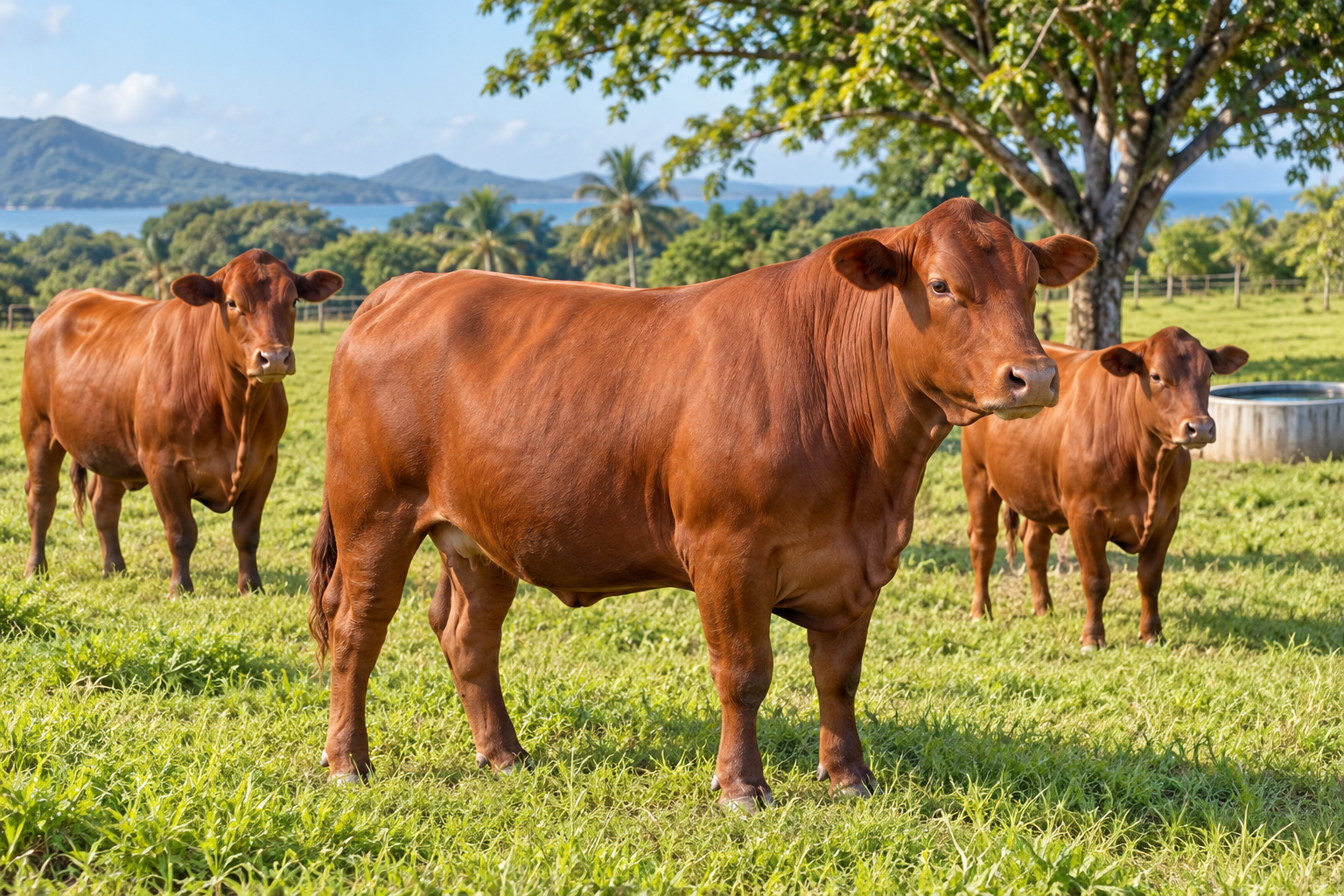
Senepol cattle are a beef breed developed on St. Croix, selected for a red coat, naturally polled heads and useful performance in a tropical environment. Their unusually short, slick hair has a documented genetic basis. That makes them worth considering for a warm-climate herd, but it does not make every Senepol equally productive, parasite resistant or safe to handle.
If you are comparing breeding cattle, start with the animal’s identity and its own records. The free cattle pedigree chart maker can organize the ancestry you enter while you check the registry certificate and supporting documents. A chart does not certify parentage.
| Origin | St. Croix, United States Virgin Islands |
|---|---|
| Primary role | Beef cattle and planned crossbreeding |
| Typical appearance | Red, short coated and naturally polled |
| Research focus | PRLR variants associated with slick hair |
| US registry | Senepol Cattle Breeders Association |
| Buying priority | Match registration, individual records and herd environment |
Browse listings, public profiles, breeders, or add your animal.
Origin, appearance and the name on the papers
The Senepol Cattle Breeders Association’s breed history describes the St. Croix foundation from N’Dama and Red Poll cattle. Selection favored red color, polled heads and adaptation to the island environment. Senepol belongs to the taurine beef-cattle tradition; it should not be identified by the hump associated with zebu cattle.
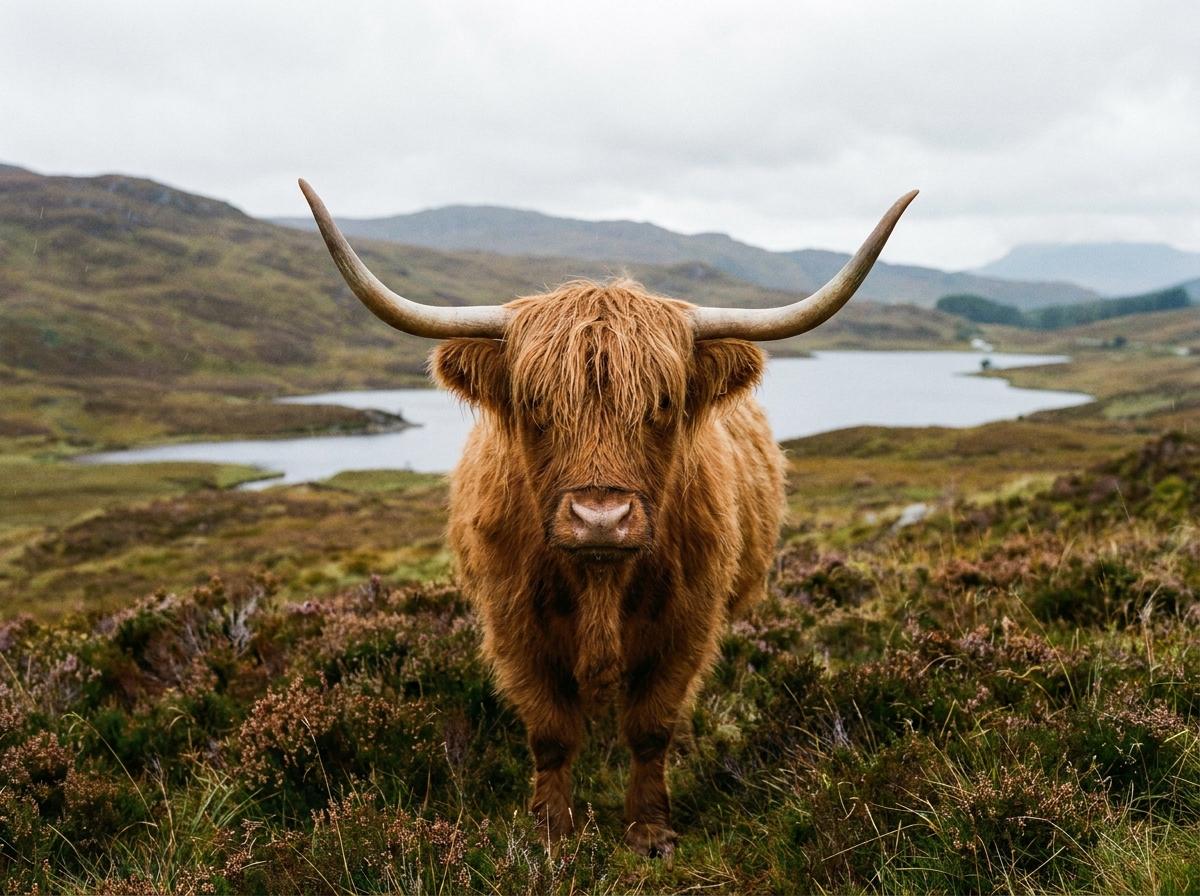
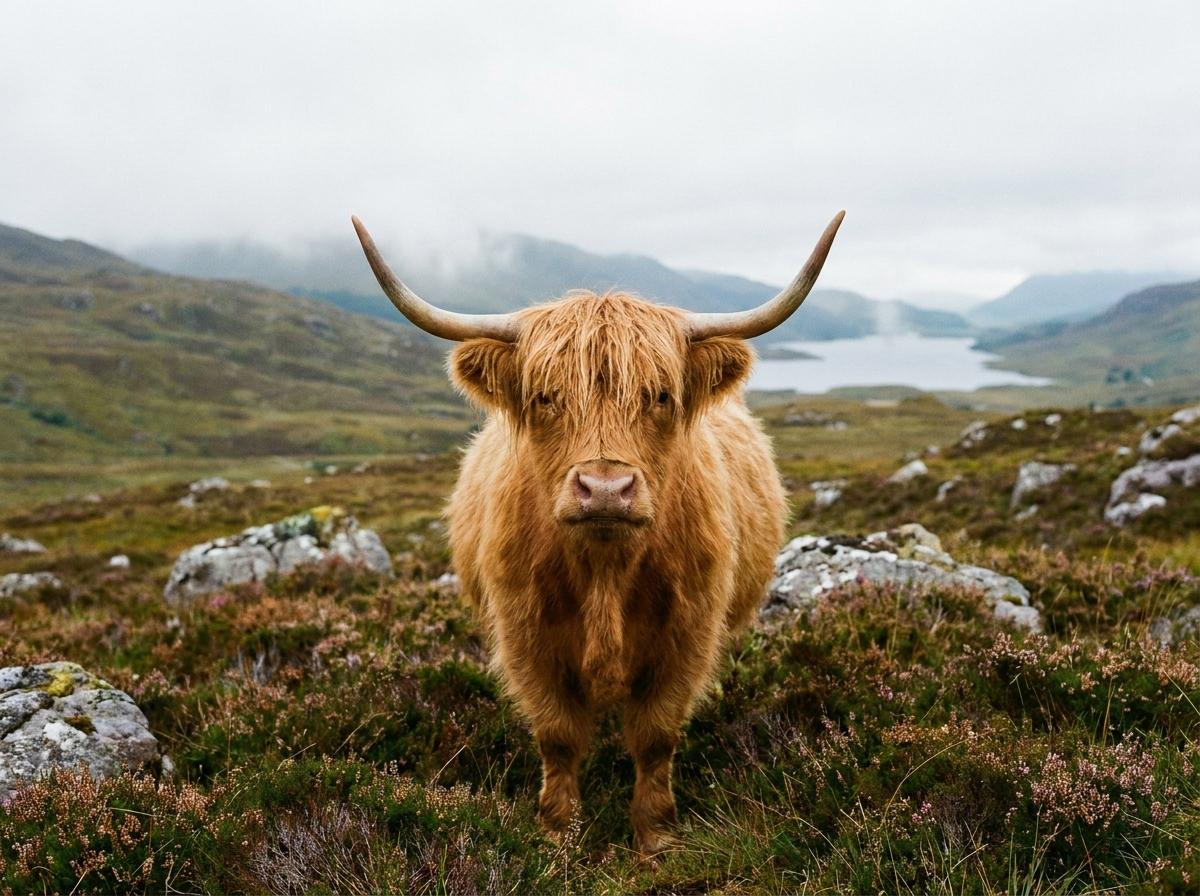
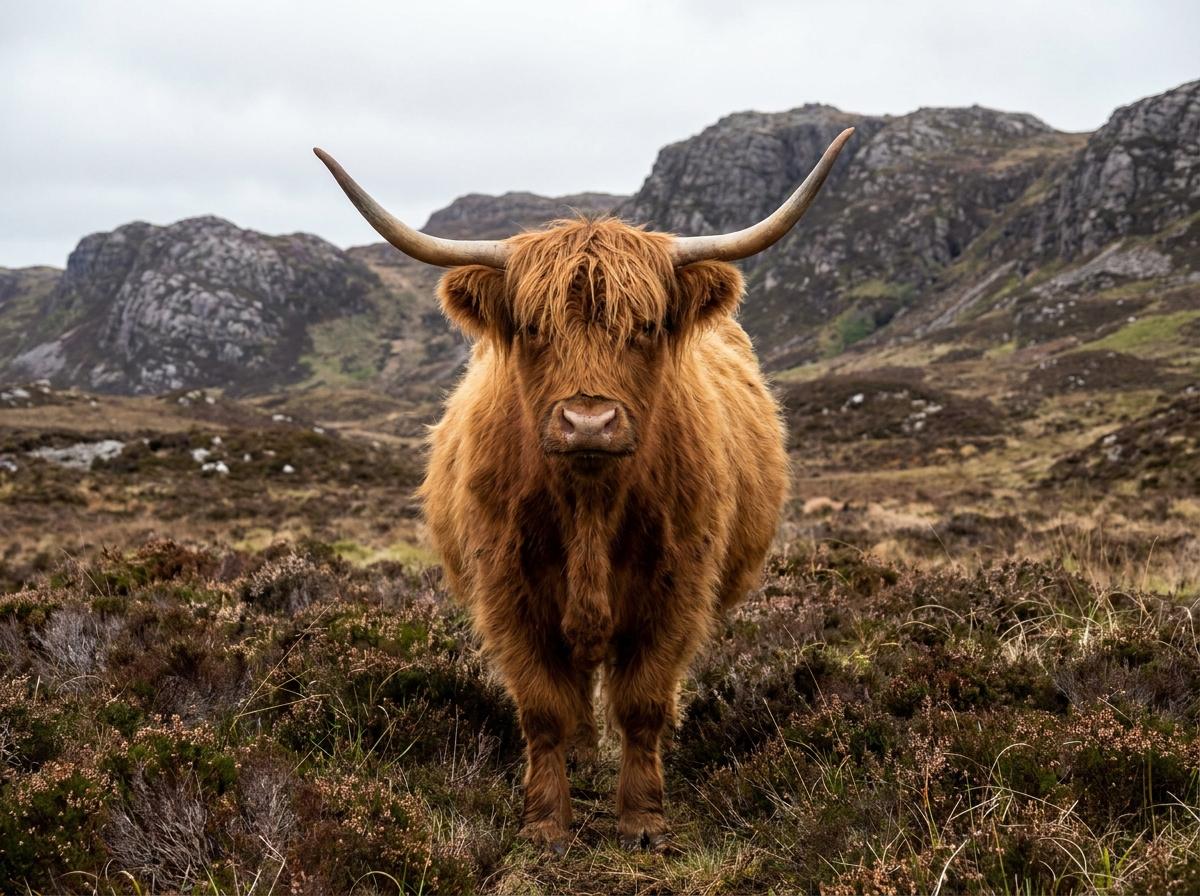
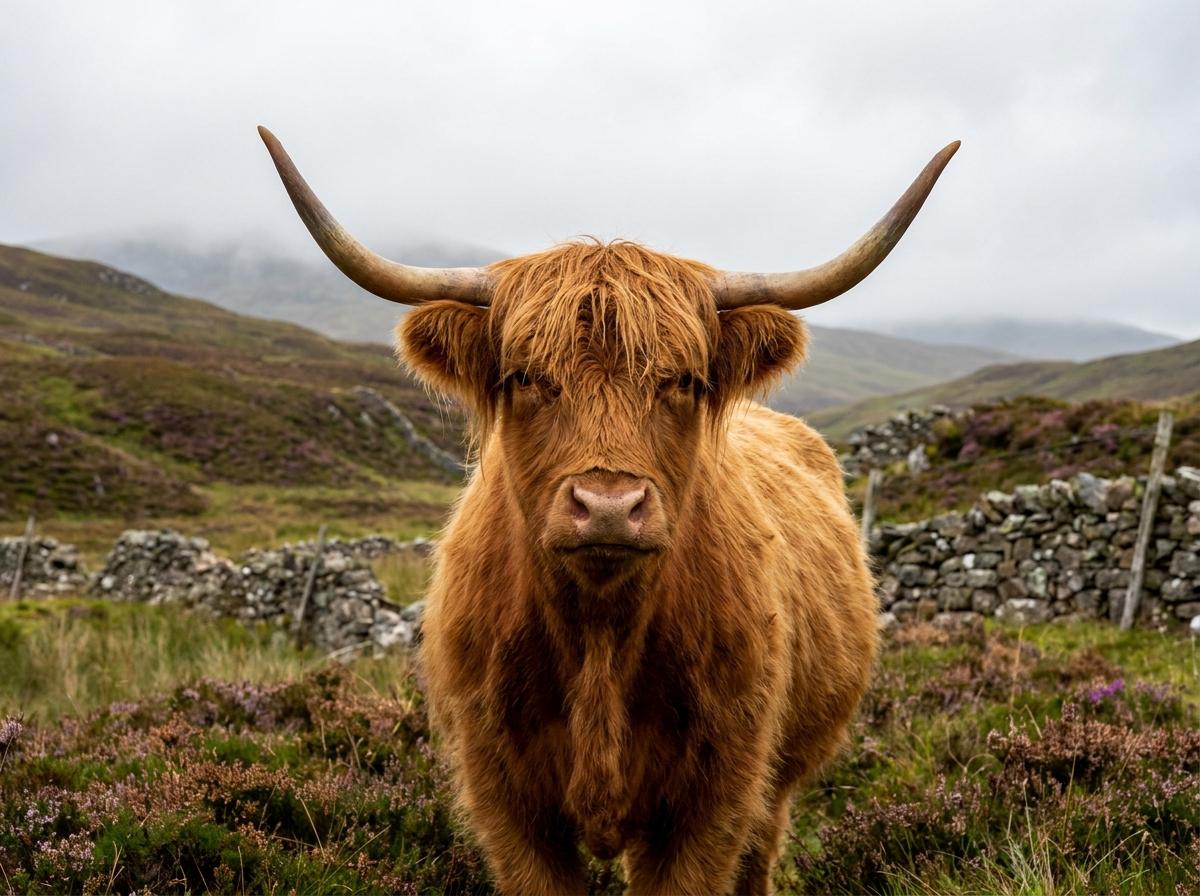
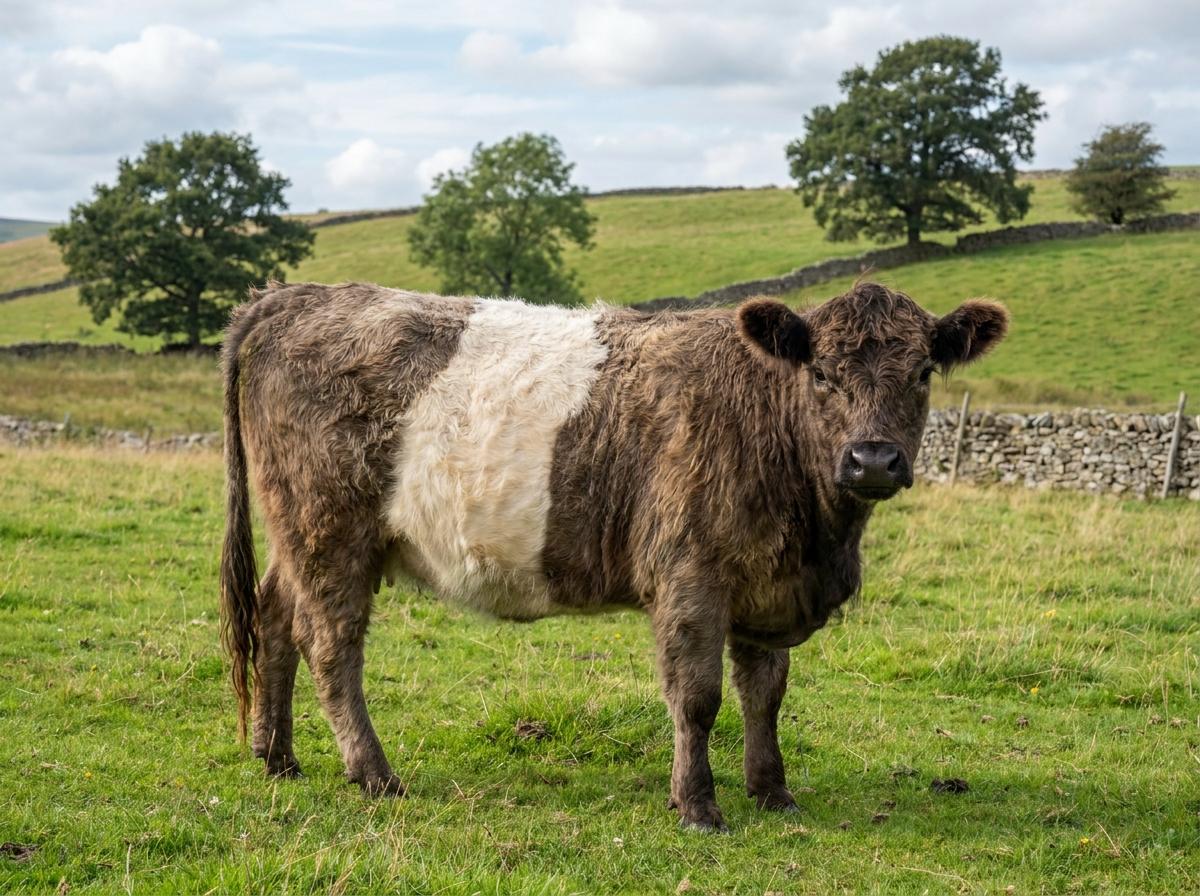
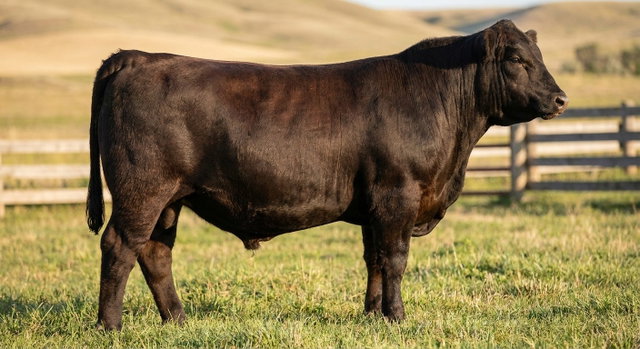
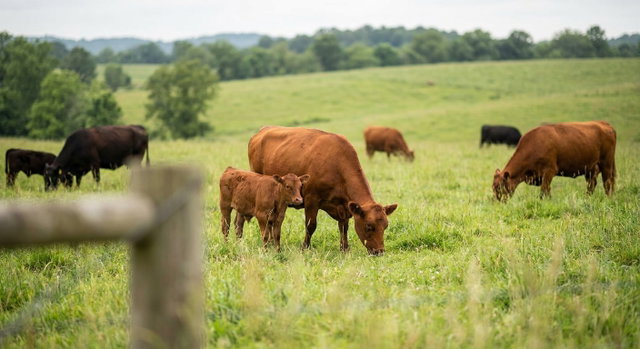
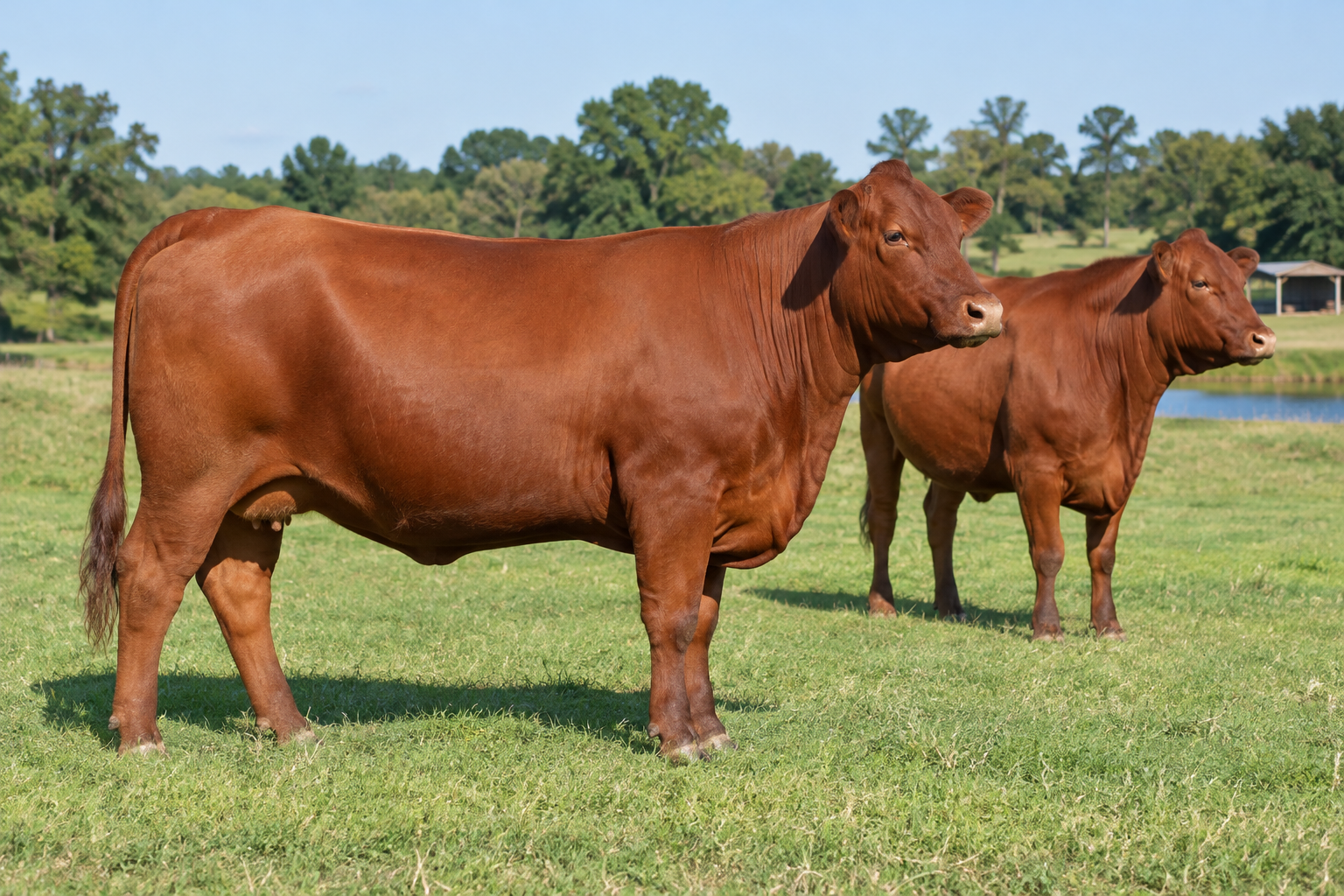
The recognizable animal is a substantial, short-haired red beef cow or bull with a smooth, hornless head. Red color alone proves little. A red commercial cross may resemble a Senepol, and a percentage Senepol can be a useful animal without being fullblood.
The SCBA’s published registration rules distinguish fullblood, purebred and percentage cattle. Fullblood depends on the specified pedigree route. Purebred has its own ancestry requirements, and the rules address color, white markings and horn status. They allow polled or scurred cattle in relevant categories, so a small scur is not the same as a fully developed horn. Ask the registrar about the exact animal rather than judging eligibility from a sale photograph.
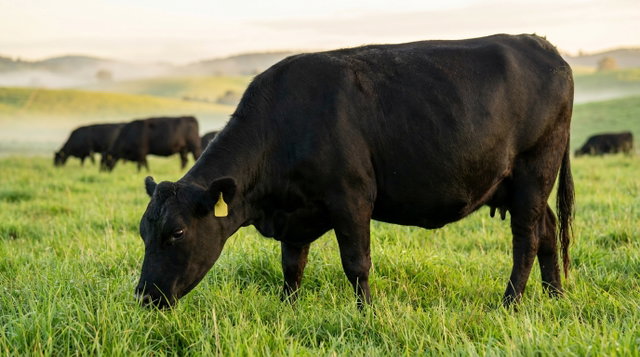
For a black animal advertised as Senepol, request the certificate and recorded category. Do not assume either that the color makes it fraudulent or that the word Senepol means fullblood. The association’s rules explicitly contemplate breed-up cattle and color differences.
What the slick-hair research actually establishes
A primary 2014 study of prolactin signaling in cattle identified a truncating variant in the prolactin receptor gene, PRLR, strongly associated with the slick-coat phenotype in Senepol and studied crosses. The Senepol slick variant acts dominantly, so one copy can produce the short-coat trait. It does not mean every red, short-haired calf carries a particular tested variant.
A 2018 follow-up study found additional PRLR truncation variants in other slick-coated cattle populations. Some animals’ observed coats and tested genotypes did not match perfectly. Consequently, slick hair is neither proof of Senepol ancestry nor a complete substitute for a laboratory report.
These papers place slick hair in the context of heat adaptation. They do not provide a universal gain, fertility or milk-yield promise for Senepol beef cattle on your farm. Results in a particular dairy cross or research population should stay attached to that population.
If slick genetics are part of your purchase decision, ask which variant was tested, whether the animal carries one or two copies, which laboratory issued the result, how the sample was tied to the animal and whether the report is available. Record the observed coat separately from the test result. A pedigree, coat observation and DNA report answer different questions.
Heat adaptation still needs heat management
Provide accessible clean water, enough shade for the group and air movement. Avoid unnecessary handling and transport during severe heat. University of Wisconsin Extension’s cattle heat guidance identifies increased breathing, drooling and open-mouth breathing among warning signs. A cow showing distress needs prompt attention, regardless of breed.
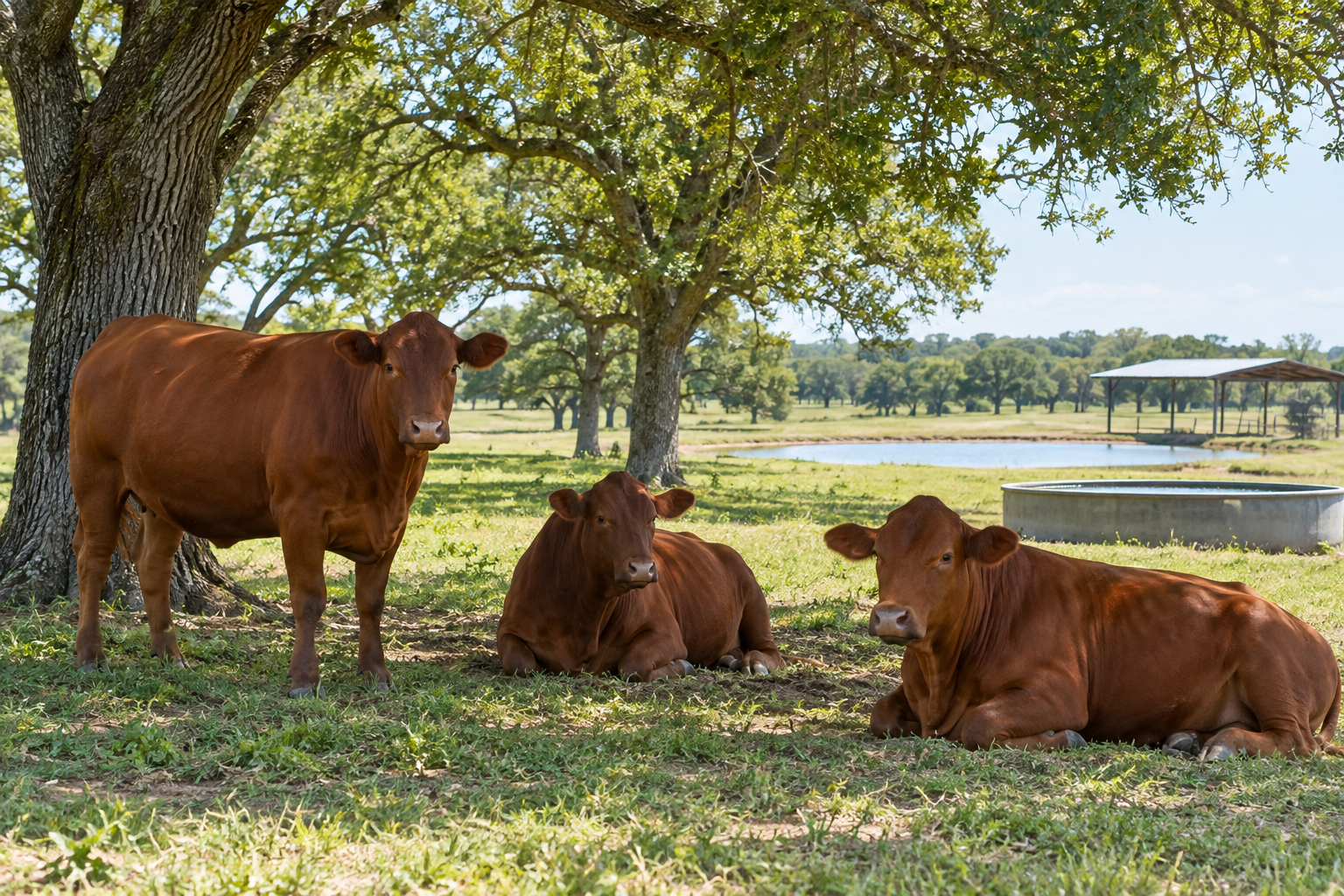
Walk the pasture during the hottest part of the day before buying cattle. Check whether timid animals can reach water without being displaced and whether the shaded area actually accommodates the herd. A breed selected in the tropics cannot compensate for a failed water supply or a crowded holding pen.
Cold, wet weather also belongs in the plan. Ask how the seller’s cattle have wintered, what protection they used and whether that resembles your conditions. Do not assume a tropical breed’s marketing description tells you how an individual will fare through your local winter.
Feeding, facilities and routine health care
Build the ration around the forage available and the animal’s stage of production. A growing calf, a lactating cow and a mature dry cow do not have identical needs. Use forage analysis and local nutrition advice to decide what supplements and minerals are necessary. Oklahoma State University’s beef nutrient guidance explains why body size, production and forage quality matter more than a breed label. Our cattle feeding guide gives the practical planning sequence.
Plan secure fencing, sound footing and a handling system before arrival. Arrange a cattle veterinarian and discuss incoming-animal separation, vaccination, parasite management and reproductive examinations for your operation. Heat tolerance is not evidence of freedom from ticks, worms, infectious disease or reproductive problems. The Mississippi State beef producer guide is a useful reference for building a herd health and management plan with professional help.
Track condition and actual weights over time. The cattle weight calculator provides a measurement-based estimate; retain the measurements and method. Use a scale when accurate weight matters. Never relabel a tape estimate as a scale weight in a sale record or use the calculator as a medication dosing instruction.
Breeding decisions and records worth keeping
Start with a breeding objective: replacement females, a terminal cross or registered seedstock. Then compare animals on reproductive history, feet, udders, handling behavior and the performance records that matter to that objective. Ask for calving difficulty as well as birth weights. No breed name guarantees an unassisted birth.
Record mating or insemination dates, sire identity, pregnancy-examination findings and the eventual outcome. The cattle gestation calculator can give a planning estimate from a breeding date. It cannot diagnose pregnancy or promise a calving date. The cattle record keeping guide shows how to keep the observations useful across seasons.
Buying Senepol cattle without buying the sales pitch
There is no defensible universal Senepol price. Ask for a dated quote for the actual animal, then add transport, testing, transfer paperwork, facilities, feed and ongoing care. Compare cattle of similar sex, age, registration category and reproductive status. A semen price, a commercial calf price and a proven breeding bull price are different purchases.
Ask the seller:
- What is the permanent ID, registry number and exact registration category? Can ownership transfer be completed?
- Which records are measured results, estimates or the seller’s observations?
- What forage, heat, parasites and winter conditions has the animal actually experienced?
- What is its calving or breeding history, and what reproductive examination has been done?
- Can I see its feet, udder where applicable and calm movement through the handling system?
- If a slick test is advertised, can I see the complete animal-linked laboratory report?
Read how to check cattle pedigree papers before paying for a pedigree claim. If you are comparing breeds, the Salers guide focuses on maternal selection, while Speckle Park and Piedmontese have different identity and breeding questions. The cattle hub helps you compare those choices without treating their strengths as interchangeable.
Frequently asked questions
Are Senepol cattle naturally hornless?
Polled heads are a defining selection goal. SCBA rules also address scurs and horn status by registration category. Verify the individual and its papers instead of assuming every animal offered under the name has the same status.
Does slick hair mean a cow cannot overheat?
No. Slick-coat research supports heat adaptation, not immunity to heat stress. Shade, water, sensible handling and observation remain necessary.
Does every short-haired red cow have Senepol genetics?
No. Appearance cannot establish ancestry or a PRLR genotype. Other populations have slick-associated variants, and a coat photograph is not a laboratory test.
Is Senepol suitable for a small farm?
Judge the individual cattle, your pasture and facilities, your handling experience and the support available. Start with manageable, well-documented animals and an honest budget. A docility claim is not a safe-handling plan.
How much do Senepol cattle weigh or live?
Use the actual animal’s age, scale records, body condition and herd history. This guide does not turn a promotional adult weight or longevity figure into a breed-wide expectation.
Do this next on Creatures
Choose the next action that fits your stage. Keep purchase claims and your own observations tied to the right animal.
- Watch for a suitable listing. Save a Senepol cattle listing alert for future matching listings. No account is needed to start. See saving searches and using your watchlist.
- Check current listings. Browse Senepol cattle listings. Availability changes; inspect the actual listing and contact the seller about its documents and terms.
- Research a breeder or farm. Browse the breeder directory. A directory entry does not guarantee available stock or establish the animal’s identity, soundness or suitability.
- Start an animal profile. Add your Senepol cattle profile. No account is needed to start; a free account keeps the records. Follow adding an animal to Creatures.
- Keep the evidence. Add a health, weight, breeding or care record. The sheet opens for visitors; a free account saves it. See adding a record and health and medical records.
- Describe your operation. Start a breeder or farm profile. Starting a profile does not verify breeder status or guarantee directory admission. Read creating an organization and adding your team and getting listed in the breeder directory.