Normande
Author: Elliott Garber, DVM · Published
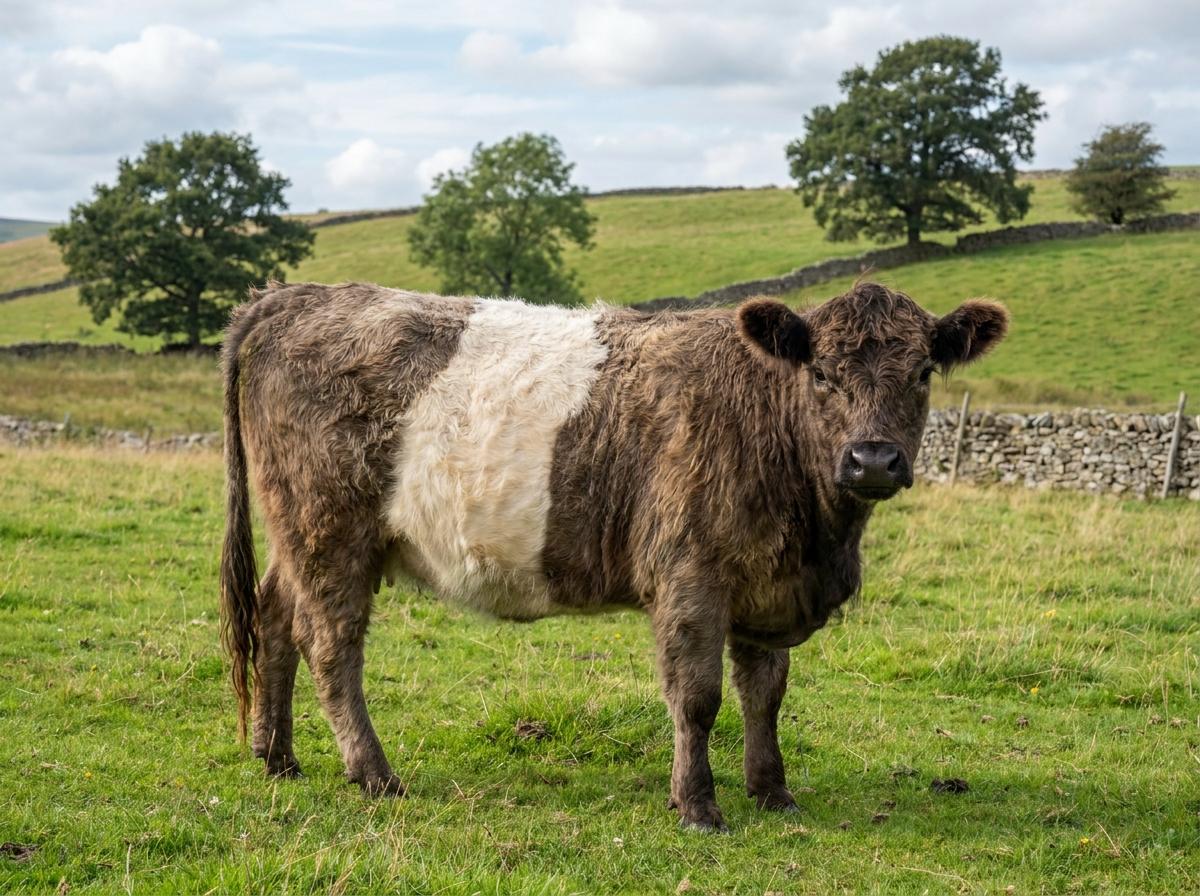
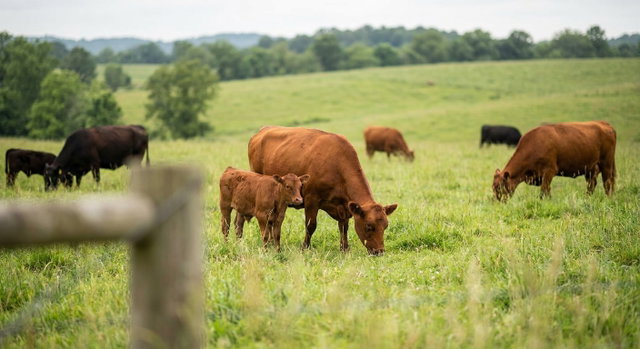
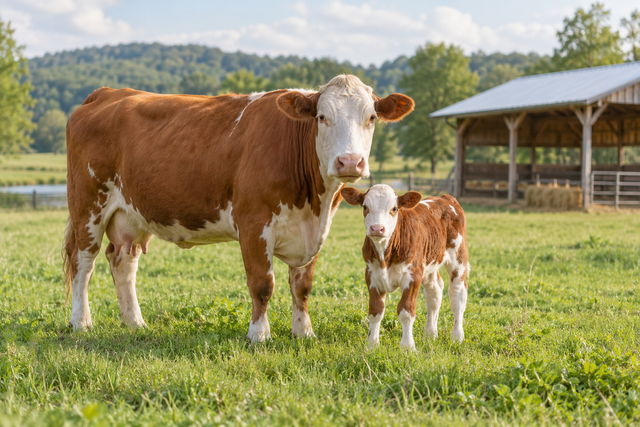
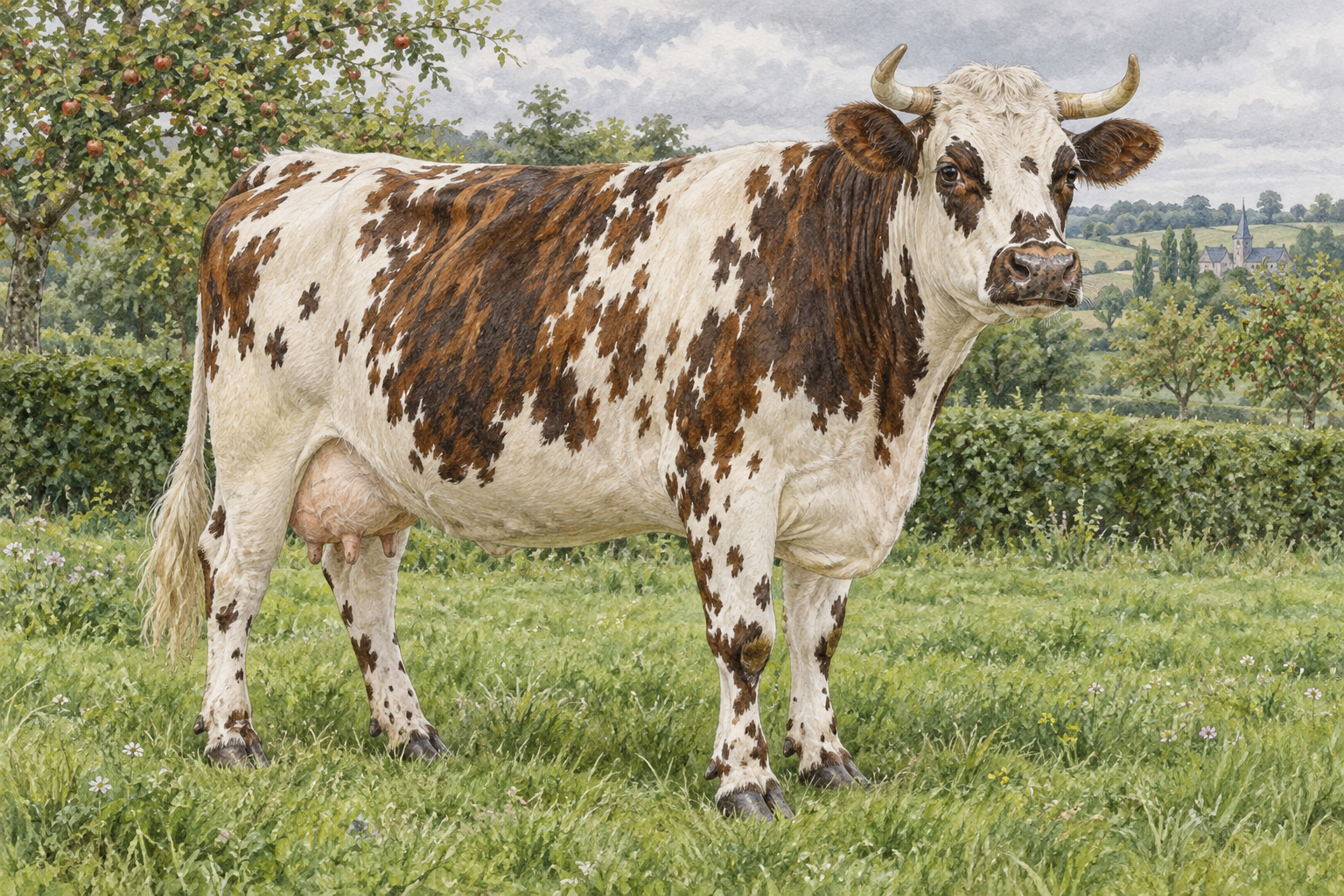
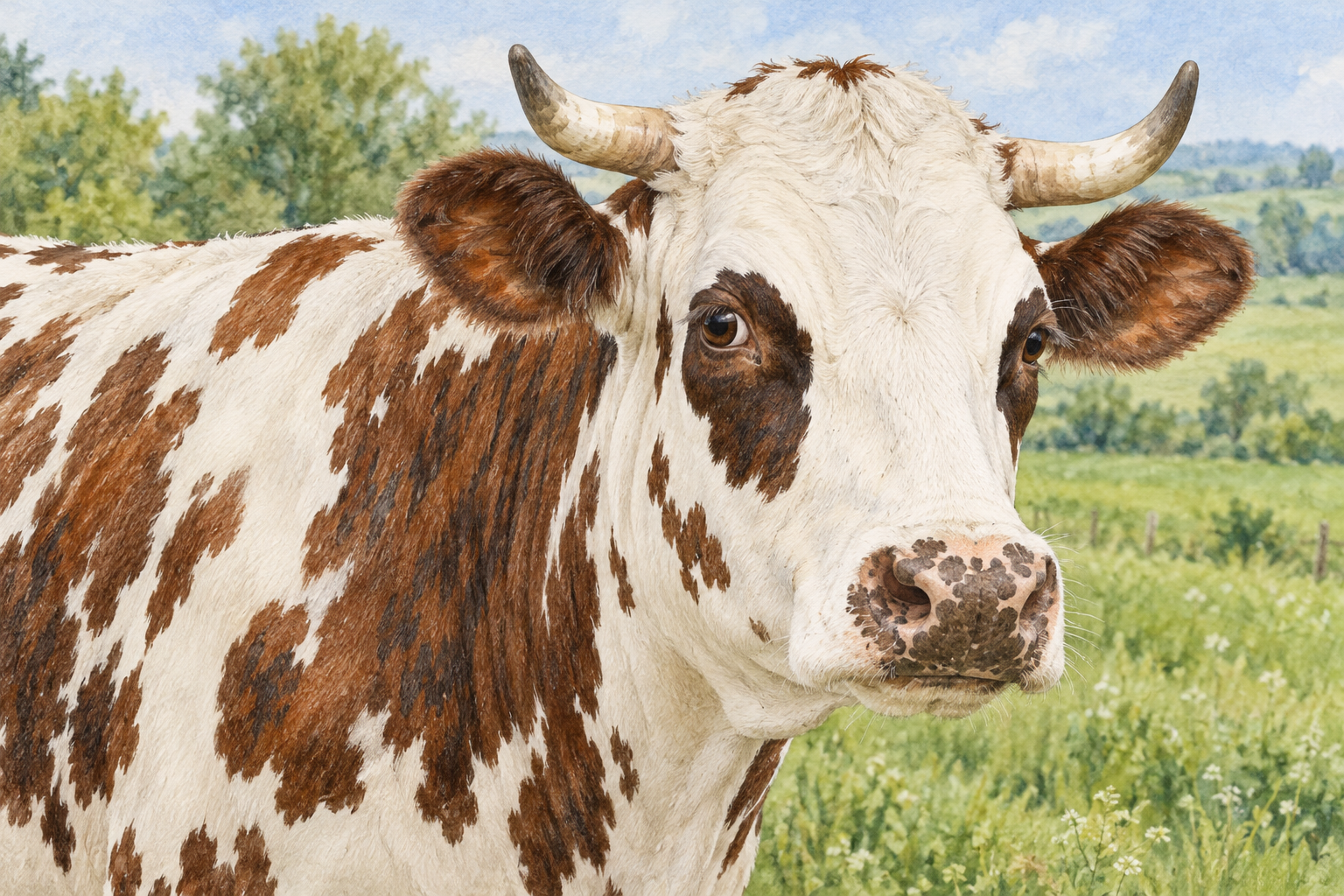
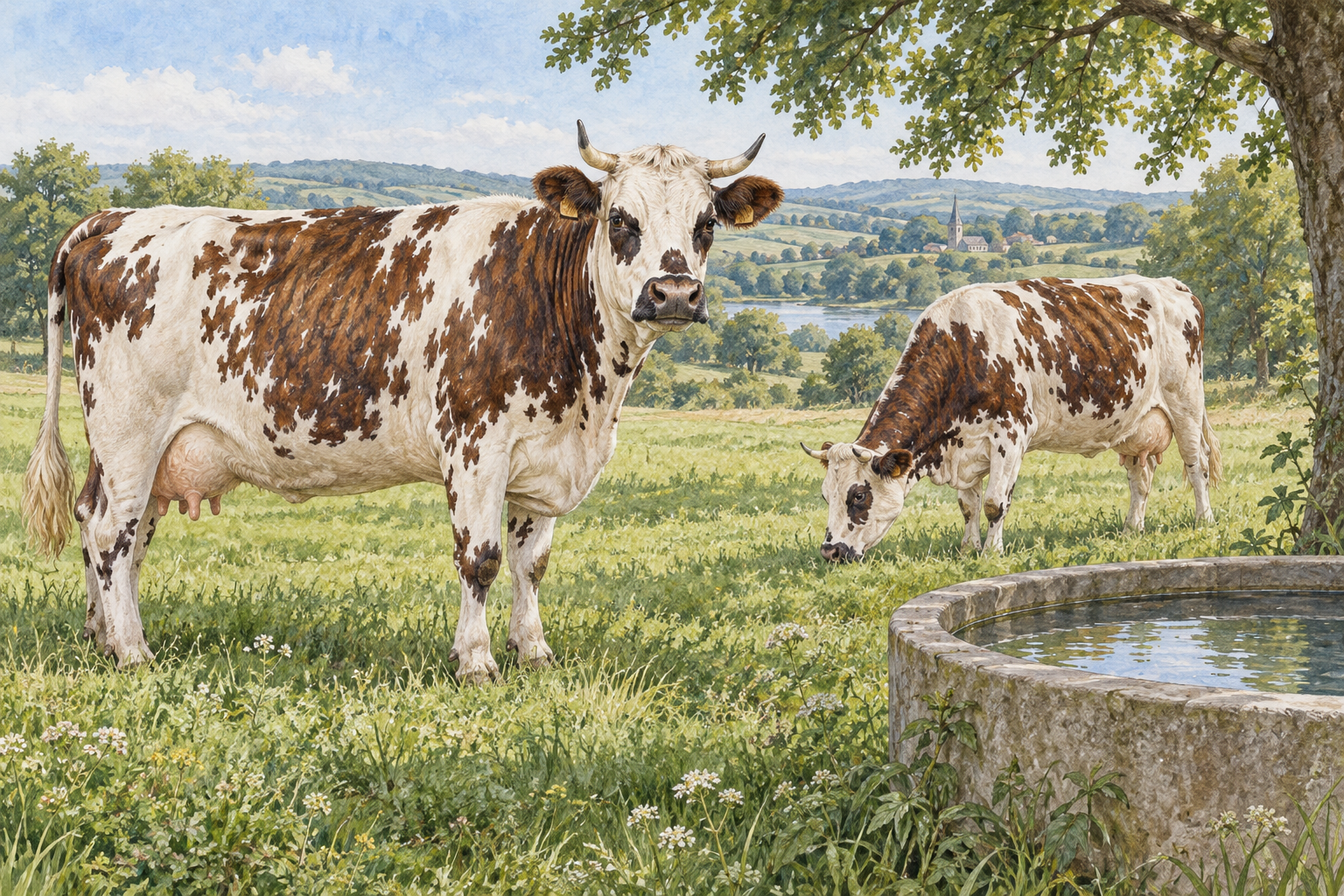
Normande cattle are a French dual purpose breed used for milk and beef. Their white and brown or brindled coats, often with dark patches around the eyes, are distinctive, but buyers should put production history and handling ahead of markings. Use the Normande marketplace filter to compare actual animals, then ask what each seller’s herd is bred to do.
| Breed origin | Normandy, France |
|---|---|
| Use | Milk and beef |
| French adult females | 700 to 800 kg, descriptive breed reference |
| French adult males | 900 to 1,100 kg, descriptive breed reference |
| Coat | White, brown and dark brindled areas in variable proportions |
| Buying priority | Individual production, health and reproductive records |
Source for the measurements and description: Organisme de Selection en Race Normande, Description. Context: adult females and males in the French breed profile, not weight limits or a prediction for an individual. Source effective date: undated; checked October 16, 2026.
Browse listings, public profiles, breeders, or add your animal.
What dual purpose means for a buyer
The French breed organization describes Normande cattle as producing both milk and beef. That gives a buyer a useful starting point, but it does not make every cow a proven family milk cow or every bull a suitable choice for a particular beef herd. Ask the breeder which traits the herd has actually been selected for.
For a cow intended for milking, request dated milk test and lactation records, stage of lactation, calving history and the current milking routine. If hand milking matters, have the seller demonstrate what the animal presently accepts. A past production figure without the period, feeding system or cow identity is hard to use.
For breeding stock, ask for pedigree and registration information alongside the evidence behind the seller’s production claims. If the animal is represented as a crossbred, record that clearly. A familiar color pattern is not a registration certificate.
Appearance and size need context
The official French description explains that the balance of white, brown and brindled coat varies; the characteristic eye patches are common rather than an identical marking on every animal. Source effective date: undated; checked October 16, 2026.
The adult weight references in the card belong to the French breed description. We do not convert them into a required weight for a North American heifer or promise an adult animal will fall inside that range. Ask when and how the offered animal was weighed. For a growing heifer, age and development are part of the question.
If you are weighing French breeds for a mixed farm, our Tarentaise cattle guide explains a different dairy background and the need to distinguish regional breeding goals. The cattle hub helps keep the comparison broader than coat color.
Milk claims worth checking
A useful milk record identifies the cow, dates and stage of lactation, and distinguishes volume from fat and protein results. Ask whether a number is a daily measurement, a completed lactation or a projection. Keep the original units instead of comparing a daily volume with a lactation total.
If a seller makes an A2 beta casein claim, request the laboratory result or documented basis for that specific animal. Do not infer a milk genotype from breed, color or the way the milk tastes. This guide makes no breed wide genotype guarantee.
For a household cow, also ask what happens at drying off, how the calf is managed and what labor the routine requires. For a commercial dairy, evaluate the animal within your herd’s feeding, milking and recording system. The most attractive breed average cannot answer those practical questions.
Preparing to bring cattle home
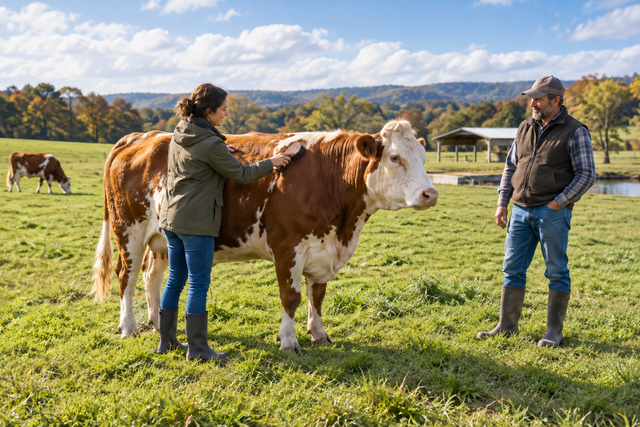
Iowa State University Extension advises requesting health records and assessing structure, temperament and fitness for the intended purpose. Source effective date: undated; checked October 16, 2026. Work with your veterinarian on tests and an incoming stock plan before the animals arrive.
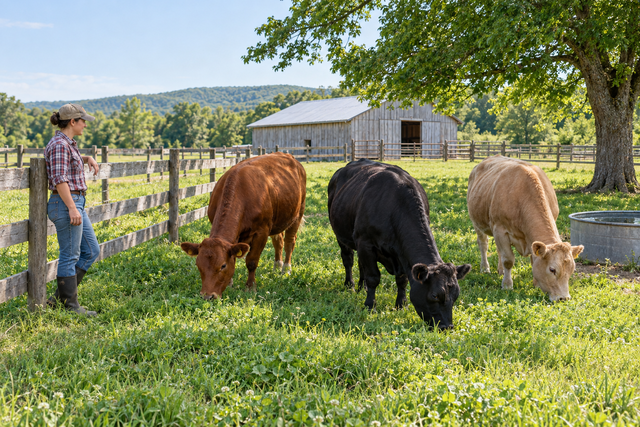
Walk through your handling route, water access, shelter and forage supply before paying a deposit. Arrange suitable transport and confirm transfer paperwork. For a female sold as pregnant, ask who made the diagnosis, when it was made and which service is represented. A written agreement should make clear what is known and what remains an estimate.
Cost and availability
There is no sourced numeric offer in this guide. A young calf, bred heifer, lactating cow and breeding bull need separate quotes. Request a dated written offer tied to the animal, with registration, testing, transport and other fees listed. A seller’s asking price would describe that offer, not the typical value of the breed.
Availability can change before a directory page or advertisement is updated. Confirm the animal is still available and that the advertised record belongs to it. Keep the offer and purchase documents together so a later reader can tell an asking price from a completed sale.
Questions buyers ask
Are Normande cattle suitable for milk and beef?
The official French breed description identifies both uses. For a purchase, ask which use the herd and individual animal are selected for and request the corresponding records.
Is every Normande brown and white with eye patches?
The coat pattern varies, and the official description says the eye patches are often present. Appearance helps you recognize a breed type; recorded ancestry requires documents.
Is a breed average enough to choose a milk cow?
No. A dated record for the individual, its handling and its current management are more useful for deciding whether that cow fits your farm.
Do this next on Creatures
Find an animal or breeder
Browse Normande listings and check each animal’s current location and availability. If a suitable listing is missing, save a Normande search and receive listing emails. No account is needed to start. Saving searches and using your watchlist explains the next steps.
Use the breeder directory to explore cattle farms and breeding programs. Ask whether they actually keep this breed and have suitable animals available; a directory entry is not a stock reservation.
Keep the individual history
Add your Normande animal profile, with no account needed to start. Keep identification and the seller’s documents together. See adding an animal to Creatures.
Add a care, weight or health record. The form opens for visitors; a free account is required to save. Adding a record explains how to attach the history to the right animal.
Make your breeding program easier to evaluate
Create your breeder or farm profile. No account is needed to start. Add the breeds you actually work with, then keep availability and contact details current. Read creating an organization and adding your team before inviting collaborators.
Sources checked October 16, 2026. The Creatures content routine owns refreshes with Elliott’s review: stable facts yearly or on reported change; seller price lines monthly in the selling season and quarterly otherwise. An overdue price line is removed.