Simmental
Author: Elliott Garber, DVM · Published
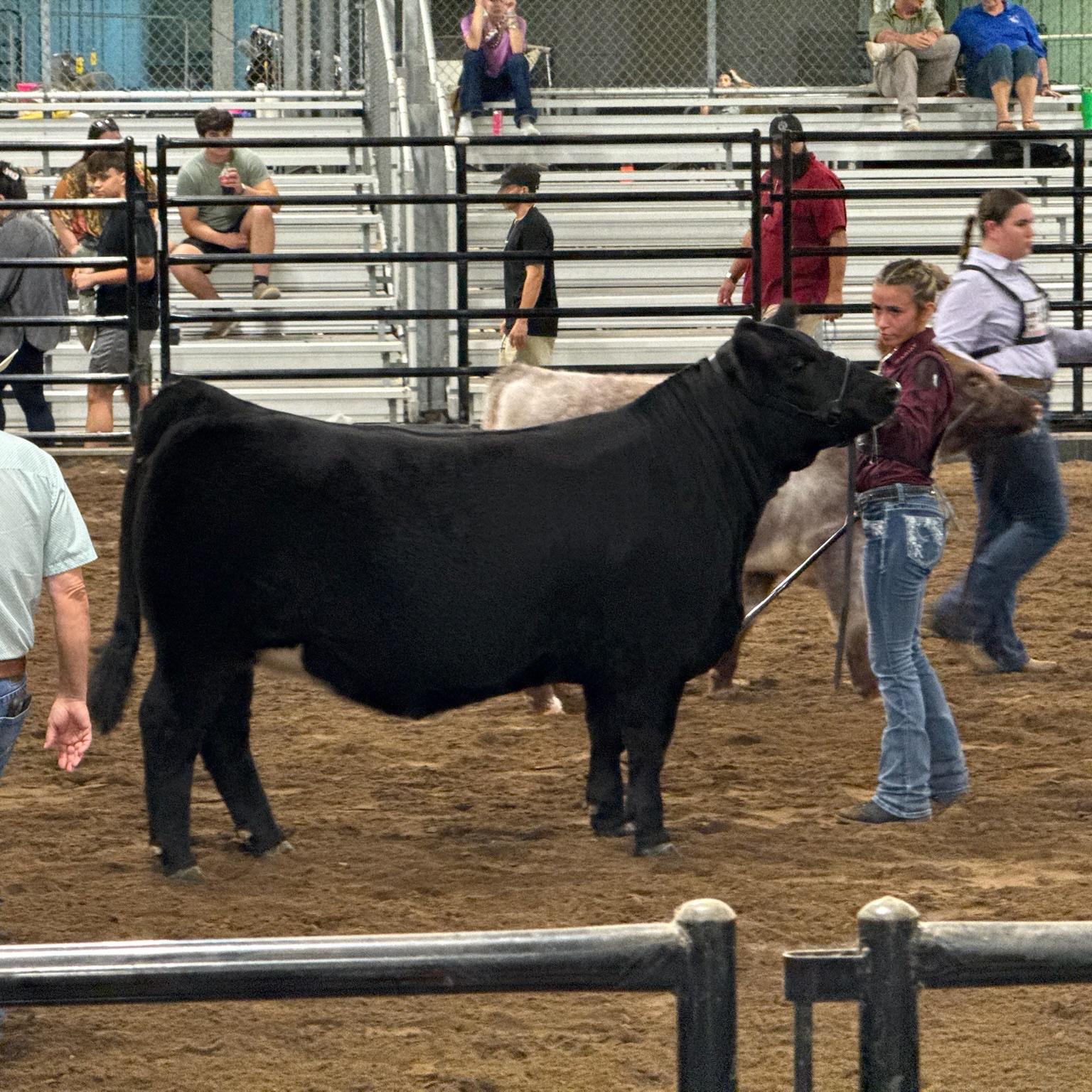
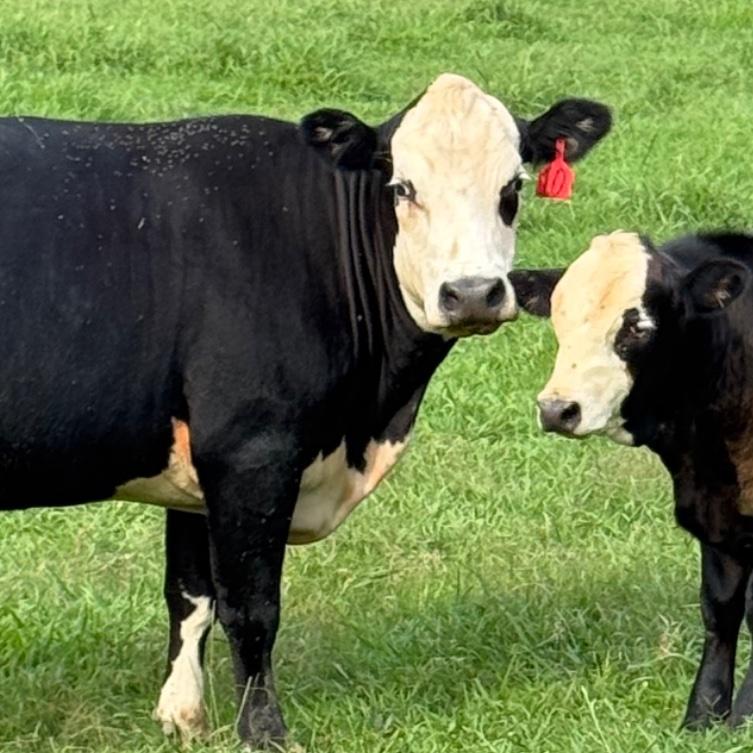
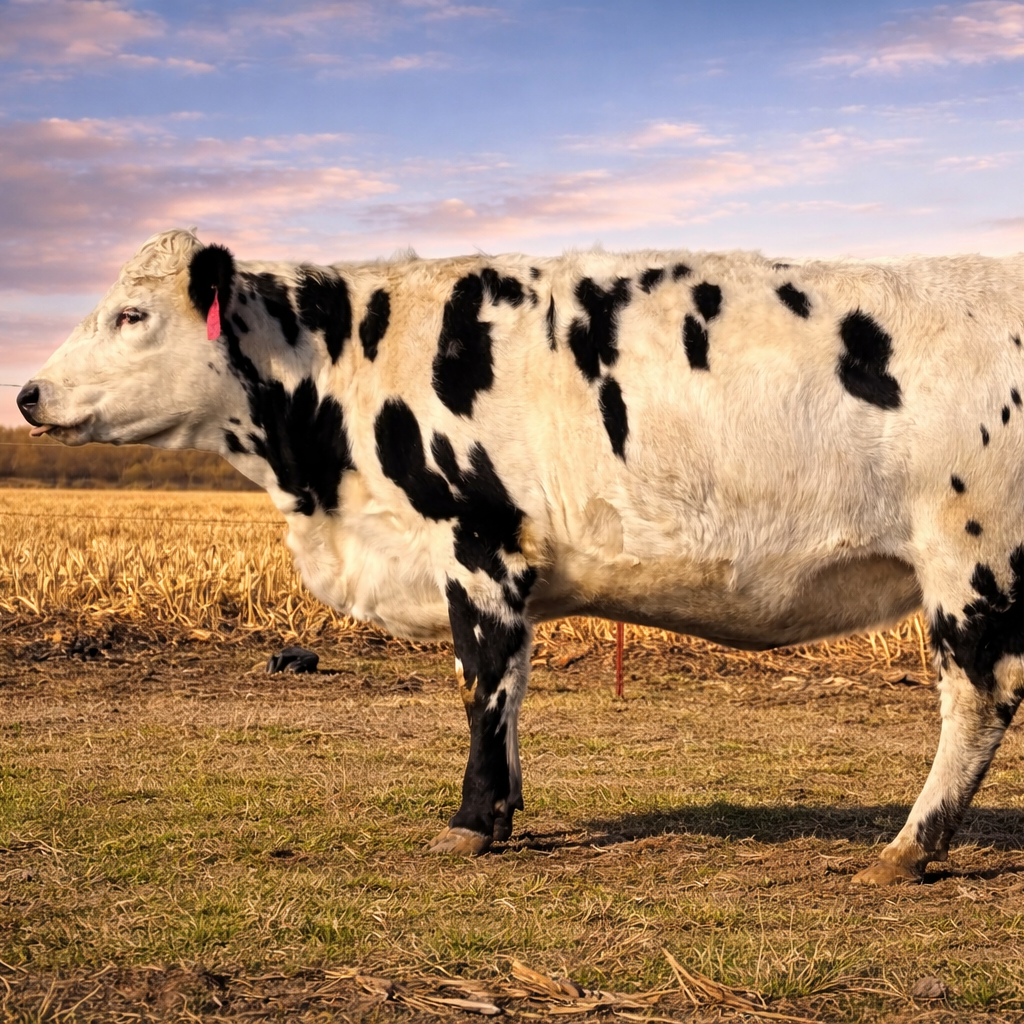
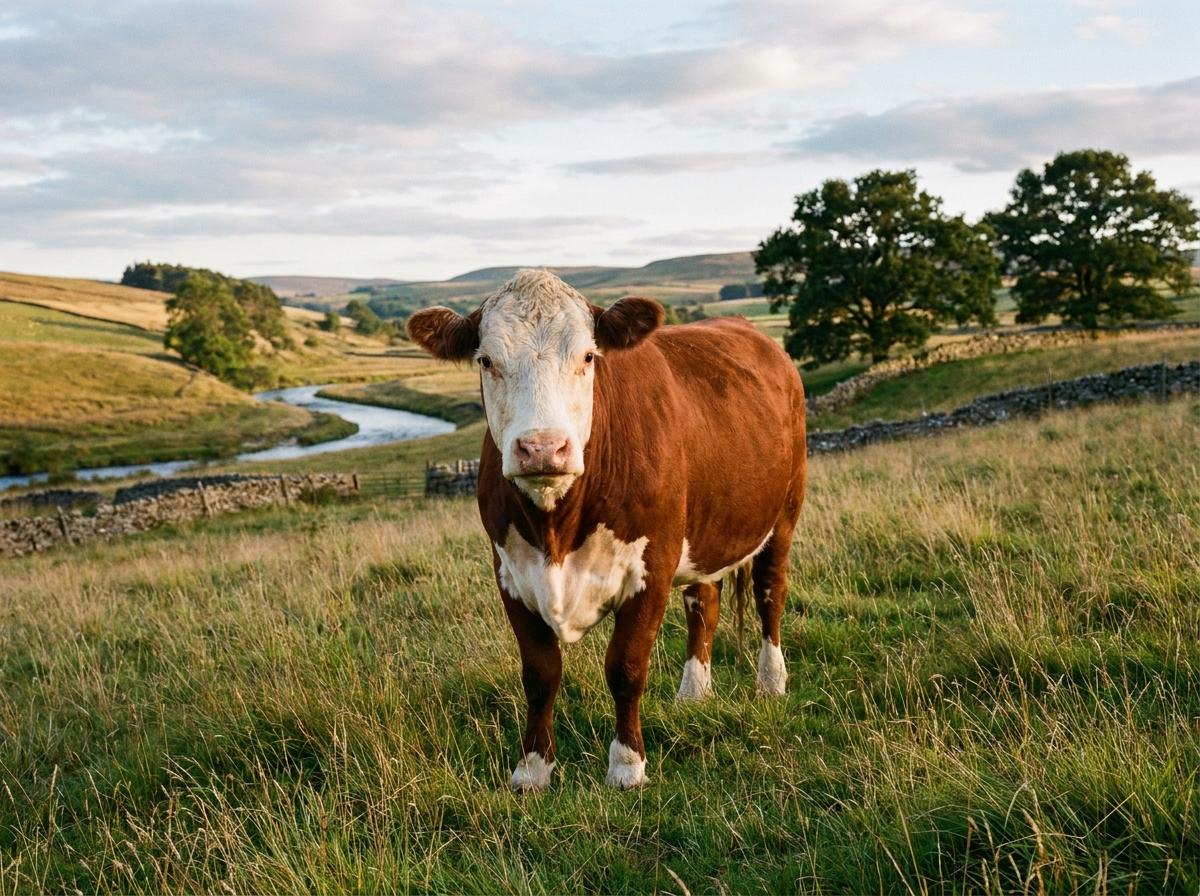
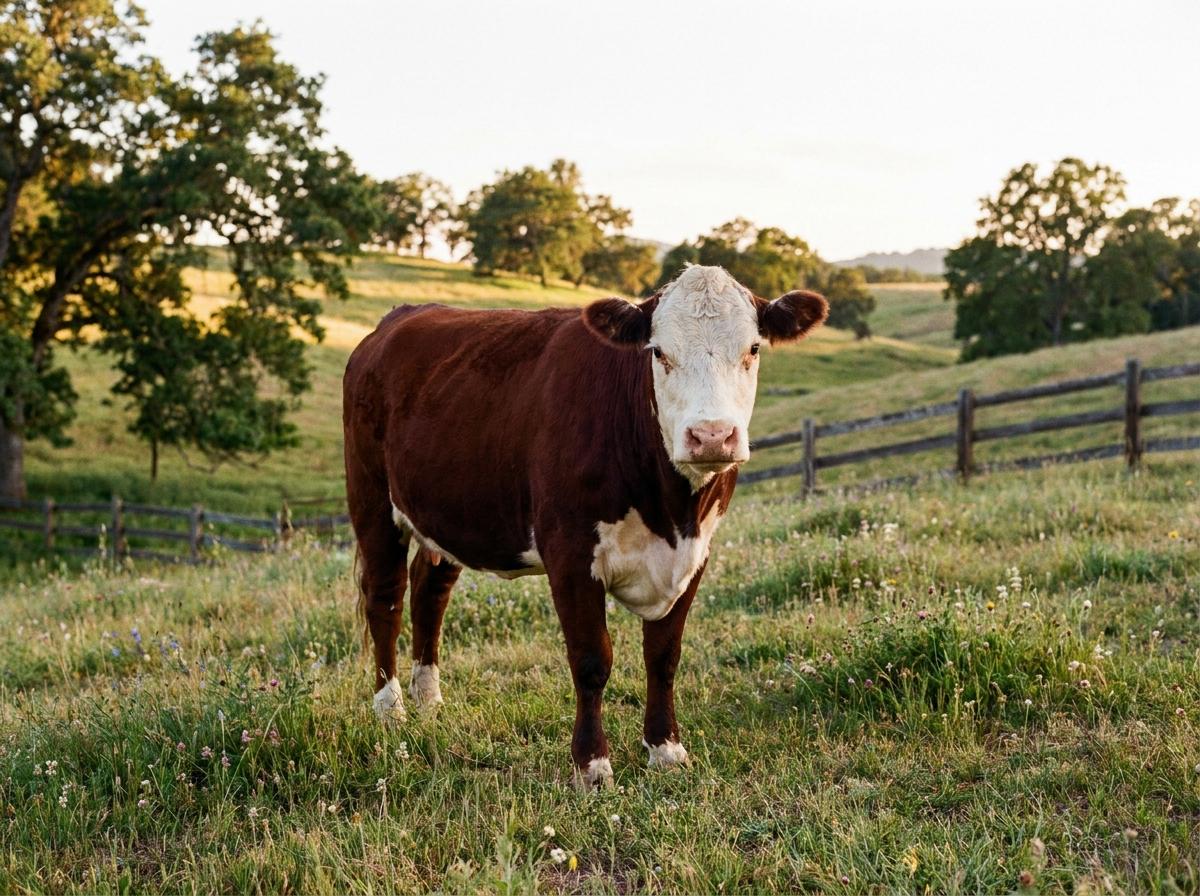
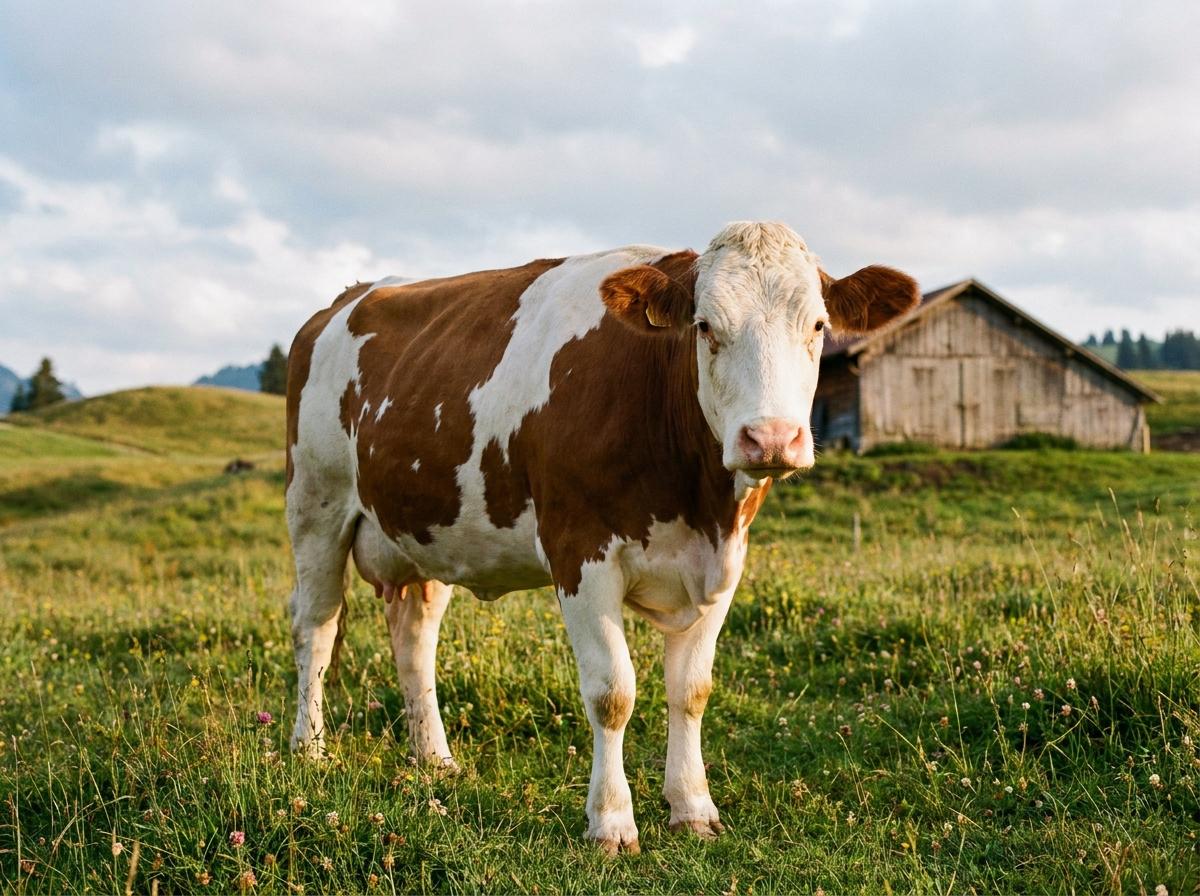
The Simmental is a cattle breed with several distinct registry paths in the United States, including fullblood, purebred and crossbred animals. A red-and-white hide is familiar, but color alone does not establish ancestry. Use the cattle breed index to compare types, then ask for the individual animal’s registration and performance records before buying.

| Identity | Swiss-origin breed used for beef and, historically, milk and draft work |
|---|---|
| Registry | American Simmental Association |
| Color | Several registered appearances; color is not pedigree |
| Records | Parentage, birth, identity, calving and performance |
| Buyer focus | Check actual papers, soundness and herd health |
Browse listings, public profiles, breeders, or add your animal.
Registration means more than color
The American Simmental Association’s SimGenetics guide defines the designations a US buyer is likely to meet. A Purebred Simmental is at least 7/8 Simmental. SimAngus has 1/4 to 3/4 Simmental and Angus or Red Angus ancestry, with both parents in the ASA database. Fullblood Fleckvieh requires both parents registered Fullblood in a recognized World Simmental Federation herdbook and evidence of no known other-breed ancestry. Purebred Simbrah is 5/8 Simmental and 3/8 Brahman; other eligible combinations are registered as percentage Simbrah. The ASA also groups some data as Hybrid, but that is not a substitute for the specific registration category on an animal’s papers. Coat color cannot establish any of these categories.
The ASA’s registration requirements include identification, birth and parentage information. Match the registration number and permanent ID to the animal in front of you. If papers are pending, put responsibility and a deadline in the sale agreement. Compare the different registration approach in the Maine-Anjou guide rather than treating every breed’s percentage rules as interchangeable.

Select for the job
A commercial herd using a terminal sire needs different evidence from a breeder keeping replacement heifers. Ask for calving, growth and maternal data that fit the role. The ASA publishes genetic trend information, but an individual bull’s records and the herd context matter more than a broad breed average. Inspect feet, gait, temperament and body condition. A veterinarian can help design the health checks needed before introduction to your herd.
The cattle buying cost guide separates purchase price from ongoing costs. The cattle record guide explains the practical history to request at handoff. Do not accept a claim of easy calving or exceptional growth without records for the relevant line.
Keep the animal’s history together

Give each animal a durable ID and keep its pedigree, service dates, calving events, weights and health records together. The free cattle pedigree chart maker can organize documented ancestors. The cattle gestation calculator produces a planning window from a service date; the actual calving record remains the source of truth. Read the calving guide before the due period.
A registration claim is easier to inspect when the animal’s tattoo, category and parent numbers agree with association records. Use the cattle pedigree papers guide before you compare sale animals, and the calf growth chart guide to keep performance claims tied to dates and measurements.
From Swiss farm animal to US beef genetics
The breed takes its name from Switzerland’s Simme Valley. Oklahoma State University’s breed history describes red-and-white cattle valued for milk, butter and cheese, rapid growth and draft work. That history explains the broad “dual-purpose” description, but it does not mean a modern US beef animal has been selected for dairy production. The American association emphasizes measured beef performance and planned crosses. Ask whether the seller’s line was selected for maternal traits, growth, calving ease or a combination, then compare records for that goal.
For sale animals, match permanent ID, date of birth, parentage and the ASA category to the papers. Compare weights only when age, feeding and measuring method are understood. For a bull, discuss a breeding-soundness assessment with your veterinarian before use. A Fullblood label is an ancestry rule, not a guarantee of sound feet, appropriate temperament or fit with your herd.
Frequently asked questions
Are all Simmental cattle red and white?
No. The ASA categories describe ancestry rather than one coat pattern. Check the registration record.
What does Fullblood mean?
Under ASA’s Fullblood Fleckvieh rules, both parents must be registered Fullblood in a recognized World Simmental Federation herdbook, with evidence of no known ancestry from another breed. Check the animal’s own ASA record.
Is a Simmental cross less useful?
Not inherently. A planned cross may fit a commercial goal. Judge it by records and the job it needs to do.
Do this next on Creatures
Choose the action that fits your stage, whether you are comparing animals, keeping one or building a breeding program.
Watch supply. Set a free listing alert; supply may be thin. See saved searches.
Compare sources. Browse current listings and the breeder directory. Ask for an individual animal’s history.
Start a profile. Add your animal and follow the profile guide.
Keep records. Add a record for identity, health, breeding or measurements. The sheet opens for visitors; a free account saves it. See adding a record and health records.
Make your operation findable. Create an organization profile and read the directory guide.
Keep learning. Explore the cattle breed index and care reminders.