White Galloway
Author: Elliott Garber, DVM · Published
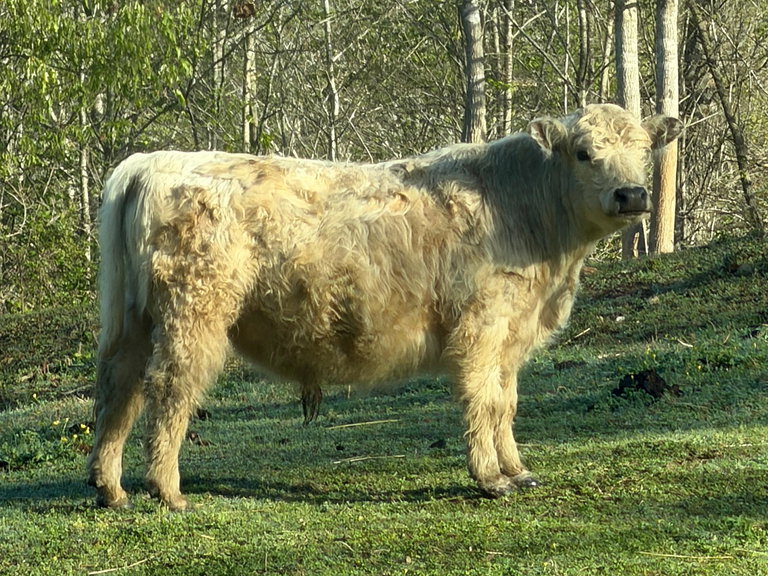
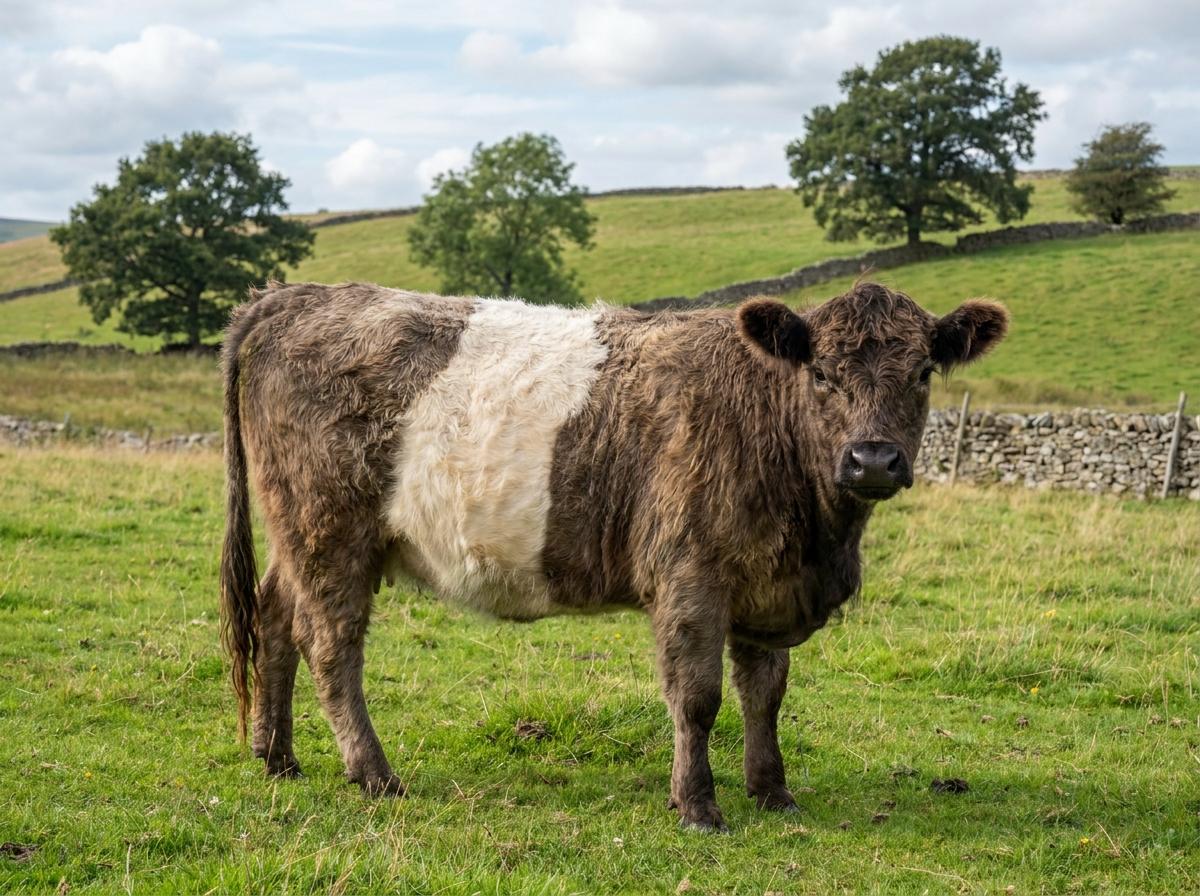
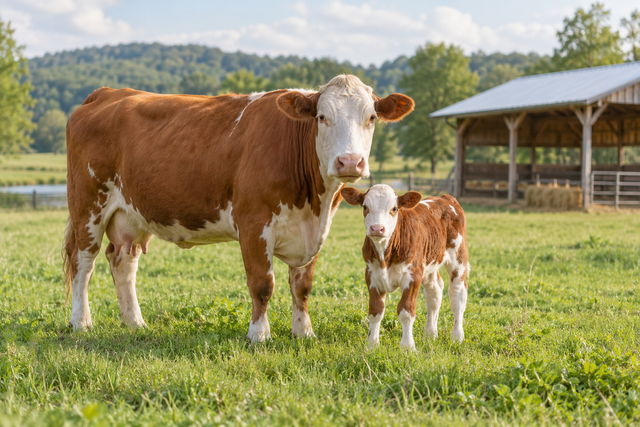
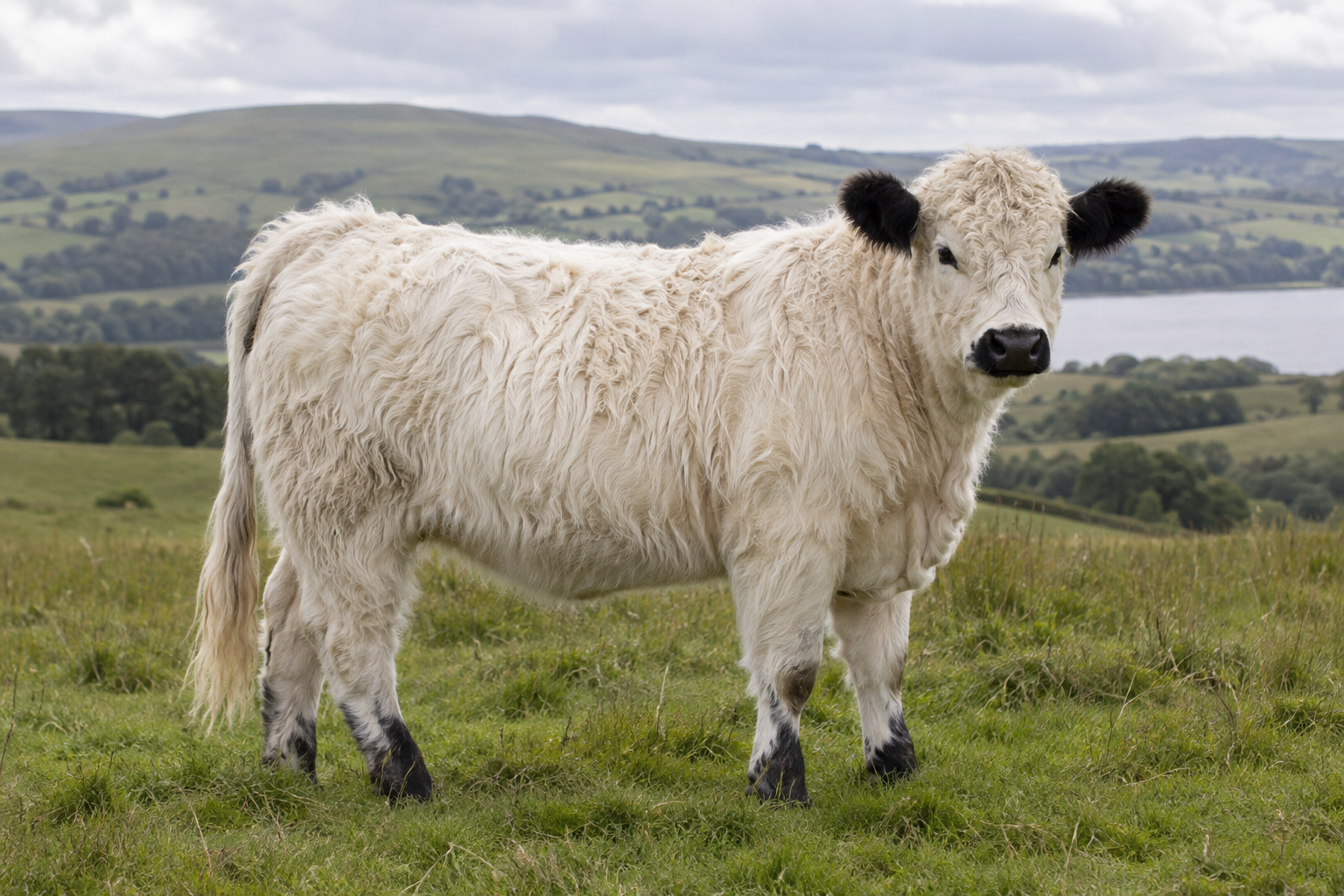
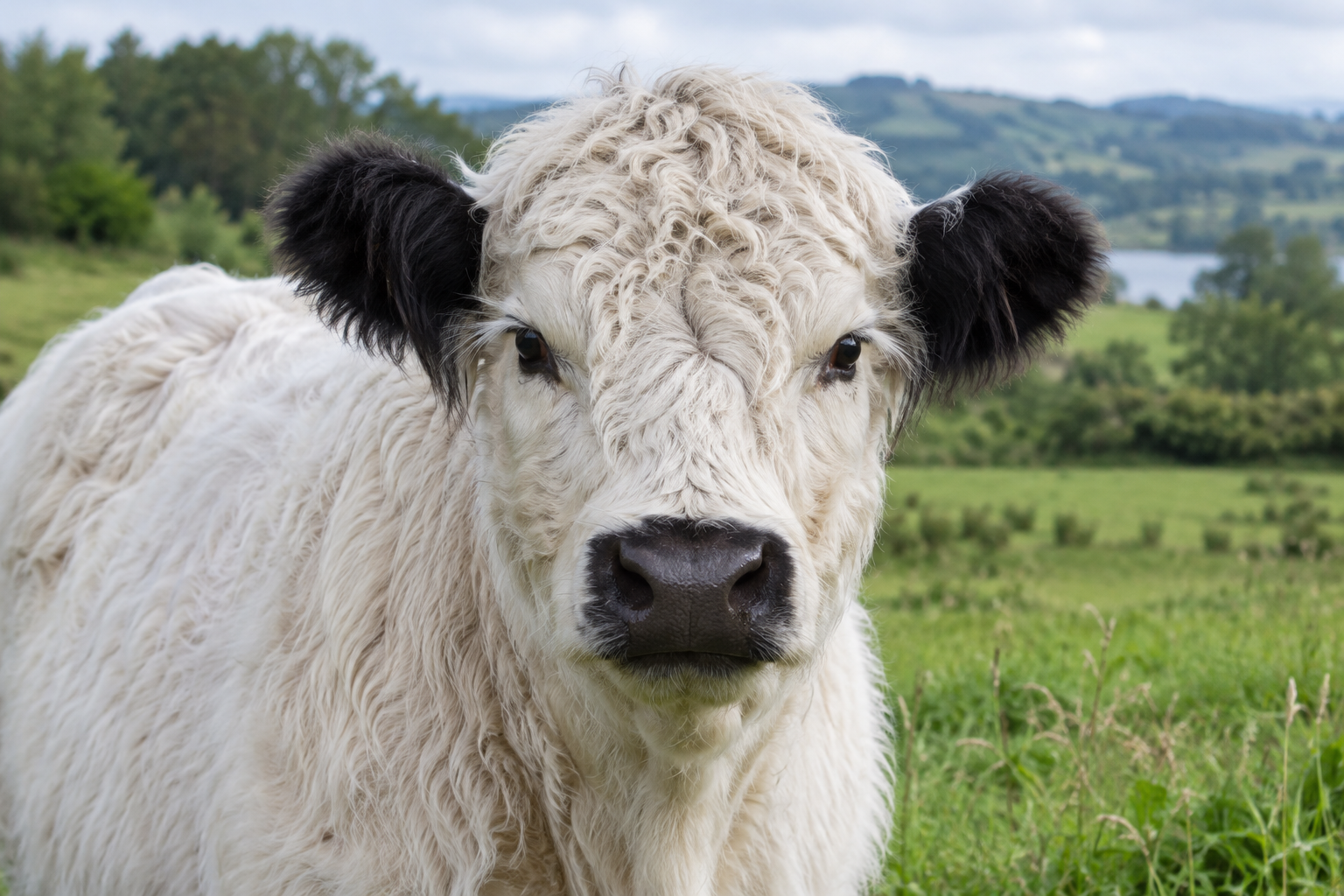
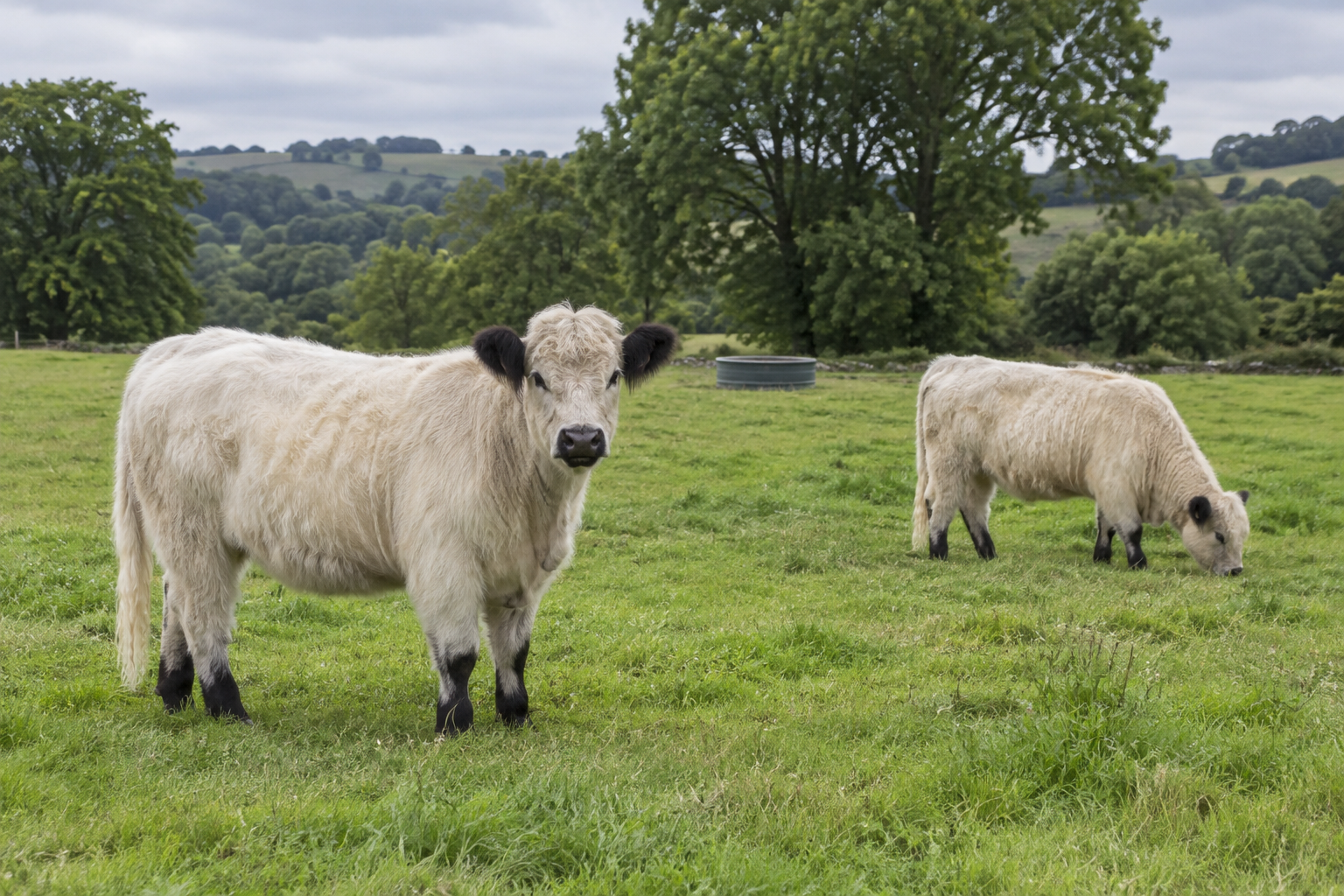
White Galloways are Galloway cattle associated with a predominantly white coat and colored points. A white body and dark ears are useful identifying clues, but they do not by themselves distinguish a registered White Galloway from other white cattle. Start with the pedigree and the registering association.
The cattle guide can help frame a comparison. If you are choosing a breeding animal, ask which herd book will accept it before treating a seller’s color label as a registration promise.
| Appearance | Predominantly white with colored points |
|---|---|
| US register | AGBA White Galloway section |
| US marking limit | Moderate body freckling, no more than 25% color per side |
| Horns or scurs | Excluded by the cited AGBA rules |
| Size | White coloring does not mean miniature |
| Buyer check | Verify herd-book section and measured individual size |
United States registration context: American Galloway Breeders’ Association herd-book rules, board approved September 19, 2023; checked October 16, 2026. The percentage is a registration marking limit, not average pigmentation.
Browse listings, public profiles, breeders, or add your animal.
Color pattern and herd book belong together
Galloways Australia’s White Galloway standard describes white animals with black, dun or red points. Its registration discussion also includes other patterned and nonconforming animals. The guide therefore does not define the whole registered population from a single photograph. Source effective date: not stated; checked October 16, 2026. Those are Australian rules, not automatic eligibility in another country’s herd book.
The American Galloway Breeders’ Association herd-book rules give White Galloways their own section and distinguish their ancestry from the solid-color register. The rules exclude animals with horns or scurs and permit moderate body freckling in the White section, with color not exceeding 25% per side. That is a registration marking limit, not a biological average. Source effective date: September 19, 2023 (board approval); checked October 16, 2026. Use the applicable association’s current rules for the actual transaction.
Ask the seller to connect the animal’s visible identification with its certificate. Request parent names, the relevant section and any upgrading or nonconforming status. A missing paper trail cannot be reconstructed from coat color.
White Galloway does not mean miniature
Color and mature size answer different questions. If an advertisement says “miniature White Galloway,” ask for the registry category and actual measured heights with ages and measuring method. Do not use a photograph beside a fence as a height measurement.
A miniature label needs its own evidence. This guide does not transfer a miniature threshold or generic Galloway weight range to every White Galloway. A useful buying record names the individual, the measurement and the rule being applied.
Compare a breeding animal with your herd
Ask about calving records, temperament during handling, feet, udder function and the management in which the animal has been kept. For a bull, discuss its intended use, the females it will serve and the breeding records available. A general “easy calving” description cannot guarantee the outcome of a particular mating.
The Tarentaise and Normande guides offer other cattle comparisons within this batch. Compare the jobs and records behind those names, rather than deciding from coat appeal alone. A breed guide cannot inspect an animal or assess the suitability of your handling facilities.
Pasture, shade and individual records
Plan forage, water, shelter and safe handling for the property and season. A substantial coat does not make heat management irrelevant. University of Maryland Extension’s shade guidance discusses natural, fixed and portable shade and the importance of adequate access and clean water. Source effective date: July 2, 2026; checked October 16, 2026. Have a local adviser assess your forage and stocking plan rather than borrowing an acreage estimate from another climate.
Before collection, agree on the animal’s identification, transport and health documents with the seller and your veterinarian. Keep any tests and treatments attached to that identified animal. Record “unknown” where the evidence is absent instead of guessing an age or relationship.
Buying without a made-up price range
This guide quotes no current seller offer or breedwide price. Ask for a dated offer describing age, sex, breeding status, registration section, quantity and transport or other fees. A heifer, cow with calf and breeding bull are different purchases.
Keep the certificate, transfer and sale description together. If a color description is corrected later, retain the original record and the reason for the change. That gives a future buyer a clearer history than an undocumented edit.
Is every white, dark-pointed cow a White Galloway?
No. Similar markings occur in other cattle populations. Verify the individual and its herd book rather than assigning ancestry from the pattern.
Is there one worldwide White Galloway standard?
The cited Australian and American sources describe their own registration systems. Confirm the destination registry’s current requirements before assuming a foreign certificate guarantees acceptance.
Do this next on Creatures
Choose the action that fits your stage. A listing search may be empty; an alert is a way to hear about a future match, not a promise of availability.
- Compare the filtered marketplace or open a listing alert. Save-search help explains the account and notification flow.
- Already own an animal? Start an animal profile, then add a record. The record form opens for visitors; a free account is needed to save. See adding an animal and adding a record.
- Keep a breeding operation? Start a breeder or farm profile and review getting listed in the directory. The breeder directory is also available for public research.
Sources checked October 16, 2026. The Creatures content routine owns refreshes with Elliott’s review: stable facts yearly or on reported change; seller price lines monthly in the selling season and quarterly otherwise. An overdue price line is removed.