

Sign in
goat

Goat

Capra hircus

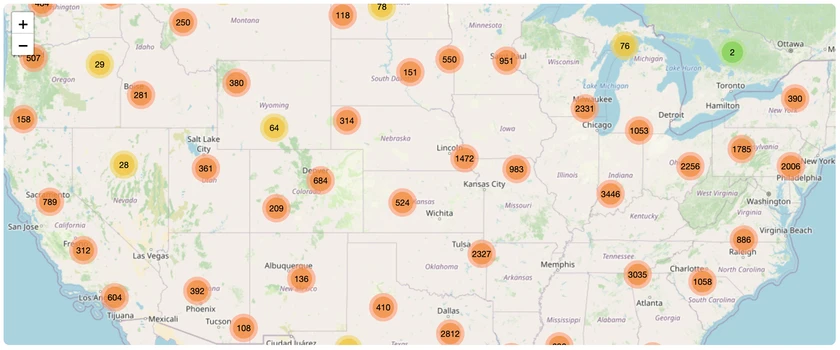
2765 breeders in the directory Find Goat breeders

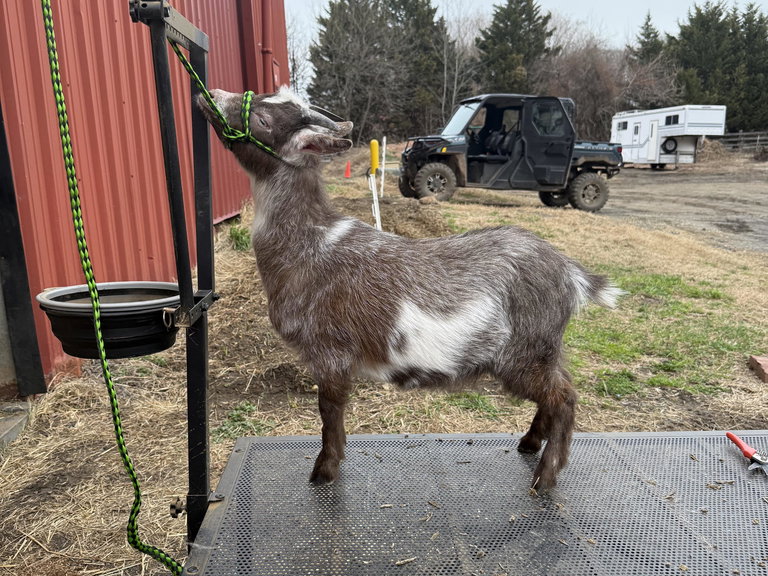
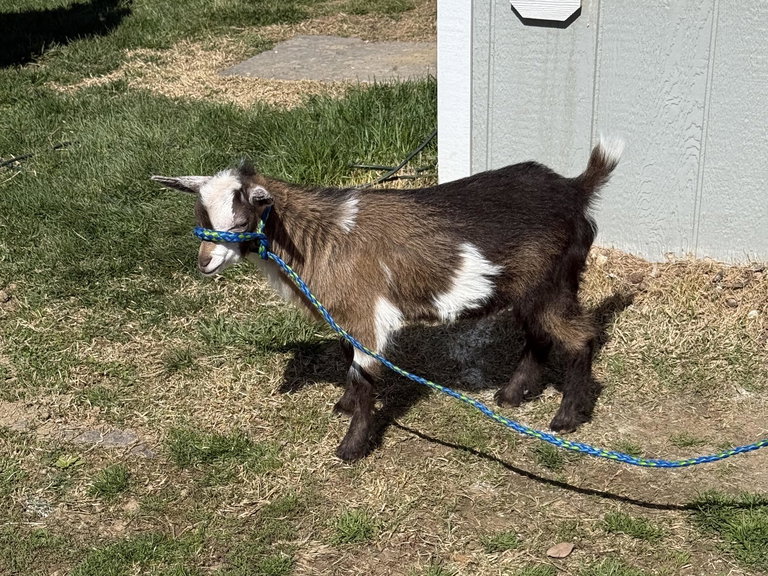
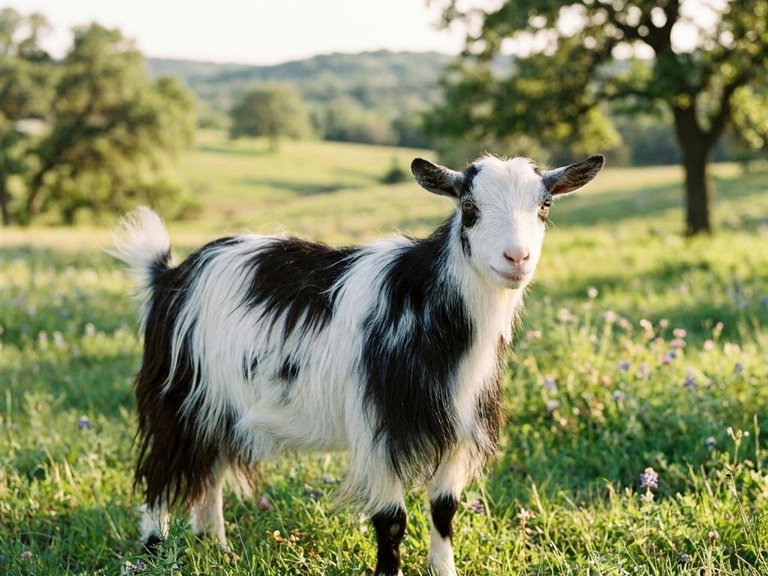
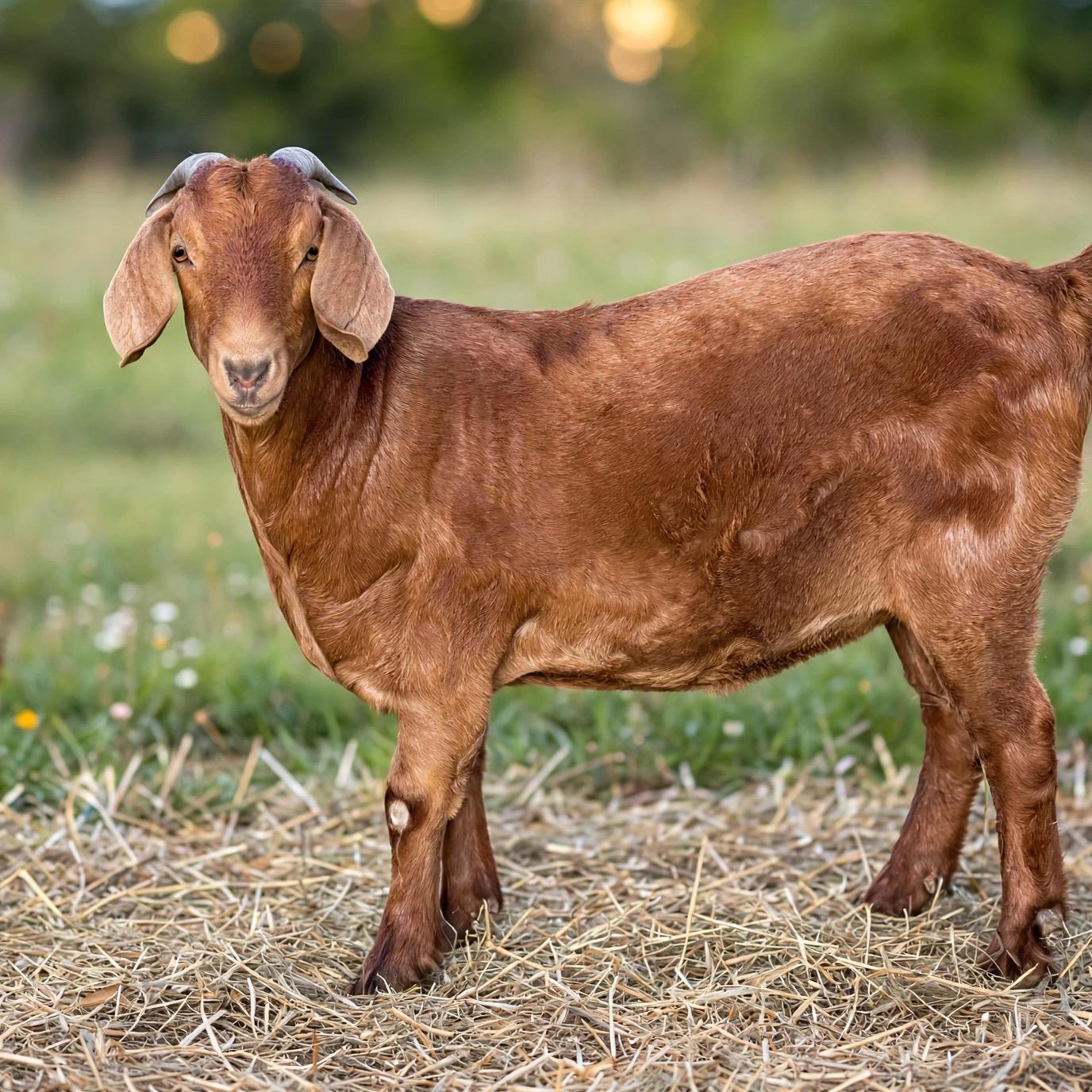
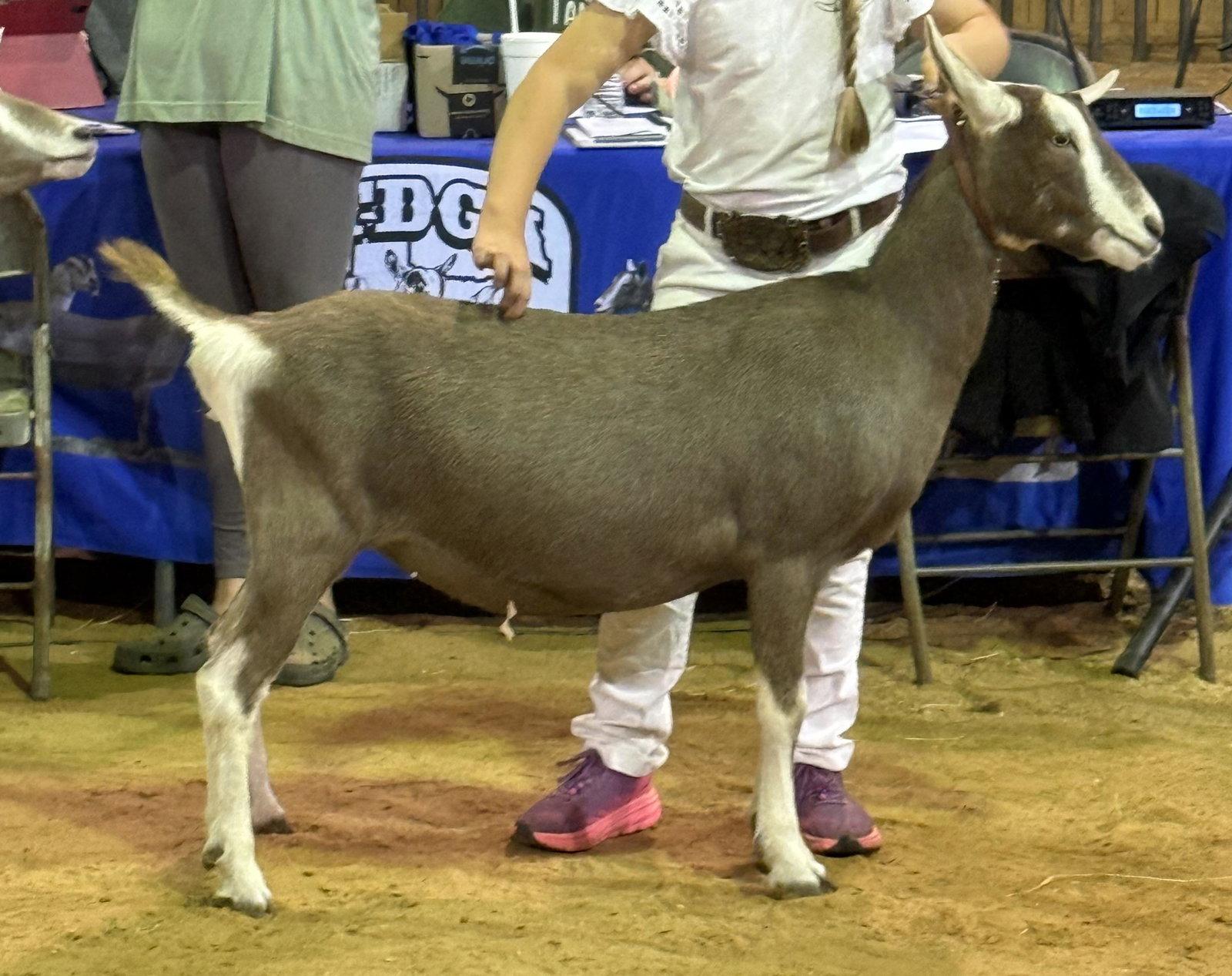
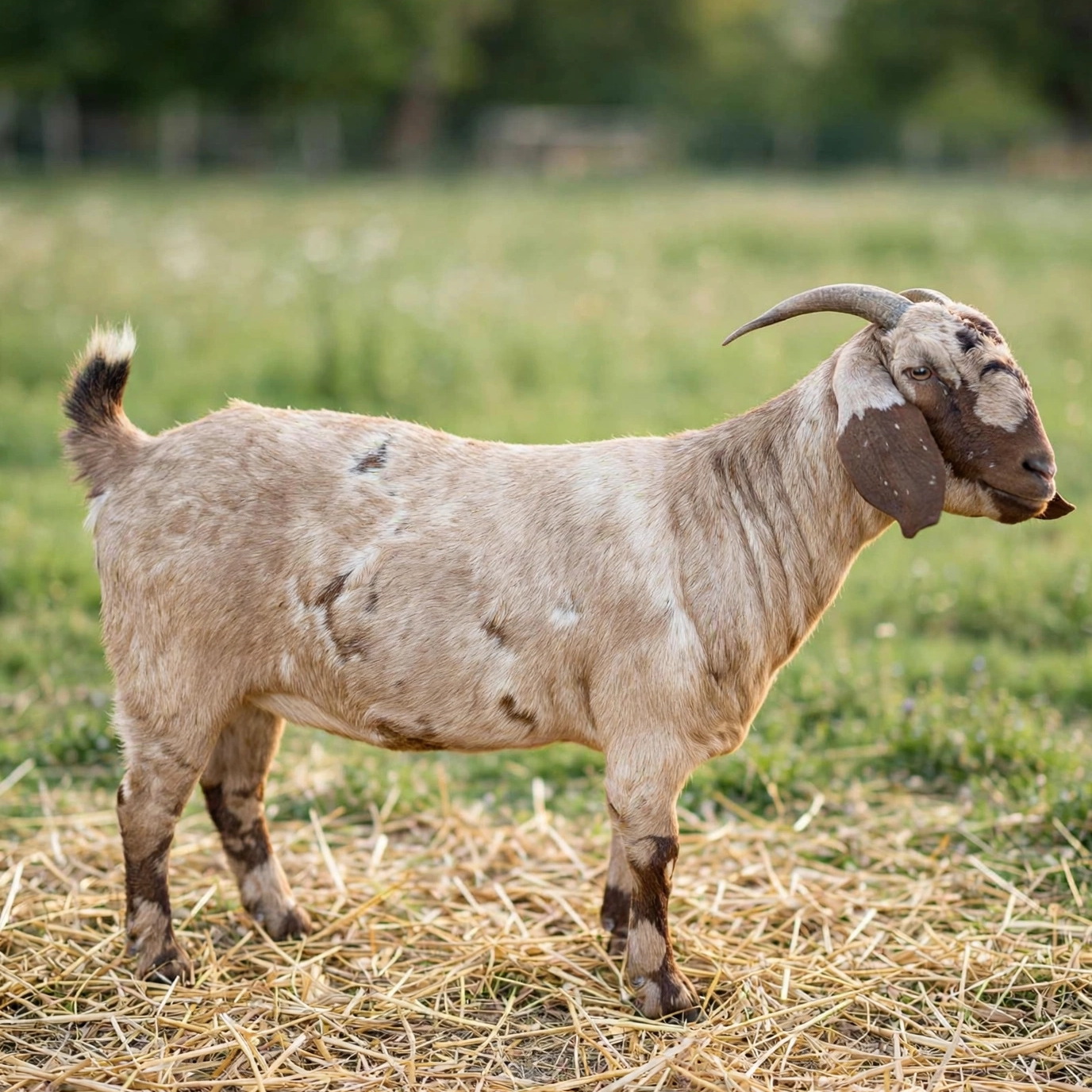
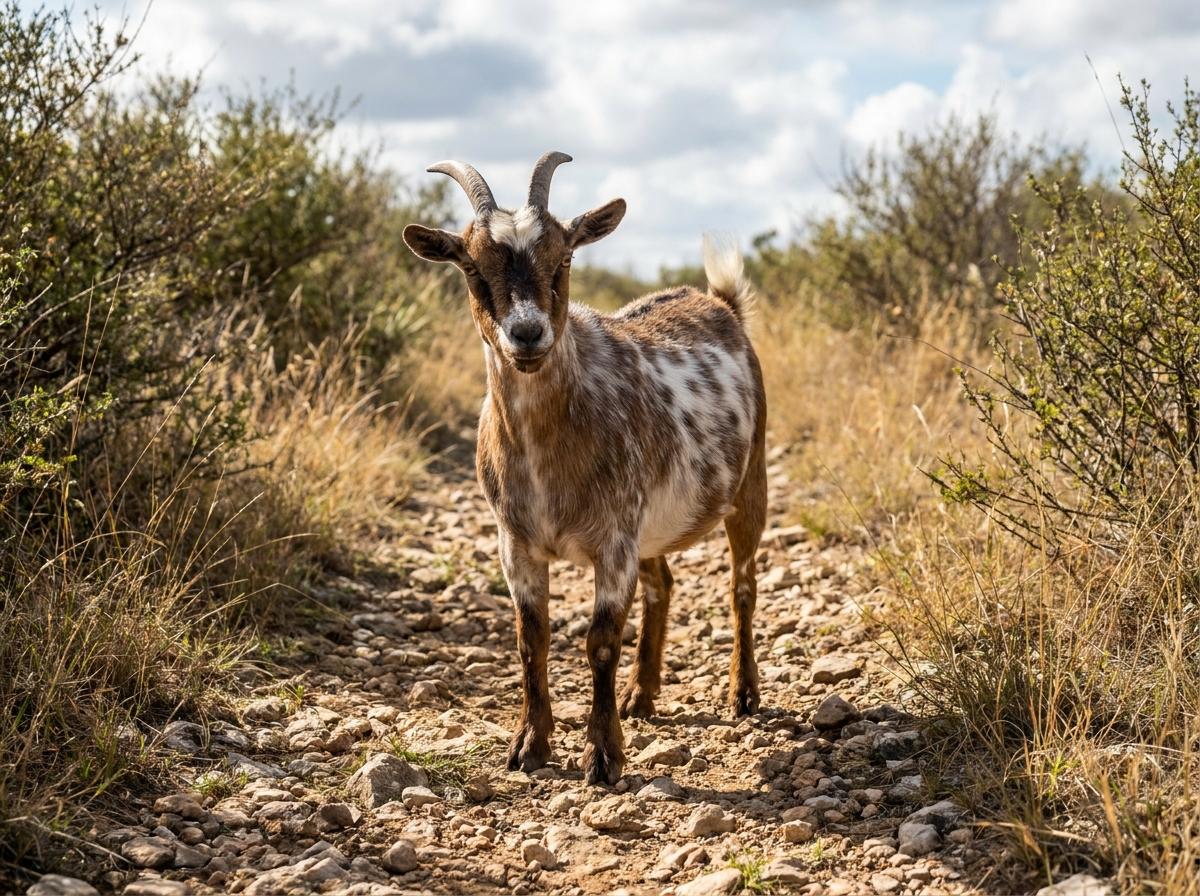
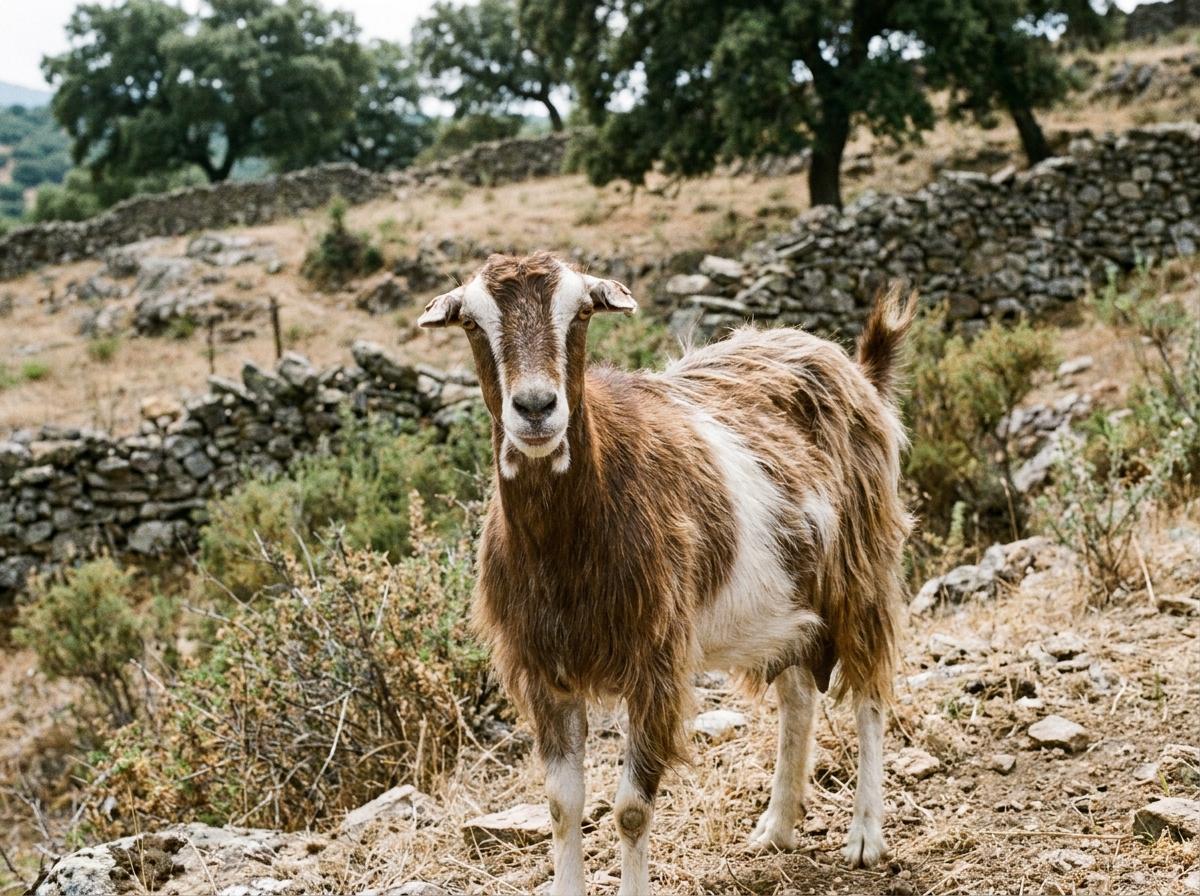
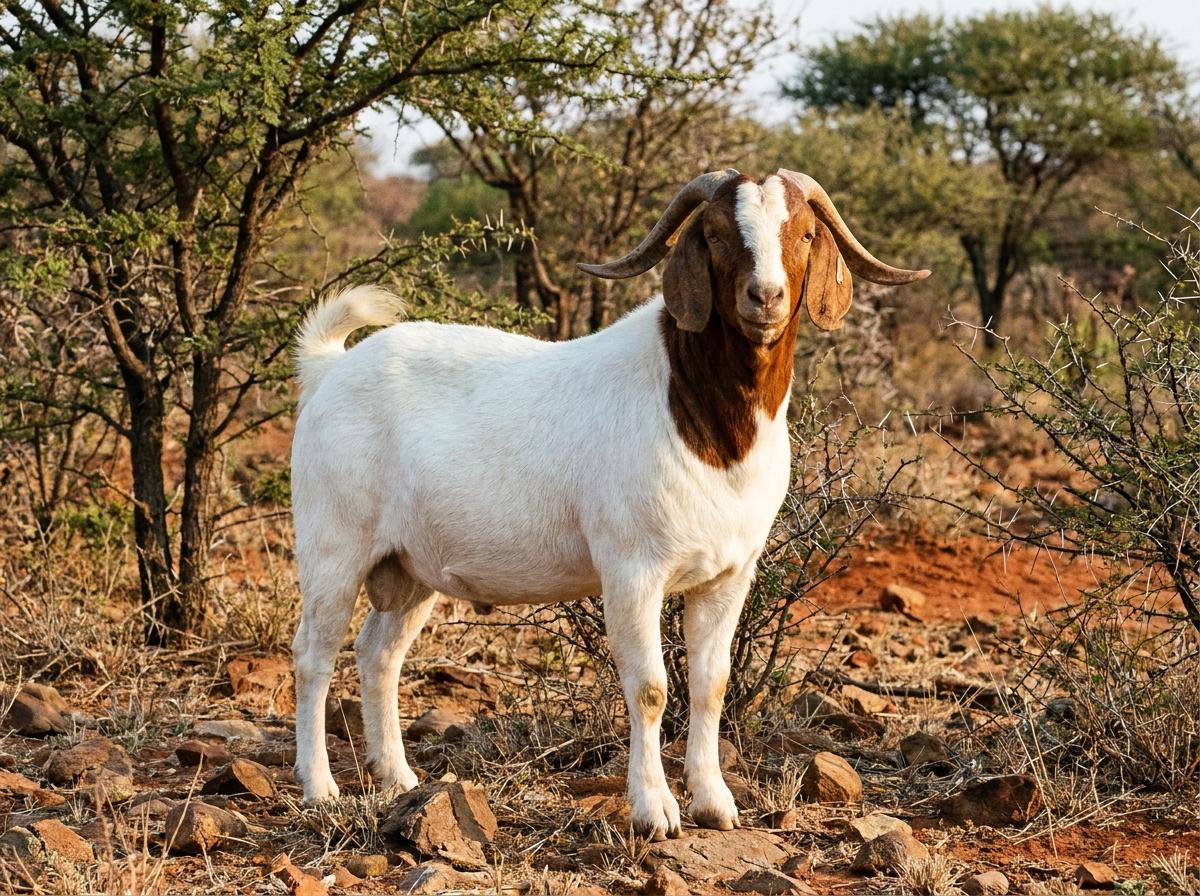
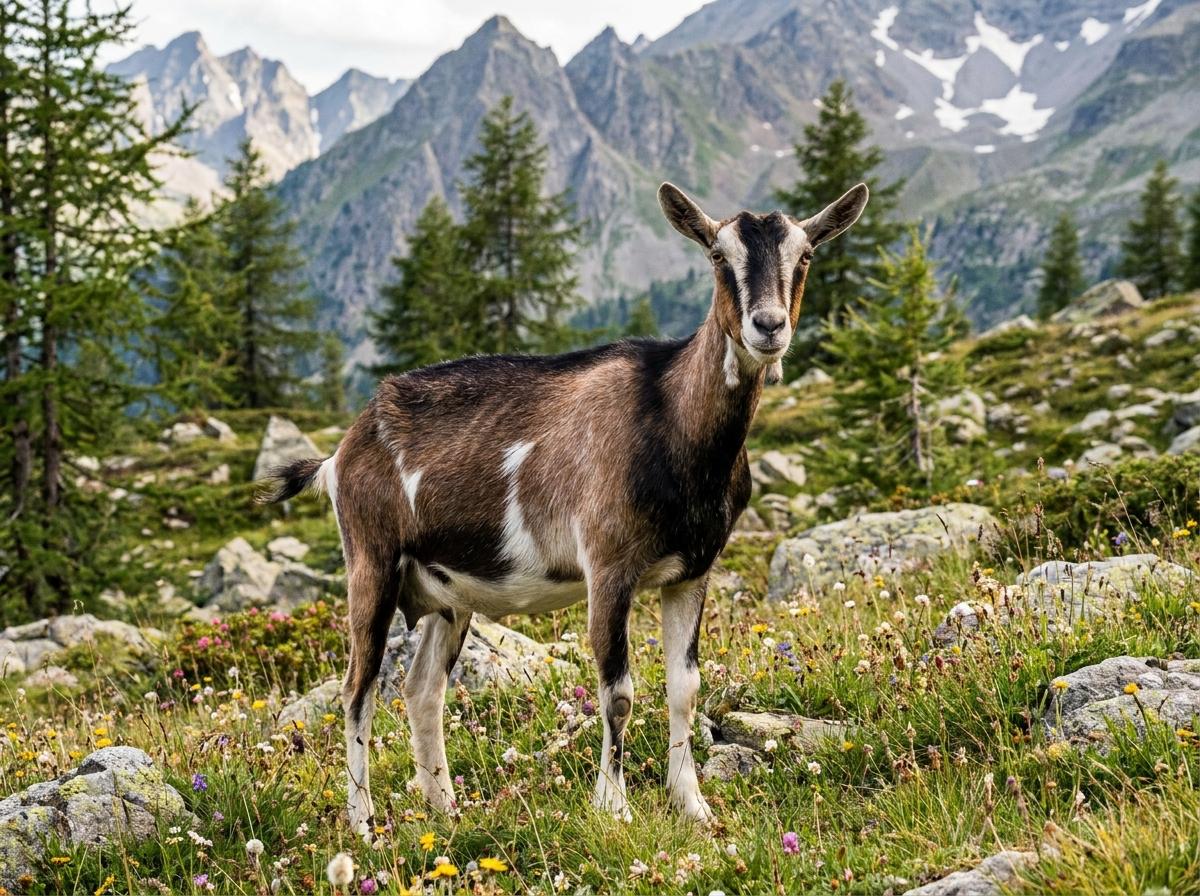
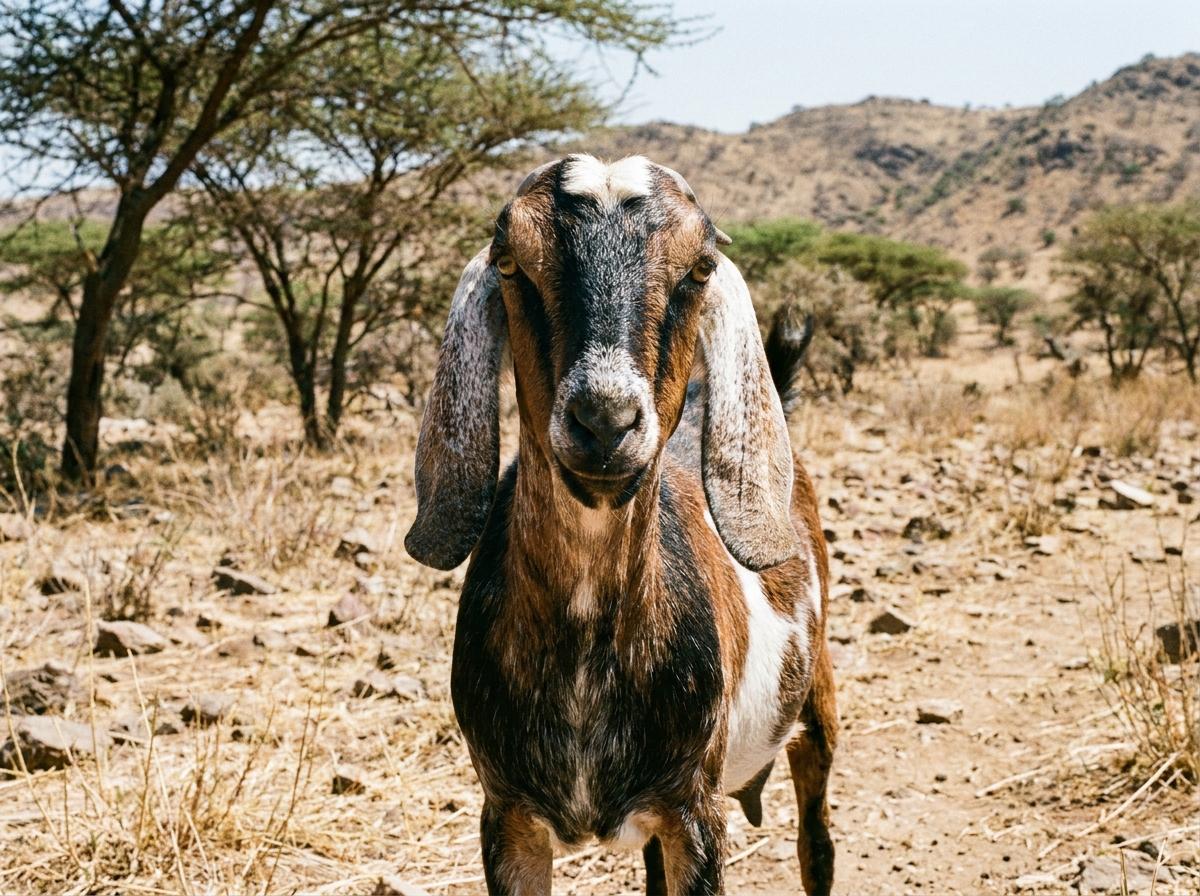
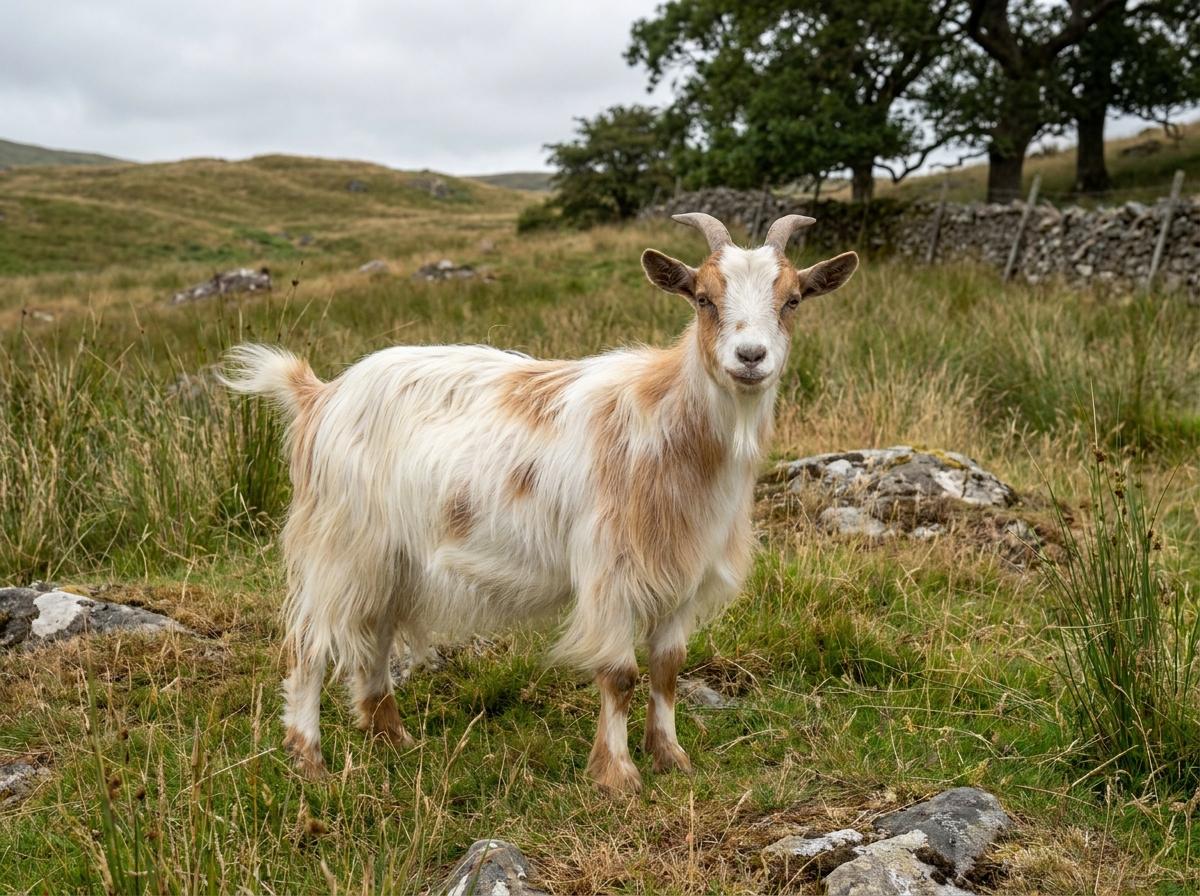
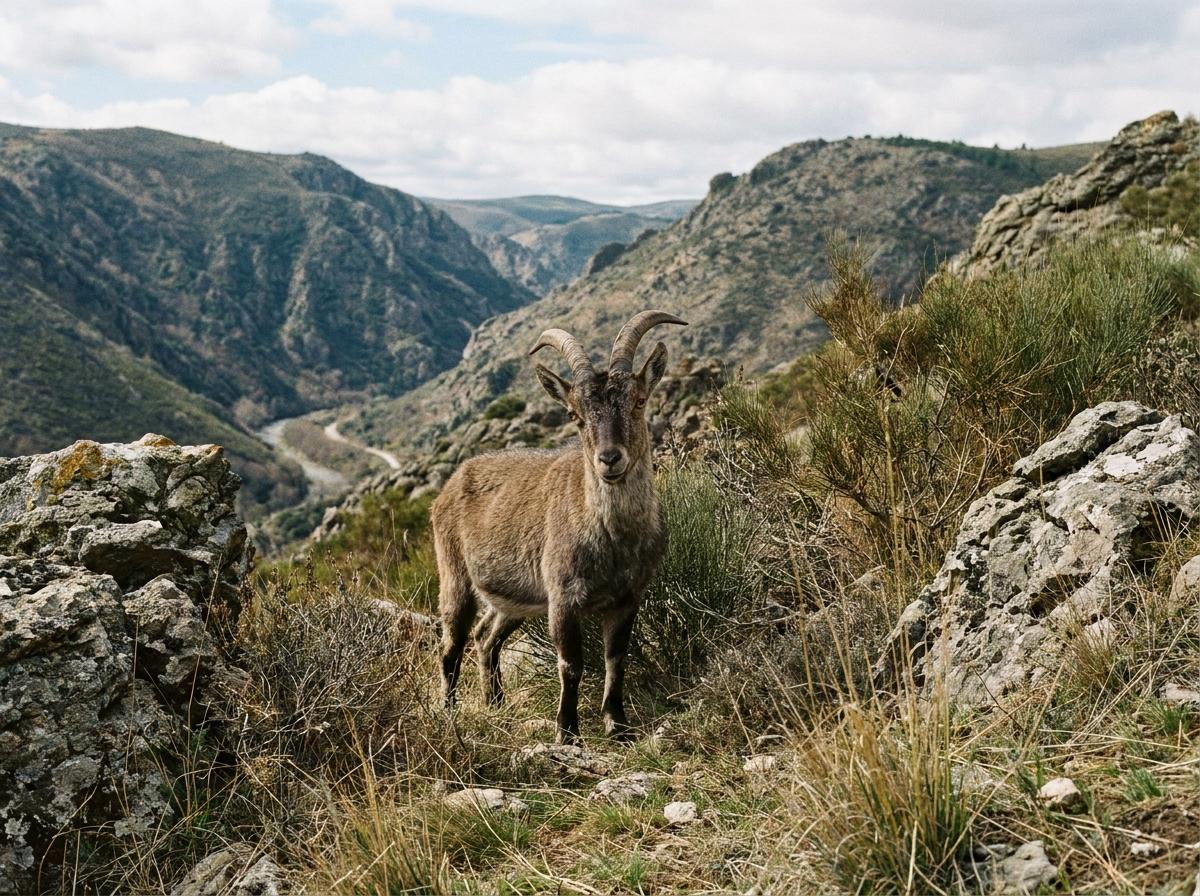
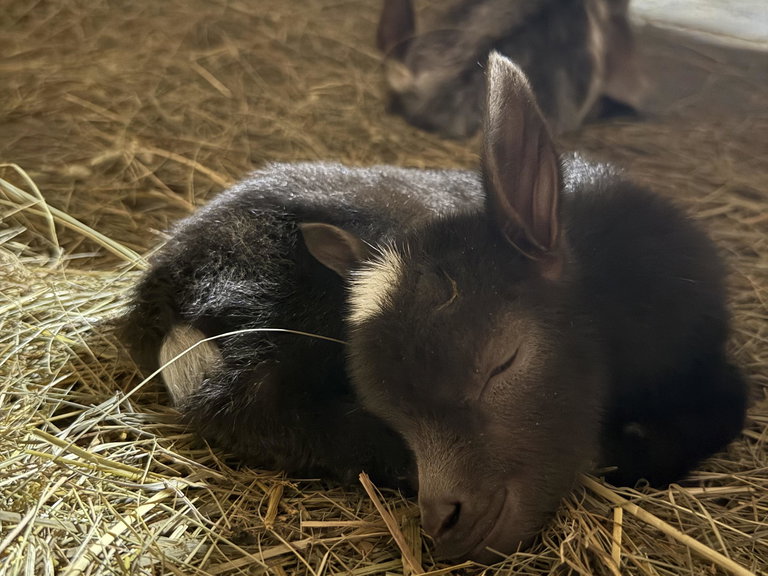
The domestic goat (Capra hircus) is a hardy, adaptable livestock species descended largely from wild bezoar-type goats of western Asia. People keep goats for milk, meat, fiber, hides, brush control, packing, and companionship, with breeds shaped for very different climates and purposes. Goats are browsing ruminants with nimble feet, strong social behavior, and a habit of testing fences, feed bins, and anything else within reach. Horns, coat type, ear shape, and size vary widely by breed.

Good goat management starts with secure fencing, dry shelter, clean water, forage, minerals formulated for goats, and enough herd companionship. Hoof trimming, parasite control, vaccination, kidding support, and body condition scoring are routine tasks, not extras. Dairy goats need milking hygiene and udder monitoring; fiber goats need shearing or combing; meat herds focus on growth, mothering, and market timing. Breeding records should track breed, parentage, health, milk or fiber traits, and kidding outcomes because casual selection can quickly spread structural or disease problems.
Quick facts

Breeds
193
For sale now
4 live listings ($300 to $850)
Breeders & farms
2,765
Public profiles
99
Herdbook records
52
Guides & articles
30

Add your animal to Creatures

Build the public record for this species with profiles, photos, pedigrees, and marketplace connections.
Goat Breeders

2765 breeders raising goat.
See all 2765 goat breeders in the directory

Goats for Sale

4 listings ready to browse.

Goat Herdbook

52 public records with registry, identity, lineage, or availability context.

View all
52 herdbook records available

Open the Herdbook tab to browse public discovery records for goat.

Open Herdbook

Goat Profiles

99 profiles shared by the community.

View all

Popular Goat Breeds

Each breed has its own page with listings, profiles, and breeders.

Learn about Goat

Guides and articles for goat owners.

How Much Does a Goat Weigh, and How to Weigh One

A healthy adult goat can weigh anywhere from roughly 50 pounds to well over 300 pounds, so the honest answer is: it depends heavily on breed and sex. A Nigerian Dwarf doe might top out near 75 pounds, while a mature Boer buck can push past 300. Bucks (intact males) generally run heavier than does […]

Goat Shelter and Housing: What Goats Actually Need

Goats need shelter that is dry, draft-free at their body level, and still well ventilated. That is the whole job. It does not need to be fancy, heated, or expensive. In many climates a simple three-sided structure that keeps rain off and blocks the prevailing wind is enough, because goats tolerate cold far better than […]

Goat Milking Machines and Stands: A Buyer’s Guide by Herd Size

Pick your milking setup by herd size, not by the flashiest machine. If you milk one or two does, a sturdy milking stand and clean hands are usually all you need. A few does may justify a small portable single-bucket machine that saves your hands and standardizes your routine. A larger dairy earns a multi-unit […]

Goat Kidding: Signs of Labor, the Stages, and a Supply List

When a doe goes into labor, your job is to recognize the signs, understand the normal stages, have a clean kidding kit ready, and know the point at which a stalled labor means it is time to call your veterinarian. Most does kid on their own without help, but the small percentage of births that […]

Goat Hoof Trimming: Tools, Technique, and How Often

Trim a goat’s hooves roughly every 6 to 10 weeks, and let the terrain set the pace rather than the calendar. Goats kept on soft pasture or deep bedding overgrow faster and drift toward the tighter end of that window, while goats climbing rocks, gravel, and hard-packed dry lots wear their hooves down naturally and […]

Goat Breeding: Heat Cycles, Signs, and Timing

Most goats are seasonal breeders that cycle as the days get shorter, so the practical answer is that heat cycles in many breeds cluster from late summer through winter, peak in the fall, and repeat about every 21 days until a doe is bred. A doe in standing heat (the window when she will hold […]

Goat Hay Feeders That Cut Waste (and Keep Hay Clean)

The single most effective way to stop losing money on goat hay is to feed it off the ground in a waste-reducing feeder. Goats are notoriously picky and wasteful with hay: they pull it out, sift through it for the choicest bits, and flatly refuse to eat anything that has dropped to the ground, been […]

Goat Gestation: How Long Goats Are Pregnant and What to Expect

A goat’s pregnancy lasts about 150 days, roughly five months, with a normal range of about 145 to 155 days. That average holds across most breeds, though the number a doe actually hits depends on her breed, how many kids she is carrying, and whether this is her first freshening. Smaller breeds like the Nigerian […]

Goat Fencing: Electric Netting vs Woven Wire vs Cattle Panel

For most goat keepers, the right answer is not one fence but two jobs done well: a permanent perimeter that reliably contains animals (goat-and-sheep woven wire with roughly 4 inch openings, or a well-grounded multi-strand electric fence), plus a portable option (electric netting) for rotational grazing. Cattle and livestock panels are strong and convenient but […]

What to Feed Goats: Forage, Hay, Grain, and Browse

Feed goats a diet built on forage and browse, with good hay as the year-round backbone, and add grain only when a specific animal actually needs it. Goats are ruminants, so their whole digestive system is designed to ferment long-stem fiber, not to run on concentrates. Get the forage right, keep clean water and loose […]

Goat Deworming: FAMACHA, Fecal Egg Counts, and When to Treat

Modern goat parasite control is targeted and evidence based, not a calendar. The old habit of drenching the whole herd every few weeks is now understood to accelerate the exact problem it was meant to solve, because it kills off the susceptible worms and leaves the drug-resistant ones to breed. Today the standard of care, […]

CD&T Vaccine for Goats: What It Covers and When to Give It

CD&T is the core clostridial vaccine for goats, and it protects against three related diseases at once: enterotoxemia caused by Clostridium perfringens type C, enterotoxemia caused by Clostridium perfringens type D, and tetanus caused by Clostridium tetani. That is what the letters stand for (C and D for the two overeating-disease strains, T for tetanus), […]

Bloat in Goats: Causes, Prevention, and Emergency Response

Bloat in goats is a true emergency. It is a rapid, dangerous swelling of the rumen caused by trapped gas, and a severe case can kill an otherwise healthy animal within a few hours by pressing on the lungs and heart. If you keep goats, the two things that save lives are prevention (managing how […]

Disbudding Goat Kids: Why, When, and How It’s Done

Disbudding is destroying a goat kid’s horn buds with a heated iron in the first week or two of life, before horns ever grow, so the animal stays hornless for good. It is not the same as dehorning, which removes fully grown horns from an older goat and is a much larger, bloodier surgery (Cornell […]

Bottle-Feeding Baby Goats: Colostrum, Milk, and Schedule

Bottle-feeding a baby goat starts with colostrum in the first hours of life, moves to a warm, measured milk schedule of small frequent feedings that taper as the kid grows, and ends with a gradual wean by weight once the kid is reliably eating solids. Get colostrum into a newborn early, keep every bottle warm […]

Loose Minerals for Goats: Copper, Selenium, and What Your Region Needs

For goats, the short answer is this: feed a loose, free-choice mineral formulated specifically for goats, one with a meaningful copper level, and choose the selenium content to match your region. The single most important rule is that goats need far more copper than sheep, so a mineral labeled for sheep, or a combined “sheep […]

Where to Buy a Goat: Choosing a Breed, Vetting a Seller, and the Disease Tests to Ask About

The honest answer to where to buy a goat is that the source matters far less than two questions you settle first: what kind of goat you actually need, and whether the seller can prove the animal is healthy. Goats are cheap to buy and expensive to keep sick, so the real cost of a […]

Mini Oberhasli Goat: Breed Profile, Milk, and Buying Guide

The Mini Oberhasli is a miniature dairy goat that packs the look and dairy character of the Swiss Oberhasli into a smaller, more homestead-friendly frame. It is made by crossing a standard Oberhasli with a Nigerian Dwarf and then breeding back toward the Oberhasli type at a reduced size, so a good one keeps the […]

Rove Goat (Chevre du Rove): Horns, Cheese, and Breed Profile

The Rove goat (Chevre du Rove) is a hardy French landrace goat from Provence, near Marseille, best known for one unmistakable feature: enormous, long, twisted horns that spread outward in a wide lyre or corkscrew shape, carried by both does and bucks. It is a rustic browsing goat that leads sheep flocks, clears fire-prone brush, […]

Valais Blackneck Goat: Breed Profile, Coat, and Buying Guide

The Valais Blackneck is a long-haired Swiss mountain goat with one of the most striking coat patterns in the goat world: the front half of the animal, from the nose to just behind the shoulder, is solid black, and the back half, from there to the tail, is solid white, with a sharp dividing line […]

Toggenburg Goat: Breed Profile, Milk, and Buying Guide

The Toggenburg is a Swiss dairy goat from the Toggenburg valley of St. Gallen, Switzerland, and it is widely credited as the oldest known dairy goat breed, with a herdbook in its home country by 1890. It is instantly recognizable: a solid coat anywhere from light fawn to dark chocolate, two distinct white stripes running […]

Kamori Goat: Breed Profile, Milk, and Buying Guide

The Kamori is a large, striking dairy goat from the Sindh province of Pakistan, prized for its glossy dark chocolate coat flecked with small coffee-colored spots, its very long pendulous ears, and its long neck and face. In its home region it is both a working milk goat and a genuine status animal: a well-marked […]

Dutch Landrace Goat: Breed Profile, Rescue Story, and Buying Guide

The Dutch Landrace goat, known in the Netherlands as the Nederlandse landgeit, is an old native goat breed with a rugged, primitive look: medium sized and stocky, both sexes horned, long shaggy hair, and coats in almost any color except the striped Swiss pattern. It is one of Europe’s classic conservation-comeback stories. The breed very […]

Chamois Coloured Goat: Swiss Breed Profile, Milk, and the Oberhasli Connection

The Chamois Coloured Goat is a Swiss alpine dairy breed, known in its homeland as the Gemsfarbige Gebirgsziege in German and the Chevre chamoisee in French. It is instantly recognizable by its coat: a rich reddish-brown to warm chestnut body set off by sharp black markings, a black stripe down the spine, black legs, a […]

Black Bengal Goat: Breed Profile, Prolificacy, and Buying Guide

The Black Bengal goat is a small, hardy, jet-black meat and skin breed native to the Bengal region of Bangladesh and eastern India. It is not a big animal and it is not a dairy goat. What it is, is one of the most prolific and productive small goats in the world for its size, […]

Russian White Goat: Breed Profile, Milk, and Buying Guide

The Russian White goat is a hardy, all white dairy breed from central and northwestern Russia, built to give a lot of rich milk in a cold climate. It was created by crossing the region’s native goats with imported Swiss Saanen and Toggenburg dairy stock, then improving the result through generations of smallholder selection. The […]

Peacock Goat (Pfauenziege): Breed Profile, Markings, and Conservation

The Peacock goat (German Pfauenziege) is a hardy Swiss mountain breed from the cantons of Graubünden (the Grisons) and Ticino, instantly recognizable by its split color pattern: a snow-white front half and a black rear half, set off by bold black stripes running from the horns through the eyes to the muzzle. It is a […]

British Alpine Goat: Breed Profile, Markings, and Milk Guide

The British Alpine is a British breed of dairy goat: a tall, rangy, glossy black animal marked with crisp white “Swiss” stripes on the face, white ears, white lower legs, and a white rump and tail. It was developed in the early twentieth century in the United Kingdom as a hard working milker, and it […]

Damascus Goat: Breed Profile, Milk, and Buying Guide

The Damascus goat is a large, reddish-brown dairy and meat breed from the Near East, known across its home region as the Shami goat. It is built for milk first: productive does, frequent twins and triplets, long pendulous ears, and a distinctive convex (Roman) nose. If you have only ever seen the breed through viral […]

Damascus Goat: The Complete Breed Guide

The Damascus goat is a large, dual-purpose dairy and meat breed from the Middle East, prized for heavy milk yields, frequent twins and triplets, and a striking convex profile with long, drooping ears. It is the same animal known across the region as the Shami, Aleppo, Damascene, or Baladi goat. If you have seen viral […]

Goat Tools

Calculators, generators, and guides preset for goat.