Kalahari Red
Author: Elliott Garber, DVM · Updated
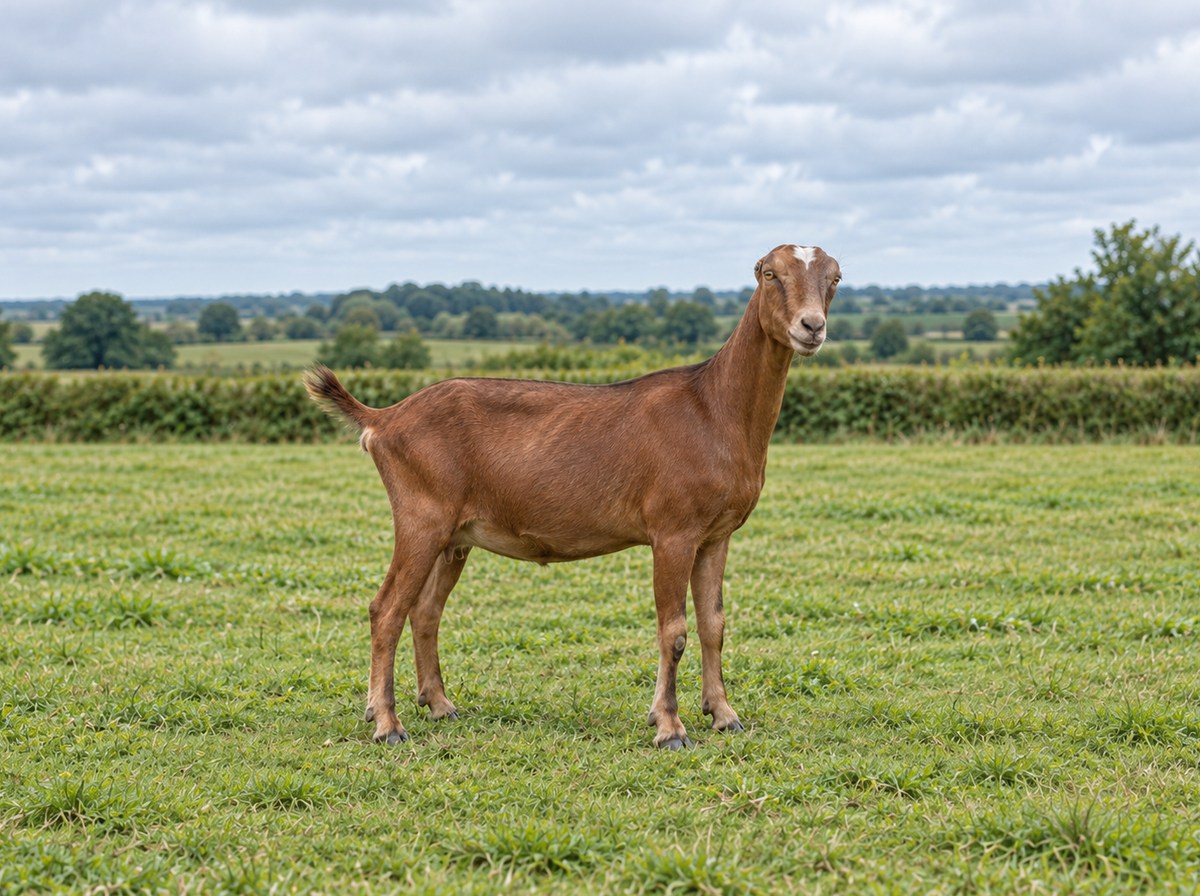
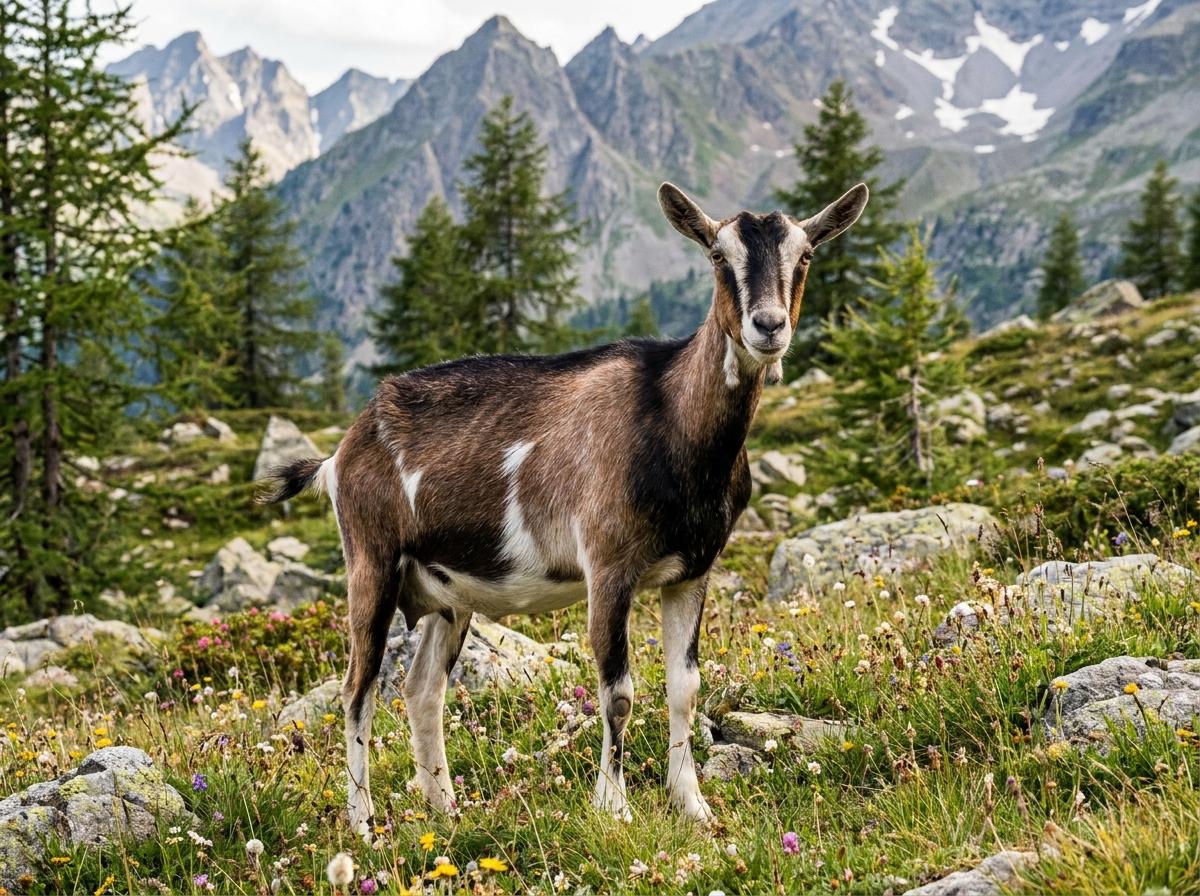
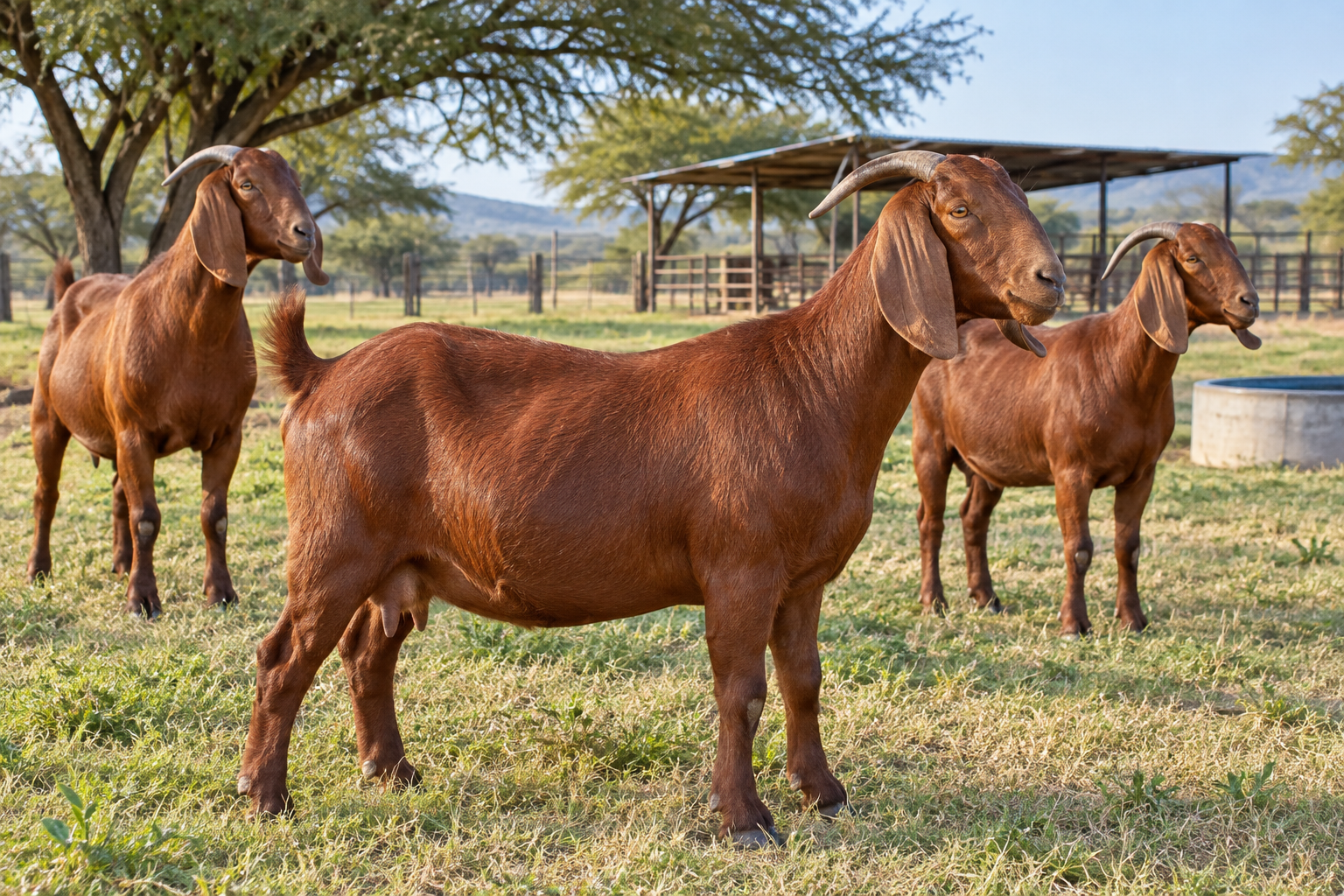
The Kalahari Red is a southern African meat goat selected for a red-to-brown coat and practical herd production. A solid red goat is not automatically a Kalahari Red, and coat color cannot establish its ancestry or performance. Begin with documented identity: the free goat pedigree chart maker can organize lineage you enter while you check the seller’s original registration and breeding records.
| Animal | Meat goat breed |
|---|---|
| Origin | Southern Africa |
| Appearance | Red-to-brown coat and pendulous ears |
| Identity caution | Color alone does not prove ancestry |
| Standard source | SA Boer Goat Breeders’ Association |
| Buyer priority | ID, pedigree or papers, structure and actual herd records |
| US availability | Confirm individual sources and stock; no supply assumed |
Browse listings, public profiles, breeders, or add your animal.
What is a Kalahari Red goat?
A primary genetic study from southern Africa describes Kalahari Reds selected from regional lop-eared goats for uniform red pigmentation and identifies the breed as a meat-producing population. The study’s concern about mixing with red Boer goats is a useful reminder: a red coat is not a breed test.
The SA Boer Goat Breeders’ Association’s Kalahari Red standard refers to the SA Boer conformation standard with specific Kalahari color provisions. It describes the ideal coat in shades from light to dark brown and distinguishes stud-standard animals from flock goats. Do not reduce the complete standard to “all red,” and do not treat a flock animal as automatically eligible for stud status.
Ask the breeder which registry holds the animal’s record, its exact recorded status and how a transfer works for a US buyer. Do not assume a South African show term or a foreign registry entry has an identical meaning in another registration system. Keep copies of the original paperwork and match it to the animal’s permanent ID.
A red Boer goat and a Kalahari Red can share visible traits. Neither appearance nor a user-created pedigree chart settles the distinction. Compare the intended use as well: Angoras are mohair goats, and cashmere goats are selected for fine underdown. The goat species hub gives the broader context.
Evaluate the working goat, not a hardiness slogan
The breed’s southern African history does not prove that a particular animal will thrive with no inputs on your farm. Ask for records under conditions close to yours. Feed, rainfall, parasite exposure, stocking pressure and management can differ sharply between the seller’s farm and your own.
Watch the goat walk freely on a safe surface. Have an experienced assessor examine feet, legs, bite, body condition and breeding soundness before purchase. Ask about udder and teat function in does and an appropriate breeding-soundness assessment for a buck. Those are individual questions, not facts established by a breed name or a staged photograph.
For a production herd, request dated weights with the method and age, kidding and rearing records, and any reason an animal or its close relatives needed repeated help. “Fast growing,” “easy kidding” and “parasite resistant” are incomplete descriptions without a defined observation and context. Do not pay for an unmeasured performance claim.
Shelter, feed and herd health
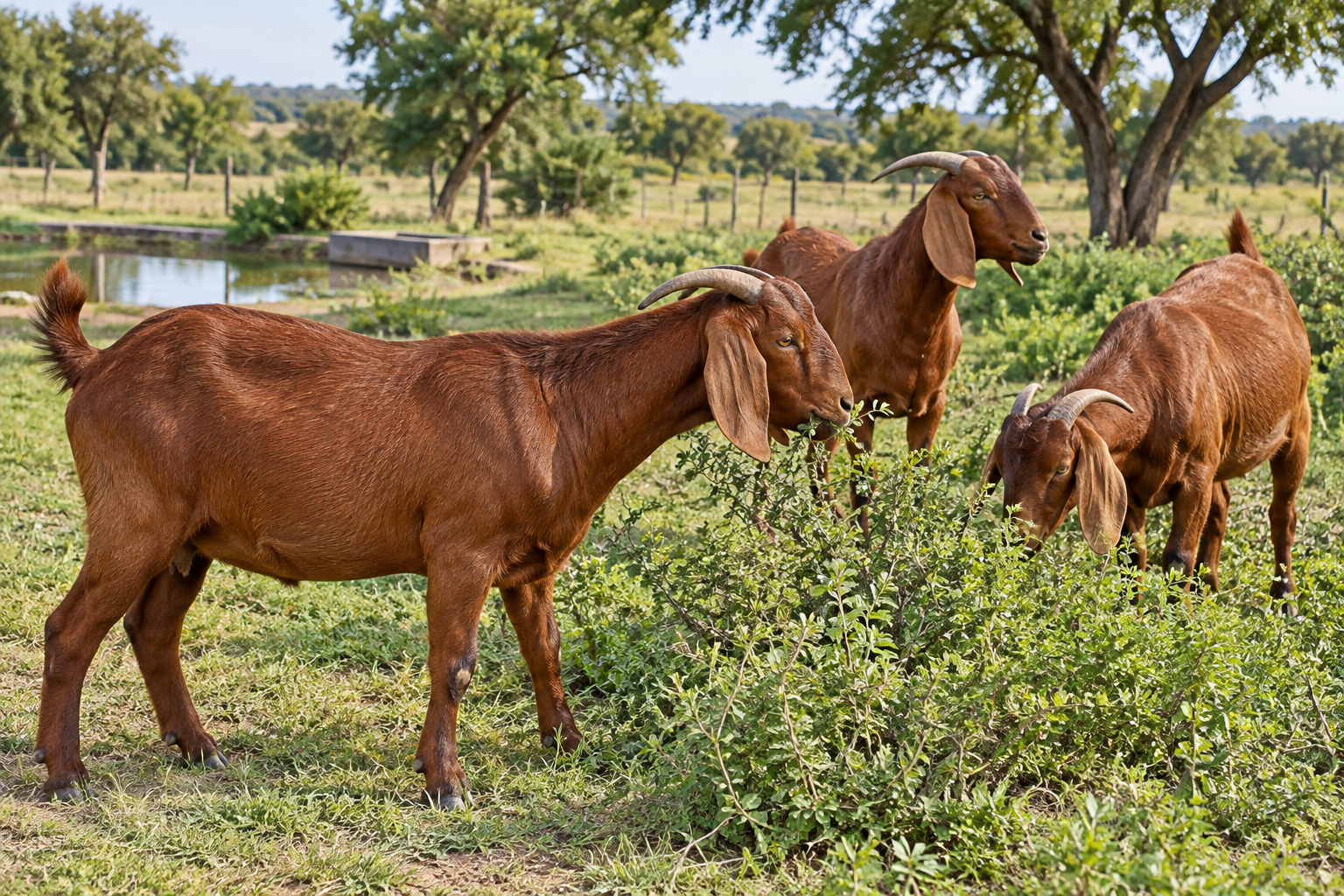
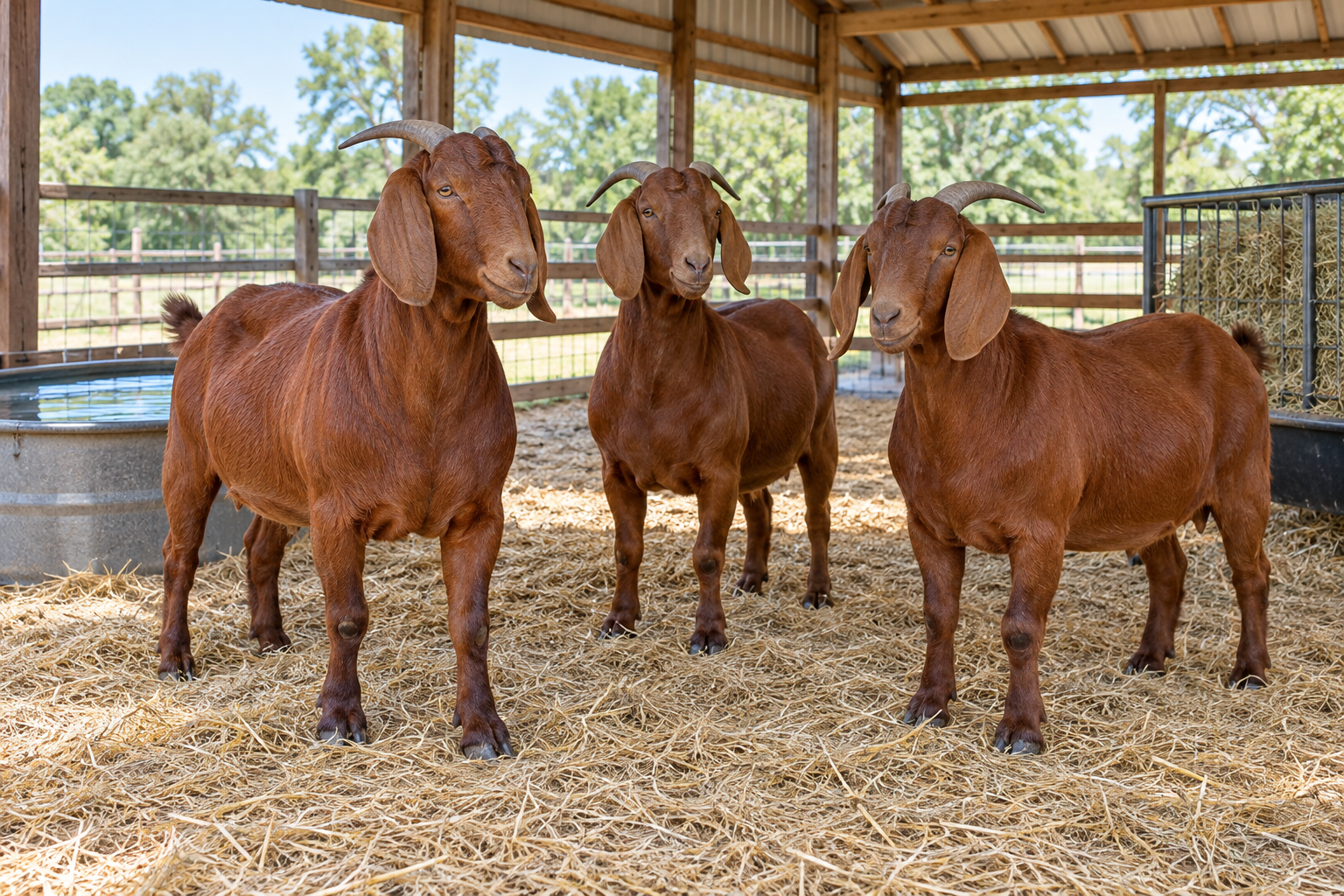
Keep compatible goat companions and enough room for every animal to reach feed, water and a dry resting place. Secure fencing, a well-drained site and a ventilated shelter are basic requirements. Colorado State Extension describes dry bedding and protection from prevailing weather. The goat shelter guide helps you turn that into a layout you can clean and inspect.
Base the ration on suitable forage and clean water. Oregon State’s feeding guidance explains why forage supports rumen health and why growth, pregnancy and lactation change requirements. Make feed changes gradually and have the forage assessed before deciding on concentrates. Mississippi State Extension recommends a balanced loose goat mineral and matching the plan to the herd’s forage. Do not prescribe copper, selenium or other supplements from coat appearance. The goat feeding guide is a practical planning companion.
Agree a prevention and parasite-monitoring plan with a goat veterinarian. Penn State’s goat health guidance supports separating new or unhealthy animals and using biosecurity and parasite management together. Keep dated test results and treatment history, including the reason for a treatment. A breed reputation or a single negative test is not a lifetime health guarantee. Ask promptly for veterinary help with lameness, loss of appetite or a sudden change in condition; do not dose an animal from an internet estimate.
Adapt the management to your farm
Shade, clean water and a dry resting area are still necessary for a goat associated with hot or extensive systems. Do not copy a dry-region parasite plan into a humid environment. Discuss local pasture hazards and the herd’s introduction plan with your veterinarian and extension adviser before arrival.
Identify unsafe plants before browsing starts, check fences for places horns or legs could become trapped, and plan handling facilities before a powerful adult buck arrives. Teach helpers the animal IDs and care routine. A breed description cannot replace a competent person checking the herd each day.
Breeding records that retain uncertainty honestly
Record each doe’s access to a buck, the buck’s permanent ID, actual kidding date, kids born and reared, assistance and losses. Preserve management context when comparing growth. A weight without a date or method is not a comparable growth record. The goat recordkeeping guide shows how to build that history.
Use a veterinarian and an experienced breeder to assess maturity, condition and breeding suitability. Make a plan for all offspring and avoid selecting solely for the deepest red coat. If multiple bucks had access, record the possible sires instead of filling a pedigree with the one you prefer. A DNA parentage test is a separate service; confirm what a registry accepts before ordering one.
Weights, matings and pedigrees
Use actual scale weights when possible. The goat weight calculator provides a body-measurement estimate, not a scale reading, breed validation or medicine dose. Label an estimate clearly and keep the method consistent; the measurement guide shows the landmarks.
If you breed, keep the buck’s access dates, not an invented exact service date. The goat gestation calculator offers a planning estimate rather than pregnancy diagnosis or a promised birth date. Preserve a date range when that is all you know, following the breeding exposure record guide.
The goat pedigree chart maker can organize lineage you enter. It does not replace registration papers, verify ancestry or perform a DNA test. Leave unknown ancestors blank. The goat name generator can suggest a name, but retain the animal’s permanent ID alongside it.
US availability and price: ask for a real offer
US buyers should confirm sources individually. We do not have a verified national stock count or a current price dataset for Kalahari Reds, and a directory listing cannot establish either. Be prepared to wait for suitable documented animals rather than accept any red goat offered under the name.
Get a written quote tied to the actual animal and its recorded status. Include transport, any required movement paperwork, companions, secure fencing, handling facilities and ongoing care in the budget. Confirm movement requirements with the relevant animal-health authority for the trip. The goat cost guide helps organize expenses, while the buying guide helps assess the seller and health evidence.
Ask before placing a deposit:
- What is this goat’s exact registry and recorded status, and can I verify its ID and transfer?
- Which records distinguish this animal from a red Boer or an undocumented cross?
- Can I see its movement and have an experienced person assess breeding soundness?
- Which weights, kidding outcomes and health results are available with dates?
- What management changes will it face at my farm, and how will we manage the transition?
- What animals are actually available now, and what happens if the planned animal cannot travel?
Kalahari Red goat FAQ
Is every solid red meat goat a Kalahari Red?
No. Color cannot prove breed or parentage. Ask for the animal’s documented origins and the relevant registry record.
Are they immune to parasites or disease?
No breed name establishes immunity. Build the local health plan with a veterinarian and use the individual herd’s monitoring records.
What is the breed’s adult weight?
Do not use an unsourced internet maximum as a buying specification. Ask for the animal’s actual scale weight, age, sex and condition, and use the applicable registry standard if one governs your purchase.
Can a pedigree chart certify my goat?
A chart records the lineage entered into it. It does not certify a registry status, verify parentage or turn an unknown animal into registered breeding stock.
Do this next on Creatures
- Find a suitable source. Save a Kalahari Red goat listing alert. It waits for future matching listings and does not confirm stock today. Saved-search help.
- Start your goat’s profile. Add your Kalahari Red goat. No account is needed to start; a free account keeps the profile. Adding an animal.
- Keep evidence with the animal. Add a health, weight or husbandry record. The form opens for visitors; a free account saves the record. Adding a record.
- Check current offers. Browse Kalahari Red goat listings and confirm the seller’s individual animal, location and availability.
- Research farms. Browse the breeder directory. A directory entry is not confirmation of breed ancestry, available stock or an endorsement. Ask for the evidence described above.
- Explain your herd. Start a farm or breeder profile and describe your animals and records honestly. Creating an organization explains the setup.