
West African Dwarf
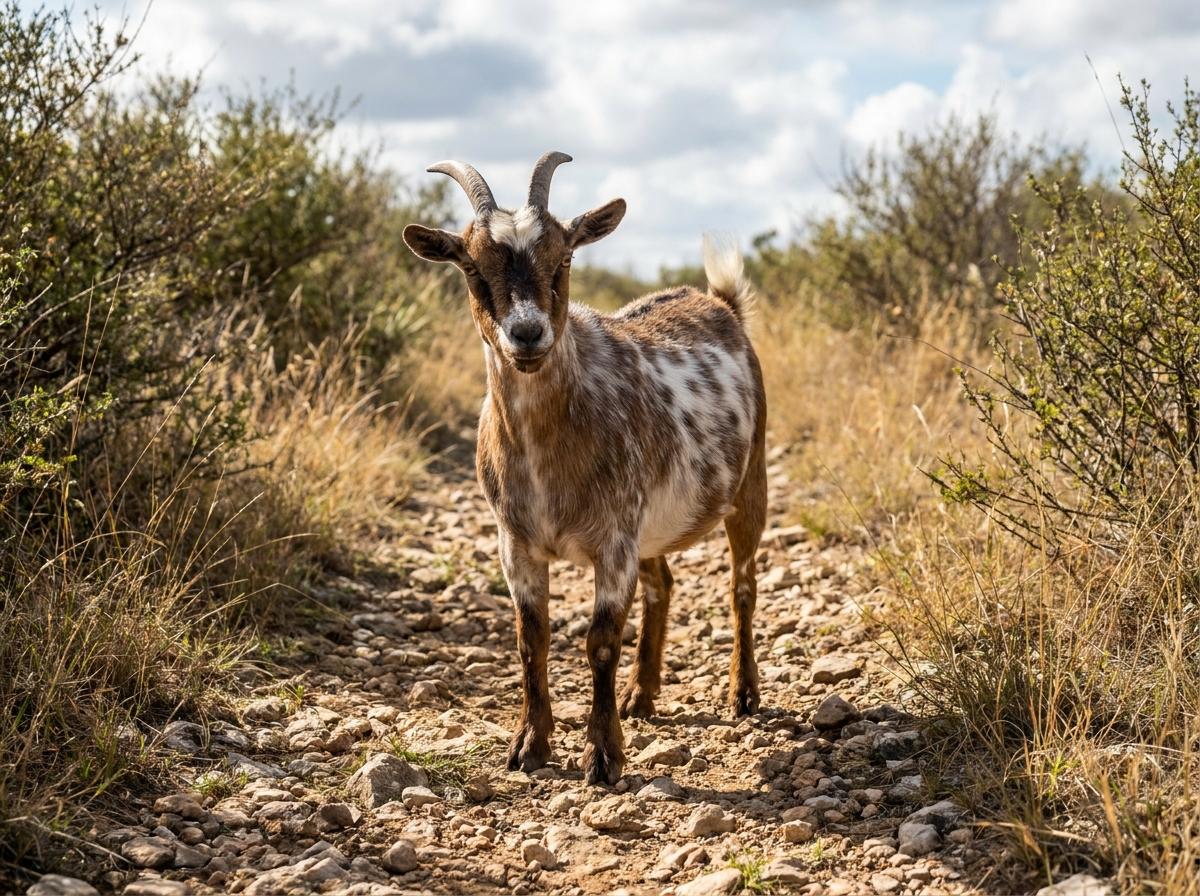
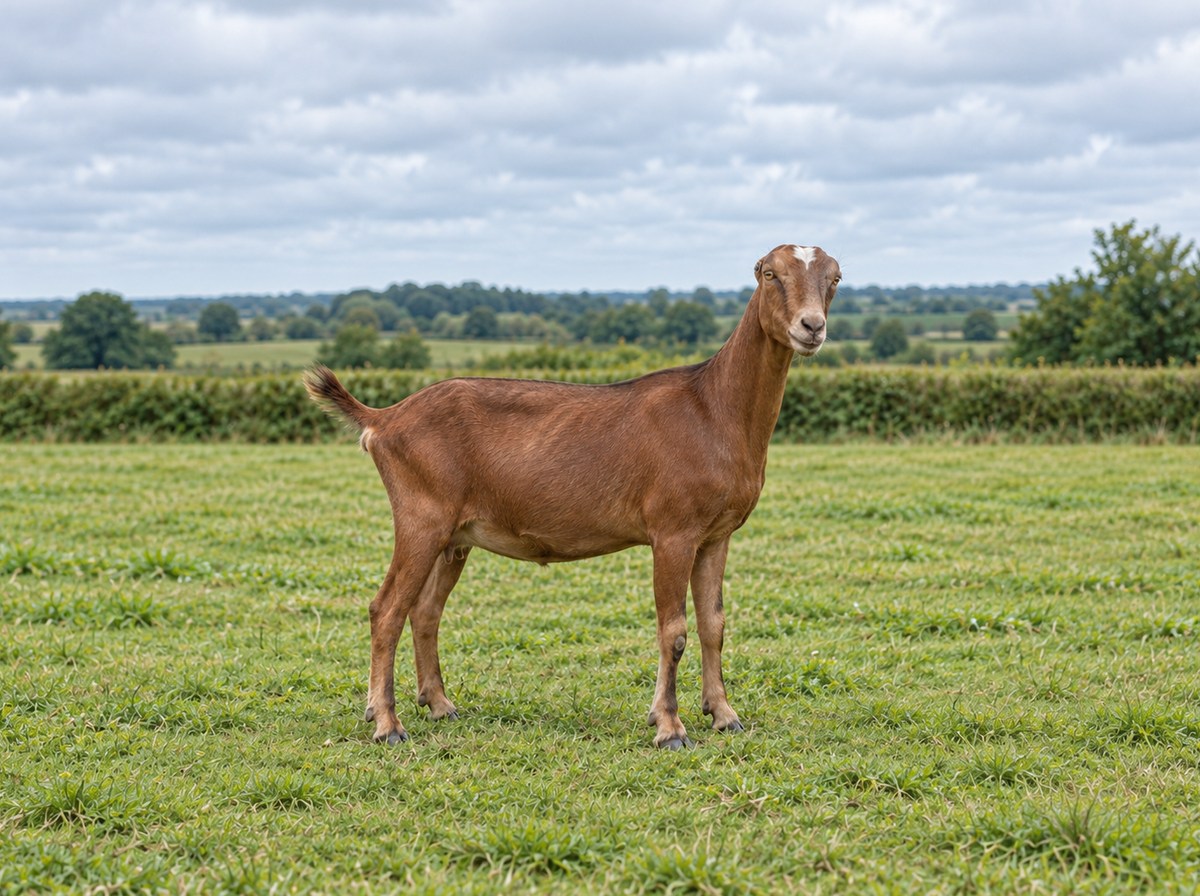
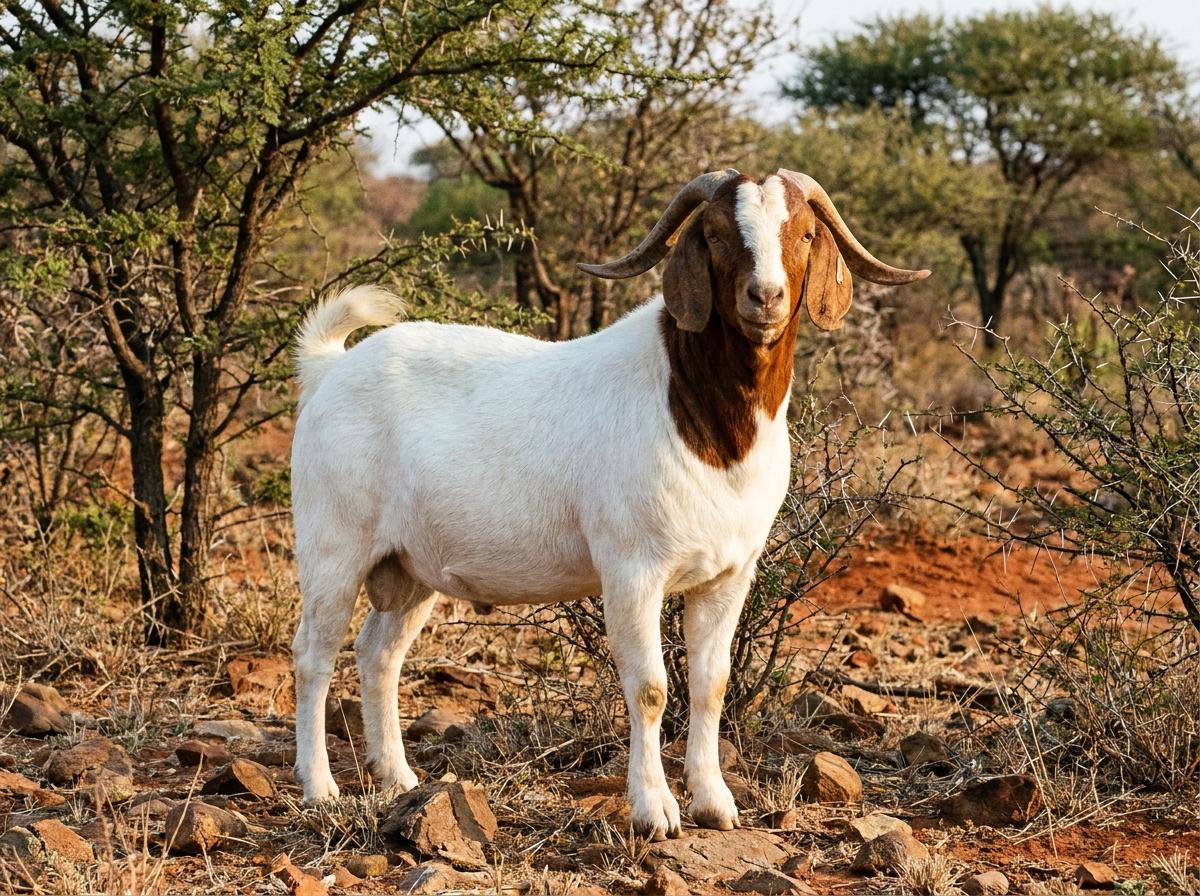
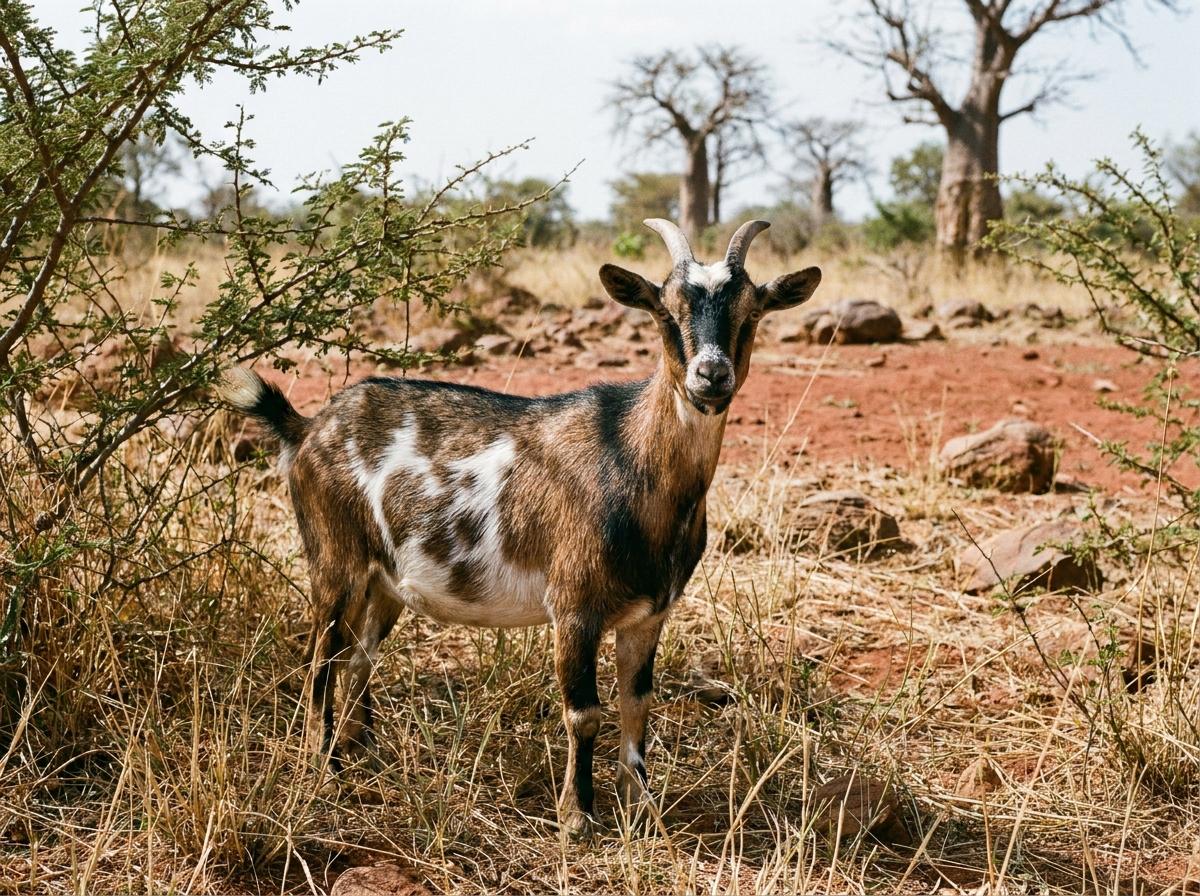
The West African Dwarf goat is a compact landrace group of domestic goats found across the humid and subhumid zones of West and Central Africa. Also called Djallonke in some contexts, it is short-legged, hardy, and highly variable in coat color, with small horns common in both sexes. Its importance comes from adaptation to environments where larger Sahelian goats may struggle, including a degree of tolerance to trypanosomiasis in tsetse-affected areas. The type is kept mainly for meat, household savings, ceremonies, and occasional milk, and it also contributed ancestry to Pygmy and Nigerian Dwarf goats developed abroad.
Village flocks often browse around compounds, fallow land, roadsides, and crop fields, but they benefit greatly from night shelters, kid protection, and simple control of breeding. Humid climates make internal parasites, foot problems, and dirty sleeping areas more serious than lack of concentrate feed. Outside Africa, keepers should remember that West African Dwarf is not the same thing as a registered Nigerian Dwarf dairy goat, even though they are historically related. Conservation programs value the population's local adaptation, so indiscriminate crossing with larger meat breeds can trade away traits that matter in its home range.
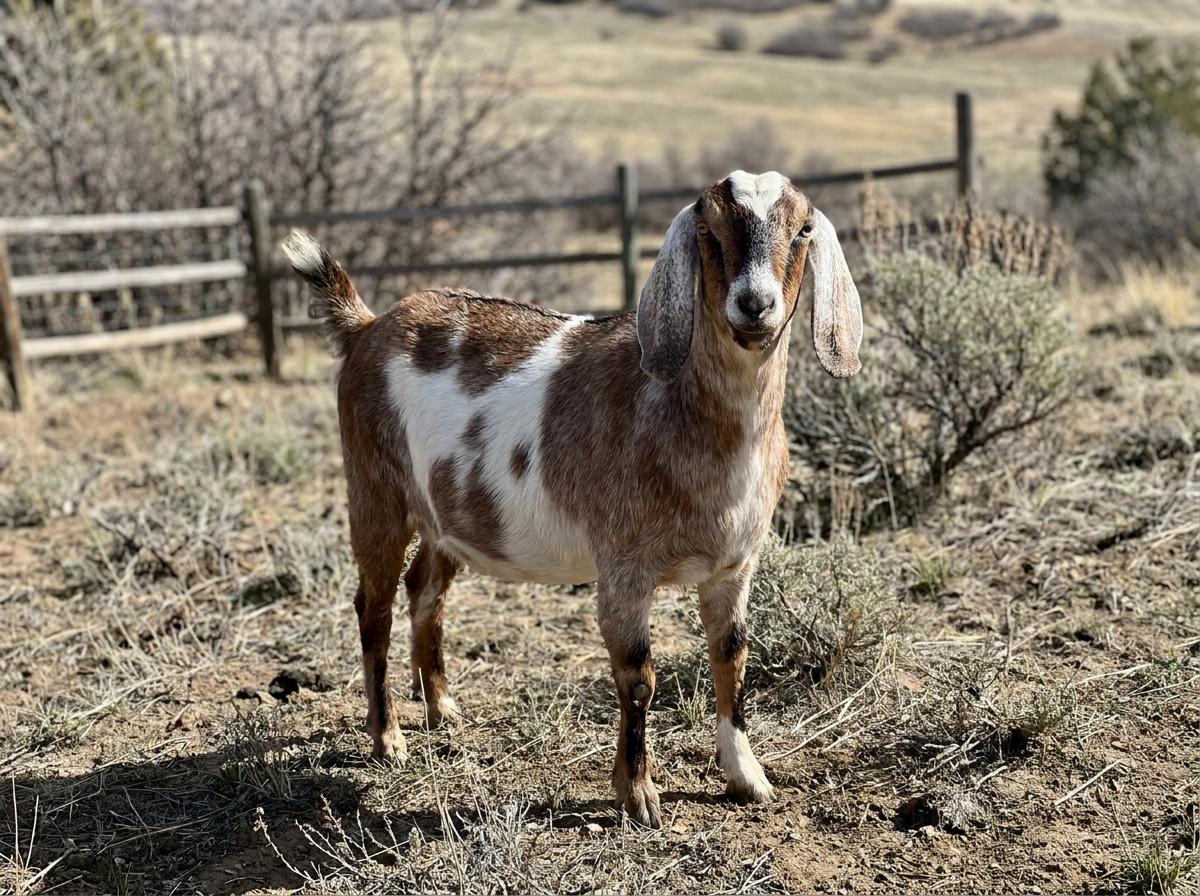
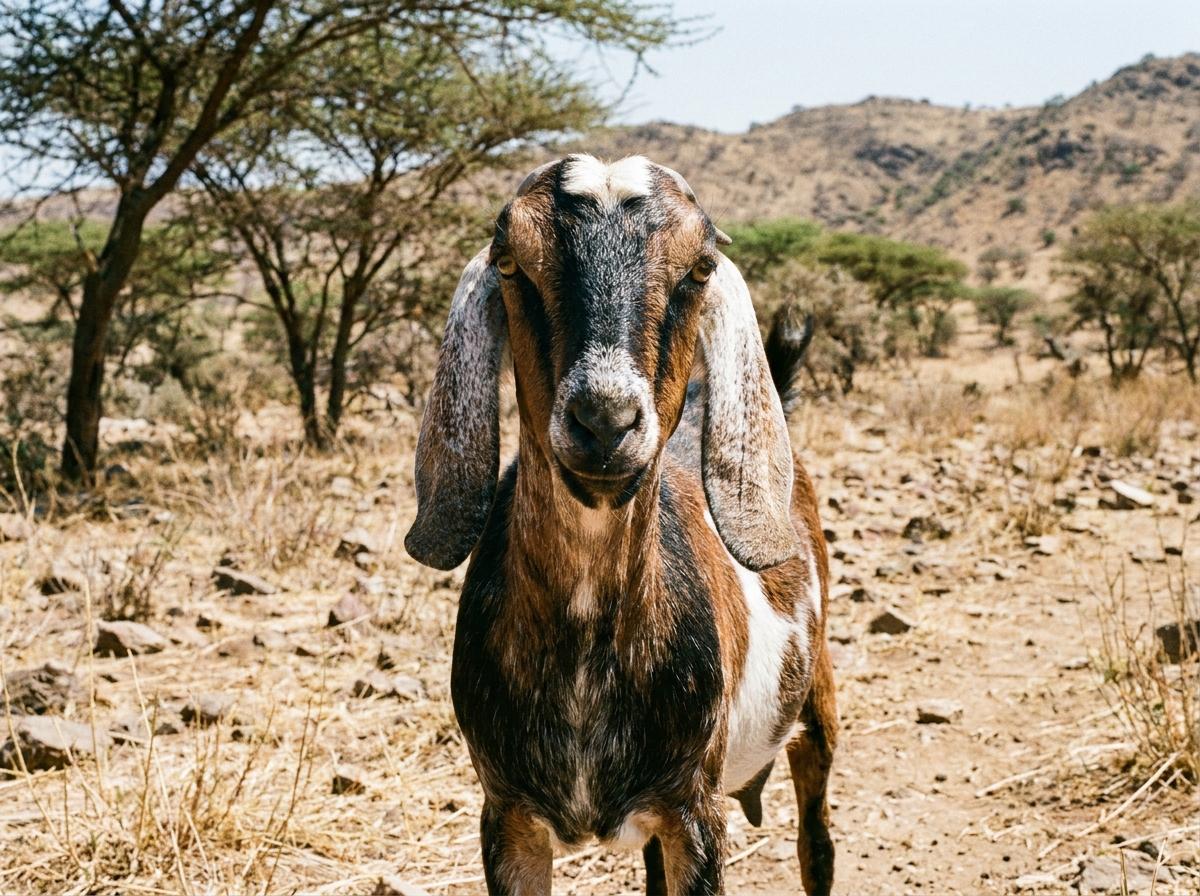
Colors: Belted, Black, Black and White, Black and White Pied, Black and White Spotted, Brown, Brown and White, Brown and White Pied, Brown and White Spotted, Buckskin, Chamoisee, Cou Blanc, Cou Clair, Cream, Fawn, Gold, Mixed Colors with White Base, Moonspotted, Pinto, Red, Red and White, Roan, Spotted, Sundgau, Swiss Marked, Tan, White