
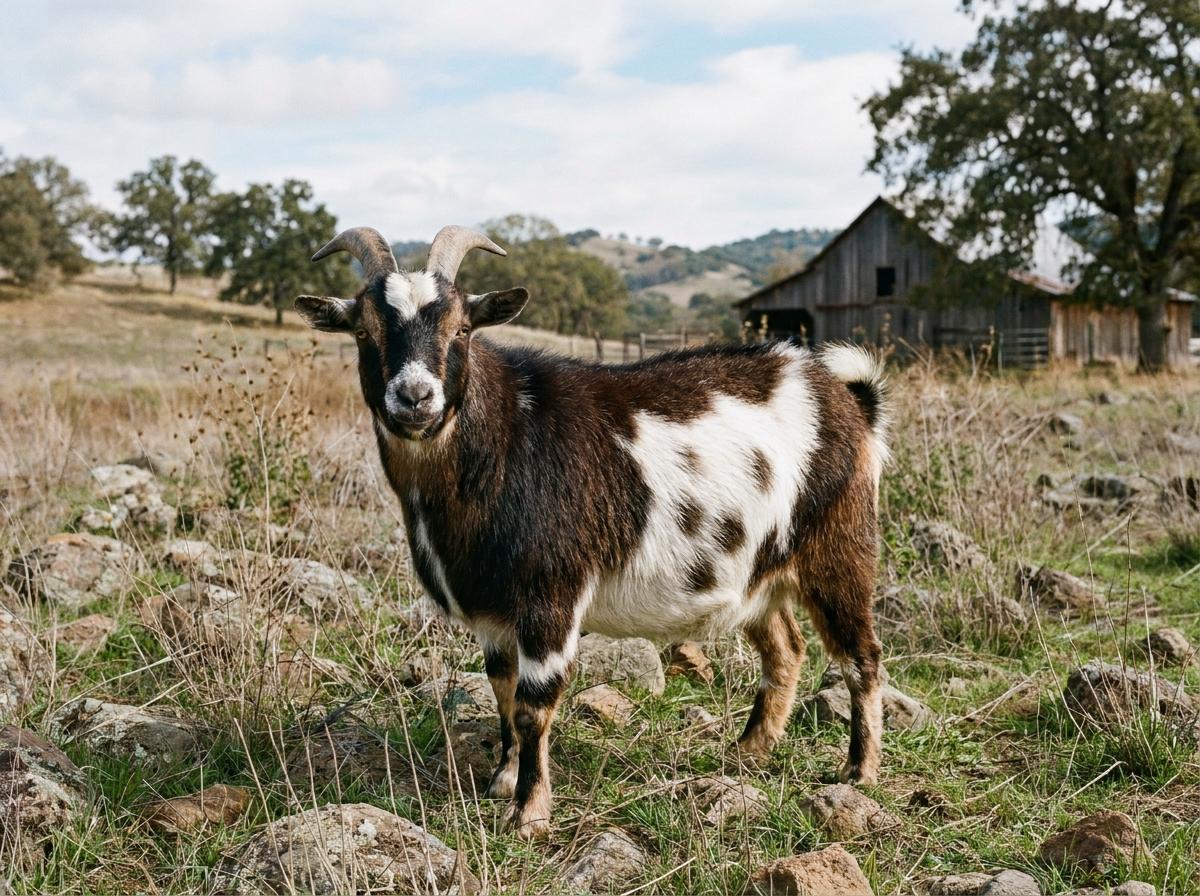
Fainting (Myotonic)
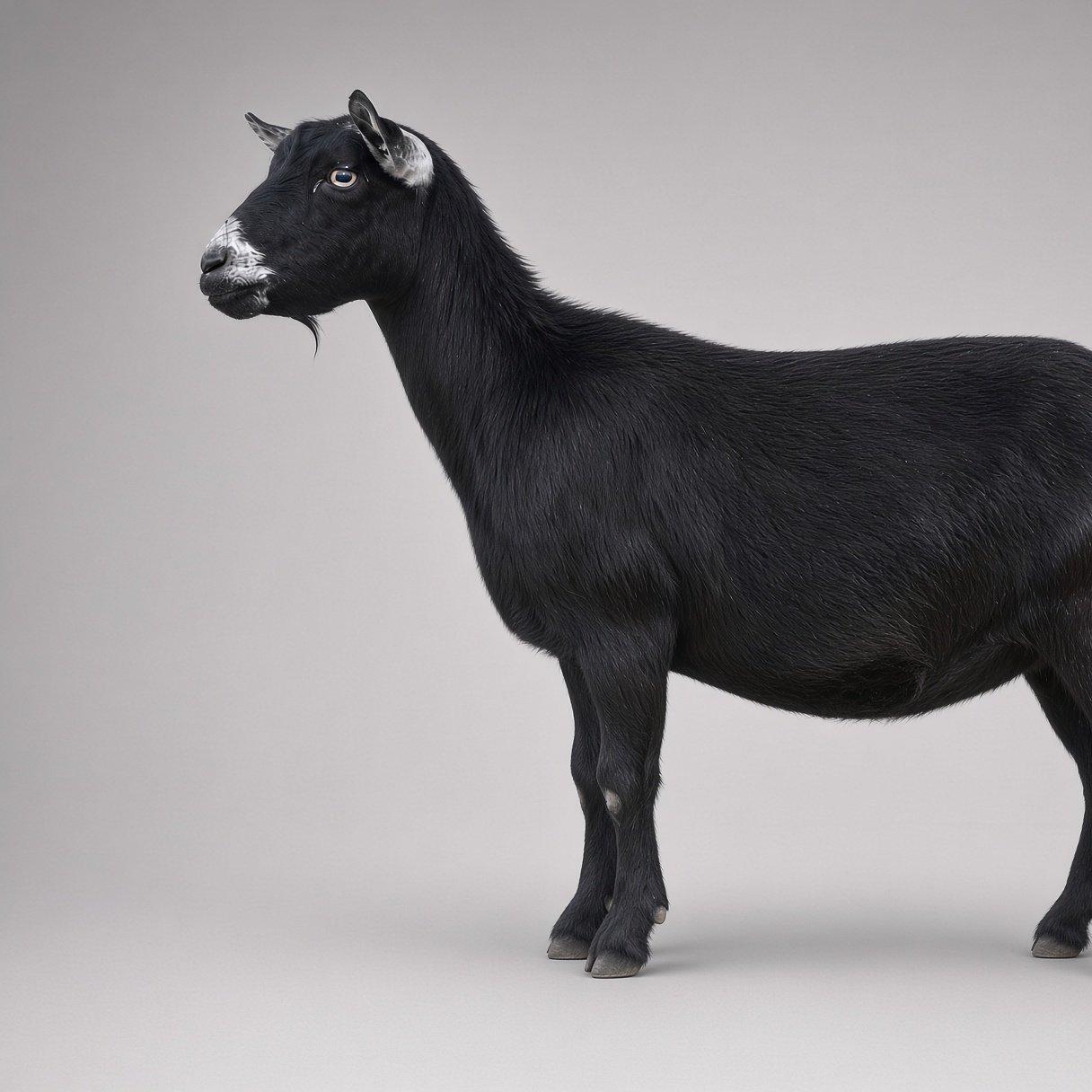
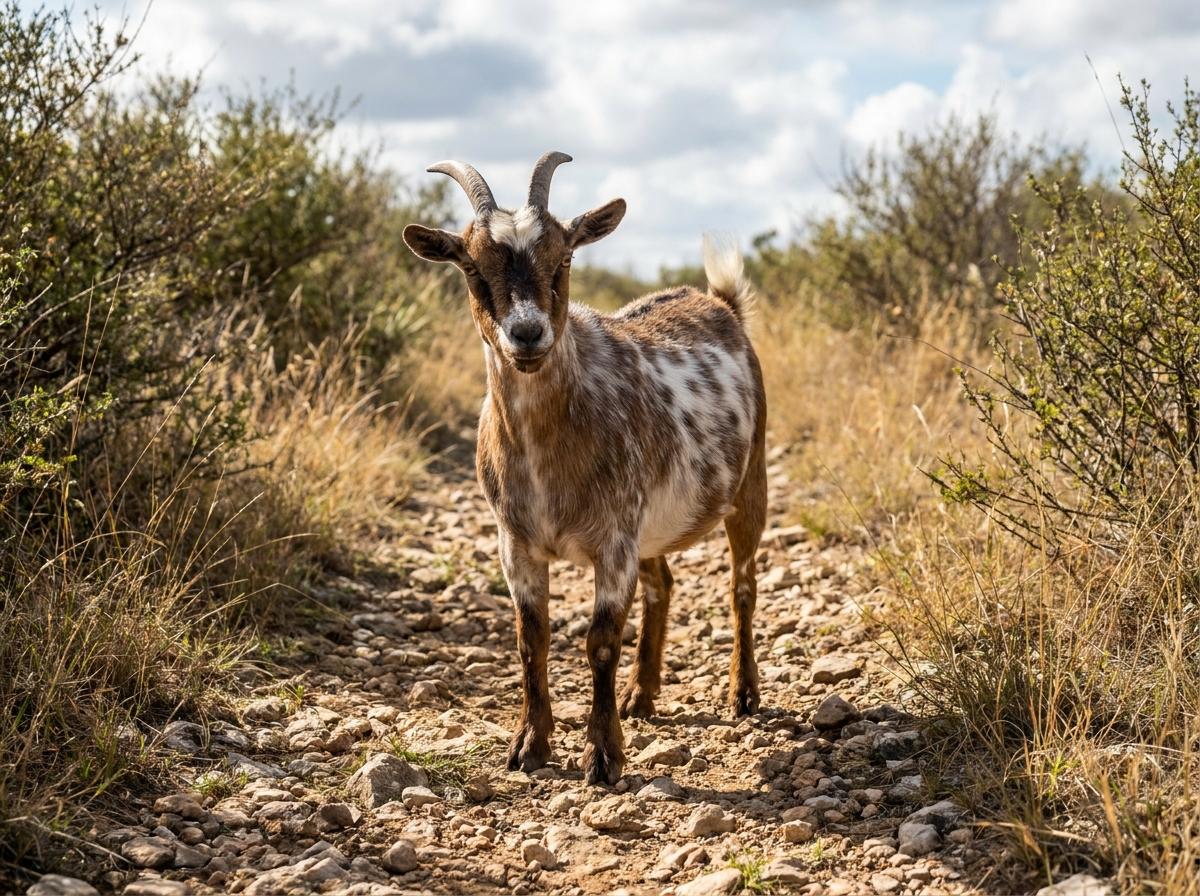
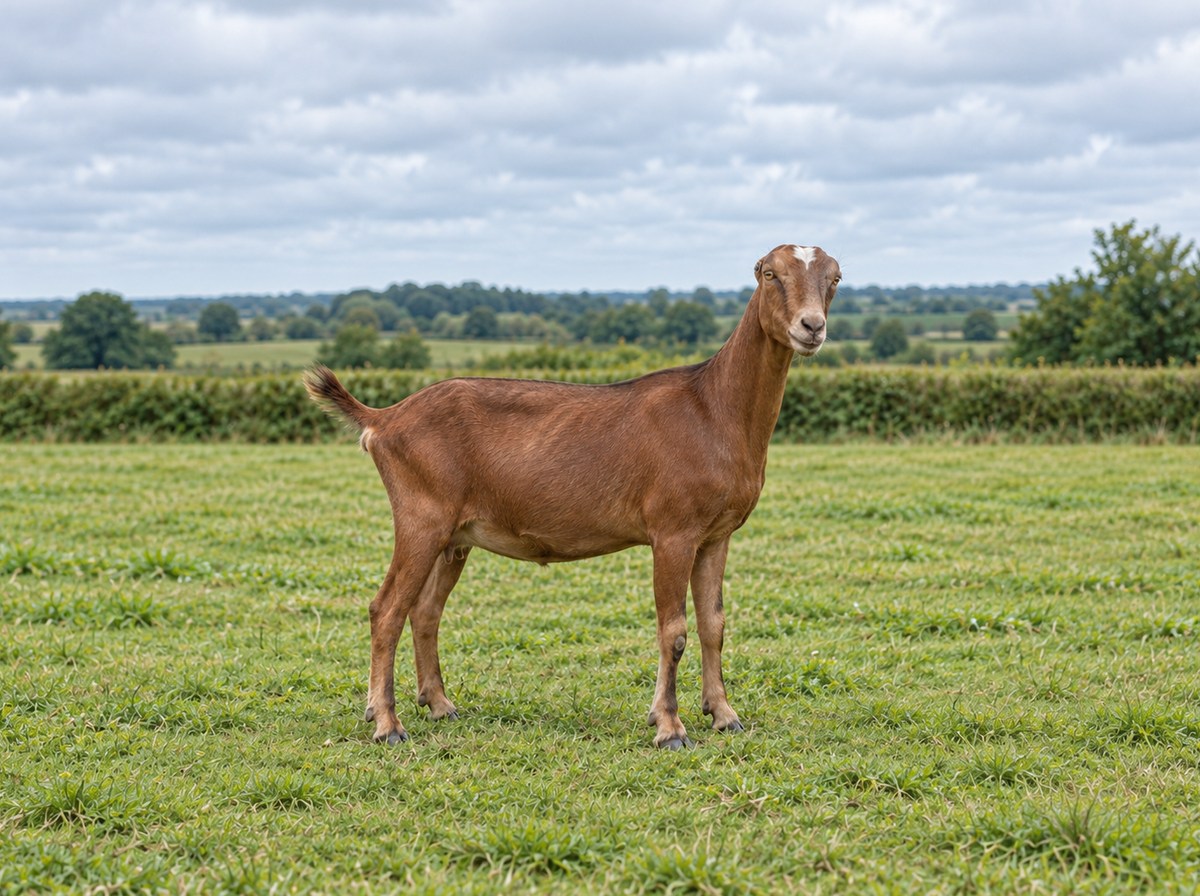
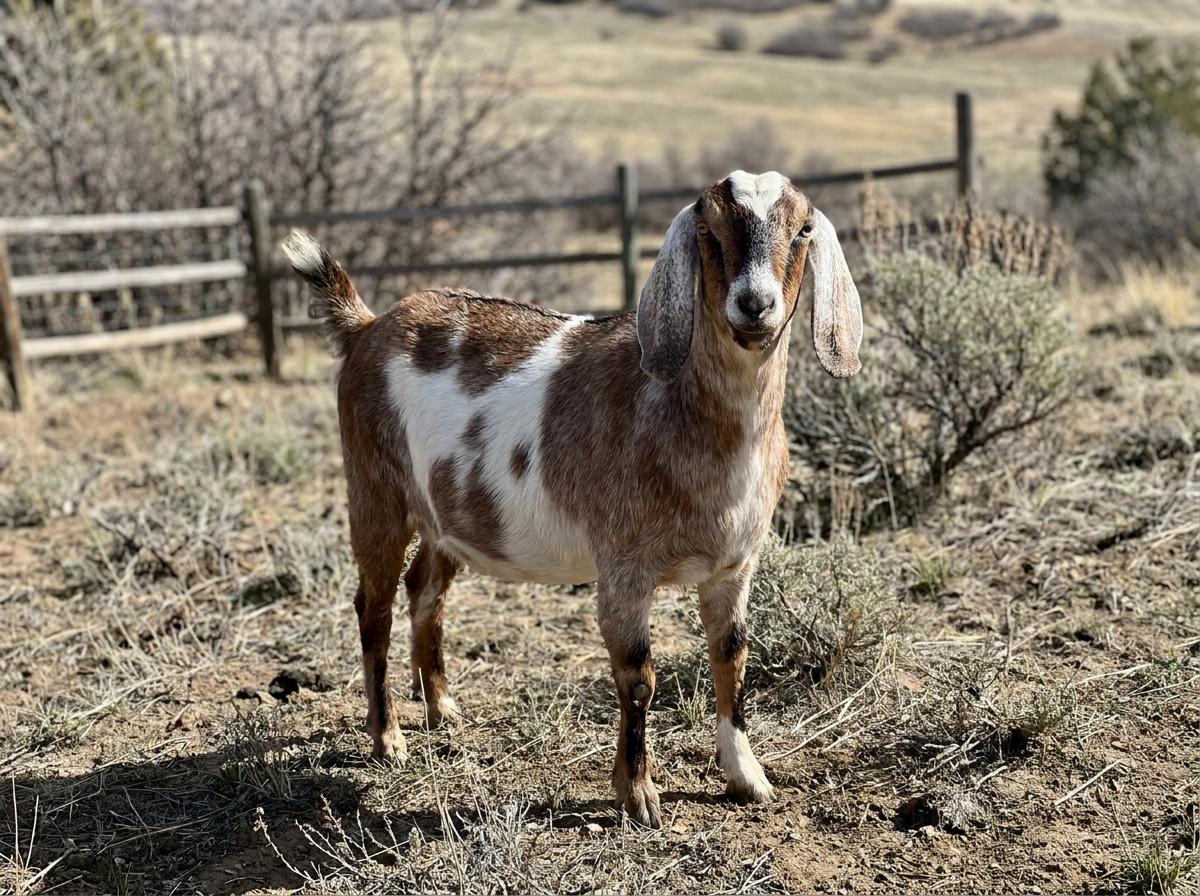
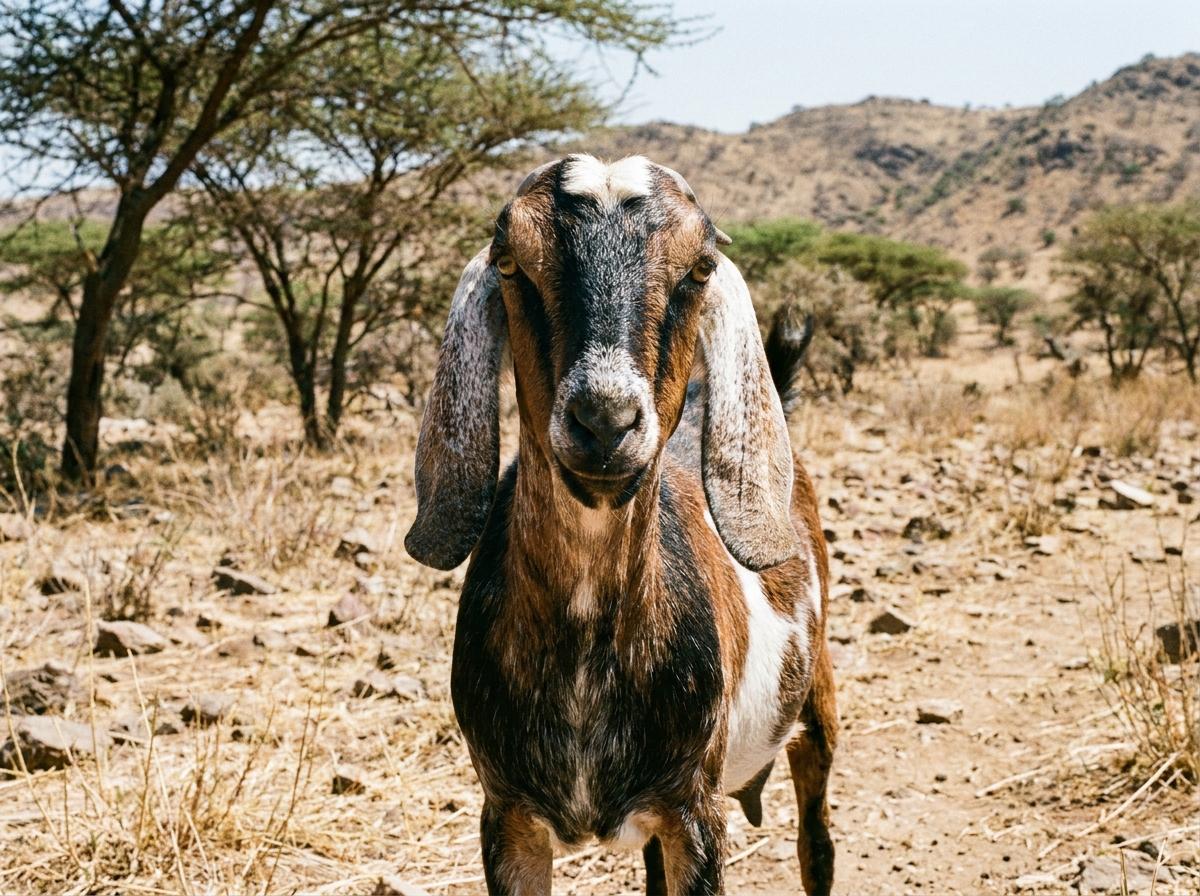
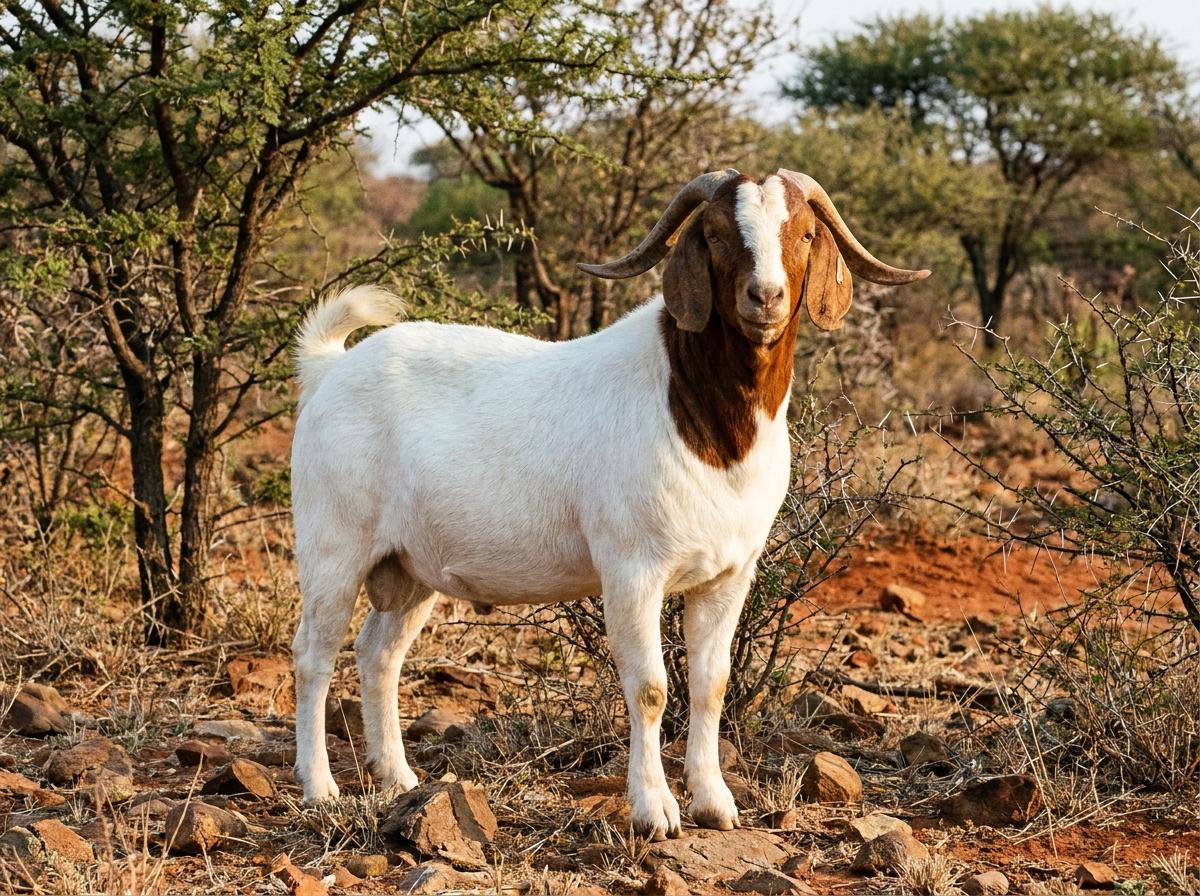
The fainting goat is more accurately called the Myotonic goat, Tennessee Fainting goat, stiff-leg goat, or wooden-leg goat. It developed in the American South and is defined by myotonia congenita, an inherited condition that causes muscles to stiffen briefly when the animal is startled or excited. The goat stays conscious; young or heavily affected animals may tip over, while older ones often brace themselves. Myotonics are usually compact and noticeably muscled, and their coats may be solid, spotted, belted, black, brown, white-marked, or many other patterns.
These goats are kept for meat, brush control, exhibition, small-farm breeding, and as companion livestock, but the startle response should not be exploited for amusement. Pens need safe footing, uncluttered corners, and feeders or gates that will not trap a stiff animal. They are often easy keepers, so body condition, parasite control, hoof care, and adequate minerals deserve attention. Breed registries and breeder communities differ on size and show style, making it worth asking whether stock is selected for traditional myotonia, meat conformation, miniature traits, or pets.
Colors: Belted, Black, Black and White, Black and White Spotted, Black with White Points, Brown, Brown and White, Brown and White Spotted, Brown with White Points, Buckskin, Chamoisee, Cou Blanc, Cou Clair, Cream, Fawn, Gold, Moonspotted, Multi-Patterned, Pinto, Red, Red and White, Red and White Spotted, Red with White Points, Roan, Solid Black, Solid Brown, Solid Red, Solid White, Spotted, Sundgau, Swiss Marked, Tan, Tri-Colored, White