

Angora
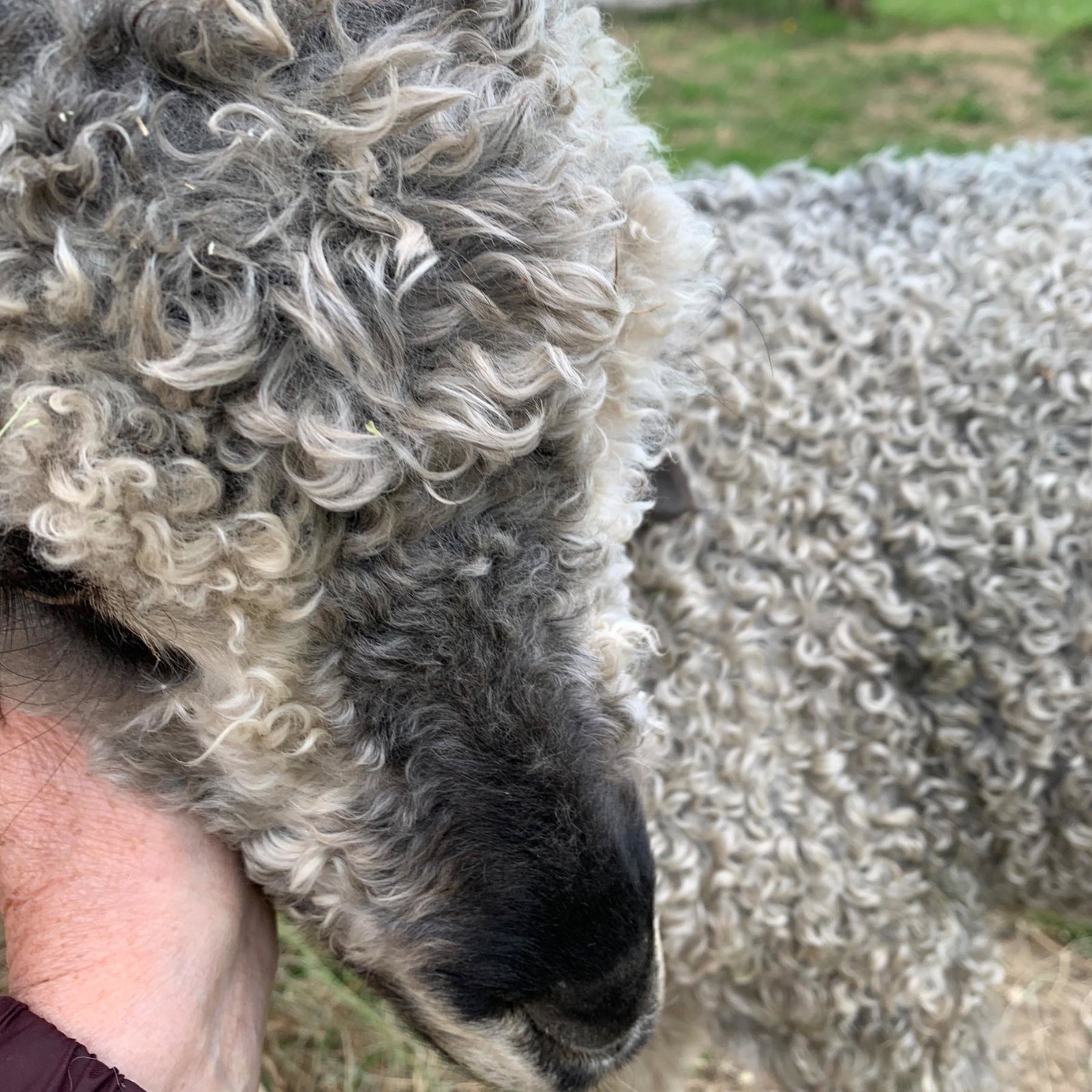
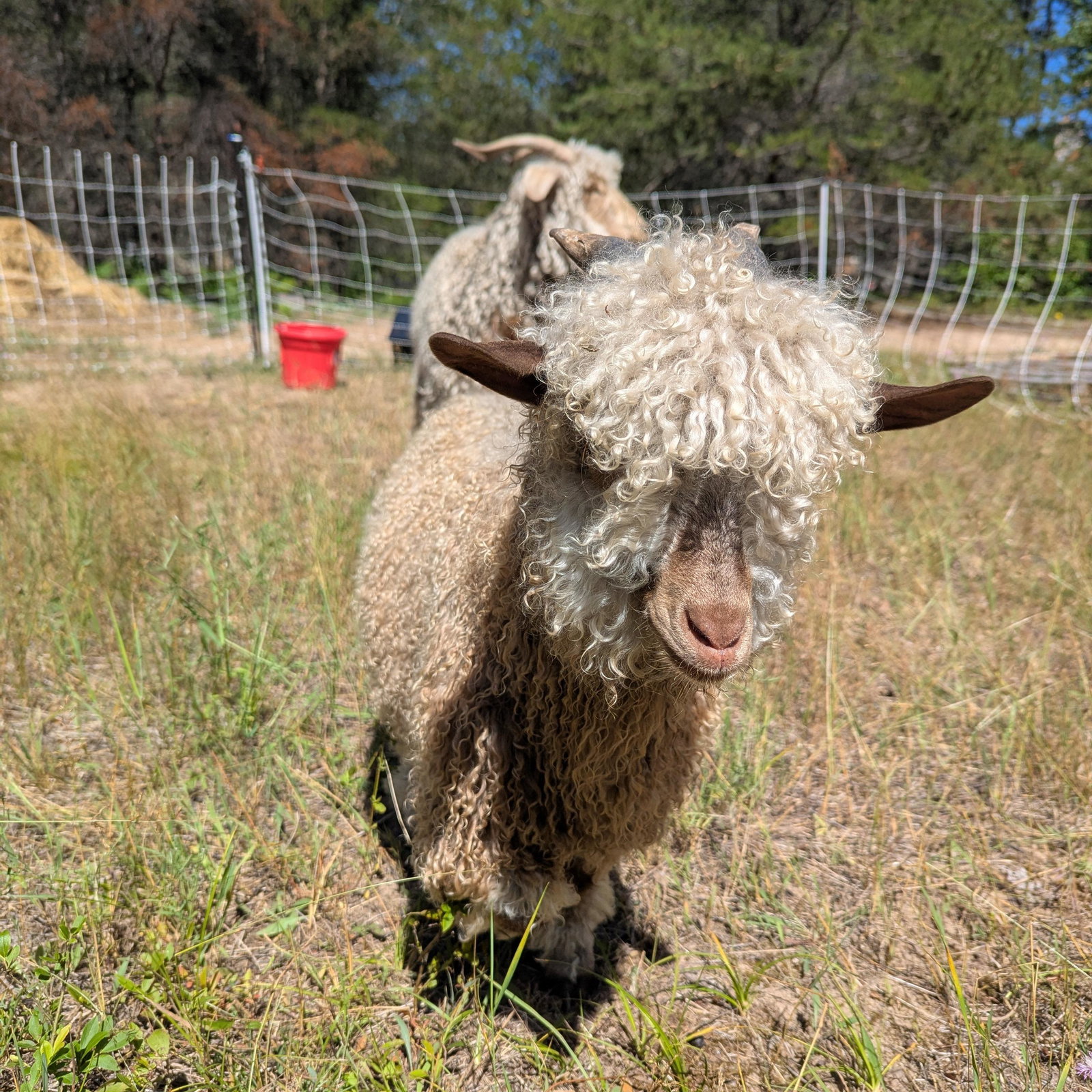
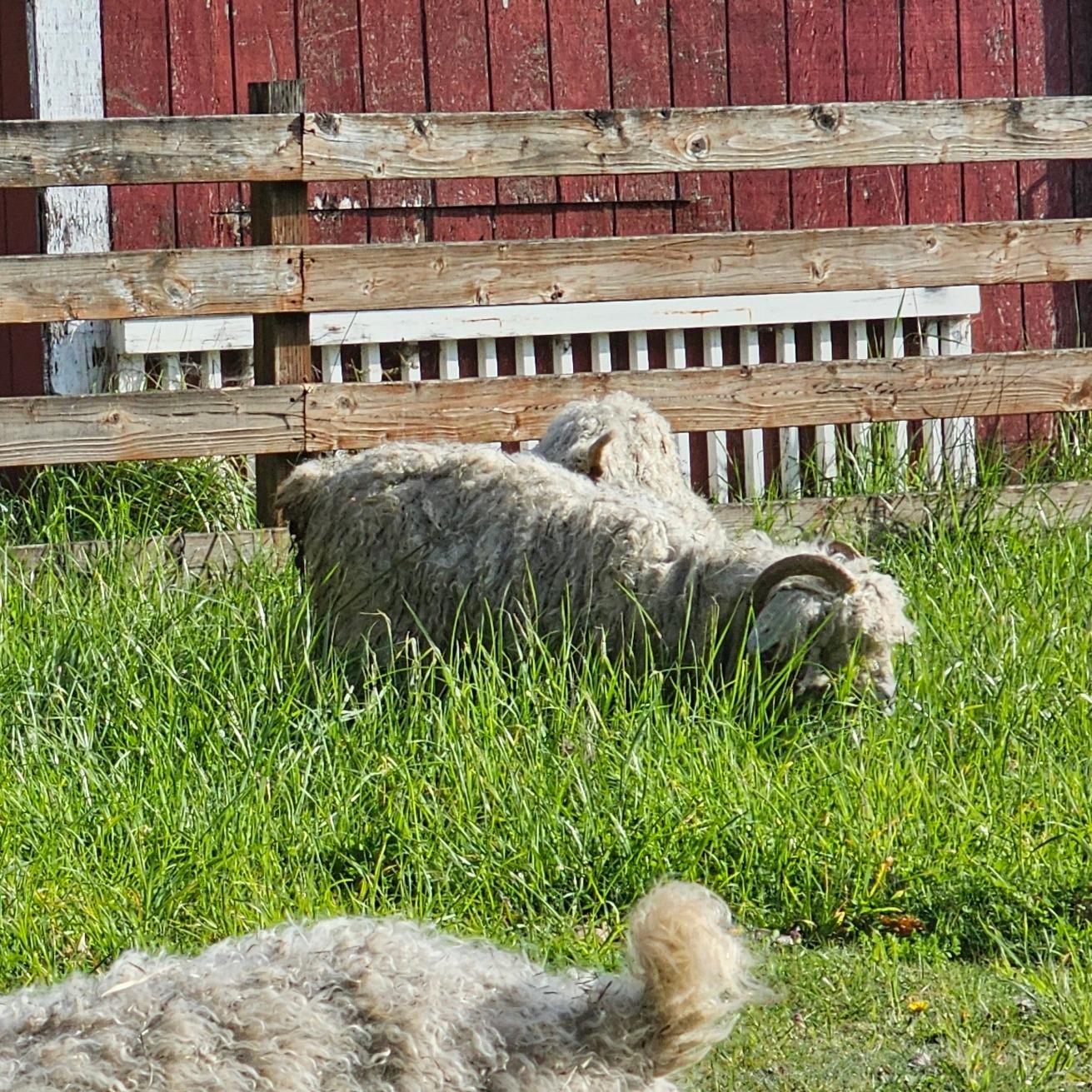
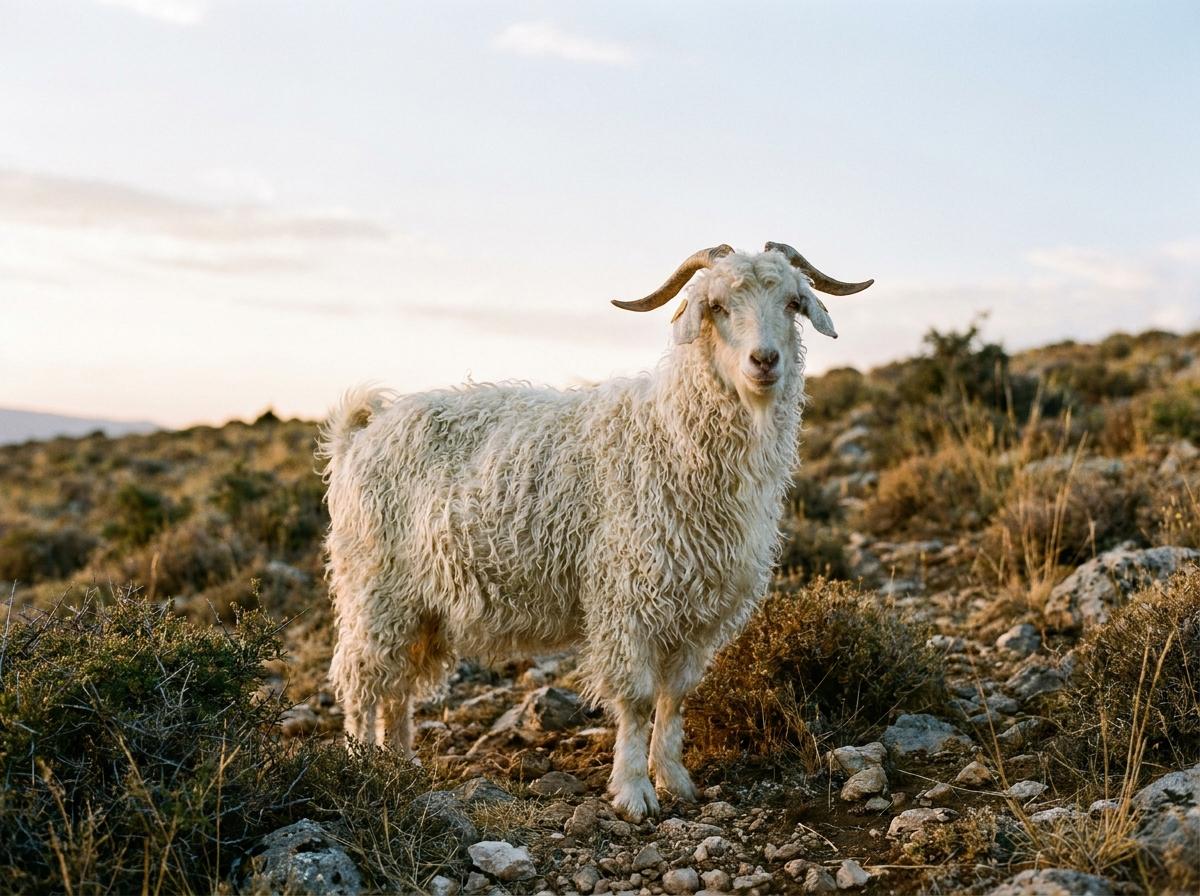
Angora goats are fiber goats associated with Ankara, Turkey, historically known as Angora, and they are the traditional source of mohair. They carry long, lustrous locks that grow in ringlets or waves, with white the most common commercial color and colored lines kept by some breeders. Both bucks and does are usually horned. Mohair is different from cashmere: it comes from the fleece that is shorn from the animal, not a soft underdown collected by combing.
Keeping Angoras revolves around fleece as much as meat or milk. Most herds shear twice a year, so shelter after shearing is critical in cold rain or wind, when goats can chill quickly. Nutrition must support fiber growth, pregnancy, and lactation without letting animals become overfat, and internal parasites can be a serious problem in damp regions. Clean feeders, burr-free pasture, and careful handling protect fleece value. Breeders select for lock character, fleece weight, fineness, sound mouths, and mothering ability, because a beautiful fleece is not useful on a weak goat.
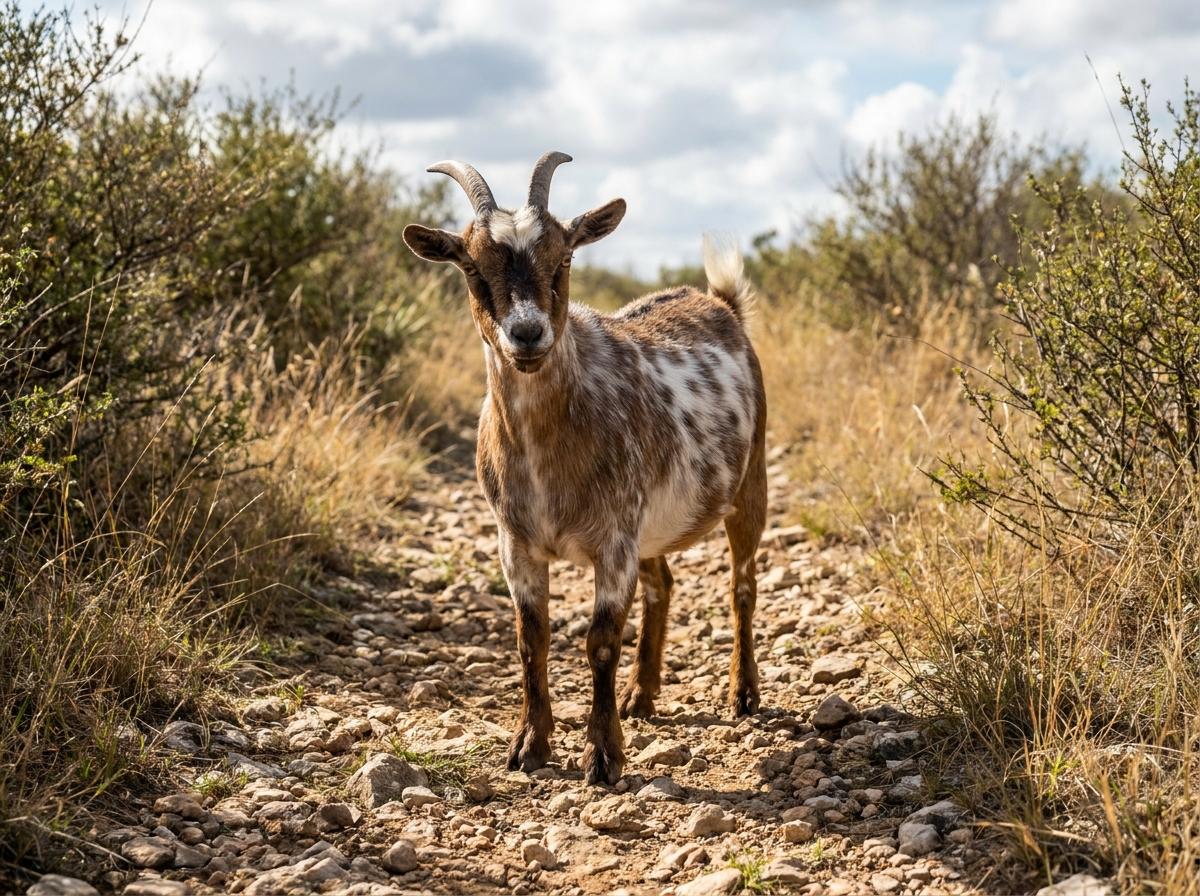
Colors: Belted, Black, Black and White, Blue, Blue Roan, Brown, Brown and White, Buckskin, Chamoisee, Chocolate, Cou Blanc, Cou Clair, Cream, Fawn, Gold, Gray, Mixed Colors with Black Base, Mixed Colors with White Base, Moonspotted, Pied Black, Pied Brown, Pinto, Pure White, Red, Red and White, Red Roan, Roan, Silver, Spotted, Spotted White and Black, Spotted White and Brown, Sundgau, Swiss Marked, Tan, White