Oberhasli
Oberhasli are Swiss dairy goats recognized for a bay coat with black markings and an alert, upright-eared appearance. For someone choosing a milking doe, the color is only the first clue. Udder structure, the doe’s actual lactation history and the daily routine she is accustomed to tell you much more about how she might fit your herd.
This guide covers the standard dairy breed. Mini Oberhasli have a separate breeding background and size framework, so a small brown goat should not automatically be described as either one. The goat hub provides a broader breed comparison.
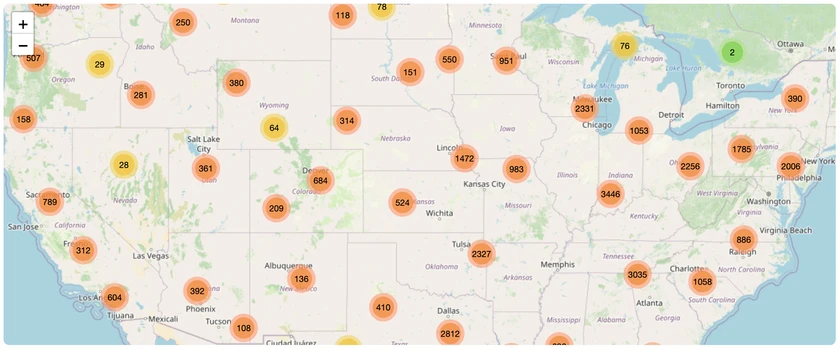
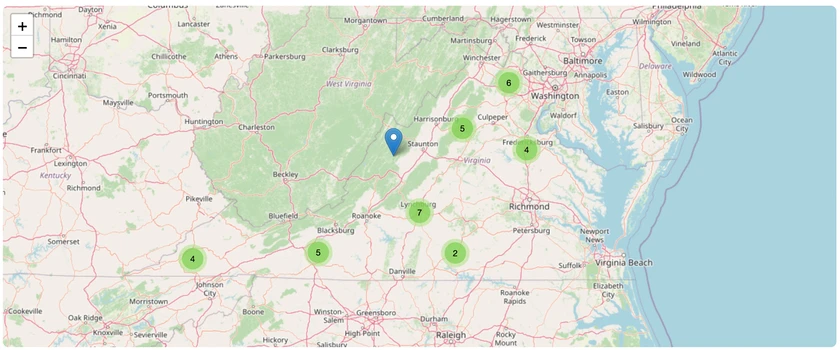
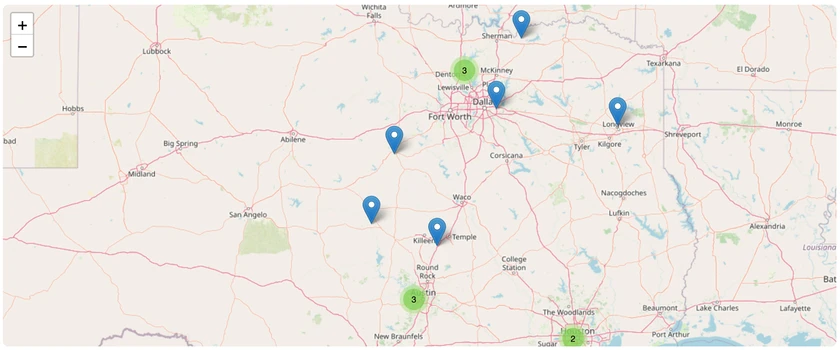
For breeder research, find Oberhasli breeders and ask each program for registration, lactation and herd-health records. A directory entry does not confirm current stock.
| Type | Swiss dairy goat |
|---|---|
| Typical coat | Bay with black markings; black does may qualify |
| Ears and face | Upright ears; straight or slightly dished face |
| Main distinction | Standard Oberhasli and Mini Oberhasli are different breeding categories |
| Selection priority | Sound udder, useful lactation records and herd health |
| Next step | Compare breeder programs and individual records |

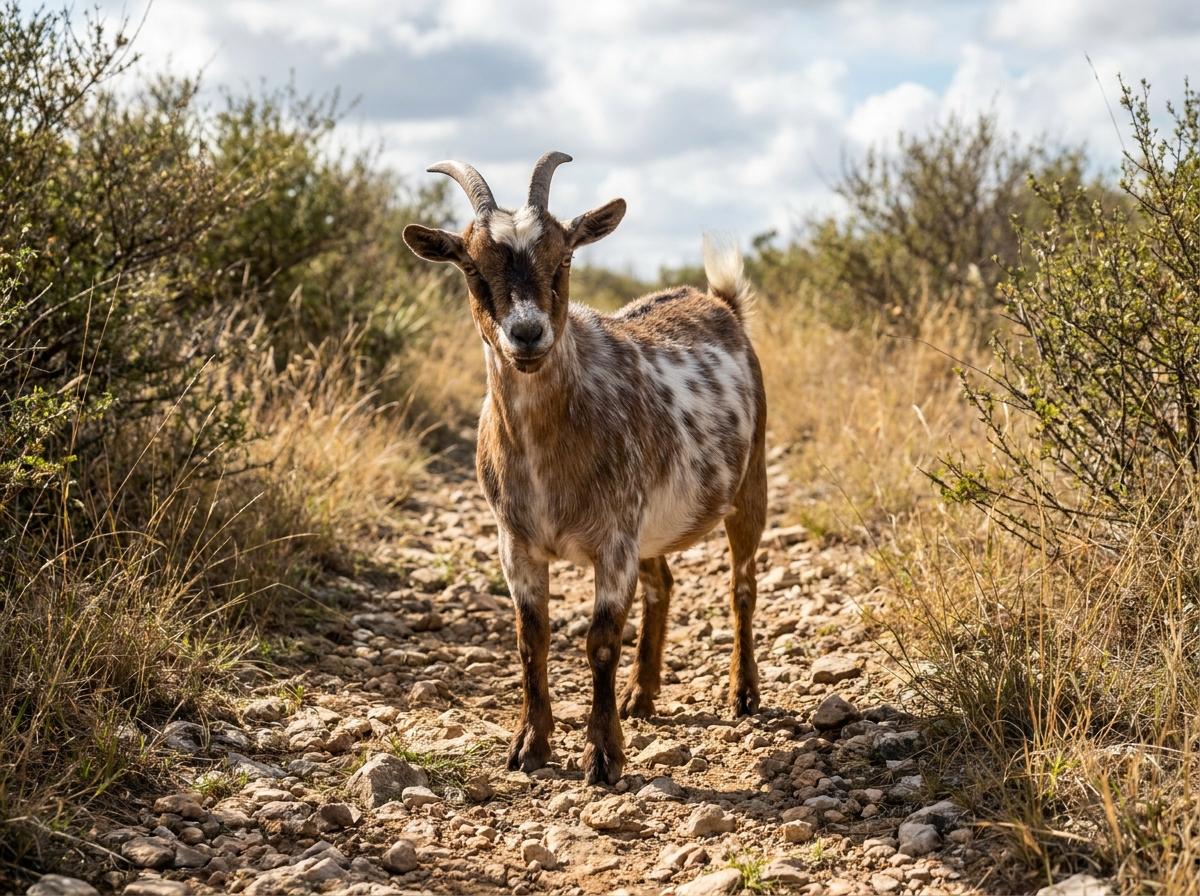
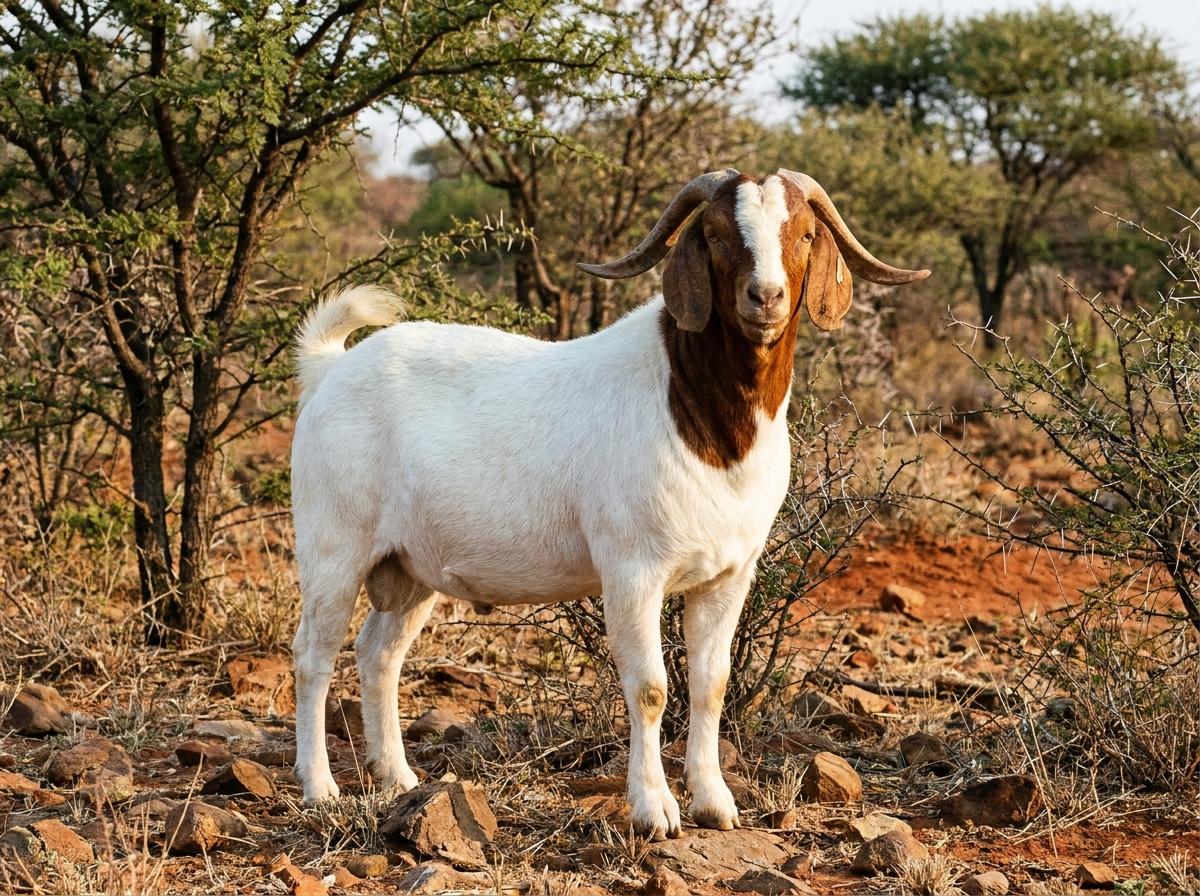
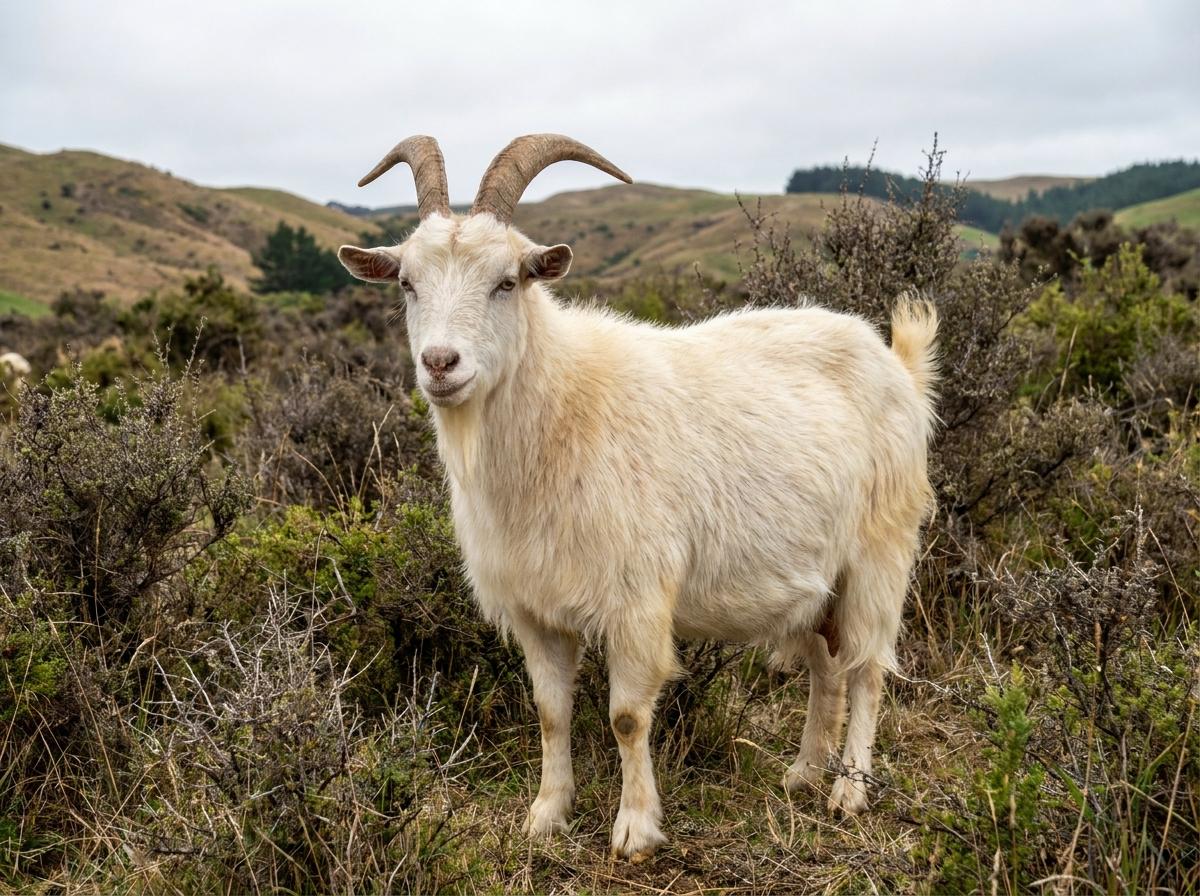
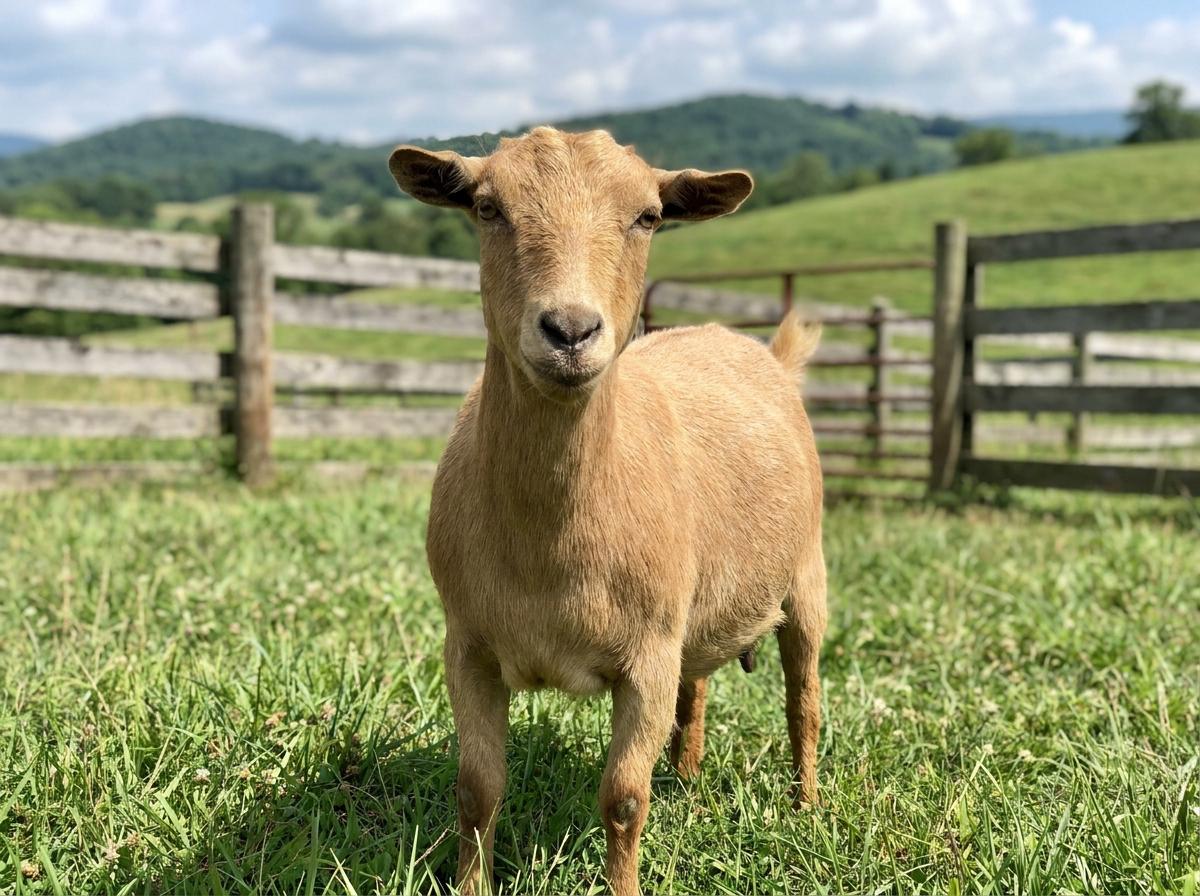
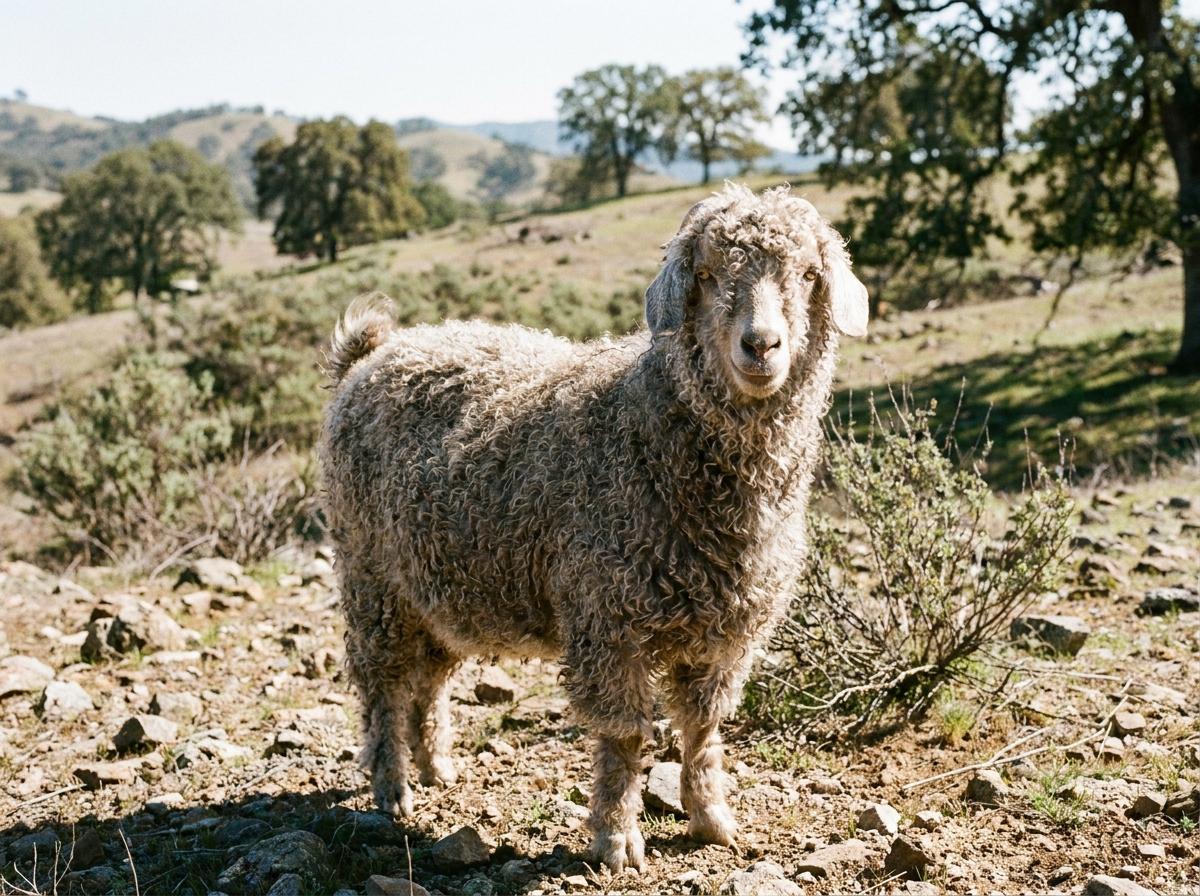
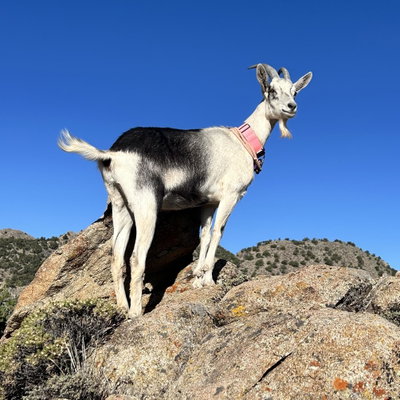
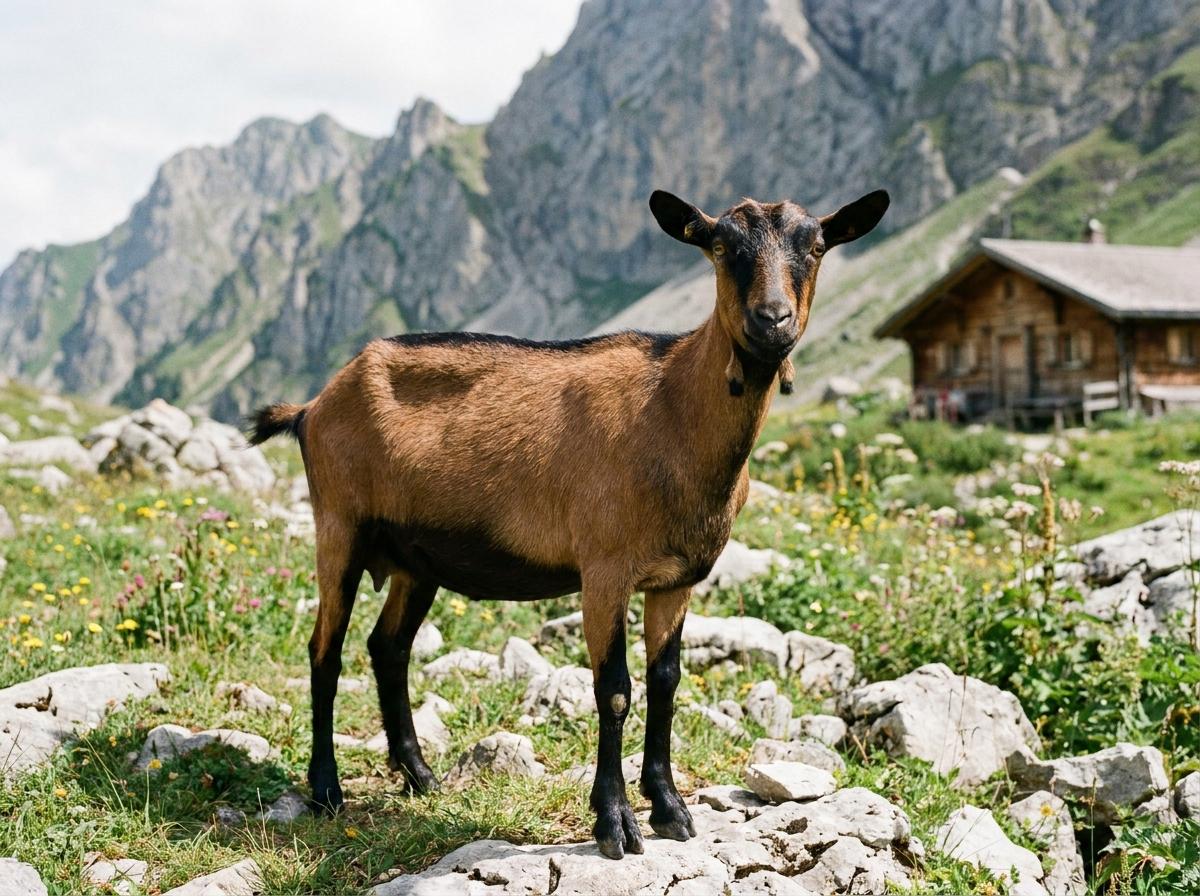
AI-generated illustration. An educational reconstruction, not actual stock.
Browse listings, public profiles, breeders, or add your animal.
What makes an Oberhasli recognizable?
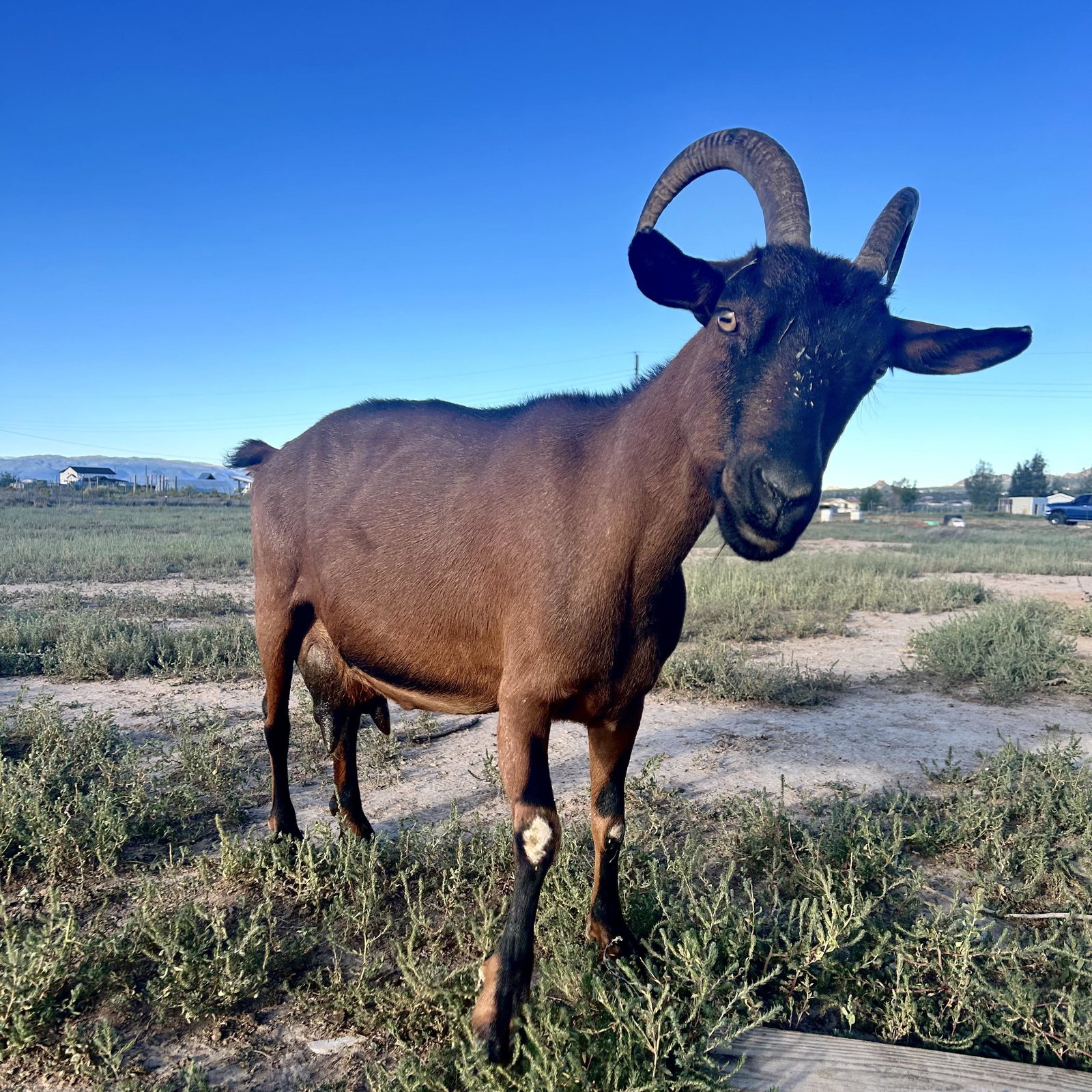
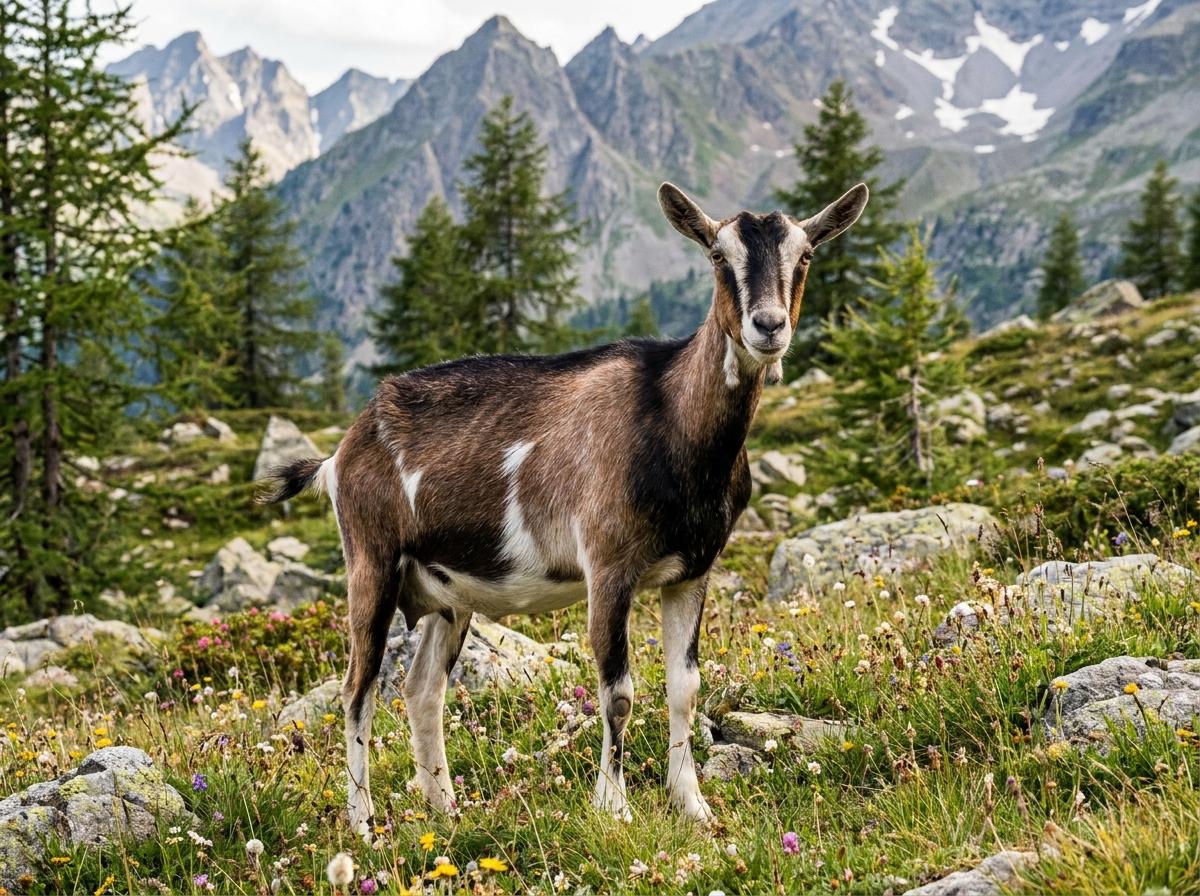
The American Dairy Goat Association describes Oberhasli as a medium-sized Swiss dairy breed. The usual color is chamoisee: a bay ground color, ranging from lighter to deeper reddish brown, with defined black areas. Those include the forehead, two facial stripes running toward the muzzle, a stripe along the back, the belly and the lower legs. The ears are erect, and the face is straight or slightly dished. The standard also permits black does. ADGA’s breed standards give the full marking rules.
These features can help you interpret a photograph, but similar coloring occurs in other goats and crosses. A registration certificate should identify the animal and registry; matching the coat to a picture cannot establish a pedigree.
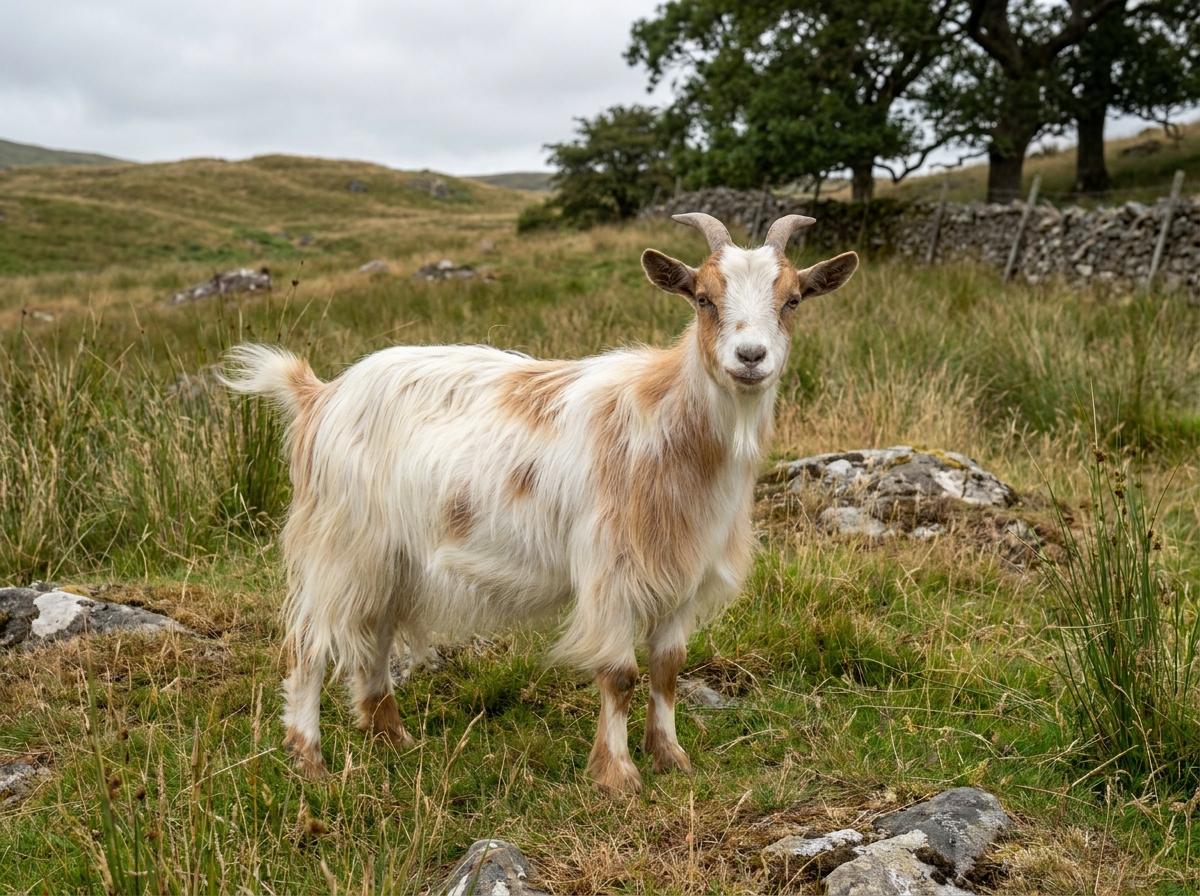
A hornless appearance also needs explanation. Ask whether the goat is naturally polled or was disbudded, and whether any horn growth needs ongoing attention. The smooth polls in the illustrations on this page show one managed appearance, not a rule that Oberhasli cannot grow horns.
Oberhasli or Mini Oberhasli?
Mini Oberhasli breeding combines Oberhasli dairy ancestry with Nigerian Dwarf ancestry. The Miniature Dairy Goat Association has its own breed standard and registration framework. That is a documented breeding category, not simply an undergrown standard Oberhasli. MDGA’s Mini Oberhasli standard explains the intended type.
For a young goat, request the date of birth, registry category and mature measurements of both parents. A photograph beside a person or a description such as “small dairy goat” does not settle expected adult size. The distinction matters when choosing breeding partners, planning facilities or comparing prices.

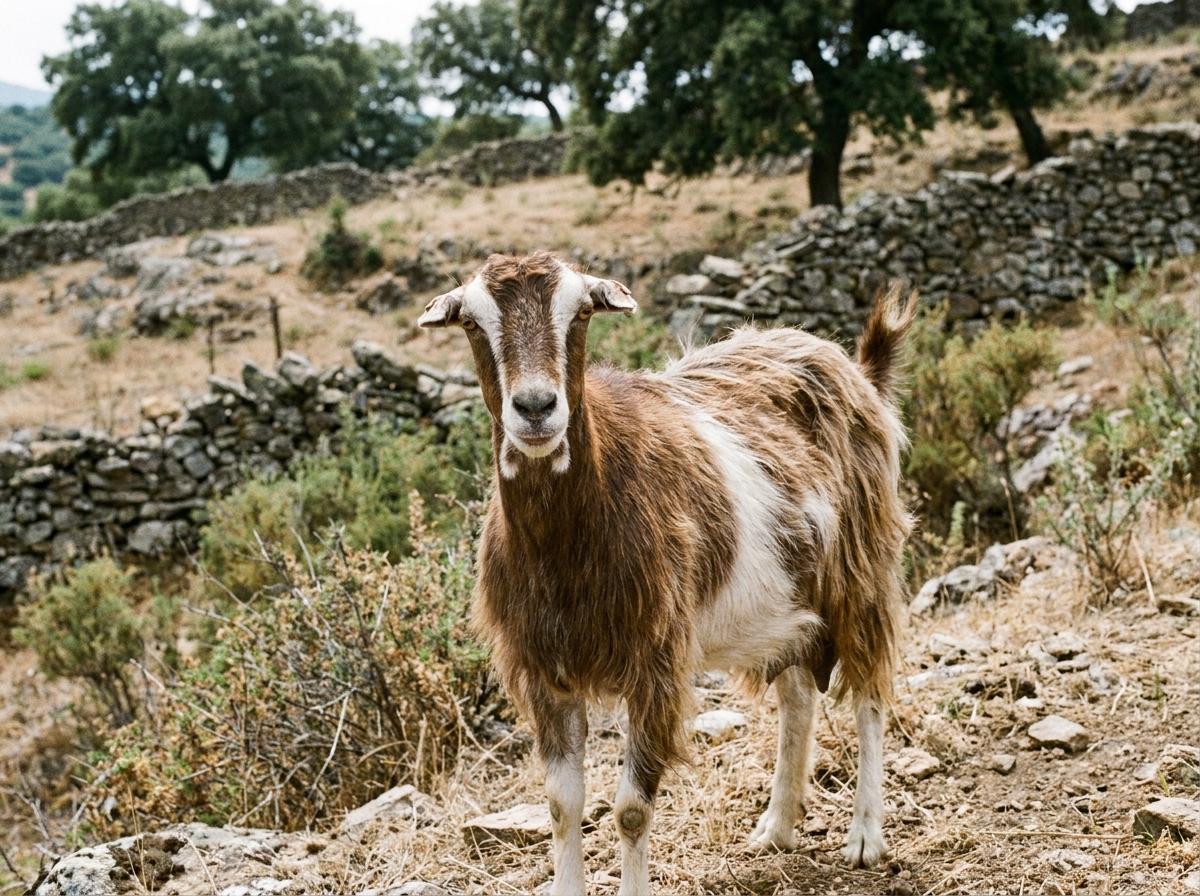
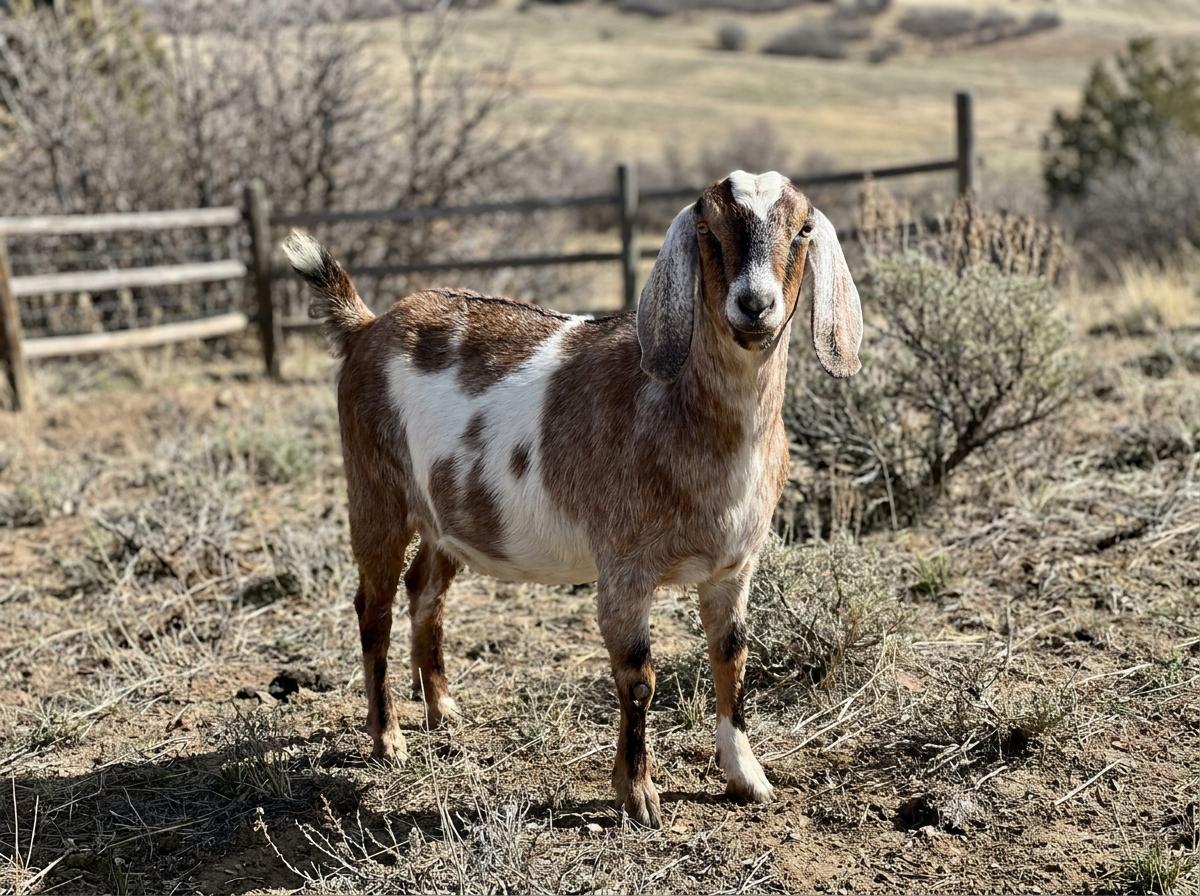
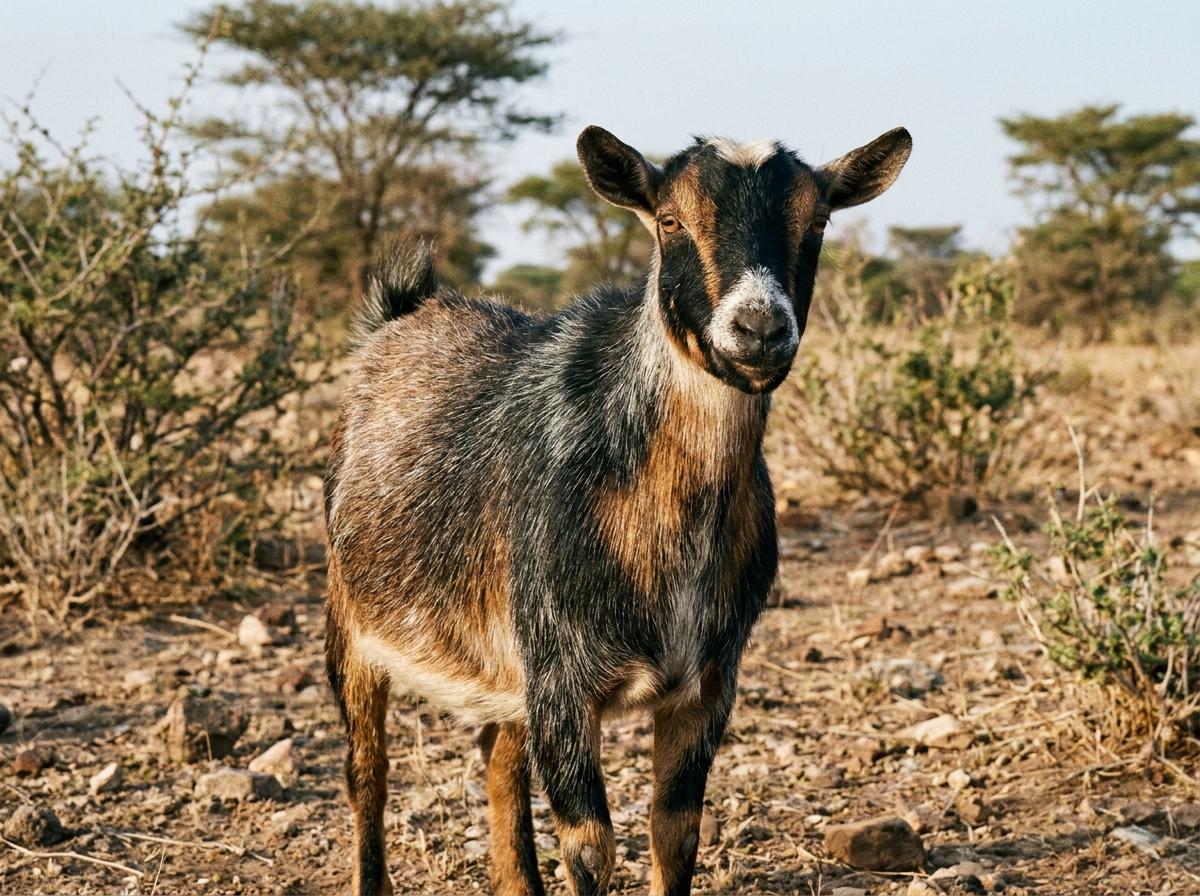
AI-generated illustration. A portrait crop, not a complete husbandry setup.
Choose a dairy animal through her records
Start with the role you need to fill. A first-time milker may benefit from a doe already accustomed to standing quietly for the intended milking method. A breeder seeking a particular family line may prioritize documented relatives and a clear registration path. A young doeling cannot yet offer her own lactation record.
Useful questions for a seller include:
- Which completed lactations are recorded, and how many days does each record cover?
- Was the doe milked once or twice daily, and were kids nursing during that period?
- What were her ration, body condition and housing like when those figures were recorded?
- Has she had mastitis, udder injury, difficult kidding or a persistent problem with one teat?
- Can you watch her walk, enter the milking area and stand for ordinary handling?
A peak daily amount and a whole-lactation total describe different things. Compare like with like, including the stage of lactation and feeding system. Ask to see the udder in a normal milking routine rather than relying on a single flattering photograph.
For a buck, the maternal family’s udder and production records can be more useful than the buck’s color alone. Document the relationship between each record and the animal being discussed.
Plan the daily work before the purchase
A dairy goat needs a routine that continues on weekends and holidays. Decide who will milk, how milk-contact equipment will be cleaned, where feed will be stored and how a sick or newly arrived animal can be separated. Arrange suitable goat companions and secure fencing before bringing the animal home.
Fresh water and feed matched to pregnancy, lactation and body condition are central to dairy management. A ration intended for a dry goat may not meet the needs of a milking doe. Goats and sheep also have different mineral requirements, so a mixed flock needs a deliberate feeding plan rather than one shared mineral assumption. MSD’s goat nutrition guidance explains these differences.
Build the health plan with a local veterinarian. Request dated herd test results with animal identification and the tests actually performed; “clean herd” without that detail is difficult to evaluate. Keep the purchase agreement, health history and registration transfer together.

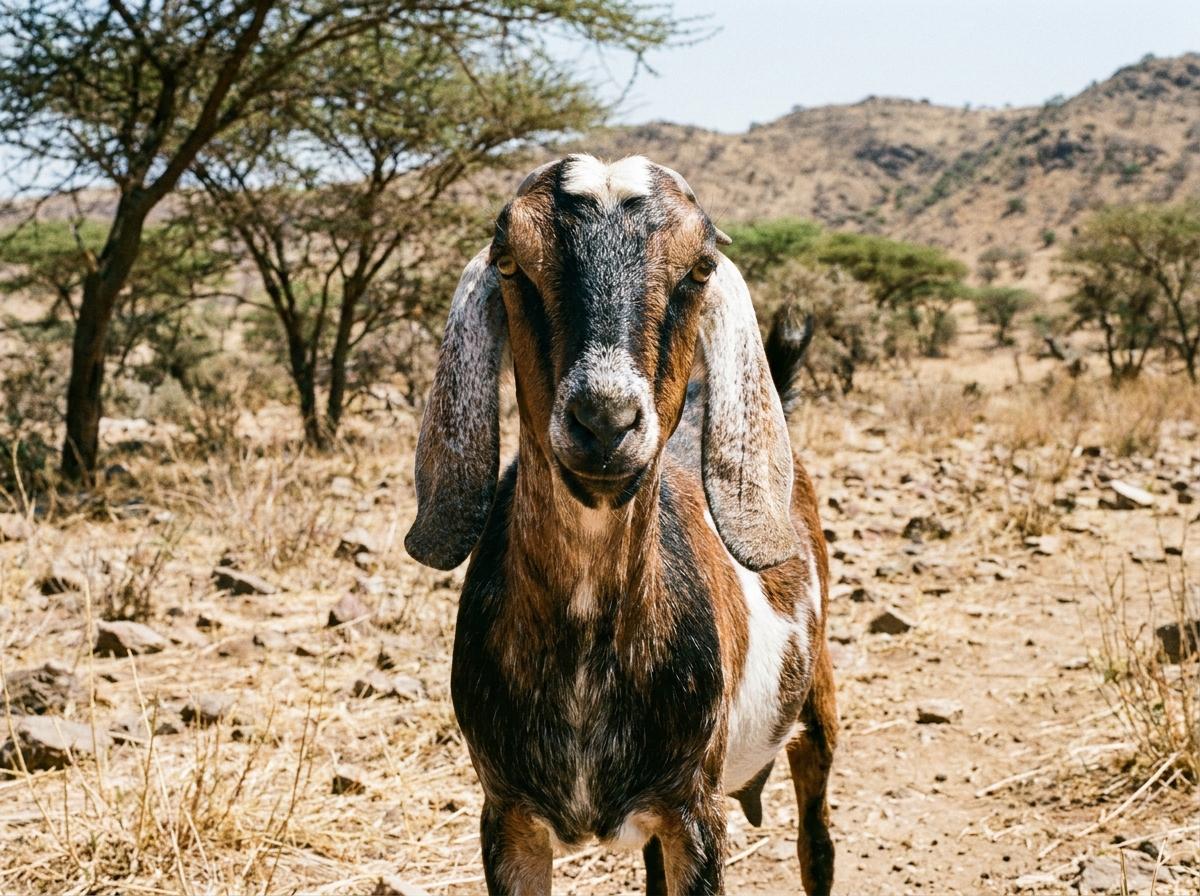
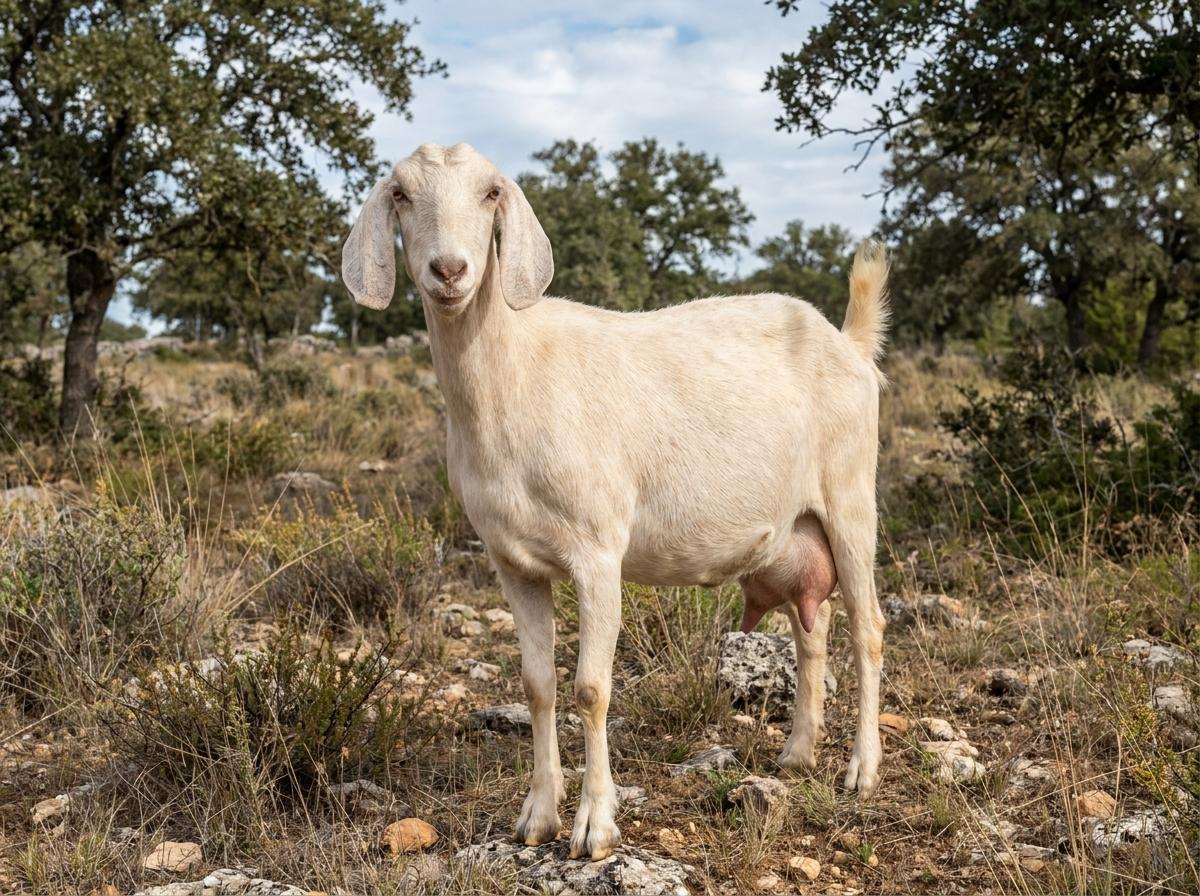
AI-generated illustration. An educational reconstruction, not actual stock.
What affects an Oberhasli goat’s price?
Age, sex, registration, breeding status, completed milk records and the evidence behind a breeding claim can all change the asking price. Transport and a suitable companion may add substantially to the initial cost.
Compare animals at the same life stage. A weaned doeling, a proven milking doe and a breeding buck answer different needs. Ask what is included in writing, including transfer paperwork and any stated breeding guarantee. An impressive pedigree should not substitute for checking feet, mouth, udder and behavior on the individual.
Common questions
Are all Oberhasli brown with black markings?
That is the familiar chamoisee pattern, but ADGA also permits black does. Atypical color should prompt a registry-specific question, not a pedigree judgment from a photo alone.
Are Oberhasli good family milk goats?
An individual can fit a household dairy routine when her handling, production and care needs match the household’s experience. Ask to observe milking. Breed reputation cannot guarantee a quiet first milking or a particular daily yield.
Can a standard Oberhasli and a Mini Oberhasli be compared directly?
Compare their records, adult size and registry categories separately. “Mini” does not mean the same animal in a smaller photograph, and a young standard goat has not reached its mature size.
Do this next on Creatures
Find Oberhasli breeders and compare each program’s registration, milk records and herd-health information. A directory entry is a starting point for research, not confirmation of current stock.