British Toggenburg
Author: Elliott Garber, DVM · Published
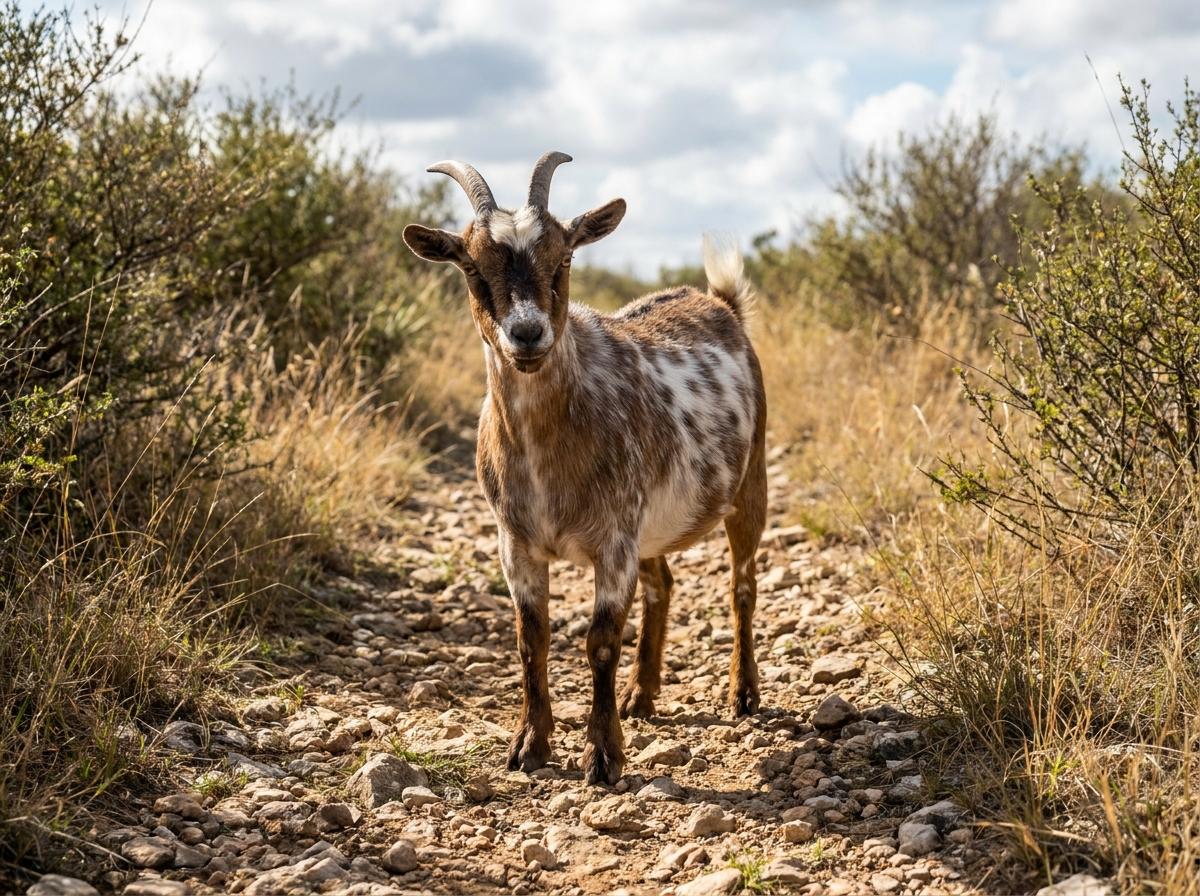
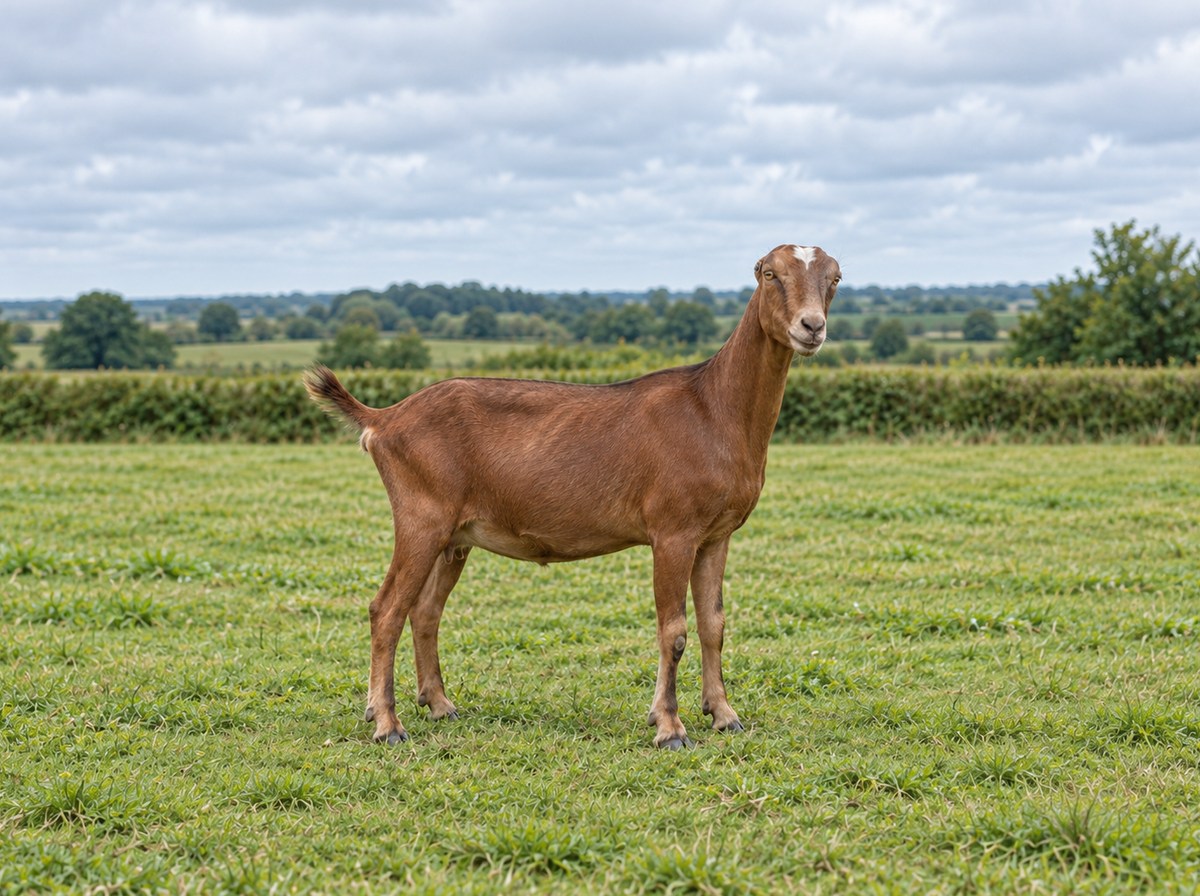
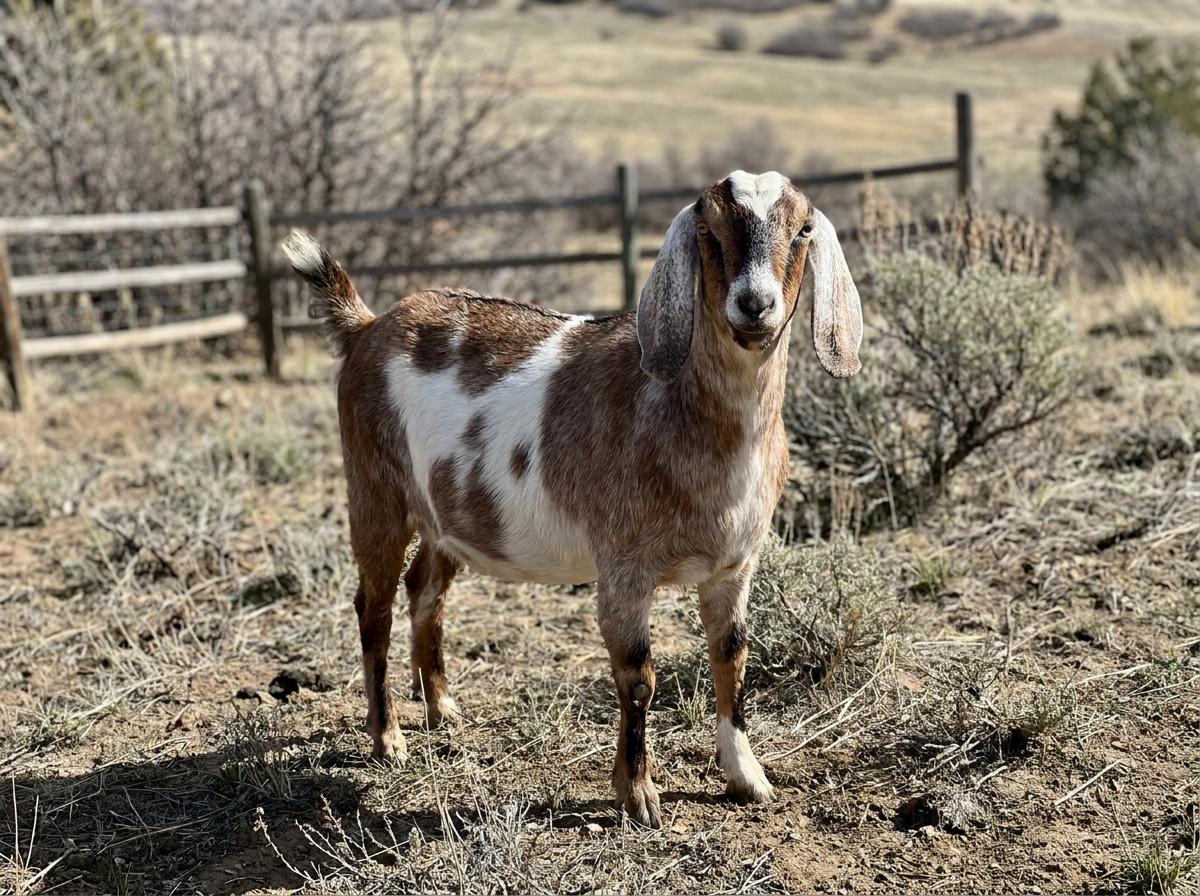
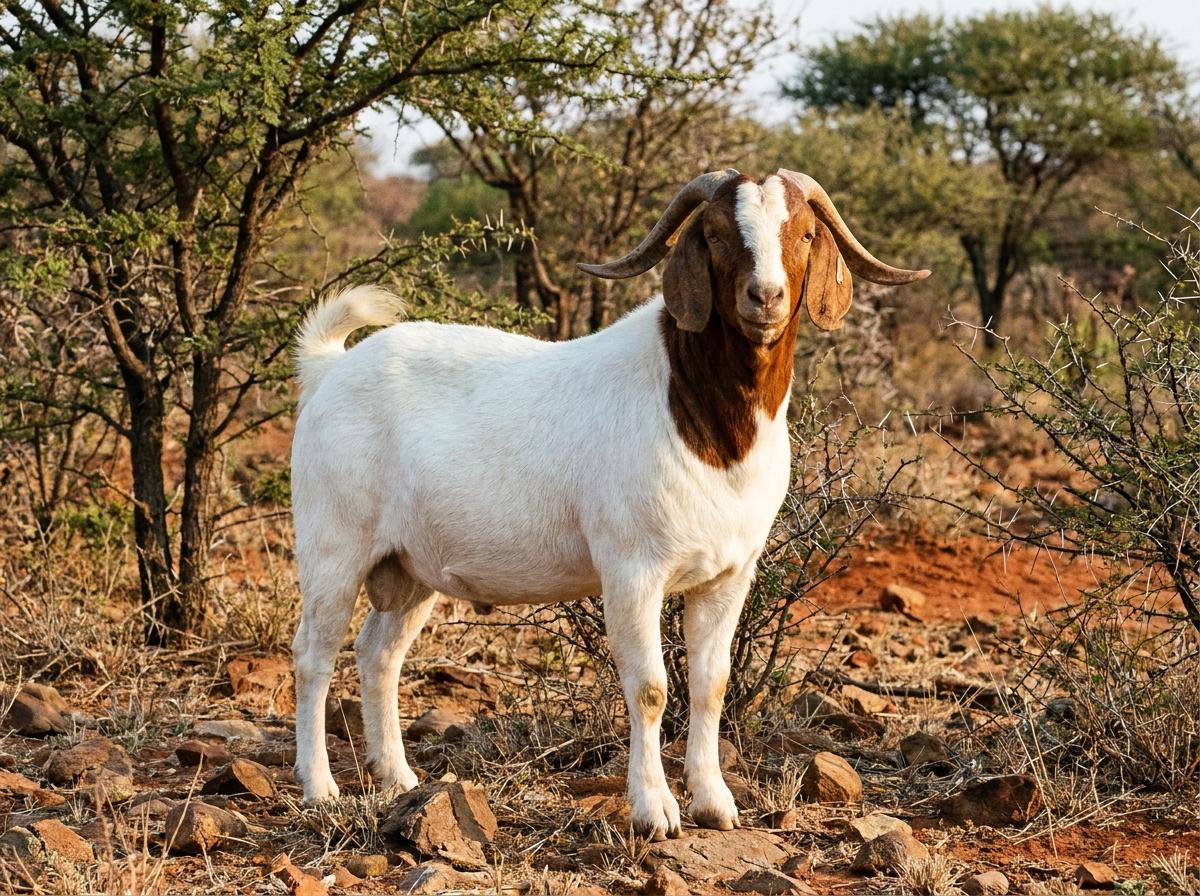
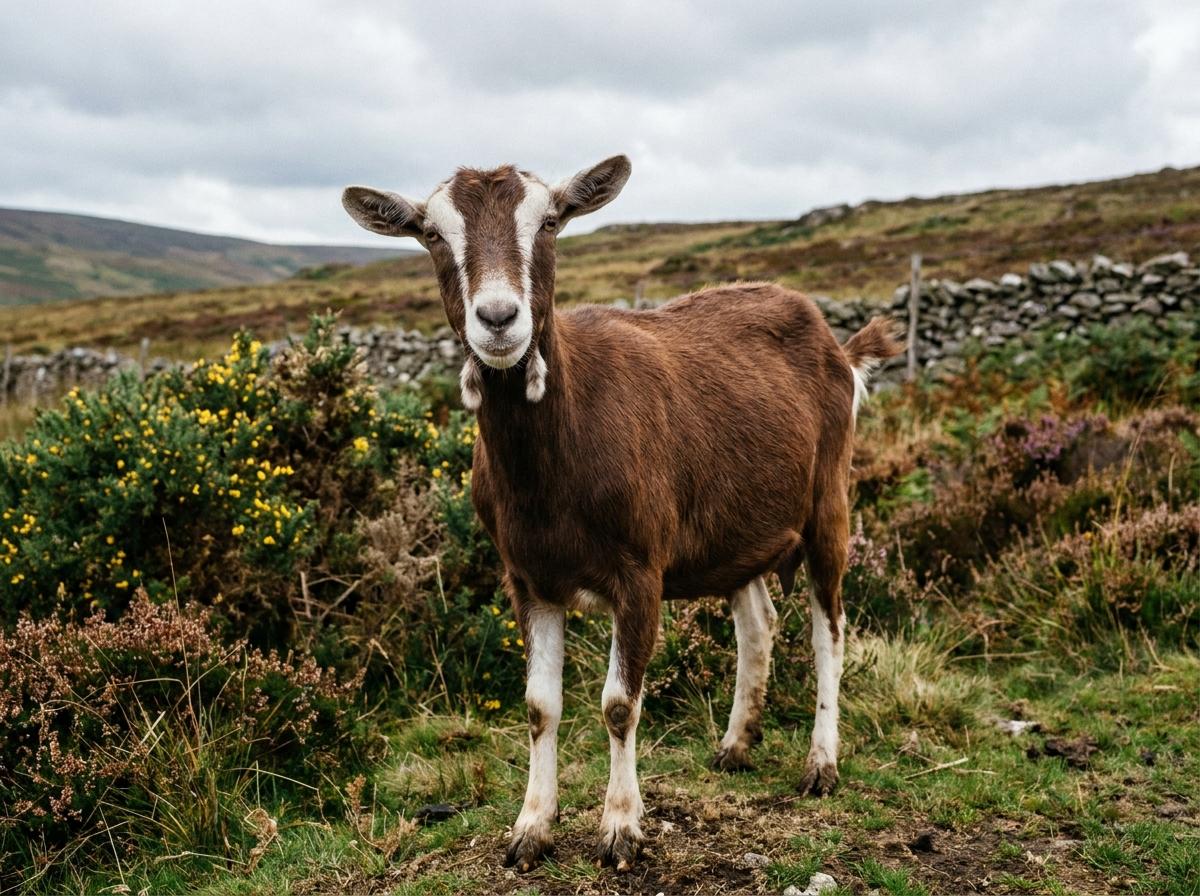
The British Toggenburg is a dairy goat breed made in Britain. It was built from Swiss Toggenburg goats imported from the 1880s onward, crossed with the best British milking stock of the day, and the British Goat Society opened a British Toggenburg section of its Herd Book in 1925. It looks like a bigger, browner Toggenburg: a short, fine brown coat with white Swiss markings on the face, ears, lower legs and rump, and a larger frame than the Swiss breed it came from. It is a mainstream, widely kept dairy breed in the United Kingdom, and it is rarely seen in North America, where neither of the two main US dairy goat registries lists it as a breed.
If you are here because you want one, the short version is this: in the UK, buy registered stock from a herd that can show you milk records and health test results. In North America, expect to find Toggenburgs rather than British Toggenburgs, and set a free British Toggenburg listing alert (no account needed to start) so you hear about the rare exception.

| Origin | United Kingdom, from imported Swiss Toggenburgs crossed with British dairy goats |
|---|---|
| Herd book | British Goat Society; British Toggenburg section opened 1925 |
| Use | Dairy: household milk, showing, and some commercial cheese herds |
| Colour | Medium brown preferred, lighter and darker shades allowed, with white Swiss markings |
| Coat | Fine and short; slight fringes allowed |
| Size | Larger than the Toggenburg (the standard gives no height or weight figures) |
| Milk (BGS trials) | Average 4.54 kg in 24 hours at 3.69% butterfat and 2.72% protein |
| North America | Not an ADGA or AGS breed; Toggenburgs are what you will usually find |
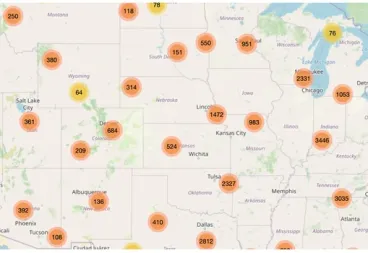
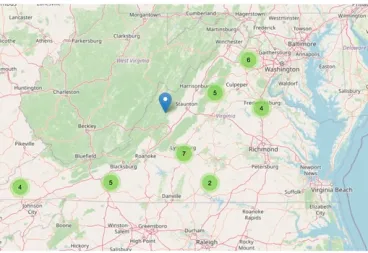
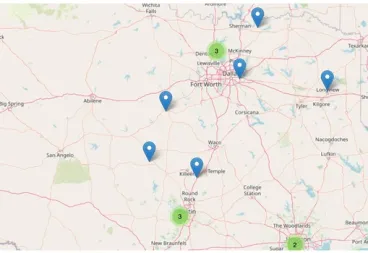
Browse listings, public profiles, breeders, or add your animal.
What is a British Toggenburg?
The British Toggenburg is one of the “British” dairy breeds, a group that also includes the British Saanen and British Alpine. All three were developed in the UK in the early twentieth century by crossing imported Swiss goats with British dairy goats and selecting hard for milk. The British Goat Society’s breed standards page describes the British Toggenburg as “another breed developed in Britain” and adds a line worth remembering: outside the UK, it is often confused with the Toggenburg.
That confusion is the main thing to clear up. The Toggenburg is the Swiss breed from the Toggenburg valley in the canton of St Gallen, and the UK keeps it as a separate, closed breed. The British Toggenburg descends from those Swiss imports but was deliberately crossed with other British dairy goats, then selected into its own type. The two share the brown coat and white Swiss markings. They differ in size, colour range, coat and, importantly for breeders, in how their herd book sections work.
The British Goat Society’s own British Toggenburg page ranks it among the most popular breeds in the UK and notes that it is used in some commercial goat farms where cheese is the main product. It describes the breed as usually having sound dairy conformation, being strong and robust, and having good longevity.
For every other goat breed with its own page on Creatures, see the goat species page.
Where the breed came from
Swiss imports. Toggenburgs were the first Swiss breed to reach England. The British Goat Society’s breeds booklet dates the first arrival to 1884, via Paris, while its Toggenburg breed page says goats arrived “from 1882 onwards”; either way, the breed arrived in the 1880s. On arrival, the Toggenburg quickly became the leading breed of its day, valued for its own milk and for improving native stock. In 1905 it became the first breed to get its own section of the BGS Herd Book.
Crossing into something new. The British Goat Society’s history of its herd book explains that the Society began registering goats in 1886 purely on milking performance and conformation. As imported goats were crossed with British stock, distinct types appeared, and breed sections followed. The British Toggenburg section opened in 1925, the same year as the British Alpine and British Saanen sections. The BGS describes the British Toggenburg as “founded upon imported Toggenburg animals and pedigree cross-bred goats of Swiss origins,” and says it inherited soundness of conformation and robustness from the Toggenburg while becoming larger than the parent breed.
The British Toggenburg Society’s own history of the breed adds detail. It says the foundation goats were bred from pure Toggenburg males imported between 1884 and 1897, used on some of the best British milking goats of the time, and that the breed that emerged had similar markings to the pure Toggenburg but was larger, milked better, had a shorter coat and came in a wider range of colours, from light fawn to dark chocolate. It also records that early registration in the section required inspection by two BGS judges to confirm the goat was true to type, before entry moved to pedigree alone.
Still an open breed. One historical choice still shapes the breed. The Toggenburg section is closed: every goat in it must have entirely imported ancestry, and the BGS says there have been only a handful of later imports, in 1922, 1965, and semen in 1993. The British Toggenburg section is not closed. The BGS allows goats to be “up-graded” from the general British section into the British Toggenburg section over several generations, and registered pure Toggenburgs can be used on British Toggenburgs with the kids still registered as British Toggenburgs. That is how the breed has kept drawing fresh blood, and the BGS notes that outcrosses to imported Toggenburgs have “often” been rewarding.
British Toggenburg vs Toggenburg: how to tell them apart
Put a well-grown British Toggenburg doe next to a Toggenburg and the British goat is usually the bigger, browner animal with the shorter, sleeker coat. Here is how the two British Goat Society standards compare, point by point.
- Size. British Toggenburg: larger than the Toggenburg. Toggenburg: good length and depth without legginess, and smaller than its British counterpart.
- Colour. British Toggenburg: medium brown preferred, with darker and lighter shades acceptable. Toggenburg: mid brown through mouse-grey to silver-fawn.
- Markings. Both carry Swiss markings. The British Toggenburg standard adds that white hairs elsewhere are unacceptable.
- Coat. British Toggenburg: fine and short, with slight fringes permissible. Toggenburg: any length, silky, and usually fringed on the flanks and quarters.
- Face. British Toggenburg: dished or straight. Toggenburg: dished, wide across the eyes, with a broad muzzle.
- Herd book. British Toggenburg: open to grading up, and Toggenburg blood is allowed. Toggenburg: closed, with all ancestors from imported stock.
Colour is not a perfect test. Both breeds are brown with white Swiss markings, and a pale British Toggenburg can look a lot like a mid-brown Toggenburg. The grey and silver-fawn shades point toward the Toggenburg, and a dark chocolate coat points toward the British Toggenburg, but a registration certificate is the only real proof of which breed a goat is. The BGS says it plainly: a goat of one breed can look exactly like another and still not qualify for that breed’s section.
The US Toggenburg is a third standard. In North America, “Toggenburg” means the breed as the American Dairy Goat Association describes it: a solid colour from light fawn to dark chocolate with white or cream markings, erect ears carried forward, and minimum sizes of 26 inches and 120 pounds for does and 28 inches and 150 pounds for bucks. That dark-chocolate end of the US range overlaps with British Toggenburg colouring, which is one more reason the two names get mixed up online. If you are comparing, the Creatures Toggenburg breed page covers the Swiss breed and its listings.

The breed standard, point by point
The British Goat Society’s breed points for the British Toggenburg are short. In full, they cover:
- Head. Facial line dished or straight, with or without tassels (the small fleshy appendages some goats carry on the neck, also called wattles).
- Body. Larger than the Toggenburg.
- Skin. Fine and supple.
- Coat. Medium brown preferred, but darker and lighter colours acceptable. Swiss markings. White hairs elsewhere unacceptable. Hair fine and short, though slight fringes are permissible.
- Males. Longer hair may be found round the face, neck, shoulders and hind legs.
What “Swiss markings” means. The BGS defines Swiss markings precisely: white that runs as broad facial stripes from above the eyes to a white muzzle, around the edges and tips of the ears, on the legs from the knees and hocks downward, and on the rump beside and below the tail. White hairs around the tassel area are allowed, and the markings may be less clear on adult males. A British Toggenburg with a white belt, white body spots or a white patch on the neck does not meet the standard, whatever its milk yield.
What the standard does not say. There are no height or weight figures in the BGS British Toggenburg standard, only “larger than the Toggenburg.” We could not find an official number from the Society, so we will not invent one. On top of the breed points, the BGS applies general dairy-goat faults to every breed: a crooked face, an overshot or undershot jaw, unsound feet or legs, a markedly uneven topline, and poor udder shape or attachment are all penalised, and double or extra teats are unacceptable.
Milk: what the records actually show
The British Toggenburg is a dairy breed first, so the useful numbers are milk numbers. Here is what primary UK sources show, and what each figure does and does not mean.
- BGS milking trials. The British Goat Society reports an average 24-hour yield of 4.54 kg at 3.69% butterfat and 2.72% protein, from all British Toggenburgs entered in BGS-recognised milking trials in one recent year (600 performances). For the Toggenburg, the same source gives 3.61 kg at 3.70% butterfat and 2.71% protein from 195 performances. That is a large difference in daily volume, with almost identical milk composition.
- Milk-recorded lactations. The British Toggenburg Society’s older published records list the ten highest milk-recorded British Toggenburgs each year from 1996 to 2000, with top individual lactations of roughly 1,750 to 2,550 kg. Those are the best animals in the breed in those years, not the average doe, and the data are now more than twenty years old.
How to read those figures. A milking trial is a single day of milk weighed under test conditions (the British Toggenburg Society notes the trials run between May and October), so it tells you about daily capacity, not a full lactation. A lactation record is the whole milking period, but only for recorded herds, which tend to be the better-managed ones. Neither is a promise of what a pet doe on your holding will give. We did not find a recent peer-reviewed study of British Toggenburg milk yield, so treat these as breed-society figures.
When you buy, ask to see the milk records of the doe herself or her dam and granddam. A herd that milk records, or enters milking trials, can show you real numbers rather than a general breed claim. If you keep your own herd, our goat record keeping guide covers milk, kidding and health records in one system.

Is the British Toggenburg a rare breed?
No. The Rare Breeds Survival Trust’s 2026-27 Watchlist lists the English and Old English goats as priority breeds, the Bagot and Royal Golden Guernsey as at-risk breeds, and the feral Cheviot goat. The British Toggenburg is not on it. That fits the British Goat Society’s description of it as a leading UK breed.
Popular does not mean easy to find everywhere, though. Good milking lines are held by a relatively small number of serious breeders, and outside the UK the breed is scarce.
British Toggenburgs in North America
This is the part most search results get wrong, so here is exactly what the registries’ own pages show as of September 2026.
- American Dairy Goat Association (ADGA). ADGA’s breed standards page says it maintains herd books for nine breeds: Alpine, Guernsey, LaMancha, Nigerian Dwarf, Nubian, Oberhasli, Saanen, Sable and Toggenburg. The British Toggenburg is not among them.
- American Goat Society (AGS). The AGS breeds registered page lists French Alpine, LaMancha, Nigerian Dwarf, Nubian, Oberhasli, Pygmy, Saanen, Sable and Toggenburg. There is no British Toggenburg entry.
- Canadian Goat Society (CGS). The CGS breeds page names Alpine, Saanen, Toggenburg, Oberhasli, Nubian, Angora, Pygmy, Nigerian Dwarf and LaMancha. It does not mention the British Toggenburg. If you are in Canada and considering an import, ask CGS directly how it would record one.
So in the United States, the British Toggenburg is not a recognised breed with either of the two main dairy goat registries. A goat advertised in North America as a “British Toggenburg” is, at best, of British Toggenburg descent without a US herd book of its own, and you should ask what papers it carries and from which registry.
What about importing? USDA APHIS publishes import protocols for sheep and goats and their germplasm. For the United Kingdom, that page covers semen and embryos: both need a permit, UK semen has post-arrival requirements, and embryos may only go to recipient does in a herd listed in the National Scrapie Database. When we checked, its live-goat protocols named other countries (New Zealand and Australia), not the UK. If you are serious about British Toggenburg genetics in the US, talk to APHIS and a veterinarian before anything else, and confirm with ADGA or AGS how any resulting kids could be registered.
For most North American buyers, the practical choice is a Toggenburg, or another Swiss-type breed such as the Alpine or Saanen. If you are interested in the other British-made dairy breeds, the British Alpine has its own page too.
Care and management
A British Toggenburg needs the same good husbandry as any dairy goat. A few points matter more because they are large, heavy-milking does.
Housing. Goats need a dry, draught-free, well-ventilated building. New Mexico State University’s extension guide to housing and working facilities for dairy goats suggests 10 to 15 square feet of bedded area per adult goat, plus another 25 square feet of indoor or outdoor exercise space each, and kidding pens of at least 4 by 5 feet. A larger breed like the British Toggenburg sits at the upper end of those figures, and more room is always better. For more detail, see our goat shelter and housing guide.
Fencing. The same NMSU guide suggests 4-foot woven wire with a board or strand on top as adequate for dairy goats. Goats test fences, and a hungry dairy doe is a determined one.
Feeding. A milking doe needs plenty of good forage plus a ration matched to what she is producing. The British Toggenburg Society describes the breed as efficient feed converters that do well on bulk fibre, which is a good reason to build the diet around quality hay and browse. Our goat feeding guide covers forage, concentrates and minerals.
Feet. Heavy does put a lot of weight on their feet, and the BGS standard penalises unsound feet and legs. Regular trimming is part of basic care; see our hoof trimming guide.
UK legal duties. In England, anyone keeping goats, even one as a pet, must follow the traceability rules in the government’s keeping sheep and goats guidance: get a county parish holding (CPH) number for the land, get a herd mark from the Animal and Plant Health Agency, tag goats, report movements and keep a holding register. Wales, Scotland and Northern Ireland have their own versions of these rules.
Routine health care, including vaccination and parasite control suited to your area, should be planned with a local veterinarian.
Kidding
According to the Merck Veterinary Manual, goat gestation averages 150 days (the free goat gestation calculator gives a due date from the breeding date, and our goat gestation guide covers what to expect month by month). Goats are seasonal breeders that cycle as days shorten, and does reach puberty at 6 to 9 months but should weigh 60 to 65 percent of their mature body weight before they are bred; the goat weight calculator and a weigh tape give you a working figure. For a large breed that means not rushing a doeling into kid just because she is old enough.
Signs that kidding is near include udder development, a doe isolating herself, vocalising or nesting, and vulval discharge. Alabama Cooperative Extension’s guide to care during and after kidding in dairy goats says kidding is typically over within an hour and should be rapid once parts of the kid are visible; if labour is not progressing, call your veterinarian.
Colostrum matters most. The same Alabama guide says healthy kids usually nurse within 30 minutes, and keepers should make sure every kid has had colostrum within 2 hours of birth, aiming for at least 10 percent of birth weight, half of it in the first 2 hours and the rest within 6 hours. If you raise kids on pasteurised or heat-treated colostrum to control CAE (see below), plan and practise that routine before the first doe kids.
Our goat kidding guide walks through the stages of labour and a supply list.

Milking basics
Whether you milk by hand or by machine, a consistent routine protects the udder and the milk. Alabama Cooperative Extension’s milk care guide for dairy goats and sheep sets out a simple protocol:
- Wear gloves whenever you handle a lactating doe’s teats.
- Pre-dip and strip. Clean each teat, strip the first few squirts into a strip cup to check for clots or watery milk, and pre-dip the bottom two thirds of each teat for 15 to 30 seconds before drying it.
- Milk promptly and completely, starting within a minute or two of pre-dipping.
- Post-dip each teat after milking, and keep the doe standing for about an hour so the teat end can close.
Mississippi State University Extension’s guide to preventing and detecting mastitis in dairy goats adds two useful cautions. The California Mastitis Test is less accurate in goats because healthy goat milk naturally has a higher somatic cell count, so a positive paddle test is a prompt for lab testing, not a diagnosis. And any doe with an active udder infection should be milked last, or separately, so it is not passed to the others.
If you are choosing equipment, our guide to goat milking machines and stands covers options by herd size.
Buying a British Toggenburg
Registration first. If breed matters to you, buy a goat registered in the British Toggenburg section of the BGS Herd Book, and make sure the registration is transferred to you. The British Toggenburg Society’s guidance notes that goats with numbers starting HB, FB, SR or IR are registered as “British” and may be at different stages of grading up; they can be excellent goats, but they are not yet in the British Toggenburg section. Ask to see the certificate, not just the pedigree on a sale note. Our guide to reading goat pedigree papers explains what the paperwork should show, and the free goat pedigree chart maker prints one for your records.
Look at the goat as a dairy animal. The British Toggenburg Society’s guidelines, taken from the BGS breeds booklet, call dairy quality the most important consideration in a female. Look for a well-attached, even udder with two well-placed teats, sound feet and straight legs, a level back, and good width and depth of body. Ask for milk records or milking trial results for the doe or her dam. Shows are a good place to see well-made British Toggenburgs side by side and meet their breeders; our guide to goat shows explains how they work.
Ask about disease testing. Three chronic diseases are worth asking about for any dairy goat, and none can be cured:
- Caprine arthritis encephalitis (CAE). The Merck Veterinary Manual explains that the virus spreads mainly through infected colostrum and milk, that there is no vaccine or specific treatment, and that herds control it with blood testing (AGID or ELISA), heat-treated colostrum, pasteurised milk and separation of infected animals.
- Caseous lymphadenitis (CL). Merck’s section on other common goat diseases says CL spreads through pus from abscesses entering breaks in the skin, and advises against bringing in animals with swollen lymph nodes or abscesses.
- Johne’s disease. The same Merck page says goats are usually infected young by the fecal-oral route, and sometimes in the womb or through colostrum and milk, and recommends fecal PCR testing to find and remove infected animals.
In the UK, the Premium Sheep and Goat Health Schemes run by SRUC offer testing programmes for CAE accreditation and Johne’s risk-level certification, so ask whether the herd is a member and what status it holds. In North America, ask for recent herd test results from an accredited laboratory. Either way, have your own veterinarian review the results before you buy.
Price. We could not find a reliable published price range for British Toggenburgs. Price depends heavily on registration, milk records, show wins and health status, so compare like with like. Our general guide to how much a goat costs covers purchase price and yearly running costs, and where to buy a goat covers choosing a seller.
If you are curious about dairy breeds from a very different tradition, our guide to the Beetal, a long-eared dairy and meat goat from Punjab, makes an interesting contrast.
Frequently asked questions
What is the difference between a British Toggenburg and a Toggenburg?
The British Toggenburg was developed in the UK from imported Toggenburgs crossed with other British dairy goats. It is larger than the Toggenburg, usually a richer brown rather than grey or fawn, with a shorter coat, and its herd book section is open to grading up while the Toggenburg’s is closed.
When was the British Toggenburg recognised?
The British Goat Society opened the British Toggenburg section of its Herd Book in 1925.
What colour is a British Toggenburg?
Medium brown is preferred, but lighter and darker shades are allowed, always with white Swiss markings on the face, ears, lower legs and rump. White anywhere else is a fault.
How much milk does a British Toggenburg give?
In British Goat Society milking trials, British Toggenburgs averaged 4.54 kg of milk in 24 hours at 3.69% butterfat and 2.72% protein. Individual does, feeding and stage of lactation vary a lot, so ask for the records of the goat you are buying.
Is the British Toggenburg recognised by ADGA?
No. ADGA’s breed standards page lists nine breeds, including the Toggenburg, but not the British Toggenburg. The American Goat Society does not list it either.
Is the British Toggenburg a rare breed?
Not in the UK. It is not on the Rare Breeds Survival Trust’s 2026-27 Watchlist, and the British Goat Society ranks it among the most popular UK breeds. It is scarce outside Britain.
Do this next on Creatures
Whether you are milking British Toggenburgs in the UK, hunting for one abroad, or keeping another dairy breed, Creatures is the records, marketplace and directory layer that keeps it all in one place.
Get alerted. British Toggenburg listings are scarce, so set a free British Toggenburg listing alert and we will email you when one is posted. No account needed to start. See saving searches and using your watchlist for how alerts work.
Check the market. Browse British Toggenburgs on the Creatures marketplace, and search goat breeders and dairies in the Creatures breeder directory.
Add your goat. Keeping British Toggenburgs? Create a free British Toggenburg profile with her registration, pedigree and photos, no account needed to start. The walkthrough is in adding an animal to Creatures.
Record milk, kidding and health. Add a milk, kidding, hoof-trim or health test record. The record sheet opens for any visitor to look around, and a free account saves what you enter. See adding a record and health and medical records.
List your herd. Breed British Toggenburgs? Create a free herd or breeder profile so buyers looking for registered, tested stock can find you, no account needed to start. Read getting listed in the breeder directory and creating an organization and adding your team.
Plan and name. Work out due dates with the goat gestation calculator, and find names for this year’s kids with the goat name generator.