



Cashmere
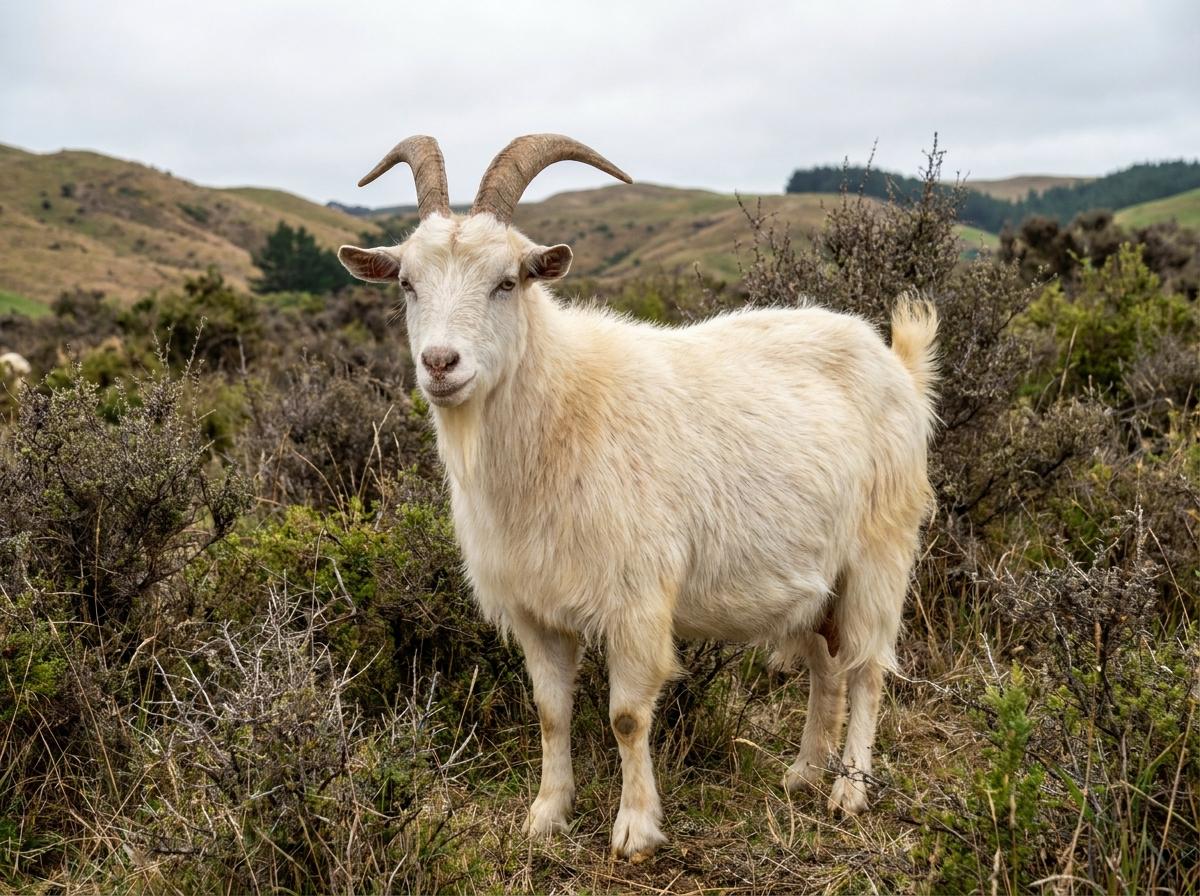
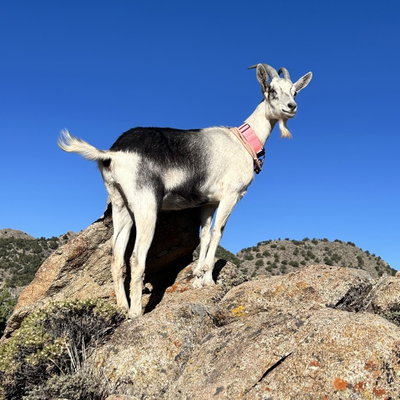
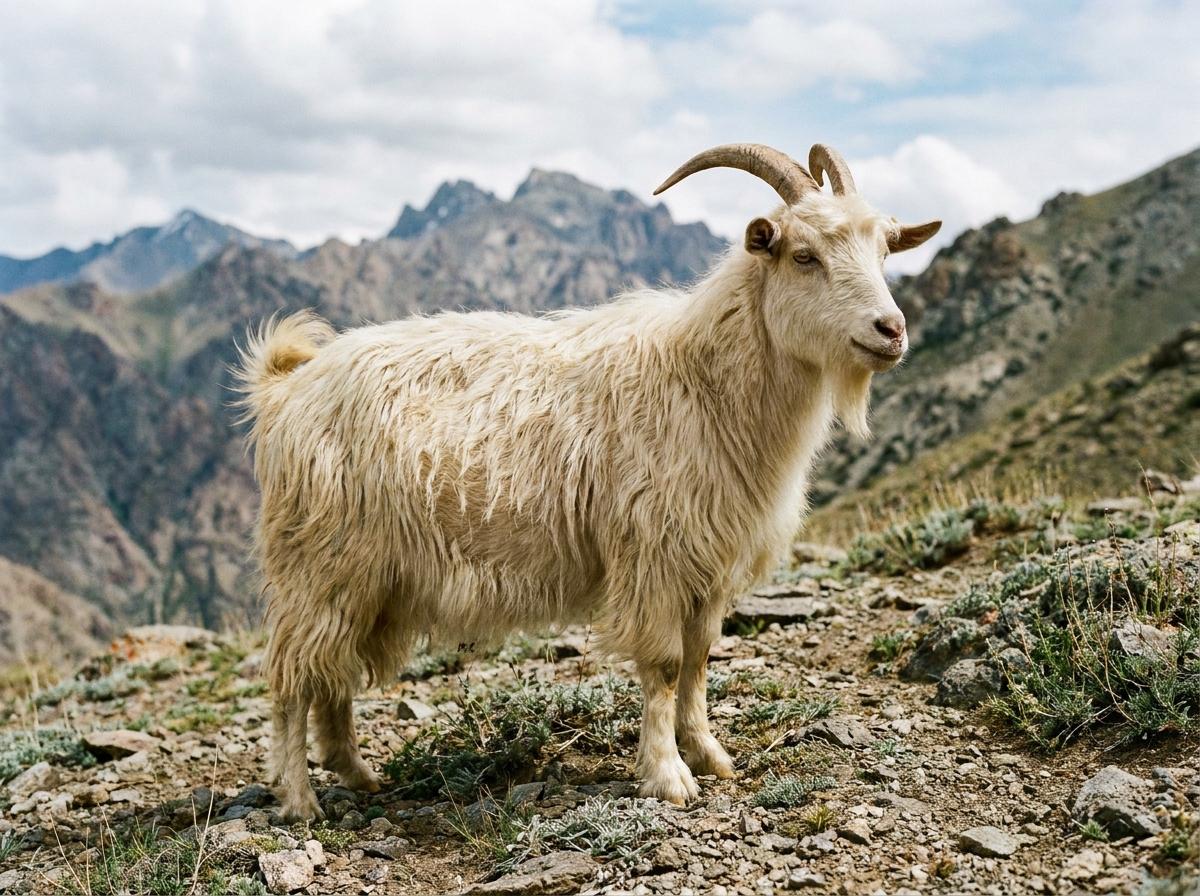
A cashmere goat is any domestic goat selected to produce a soft, fine undercoat suitable for cashmere fiber, rather than a single standardized breed. Major cashmere-producing populations come from Mongolia, China, Central Asia, Iran, Afghanistan, Australia, New Zealand, and smaller herds elsewhere. These goats have a double coat: coarse guard hair on the outside and a seasonal down fiber beneath it. Color, size, horns, and body type vary widely by region and breeding program.
Cashmere herds are managed around fiber quality, kidding, and range health. The down is usually combed or shorn during the spring molt, then sorted and dehaired before spinning. Breeders select for fineness, staple length, yield, ease of guard-hair separation, fertility, and sound feet, not just a fluffy appearance. Good fencing, dry shelter, minerals, and parasite control are still needed, and on rangelands stocking rate matters because goats can put heavy pressure on shrubs and young plants.
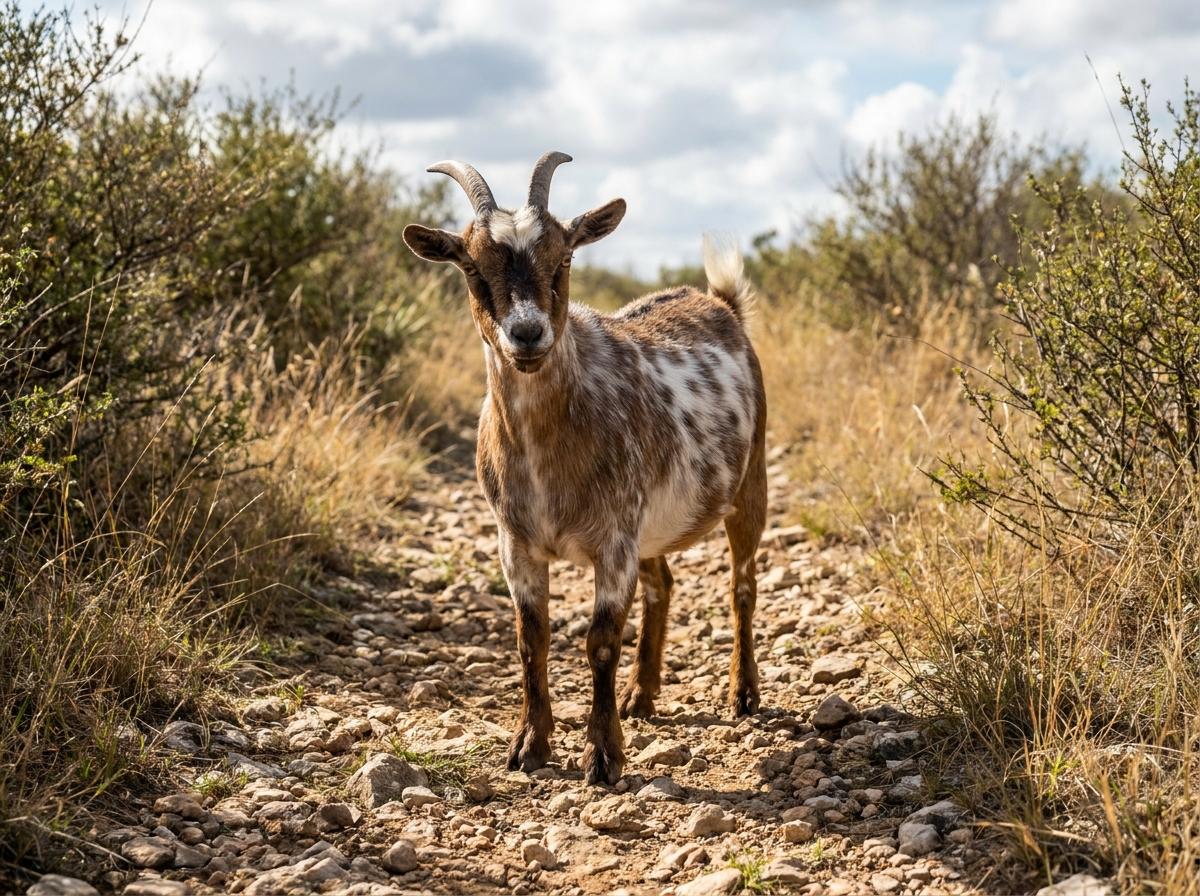
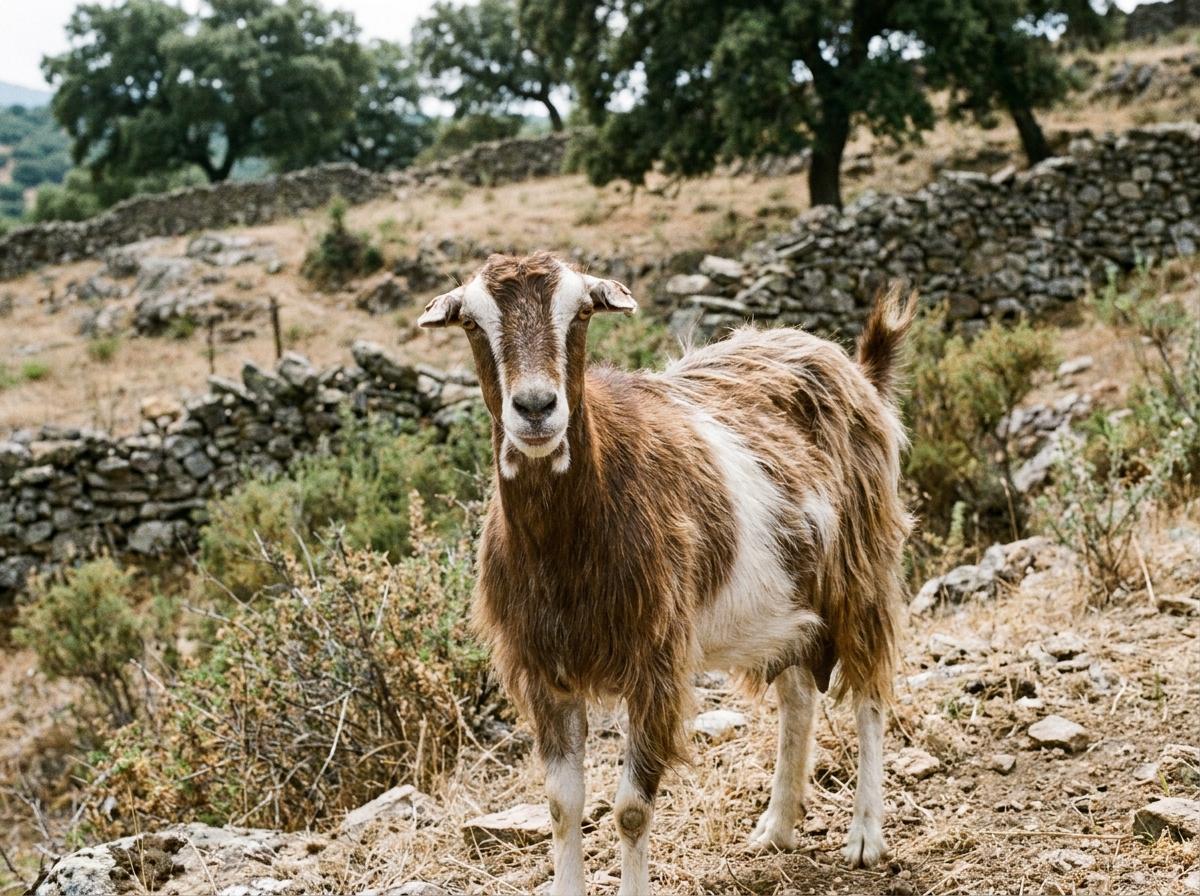
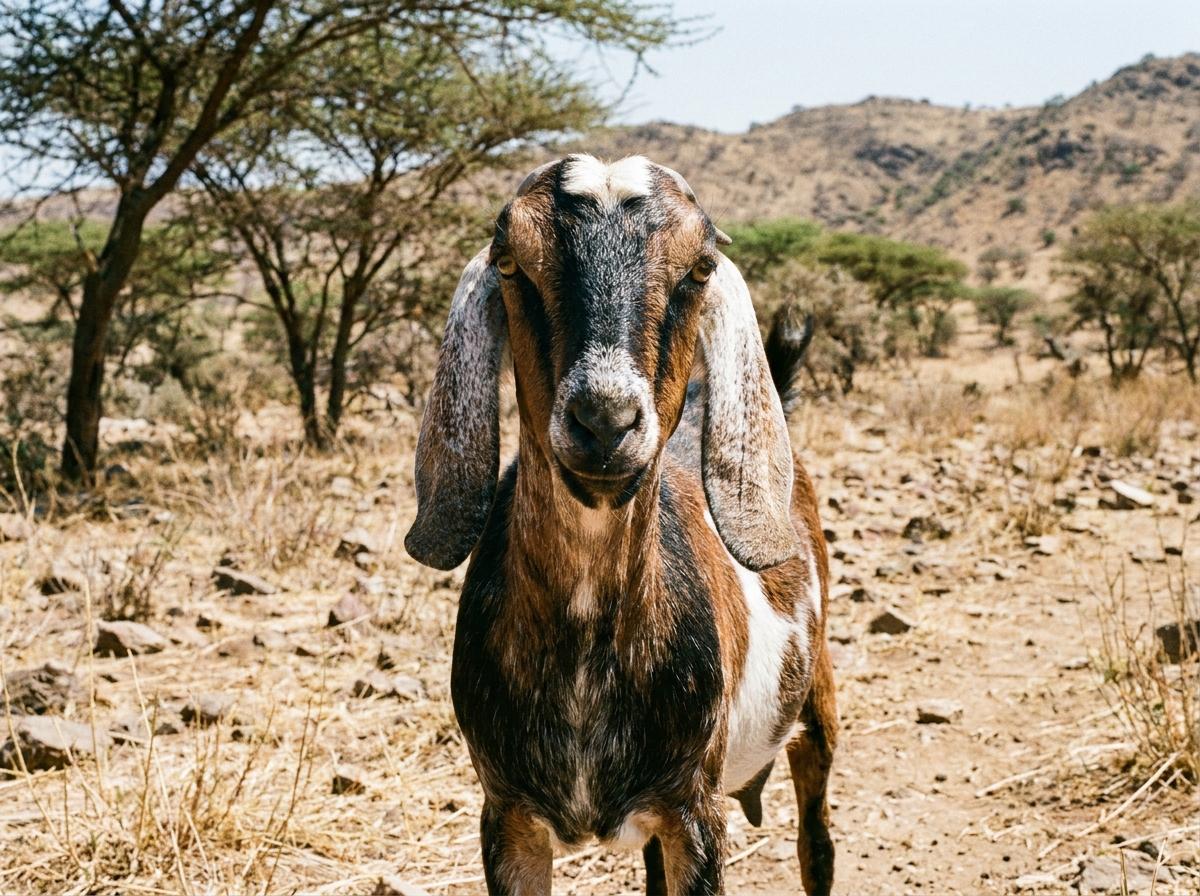
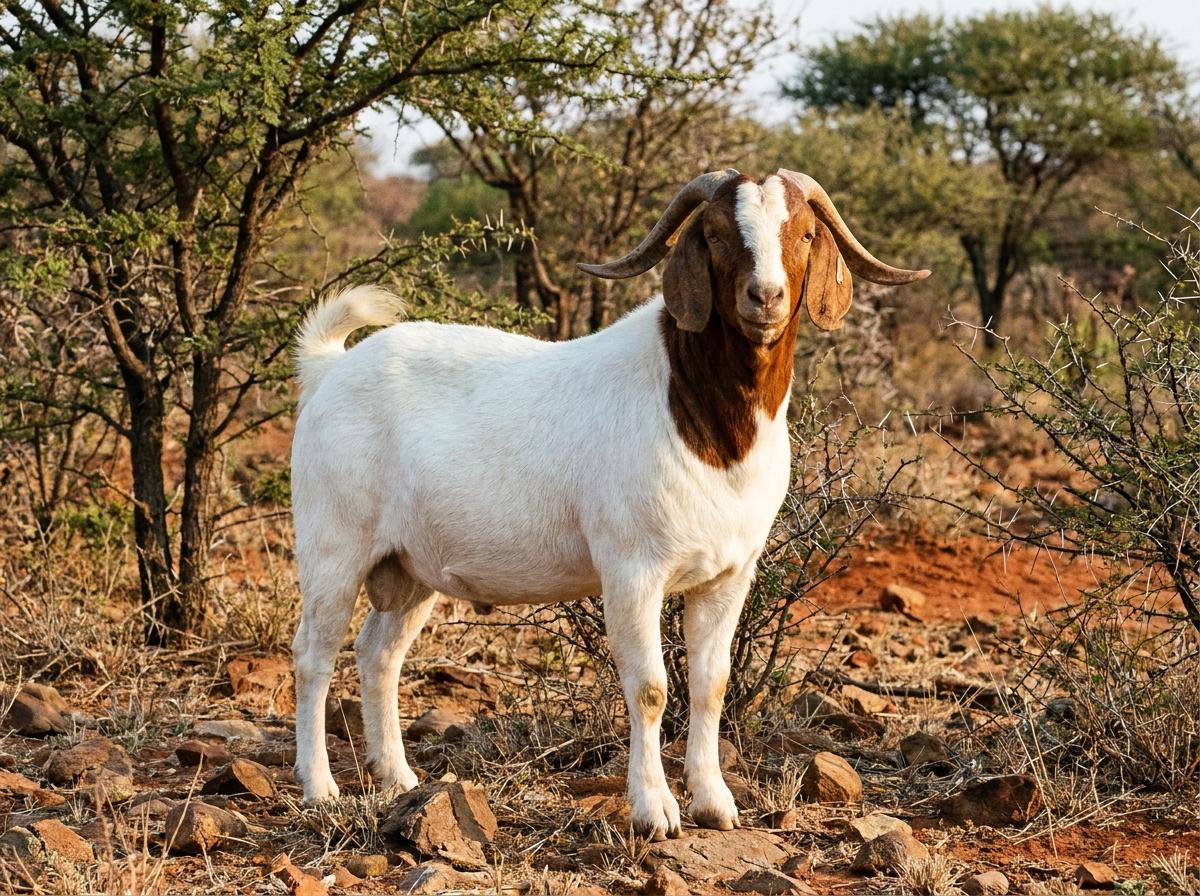
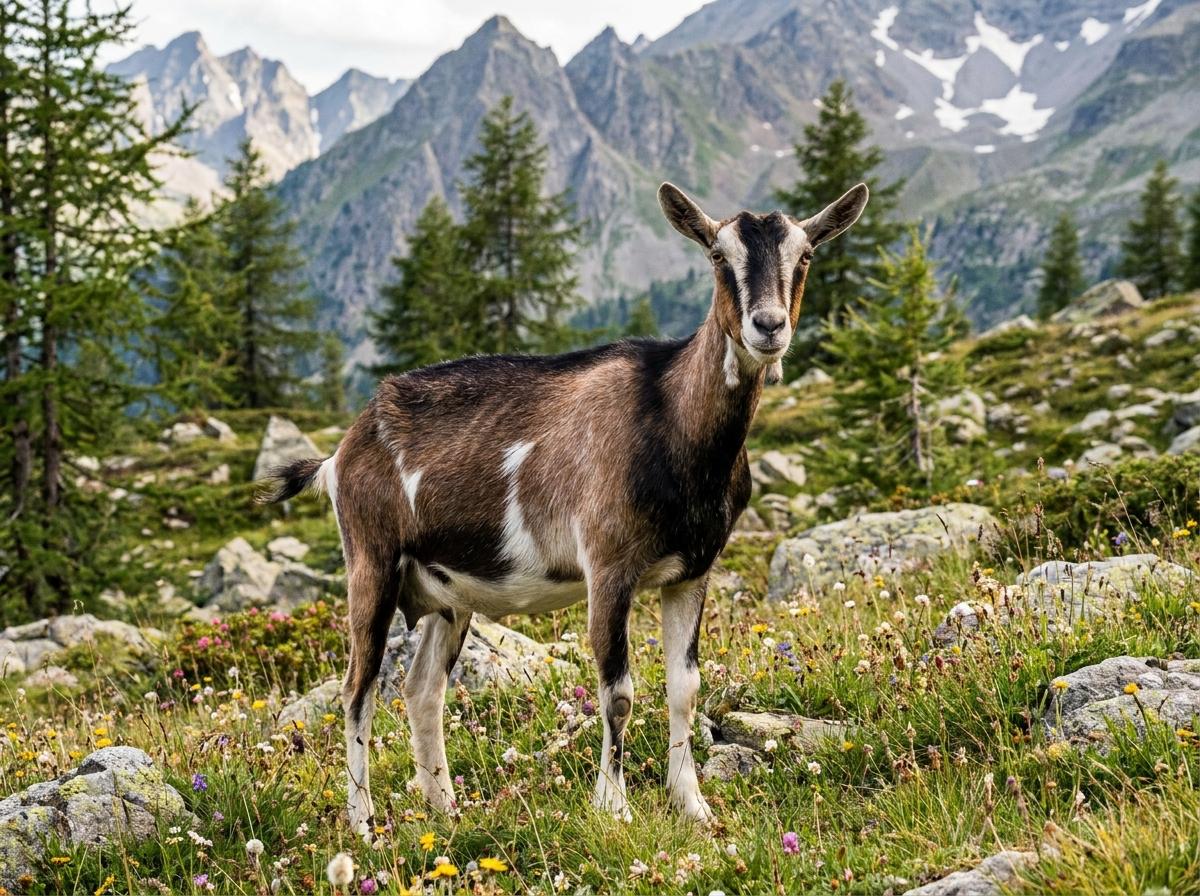
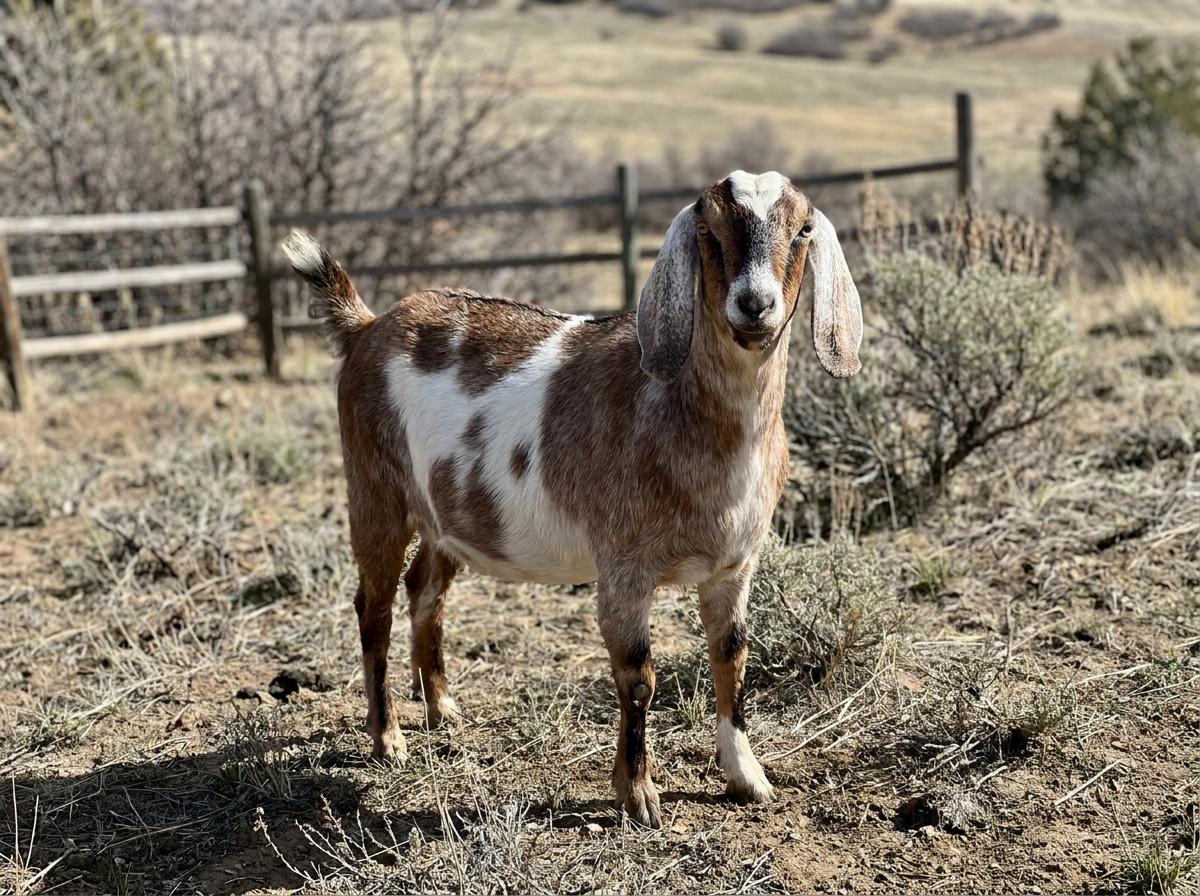
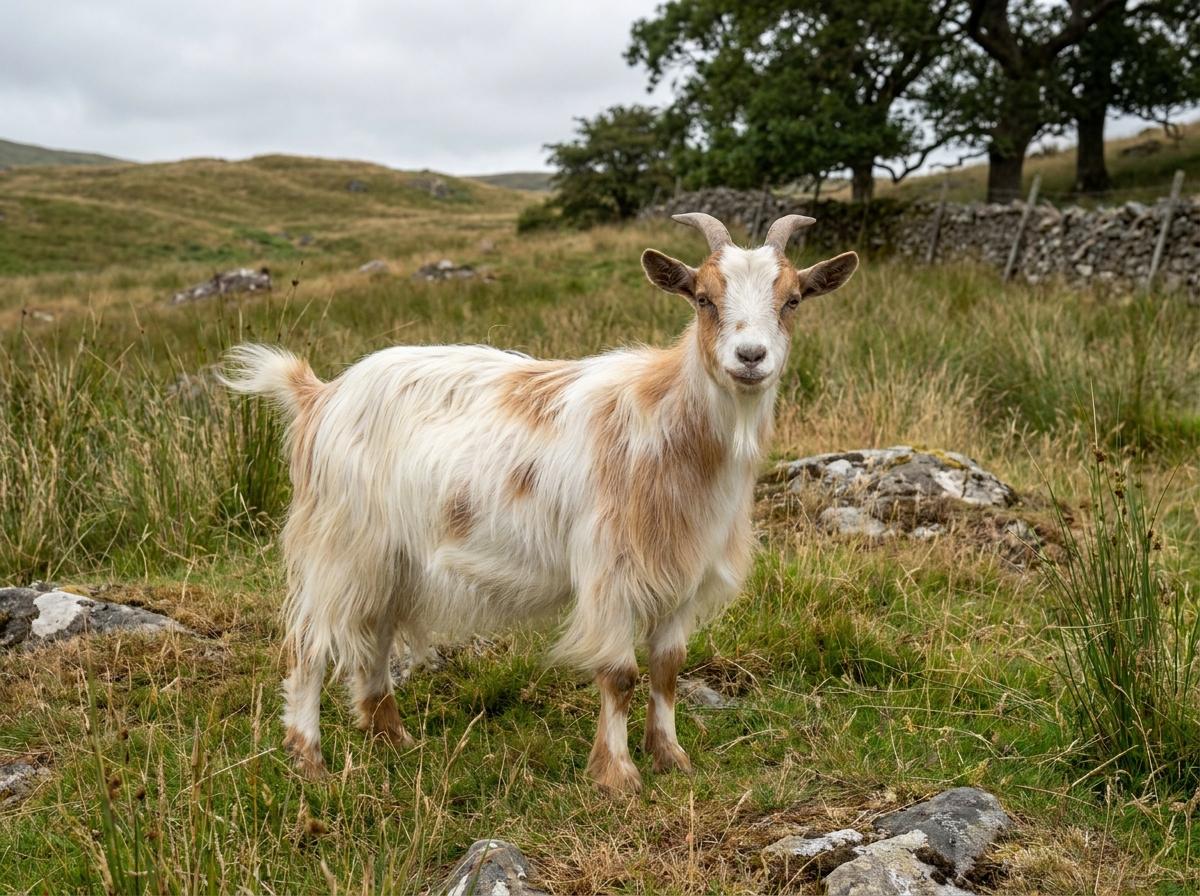
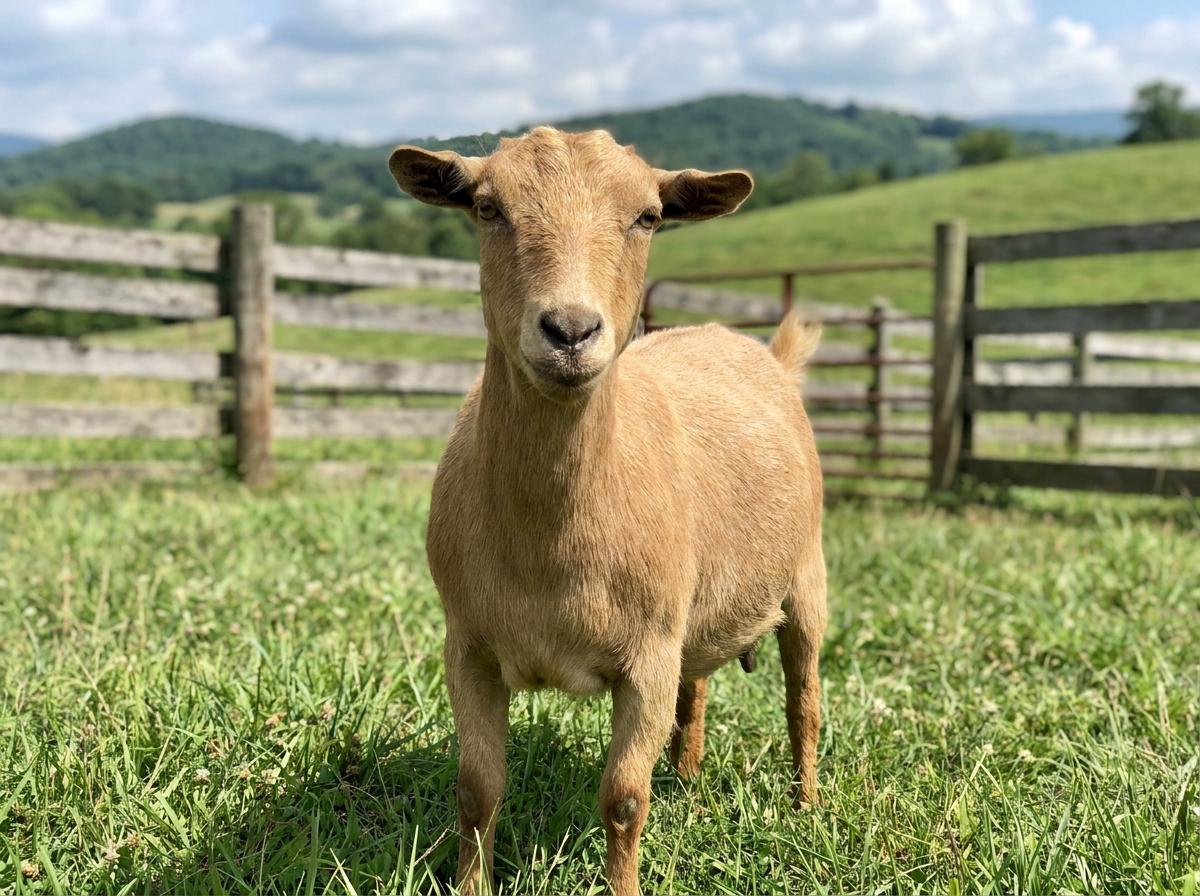
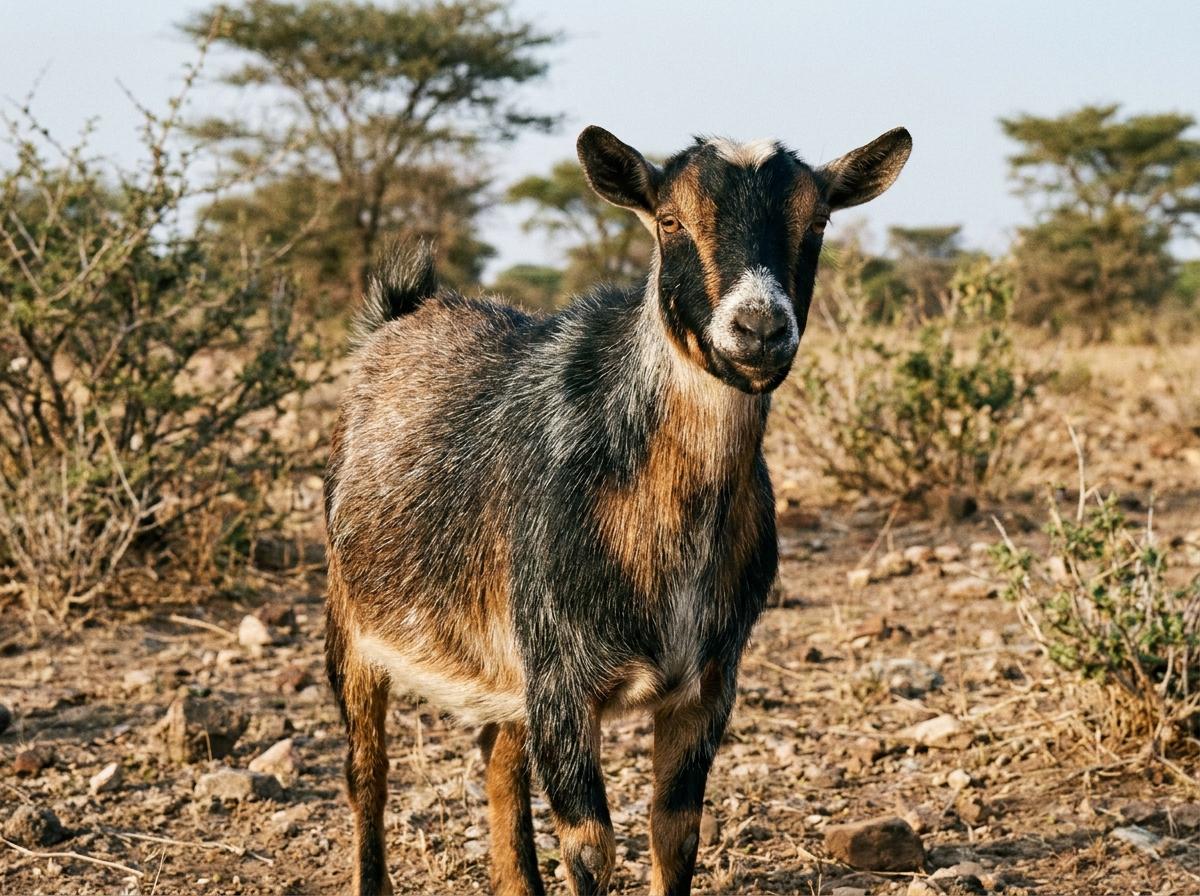
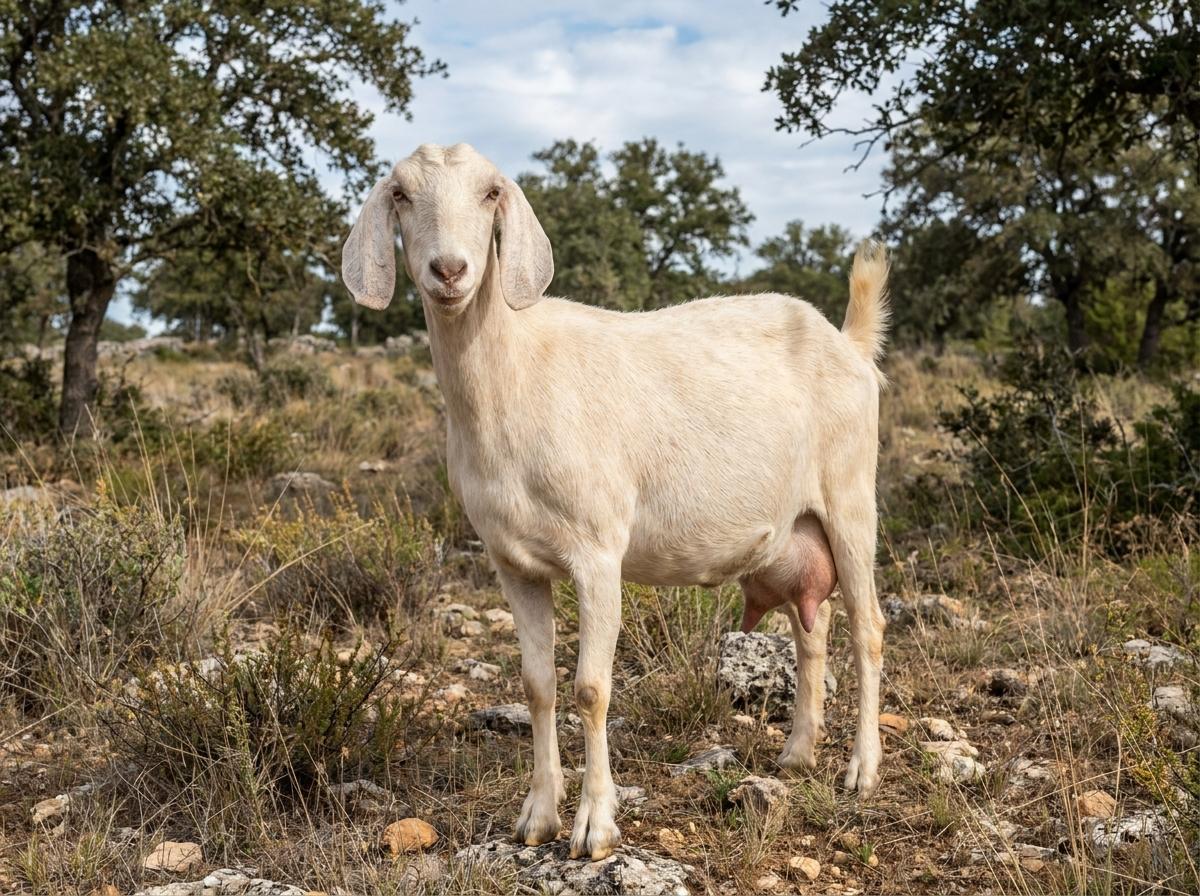
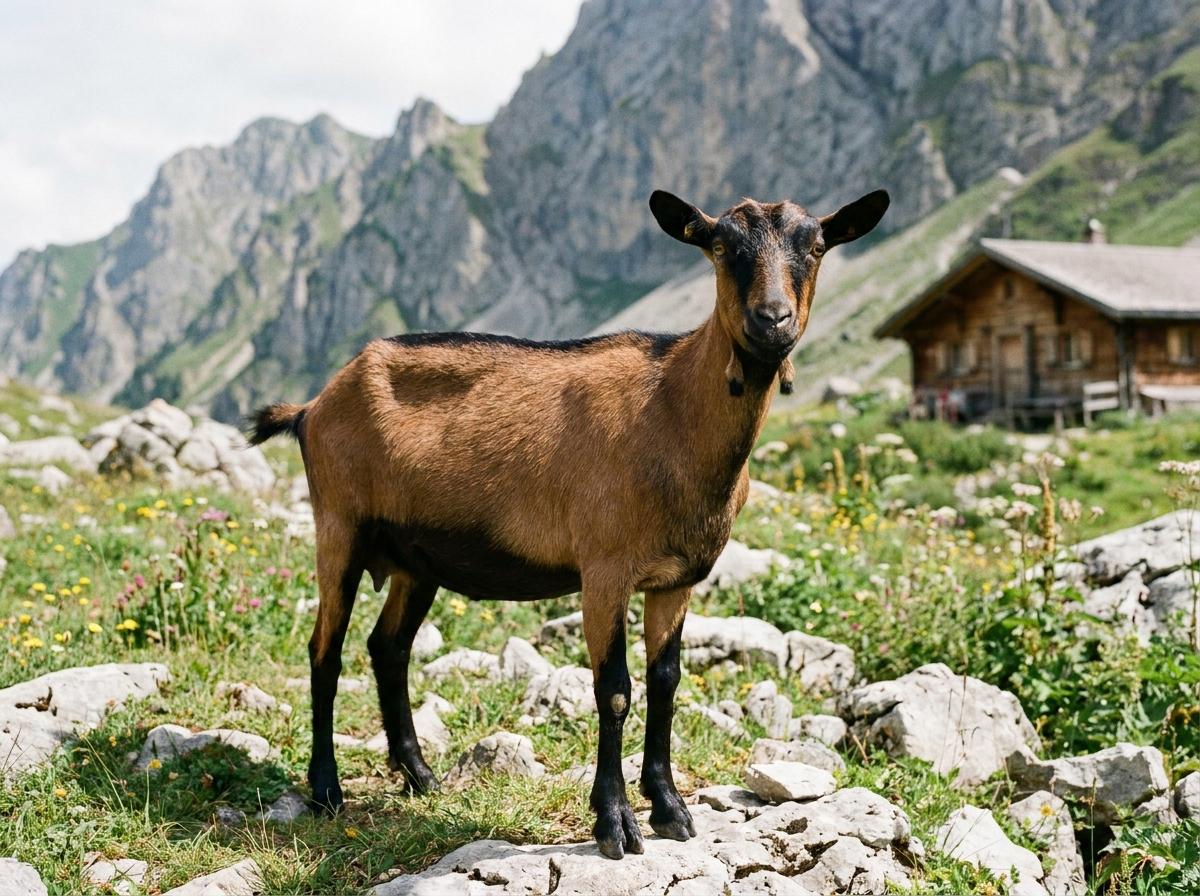
Colors: Belted, Black, Black and White, Brown, Brown and White, Buckskin, Chamoisee, Cou Blanc, Cou Clair, Cream, Dark Brown, Dark Gray, Fawn, Gold, Light Brown, Light Gray, Mixed Natural Colors, Moonspotted, Off-White, Pied Brown and White, Pied Gray and White, Pinto, Pure White, Red, Red and White, Roan, Spotted, Sundgau, Swiss Marked, Tan, White, White with Brown Points, White with Gray Points