

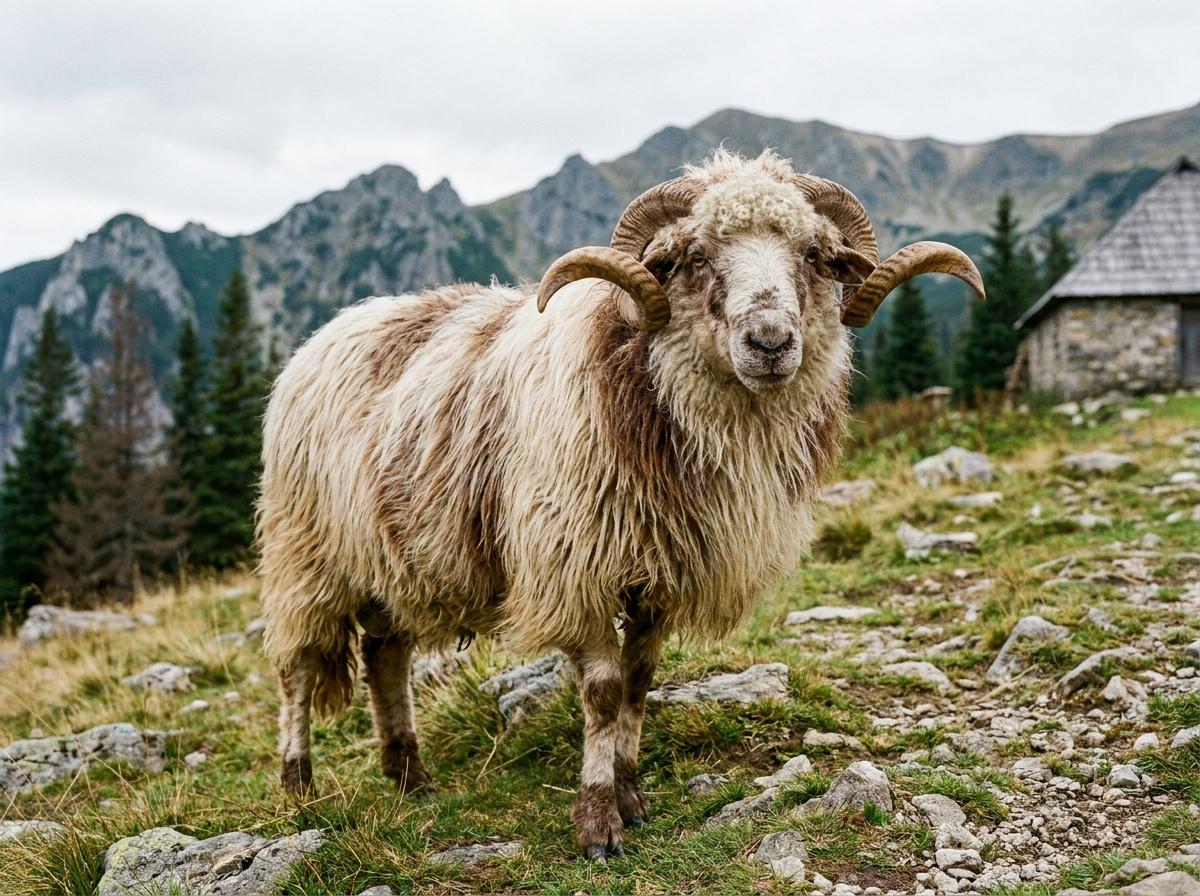
Wallachian
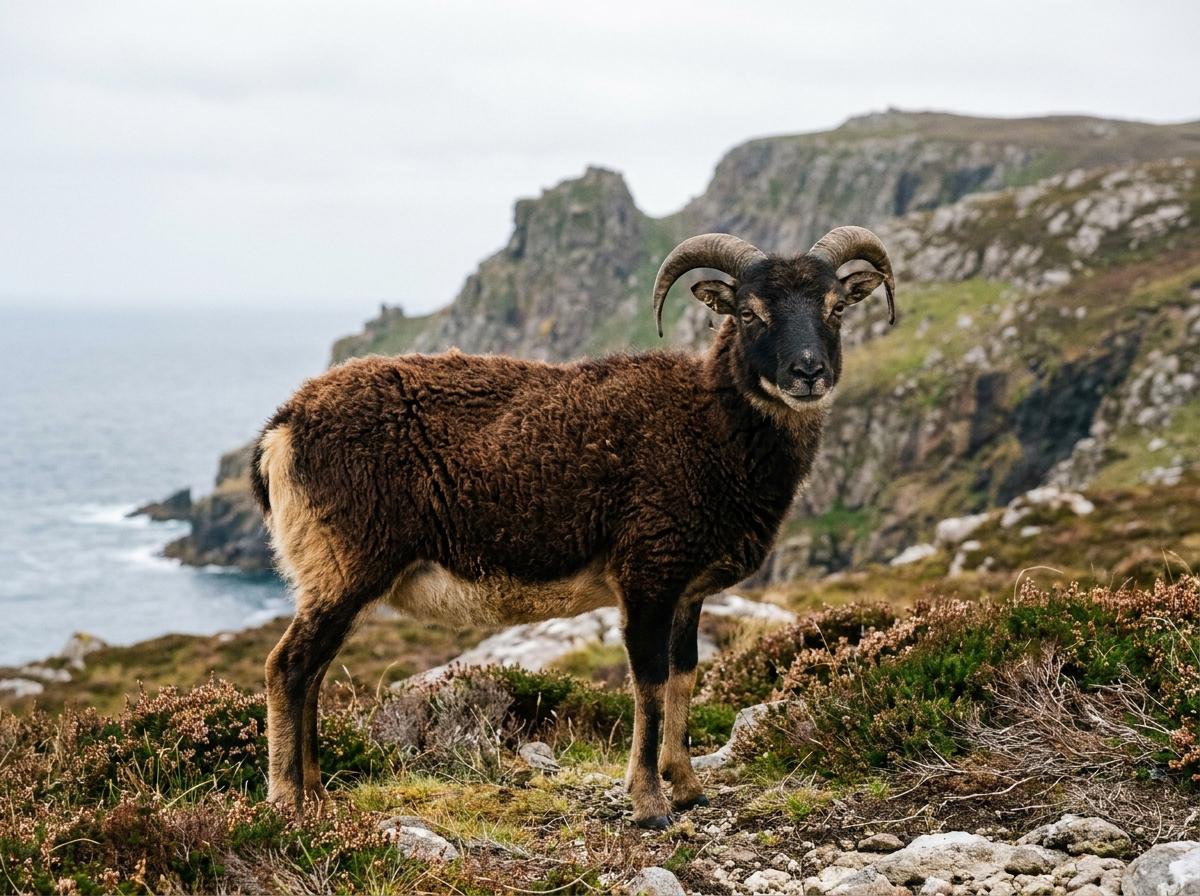
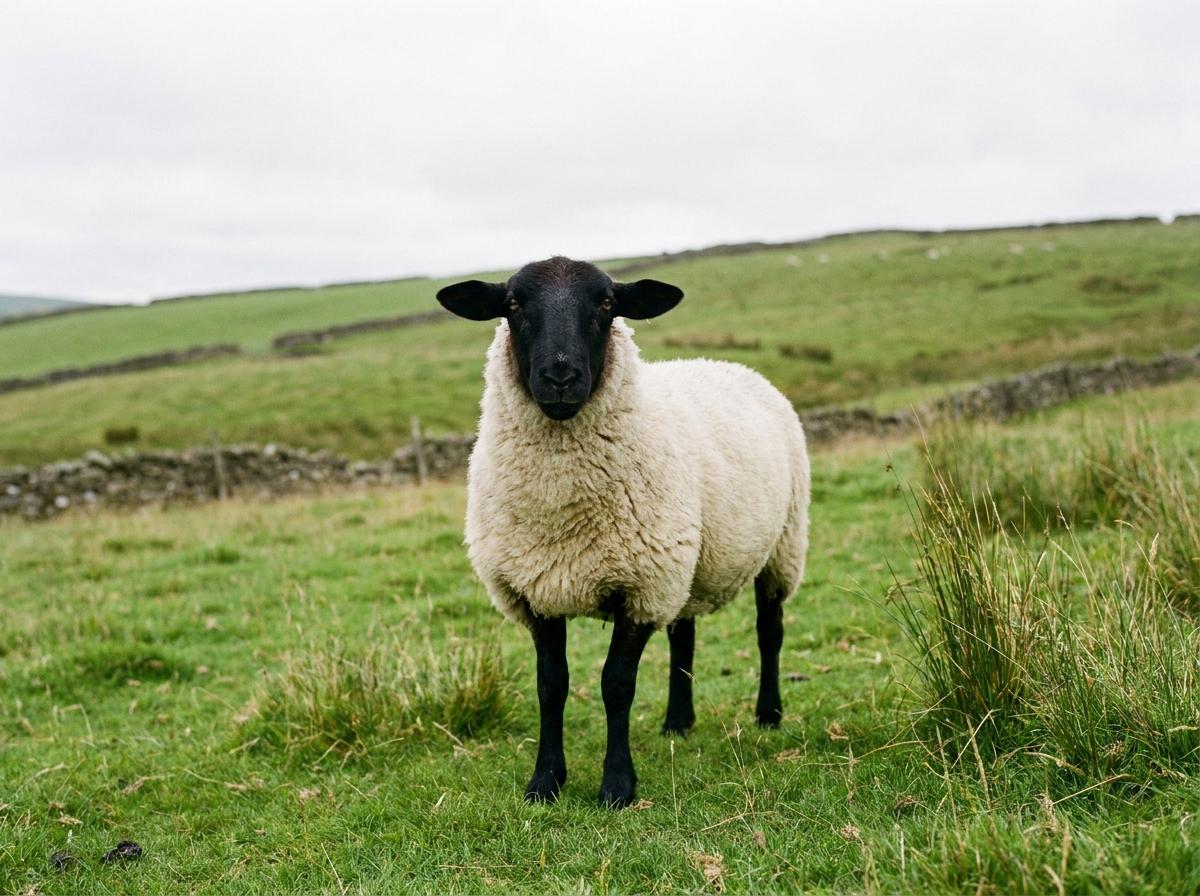
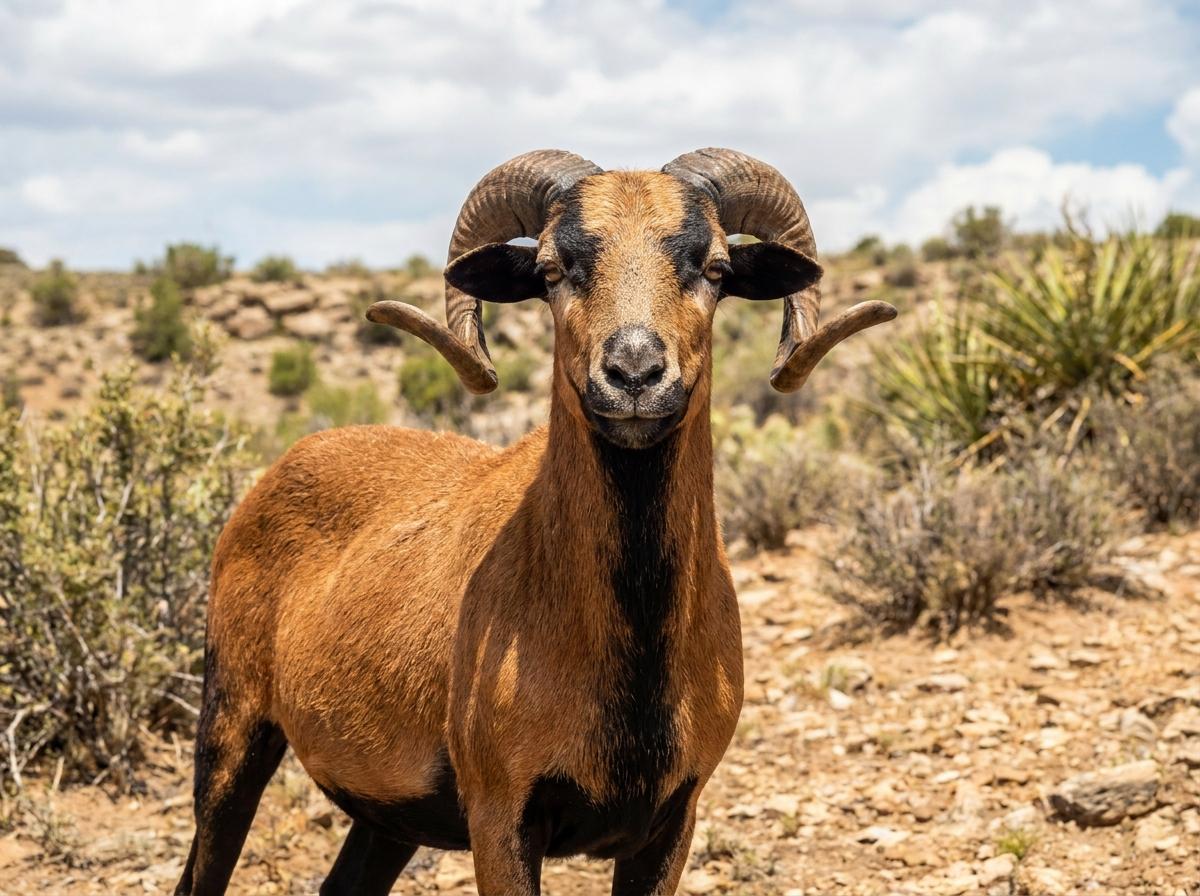
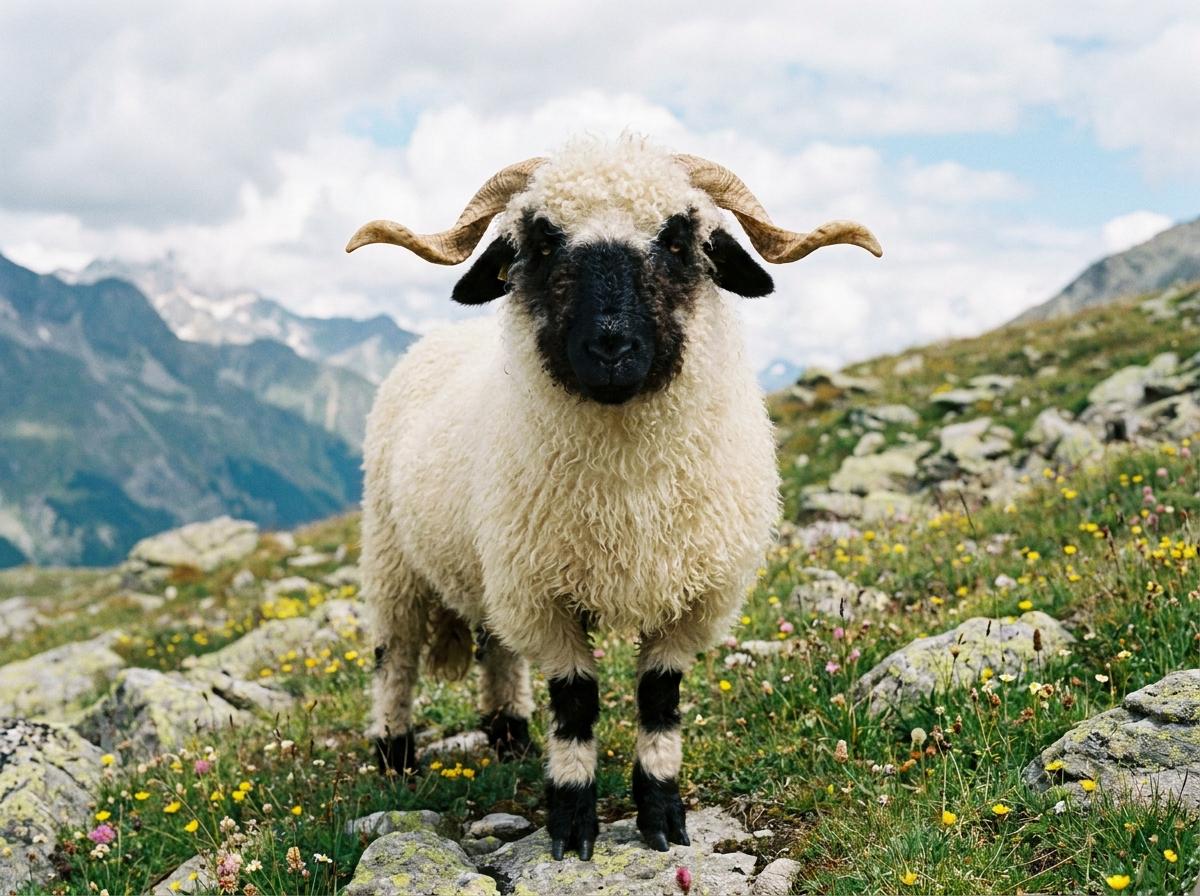
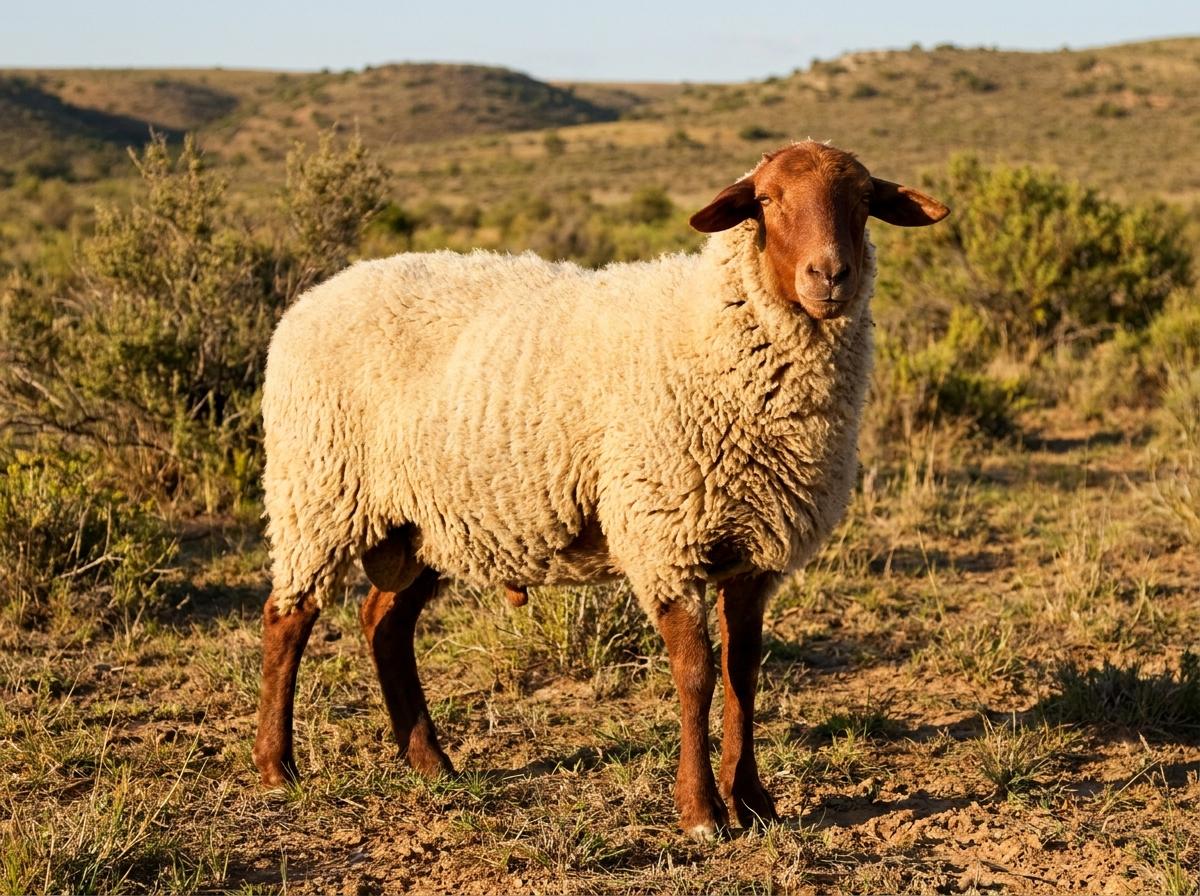
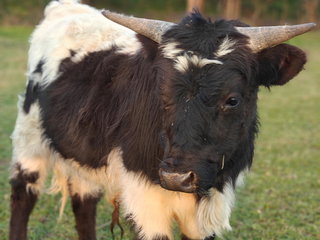
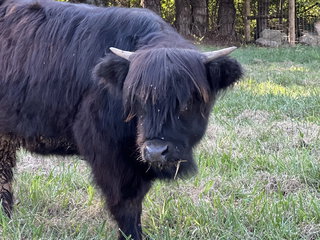
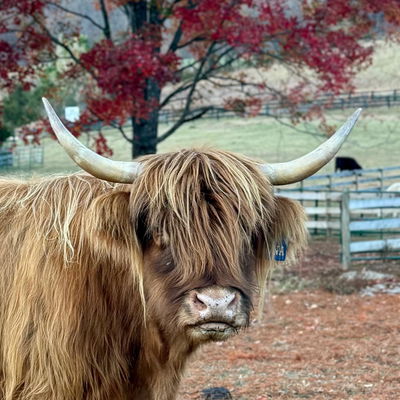
Wallachian sheep belong to the Valachian or Zackel-type traditions of southeastern and central Europe, with strong links to the Carpathians. They are commonly associated with long, upright, spiraled horns, coarse wool, and a multipurpose role in milk, meat, and fleece. The name can cover related regional populations rather than one perfectly uniform breed, so appearance and production traits may vary from Slovakia and Moravia to Romania and neighboring mountain areas.
Traditional management emphasizes mountain grazing, seasonal movement, and sheep that can cope with sparse forage and rough weather. Milk may be used for local cheese after lambs are established, while coarse wool serves rugs or traditional textiles more than fine apparel. Owners should manage horns carefully, choose breeding stock with sound legs and udders, and confirm which Wallachian population is represented before comparing animals or making conservation claims.