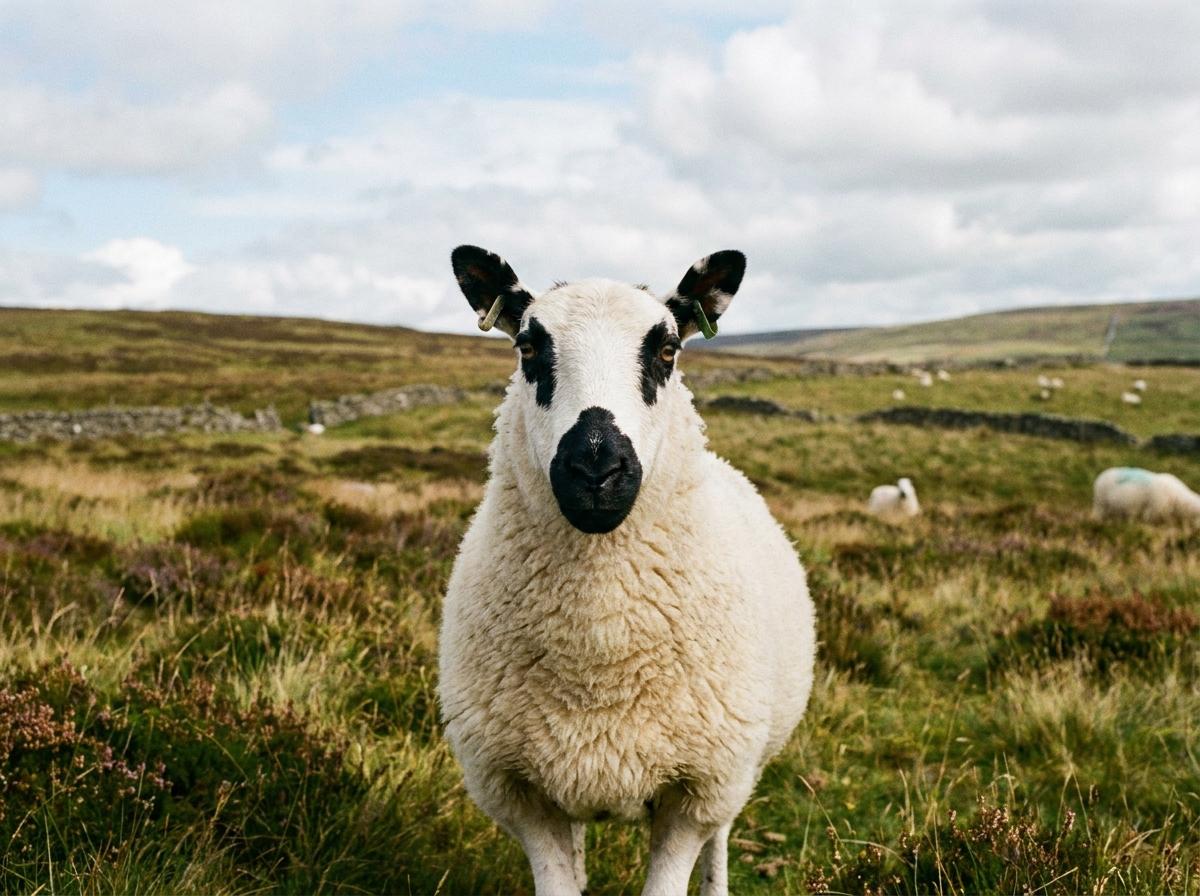
Kerry Hill
Author: Elliott Garber, DVM · Published
Kerry Hill sheep are a Welsh border breed recognized by a white fleece and striking black and white markings on the face and legs. Their appearance attracts attention, but a useful breeding animal must also have a sound mouth, feet, body and reproductive history. The Kerry Hill Sheep Society’s standard gives those functional details a place alongside the markings.
Start with the breed’s job in your flock. Do you want pedigree breeding animals, show prospects, or sheep to manage a smallholding? Those aims overlap, but they do not make every attractive Kerry Hill the right purchase. The wider sheep hub helps put the breed in context.
| Origin | Welsh border country |
|---|---|
| Coat | Dense white wool |
| Face and legs | Black and white markings |
| Ears | High set and free of wool |
| Horns | Undesirable under the UK society standard |
| Selection priority | Soundness and records as well as markings |

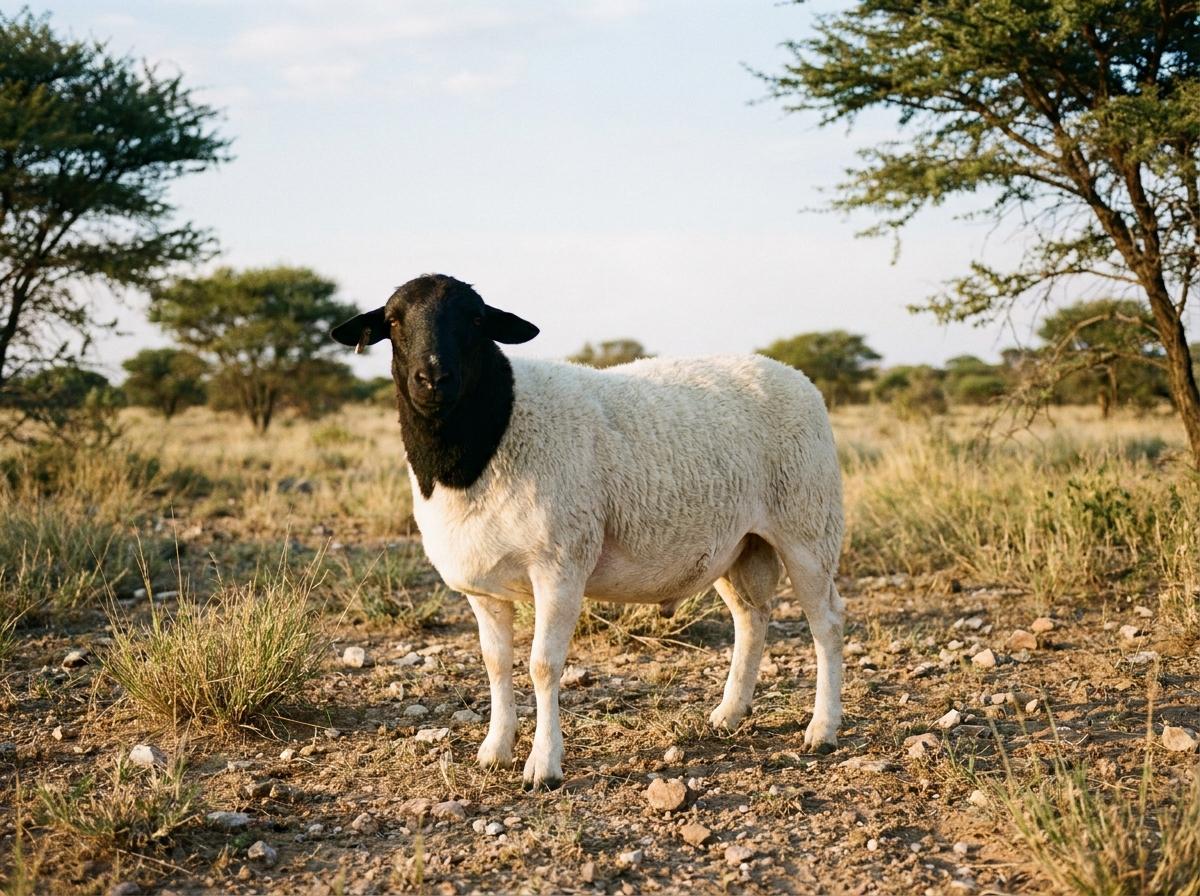
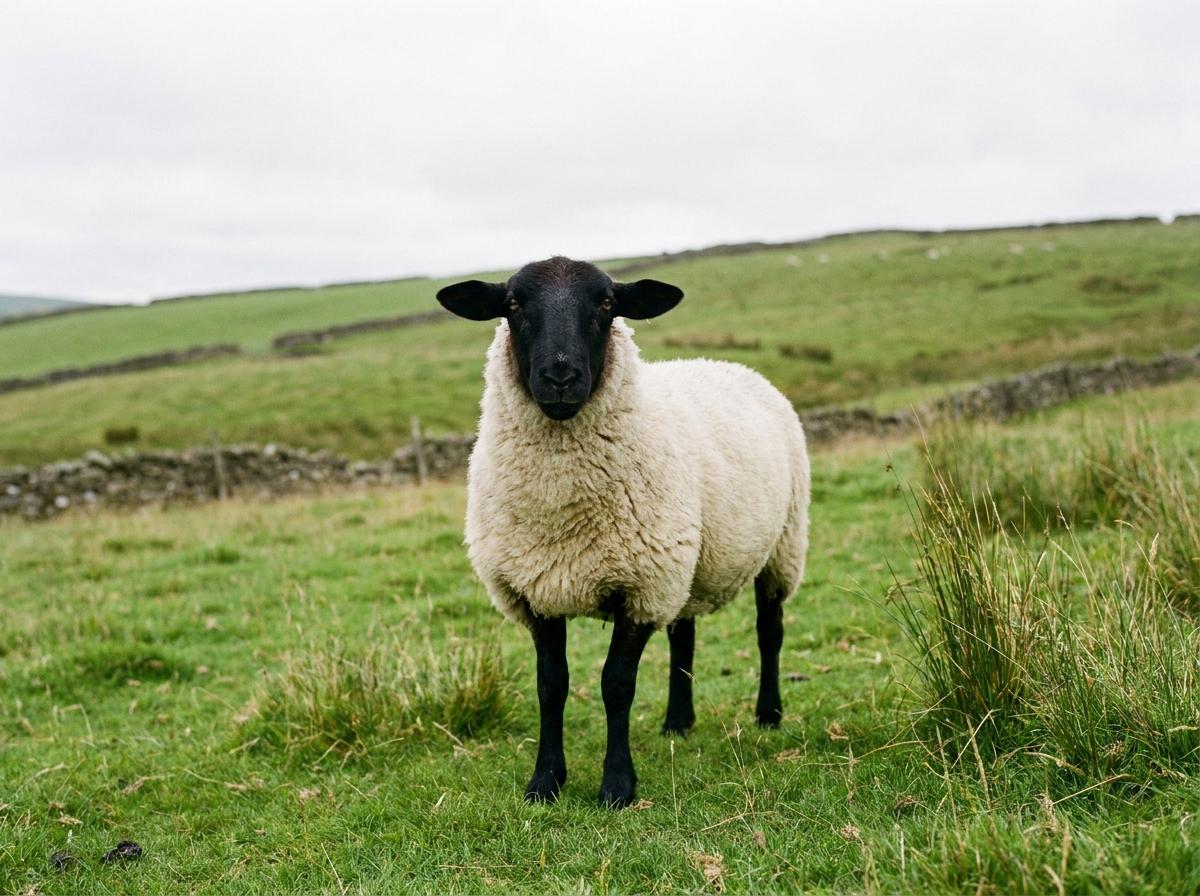
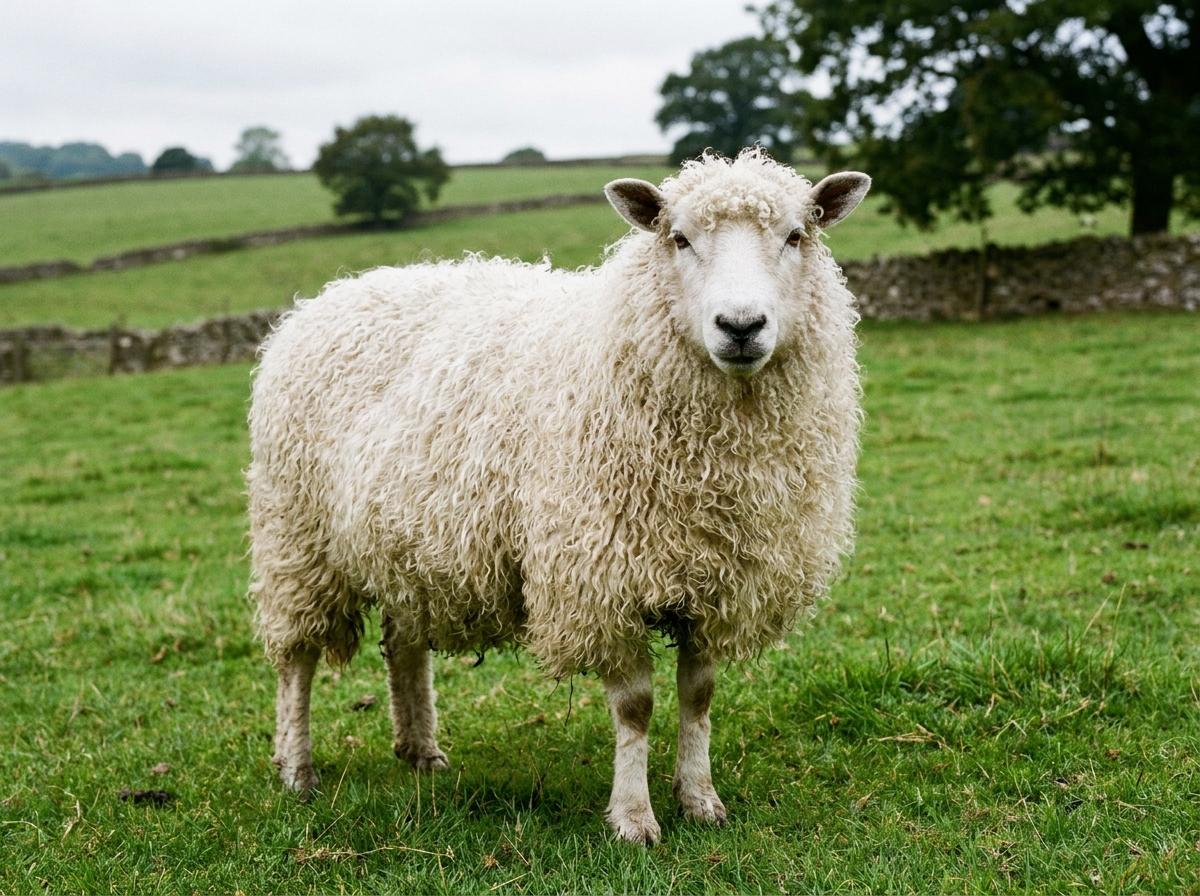
AI-generated illustration. An educational reconstruction, not actual stock.
Browse listings, public profiles, breeders, or add your animal.
Reading the markings without inventing a perfect pattern
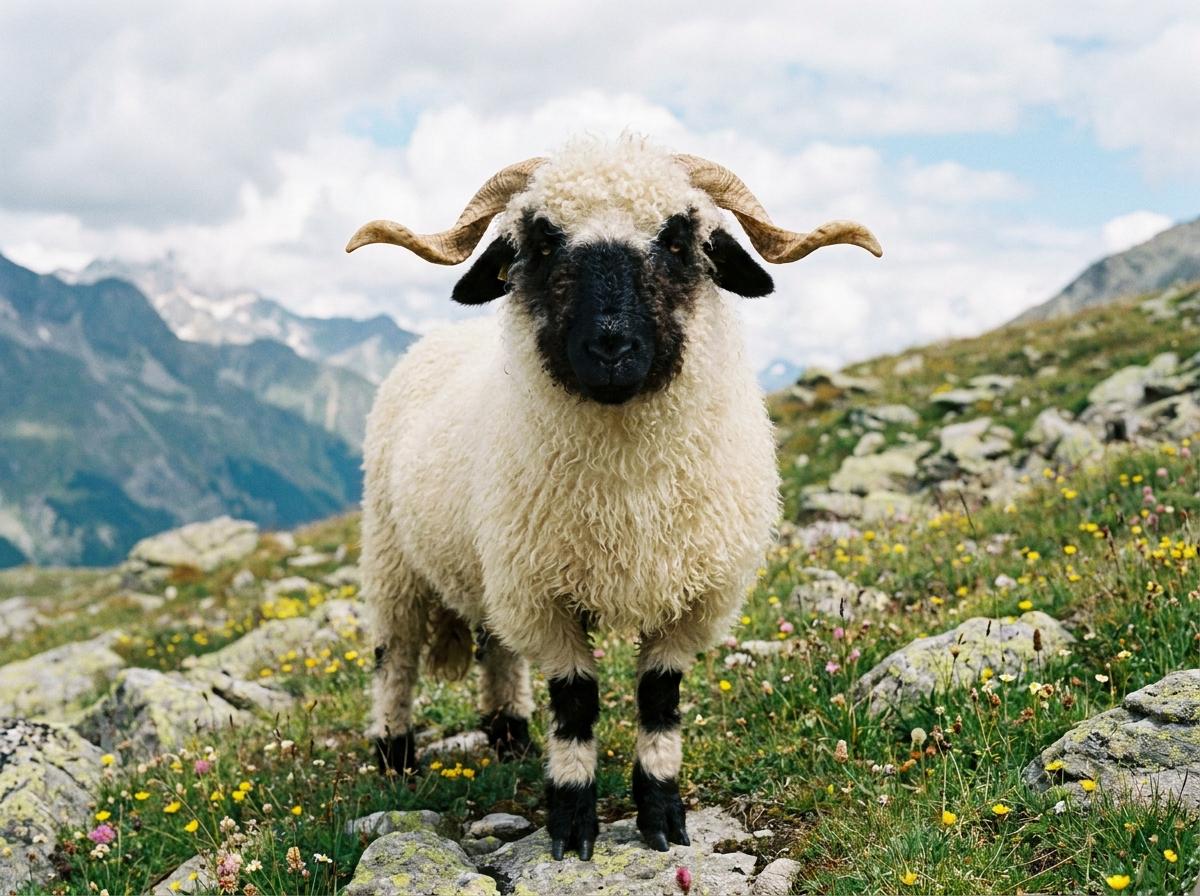
Look for a black and white face, a white fleece and black and white legs. The ears are medium length, high set and clear of wool. The UK society allows black, black-and-white or white ears, so black ears are familiar rather than the only permitted form. Small variation in facial markings also exists.
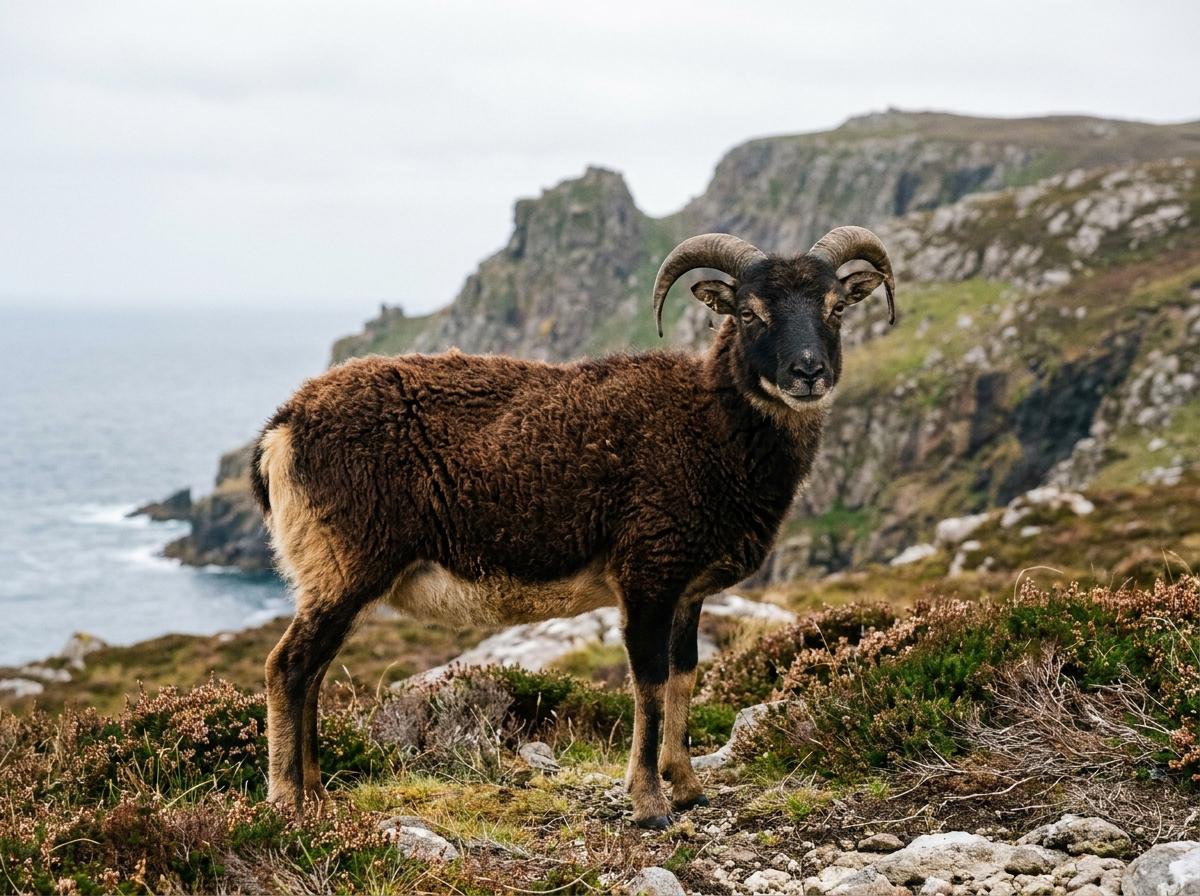
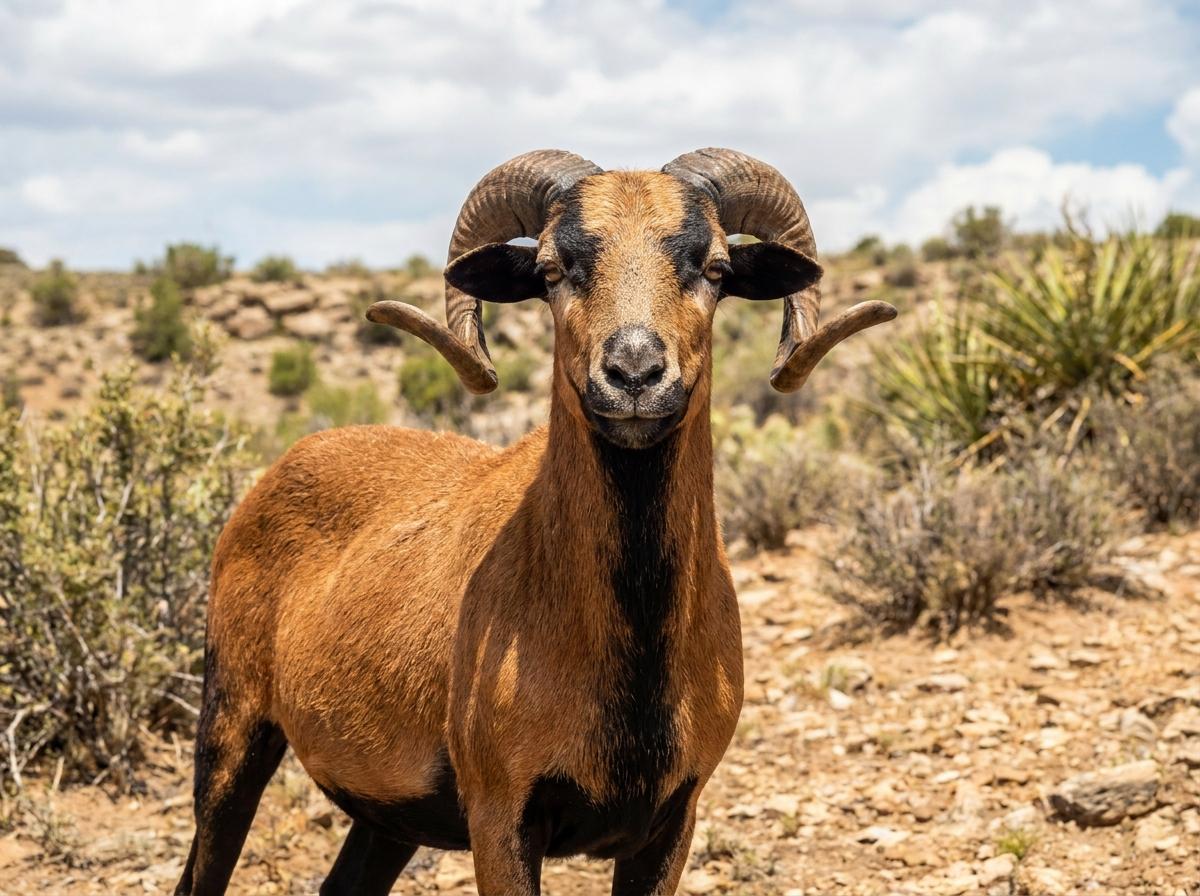
The standard says horns can occur genetically but are undesirable. Describing every Kerry Hill as incapable of growing horns would therefore be inaccurate. If show or pedigree breeding is your aim, discuss a particular animal’s eligibility with the relevant society instead of relying on an online photograph.

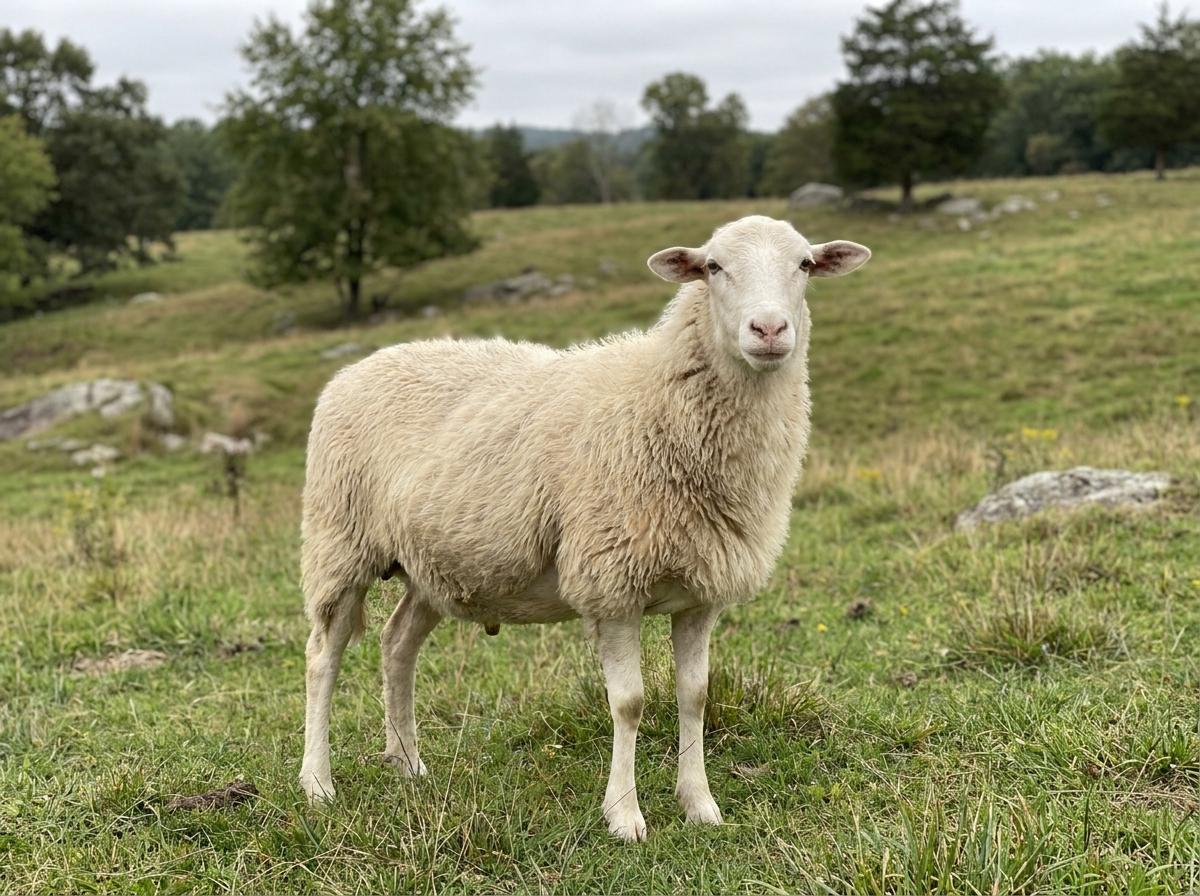
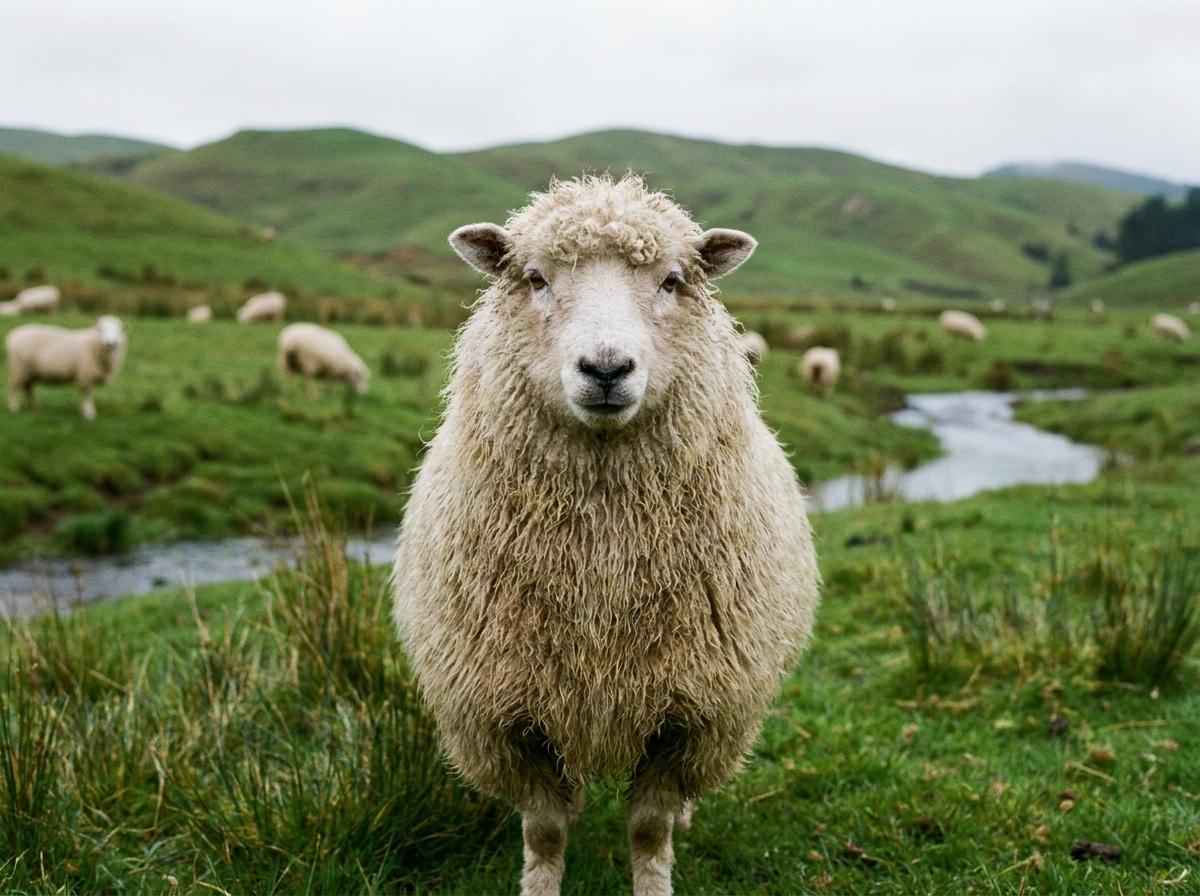
AI-generated illustration. A portrait crop, not a complete husbandry setup.
Black facial markings by themselves do not mean Kerry Hill. Scottish Blackface is a different breed with a different hill-sheep identity. Match the whole animal and its records, not one color feature.
Choose structure before a photogenic face
Ask to see sheep walking on a surface where their movement is easy to judge. Review the mouth and feet with an experienced person. For a breeding ewe, ask about previous lambings and inspect the udder; for a ram, arrange appropriate breeding-soundness advice. A fleece can make body shape harder to judge, so a hands-on assessment matters.
For a starter flock, request individual identification and parentage for each animal. If the animals are registered, check the actual entries and transfer process. Ask how closely related the proposed ram is to the ewes. An appealing package deal can be less useful if it gives you no sensible next generation of matings.
US breeding programs draw on imported UK genetics, including semen used for breeding up and embryos used for fullblood lambs. The American Kerry Hill Sheep Society provides US registry services; its embryo program account reports only a handful of 100 percent Kerry Hill lambs born by embryo transfer in 2024. Ask whether a proposed sheep is percentage, purebred or fullblood rather than treating those categories as equivalent.
The seller’s priorities also matter. Ask which traits they select for and what they record. A show-focused answer can be entirely reasonable, but it may not answer your questions about lamb rearing, feeding costs or management in your conditions.
Living with a fleece
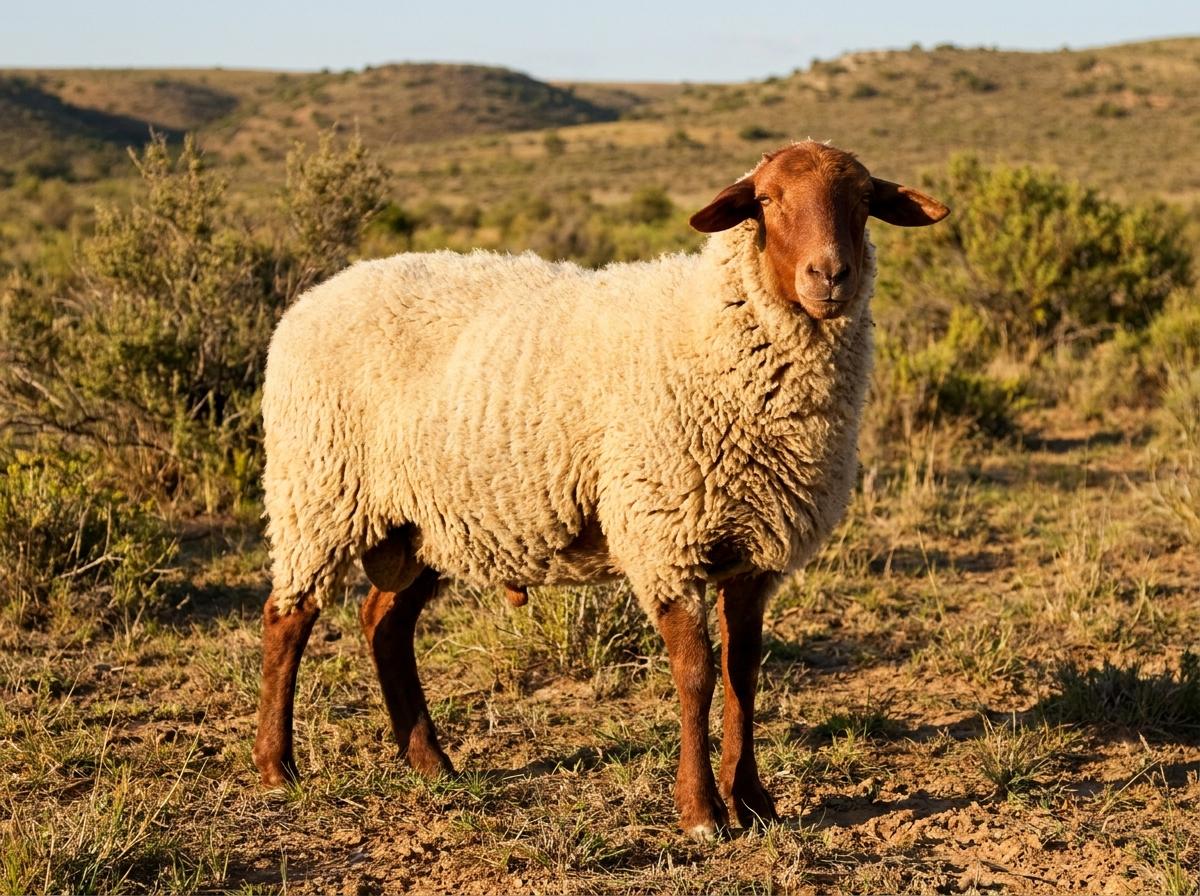
Kerry Hills are wool sheep. Arrange skilled shearing, regular inspection and an appropriate flock health plan before bringing them home. Provide suitable sheep company, water, feed and weather protection. Defra’s sheep welfare code offers a practical foundation; use your local veterinarian to adapt health decisions to your flock.
For US hot-weather planning, University of Maryland Extension emphasizes shade and cool clean water, with handling arranged outside the hottest conditions. Discuss shearing timing with an experienced local sheep adviser.

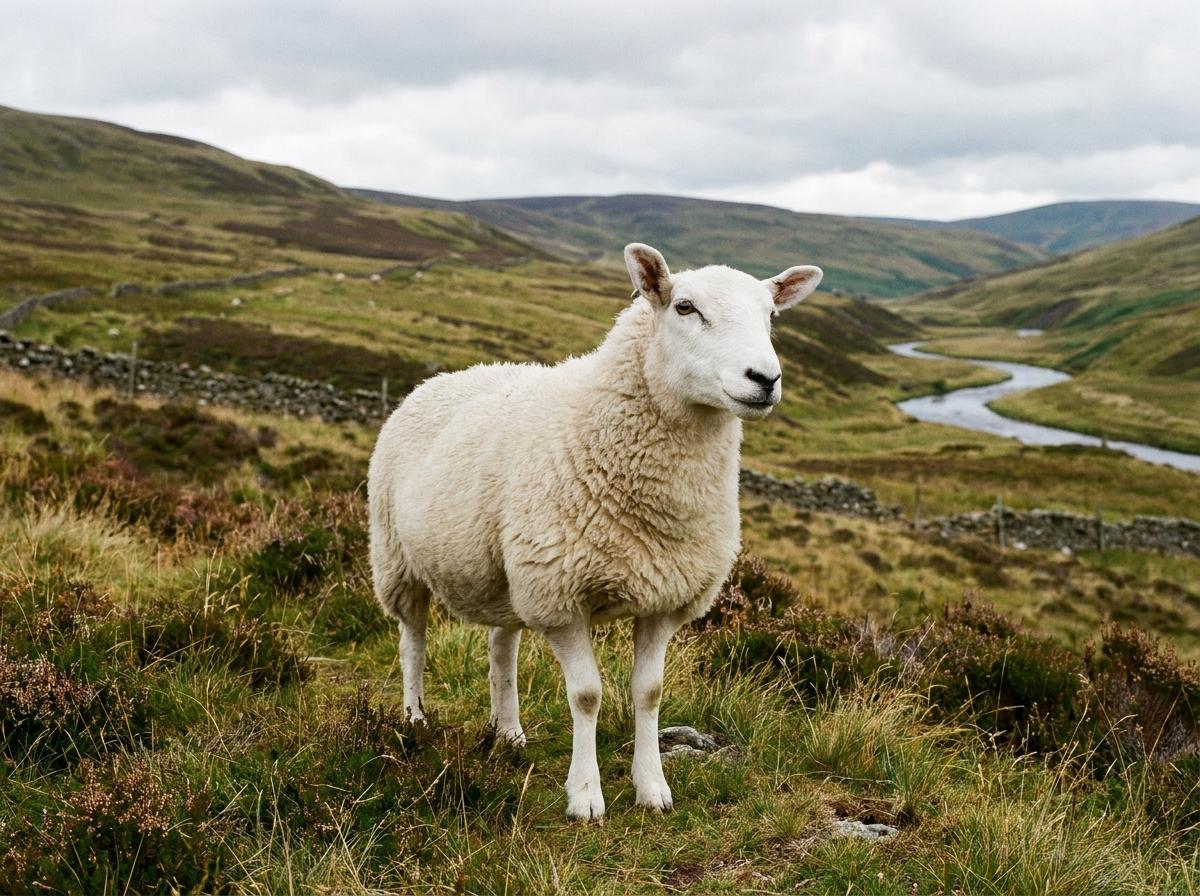
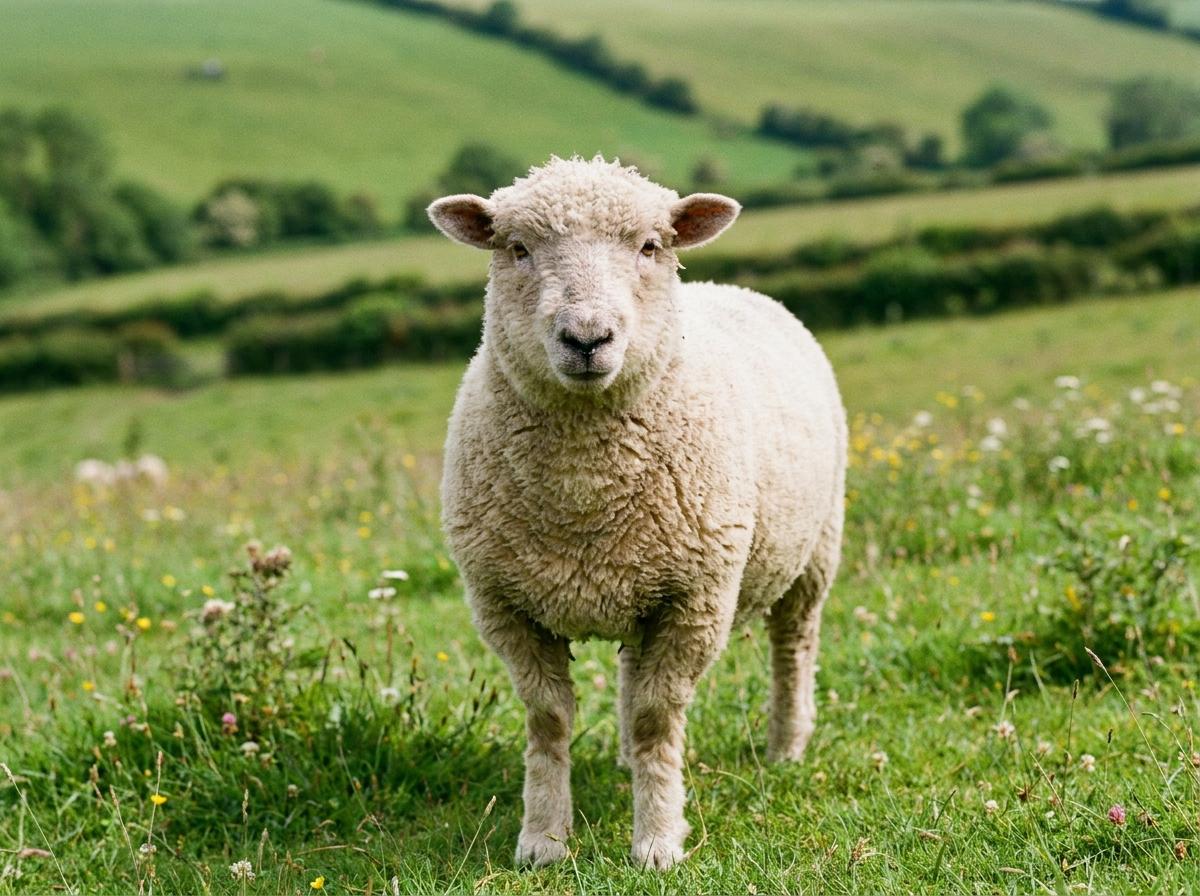
AI-generated illustration. An educational reconstruction, not actual stock.
A small acreage is a management question, not a breed guarantee. Work out how you will handle winter forage, wet ground, grazing rest, introductions and a sick animal. A field that looks generous in spring may present a different problem later in the year.
If fleece use is part of your interest, inspect an actual sample from the flock. Ask how it was prepared and stored and whether your intended processor will accept it. White wool and an attractive sheep are not a promise of a profitable fiber enterprise.
What should a Kerry Hill cost?
Compare current quotes for like animals in your market. A registered ram with a useful pedigree, a proven ewe, an unproven lamb and a nonbreeding companion should not be treated as interchangeable. This guide does not offer a universal price range.
Ask what the quoted price includes: registration transfer, the animal’s health history, any agreed examination, and transport. If a seller mentions a sale record or championship, identify the actual animal and date. A headline sale result is not the routine value of every sheep carrying the breed name.
Before paying a deposit, get the identity and terms in writing. For sheep travelling across a regional or national border, resolve the required movement arrangements first. Do not assume that a seller’s willingness to transport also establishes that every requirement has been met.
Kerry Hill questions
Are Kerry Hills always black-eared?
No. The UK society standard also permits black-and-white or white ears. The distinctive overall markings matter more than an oversimplified rule.
Are they a hair-sheep alternative?
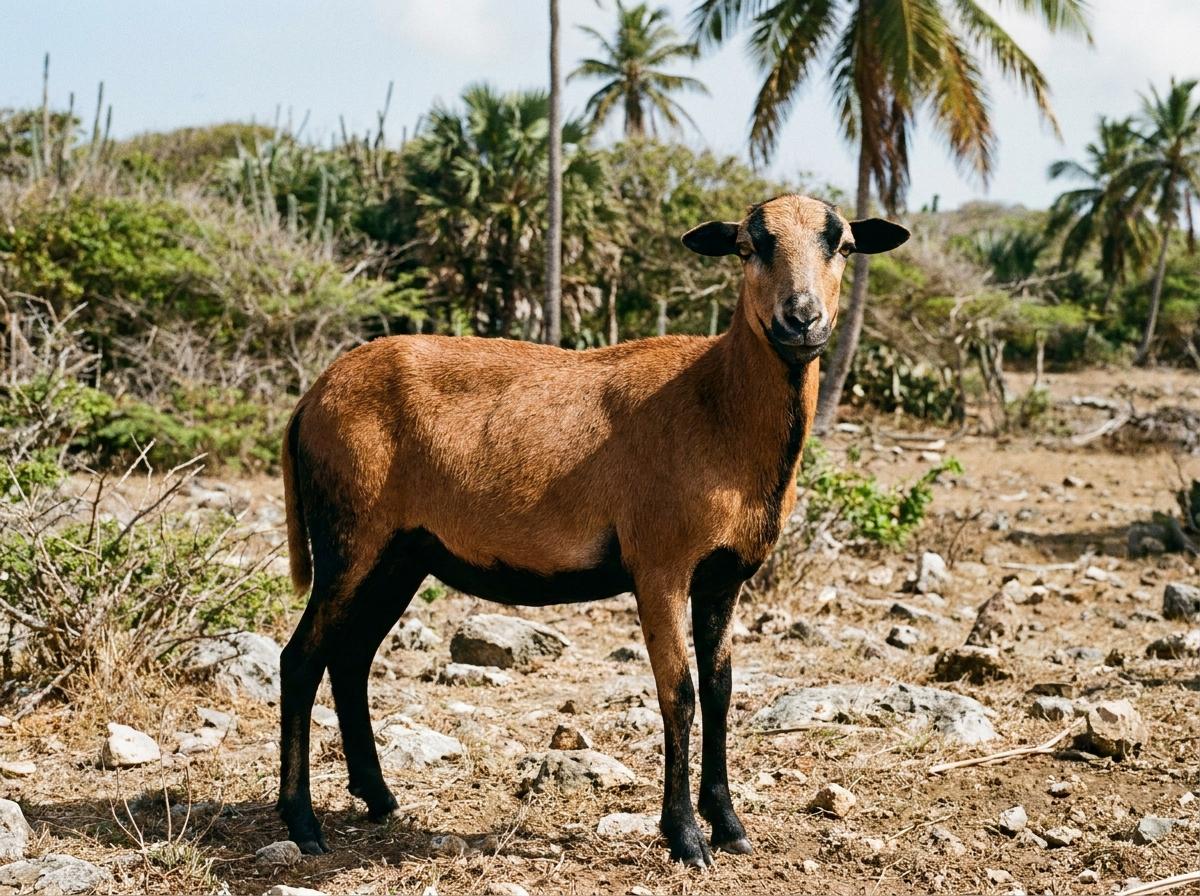
No. If avoiding routine fleece management is a main objective, compare a shedding breed such as Barbados Blackbelly, while still evaluating the care that animal needs.
Can a show photograph establish breeding quality?
No. Ask for pedigree, functional assessment and relevant flock records. A photograph can help you recognize the animal; it cannot supply those missing facts.
Do this next on Creatures
Use the sheep hub to compare breeds by coat, use and the questions you need answered before starting a flock.