Texel
Author: Elliott Garber, DVM · Published
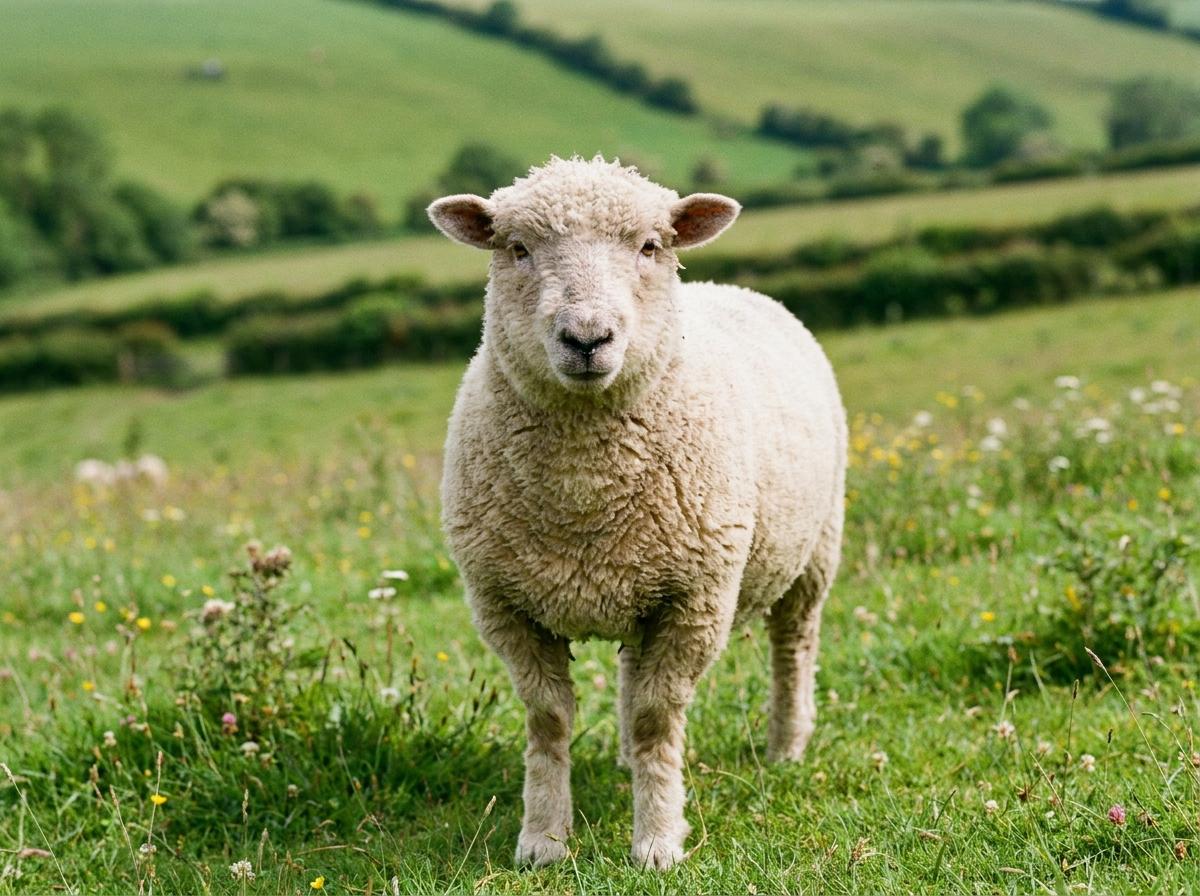
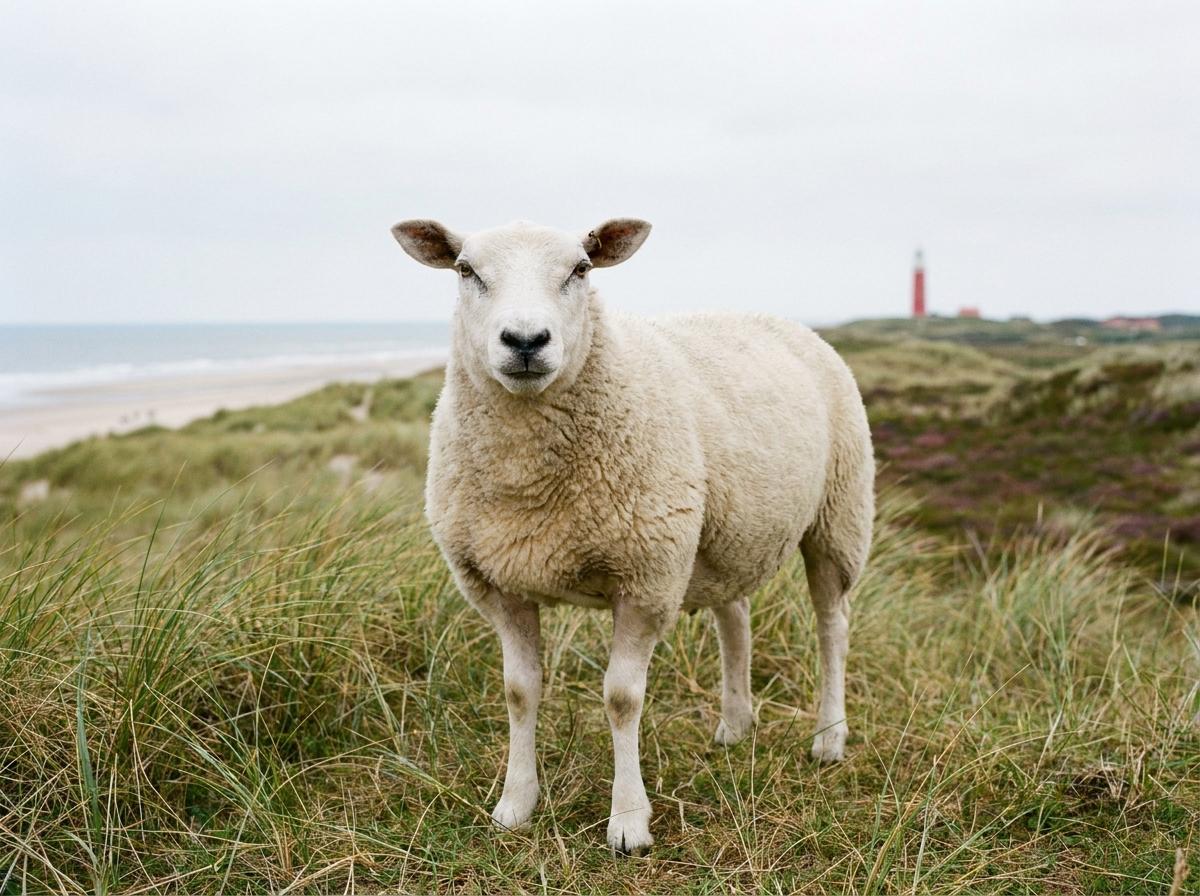
Texel sheep are a muscular meat breed, commonly considered for breeding programs that focus on lamb production. Their broad white face and black nose are recognizable, but buying the right Texel requires more than choosing the most impressive-looking animal.
If you are planning a mating, start with the free sheep gestation calculator to estimate a lambing window from a known service date. That planning estimate does not confirm pregnancy or predict the exact birth date.
Set a Texel search alert for new matching listings. Current supply may be empty; use the alert while you prepare your care plan and the records to request from a seller.

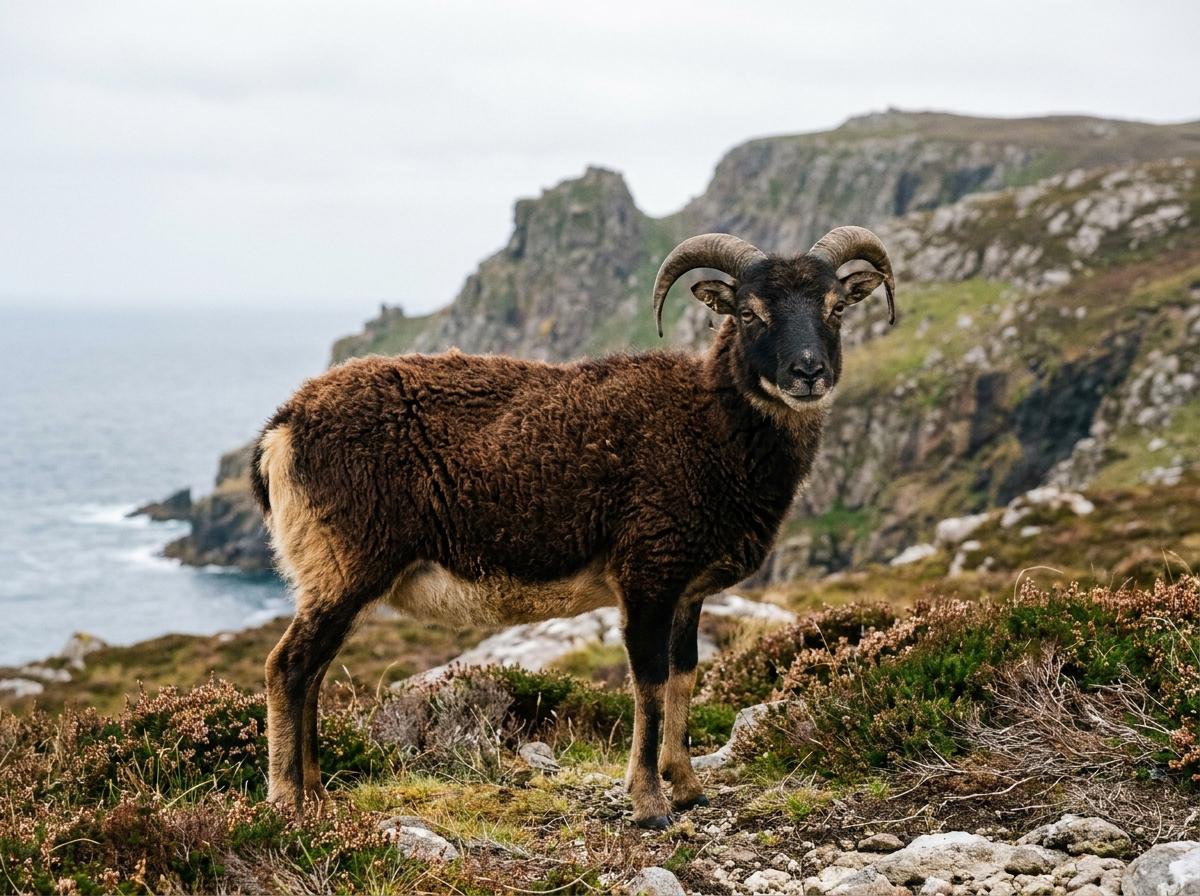
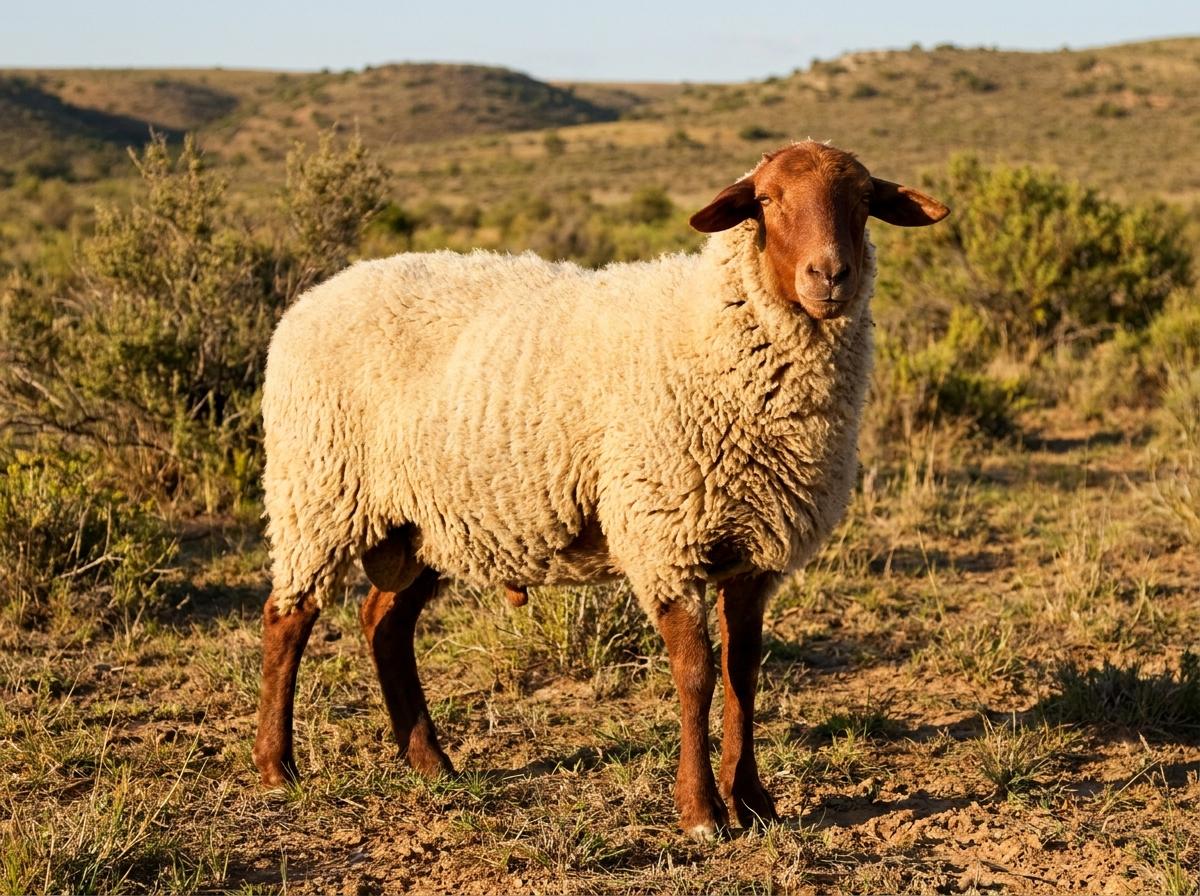
AI-generated illustration.
| Origin | Dutch island of Texel; early 1800s |
|---|---|
| US arrival | 1985 research import; breeder release in 1990 |
| Features | Broad white face, black nose, polled head |
| Mature ewe reference | About 150 to 200 pounds |
| Mature ram reference | About 200 to 250 pounds |
| Common role | Terminal sire for meat lambs |
Browse listings, public profiles, breeders, or add your animal.
Dutch island origin and a muscular sheep
Texels originated on the Dutch island of Texel in the early 1800s. The Texel Sheep Breeders Society records their first US import in 1985 to the US Meat Animal Research Center at Clay Center, Nebraska, and release to breeders after quarantine in 1990.
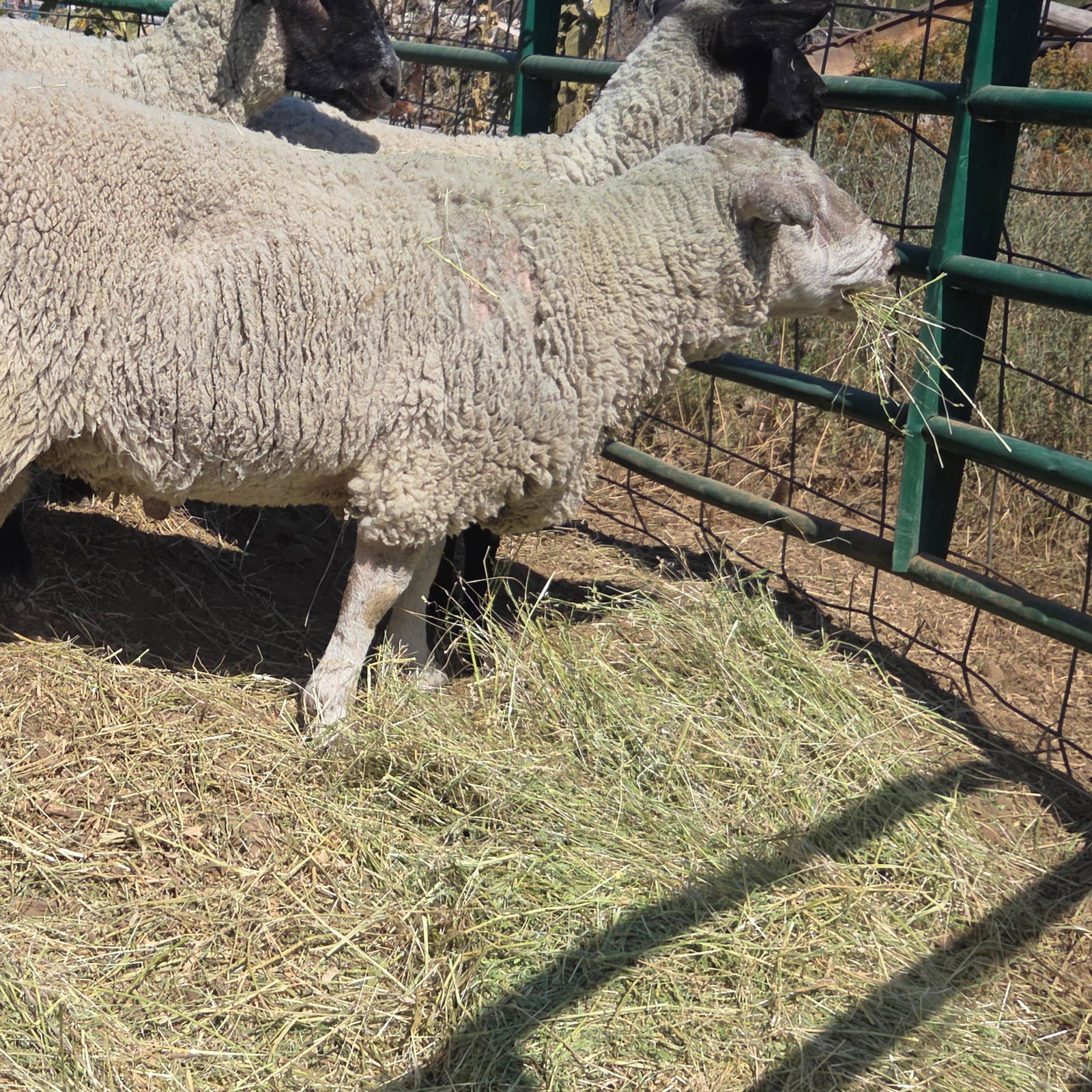
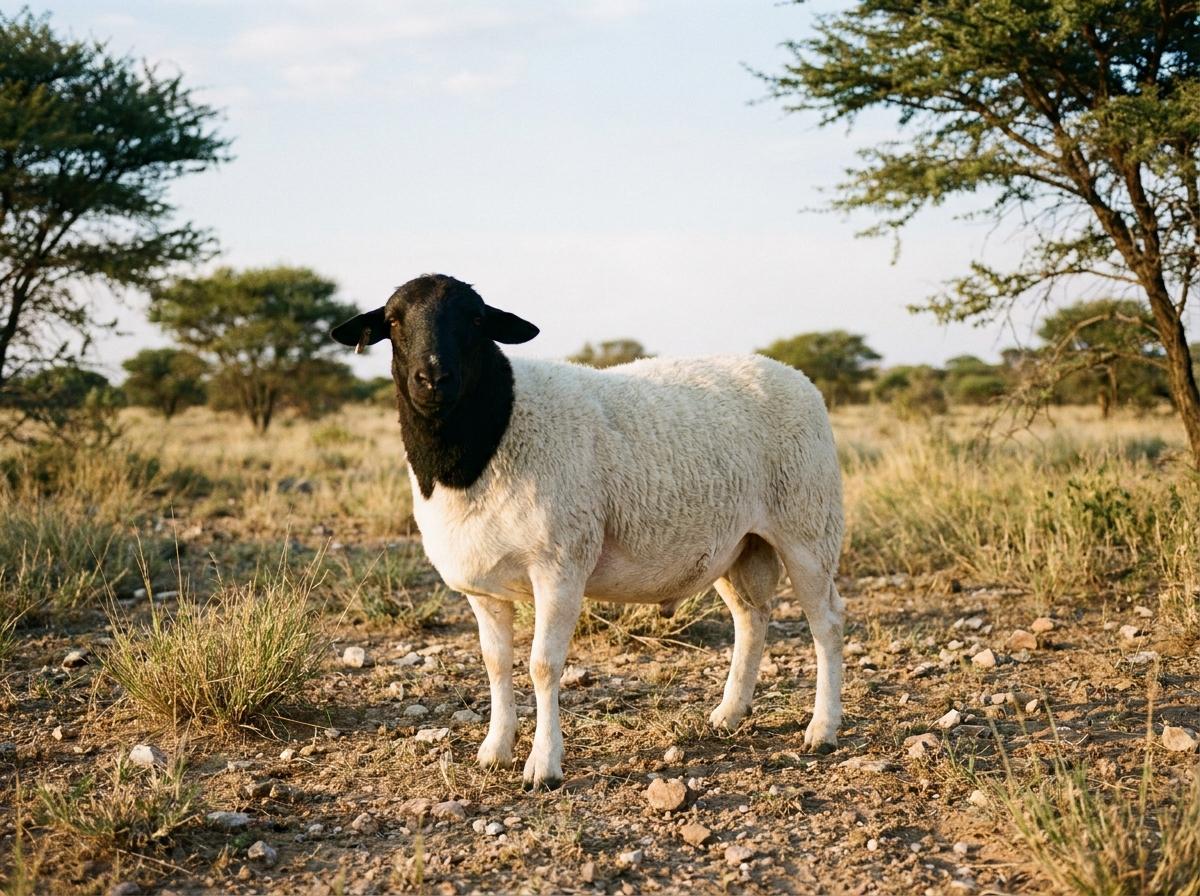
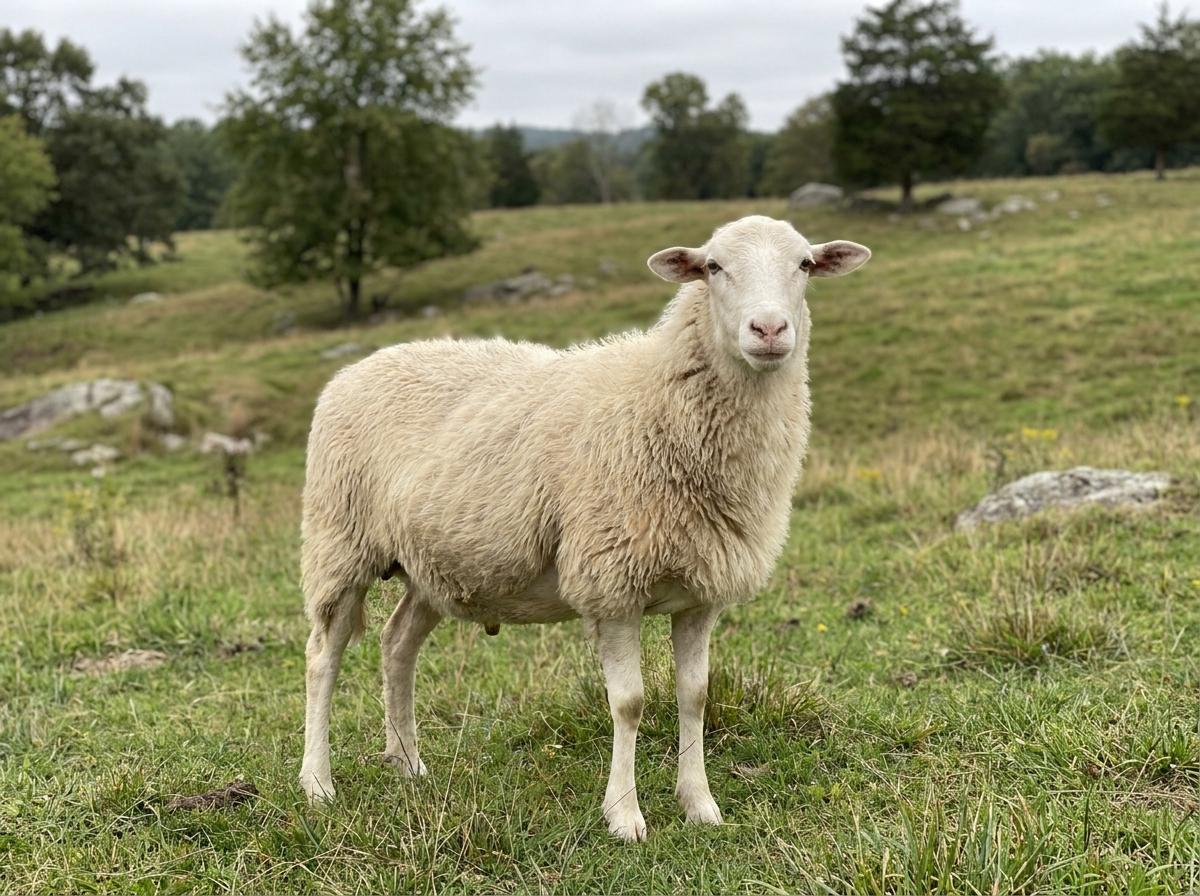
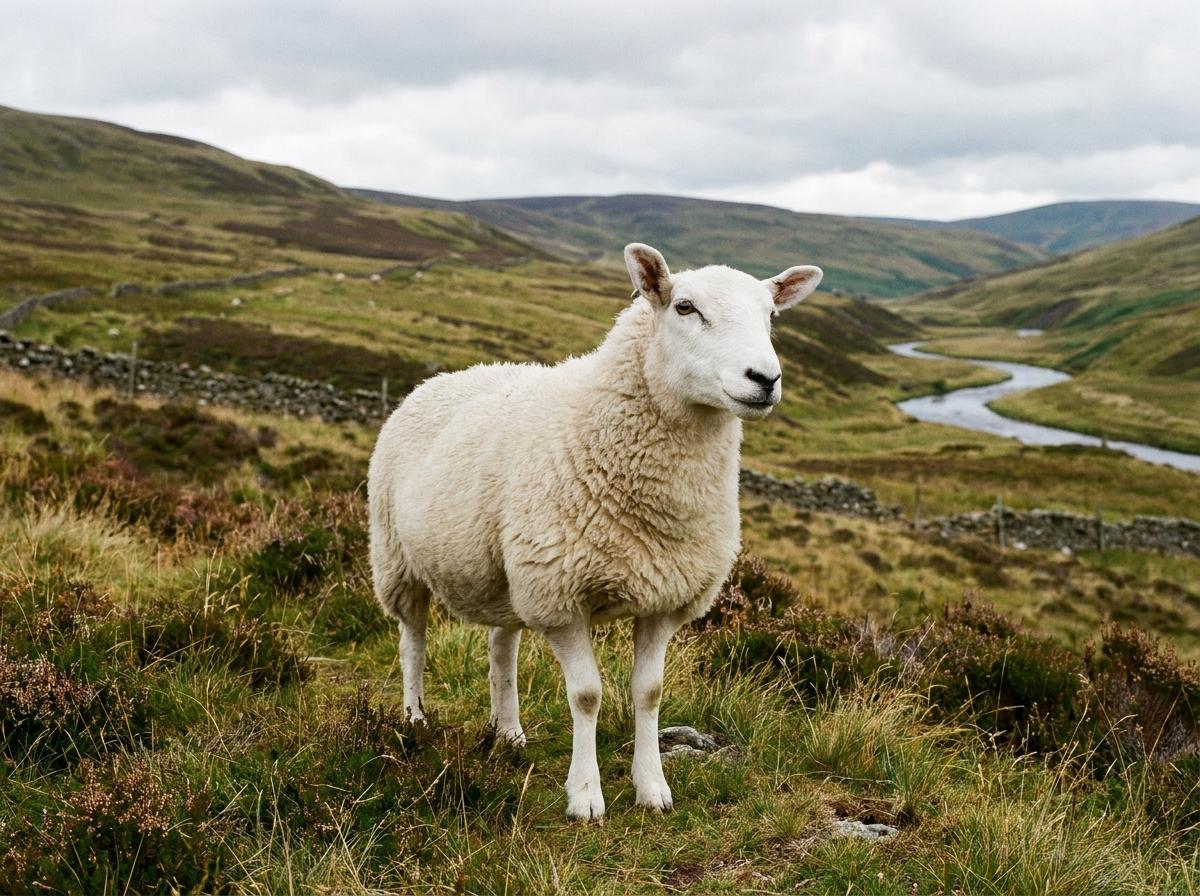
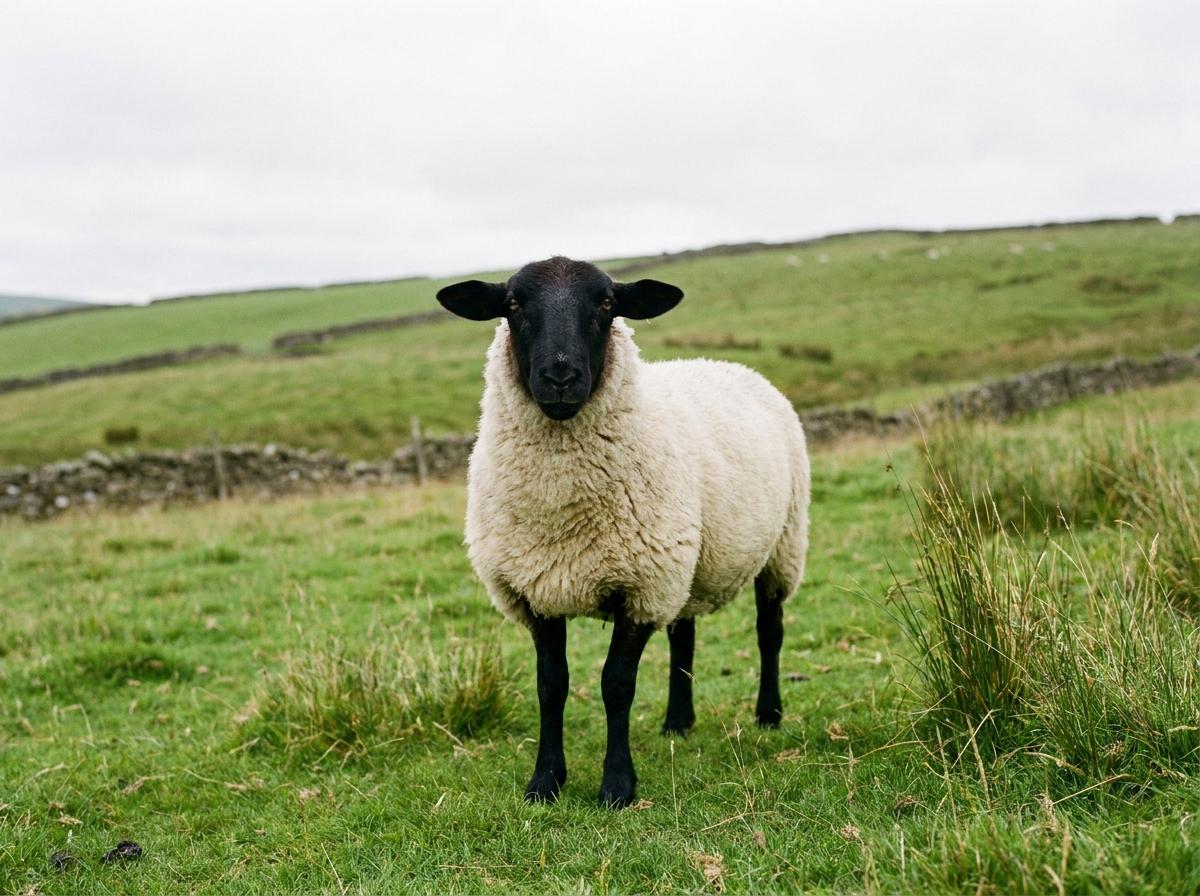
The breed has a broad, short white face, black nose, short sideways ears and legs without wool. It is polled and carries a medium wool fleece. The society gives mature ewes around 150 to 200 pounds and rams around 200 to 250 pounds. An animal’s measured size matters more than a muscular sale photograph when choosing gates, transport and mates.
The society associates Texel muscling with a natural myostatin variant. That helps explain the breed’s terminal-sire role; it does not make the heaviest-muscled ram the best mating for every ewe or guarantee a carcass price. Ask for measured performance and the identity behind any genotype claim.
What does a terminal sire do?
In a terminal system, the intended offspring are marketed rather than retained as breeding replacements. That makes the mating plan different from one designed to produce future flock ewes. Texels are widely used in this meat-production role, but the right ram still depends on the females and target market.
Explain to the breeder what your ewes are, when lambing occurs and how lambs will be fed and sold. Ask which recorded traits are relevant to that system. A high growth or muscle figure is not a complete decision if it introduces other difficulties your farm cannot accommodate.
If you intend to retain daughters, say so explicitly. Ask about maternal information, ewe longevity and the production environment behind the records. Do not assume that a terminal breeding objective automatically covers every characteristic needed in a replacement female.

AI-generated illustration.
The sheep-breeding guide connects ram selection with the ewe flock, timing and records that support a planned mating.
Plan lambing before selecting a ram
Ask for birth and lambing information relevant to the line and proposed mating. Review the size and development of your ewes with an adviser, especially when breeding young females. No breed description or sale guarantee removes the need for suitable mating decisions and lambing supervision.
For a ram, obtain a breeding soundness assessment and ask about previous use, injuries and temperament. A ram’s appearance at a sale does not show whether he will be ready to work at the required time. Arrange the purchase early enough for your veterinarian’s receiving and health plan.
For ewes, request actual lambing dates, number of lambs born and reared, assistance and any health problems. Keep born and reared figures separate. A flock average can hide important differences between the individuals being offered.
Daily management still starts with forage and observation
Match feed to the sheep’s age, condition and stage of production. Ask for the existing ration and weigh feed where practical rather than relying on scoop size. Have a nutrition adviser review the forage and supplement plan before changing it substantially.
Sheep can die from excess copper. Keep cattle, goat and horse concentrates, mineral mixes and lick blocks out of their reach; products for those species are not interchangeable with sheep feed. Merck’s copper-toxicosis guidance supports using feed and minerals formulated for sheep. The sheep mineral guide helps prepare a ration review with your adviser. NADIS identifies Texels as relatively susceptible, which makes careless supplement sharing especially poor practice.
Fleece, parasites and handling
Texels have a wool fleece, so arrange appropriate shearing with a competent shearer before it becomes urgent. Ask about timing, preparation, shelter afterwards and the facilities the shearer needs. A dense coat should not prevent hands-on body-condition assessment by someone trained to do it.
Use a veterinarian-led parasite plan informed by the flock and pasture. Penn State’s sheep-health resources cover monitoring, shearing and other practical flock-care topics. Do not assume that muscular sheep are protected from parasites or that every thin animal has the same cause. The sheep deworming guide connects monitoring with a flock-specific treatment plan.
Prepare a gathering and handling area that lets you inspect and treat animals safely. Keep gates and loading routes suitable for the size of the flock. A small group still needs workable facilities; the alternative is often repeated stressful catching in a large paddock.
What to pay and what to ask
Use the sheep cost guide to compare breeding animals, flock sheep and lambs before adding your local care costs.
There is no single useful price for Texel sheep. Registered breeding stock, commercial animals and lambs should be compared separately. Ask what performance records, registration transfers and health documentation are included.
Budget for the recurring work as well as the purchase: forage, fencing, shearing, veterinary support, minerals, transport and replacement equipment. If you are planning to sell lambs, confirm the intended market and its requirements before assuming a sale price from another region applies.
At a viewing, ask to see the animal’s identity, movement and ordinary handling. Request the most recent health and reproductive records, not only photographs of successful relatives. A straightforward explanation of limitations is more useful than a claim that one ram suits every ewe.

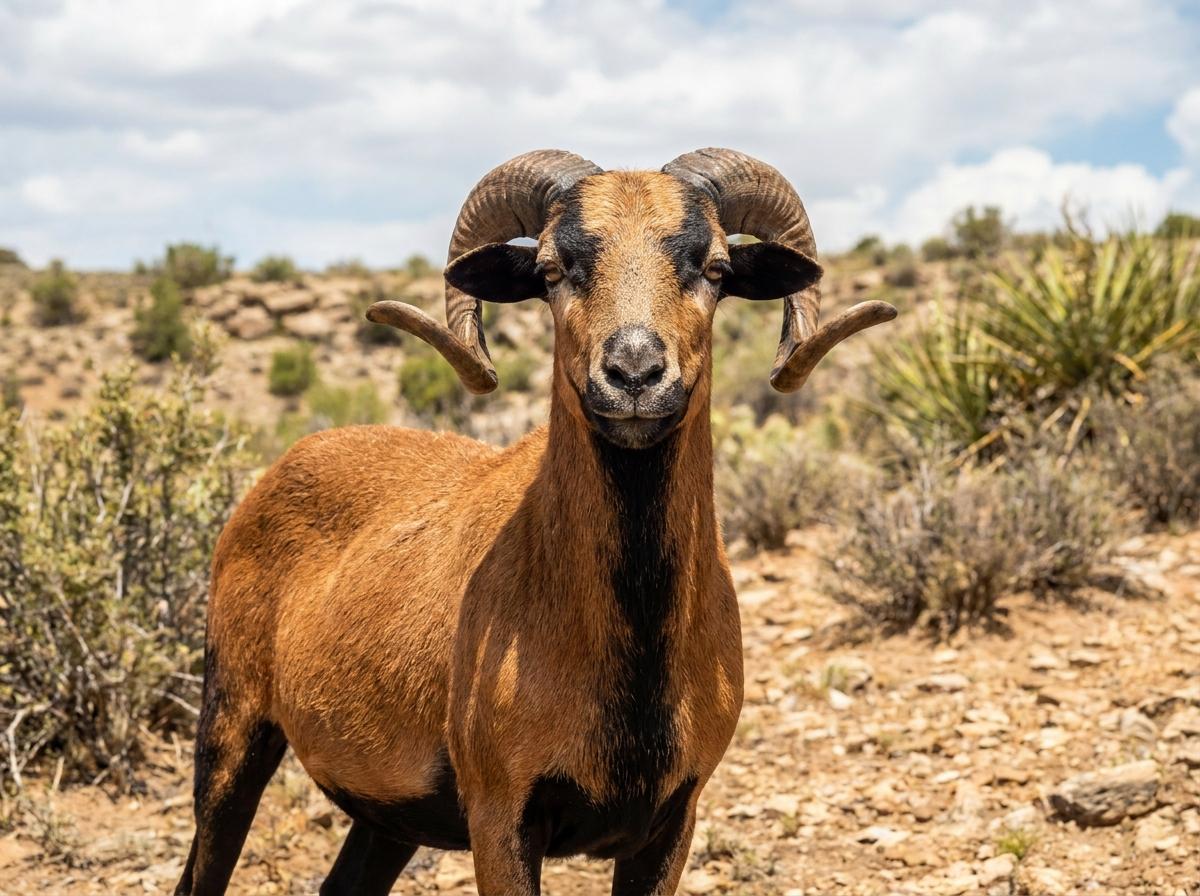
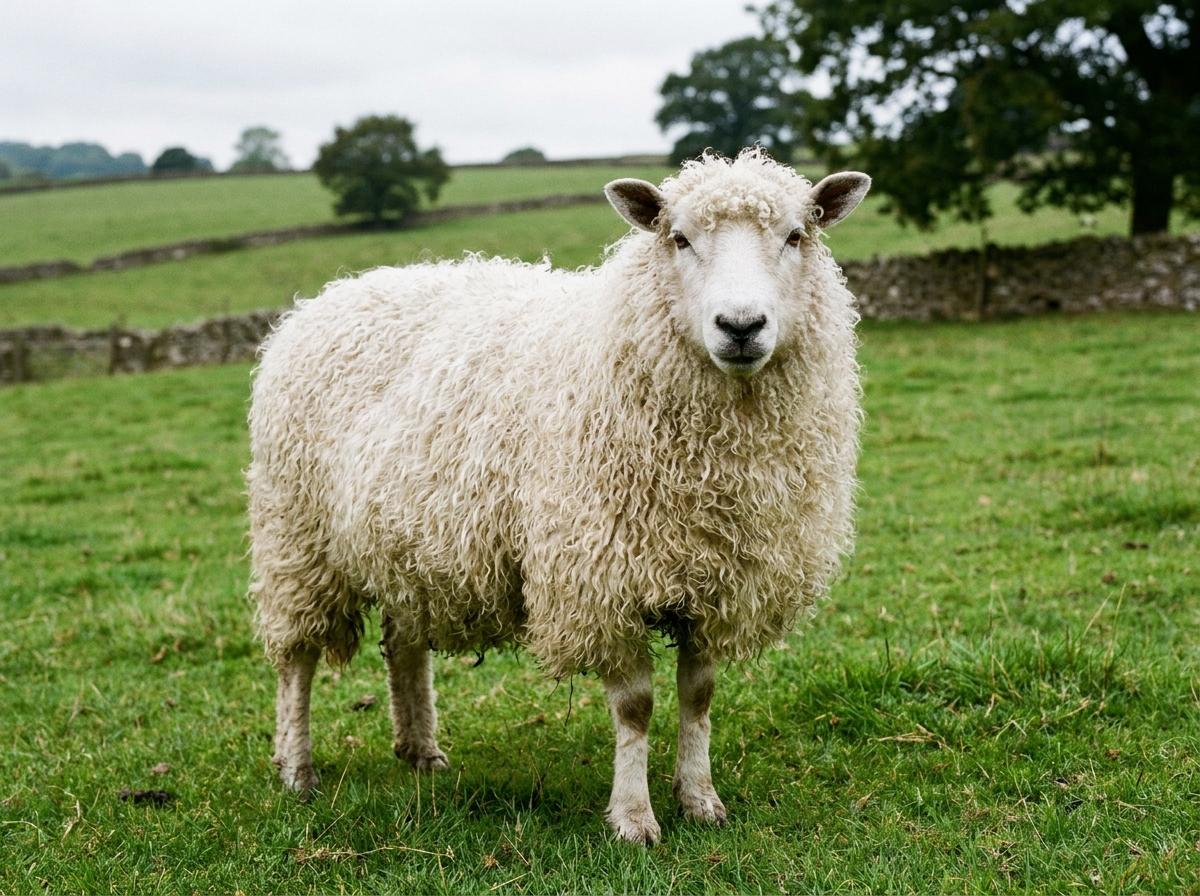
AI-generated illustration.
Compare the breeding role
The sheep guide covers the wider ownership decision. Compare Poll Dorset when investigating another meat-sheep option, and Border Leicester for a different combination of fleece and breeding priorities.
Use the record guide to keep weights, lambing notes and veterinary documents linked to each sheep. Date measured results and keep them separate from breeding predictions or advertised targets.
For a different balance of meat and fleece interests, read the Montadale guide before deciding how much weight to place on terminal-sire selection.
Texel questions
Are Texels wool sheep or hair sheep?
They are wool sheep. Include shearing and fleece management in the care plan.
Is the most muscular ram always the best choice?
No. The right ram must fit your ewes, production goals, facilities and management, with sound structure and appropriate records.
Can Texels be kept as companions?
Nonbreeding animals can be considered where their complete flock, space and care needs can be met. A companion role does not remove sheep husbandry responsibilities.
Do this next on Creatures
Keep the animal’s identity, original documents and your dated observations together. Choose the next step that matches where you are in the process.
- Set up a Texel search alert. Get notified when new listings match, with help from the saved-search guide.
- Check current Texel listings; supply may be empty or change. Ask for the evidence relevant to your intended purchase.
- Start a Texel profile. No account is needed to start. The animal-profile guide explains the details.
- Add a care or breeding record. The form opens for visitors; a free account saves the record. Read the record guide before adding documents.
- Start a breeder or farm profile. The directory guide explains how a breeder listing works.
- Explore sheep breeders to compare sources and prepare a careful introduction to the seller.