Suffolk
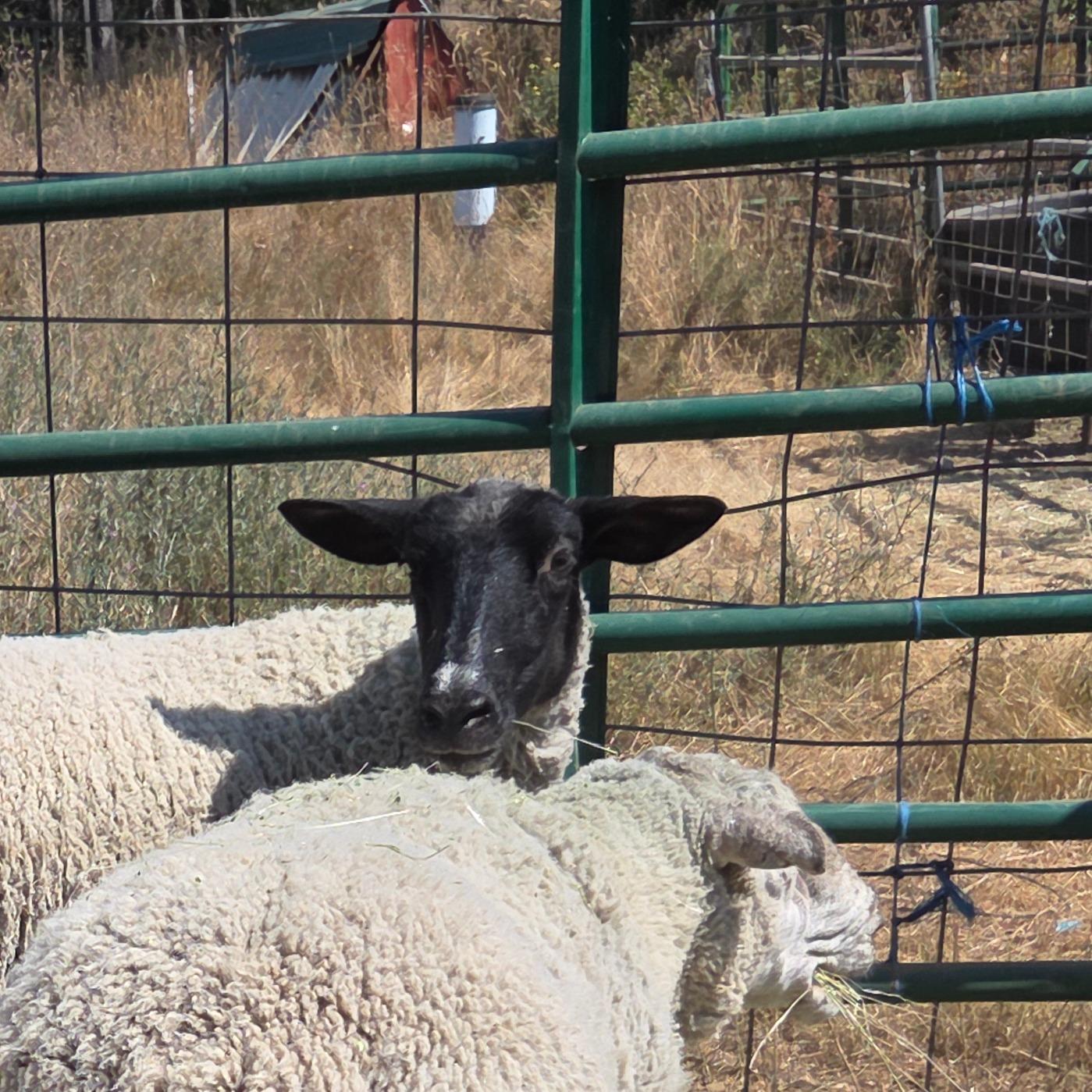
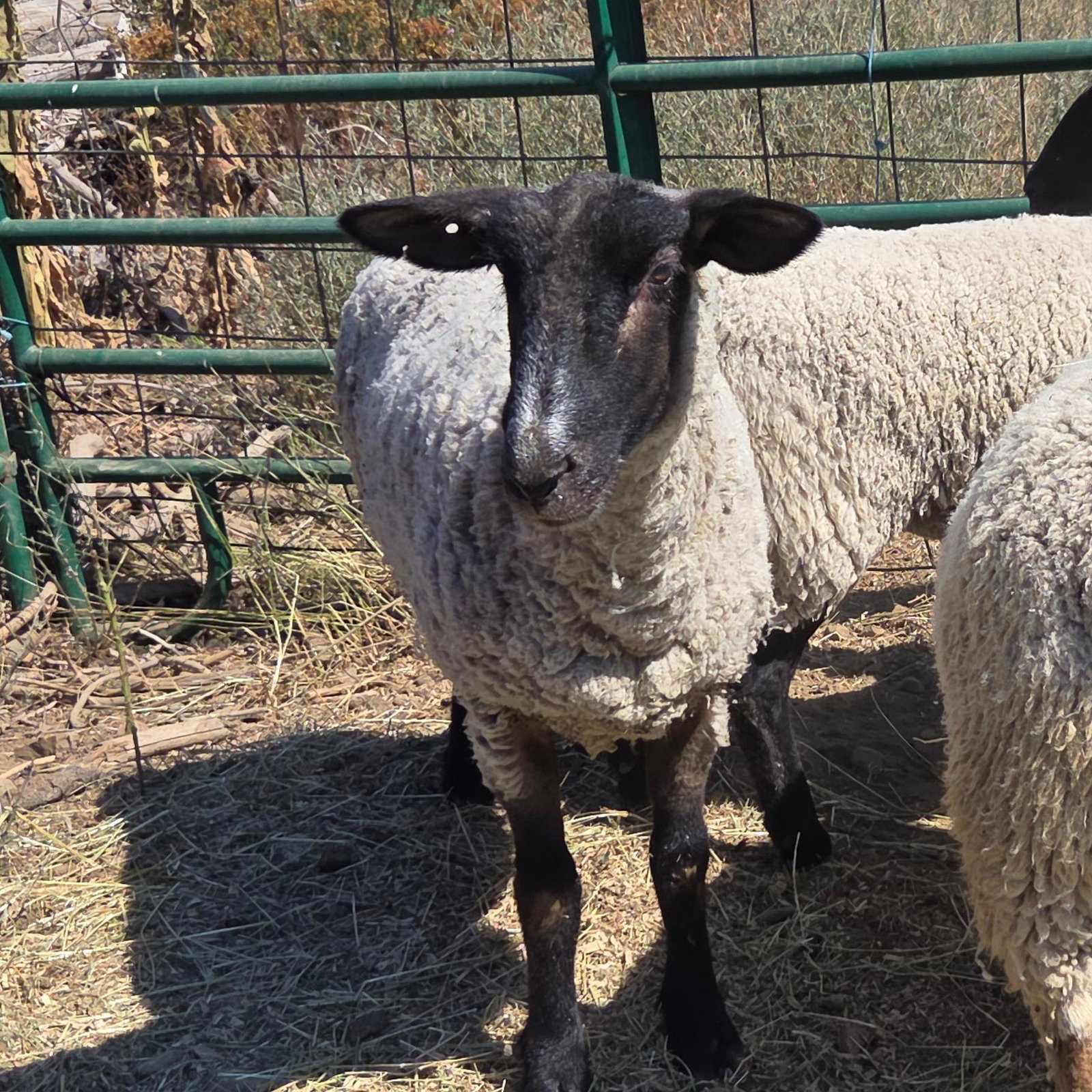
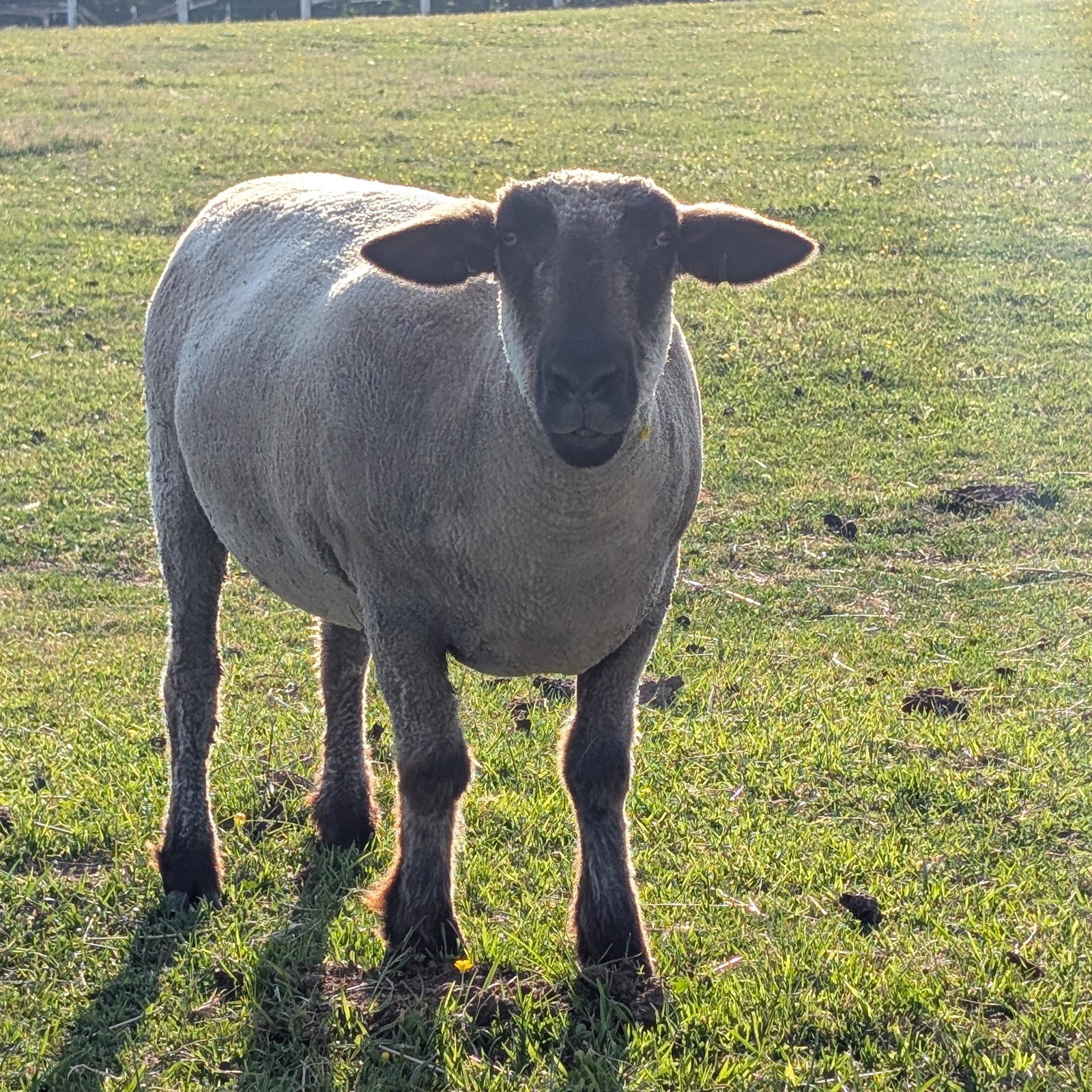
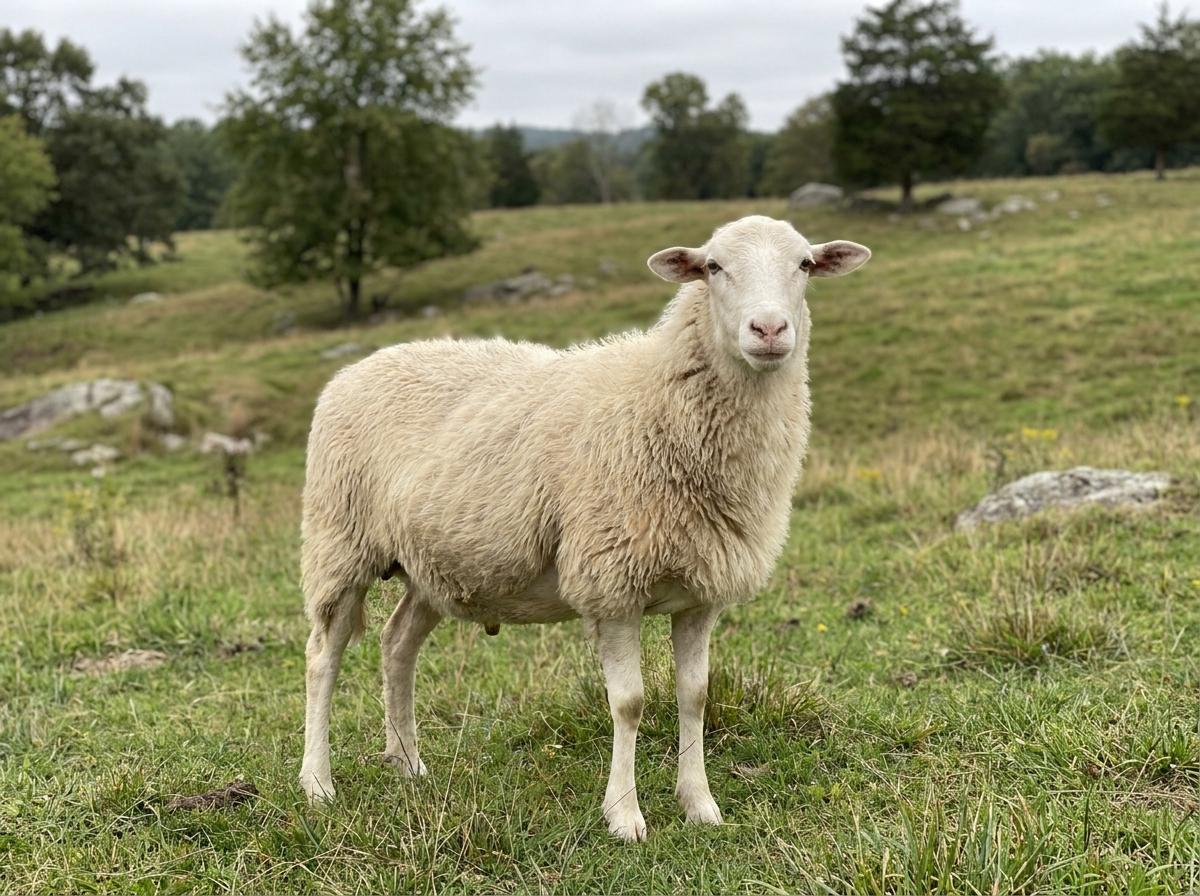
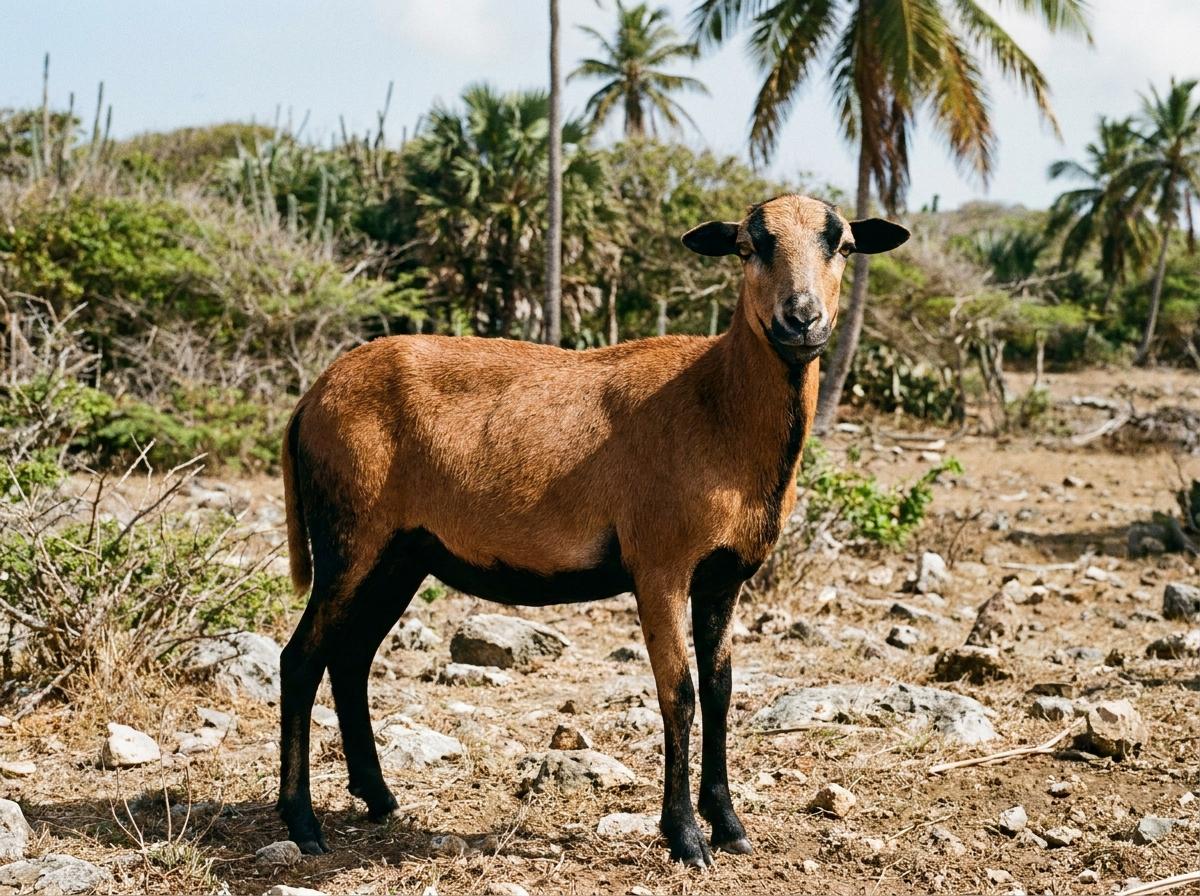
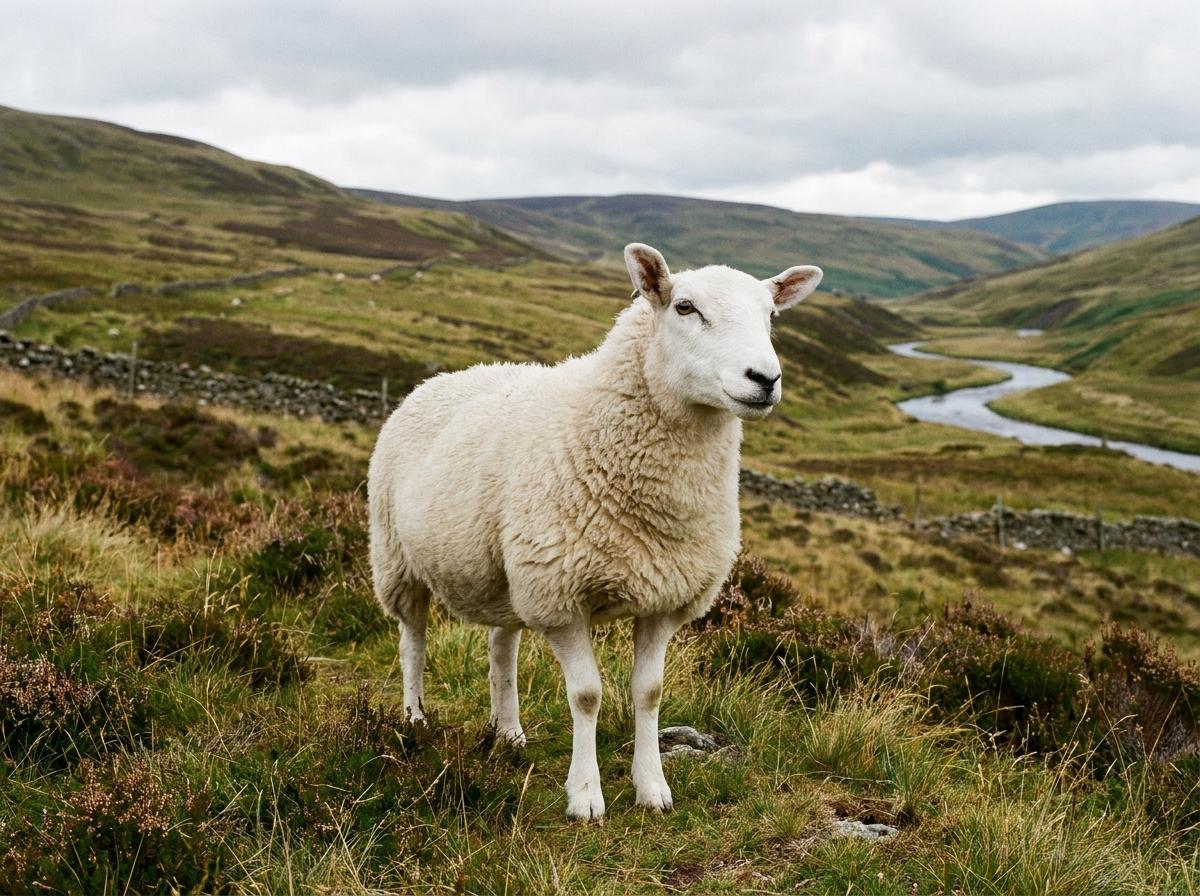
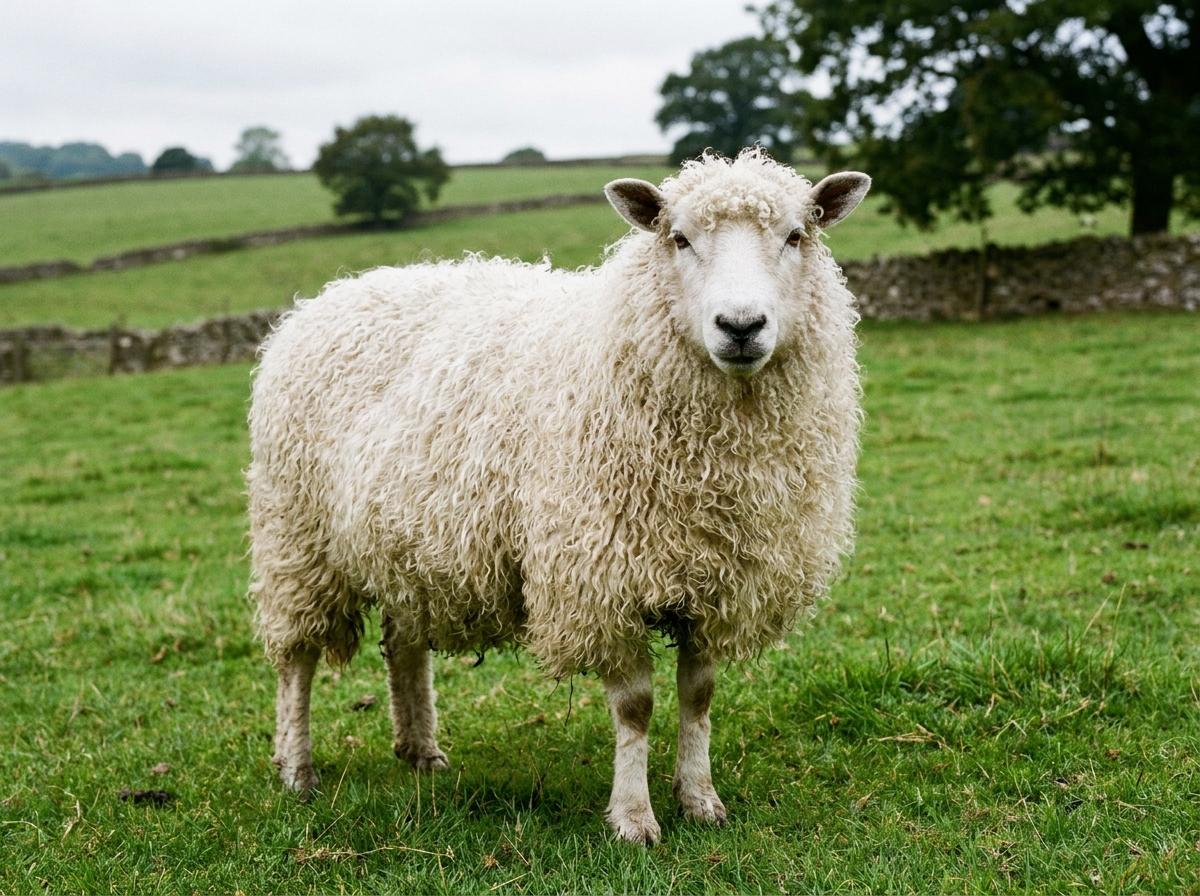
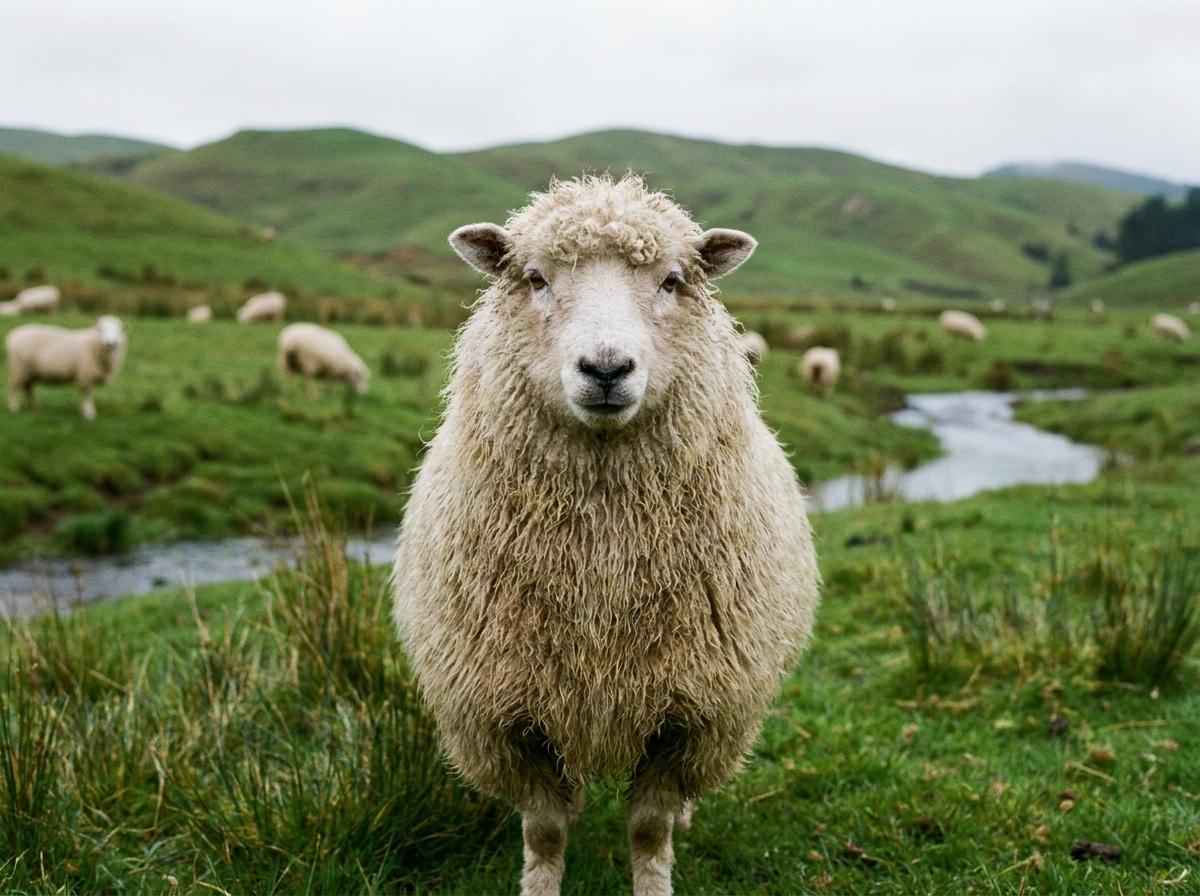
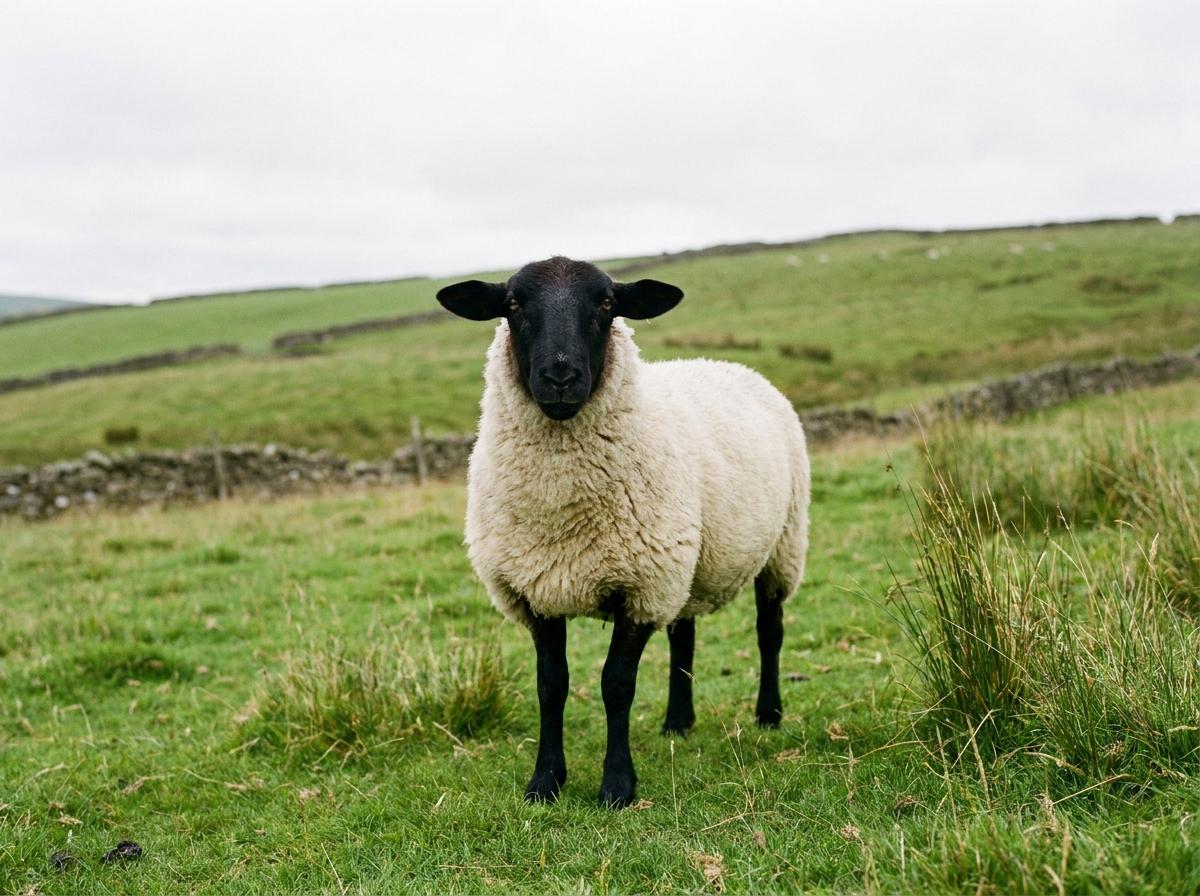
The Suffolk is a meat sheep known for its white fleece, black wool-free head and legs, long dark ears and muscular frame. The United Suffolk Sheep Association standard emphasizes structure and useful growth, not just appearance. Compare it with other breeds on the sheep index, then decide whether your goal is a registered flock, commercial lambs or exhibition.

| Purpose | Meat sheep and terminal-sire genetics |
|---|---|
| Appearance | White fleece and wool-free black face and legs |
| Registry | United Suffolk Sheep Association in the US |
| Selection | Sound feet, mouth, structure and performance |
| Care | Nutrition, parasite control and lambing preparation |
Browse listings, public profiles, breeders, or add your animal.
Read the whole standard
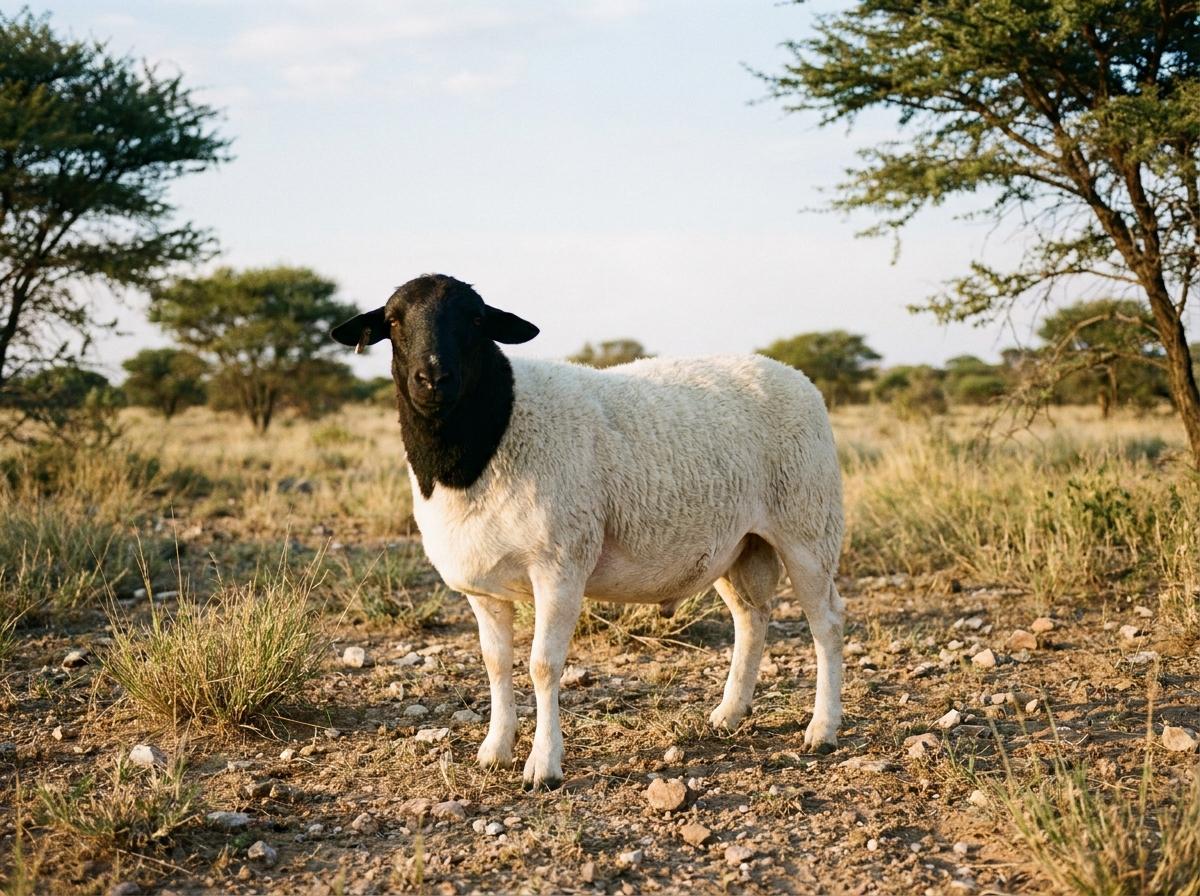
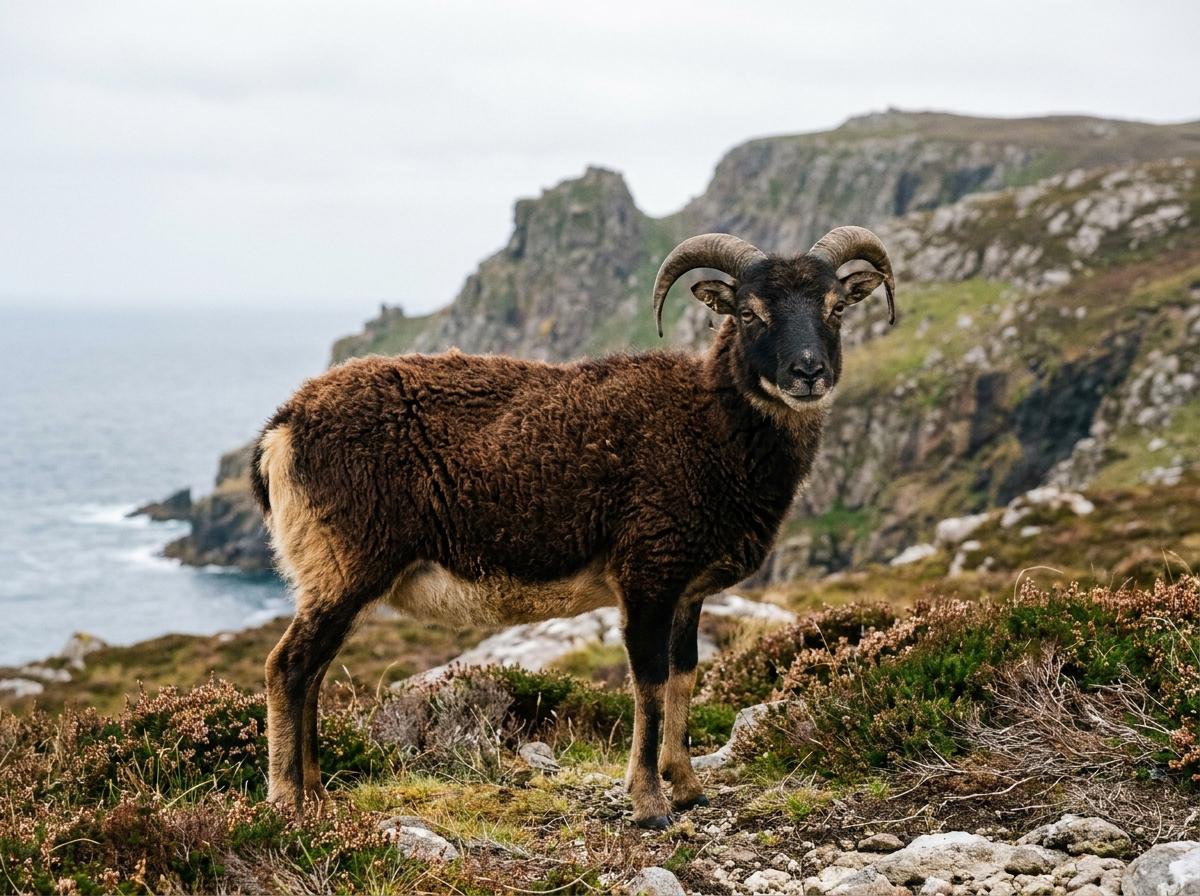
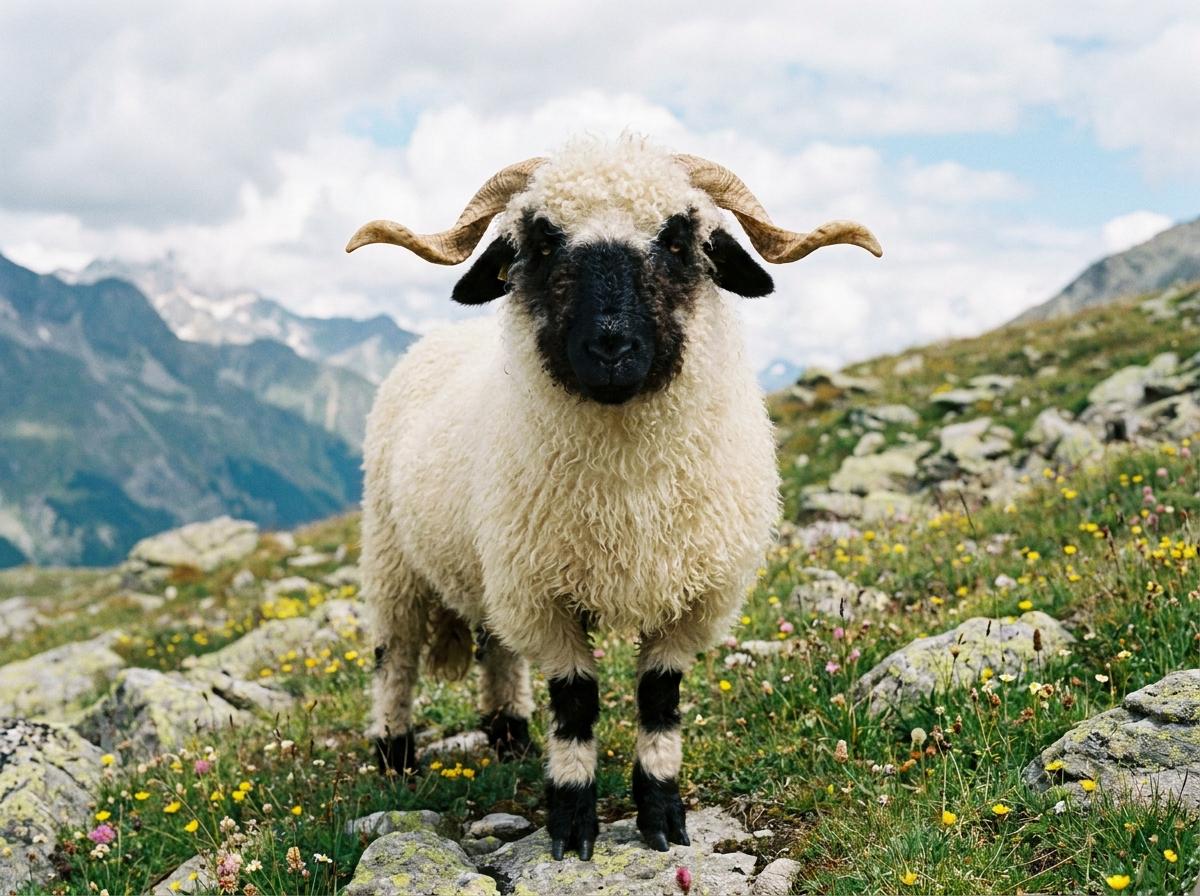
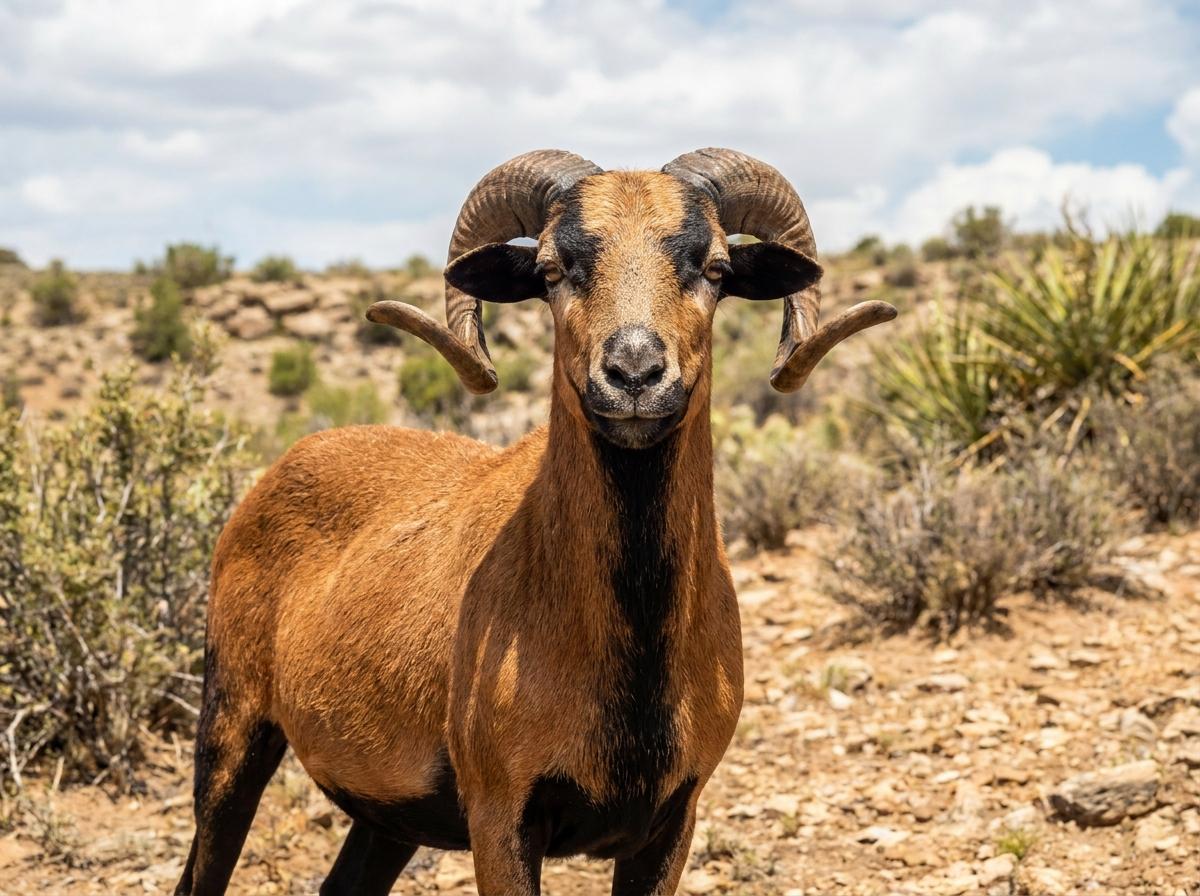
The US association describes a wide, muscular body; a clean black head and legs; and a sound mouth, feet and reproductive structure. A black-faced crossbred can resemble a Suffolk. Pedigree and permanent identification, rather than the face alone, support a purebred claim. A Dorper or Columbia serves a different breeding purpose; compare actual flock performance as well as breed type.

What to inspect before buying
Watch sheep walk on level ground. Look at feet, legs, mouth, body condition and fleece cleanliness, and ask about parasite control, vaccinations, lambing history and flock health testing. A ram purchase affects many future lambs, so structure and handling matter. Have a veterinarian help plan quarantine and any disease testing appropriate to your area. The sheep buying guide expands this checklist, and the sheep cost guide helps budget beyond the asking price.
Do not treat one heavy lamb as proof of a superior breeding line. Age, feeding, frame and movement affect the number on a scale. The sheep weight guide explains how a trend is more useful than a single estimate.
Records that serve the flock

Assign every sheep an ID, then keep sire and dam, breeding and lambing dates, weights, treatments and show results if relevant. The free sheep gestation calculator provides a planning window from a mating date. The lambing guide covers preparation and urgent warning signs. Individual and group records on Creatures help a buyer follow an animal’s actual history.
If you are managing breeding ewes, pair an individual profile with the lambing calendar guide. The sheep tape-measure guide helps repeat girth and length readings at the same landmarks.
Origin and the tests behind a breeding claim
The United Suffolk Sheep Association’s history traces the breed to Southdown rams crossed with Norfolk Horn ewes in England; its first US import was recorded in 1888. The breed’s black, clean head and muscular frame reflect that breeding history, but a dark face is still no proof of pedigree. For a ram, compare registered identity with the official scrapie ID required for its movement and the animal standing in front of you.
The association’s breed guidance names genetic tests for spider syndrome, dwarfism and scrapie susceptibility as tools for managing recessive risks. Ask a seller for the actual spider and dwarfism results and the prion-protein codon-171 genotype when those claims matter to a breeding plan. A result belongs to an identified animal; it is not a guarantee about every lamb. USDA APHIS explains official scrapie identification for US movements. Keep the ID, test reports, breeding dates and later lamb performance together so the ram’s contribution can be judged from records.
Frequently asked questions
Are black-faced lambs always Suffolk?
No. Many crosses have a dark face. Use parentage and registry records for breed claims.
Are Suffolks only show sheep?
No. The association describes purebred and commercial terminal-sire uses as well as show classes.
What paperwork should come with a breeding animal?
Ask for identity, pedigree, health and treatment history, age, weight trend and written sale terms.
Do this next on Creatures
Choose the action that fits your stage, whether you are comparing animals, keeping one or building a breeding program.
Watch supply. Set a free listing alert; supply may be thin. See saved searches.
Compare sources. Browse current listings and the breeder directory. Ask for an individual animal’s history.
Start a profile. Add your animal and follow the profile guide.
Keep records. Add a record for identity, health, breeding or measurements. The sheet opens for visitors; a free account saves it. See adding a record and health records.
Make your operation findable. Create an organization profile and read the directory guide.
Keep learning. Explore the sheep breed index and care reminders.