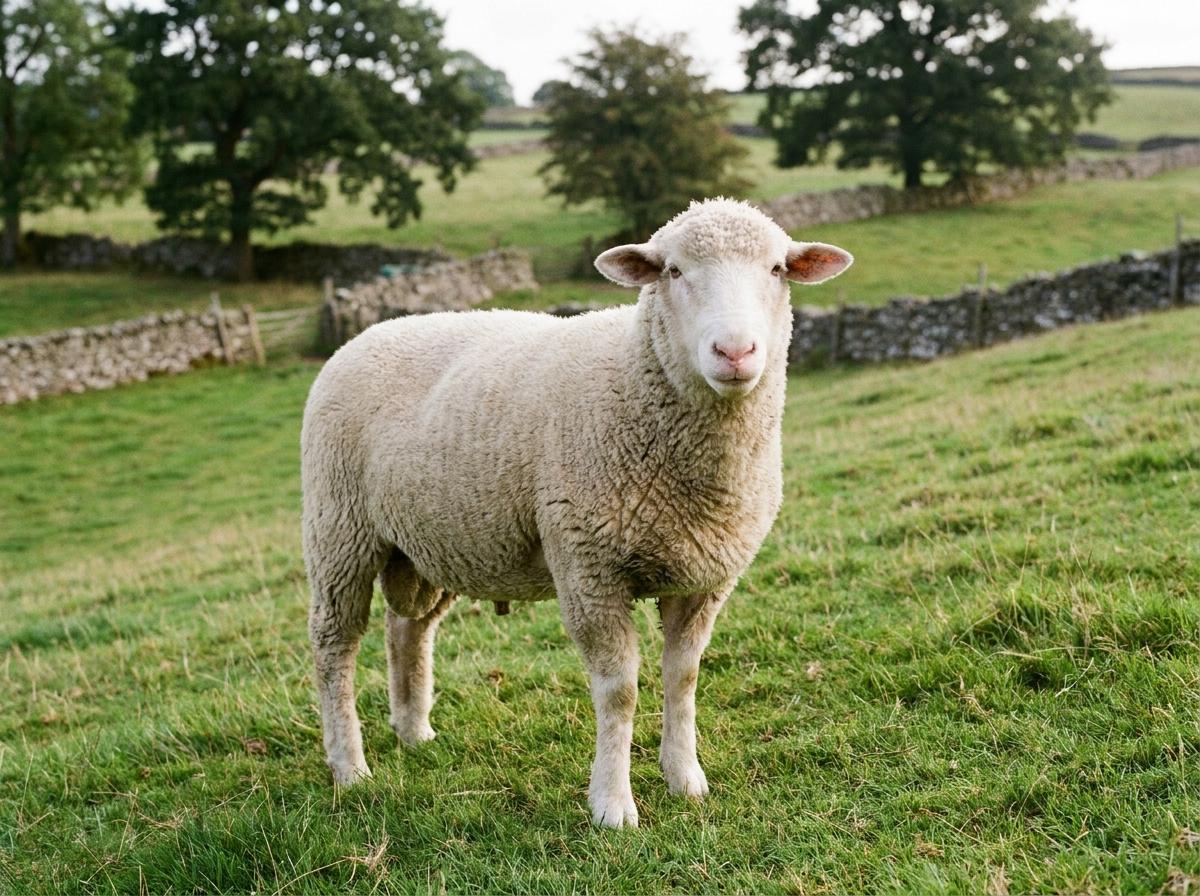
Poll Dorset
Author: Elliott Garber, DVM · Published
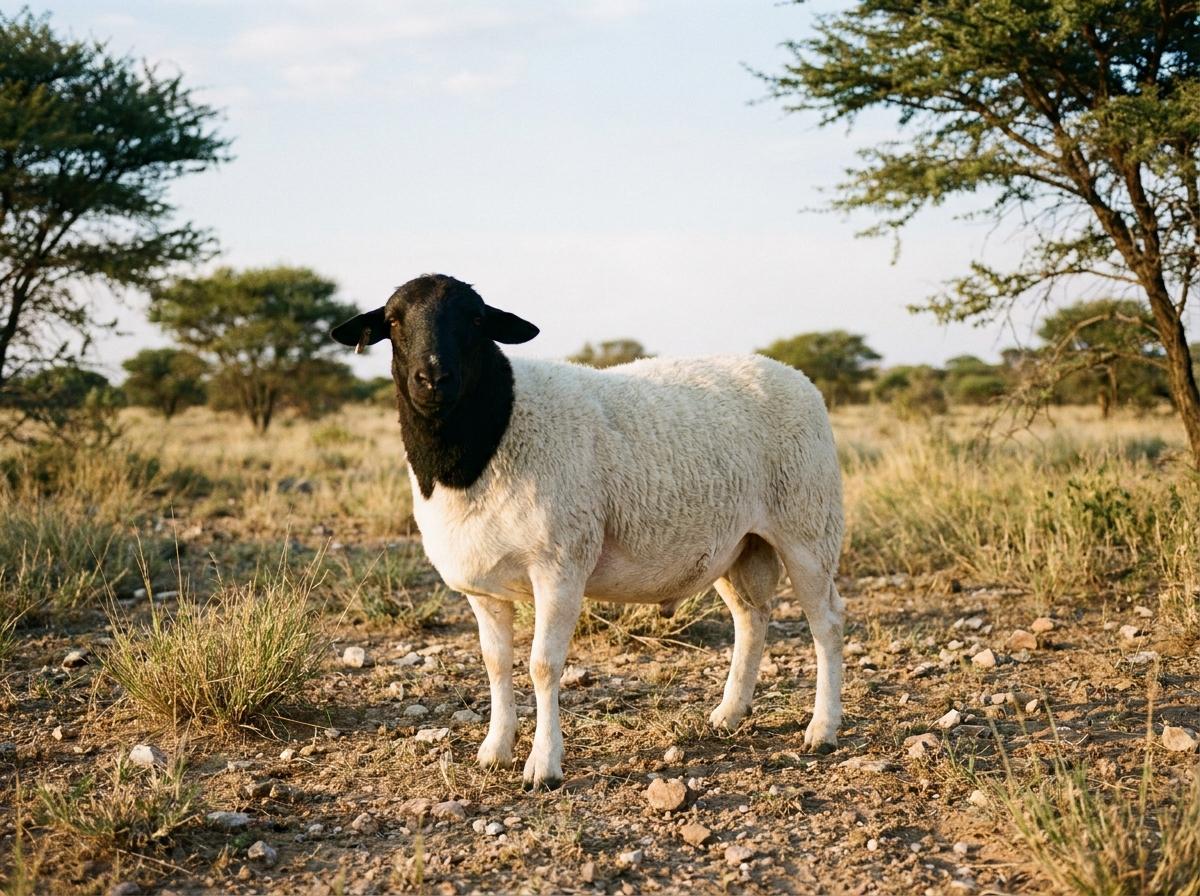
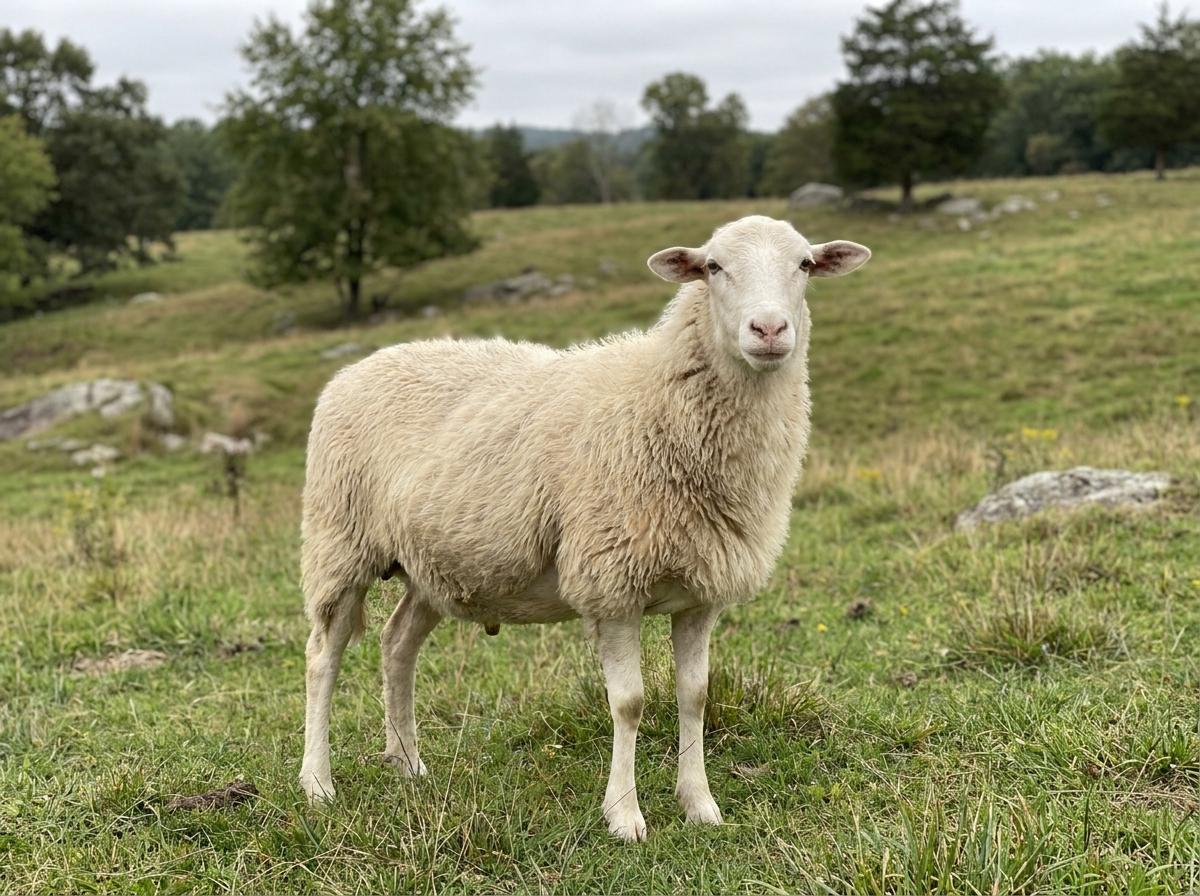
Poll Dorset sheep are hornless, white-faced meat sheep. They are often considered for lamb-production programs, but a useful purchase depends on the particular flock, breeding objective and records rather than a promise of fast growth or effortless lambing.
Use the free sheep gestation calculator to explore the likely lambing window for a proposed joining date. Keep actual service records and treat the result as a planning estimate.
Set a Poll Dorset search alert for new matching listings. Current supply may be empty; use the alert while you prepare your care plan and the records to request from a seller.

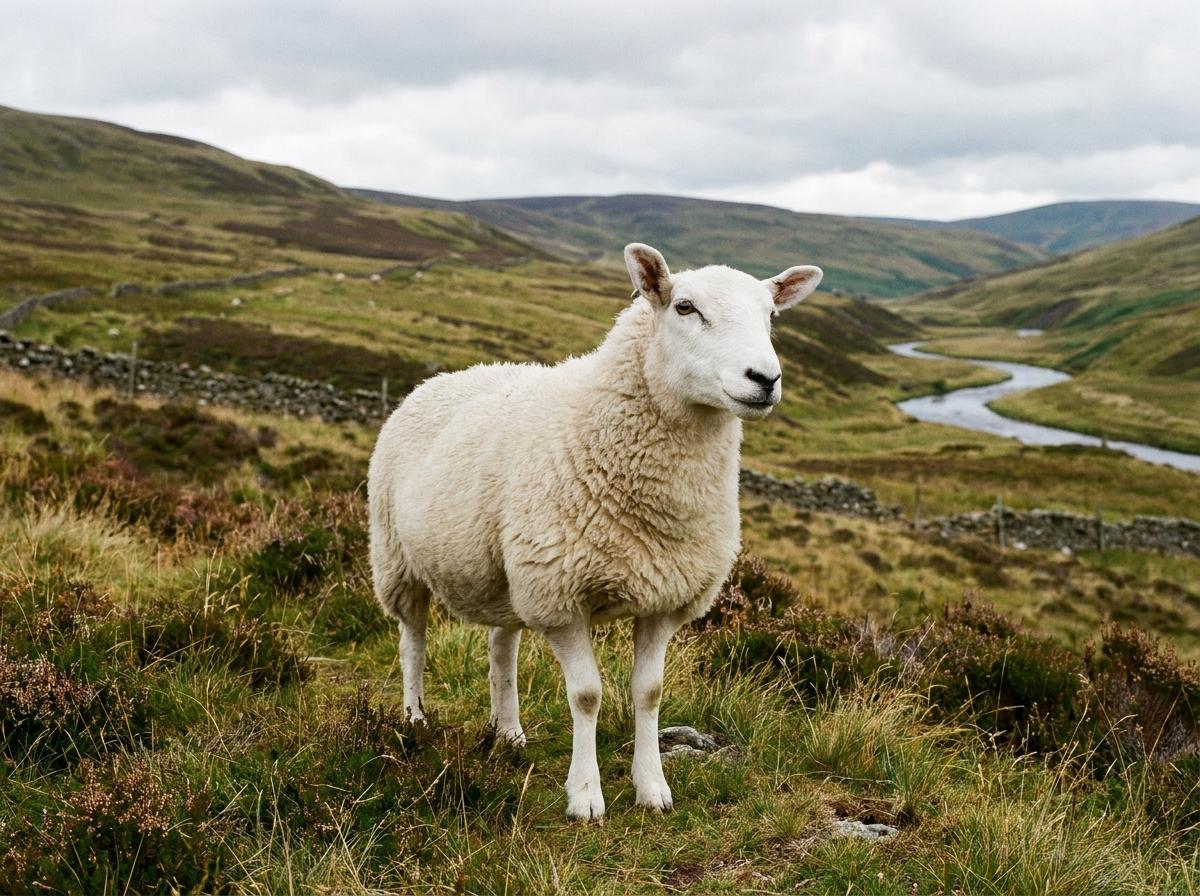
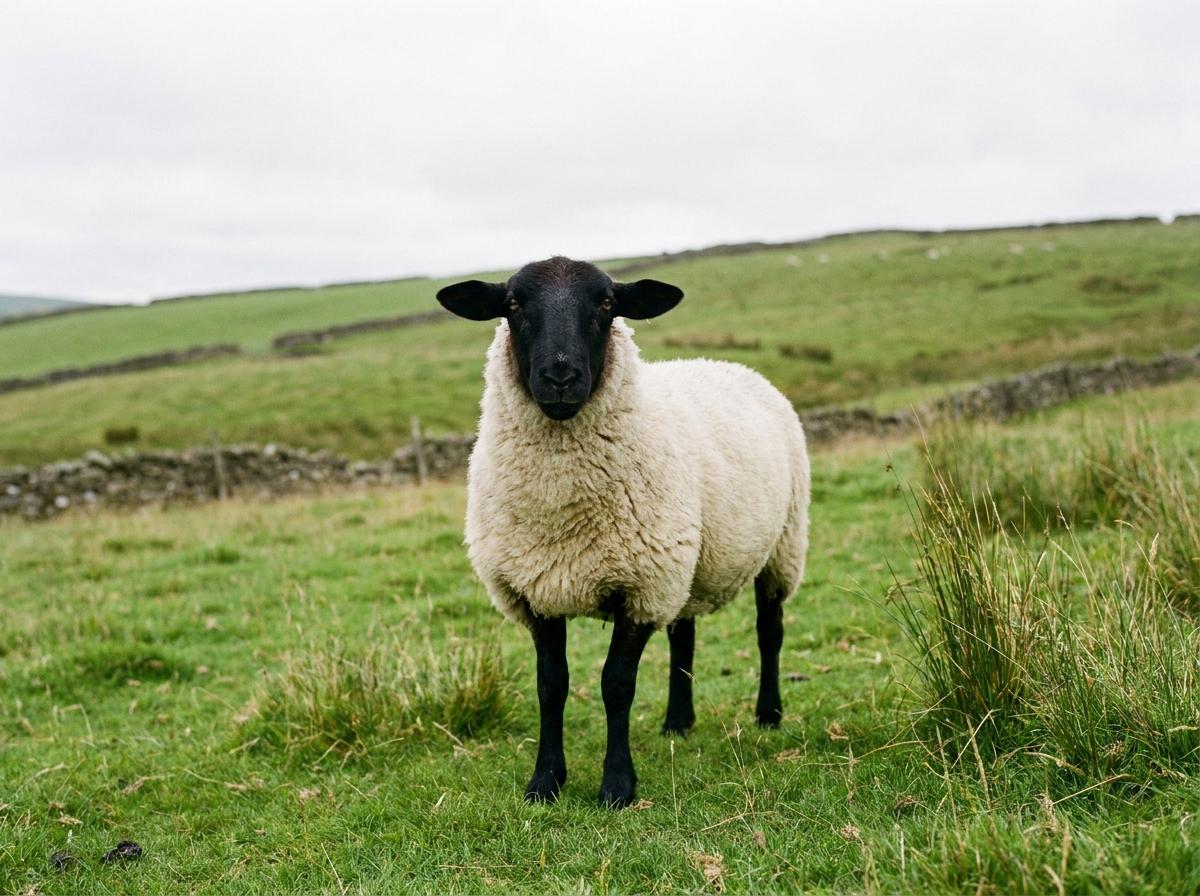
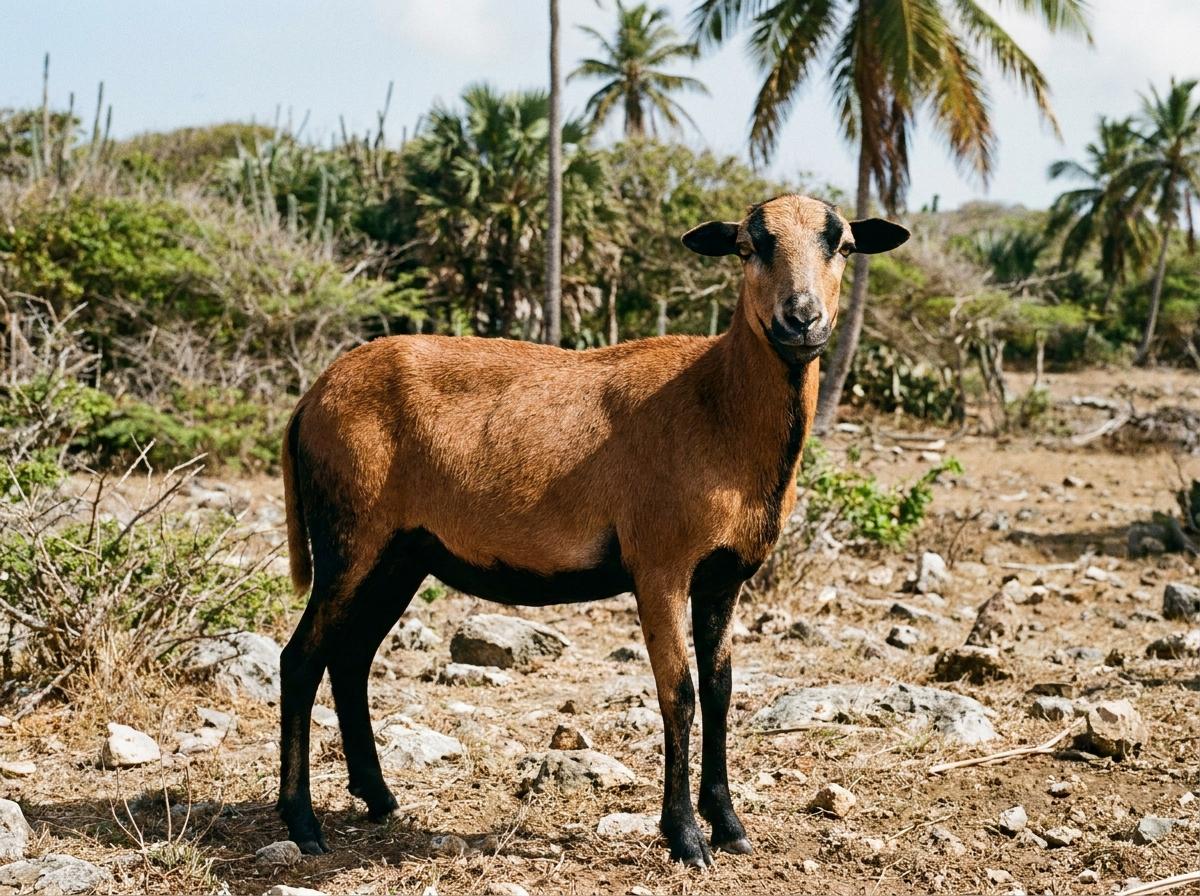
AI-generated illustration.
| Australian origin | Developed from Dorset Horn from 1937 |
|---|---|
| US distinction | American Polled Dorset has a separate history |
| US ewe range | 150 to 225 pounds, Continental Dorset Club |
| US ram range | 225 to 325 pounds, Continental Dorset Club |
| US fleece standard | 26 to 32 microns; white wool |
| Breeding priority | Out-of-season potential needs flock evidence |
Browse listings, public profiles, breeders, or add your animal.
Australian Poll Dorset and American Polled Dorset
The Australian Poll Dorset Association dates its breed’s development from Dorset Horn to 1937, with breeders selecting a hornless sheep while retaining meat-production traits. It describes the Australian breed as a short-wool terminal-sire option for prime lamb production.
American Polled Dorsets began with a different development history. Oklahoma State’s breed account describes a mutation in the Horned Dorset flock at North Carolina State and dates the polled strain’s acceptance into the US registry to 1956. The Continental Dorset Club’s Hall of Fame biographies instead recall a 1954 association vote admitting Polled Dorsets. The accounts place acceptance in the mid-1950s but differ on the year.
Those biographies also describe the Australian polled ram Traveler arriving in a US flock in 1969. US Polled Dorset flocks can therefore include Australian genetics. Ask for the registry and pedigree behind any ‘Poll’ or ‘Polled’ Dorset, rather than assuming two isolated populations. The Continental Dorset Club registers Horned and Polled Dorsets. Dorset Down is another distinct breed, not a synonym for either.
The Continental Dorset Club standard gives US Dorset ewes at 150 to 225 pounds and rams at 225 to 325 pounds, with white medium wool of 26 to 32 microns. It describes a white open face and pink nose, with limited pigmentation allowed under its detailed rules. Those US figures should not be presented as an Australian breed standard. “Polled” concerns horns, not temperament: rams still require safe handling.
Match the ram to the ewes and market
A terminal sire is selected for offspring intended for market rather than retention as breeding replacements. If that is your plan, explain the ewe type, lambing period, feeding system and buyer requirements to the breeder. Those details determine which records are useful.
If you want to keep daughters, make that explicit. Ask about maternal information and the source flock’s ewe history. A ram recommended for one terminal system is not automatically the right animal for a flock that will retain females for years.
Do not turn the breed’s reputation for production into a guaranteed timeline. Growth reflects the individual animals and their environment. Ask what was measured, when and under which feeding conditions before using a seller’s figures in your own budget.

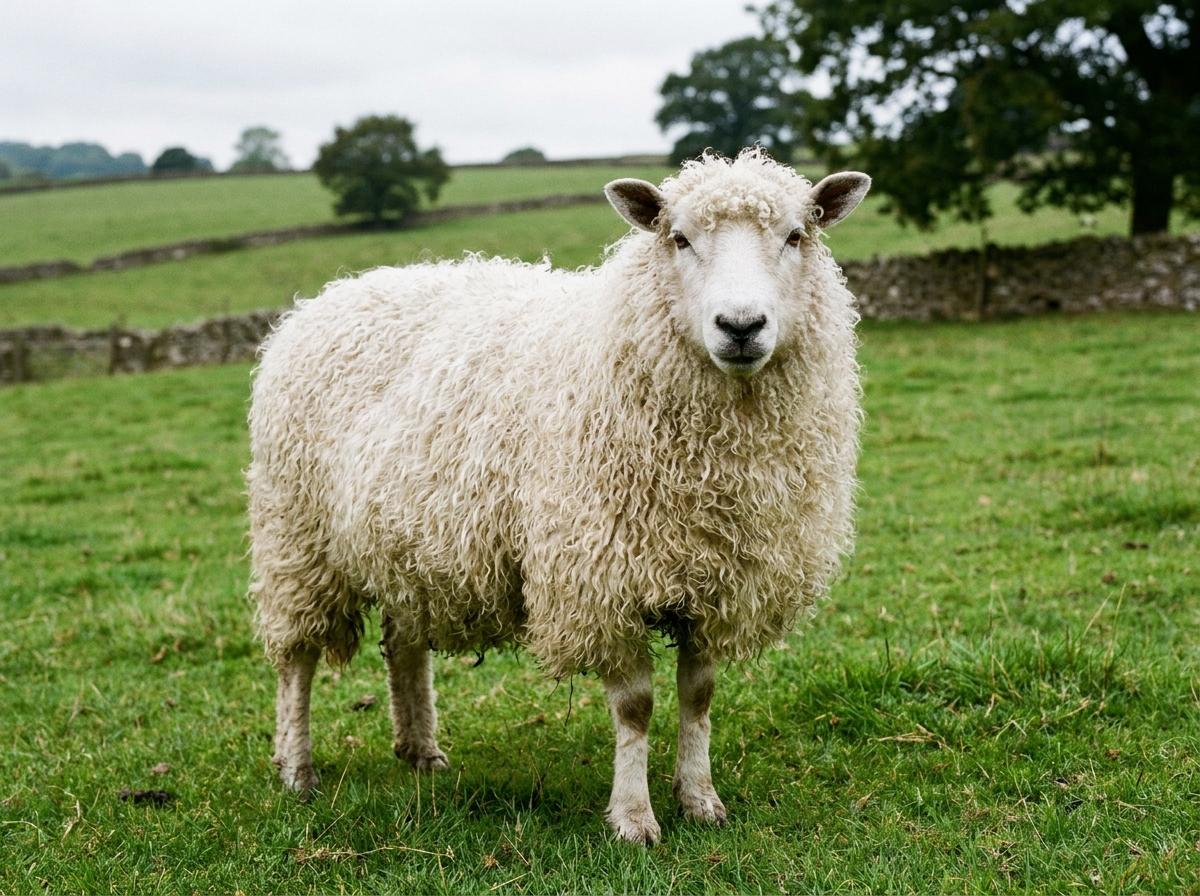
AI-generated illustration.
The lambing guide helps you review the facilities, supplies and support that need to be ready for the mating you are considering.
Breeding season flexibility still needs planning
Dorset breeding is often discussed in relation to a broader breeding season. That is a reason to investigate flock records, not to assume every ewe will conceive whenever you choose. Ask when the source flock has successfully bred and lambed under conditions relevant to yours.
Before buying a ram, request a breeding soundness assessment and ask about injuries, prior use and temperament. For ewes, request lambing dates, assistance and the number of lambs actually reared. Keep that evidence linked to individual identities.
Use the sheep-breeding guide to connect the proposed joining dates with ewe condition, ram preparation and the resulting lambing period.
Feed and mineral choices
Have forage and supplements reviewed for the sheep’s age, condition and stage of production. A dry ewe, growing lamb and lactating ewe should not automatically receive the same ration. Obtain the source farm’s feeding details so changes can be planned.
Sheep can die from excess copper. Keep cattle, goat and horse concentrates, mineral mixes and lick blocks out of their reach; products for those species are not interchangeable with sheep feed. Merck’s copper-toxicosis guidance supports using feed and minerals formulated for sheep. The sheep mineral guide helps prepare a ration review with your adviser.
Wool, parasites and the facilities you need
Poll Dorset sheep carry wool, so include competent shearing in the care plan. Ask the shearer about timing and preparation for your flock. The coat’s presence does not remove the need for shelter, nor should fleece value determine whether necessary care happens.
Penn State’s spring-lamb guidance recommends a parasite-management program developed with veterinary or experienced shepherding support. Use monitoring and local advice rather than assuming all animals need the same treatment at fixed intervals. The sheep deworming guide connects monitoring with a flock-specific treatment plan.
Prepare secure fencing, reliable water, dry resting space and a safe gathering area before arrival. Plan for compatible sheep company and a receiving area for your veterinarian’s introduction arrangements. A few sheep still need a system that makes inspection possible without a chase.
What to ask before paying
Use the sheep cost guide to compare breeding animals, flock sheep and lambs before adding your local care costs.
Ask the seller to match the animal’s identity to its papers and records. Clarify registration transfer, reproductive status, recent treatments and the current diet. If a ewe is described as pregnant, ask how that was established and for the relevant sire and dates.
Compare like with like when assessing price. A registered ram with relevant records, a commercial ewe and a young lamb are different purchases. Include transport, fencing, shearing, veterinary work and feed in the total, not only the asking price.
If lamb sales are part of the plan, confirm the intended route before breeding. Ask buyers what they need and when. A breed association’s description of production potential is not an order for your future lambs.

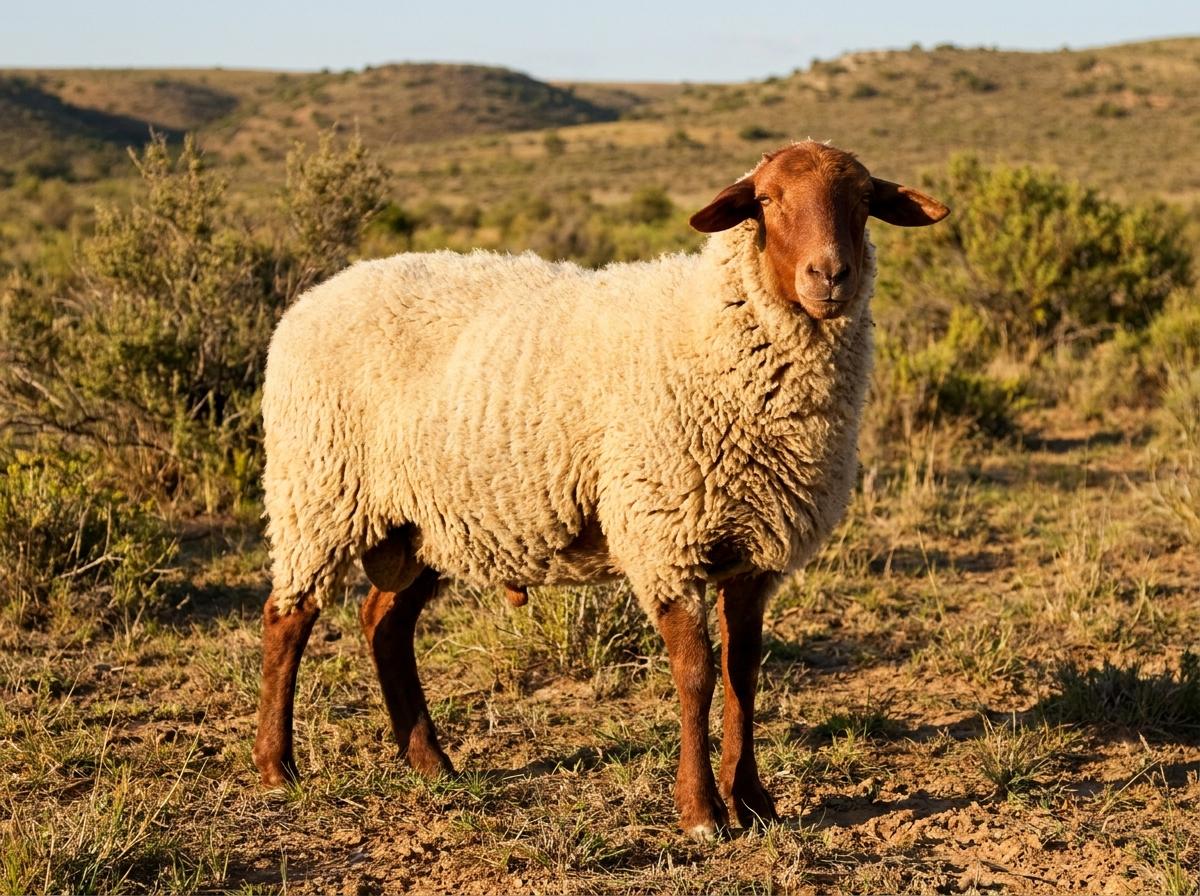
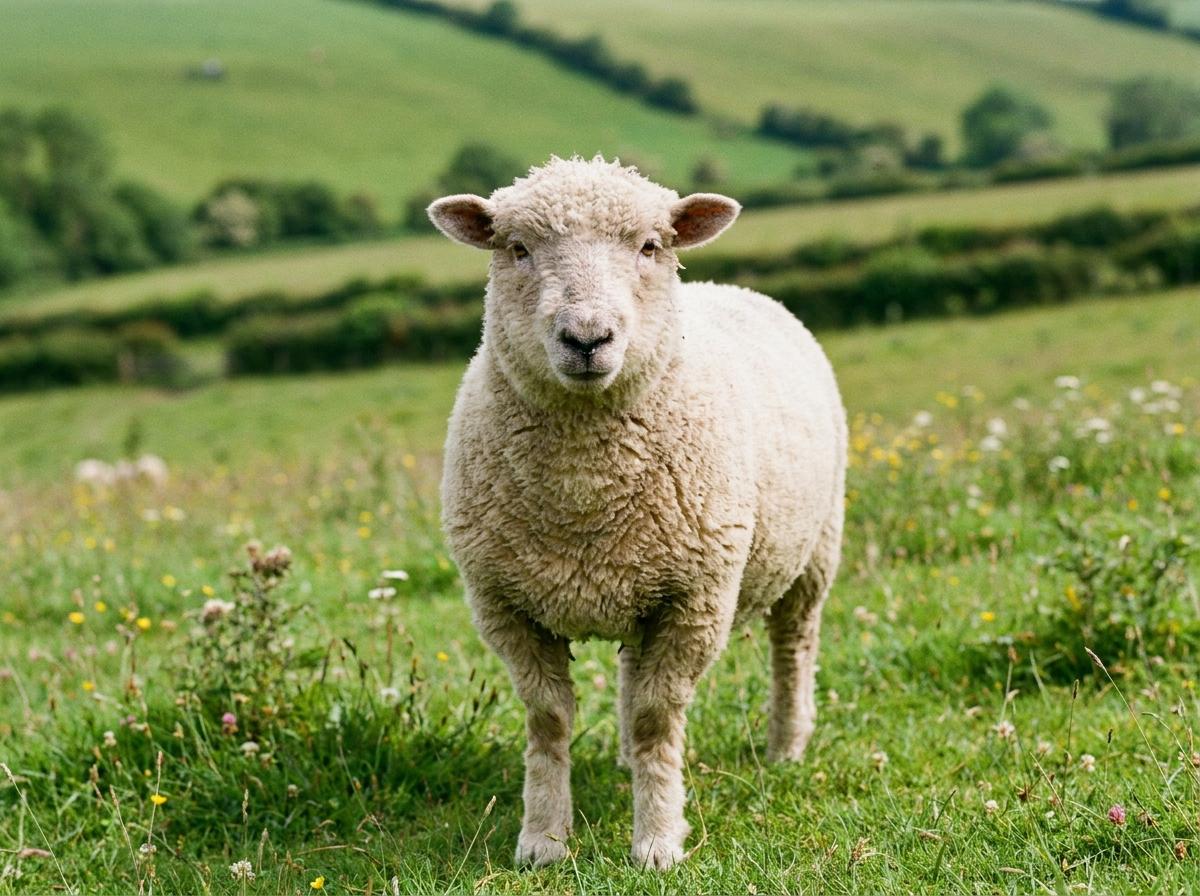
AI-generated illustration.
Keep records that show what actually happened
Record mating groups, lambing dates, assistance, weights and veterinary reports with animal identities. Separate lambs born from lambs reared, and measured results from targets. The Creatures record guide explains how to maintain the history.
Read the sheep guide for broader ownership planning. Compare Texel for another meat-breed choice, or Blackhead Persian when investigating a hair-sheep option with a different coat and history.
Poll Dorset questions
Does polled mean the sheep never needs restraint?
No. Hornless sheep still need suitable handling facilities and experienced care, particularly breeding rams.
Can every Poll Dorset ewe breed all year?
Do not assume that for an individual. Ask for flock evidence and plan breeding with an adviser who understands the animals and local conditions.
Is the breed a hair sheep?
No. It has a wool fleece, and shearing belongs in its care plan.
Do this next on Creatures
Keep the animal’s identity, original documents and your dated observations together. Choose the next step that matches where you are in the process.
- Set up a Poll Dorset search alert. Get notified when new listings match, with help from the saved-search guide.
- Check current Poll Dorset listings; supply may be empty or change. Ask for the evidence relevant to your intended purchase.
- Start a Poll Dorset profile. No account is needed to start. The animal-profile guide explains the details.
- Add a care or breeding record. The form opens for visitors; a free account saves the record. Read the record guide before adding documents.
- Start a breeder or farm profile. The directory guide explains how a breeder listing works.
- Explore sheep breeders to compare sources and prepare a careful introduction to the seller.