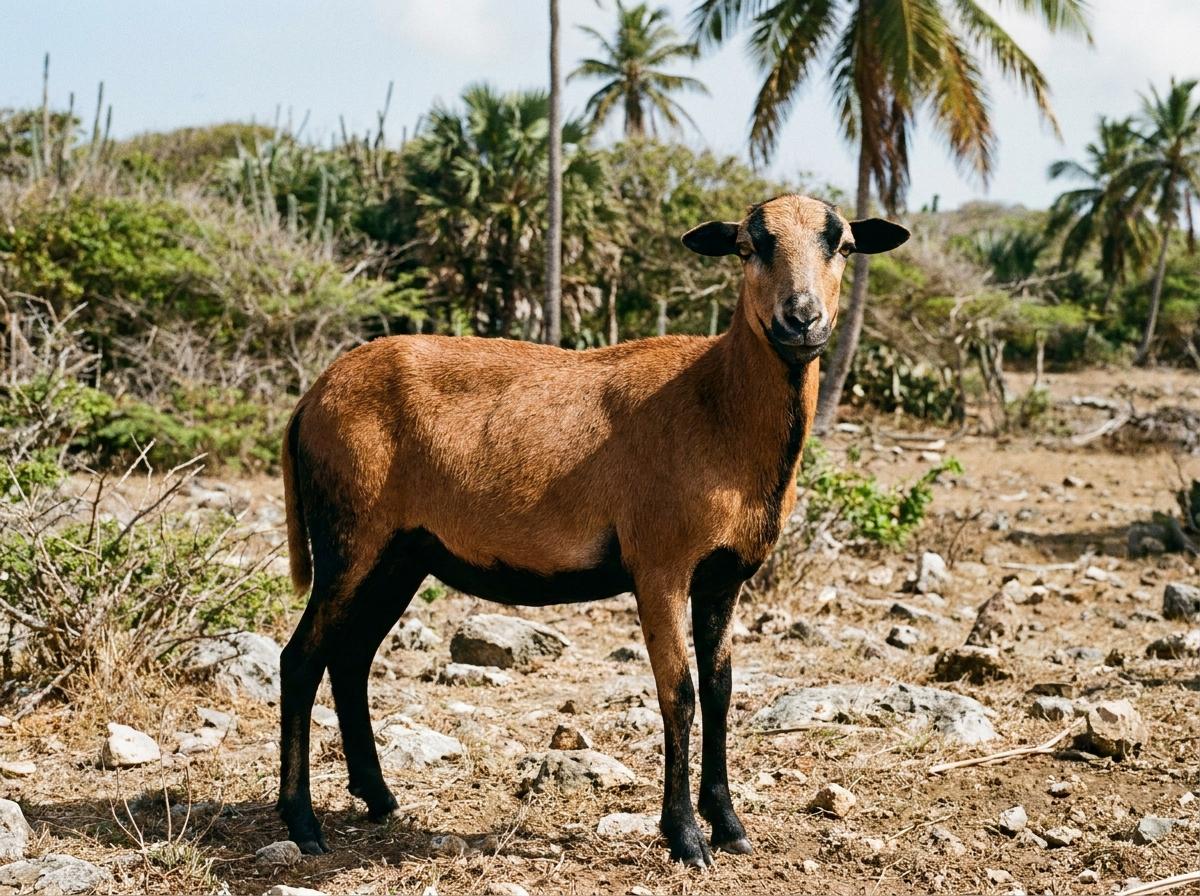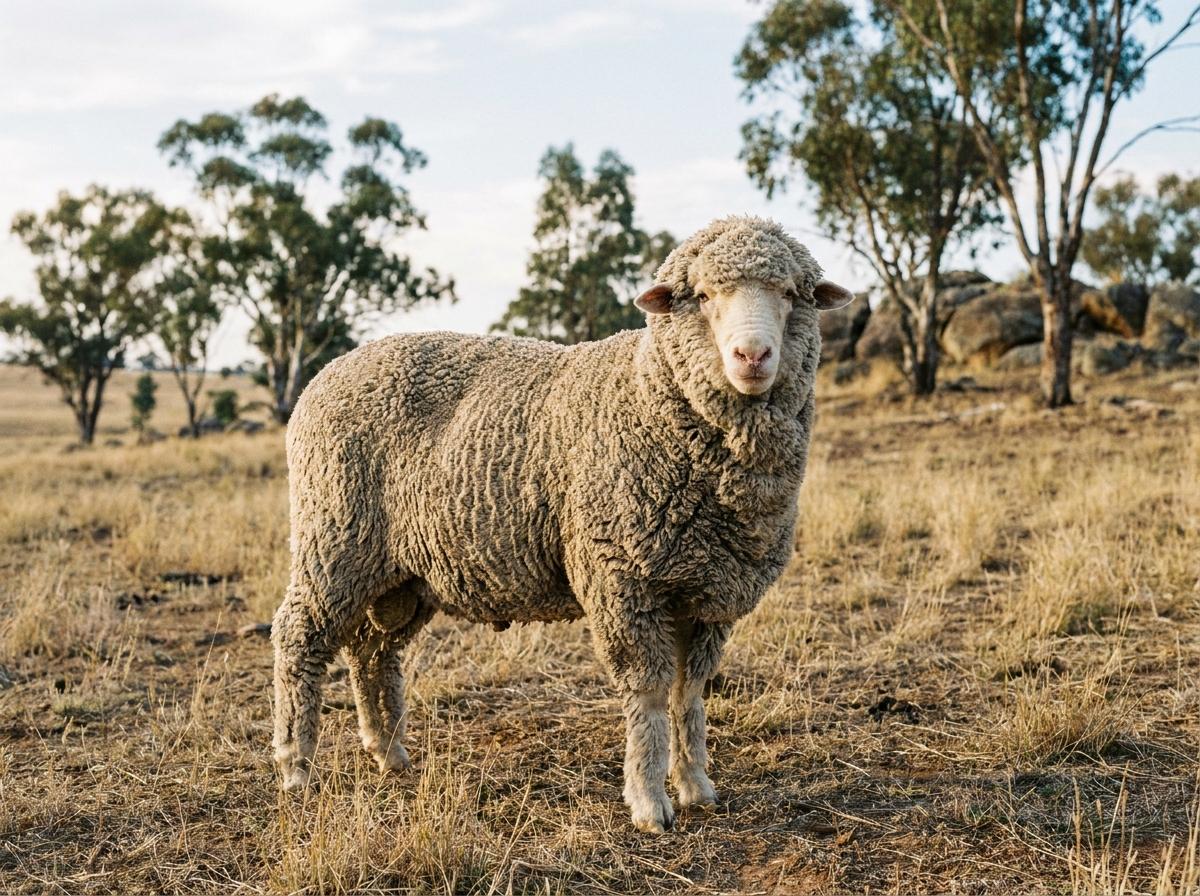
Merino
Author: Elliott Garber, DVM · Published
Merino sheep are best known for fine wool, but “Merino” covers a broad range of types and breeding populations. Choosing them means deciding what fleece you want, how you will manage it and whether the individual sheep suit your land and skills.
Once you can measure the sheep, the free sheep weight calculator estimates weight from heart girth and body length. Compress the fleece when measuring; wool makes these measurements less straightforward. Confirm on a scale when accuracy matters, including for veterinary dosing.
Set a Merino search alert for new matching listings. Current supply may be empty; use the alert while you prepare your care plan and the records to request from a seller.

AI-generated illustration.
| Origin | Spanish roots; many international strains |
|---|---|
| Fleece | Fine wool; measured diameter matters |
| Woolmark range | Below 17.5 to about 22 to 24 microns |
| Variation | Horned or polled; body size and wrinkle vary |
| Care priority | Shearing, breech care and flystrike prevention |
| Buying priority | Exact flock type and individual fleece reports |
Browse listings, public profiles, breeders, or add your animal.
A breed family with different fleece and body types
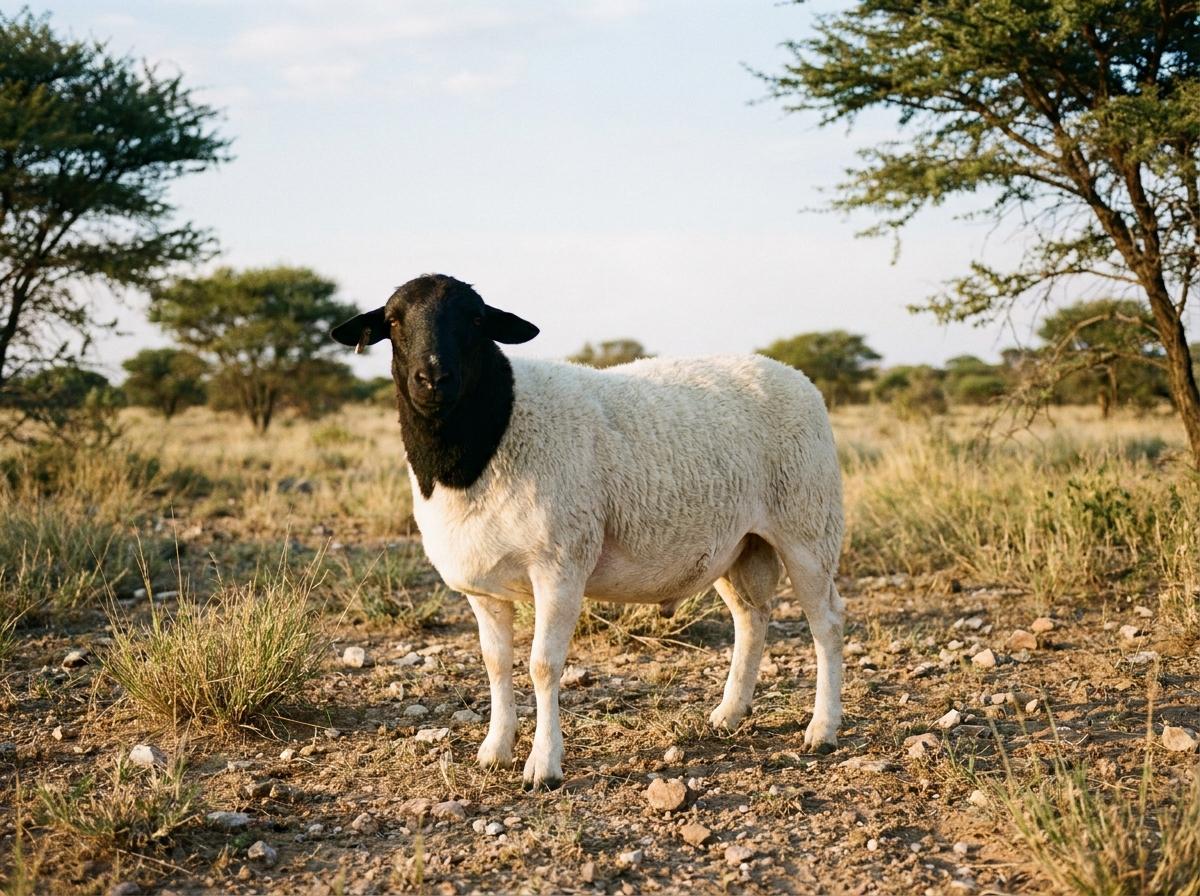
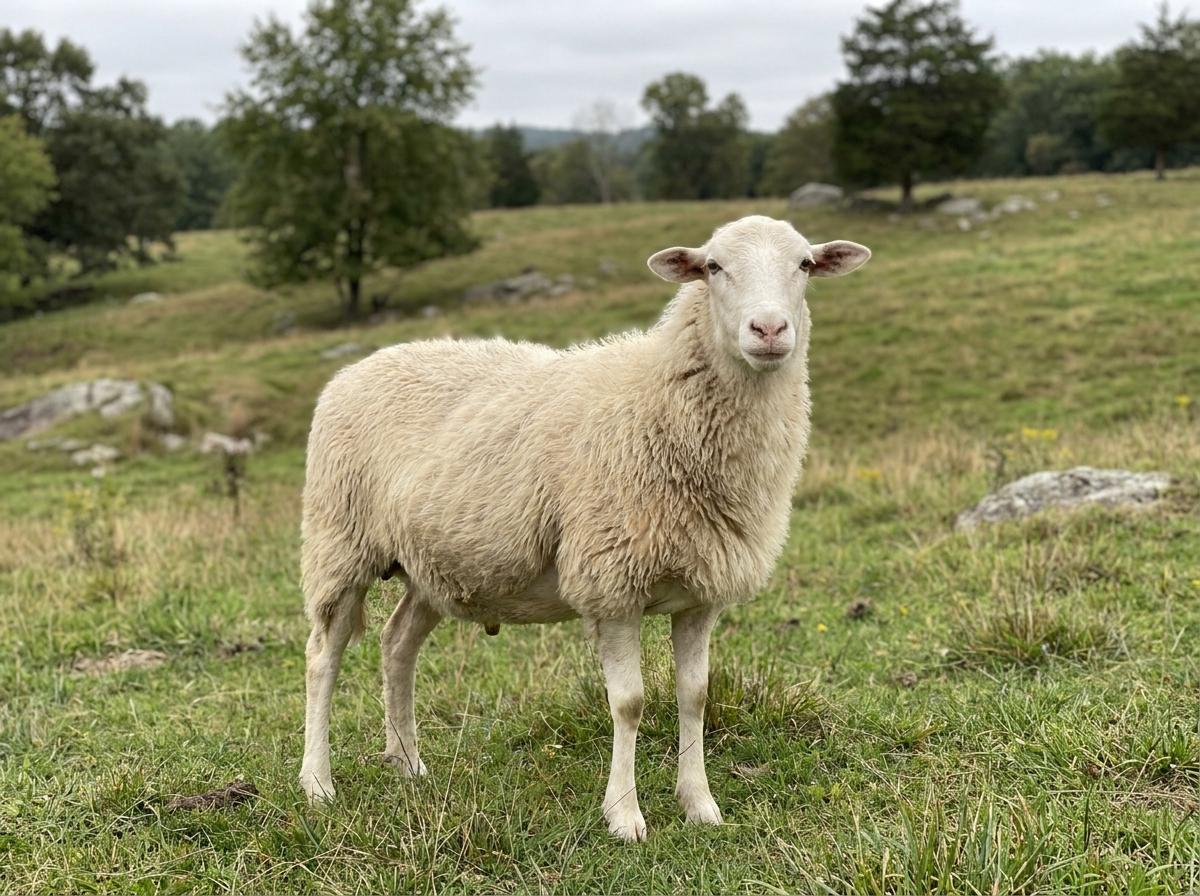
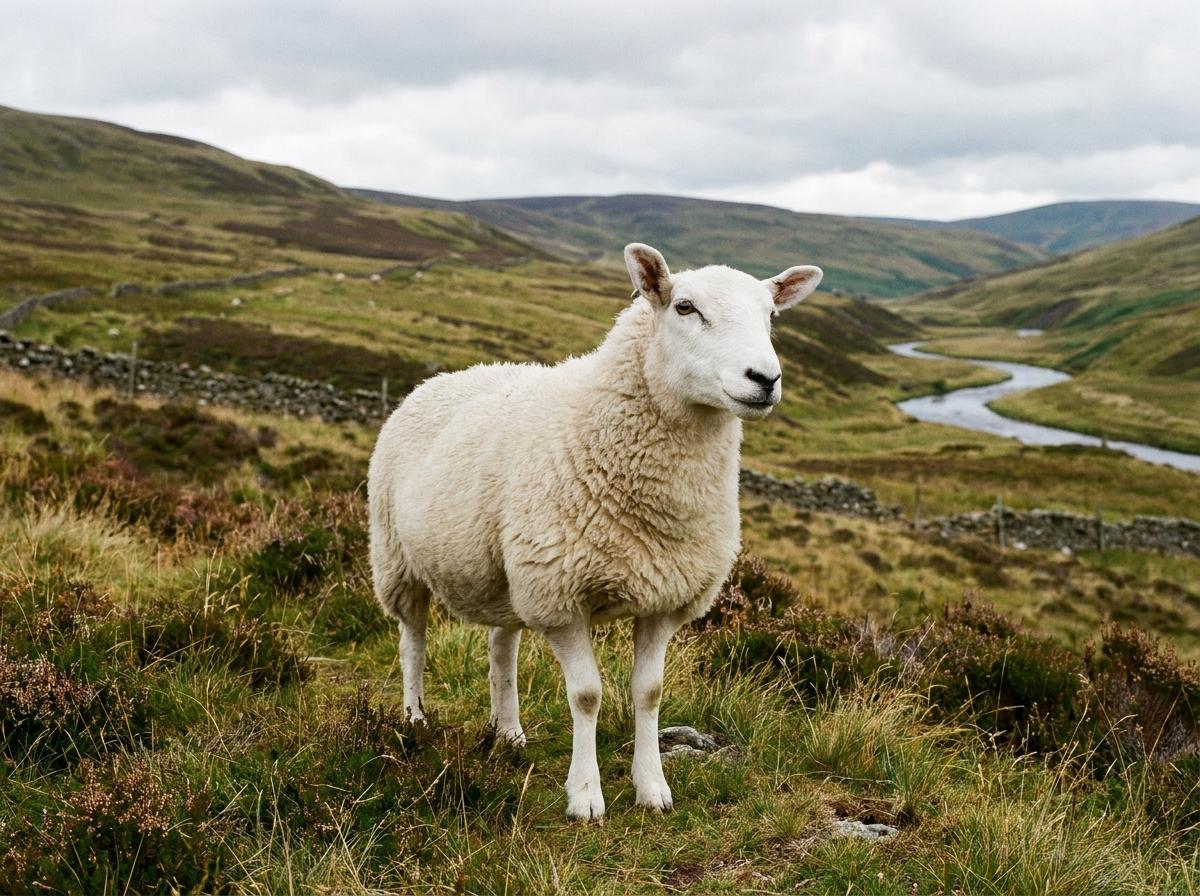
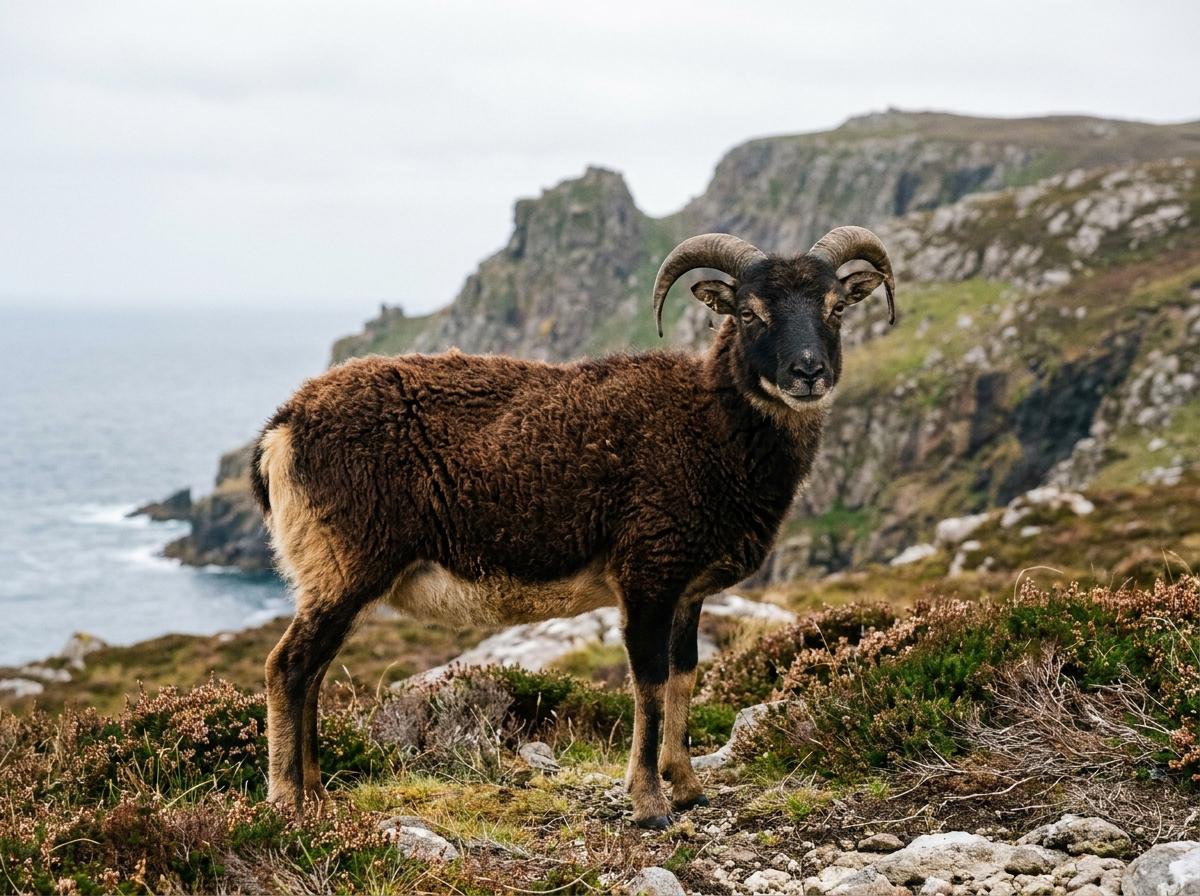
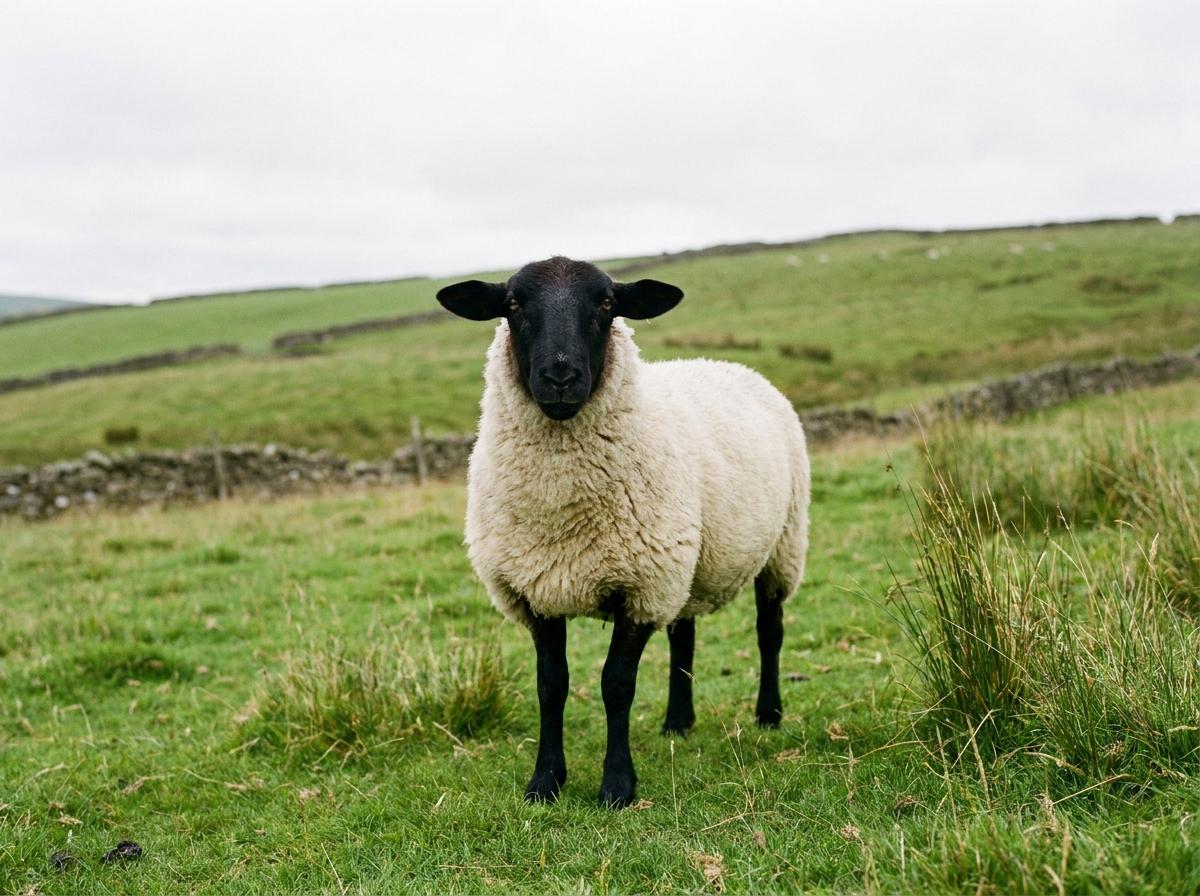
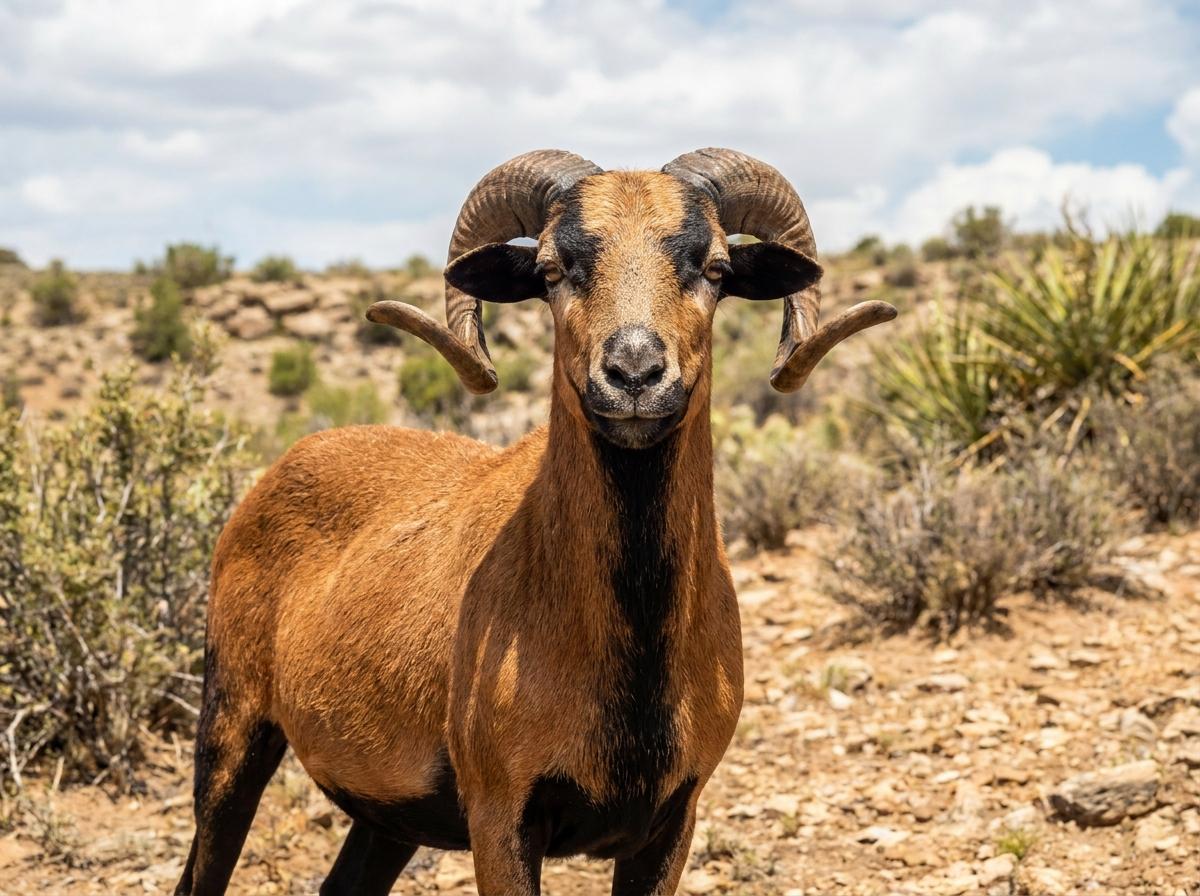
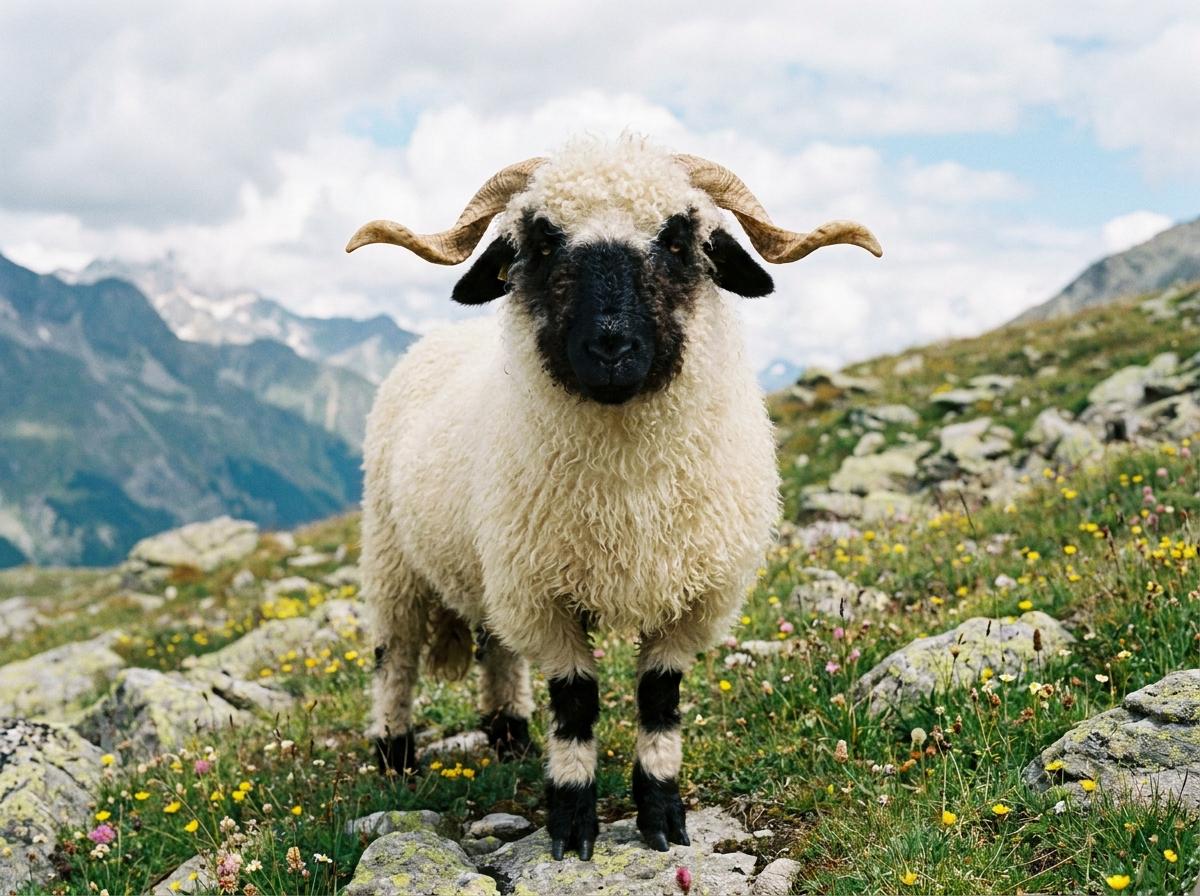
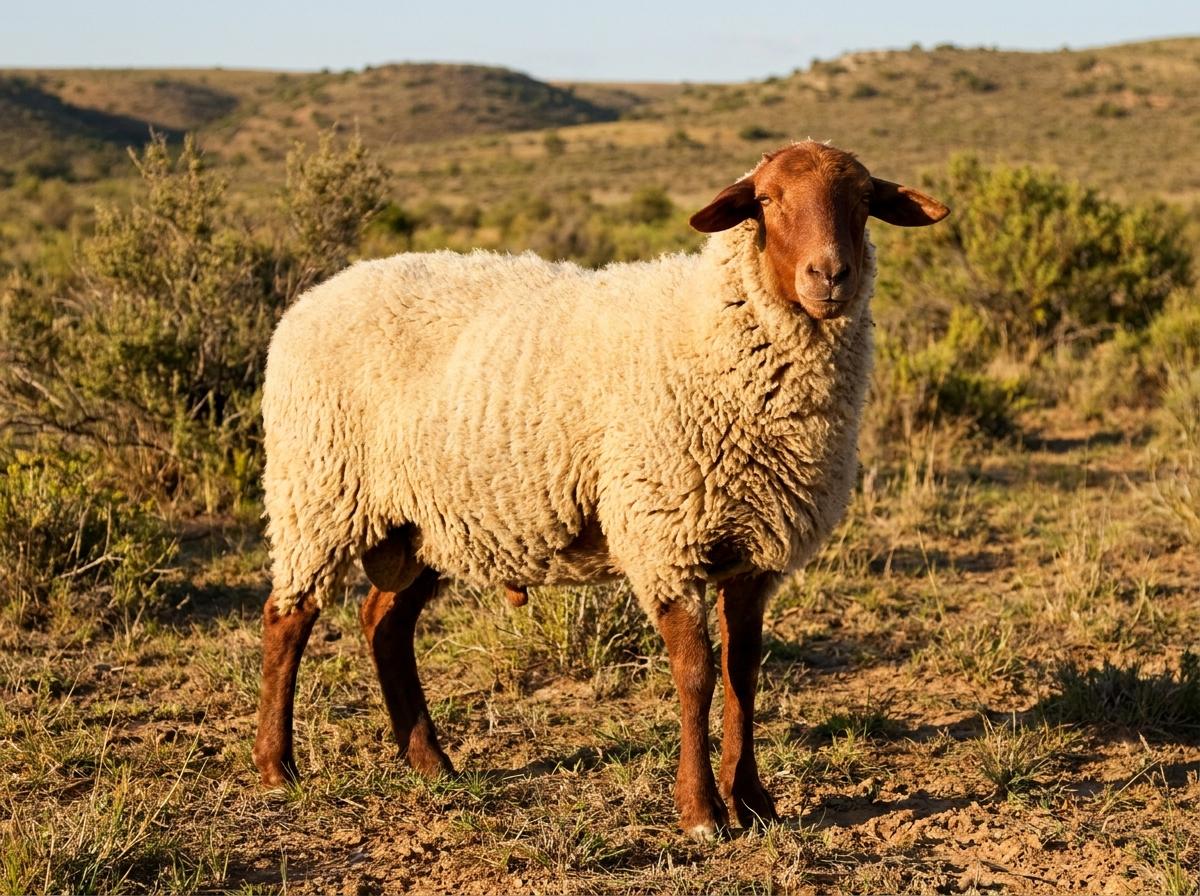
Merino sheep have Spanish roots, followed by development in several countries and many strains. Horned and polled populations, plain and more wrinkled bodies, and different frame sizes all occur. The practical question is which type the seller keeps and what it has been selected to produce, rather than whether it resembles one familiar photograph.
In the United States, the American & Delaine Merino Record Association records Merino and Delaine Merino sheep. Rambouillet is a related fine-wool breed with its own identity: France’s Bergerie nationale account describes its Spanish Merino foundation. The American Rambouillet Sheep Breeders Association maintains a separate US registry. A shared ancestry does not make every Merino-derived sheep eligible for the same papers. Ask for the exact registry, flock and strain.
Woolmark’s fiber guide places typical Merino wool across a range from below 17.5 microns to about 22 to 24 microns. A micron is one thousandth of a millimeter and measures fiber diameter. Finer is not automatically better for every product: diameter, length, strength, contamination and processing needs all influence whether a fleece suits your purpose.
Read a fleece report rather than a superlative
Labels such as superfine, fine, medium and strong describe different parts of the Merino wool range; the boundaries depend on the classing system. Ask for the actual mean fiber diameter and the buyer’s specification rather than assuming two sellers use “fine” identically. Woolmark distinguishes fine wool below 19.5 microns, medium wool at 19.5 to 22, and broader Merino around 22 to 24 in its general fiber guide.
Ask for measured fiber information where available, including the test date and the identity of the fleece or animal sampled. A description such as “super soft” is subjective. A report can answer more precise questions, but only if you know what was sampled and how it relates to the sheep for sale.
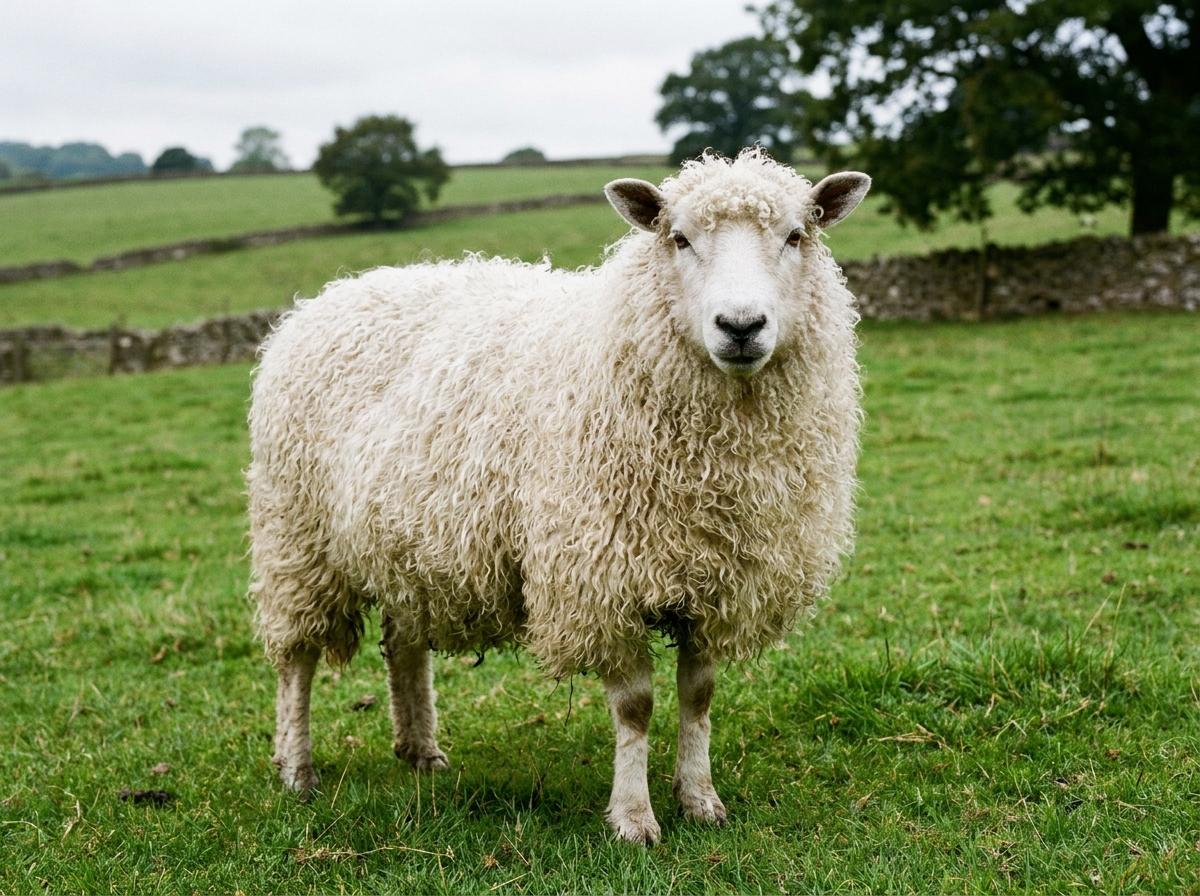
Ask how long the fleece grew, how it was handled and whether the seller has a sample you can inspect. Greasy fleece weight, clean yield and processed fiber weight are different things. Do not compare prices or output claims without knowing which quantity is being discussed.
For handspinning, speak with a spinner or processor about your intended projects. For commercial wool sales, understand the classing, testing, preparation and sale route before budgeting income. A breed reputation does not guarantee a buyer or a particular price for every fleece.

AI-generated illustration.
Shearing is a care requirement
Merinos do not shed their full fleece. Arrange competent shearing at least annually, with timing and any additional crutching set for the flock and climate, before buying a wool flock. Ask about a suitable schedule, preparation, safe holding facilities and shelter following shearing. The right arrangements depend on the sheep and climate, so do not wait for an online photograph to tell you that a fleece looks long enough.
Penn State’s shearing resource explains how technique and equipment setup affect safe work. Beginners need practical instruction and support. Buying clippers is not the same as being ready to shear an unfamiliar sheep competently.
Plan how you will keep fleeces clean and dry after removal, label them by animal and separate unusable material. The wool operation should fit around animal welfare, not make animals wait in unsuitable conditions while you prepare a sales display.
Use the sheep-shearing guide to prepare the flock and work area with the shearer, including how the fleece will be handled afterward.
Flystrike, breech care and the sheep beneath the wool
Wool around the breech can become soiled, and flystrike requires prompt veterinary attention. Make a prevention plan covering inspection, timely crutching or shearing, parasite management and locally appropriate products with your veterinarian. The sheep flystrike guide explains what to watch for and how to prepare. The sheep deworming guide connects monitoring with a flock-specific treatment plan.
Mulesing is a surgical removal of skin around the breech used mainly in Australian wool flocks to reduce strike risk; it causes pain and is a significant welfare concern. RSPCA Australia advocates moving away from it through breeding less susceptible sheep and effective management. Ask the breeder about breech wrinkle, strike history and whether the flock is non-mulesed. A non-mulesed flock still needs an active flystrike-prevention plan; this is not a procedure for a new keeper to attempt.
A substantial fleece can obscure changes in condition. Ask your veterinarian or an experienced shepherd to teach you hands-on body-condition assessment and ordinary health observation. Record what changes over time rather than relying on one distant impression.
Penn State’s sheep-health resources provide a starting point for flock health topics. Treatment choices and schedules should be based on the animals, findings and local veterinary advice, not copied from an unrelated flock.
Feeding and facilities for a fiber flock
Sheep can die from excess copper. Keep cattle, goat and horse concentrates, mineral mixes and lick blocks out of their reach; products for those species are not interchangeable with sheep feed. Merck’s copper-toxicosis guidance supports using feed and minerals formulated for sheep. The sheep mineral guide helps prepare a ration review with your adviser.
Secure fencing, sheep companions, dependable water and dry resting space are basic parts of the home. Add a workable gathering and handling area so inspection and shearing can happen safely. Plan seasonal feed shortages and wet-weather access before adding more animals.
For a nonbreeding fiber flock, ask whether wethers or other suitable nonbreeding sheep meet your goals. Keeping a ram adds decisions about separation, mating and handling that may have little connection with producing wool for your own use.
Breeding requires more than a fine fleece
If breeding is your purpose, discuss structure, reproductive history, lamb survival and management traits as well as fleece quality. Ask the breeder which traits they measure and why. A very attractive wool sample is not a complete breeding assessment.
For ewes, request lambing history and any assistance. For rams, arrange appropriate breeding soundness assessment. Plan the lambing season, facilities and veterinary support before mating rather than treating future lambs as an automatic bonus from the fiber flock.

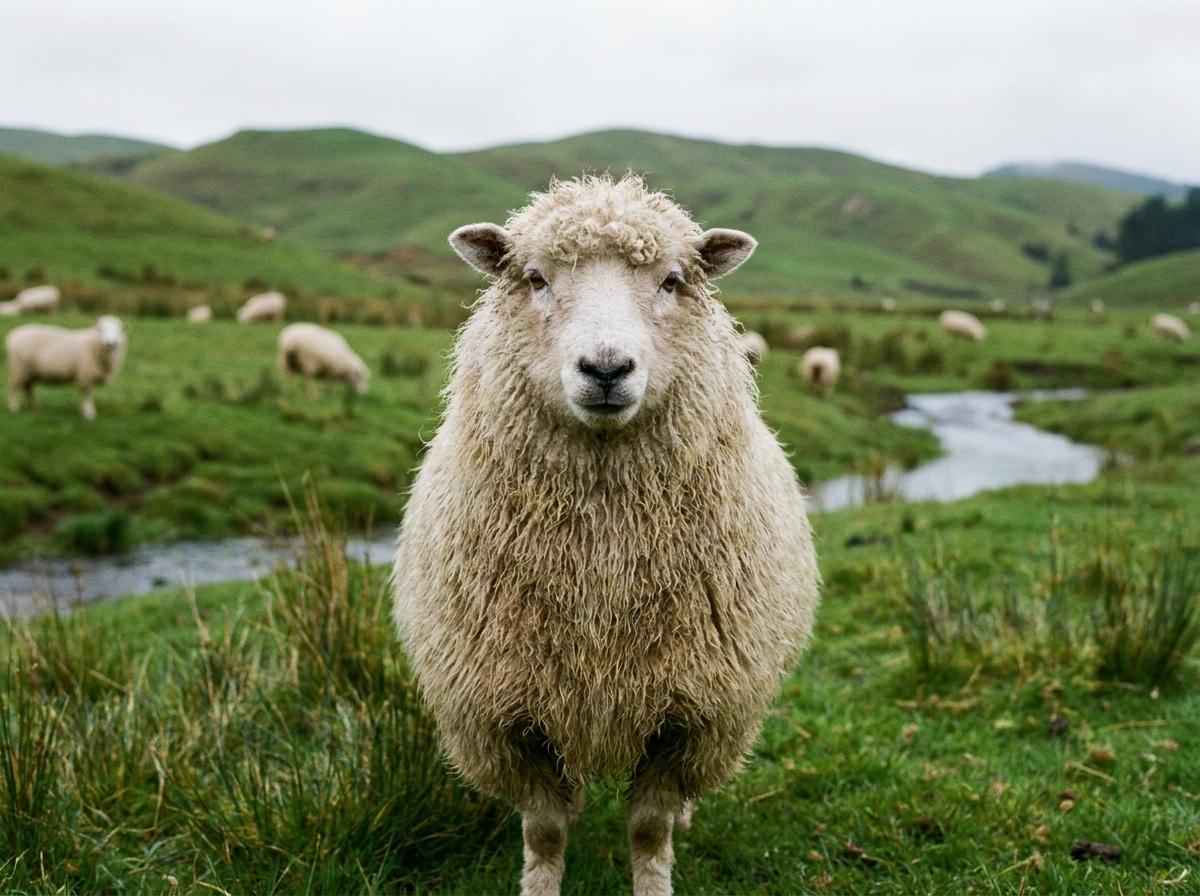
AI-generated illustration.
Coordinate the joining record, lambing preparations and shearing plan with your advisers. The sheep gestation calculator supplies an estimated date, while actual lambing history shows what happened in this flock.
Costs and a sensible first purchase
Use the sheep cost guide to compare breeding animals, flock sheep and lambs before adding your local care costs.
Compare sheep with a similar purpose and documentation. Breeding stock, young lambs and established nonbreeding fiber animals are different purchases. Ask whether registration transfer, health reports and fleece information are included.
Budget for shearing, feed, fencing, veterinary care, transport and wool preparation even if fleece income is uncertain. Contact the shearer and processor you intend to use, and obtain local costs. If the business case only works at the highest possible fleece price, revise it before buying.
The sheep overview covers general ownership. Compare Border Leicester for a longwool option, or Blackhead Persian if you decide a hair-sheep flock fits your goals better.
Use the Creatures record guide to keep shearing dates, fleece tests, breeding notes and veterinary reports together. Retain the original reports so future comparisons remain traceable.
Merino questions
Are all Merinos horned?
No. Horned and polled animals exist within Merino populations. Confirm the type and individual offered.
Is all Merino wool equally fine?
No. Ask for measured information from the relevant fleece rather than assuming a single fiber diameter for the breed.
Can fleece sales cover every care cost?
That depends on your actual costs, wool and buyers. Build a budget that remains workable when sales are slower or prices are lower than hoped.
Do this next on Creatures
Keep the animal’s identity, original documents and your dated observations together. Choose the next step that matches where you are in the process.
- Set up a Merino search alert. Get notified when new listings match, with help from the saved-search guide.
- Check current Merino listings; supply may be empty or change. Ask for the evidence relevant to your intended purchase.
- Start a Merino profile. No account is needed to start. The animal-profile guide explains the details.
- Add a care or breeding record. The form opens for visitors; a free account saves the record. Read the record guide before adding documents.
- Start a breeder or farm profile. The directory guide explains how a breeder listing works.
- Explore sheep breeders to compare sources and prepare a careful introduction to the seller.