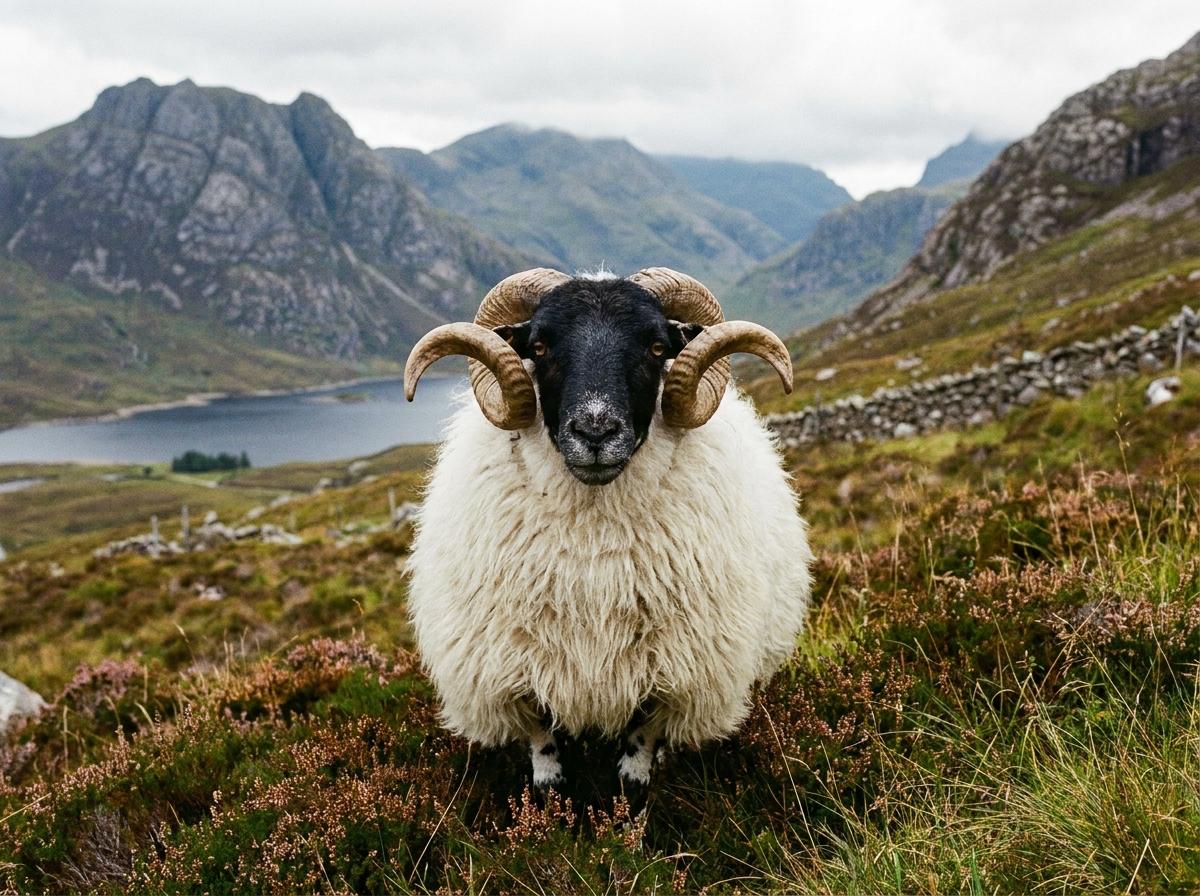
Scottish Blackface
Author: Elliott Garber, DVM · Published
Scottish Blackface is a particular breed of horned hill sheep, not a name for every sheep with a black face. If you searched for black-faced sheep breeds, that color description covers several different animals. Here, the subject is the white-fleeced, horned Blackface described by the Blackface Sheep Breeders’ Association.
For identification, look at horns, fleece, overall type and provenance together. A dark face alone is not enough. You can compare other sheep breeds, including the differently marked Kerry Hill, without treating their names as interchangeable.
| Breed | Scottish Blackface |
|---|---|
| Role | Maternal hill sheep |
| Horns | Both sexes |
| Face and legs | Black or black and white |
| Fleece | White, with texture varying by type |
| Buyer question | Which type and management background? |

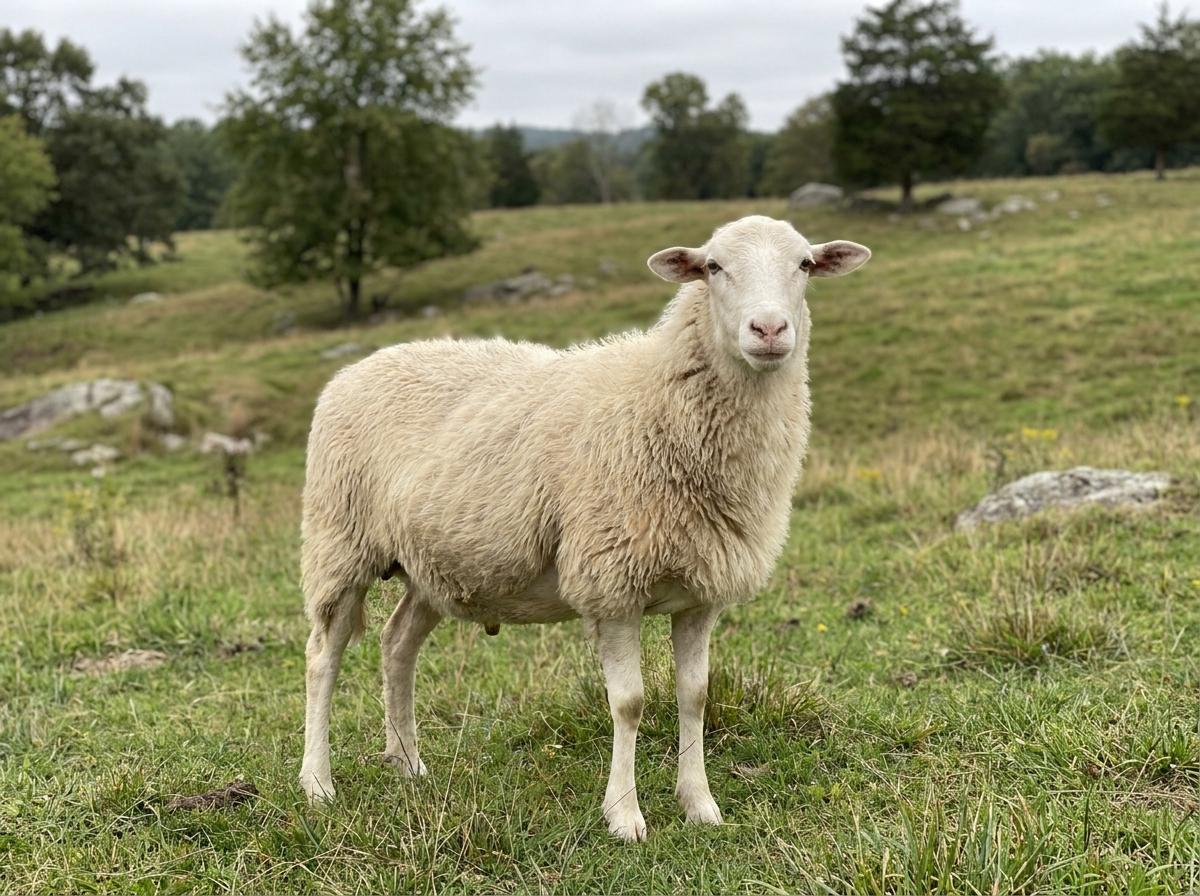
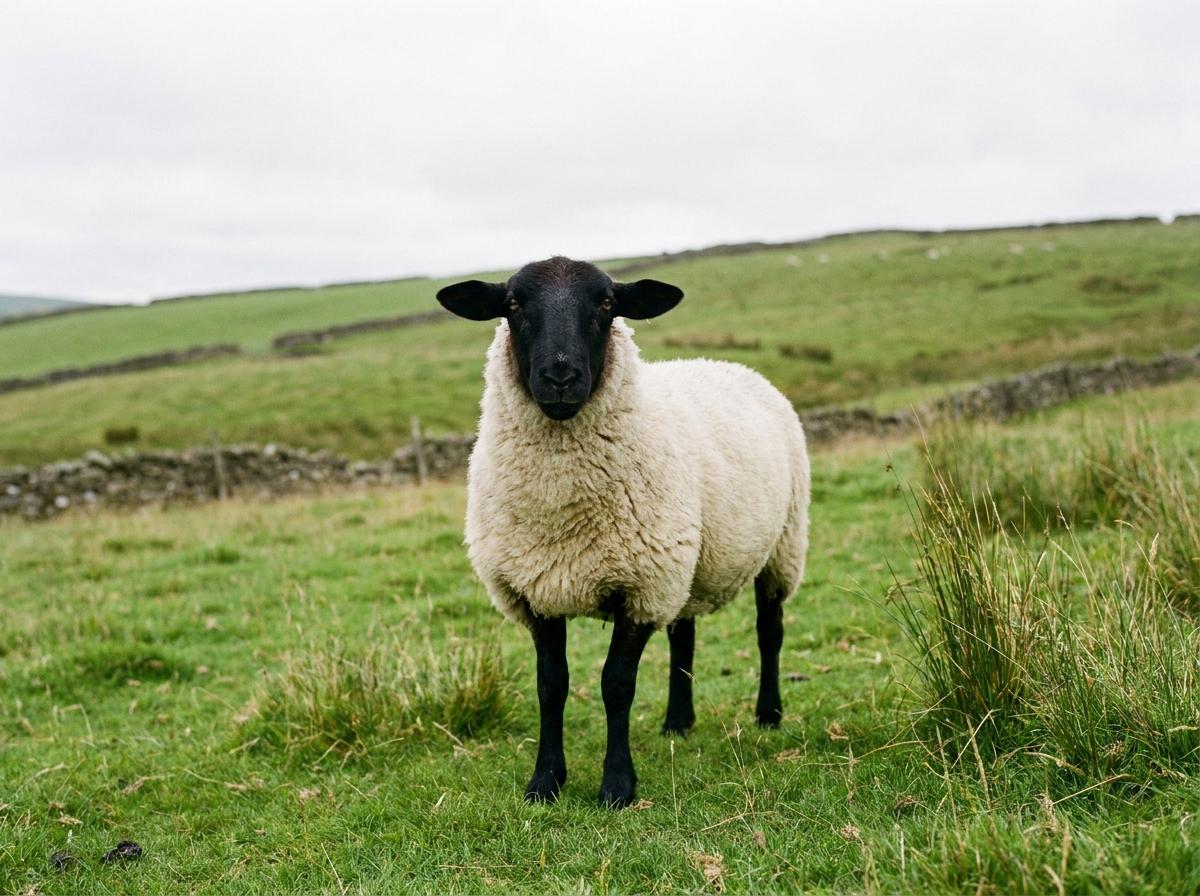
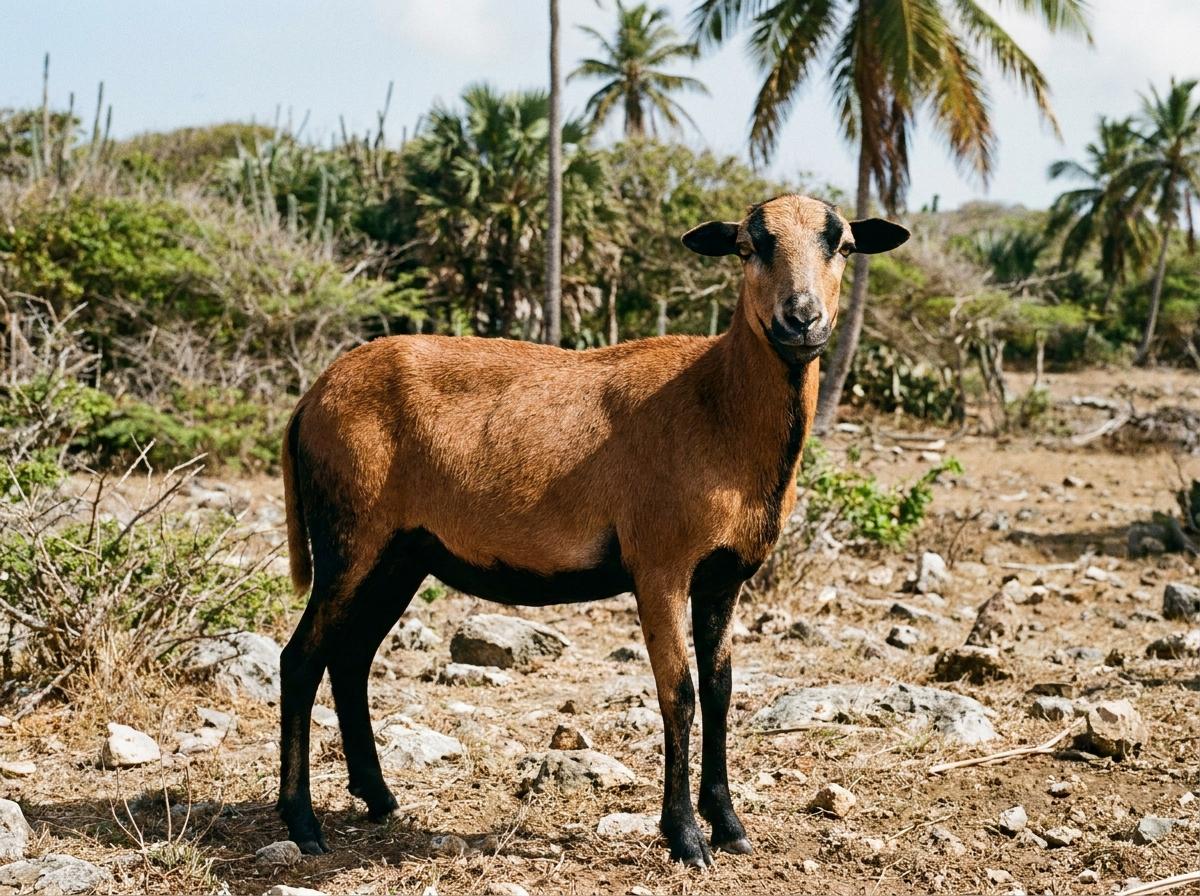
AI-generated illustration. An educational reconstruction, not actual stock.
Browse listings, public profiles, breeders, or add your animal.
The breed behind the name
The association’s description calls for horns in both sexes, a black or black-and-white face and legs, and a fleece free of black fiber. Fleece character varies across the breed. These features explain why a hornless dark-faced sheep should not be identified as Scottish Blackface from color alone.
The breed’s role is strongly tied to maternal hill flocks. That is useful context for a buying conversation, but it is not a promise that any Blackface ewe will suit any rough field. Ask about the actual flock, its conditions and the work behind its results.
Other sheep with black faces
The broader search includes several distinct breeds:
- Suffolk is a polled meat breed developed with Southdown ancestry, recognized by its black head and legs; the Suffolk Sheep Society describes its origin and hornless breed points.
- Hampshire is another polled Down meat breed, with a dark face and a wool cap, rather than the horned hill type; see the American Hampshire standard.
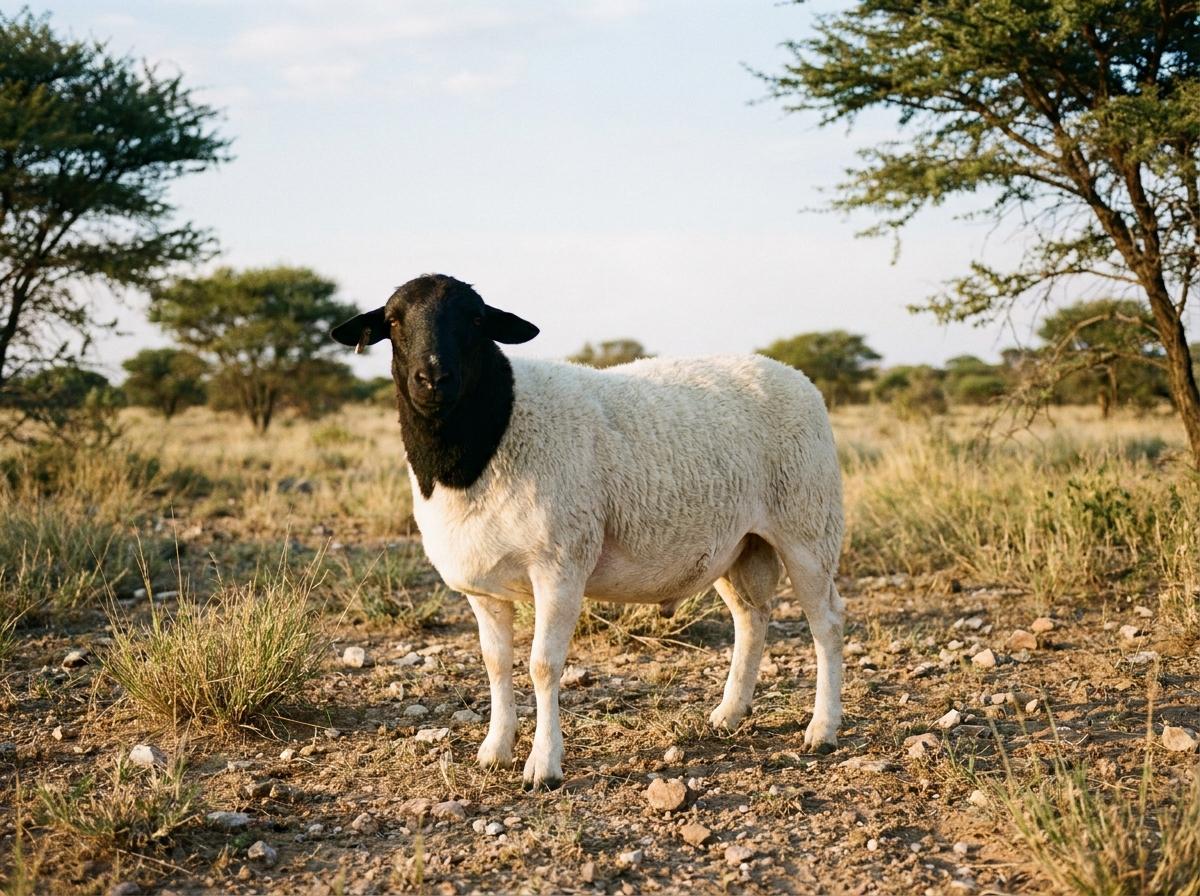
- Dorper has the familiar black head on a white body and a shedding hair-and-wool coat, described by the British Dorper Society and Western States Dorper Association.
- Swaledale is another horned hill breed, with white around the eyes and nose on a dark face, as set out in its association’s type specification.
These comparisons narrow a search; they do not identify a crossbred sheep from one color feature.

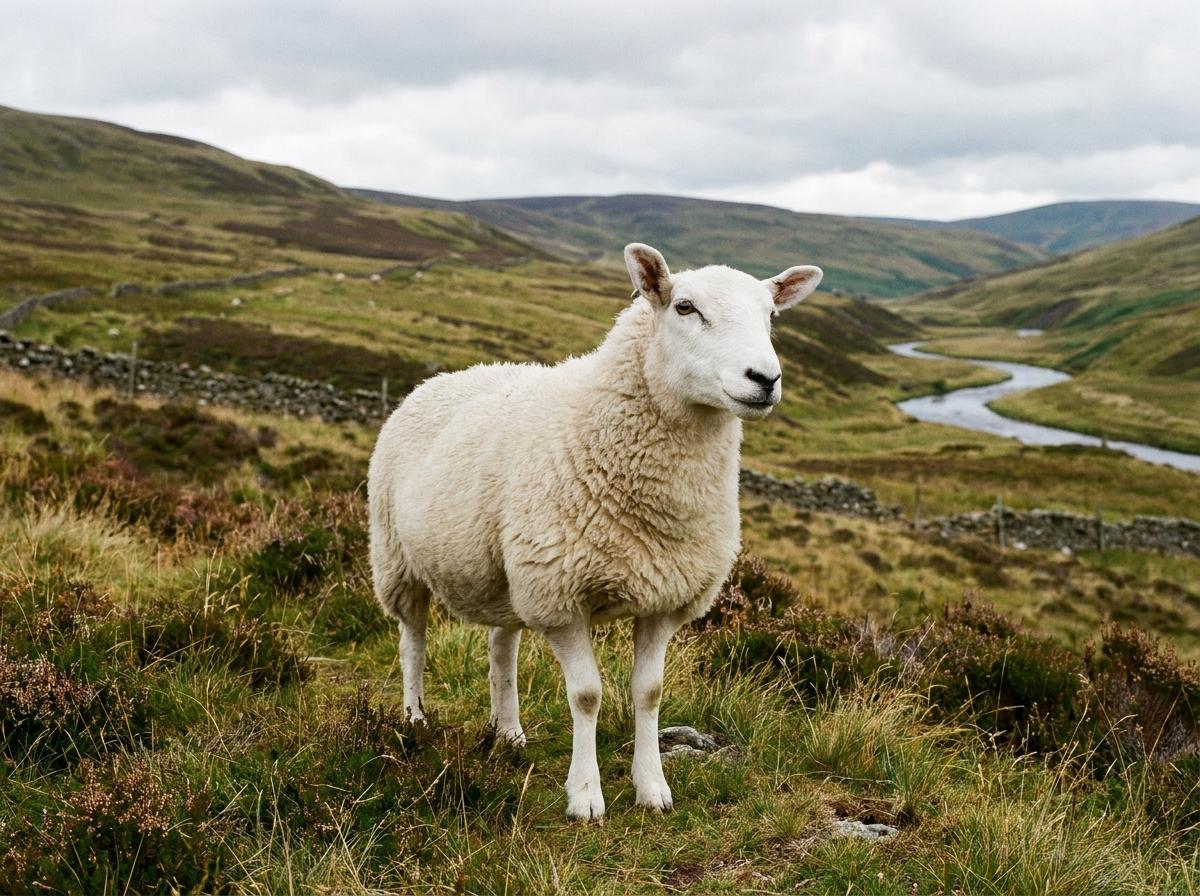
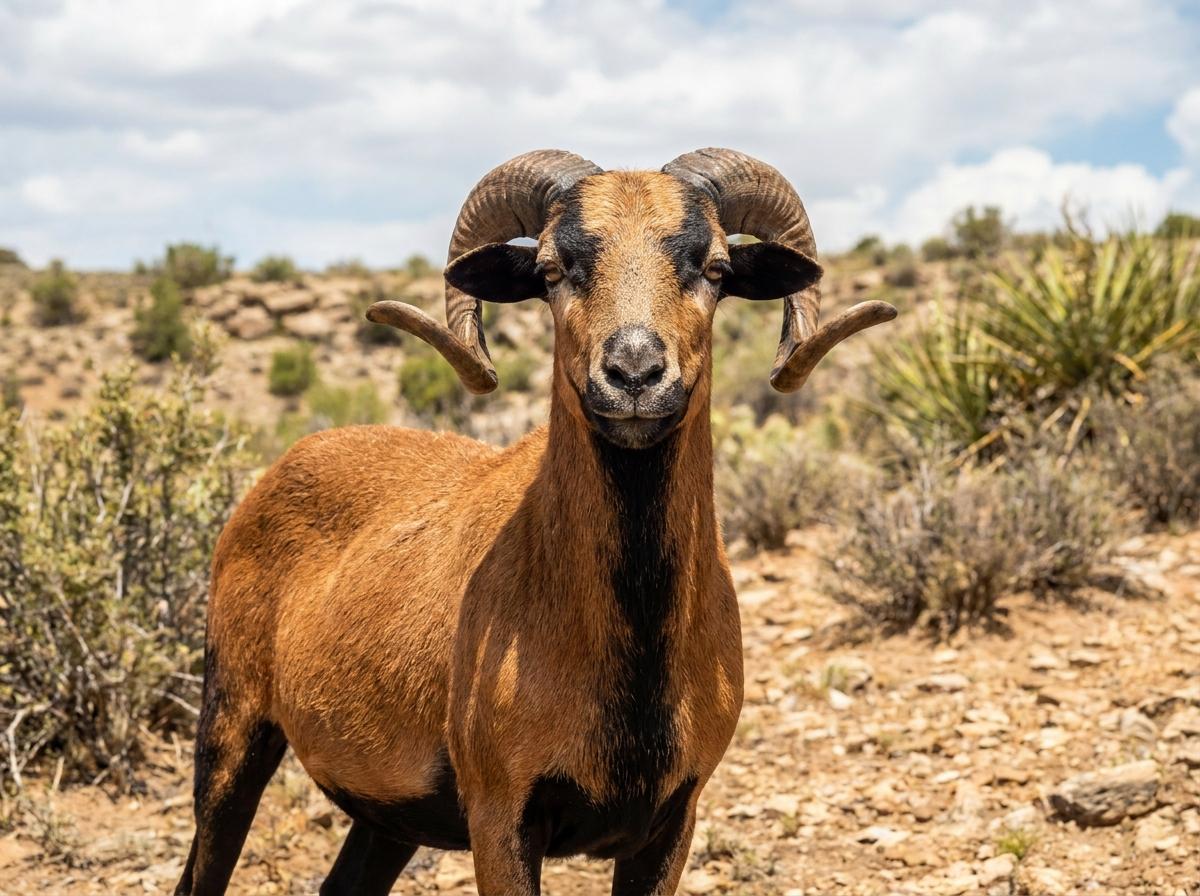
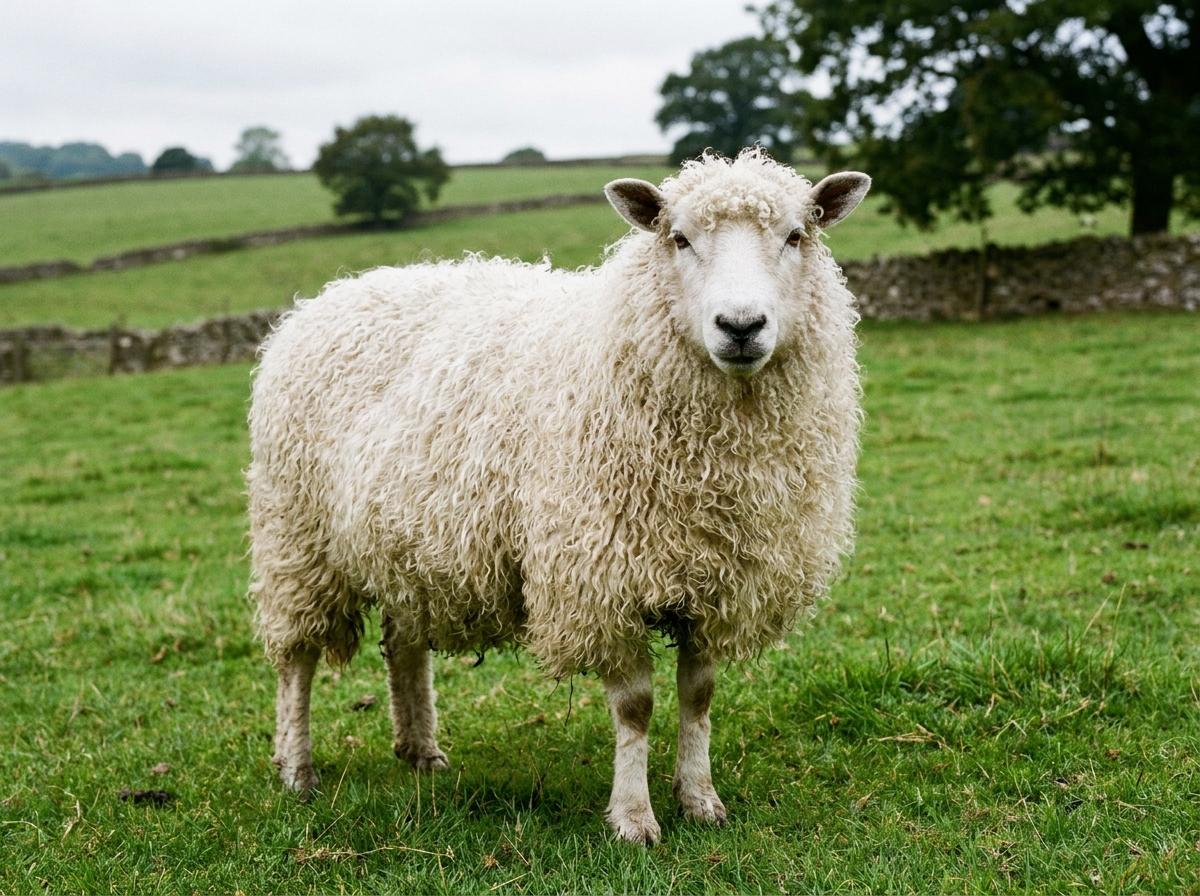
AI-generated illustration. A portrait crop, not a complete husbandry setup.
Regional type matters
The association describes Perth, Lanark and Northumberland types, with differences in frame and wool. It also discusses Newton Stewart influence within the Lanark population. The names reflect breeding history and regional selection rather than a reason to rank every animal on one simple scale.
Ask the breeder which type they keep and why. Then ask to see the mature ewes, not just a sale ram. Your questions should connect type to purpose: what terrain the flock uses, how lambs are reared, when sheep are gathered and what supplementation is part of the system.
If you are building a pedigree flock, establish the registration and mating plan. If you are buying commercial breeding females, be equally clear about identity, age and lambing history. A regional name cannot substitute for individual records.
Hill ability still needs husbandry
A hill breed remains a managed domestic sheep. Provide inspection, suitable feed and water, sheep company and protection appropriate to the conditions. The sheep welfare code covers those responsibilities, including care on extensive grazing. Ask a local adviser how they apply to your land.
For US summers, University of Maryland Extension’s heat guidance adds a useful reminder: provide shade and cool clean water, and avoid gathering or transporting sheep during severe heat when possible.

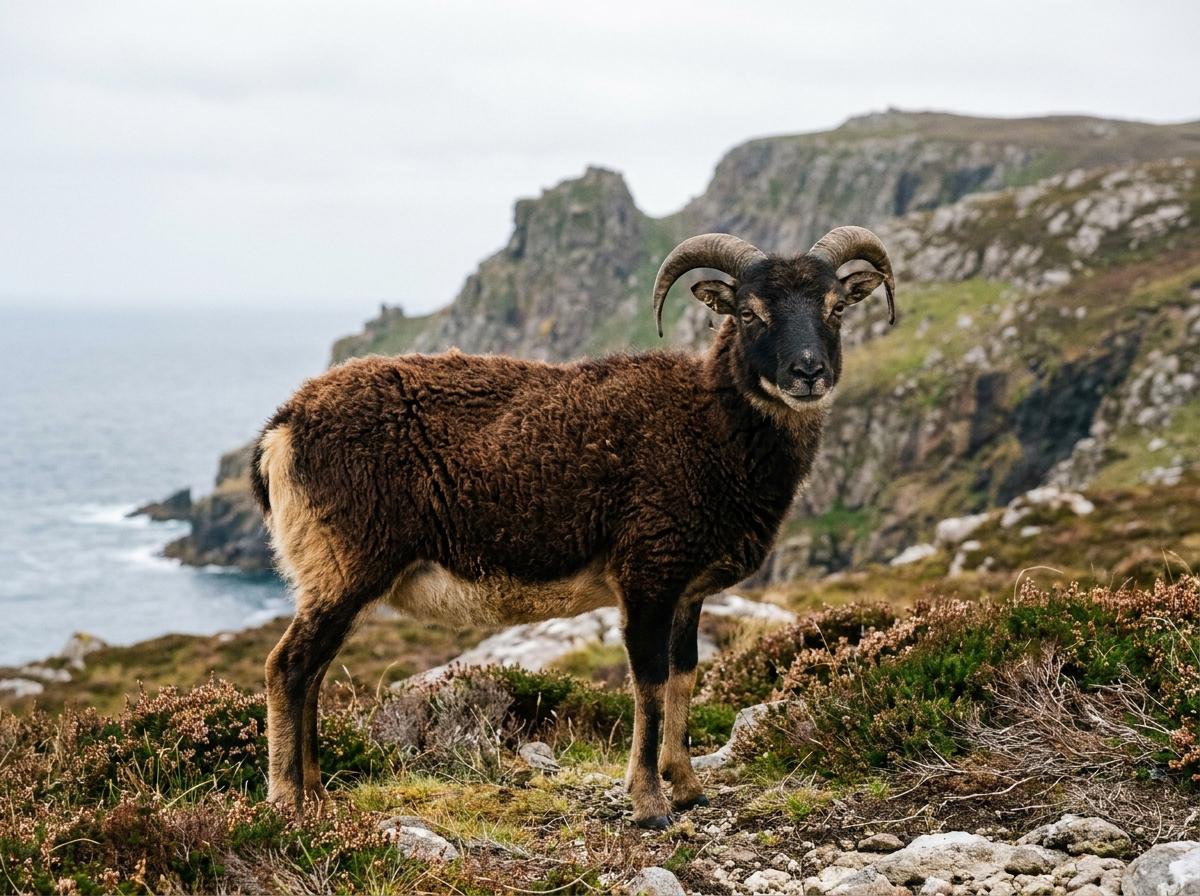
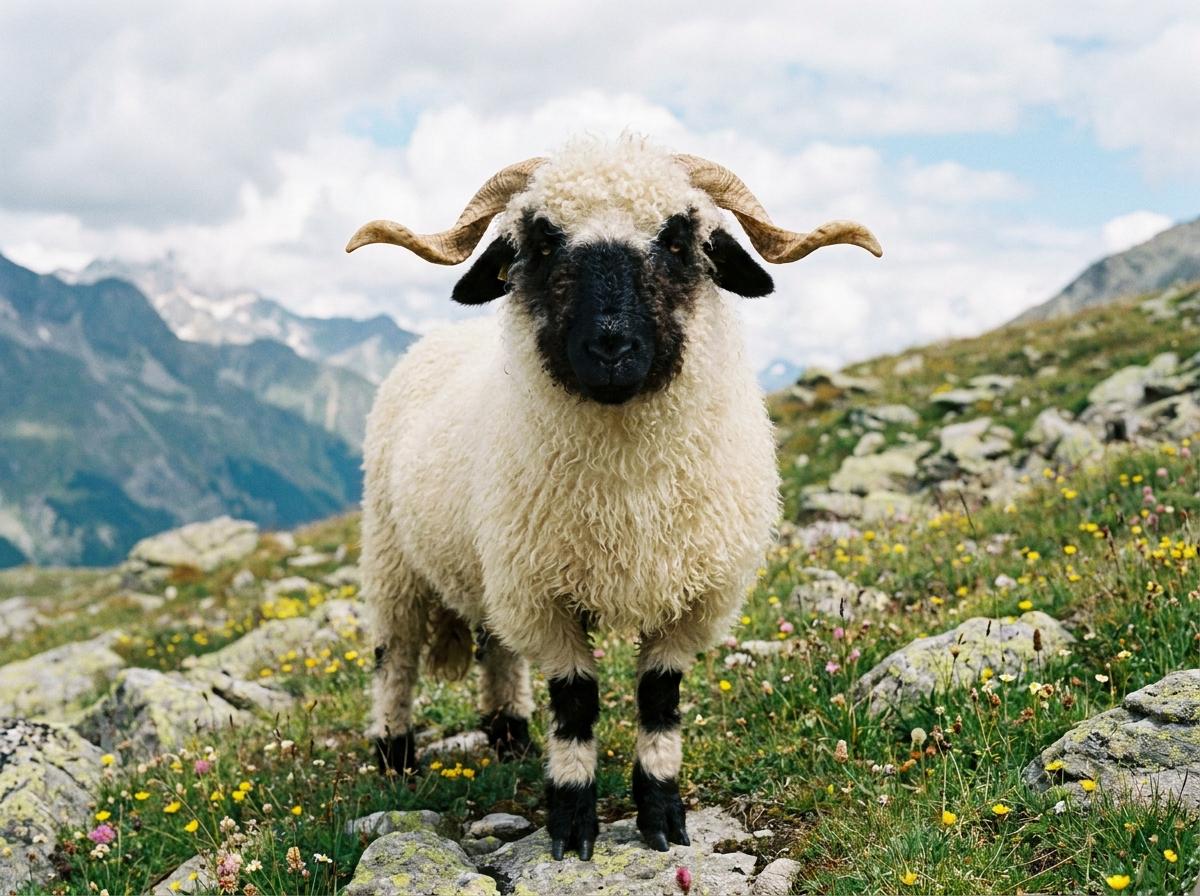
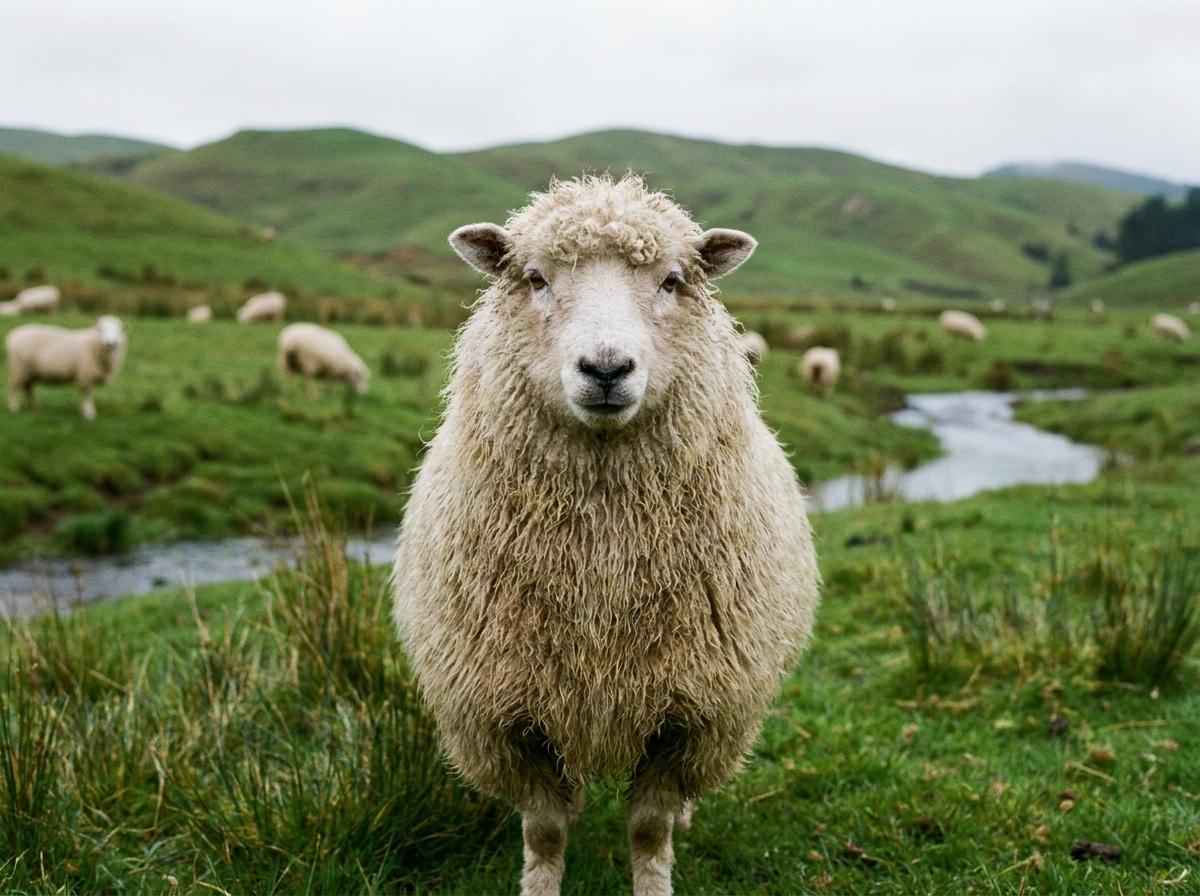
AI-generated illustration. An educational reconstruction, not actual stock.
For a new keeper, access can be the practical obstacle. Can you find and gather every sheep when one needs attention? Are there handling facilities an experienced person can use safely? What happens when the weather prevents normal access? Resolve those questions before treating a large field as a ready-made flock system.
Do not assume that sheep familiar with one range will immediately know a new property. Discuss the seller’s gathering routine and your introduction plan with someone experienced in hill sheep. The working relationship between flock, land and shepherd is not transferred by the breed name alone.
Wool, lambs and the records worth asking for
If wool is a reason for choosing Blackface, inspect a fleece and speak to the buyer or processor you intend to use. The breed contains different wool types, so the product you want should guide the questions. An impressive long fleece in a picture does not establish fineness or a market.
For breeding ewes, ask about lambs born and reared, assistance at lambing, teeth and udders, and how ages are documented. Ask which animals were removed from the flock and why. A record of the whole group helps put the best performers in context.
For a ram, request the pedigree or breeding history, health documentation and an appropriate soundness assessment. Identify what you want him to improve before choosing on horn size or appearance.
Buying and price comparisons
There is no single useful Scottish Blackface price across regions, classes and sales. Seek a current quote for the animal or group you need, and compare the same age, sex, pedigree status and reproductive status.
Ask whether the amount includes documents, transport or any agreed veterinary examination. A prestigious ram auction and a commercial ewe purchase answer different price questions. Keep the actual identity, terms and handover arrangements in writing.
Scottish Blackface questions
Are all black-faced sheep Scottish Blackface?
No. Black-faced is a description; Scottish Blackface is a breed. Horns and appearance can help narrow identification, but ancestry and flock information are needed to establish it.
Do the ewes have horns?
Yes, horns are part of the association’s breed description for both sexes. The ewe illustrations here should not be read as ram-horn examples.
Can they live on poor grazing with no extra care?
Do not buy on that assumption. Plan feed and monitoring around the sheep’s condition, life stage, season and local conditions, with advice from your veterinarian or sheep specialist.
Do this next on Creatures
Explore the sheep hub to compare the breed with other sheep suited to your intended flock system.