

Oxford
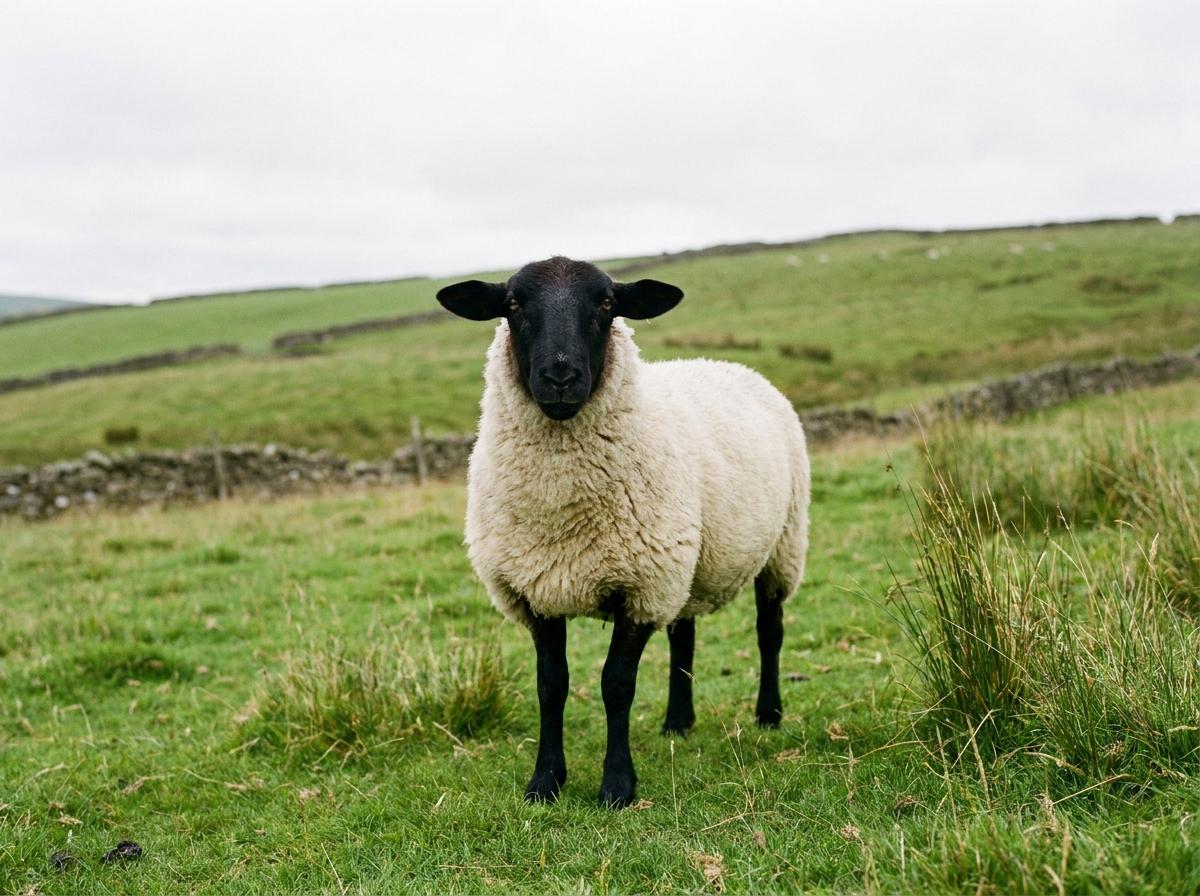
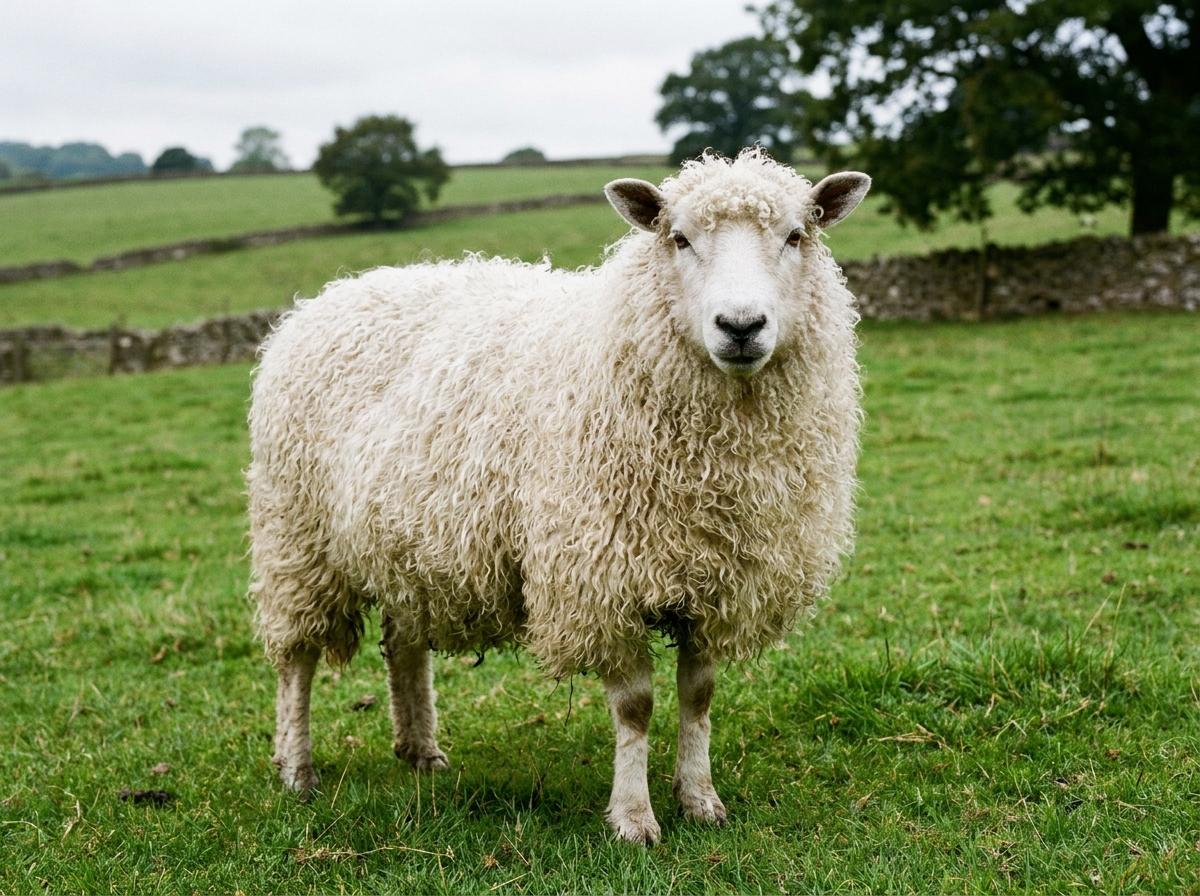
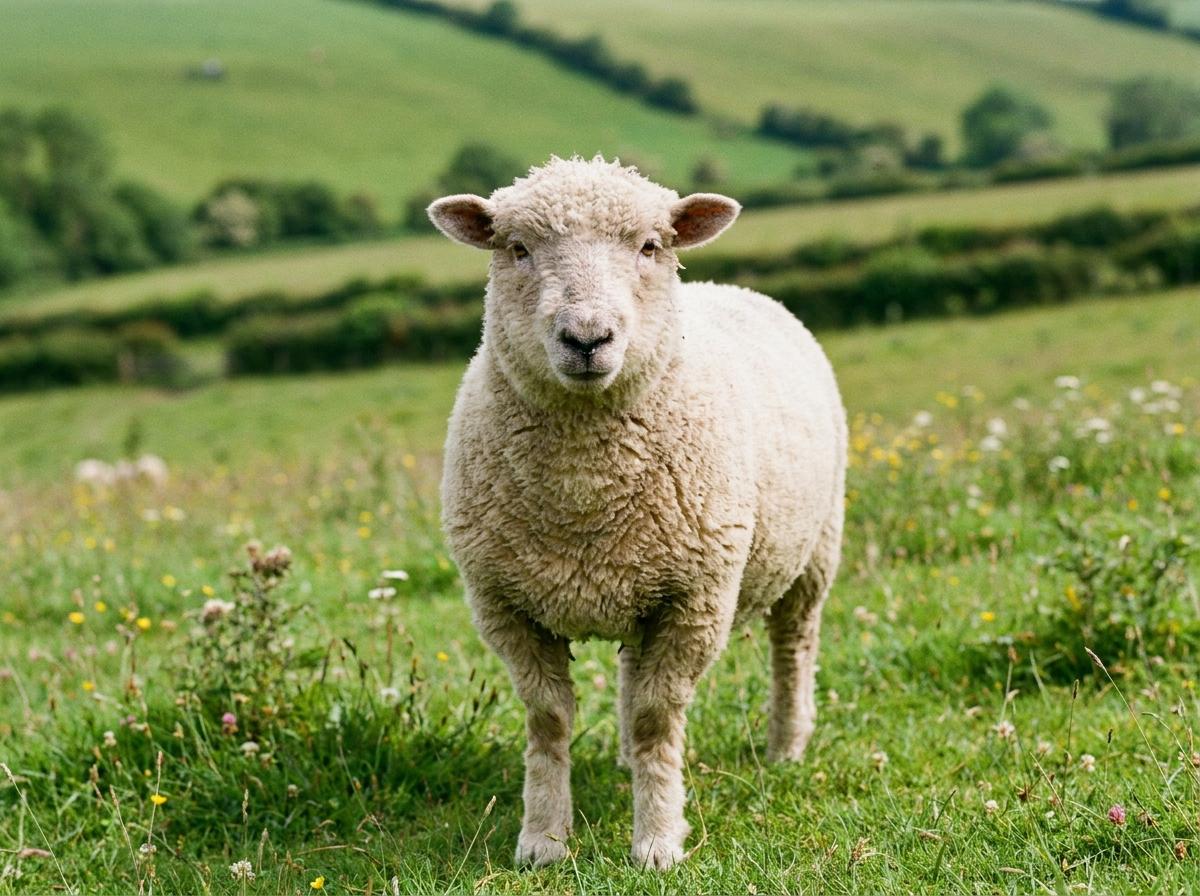
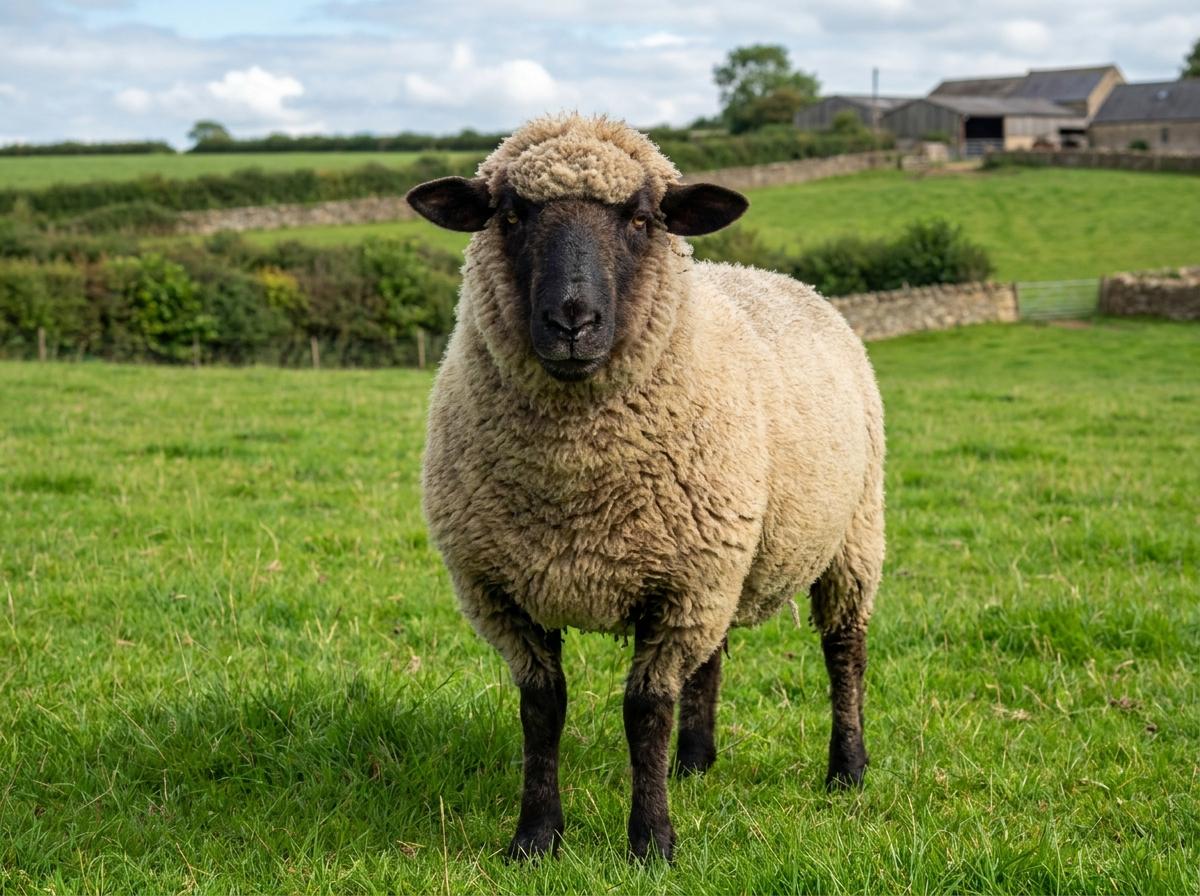
Oxford sheep usually refers to the Oxford Down, a large English down breed developed in the nineteenth century in and around Oxfordshire. Its ancestry combines Cotswold size and fleece with Hampshire Down and Southdown influence, producing a polled meat sheep with a broad body, dark brown face and legs, and a white fleece that often covers the poll. Oxfords are among the larger down breeds and were widely used where farmers wanted heavy lambs, strong rams, and ewes with enough frame to raise fast-growing offspring. The name may be shortened to Oxford in catalogs and fair entries.
Modern flocks keep Oxfords for terminal-sire work, purebred breeding, showing, and farm-flock lamb production. Their size is useful, but it also means rams need sound feet, good body condition, and careful handling equipment. Ewes respond well to adequate feed before lambing and during lactation; underfeeding large-framed sheep quickly shows in milk and lamb growth. The fleece requires normal annual shearing and attention to wool around the eyes if it becomes heavy. Buyers should look for structural correctness, active breeding ability, and lambing records rather than judging only by show finish.
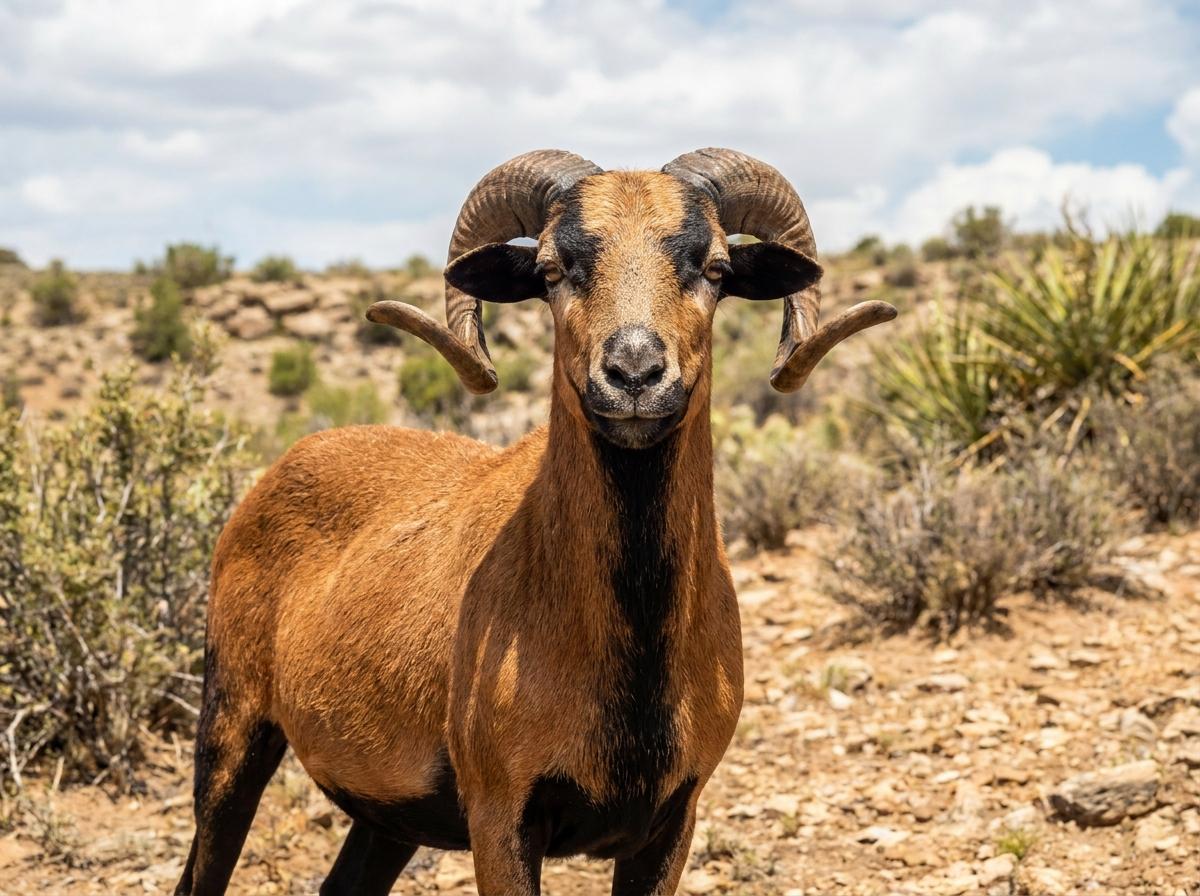
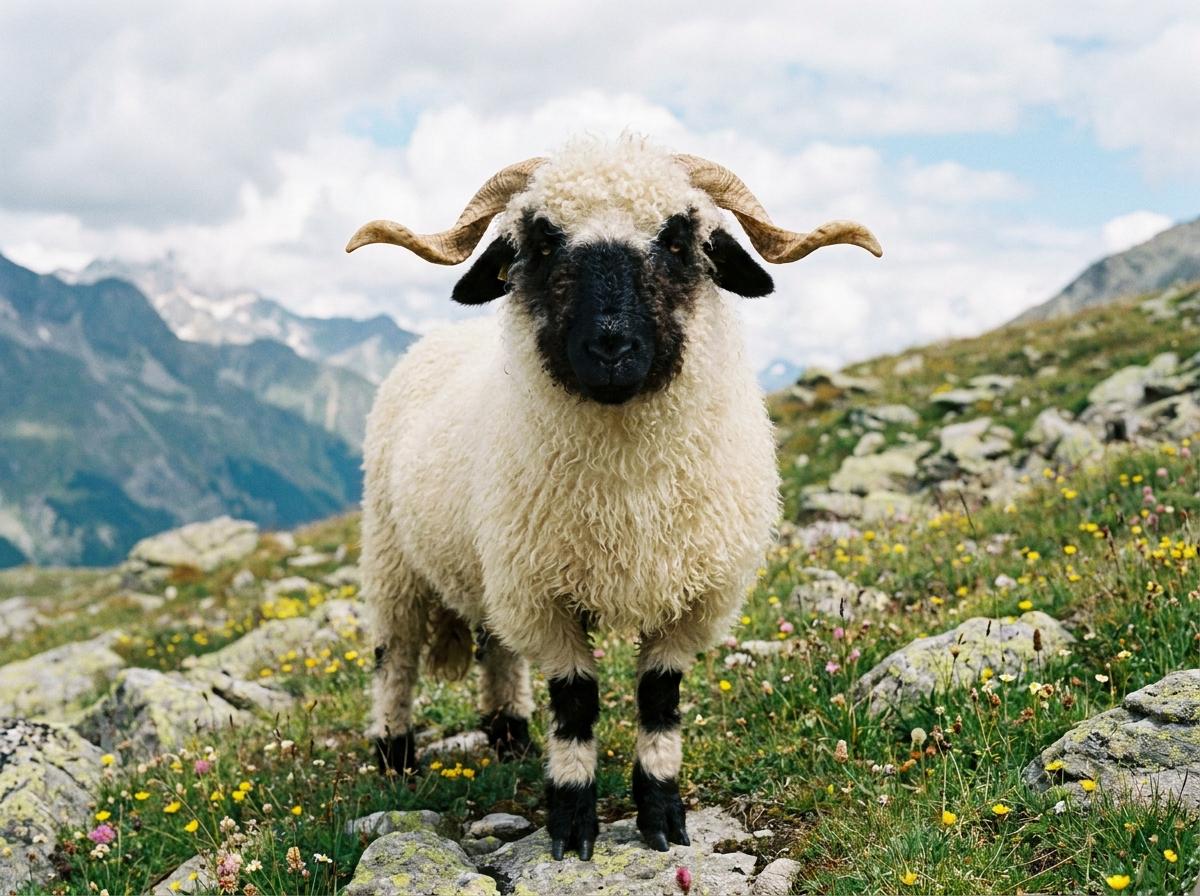
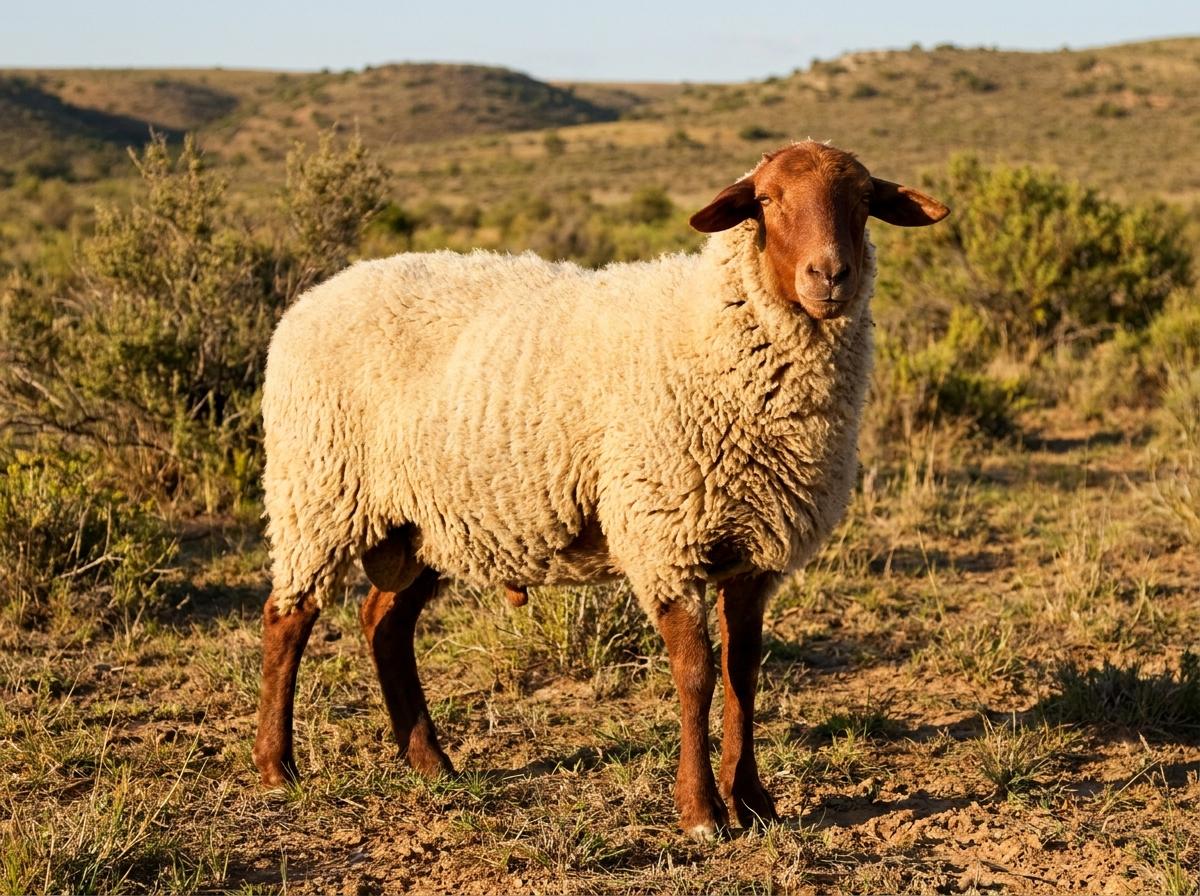
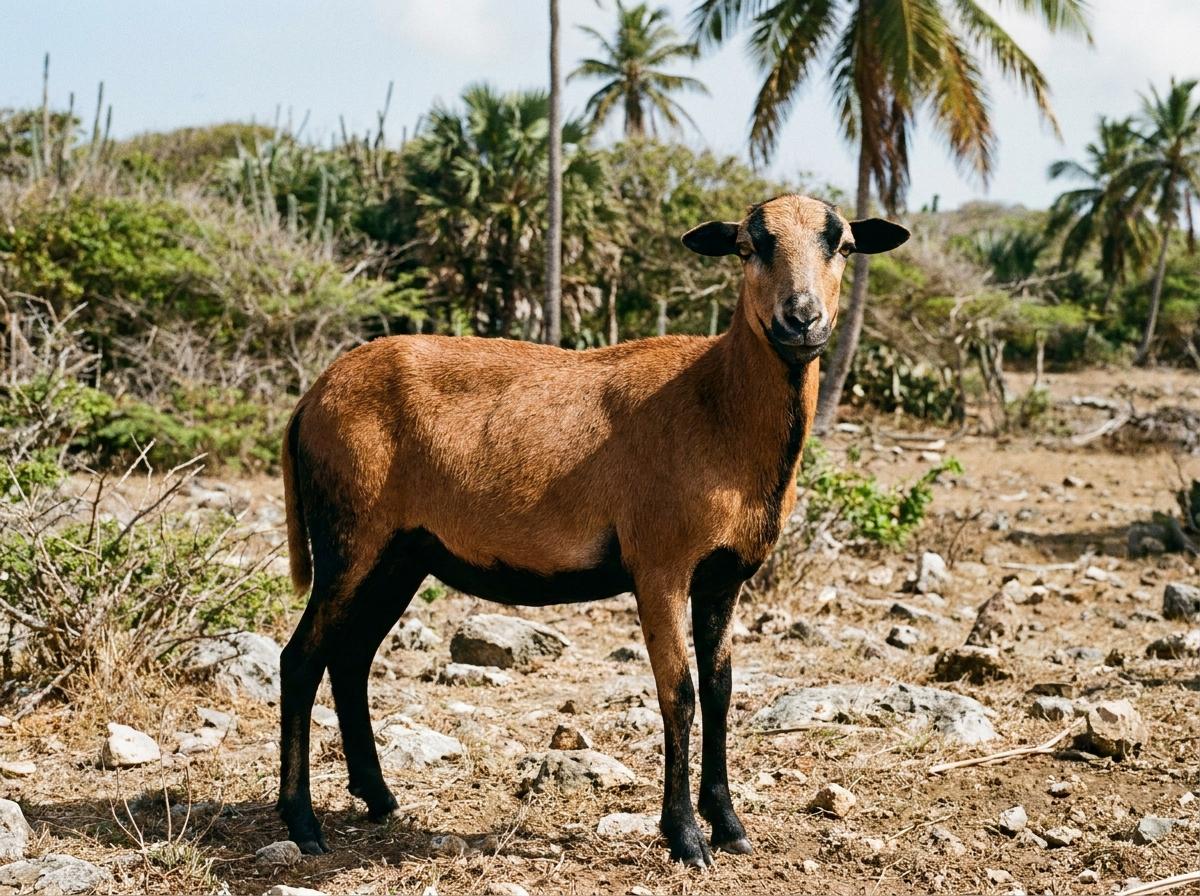
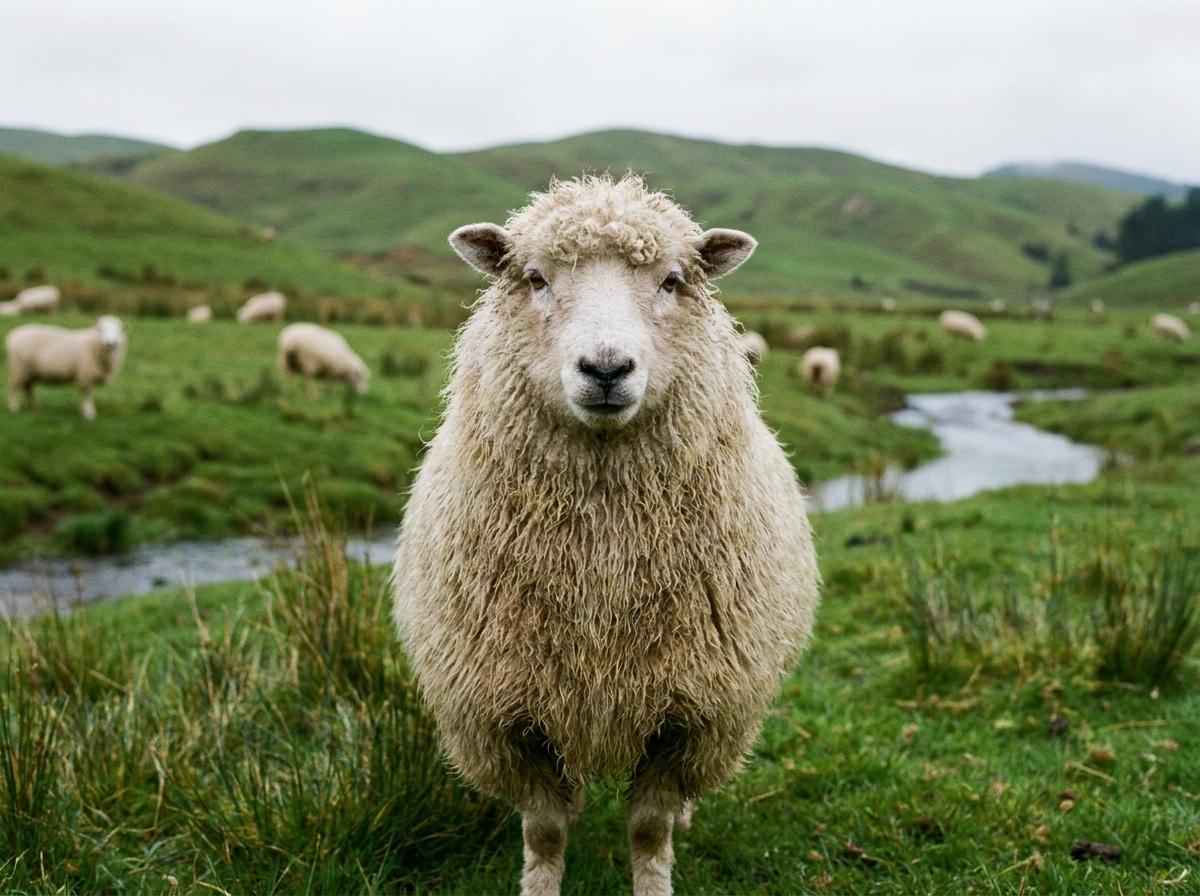
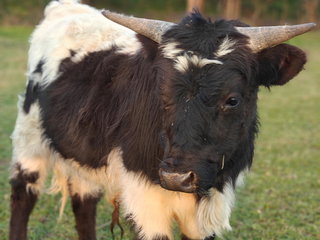
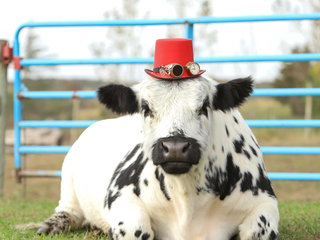
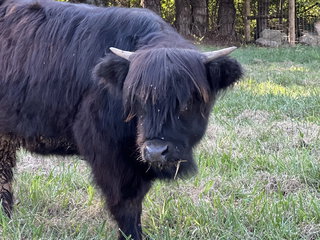
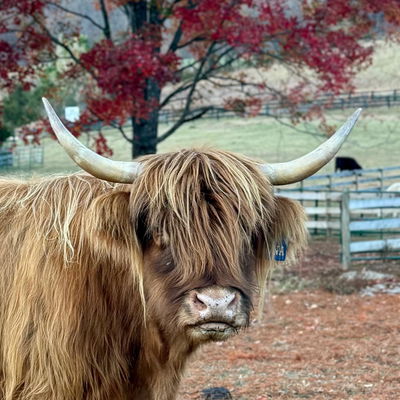
Colors: Badgerface, Black, Blackbelly, Brown, Brown Face and Legs, Gray, Gulmoget, Katmoget, Moorit, Piebald, Red, Silver, Spotted, Tan, White, White with Black Points, White with Brown Points, White Wool