Katahdin
Author: Elliott Garber, DVM · Published
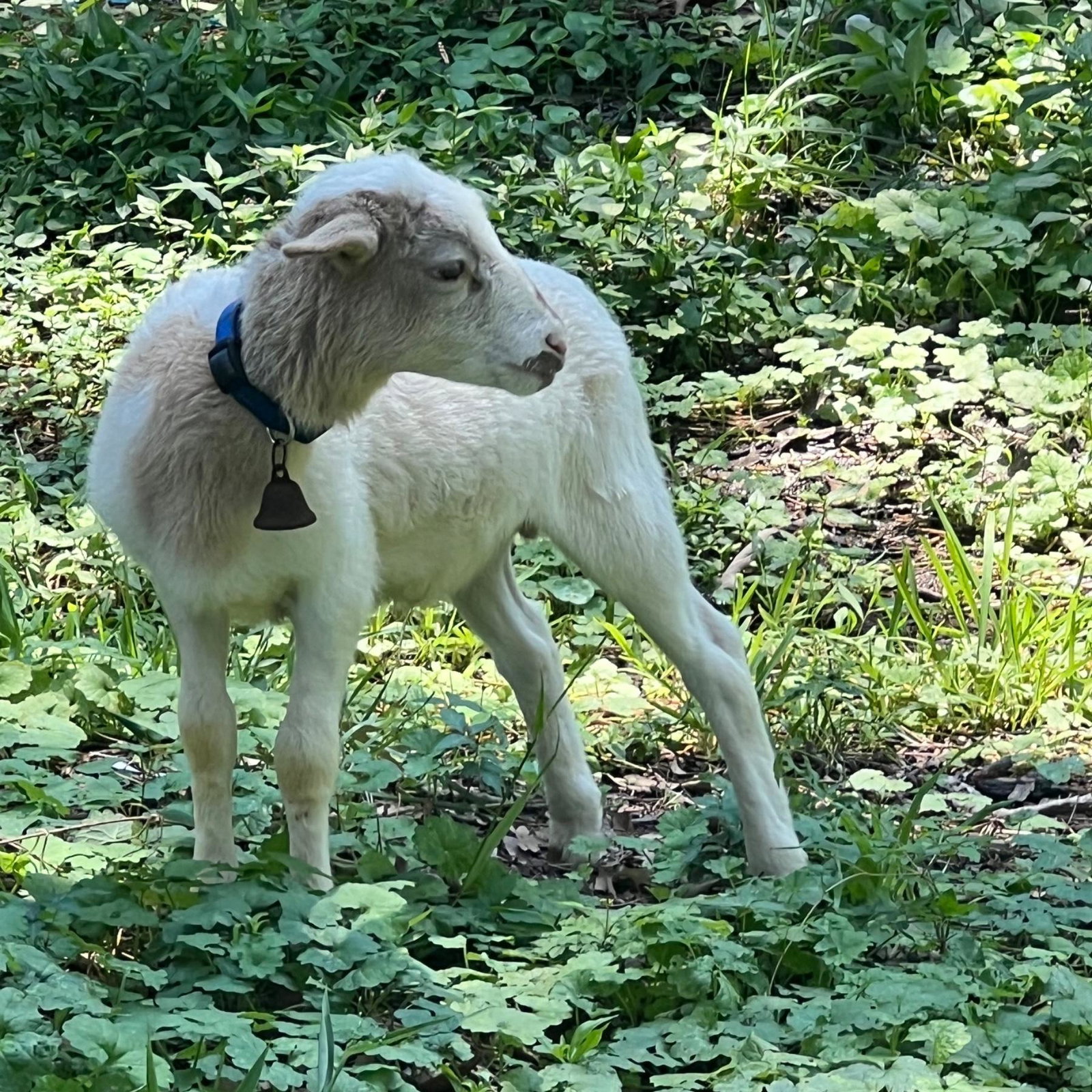
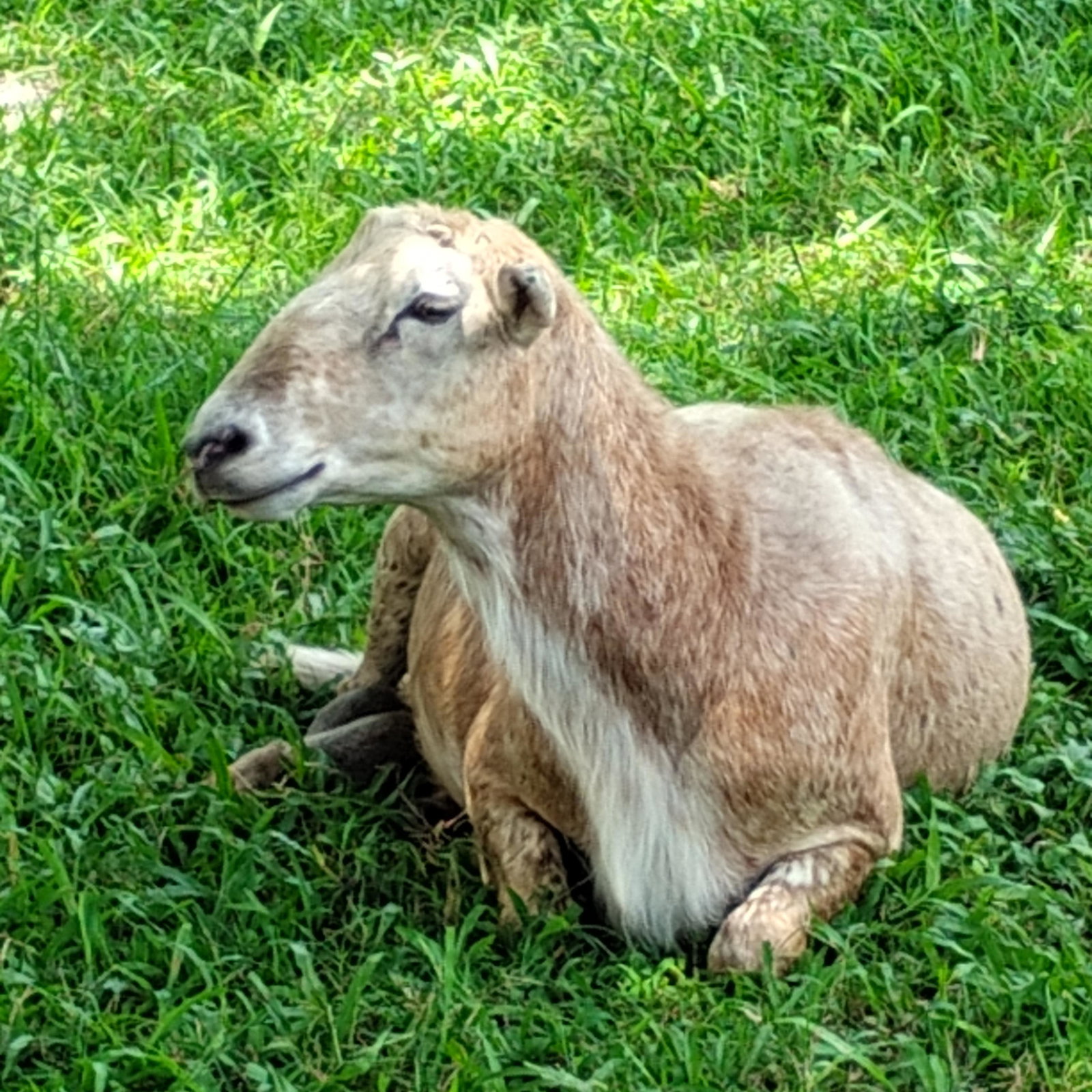
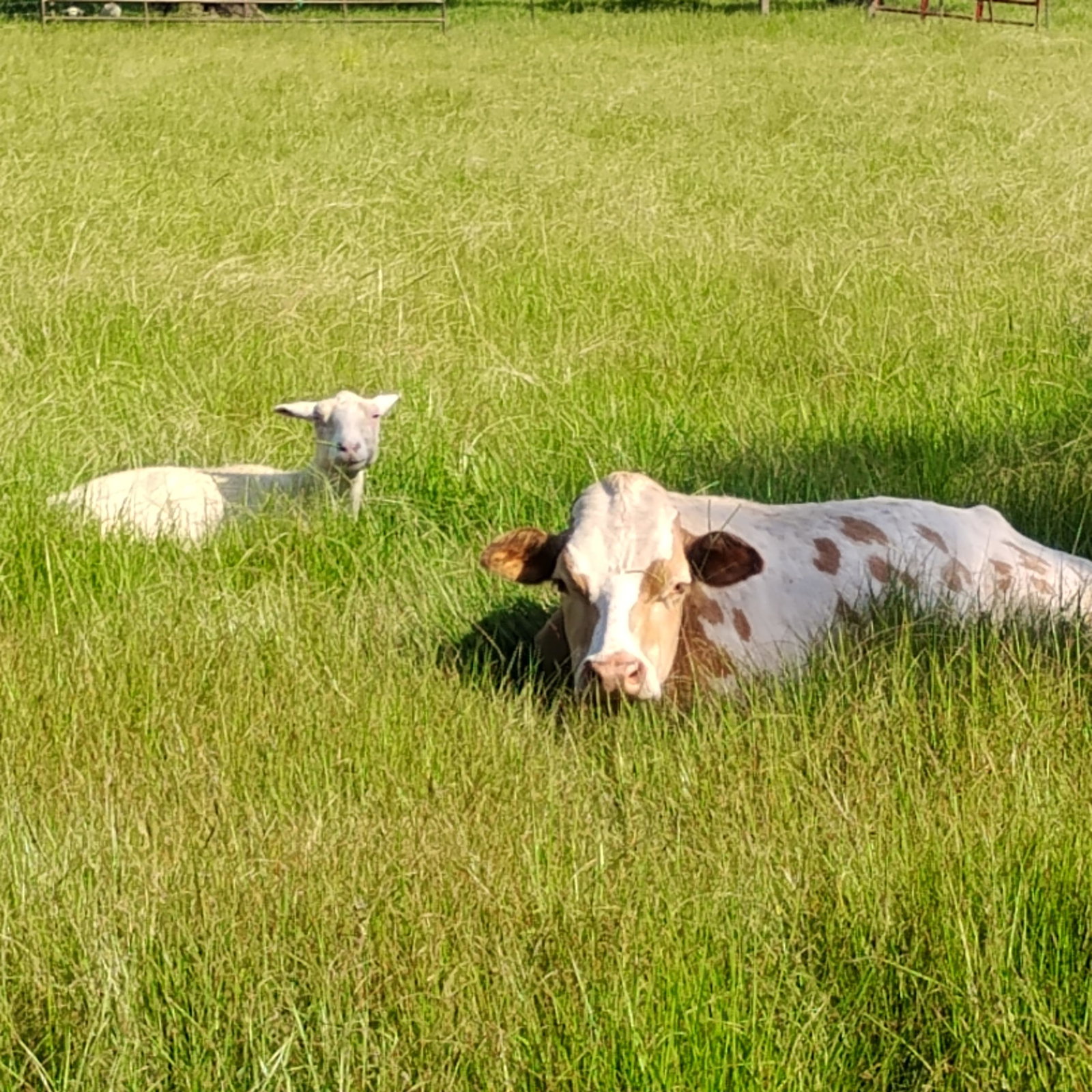
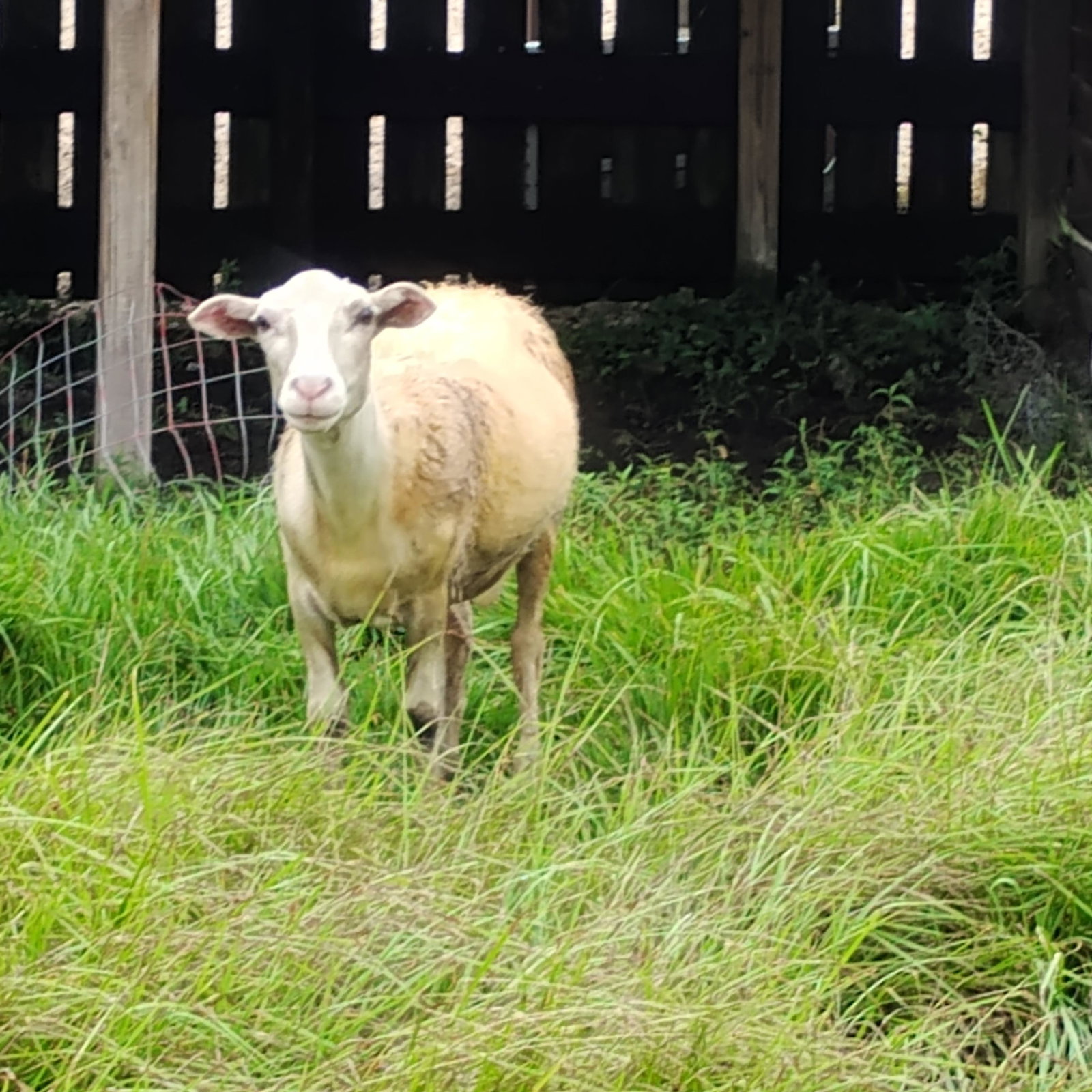
Katahdin sheep are an American hair sheep bred in Maine for meat, not wool. Instead of a fleece that has to be shorn, a Katahdin grows a hair coat, often with a woolly winter undercoat that sheds out on its own in spring. The breed is medium sized, usually polled, comes in any color or pattern, and is known for twins, strong mothering and better parasite resistance than most wool breeds. That last trait is real but relative, and it varies a lot from flock to flock.
If you are choosing a breed, the sheep species guide compares the Katahdin with other meat, wool and hair breeds. If you are pricing stock, the Katahdin auction price guide summarizes hundreds of sold public auction lots, and the breeder directory lists farms tied to the breed (listings compiled from public sources, so confirm each one is still raising Katahdins).
This guide covers where the breed came from, what the Katahdin Hair Sheep International (KHSI) breed standard actually says, how the shedding coat and registry inspections work, what the parasite research shows, and what to check before you buy.

| Type | Hair sheep raised for meat; no shearing needed |
|---|---|
| Origin | Piel Farm, Maine, from a 1957 import of Virgin Islands hair sheep |
| Registry | Katahdin Hair Sheep International (KHSI), incorporated 1985 |
| Mature weight | Ewes about 120 to 160 lb; rams about 180 to 250 lb (Livestock Conservancy) |
| Coat | Hair, often with a winter undercoat that sheds in spring; any color or pattern |
| Horns | Polled preferred; horns and scurs are acceptable |
| Lambing | Consistent twinning in most spring lambing systems, per KHSI |
| Conservation status | Graduated from the Livestock Conservancy priority list in 2013 |
Browse listings, public profiles, breeders, or add your animal.
Where the Katahdin came from
The breed started with one Maine farmer’s frustration with wool. According to KHSI’s breed origin and history page, Michael Piel had raised wool breeds after World War II and wanted a meat sheep that would not need shearing. In November 1957 he imported a small group of young “African Hair Sheep” from St. Croix in the U.S. Virgin Islands, working through a USDA Agricultural Research Service contact on the island. The ram lamb, known as King Tut, was bred that December to a handful of ewes that included Tunis, Southdown, Hampshire and Suffolk ewes as well as the imported hair ewe lambs.
For close to twenty years Piel crossed and recrossed the offspring, selecting for a hair coat, meat conformation, fertility and flocking instinct. In the early 1970s he picked roughly 120 of his best ewes and named them Katahdins, after Mount Katahdin, the highest peak in Maine. In 1975 he imported a few Wiltshire Horn sheep, a British shedding breed, to add size and bone. Piel died in December 1976, and KHSI’s history notes that the Wiltshire Horn influence also brought horns, lower prolificacy and a flightier temperament. Under Barbara Piel and farm manager Charles Brown, the flock was selected against horns in the early 1980s to bring maternal traits back to the front.
Heifer Project International built a sizable Katahdin flock in Arkansas during the 1980s, and Paul and Margaret Jepson of Vermont ran the first satellite flock, later adding St. Croix blood. KHSI was incorporated in 1985 as a breeders’ association and registry, the first inspection for the flock book took place in 1986, and the first members joined in 1987. (The Livestock Conservancy’s Katahdin page gives 1986 as the year KHSI formed; KHSI’s own page says incorporated in 1985.) By the end of 2020, KHSI reported nearly 173,000 animals registered and recorded and about 1,500 paid members.
The Livestock Conservancy once listed the Katahdin as a conservation priority. Registrations grew so quickly that the breed graduated from its priority list in 2013, which the Conservancy now presents as a conservation success story.
What a Katahdin looks like
The KHSI breed standard, printed on the same history and standards page, describes a wool-less, easy care, heavy-muscled, medium-sized meat sheep. A few points matter most when you are looking at an animal in person:
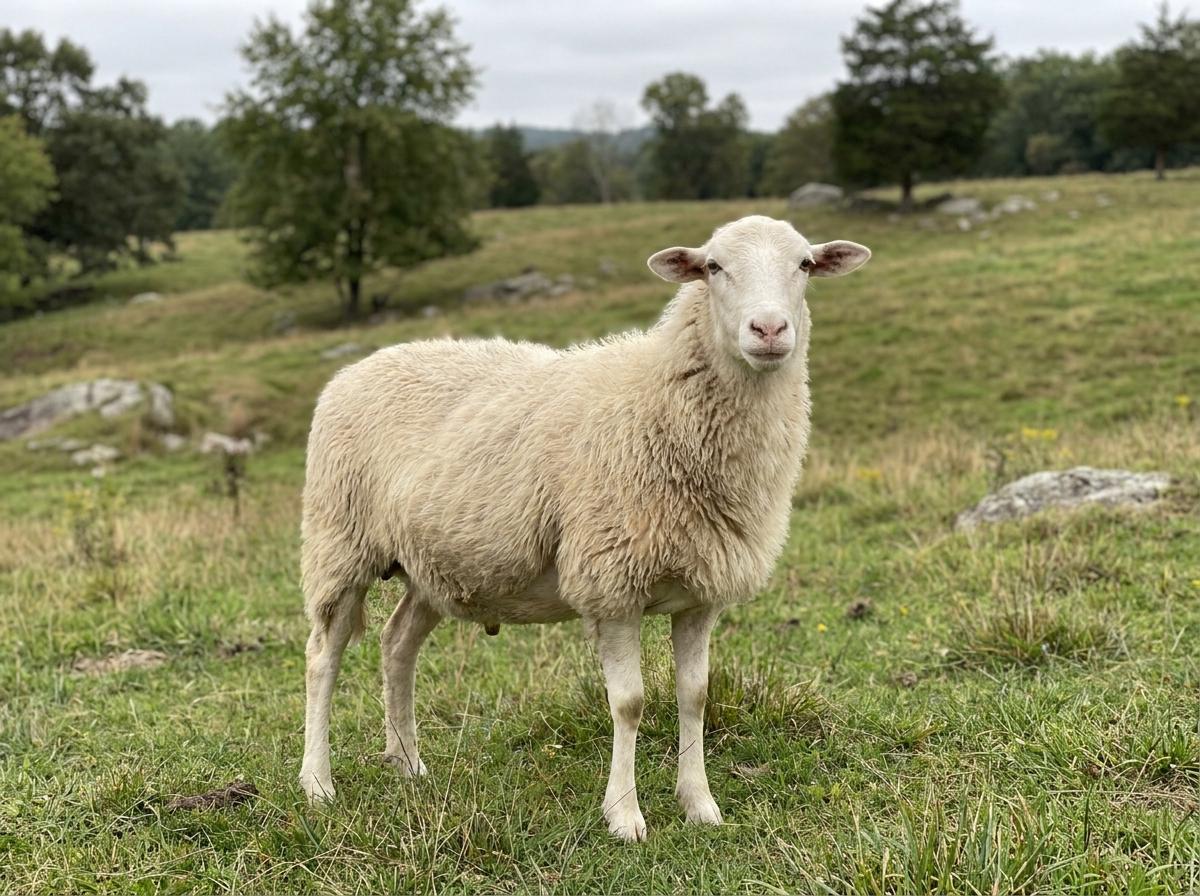
- Coat: hair rather than wool, though hair texture varies. “No discrimination is made as to color on any part of the body.” White, tan, red, brown, black, spotted and patterned Katahdins are all within the standard.
- Head: variety in facial features is expected. Polled is preferred, but horns and scurs are acceptable. Eyes are wide set and the ears are carried horizontally, out to the sides.
- Neck and body: a strong neck of medium length (rams may carry a mane of hair), a strong broad back, a long well-fleshed loin, well-sprung ribs, a wide rounded rump and a large abdomen with room for forage and lambs.
- Legs and feet: medium bone in proportion to size, correctly angled hocks, straight front legs, strong pasterns and sound feet.
- Tail: length varies, and the standard prefers it undocked except in market lambs.
- Udder and testicles: two teats on a balanced, well-attached udder in ewes; two large, balanced testicles in rams.
The standard lists defects to watch for: an overshot or undershot jaw, very light bone, weak shoulders or back, cow-hocked or sickle-hocked legs, weak pasterns or splayed feet, a missing or undescended testicle, very small testicles, and missing or malformed teats.

Size depends on the flock and how the sheep are fed. The Livestock Conservancy gives mature ewes as roughly 120 to 160 pounds and rams as roughly 180 to 250 pounds. KHSI does not print a weight range in its standard, so weigh your own sheep and record the date and age rather than relying on a number from a breed chart. A sheep weight calculator gives a tape-based estimate when you have no scale, and the guide to measuring a sheep for weight explains how to get a usable tape reading.
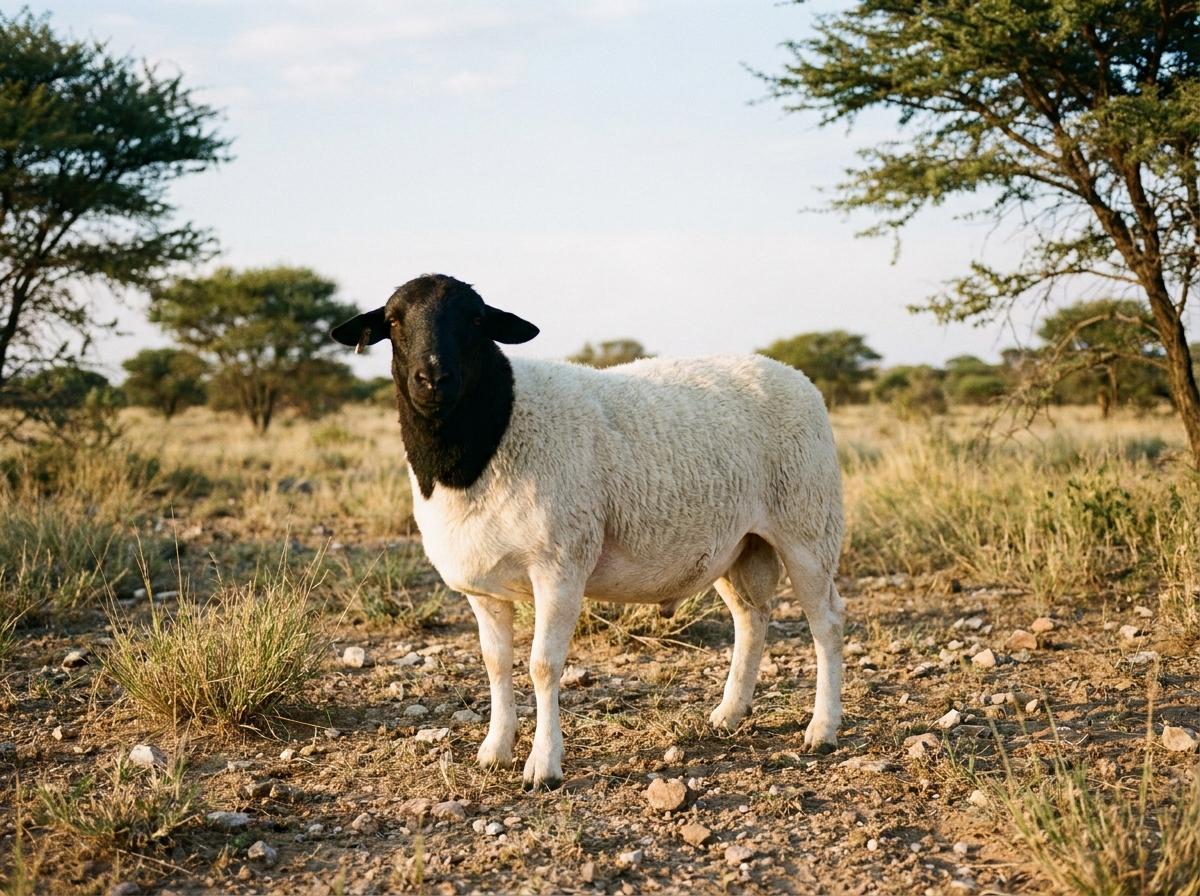
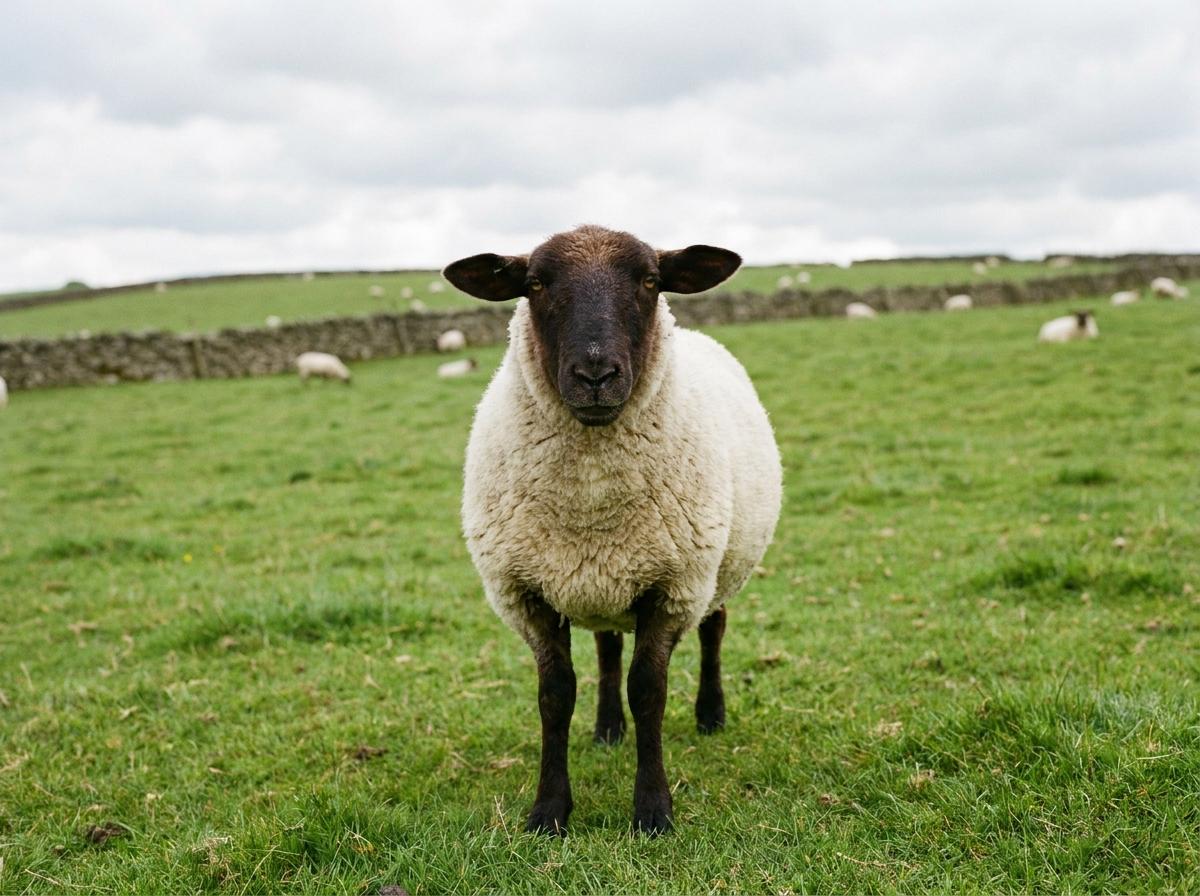
Is a Katahdin only white with a black head?
No. That description fits a Dorper (white body, black head), not a Katahdin. A Katahdin can be any color or pattern, and a flock of registered Katahdins often looks like a mixed bag. The Dorper is a separate breed with its own registry, covered further down.
The hair coat, shedding and inspections
The coat is the breed’s defining trait. KHSI’s Guide to Katahdin Hair Sheep (2020) explains that some Katahdins keep a smooth hair coat all year, while others grow a winter coat that sheds naturally in spring. The guide describes the breed as one that does not require shearing, crutching or tail docking.

In spring a shedding Katahdin can look ragged, with matted patches hanging off the back and shoulders while the neck and legs are already smooth. That is normal. What you are watching for is whether the animal finishes shedding. KHSI’s registry grades coats into three types in its upgrading and inspection FAQ:
- A coat: no unshed woolly fibers.
- B coat: less than one eighth of the body surface has unshed woolly fibers.
- C coat: more than one eighth of the body surface is covered in unshed wool.
Only A and B coats qualify an upgraded animal for registration. Inspections take place between March 1 and September 30, and the sheep must be in a natural state: not brushed, combed, clipped, plucked or sheared before the inspector sees it. A ewe or ram that holds a patch of wool along the back every summer is not doing the one job the breed was built for, so a buyer who chose Katahdins to skip shearing should ask to see the animal, or its parents, in summer.
A clean shedding coat also has practical side effects. The guide notes that Katahdins are being raised in the Rocky Mountain region by producers with less access to shearers, and with no wool there are no wool tags around the tail to clean up. If your flock is part wool breed, the sheep shearing guide covers timing and crutching for those animals.
Parasite resistance: real, relative and selectable
Katahdins are often sold on parasite resistance, and the research supports the claim in a measured way. A 2018 study of Katahdin lambs in the Journal of Animal Science (Ngere and colleagues, 2018) summarizes earlier work this way: the breed has shown greater parasite resistance than wool breeds, but less than Caribbean hair sheep breeds such as the St. Croix. The same paper found heritable variation in fecal egg counts within the breed, which is why selection works.
That within-breed variation is the important part for a buyer. A 2020 genetics study (Becker and colleagues, 2020) chose its sample from the top and bottom ten percent of fecal egg count breeding values among 641 Katahdin sires and ram lambs, and notes that some mature Katahdin ewes have shown resistance similar to St. Croix under natural infection. In other words, some Katahdins are very resistant and some are not. The breed name alone does not tell you which one you are buying.
Katahdin breeders have used the National Sheep Improvement Program (NSIP) to put numbers on this. Estimated breeding values (EBVs) for fecal egg count have been available to participating Katahdin breeders since 2007, according to the Ngere paper, and KHSI’s NSIP page says the Katahdin was the first U.S. sheep breed with genomic enhanced EBVs. If parasite resistance is a priority, ask a seller whether the flock is enrolled in NSIP and look at the ram’s fecal egg count EBV alongside growth and maternal traits. Creatures lets you add a program report such as NSIP EBVs to an animal’s profile, where it is shown as owner-entered evidence rather than a registry verification.
Resistance is not immunity. Barber pole worm (Haemonchus contortus) can still kill Katahdins, especially lambs and ewes around lambing. The KHSI guide points out that many flocks now have dewormers that no longer work and that current advice is to deworm only the sheep that need it. That makes routine monitoring essential:
- FAMACHA eye scoring checks individual sheep for the anemia barber pole worm causes. It is a trained, card-based method; our FAMACHA scoring guide explains how it works and why training matters. Signed-in Creatures keepers can run a free eye-score round, walking the flock and recording each animal’s score from their own card.
- Fecal egg counts tell you which sheep are shedding the most eggs and whether a dewormer is still working on your farm.
- Pasture management reduces exposure in the first place. The sheep deworming guide covers FAMACHA, fecal egg counts and refugia, and your veterinarian should guide any treatment decision.
Breeding, lambing and mothering
The breed was built around the ewe. The KHSI standard describes ewes as easy lambers with strong maternal instincts, good milking ability, early puberty, fertility and lamb survivability, and the KHSI guide says Katahdins consistently twin in most management systems that lamb in the spring. KHSI also describes them as a good choice for producers interested in breeding outside the usual fall season. Treat those as breed tendencies: each flock’s lambing records are the real evidence.

A few planning points from the KHSI guide:
- Ewe lambs: most Katahdin ewe lambs cycle for the first time at around 7 to 10 months. The guide recommends they reach about 90 pounds, or roughly 70 percent of mature weight, before they are bred.
- Lambing site: Katahdin ewes usually do well lambing on pasture, but freezing rain or deep snow raises newborn lamb losses. In severe climates many producers lamb in a barn or time lambing for milder spring weather. Crowded barns or small corrals cause problems with ewes interfering with each other’s lambs.
- Seedstock fit: buying from a breeder whose lambing system resembles yours (pasture versus barn, spring versus fall) makes the sheep’s history more relevant to your farm.
Sheep pregnancy runs about five months. Once rams go in, the sheep gestation calculator turns a breeding date into a lambing window, and the sheep lambing guide covers the signs of labor and when to call your veterinarian. For the ram side (flushing, ram-to-ewe ratios, breeding soundness), see the sheep breeding guide.
Feeding, minerals and everyday care
Katahdins are often described as low input, and they are, compared with wool sheep that need shearing. They still need good forage, clean water at all times and attention at the high demand points: late pregnancy and early lactation, especially for ewes carrying or nursing twins and triplets.
Minerals. The KHSI guide is blunt: sheep are intolerant of added copper, and feed or minerals labeled for goats, cattle or horses can poison them. Use minerals formulated for sheep. The sheep minerals guide explains why copper is the one that can kill.
Shelter. Hair sheep handle heat well, and the Livestock Conservancy notes that Katahdins also tolerate cold once acclimated. The KHSI guide adds that sheep need a little more protection from freezing winter wind than cattle do; a windbreak, trees or a simple two-sided shed is often enough. Plan for shade and water in summer heat as well.
Predators. Sheep are vulnerable to dogs, coyotes and other predators. The KHSI guide recommends a combination of good fencing, night corrals and guardian animals such as guardian dogs, female donkeys, or female or neutered llamas. If you are considering a dog, our Akbash dog guide covers one of the traditional livestock guardian breeds, and the sheep fencing guide compares electric netting with woven wire.
Feet and routine handling. Hair coats do not change hoof care. Check feet regularly and trim when needed; the sheep hoof trimming guide covers technique and foot rot prevention. Vaccination programs vary by region, so set yours up with your veterinarian.
New arrivals. KHSI’s guide says most economically important diseases are purchased and recommends isolating new sheep, with 30 days suggested for lambs joining a farm that already has sheep or goats. Keep a record of where each animal came from and its health history.
Registered, recorded or commercial Katahdins
Not every “Katahdin” for sale is registered, and the difference matters if you plan to sell breeding stock.
KHSI keeps an open flock book, explained in its upgrading FAQ. Percentage animals can be recorded, and a flock can be graded up by breeding to registered Katahdin rams. Offspring are recorded at one half, three quarters and seven eighths. A seven-eighths animal becomes eligible for full registration after a hair coat inspection by a certified inspector, with an A or B coat. Inspection usually happens as a yearling, or later, since many fall-born lambs need a second summer to shed out. Fully registered Katahdins receive a white Certificate of Registration; recorded animals receive a blue Certificate of Recordation.
The FAQ is direct about sheep without papers: a sheep that “looks” purebred but has no registration or recordation papers, and no recorded parents, is treated as another breed for registry purposes. It can still be a useful commercial ewe or a foundation for an upgrading program, but it cannot be inspected straight into the registry.
Registered and recorded Katahdins must carry permanent identification (a readable tattoo or ear tag) that matches the numeric portion of the animal ID on the certificate. KHSI’s guide also reminds owners that scrapie program identification applies when sheep leave the farm. Those rules come from USDA APHIS and your state, so check the APHIS scrapie program page and your state veterinarian for current requirements.
For commercial producers who want hair ewes in volume, KHSI runs a KatPlus commercial ewe program that connects buyers with flocks producing ewes sired by registered Katahdin rams.
What Katahdin sheep cost
Prices depend on whether you are buying commercial ewe lambs, registered breeding ewes or a performance-tested ram, so compare like with like and use dated, specific sale evidence.
- Public auction results. The Creatures Katahdin auction price guide (October 2026 release, computed October 19 from public auction sales through September 23, 2026; checked October 29) shows a median of $850 across 542 qualified sold records from 47 auctions, with the middle half of sales between $650 and $1,300. Females had an $800 median and males a $911 median. These are historical public auction prices, not a quote for a particular animal.
- A breed association sale. At the 2026 KHSI Expo Sale in Cookeville, Tennessee (held August 1, 2026), 118 head averaged $1,163.35, with 79 ewes averaging $1,087.66 and 12 yearling rams averaging $1,795.83. The sale terms say all animals are registered except pens of KatPlus commercial ewes, and many consignments came with NSIP data, so these prices sit above the auction-guide median.
Commercial and unregistered Katahdins and Katahdin crosses usually sell for less than registered seedstock, but there is no single reliable public average for them. Ask for the sale date, sex, age, registration status and any EBVs before comparing offers. Our guide to how much a sheep costs puts these numbers alongside wool and other hair breeds, and the livestock value calculator gives a free market-based estimate.
A buying checklist
Visit in late spring or summer if you can, when shedding problems show. Then work through this list with the seller:
- Coat: has the animal (and its dam and sire, for lambs) shed out completely? For upgrading or registered stock, ask for the coat type from the inspection.
- Papers: registered (white certificate), recorded (blue certificate, with percentage) or commercial? Match the tag or tattoo to the certificate.
- Parasite history: how often was this animal dewormed last season, and why? Ask for FAMACHA scores, fecal egg counts and, for rams, the fecal egg count EBV if the flock is in NSIP.
- Lambing records: for ewes, ask for age at first lambing, birth type (single, twin, triplet), assistance needed and lambs weaned.
- Structure: check the bite against the dental pad, legs and pasterns, feet, two functional teats on ewes and two well-developed testicles on rams, against the defects in the KHSI standard.
- Management match: how is the flock fed, housed and lambed? A sheep raised on pasture with little grain may perform differently on your farm than one raised in a barn on high-energy feed, and the reverse is also true.
- Health and movement paperwork: ask what the seller tests for, and confirm the identification and health certificate requirements for moving sheep to your state.
Our guide to where to buy sheep goes deeper on choosing a seller and the disease tests to ask about.
Katahdins and other hair breeds
The Katahdin shares the U.S. hair sheep market with several breeds that are easy to mix up:
- Dorper and White Dorper: meat breeds from South Africa; the Dorper has the distinctive black head and white body.
- St. Croix: a Caribbean hair breed akin to the sheep Piel imported. Research ranks it above the Katahdin for parasite resistance; Piel crossed sheep like these with wool breeds specifically to add meat conformation and growth.
- Royal White: a newer American white hair breed with its own registry; a polled white Katahdin can resemble one, so check the papers.
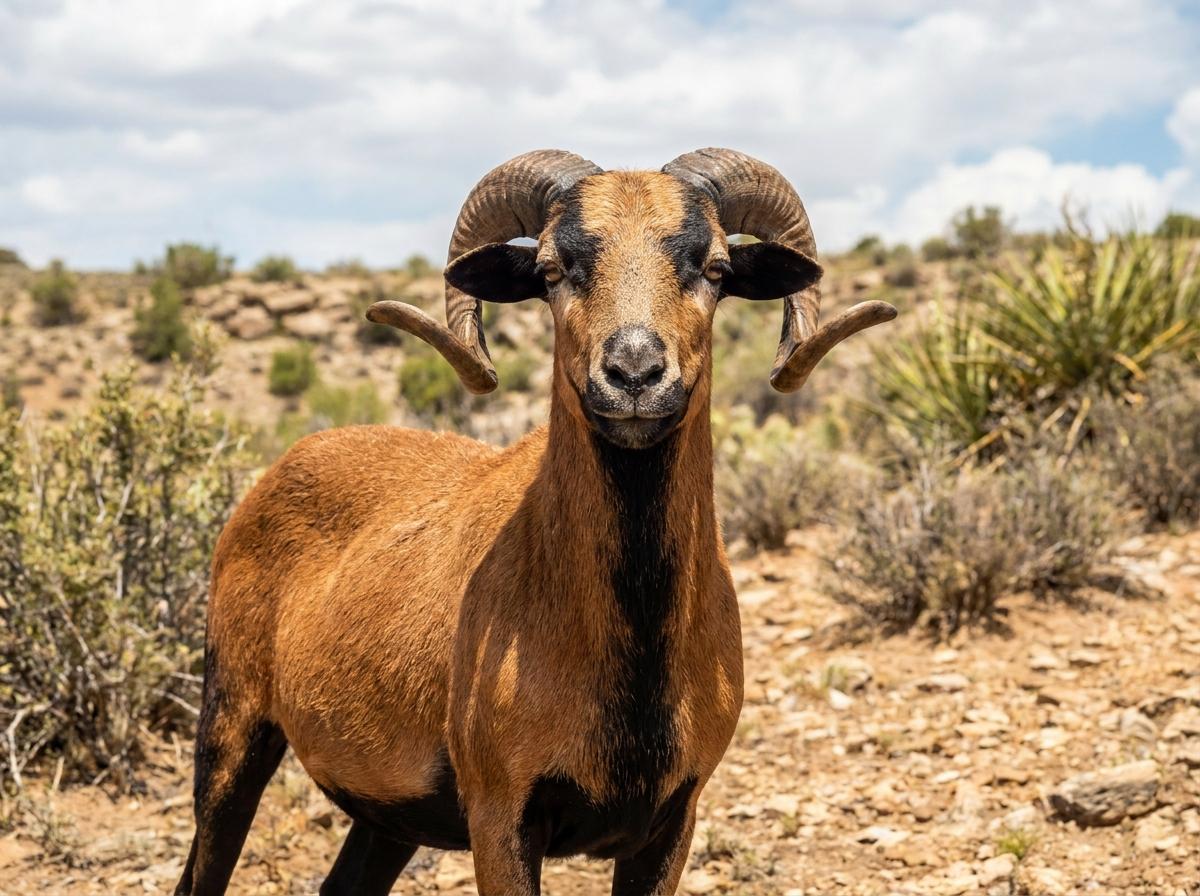
- Barbados Blackbelly and American Blackbelly: tan to brown hair sheep with black bellies and facial bars; American Blackbelly rams are familiar for their horns.
Katahdin crosses are common, and a shedding crossbred can be a good commercial sheep. Just describe it accurately when you sell its lambs.
Katahdin sheep questions
Do Katahdin sheep need shearing?
No. A Katahdin grows hair, often with a winter undercoat that sheds naturally in spring. KHSI’s guide says the breed does not require shearing, crutching or tail docking. A sheep that keeps unshed wool over more than an eighth of its body would be classed as a C coat and could not be upgraded to registration.
Are Katahdins resistant to worms?
They are more resistant than most wool breeds on average, but less resistant than Caribbean hair breeds like the St. Croix, and individuals vary widely. Monitor with FAMACHA and fecal egg counts, deworm only the sheep that need it with your veterinarian’s guidance, and choose rams with good fecal egg count EBVs if resistance matters to you.
How big do Katahdin sheep get?
The Livestock Conservancy gives mature ewes as about 120 to 160 pounds and rams as about 180 to 250 pounds. Feeding, age and bloodlines all move those numbers.
Do Katahdins have horns?
Most are polled, and polled is preferred in the breed standard, but horns and scurs are acceptable. KHSI stopped recording poll type at inspection in 2020 because it had no effect on whether a sheep could be registered.
What colors do Katahdin sheep come in?
Any color or pattern. White, tan, red, brown, black and spotted sheep can all be registered Katahdins.
Are Katahdins good for beginners?
They are a common choice for new shepherds because they skip shearing and usually lamb easily. They still need sheep-safe minerals, predator protection, parasite monitoring and a veterinarian you can call, so plan for those before the sheep arrive.
Do this next on Creatures
Katahdin supply comes and goes, so the most useful first step for a buyer is an alert. Keepers will get the most out of a profile for each sheep and a record of every breeding and lambing.
- Get alerted when one is listed. Set a free Katahdin listing alert and Creatures emails you when a Katahdin is posted. No account needed to start. See saving searches and using your watchlist.
- Find breeders. Search Katahdin farms in the Creatures breeder directory. Listings are compiled from public sources, so contact the farm to confirm it is still raising the breed.
- Browse listings. Check Katahdin sheep on the marketplace; nothing is listed today, which is why the alert comes first.
- Add your Katahdin. Create a free profile for each sheep with its tag, registration or recordation number, birth type and photos. No account needed to start. See adding an animal to Creatures.
- Log a record. Add a record for a weight, FAMACHA score, deworming or hoof trim. The form opens for visitors; a free account saves it. See adding a record and recording a breeding, and use group records when you work the whole flock at once.
- List your flock. Create a farm or breeder profile so buyers can find your Katahdins. No account needed to start. See getting listed in the breeder directory and creating an organization.
For flock-wide paperwork, the sheep flock record book guide shows what to track for IDs, lambing, health and group work, and the sheep name generator helps when the lambs need names.