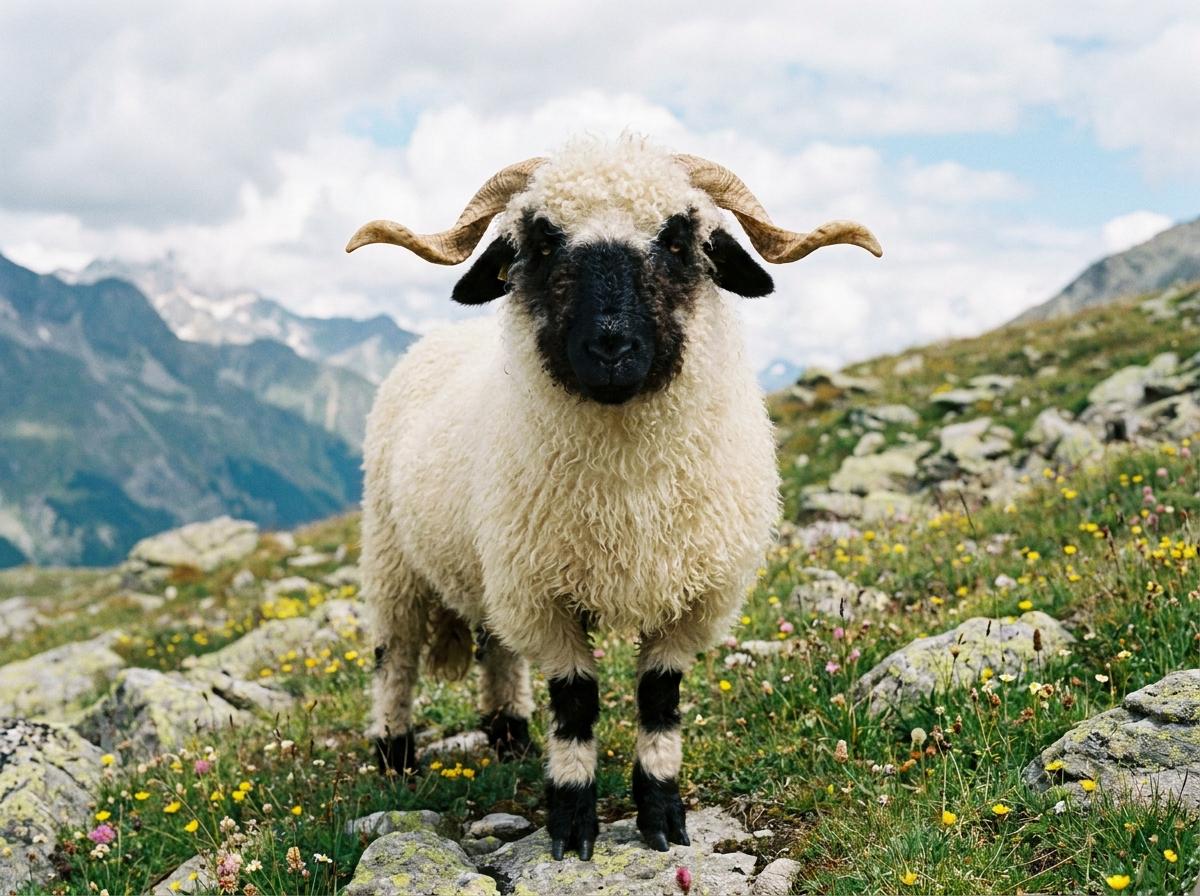
Valais Blacknose
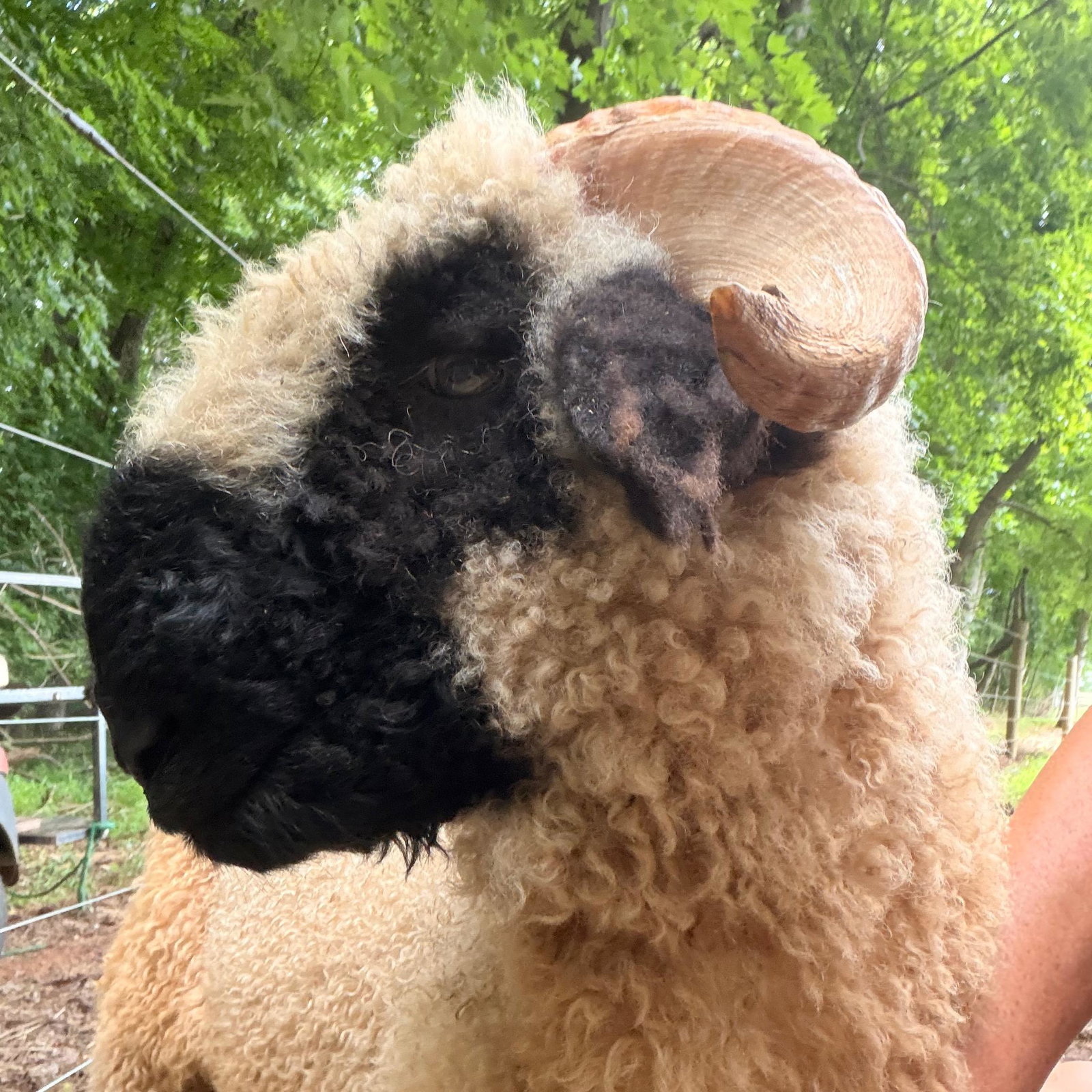
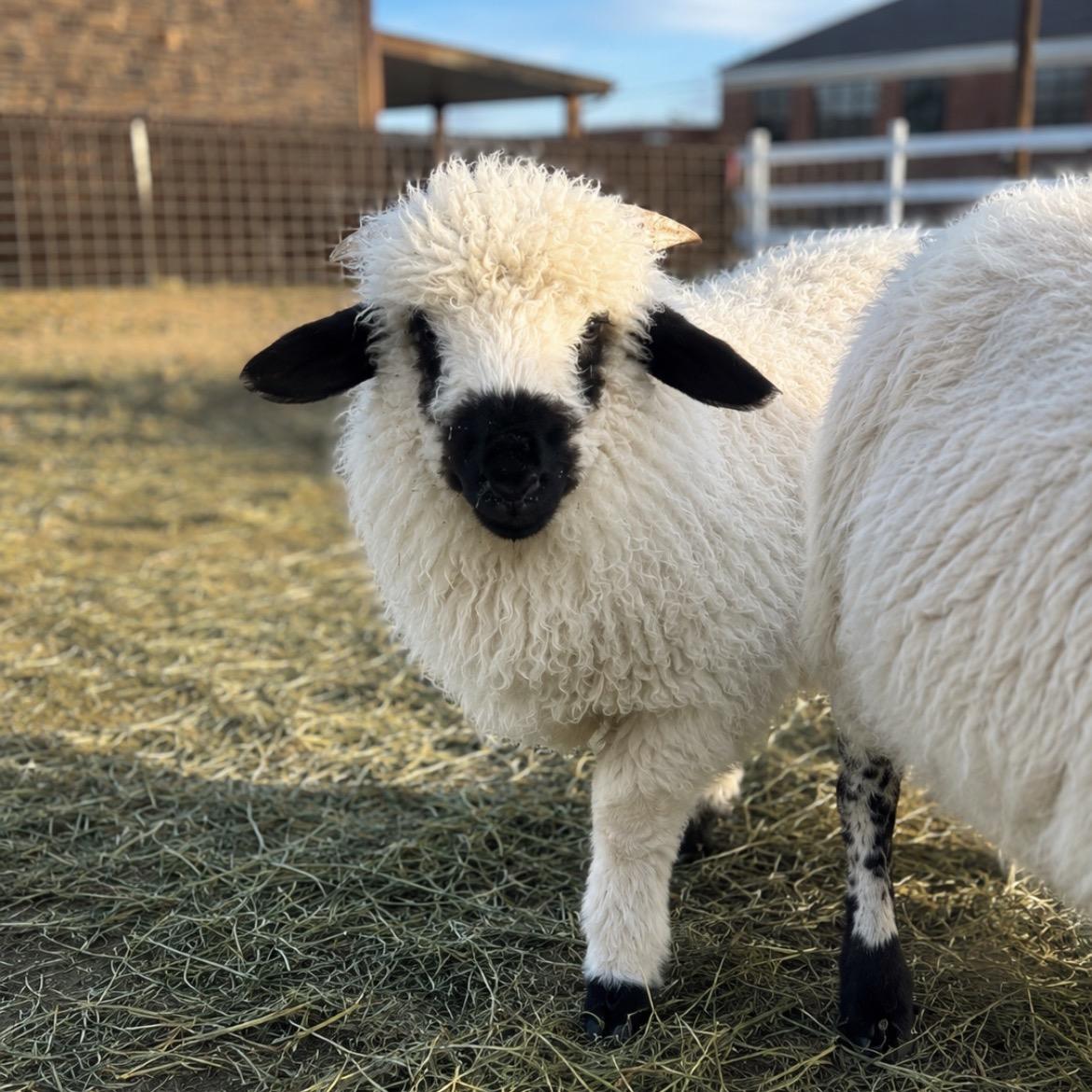
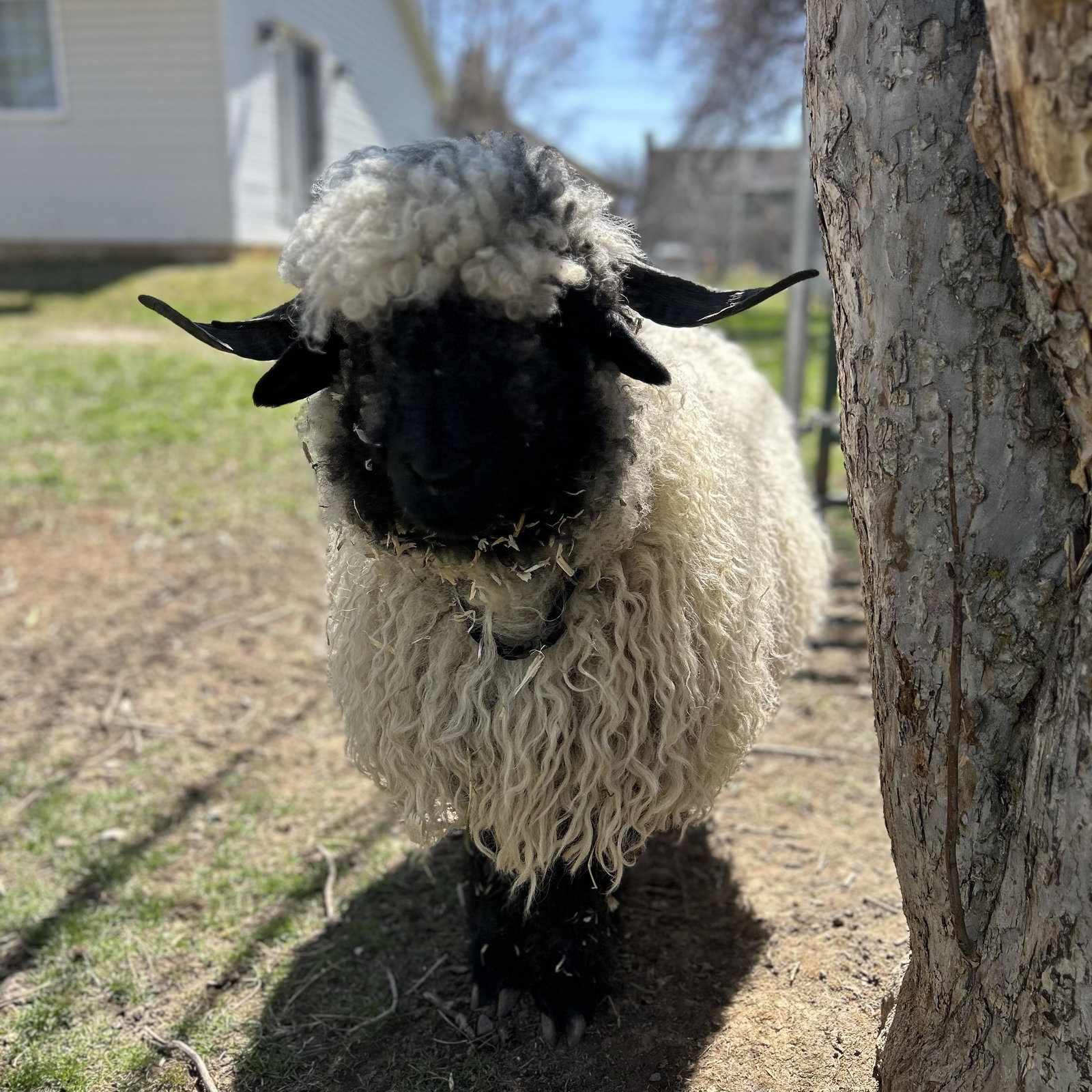
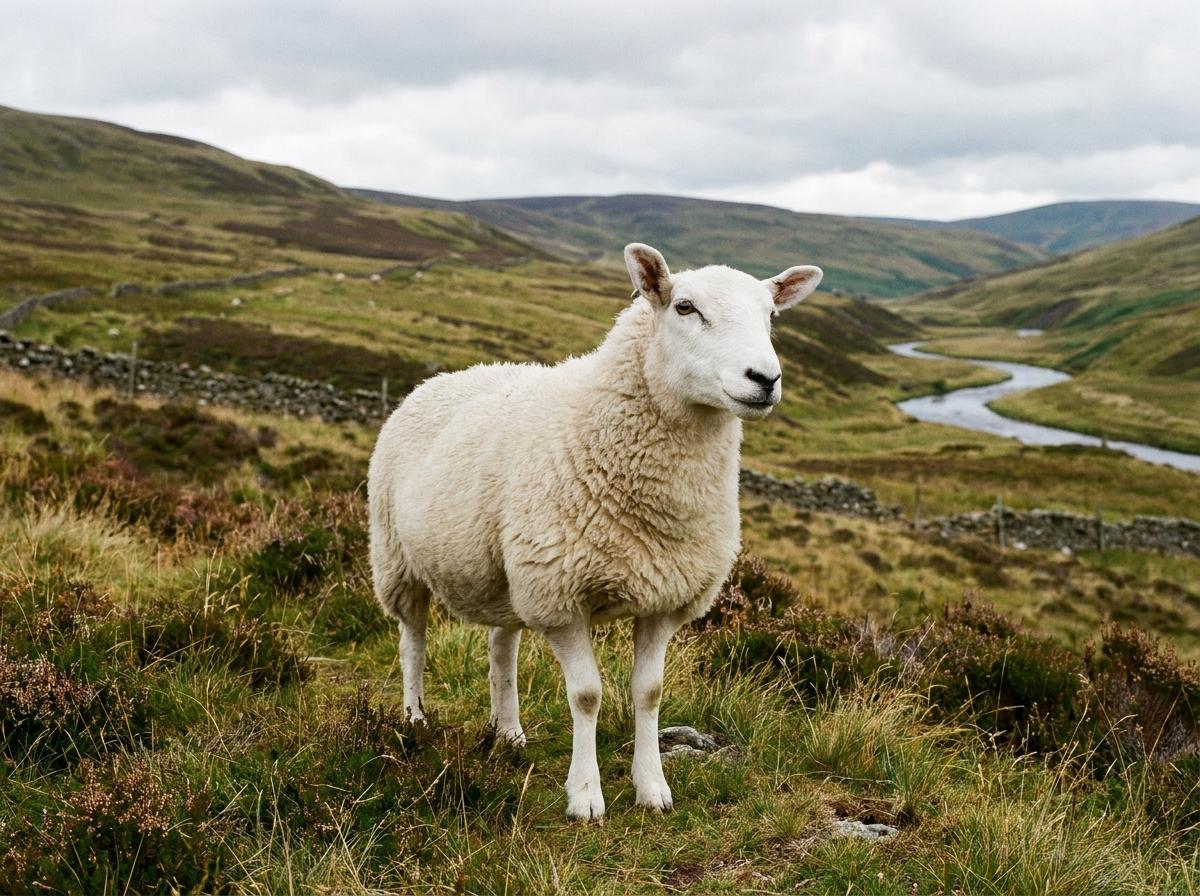
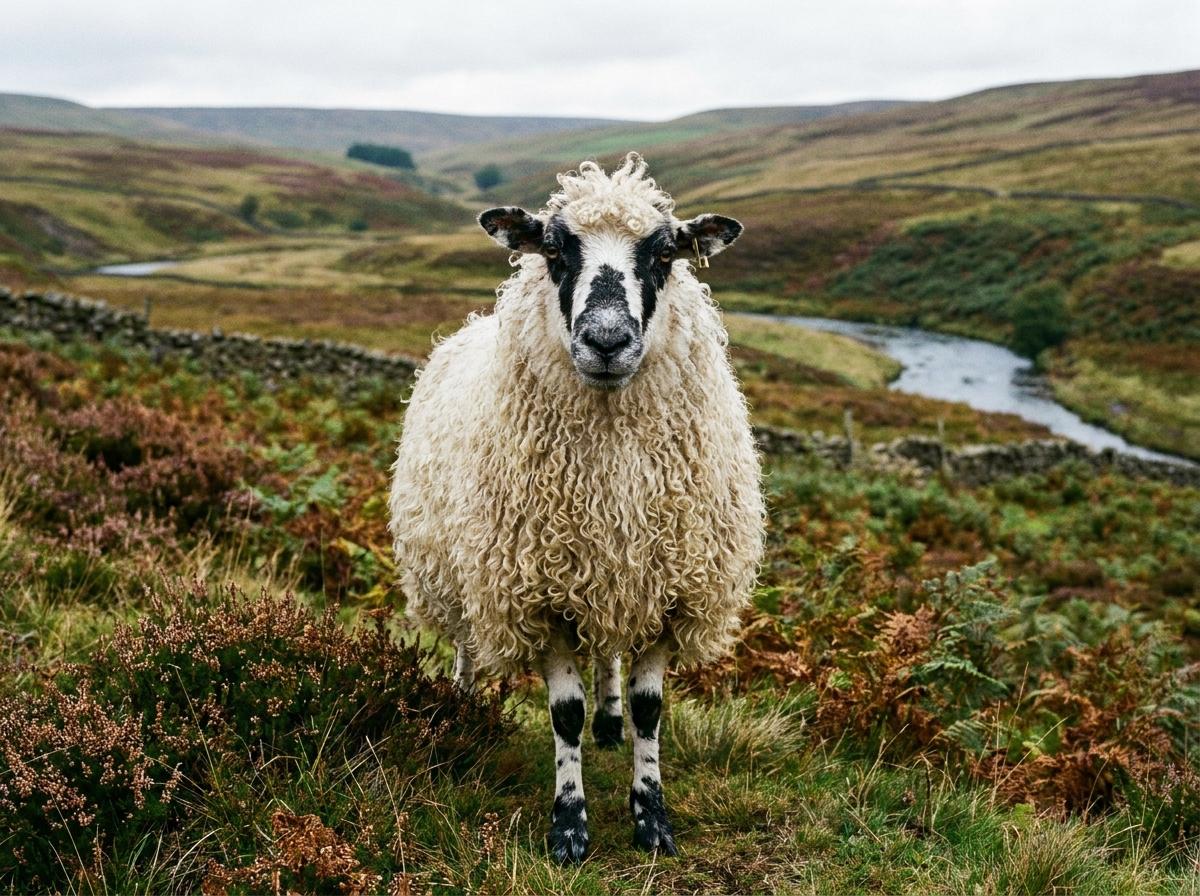
The Valais Blacknose is a Swiss sheep with long white wool and dark markings on its nose, ears and legs. Its appearance makes it memorable, but long fleece and a registered pedigree both require real management. Start with the sheep breed index, then consider whether shearing, feet, flock companionship and secure grazing fit your holding.

| Origin | Valais region of Switzerland |
|---|---|
| Appearance | Long white fleece with dark nose, ears and leg markings |
| Pedigree | Check the relevant society flock book |
| Care | Shearing, feet, nutrition and flock company |
| Buyer focus | Identity, health and management records |
Browse listings, public profiles, breeders, or add your animal.
What the markings can and cannot tell you
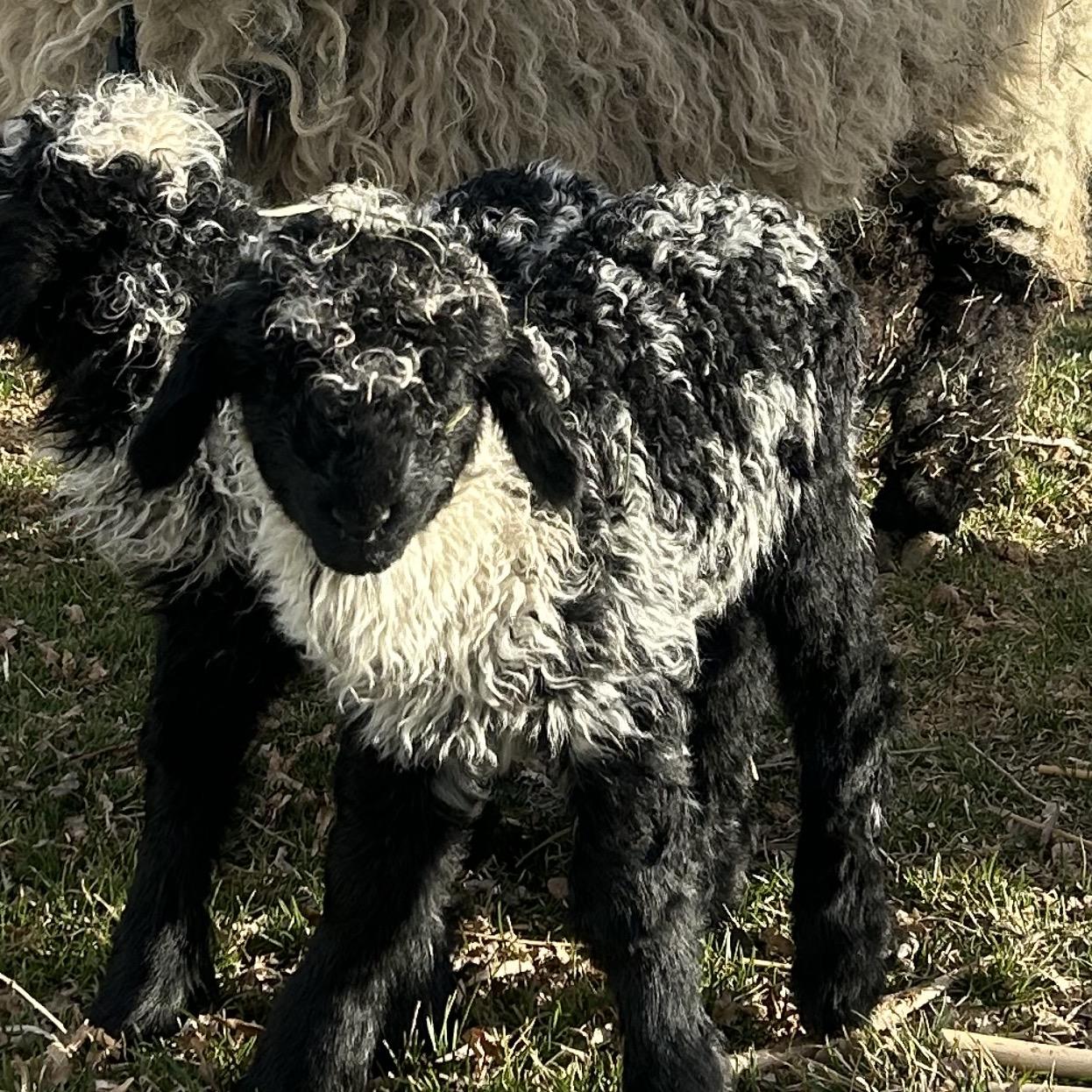
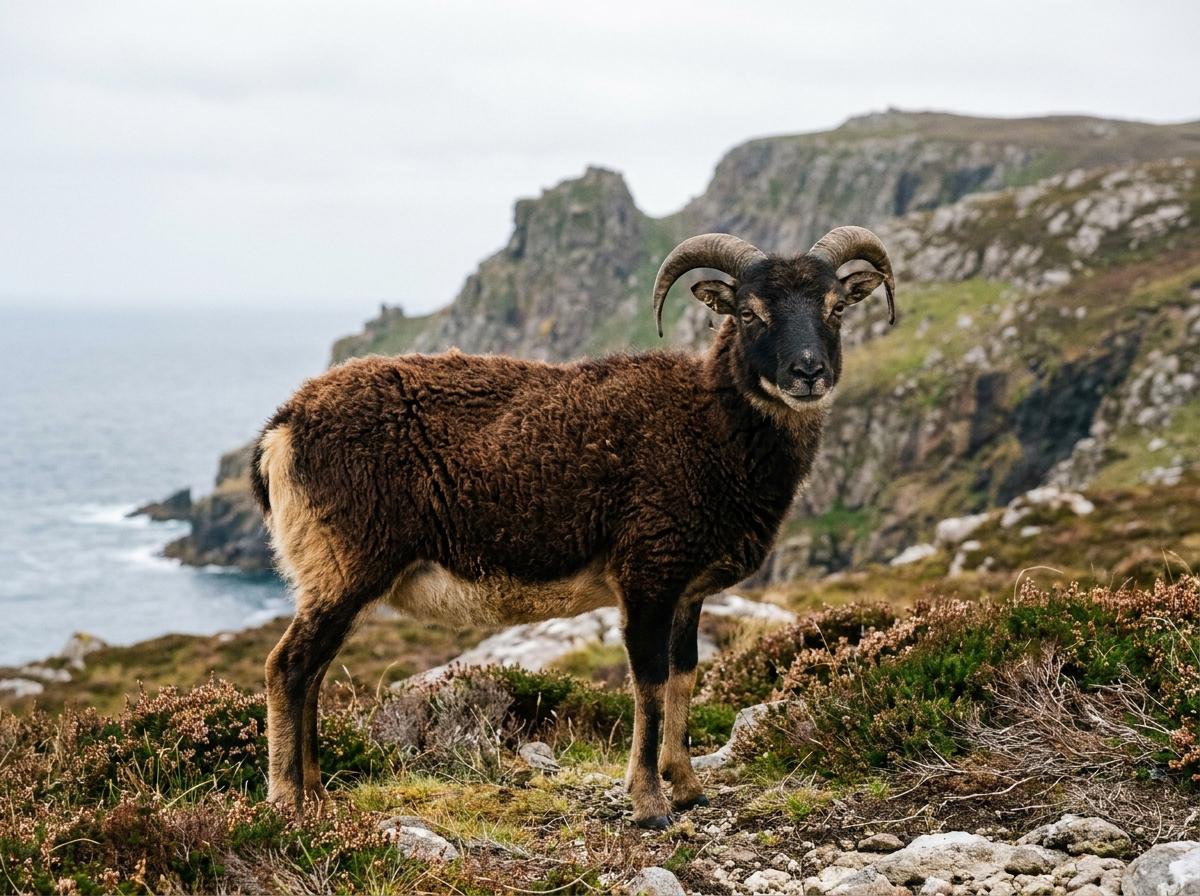
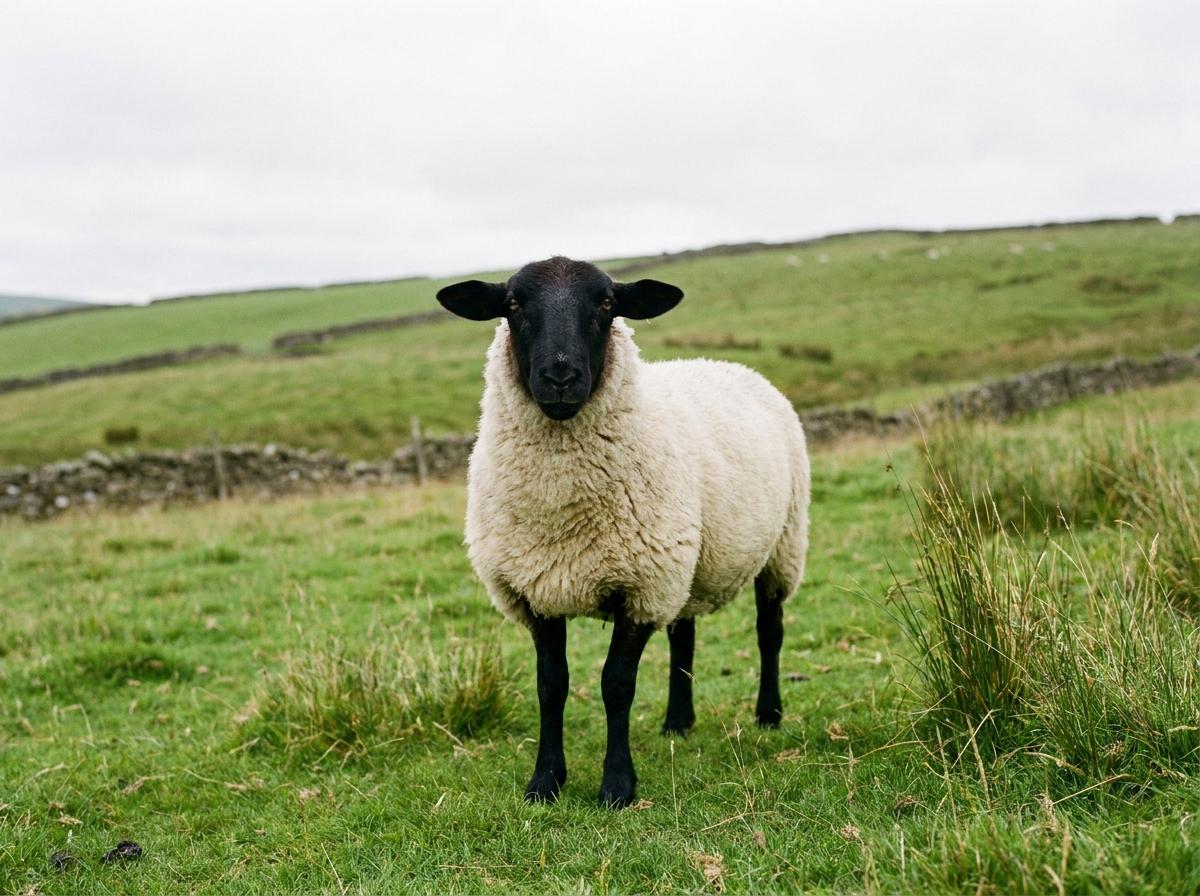
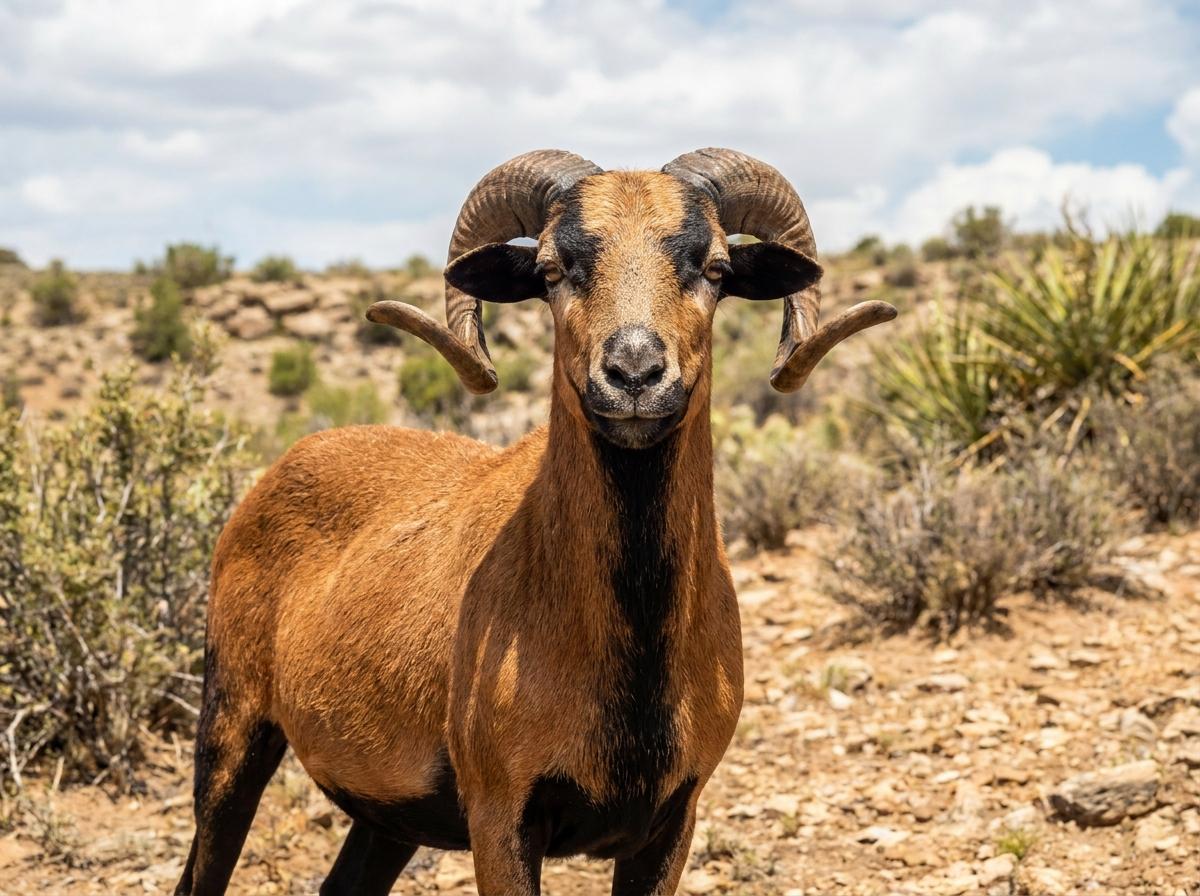
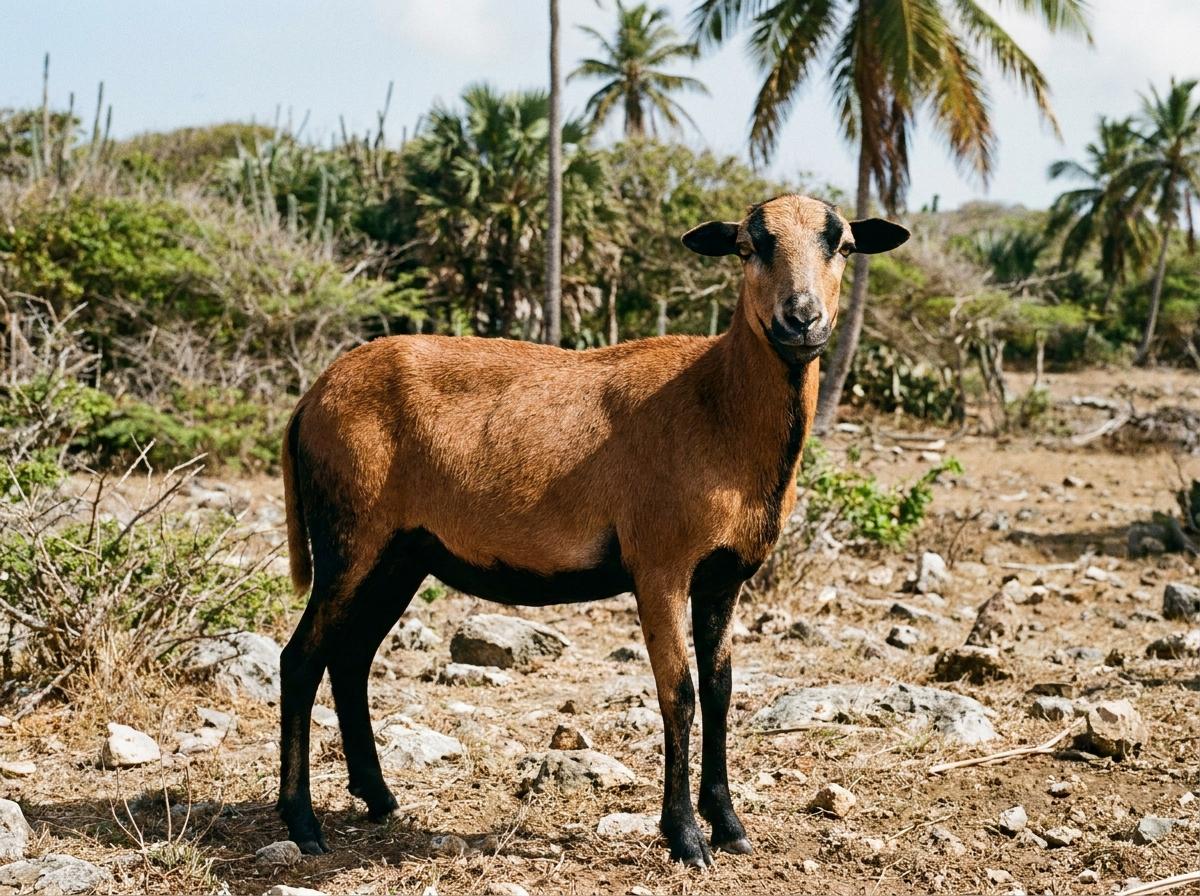
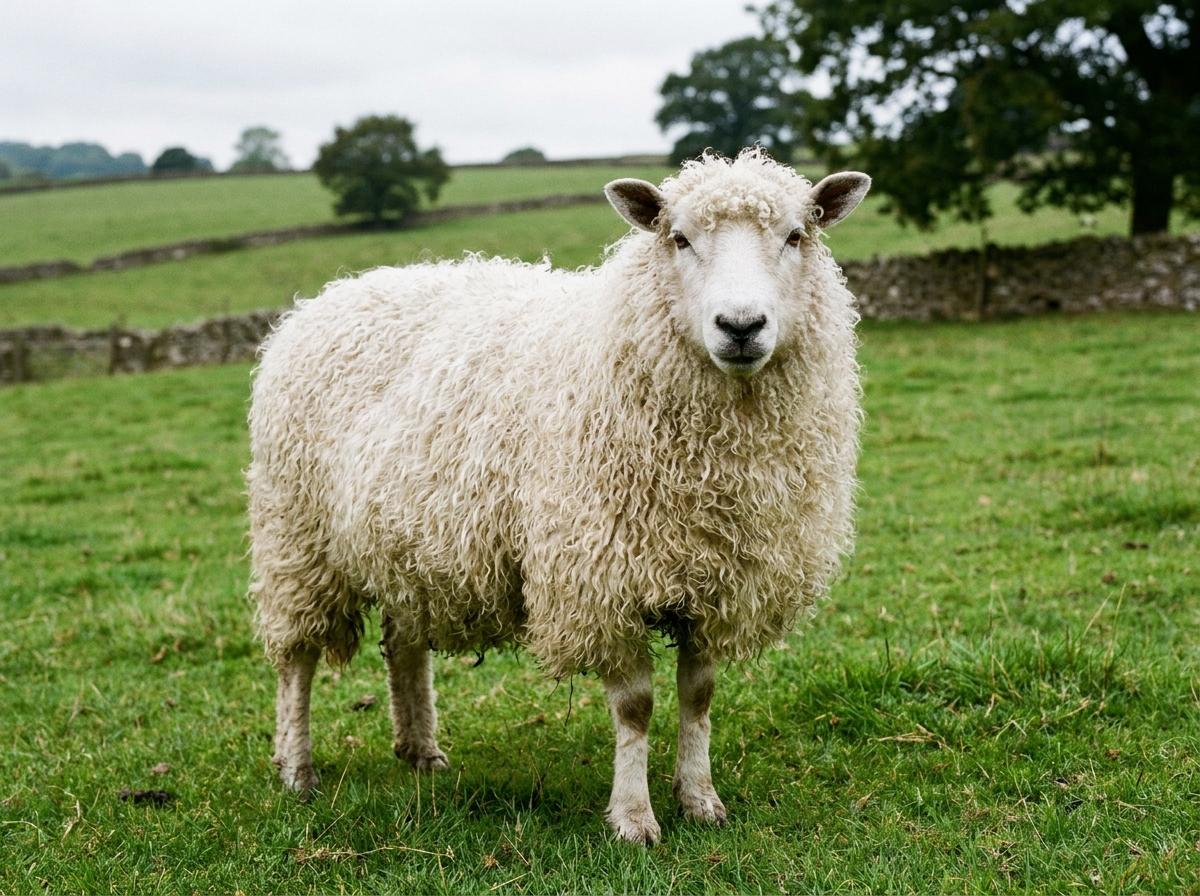
The UK’s Valais Blacknose Society publishes the breed standard and maintains a flock book. Its standard describes dark facial and leg markings, black ears and black hooves; those are visible clues, while the society record and permanent animal ID establish documented lineage. A fluffy black-faced lamb is not automatically registered Valais Blacknose. Compare the clean-faced Suffolk and much smaller Ouessant before assuming similar looks imply similar care.
Ask which national society issued the pedigree and whether the certificate transfers with the animal. A seller should be able to connect the ear tag or other permanent ID to the document.

Long wool changes the workload
The Valais Blacknose Society advises shearing twice a year because the fleece grows quickly. Plan both appointments with a competent shearer and inspect for dags, flystrike risk and skin problems between them. Keep feet in good order and provide dry shelter in bad weather. The sheep shearing guide covers timing, while the flystrike guide explains why an affected sheep needs prompt care. Never delay welfare care for a show or photograph.
Sheep are social. Keep compatible flock company, suitable forage, secure fencing and water. Ask what feed and mineral program the animal currently receives. The sheep feeding guide explains why sheep and goats need different mineral choices.
Buy the animal, not the photograph

Meet the sheep standing and moving. Check breathing, eyes, mouth, feet and body condition beneath the wool. Obtain shearing dates, breeding and treatment records in writing. The sheep buying guide gives a broader health checklist; the sheep cost guide helps budget for fencing and routine care.
Keep the animal’s ID, pedigree and care history on its Creatures profile. For breeding plans, the free sheep gestation calculator gives a date window, while individual records show what actually happened.
For a larger flock, the sheep flock record book guide helps keep identification, shearing and treatment dates together.
What US percentage papers mean
US Valais Blacknose breeding often starts with imported fullblood semen and a non-Valais foundation ewe, then breeds up over generations. The American Valais Blacknose Sheep Registry (AVBSR) distinguishes American Percentage, American Purebred and Fullblood records. Under its rules, an American Purebred ewe has at least 93.75% Valais ancestry and a ram at least 96.875%, both below 100%; a Fullblood claim follows a different ancestry path. Other US registries, including the Valais Blacknose Sheep Association of North America, use their own approval and naming rules. A percentage alone does not establish which registry approved an animal or whether its certificate transfers.
Ask the seller for the issuing registry, the animal’s permanent ID, recorded percentage, pedigree, any DNA parentage evidence and transfer paperwork. Check those against the live animal. Obtain shearing and treatment dates too. The US breed-up context matters especially when a listing calls a sheep “purebred” without naming the registry or showing the generation and certificate behind that word.
Frequently asked questions
Does a black nose prove a pedigree?
No. Request the society record and match it to the animal ID.
Are these low-maintenance sheep?
No. Long fleece, feet, parasites and ordinary flock needs all require time.
Can I keep one by itself?
Plan for compatible sheep company. A solitary animal is a poor welfare choice.
Do this next on Creatures
Choose the action that fits your stage, whether you are comparing animals, keeping one or building a breeding program.
Watch supply. Set a free listing alert; supply may be thin. See saved searches.
Compare sources. Browse current listings and the breeder directory. Ask for an individual animal’s history.
Start a profile. Add your animal and follow the profile guide.
Keep records. Add a record for identity, health, breeding or measurements. The sheet opens for visitors; a free account saves it. See adding a record and health records.
Make your operation findable. Create an organization profile and read the directory guide.
Keep learning. Explore the sheep breed index and care reminders.