Border Leicester
Author: Elliott Garber, DVM · Published
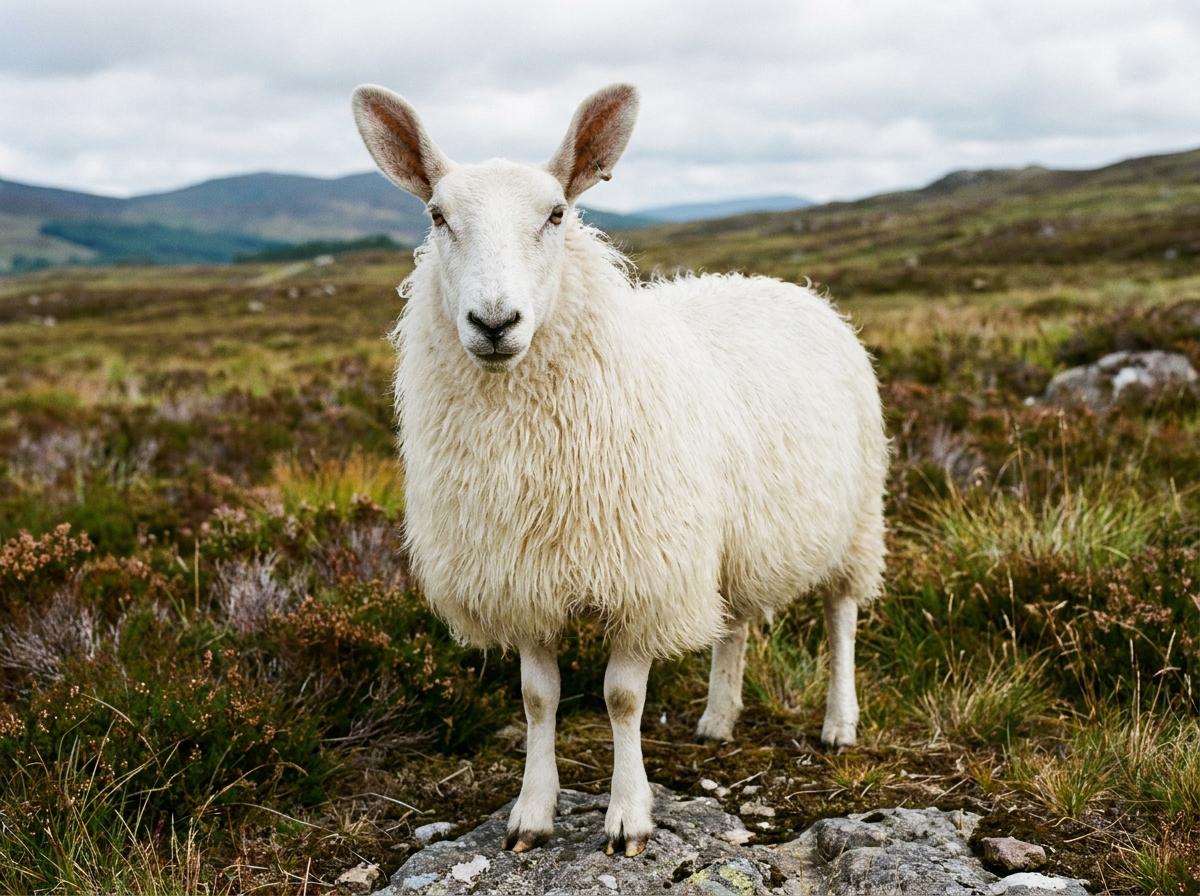
Border Leicester sheep combine a distinctive upright-eared profile with long, lustrous wool. They interest both fleece keepers and breeders, but those buyers need different evidence: a beautiful animal may not produce the fleece or breeding results you have in mind.
Once you can measure the sheep, the free sheep weight calculator estimates weight from heart girth and body length. Compress the fleece when measuring; wool makes these measurements less straightforward. Confirm on a scale when accuracy matters, including for veterinary dosing.
Set a Border Leicester search alert for new matching listings. Current supply may be empty; use the alert while you prepare your care plan and the records to request from a seller.

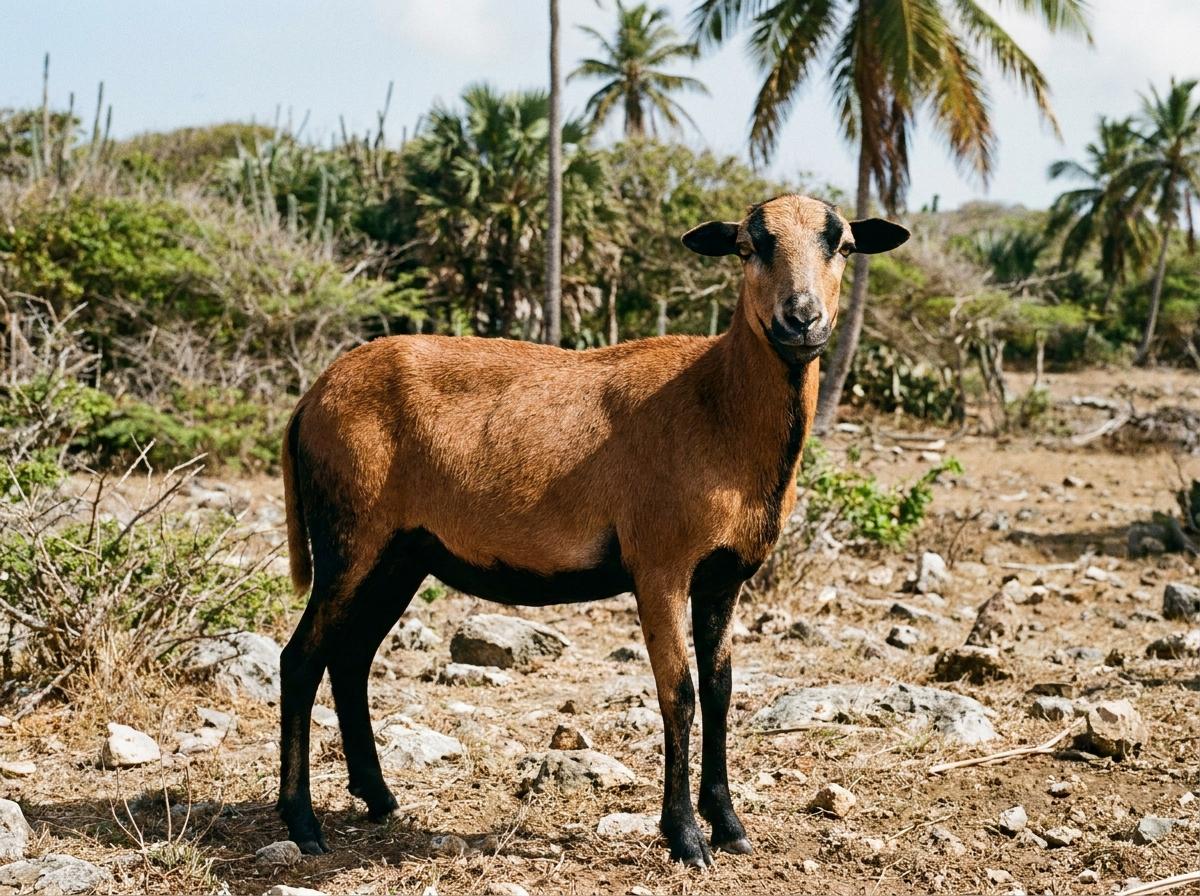
AI-generated illustration.
| Origin | British longwool; founded in 1767 |
|---|---|
| Features | Erect ears, Roman nose, both sexes polled |
| ABLA ewe range | 150 to 225 pounds |
| ABLA ram range | 175 to 300 pounds |
| Fleece reference | 5 to 10 inch staple; about 30 to 38.5 microns |
| Colors | White and Natural Colored categories |
Browse listings, public profiles, breeders, or add your animal.
British longwool history and breed identity
The Border Leicester was founded in 1767 by George and Matthew Culley using improved Leicester stock. The American Border Leicester Association’s history notes uncertainty about the other early influences; Teeswater and Cheviot ancestry have both been proposed. It is better to retain that uncertainty than tell a tidier history than the association can support.
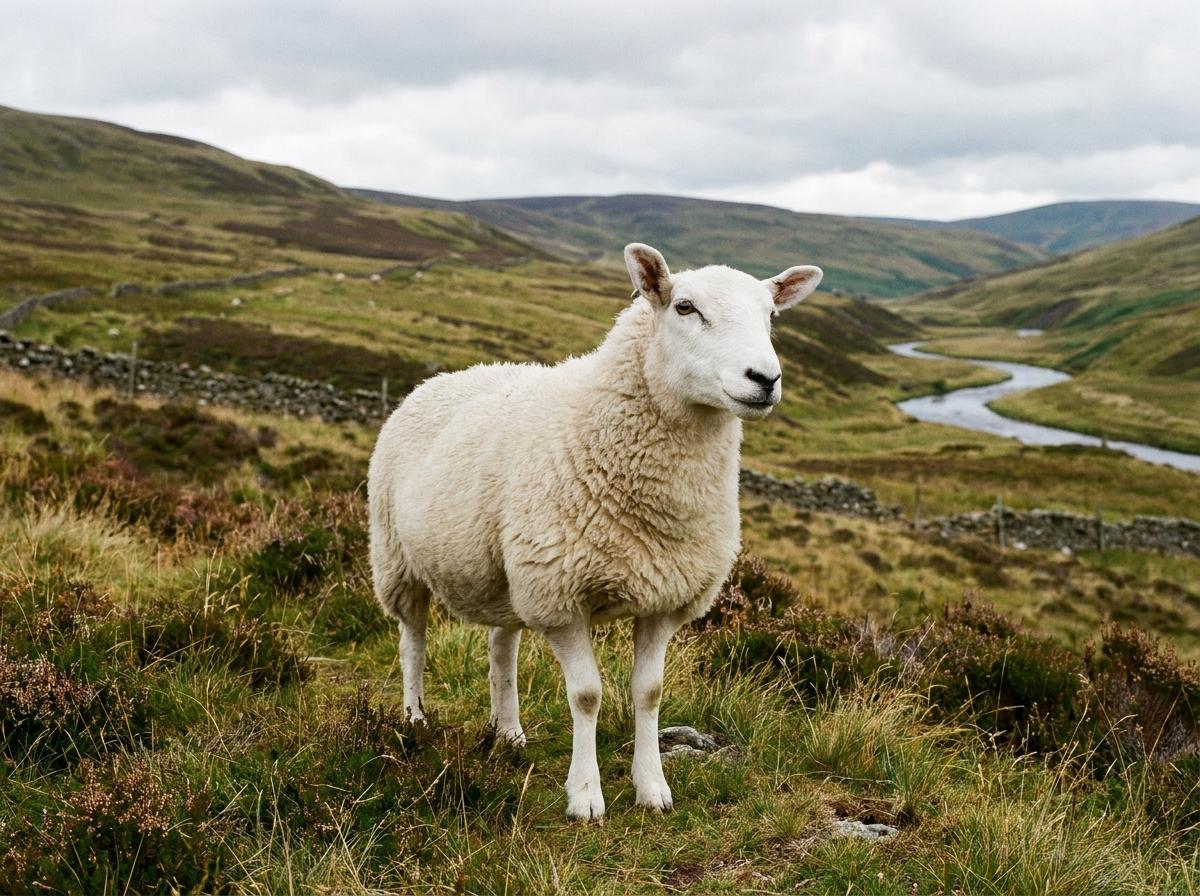
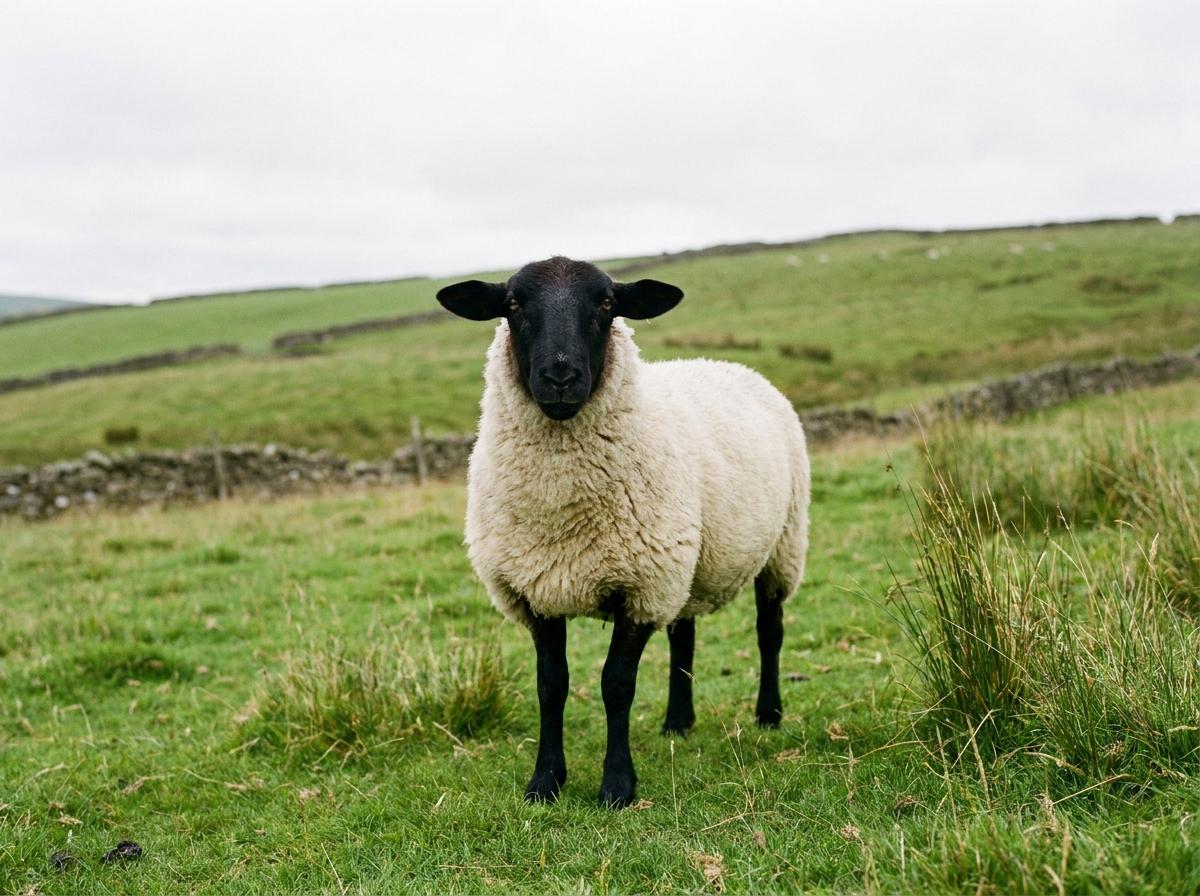
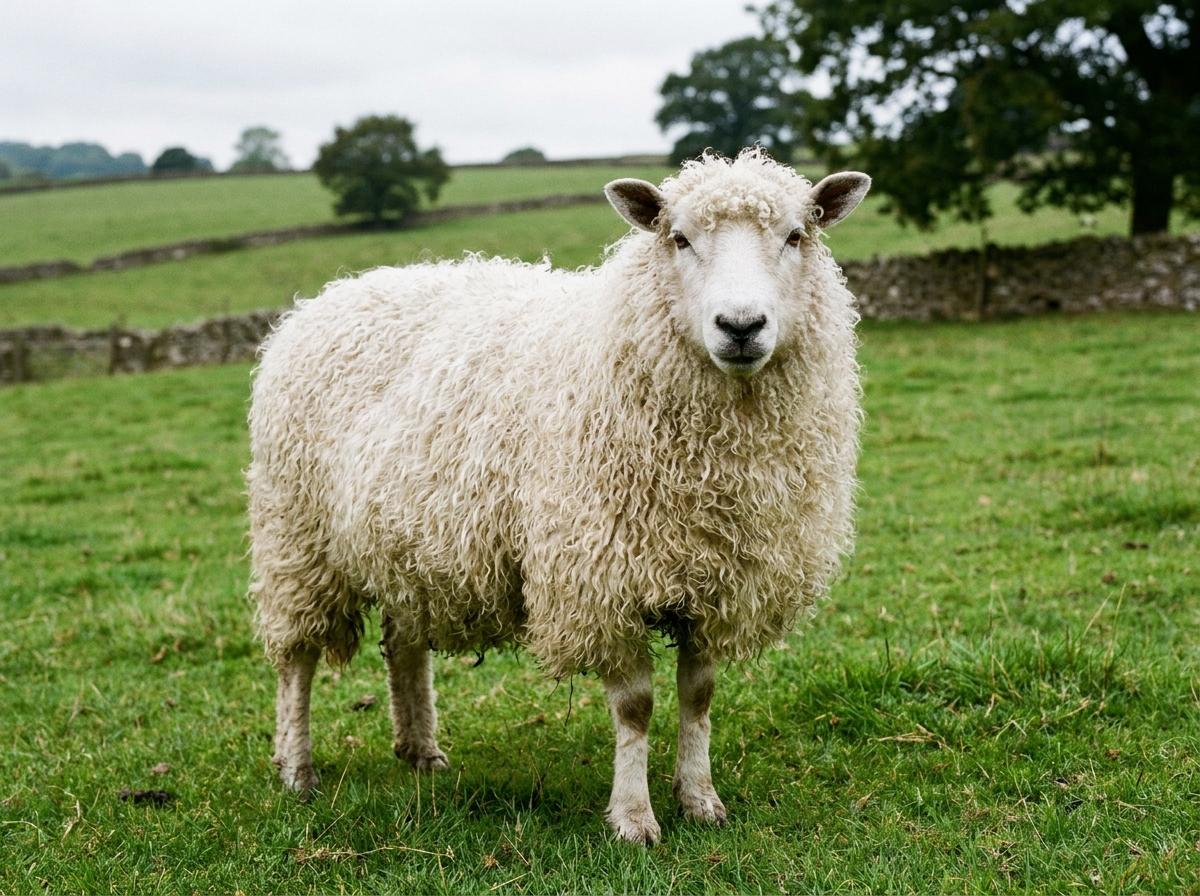
High erect ears, a convex Roman nose, dark nose and lips, black hooves and a polled head distinguish the type. The ABLA standard applies to White and Natural Colored sheep. Mature ewes usually weigh 150 to 225 pounds and rams 175 to 300 pounds. Those ranges help size facilities, while the animal’s own weight and condition guide its care.
Border Leicester, Bluefaced Leicester and Leicester Longwool are distinct breeds. Ask for the actual certificate and color category, and inspect movement, mouth and feet as well as the fleece. An upright ear is not a pedigree record.
Decide what you want from the fleece
ABLA’s standard gives mature ewe fleeces at 8 to 12 pounds greasy weight, a 65% to 80% yield, and staples 5 to 10 inches long, with fiber diameter about 30 to 38.5 microns. These long, lustrous locks differ substantially from fine Merino wool. Use those breed ranges to frame questions, then assess a sample and any test report from the actual sheep. Greasy weight, clean yield and finished yarn weight are not interchangeable.
If handspinning is your goal, inspect a fleece or sample from the actual sheep where possible. Ask when it was shorn and how long the wool grew. Look at cleanliness, staple character and any processing already done. A breed name does not establish the quality of every fleece.
For a selling plan, speak to likely buyers before purchasing sheep. Find out how they want wool prepared, stored and described. A price for a carefully skirted handspinning fleece is not the same as a commodity price for an unprepared clip, and neither is guaranteed merely by owning the breed.

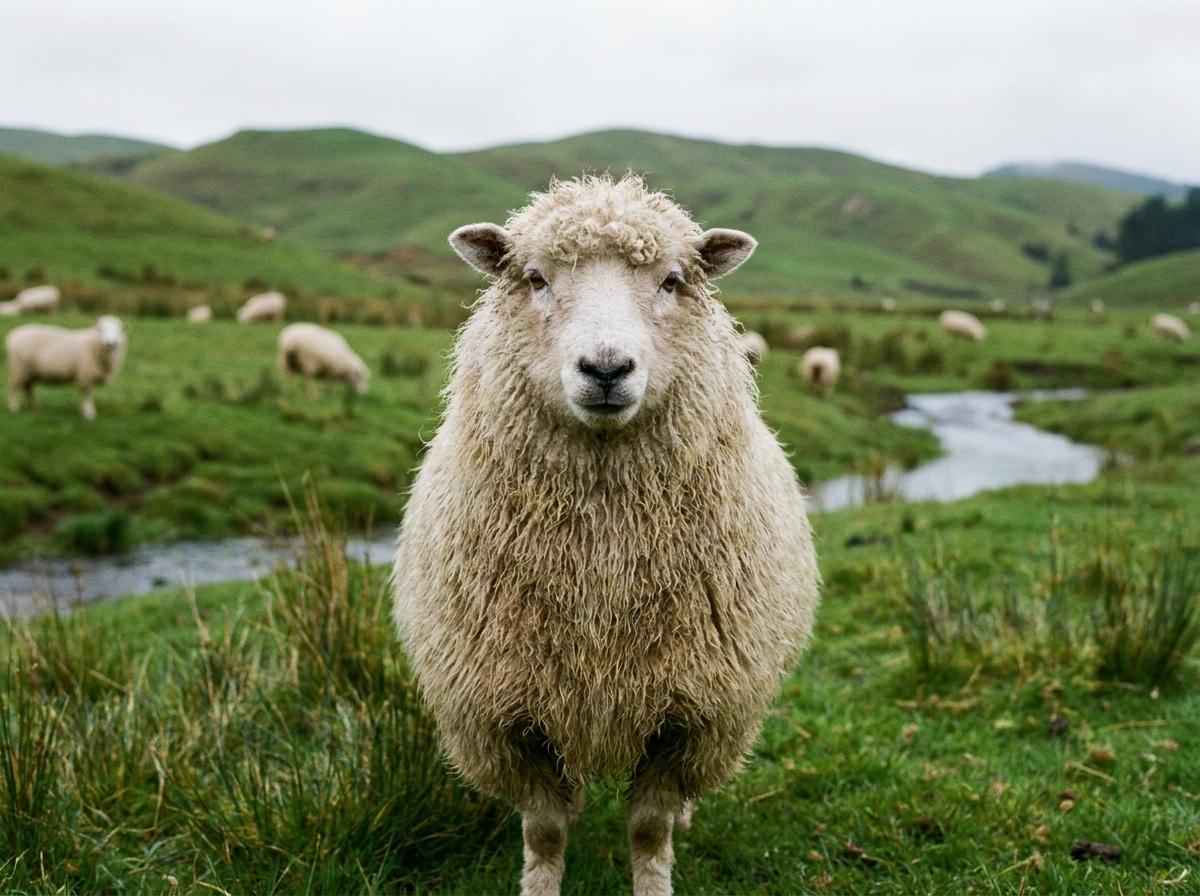
AI-generated illustration.
Compare the fleece questions in the Columbia guide if you are choosing sheep for a different wool project or a combined wool-and-meat role.
Fleece management is part of animal care
Arrange a competent shearer and suitable facilities well in advance. Ask about the schedule appropriate to the sheep, climate and intended wool use. Do not delay necessary shearing because you hope a longer fleece will sell for more.
Penn State’s shearing guidance emphasizes equipment setup and humane technique. New keepers should get practical instruction rather than assuming a clipper purchase is enough to learn safe shearing. Plan dry holding space, safe handling and appropriate shelter afterwards with the shearer.
Keep hay, seeds and other debris out of fleece where you reasonably can, while preserving comfortable feeding access. Ask experienced fleece keepers how their feeders work. A tidy photograph is less important than a system where all sheep can eat without persistent competition.
The sheep-shearing guide covers preparation and handling choices to discuss with your shearer before the visit.
Breeding decisions need ewe records
Border Leicester sheep may be considered for both purebred flocks and crossbreeding programs. Explain to a breeder whether you want to retain daughters, market lambs or maintain a particular registered line. Those goals can lead to different choices.
Ask for lambing history, lambs born and reared, assistance and the conditions under which the flock was managed. If using breeding values, learn their definitions and the evaluation system. Do not compare unrelated figures simply because both sales catalogues call them indexes.
The sheep gestation calculator helps plan from the joining record. Keep actual lambing dates and veterinary findings separately from that estimate.
Forage, health and everyday handling
Sheep can die from excess copper. Keep cattle, goat and horse concentrates, mineral mixes and lick blocks out of their reach; products for those species are not interchangeable with sheep feed. Merck’s copper-toxicosis guidance supports using feed and minerals formulated for sheep. The sheep mineral guide helps prepare a ration review with your adviser.
Discuss parasite monitoring, vaccination and introductions with your veterinarian. Penn State’s internal-parasite explanation shows why an animal’s appearance and a single test need careful interpretation. Do not give every sheep a treatment merely because a calendar date has arrived without an agreed flock plan. The sheep deworming guide connects monitoring with a flock-specific treatment plan.
Make ordinary inspection easy. Secure fencing, compatible sheep company, reliable water, dry resting space and a workable gathering area belong in the purchase budget. Know how a veterinarian or shearer will access the animals before arranging their visit.
Buying and budgeting for a small flock
Use the sheep cost guide to compare breeding animals, flock sheep and lambs before adding your local care costs.
Compare animals of a similar age, sex and registration status. Ask whether transfer is included, whether a ewe is pregnant and what supports any production claim. For fleece animals, ask whether the photograph shows the same sheep and whether a previous fleece is available to inspect.
Include shearing, wool handling, feed, veterinary care, fencing and transport in the budget. Income from wool should be treated as a plan to validate, not an automatic deduction from care costs. If you would struggle to support the sheep when fleece sales are slow, reduce the purchase plan first.
Keep dated identification, shearing, breeding and veterinary records. The Creatures record guide helps organize the history, while original certificates and laboratory reports remain important evidence.

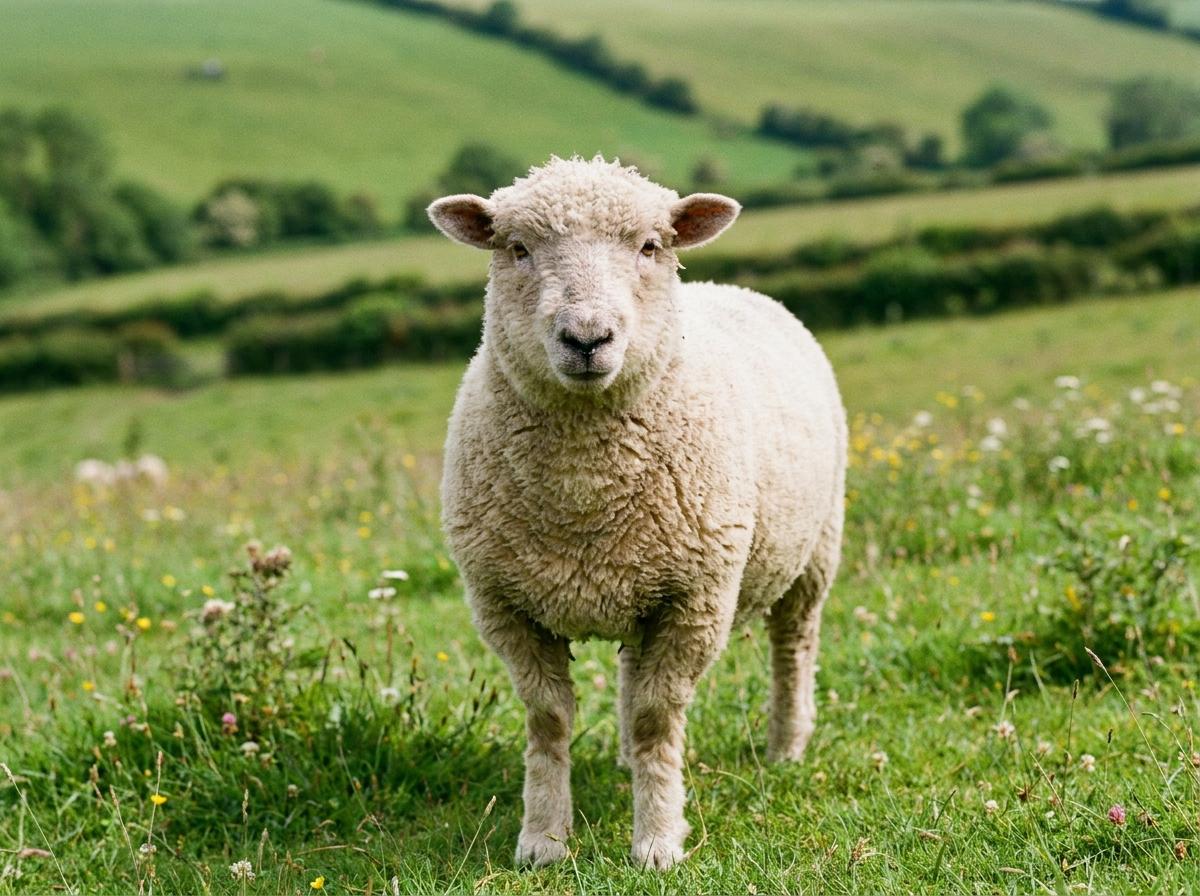
AI-generated illustration.
Border Leicester, Merino or a meat breed?
Read the sheep overview, then compare Merino if your main interest is a different fleece type. The Texel guide is useful when your priorities focus more strongly on a meat-sheep breeding role.
The best comparison starts with the product or experience you want and the daily work you can support. Choosing a recognizable face first and inventing a market later is a harder route.
Border Leicester questions
Is Border Leicester another name for Bluefaced Leicester?
No. They are distinct breeds. Ask for the exact registration and documented identity.
Will every fleece be suitable for handspinning?
Assess the individual fleece and intended use. Health, management, contamination and preparation affect what a buyer can do with it.
Can a small flock pay for itself through wool?
That requires a local budget and real buyers. Do not assume wool income will cover care simply because the breed produces an attractive fleece.
Do this next on Creatures
Keep the animal’s identity, original documents and your dated observations together. Choose the next step that matches where you are in the process.
- Set up a Border Leicester search alert. Get notified when new listings match, with help from the saved-search guide.
- Check current Border Leicester listings; supply may be empty or change. Ask for the evidence relevant to your intended purchase.
- Start a Border Leicester profile. No account is needed to start. The animal-profile guide explains the details.
- Add a care or breeding record. The form opens for visitors; a free account saves the record. Read the record guide before adding documents.
- Start a breeder or farm profile. The directory guide explains how a breeder listing works.
- Explore sheep breeders to compare sources and prepare a careful introduction to the seller.