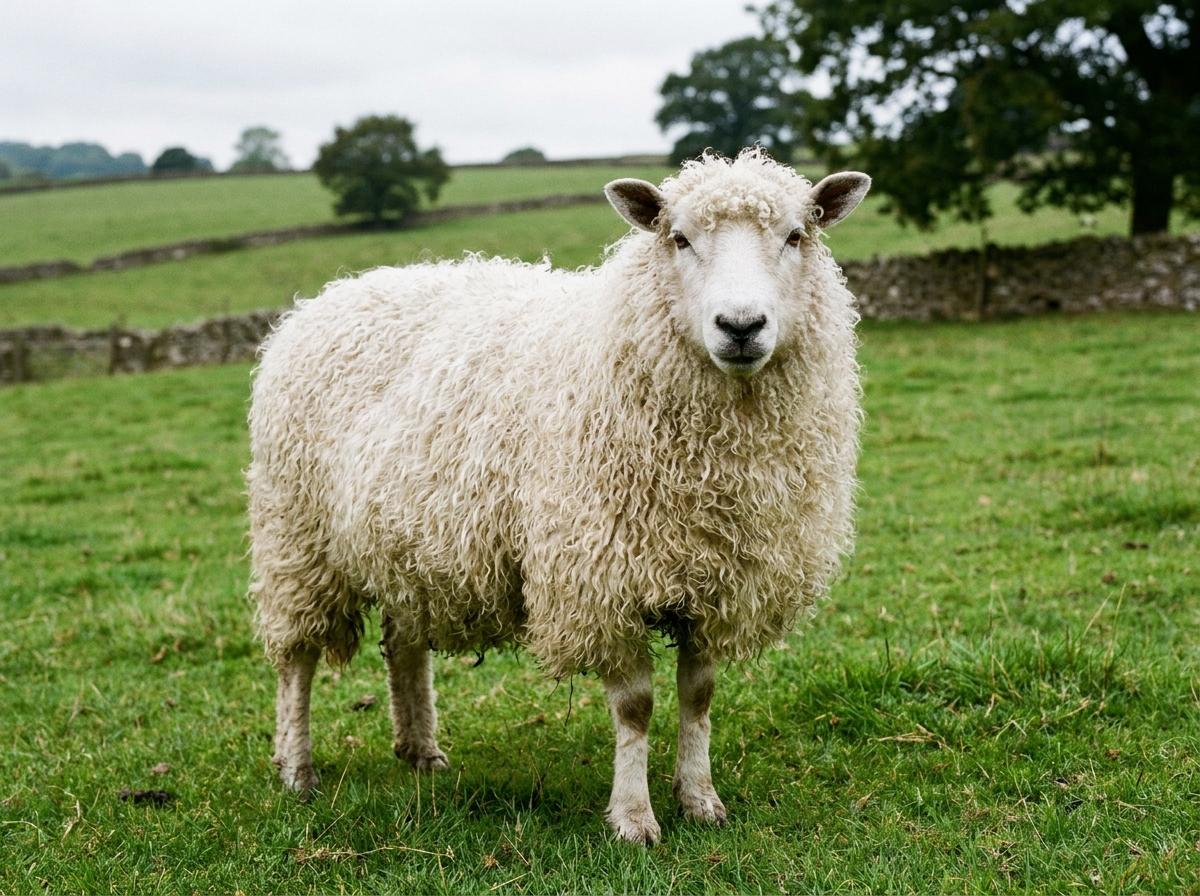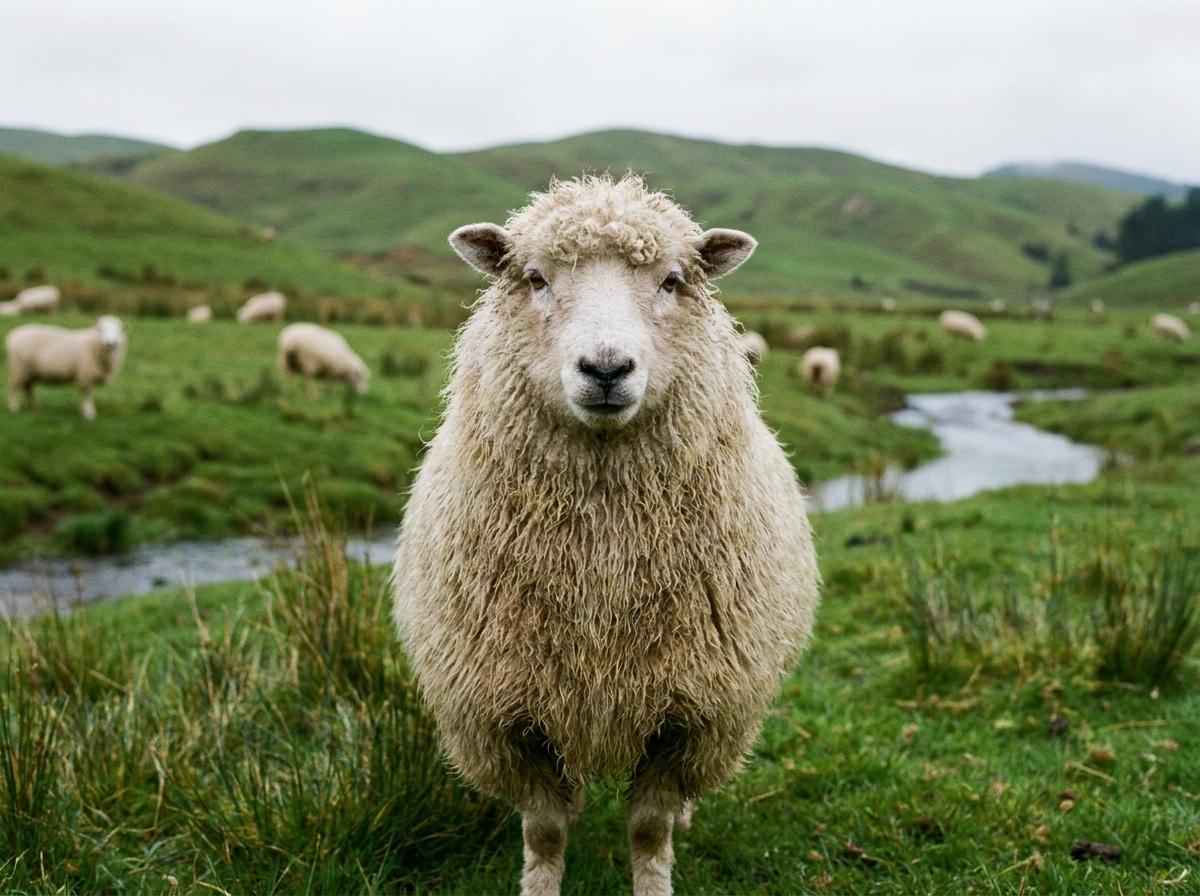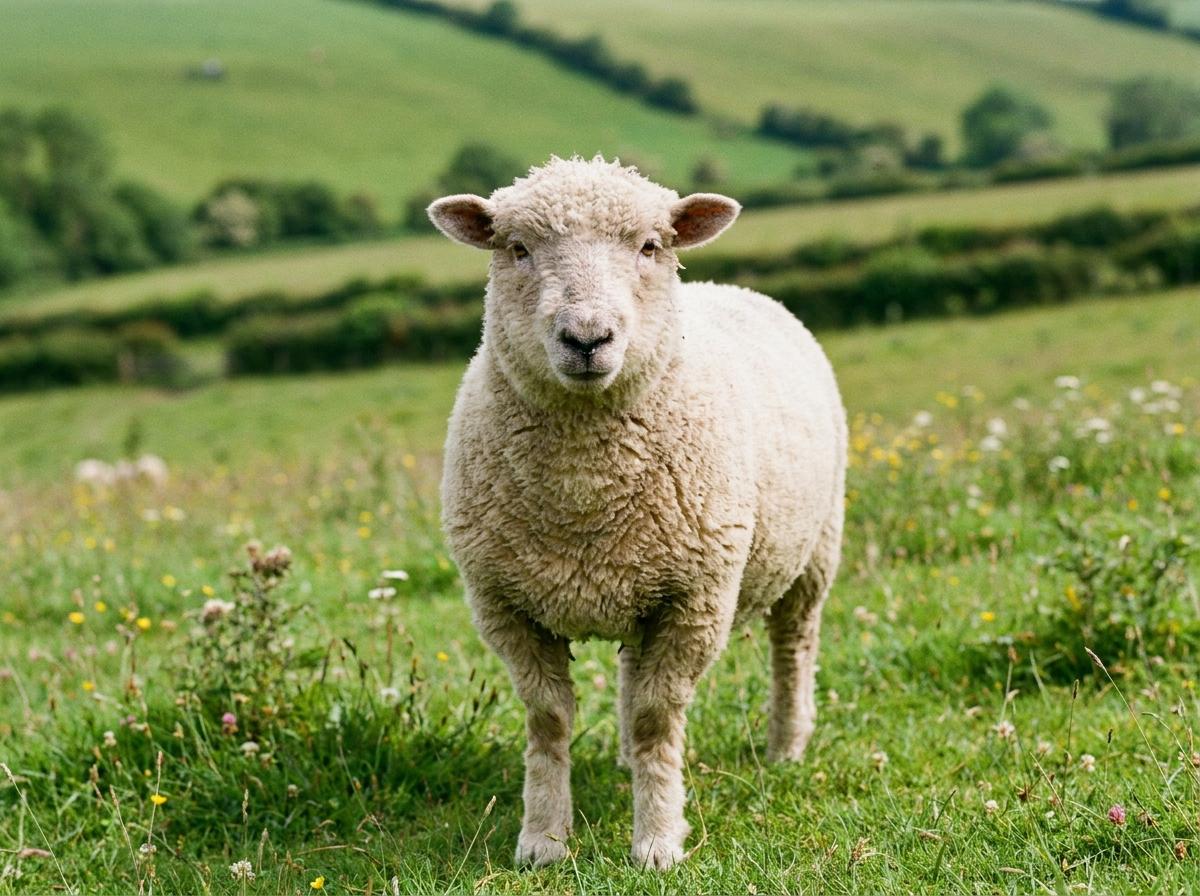


Sheep
Ovis aries
Author: Elliott Garber, DVM · Published
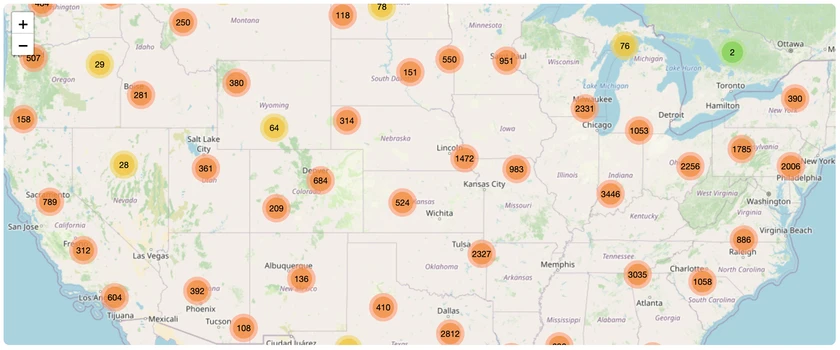
No farm mammal has been split into more breeds than the sheep (Ovis aries), a grazing ruminant raised for meat, wool and milk: the UN Food and Agriculture Organization’s 2022 status report counts 1,143 local sheep breeds worldwide, against 1,049 for cattle. For a keeper, those breeds sort into a handful of practical types: meat breeds, wool breeds, hair sheep that shed instead of needing shearing, dairy breeds, and small heritage breeds. A well-kept sheep lives about 10 to 12 years, a ewe carries her lambs about 147 days, and every sheep needs other sheep around it. Ready to buy? The sheep breeders and farms listed in the Creatures directory can be filtered by breed and state.
For many new shepherds the first decision is the coat: wool that needs a shearer every year, or a hair breed that sheds on its own. So the breed guide comes first, followed by prices, lifespan, grazing and fencing, the copper rule for feeding, worms, lambing, buying and flock records, each pointing on to a detailed guide. The free Creatures tools for sheep, from a lambing-date calculator to a tape-measure weight estimator, appear where you would use them.

| Species | Domestic sheep, Ovis aries, domesticated about 11,000 years ago in the Middle East |
|---|---|
| Main types | Meat, wool (fine, medium, long and carpet), hair, dairy, plus dual-purpose and heritage breeds |
| Breeds | 1,143 local breeds reported worldwide (FAO, 2022); more than 60 breed associations and registries in the US |
| Adult size | From about 29 to 35 lb for the Ouessant, the smallest breed, to 250 to 350 lb for mature Columbia rams |
| Diet | Forage first: on average about 2 percent of body weight in dry matter a day, more for ewes in late pregnancy or nursing, plus water and a sheep-only mineral |
| Gestation | About 147 days, with most ewes lambing 144 to 152 days after breeding; twins are common in farm flocks |
| Lifespan | About 10 to 12 years; the oldest on record lived 28 years and 51 weeks |
| Social needs | Flock animals: isolation is stressful, so never keep one sheep alone |
| Price (2026) | Roughly $200 to $500 for a commercial ewe; $900 median at public catalog auctions |
Browse listings, public profiles, breeders, or add your animal.
Sheep breeds and types
Every domestic sheep descends from wild sheep of southwest Asia, and a 2025 review of sheep ancestry identifies the Asiatic mouflon as the main progenitor. Sheep were domesticated about 11,000 years ago in the Middle East, according to the Merck Veterinary Manual’s account of sheep behavior. The FAO’s 2022 report on animal genetic resources counts 1,143 local sheep breeds plus 145 that are shared by several countries within a region, and more than half of the local breeds (602) are in Europe and the Caucasus. The same report lists 107 sheep breeds as extinct and puts about 30 percent of the world’s sheep breeds at risk.
In the United States there is no single sheep registry. Each breed keeps its own, and the American Sheep Industry Association’s industry contact list names more than 60 breed associations and registries, from the American Southdown Breeders’ Association to the Texel Sheep Breeders Society. Susan Schoenian’s Sheep 201 guide to US sheep breeds lists the Katahdin, Hampshire, Suffolk, Dorper, Dorset and Southdown as the six breeds with the most purebred registrations, and calls the Rambouillet probably the most influential breed in the US, because it is the foundation of most western range flocks. The A to Z list further down this page covers hundreds of sheep breeds, each with its own breeders, listings and profiles. For choosing a flock, though, it helps to sort breeds the way Sheep 101 does, by what the sheep is mainly kept for and the kind of coat it grows.
| Meat breeds | Suffolk, Hampshire, Texel, Southdown, Dorset: muscle and growth for market lambs, often used as terminal sires |
|---|---|
| Hair sheep | Katahdin, Dorper, St. Croix, Barbados Blackbelly, Royal White: shed their coats, so most need little or no shearing |
| Fine wool | Merino, Rambouillet, Debouillet: soft fleece, strong flocking instinct, built for dry range country |
| Medium wool and dual-purpose | Columbia, Targhee, Corriedale, Polypay, Montadale: a useful fleece plus a good lamb crop |
| Long wool | Lincoln, Leicester Longwool, Border Leicester, Romney, Cotswold: long, lustrous locks for spinners |
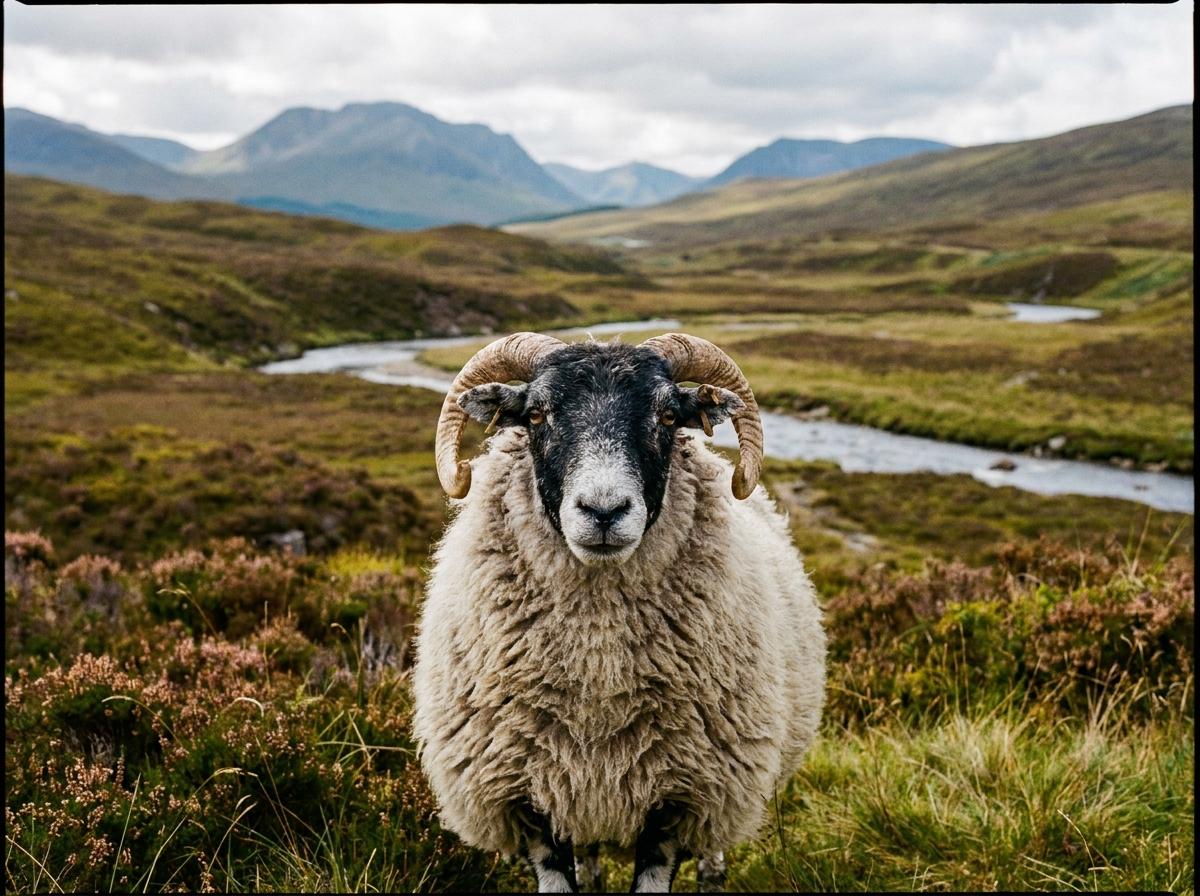
| Carpet wool | Navajo-Churro, Icelandic, Karakul, Scottish Blackface: hardy, double-coated sheep |
| Dairy | East Friesian, Lacaune, Awassi: bred to be milked, mostly for cheese |
| Small and heritage | Babydoll Southdown, Shetland, Soay, Jacob, Ouessant: small frames, rare bloodlines, conservation value |
Meat breeds
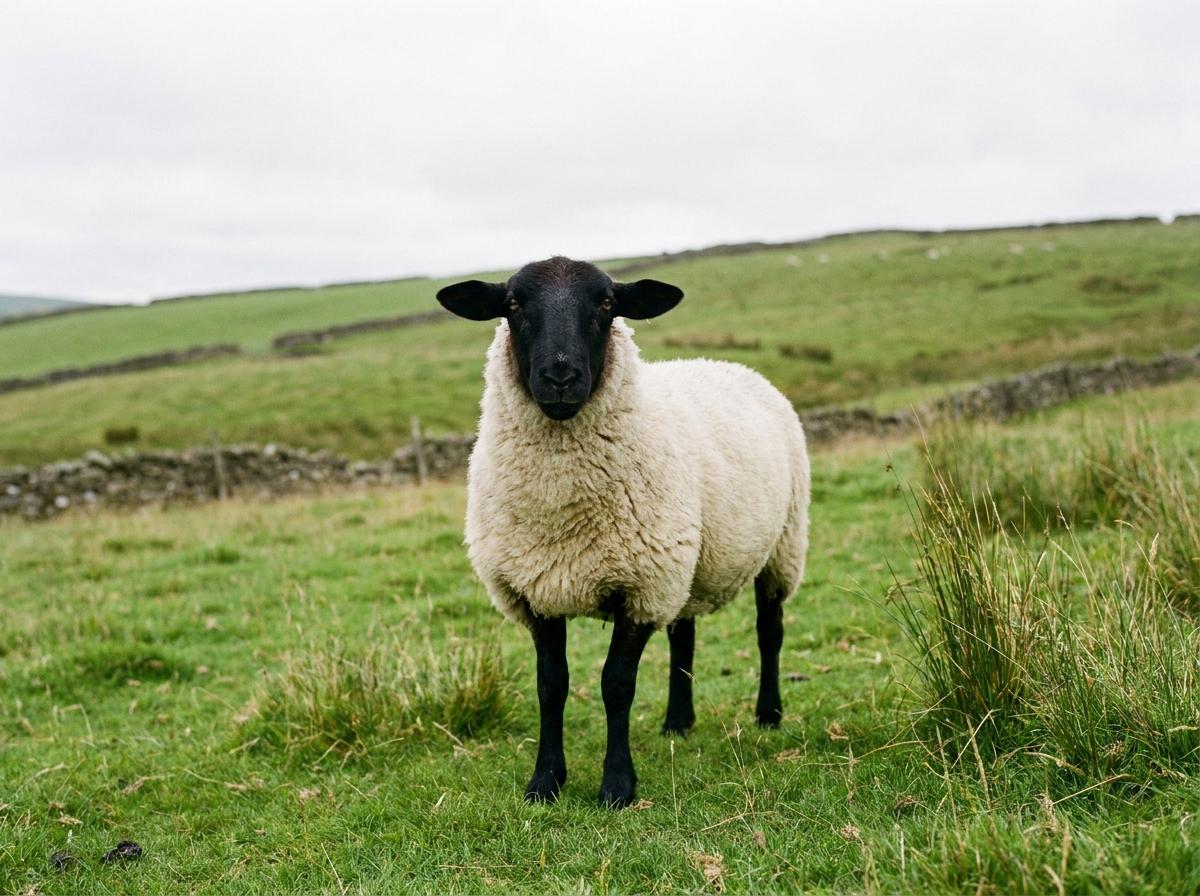
Meat breeds are built to grow a heavy, well-muscled lamb. Many are British “Down” breeds or descend from them, and many are used as terminal sires: rams mated to ewes of another breed so that every lamb goes to market. The Suffolk, with its bare black head and legs and long, drooping ears, is among the largest breeds in the United States, and Sheep 201 calls it the most popular sire of market lambs. The Hampshire is another big black-faced breed, though with wool on its head and legs, and it is a popular sire of club lambs for youth shows. The Texel, from the Dutch island of Texel, is known for exceptional muscling; it became available to US breeders in 1990 after quarantine at the US Meat Animal Research Center in Nebraska, and Sheep 201 describes it as the dominant terminal-sire breed in Europe. The smaller Southdown, from the Sussex hills of England, finishes a meaty lamb at a light weight and grows the finest fleece of the British breeds. The Shropshire, which Sheep 201 says was the most popular breed in the US in the 1930s and 1940s, and the Oxford are now both on the Livestock Conservancy’s watch list.
The all-white Dorset sits between the meat and maternal camps. Dorsets are best known for breeding out of season, which lets a flock lamb in the fall as well as the spring, and the polled strain is believed to trace to a mutation in North Carolina State University’s flock in 1948; the Australian Poll Dorset has its own history and registry. The Montadale, an open-faced American breed built in the 1930s from Cheviot and Columbia stock, works as either a sire or a dam breed. If you are raising a lamb for the county fair, Showing Sheep covers picking, feeding and fitting a market lamb.
Hair sheep: the breeds that shed
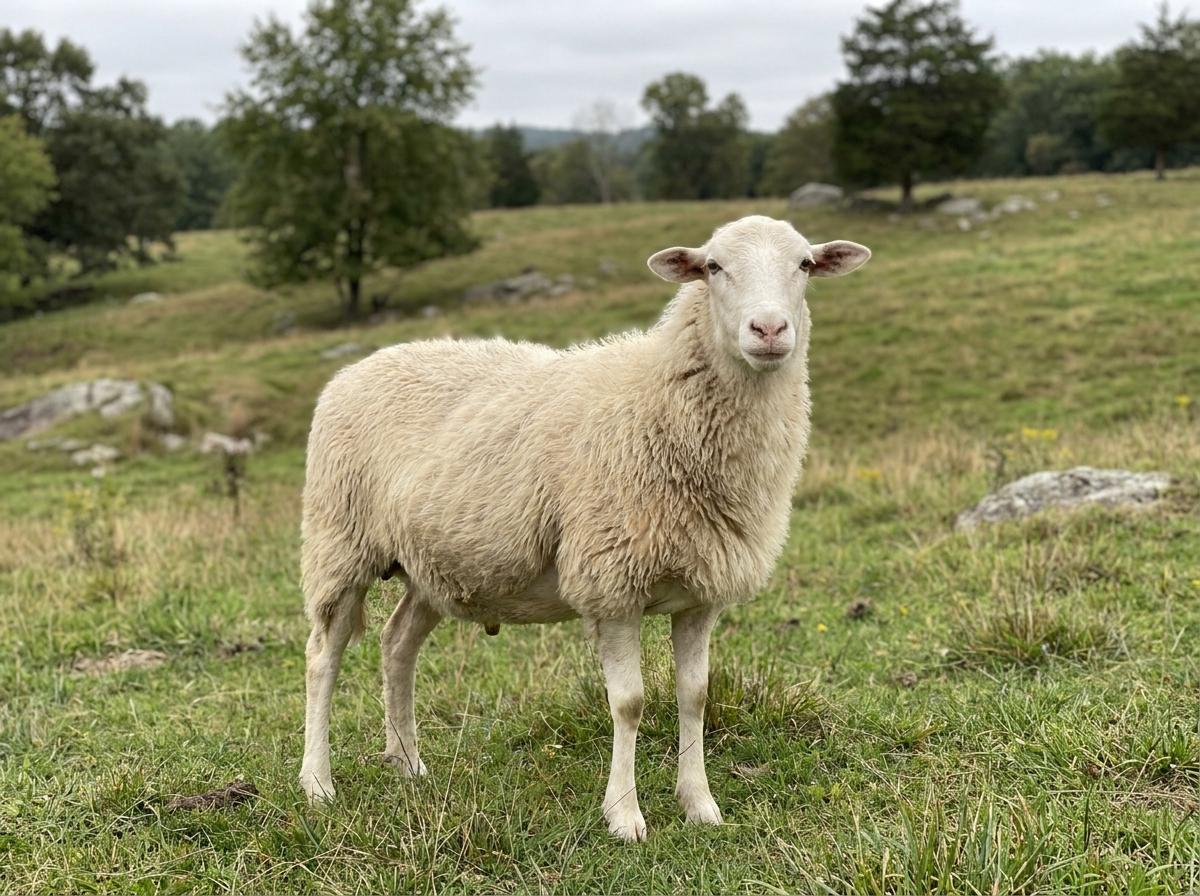
Hair sheep grow a coat of hair, or a mix of hair and wool, that sheds by itself each year, so most never need regular shearing. Shedding varies, though: a 2024 study of Dorper ewes compared ewes that shed with ones that kept their wool and had to be shorn by hand, and crossbreds can hold wool too, so ask how the seller’s flock actually sheds. As Sheep 101’s hair sheep page notes, they usually do not need their tails docked either. As wool has lost value, they have become a big part of the American flock: USDA’s January 2026 Sheep and Goats report found that 28 percent of all US sheep and lambs were hair sheep or wool and hair crosses.

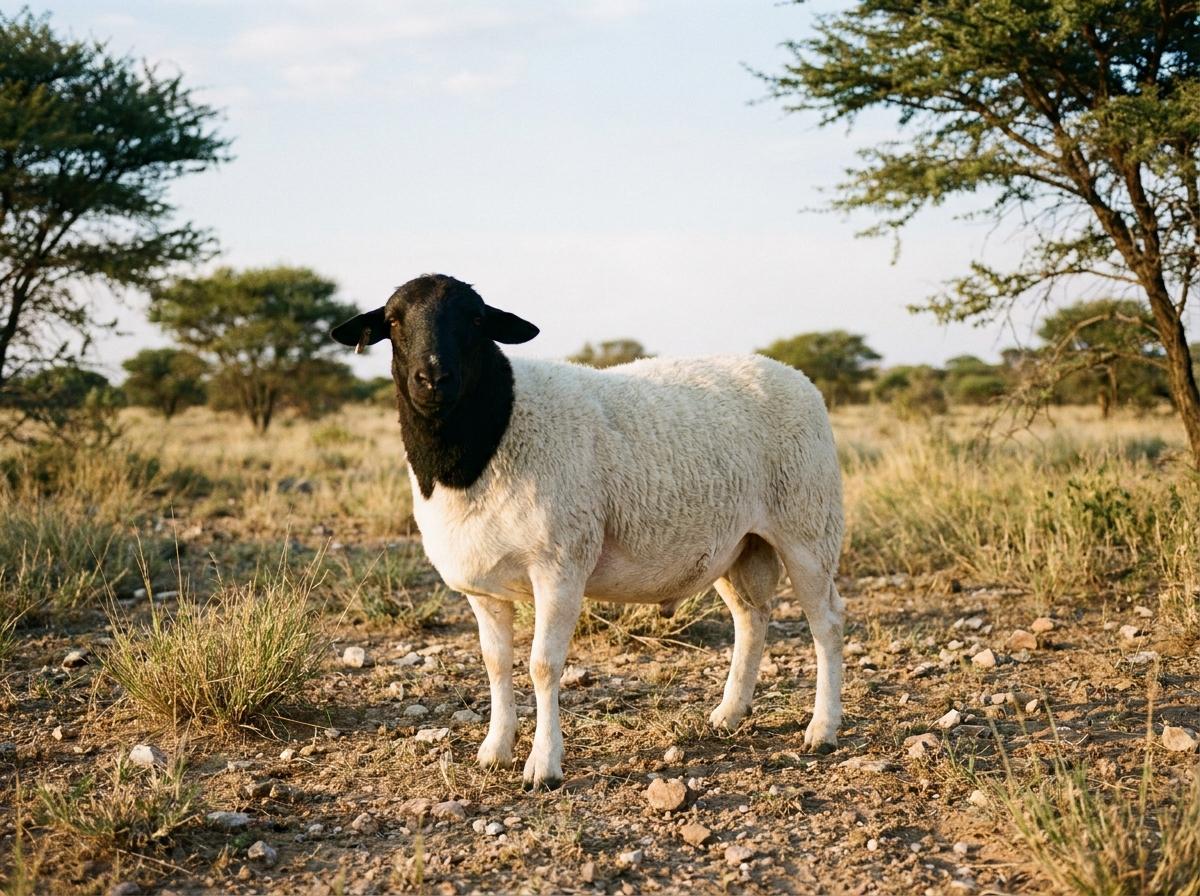
The Katahdin is the American hair breed. Michael Piel began developing it in Maine in the late 1950s from hair sheep imported from St. Croix, crossed them with British breeds and later added the shedding British Wiltshire Horn, and Katahdin Hair Sheep International formed in 1985 to register the breed. Sheep 201 describes it as the most numerous registered sheep breed in the US, valued for its mothering ability and parasite resistance. The Dorper came from South Africa, where it was developed in the 1930s and 1940s by crossing Dorset Horn rams with Blackhead Persian ewes. It is the heaviest-muscled hair breed in the US, but Sheep 201 notes that it sheds less cleanly and has less parasite resistance than the breeds of Caribbean descent, though a 2002 study in Veterinary Parasitology found mature Dorper-cross ewes about as worm-resistant as Katahdin and St. Croix ewes. The White Dorper is its all-white variety.
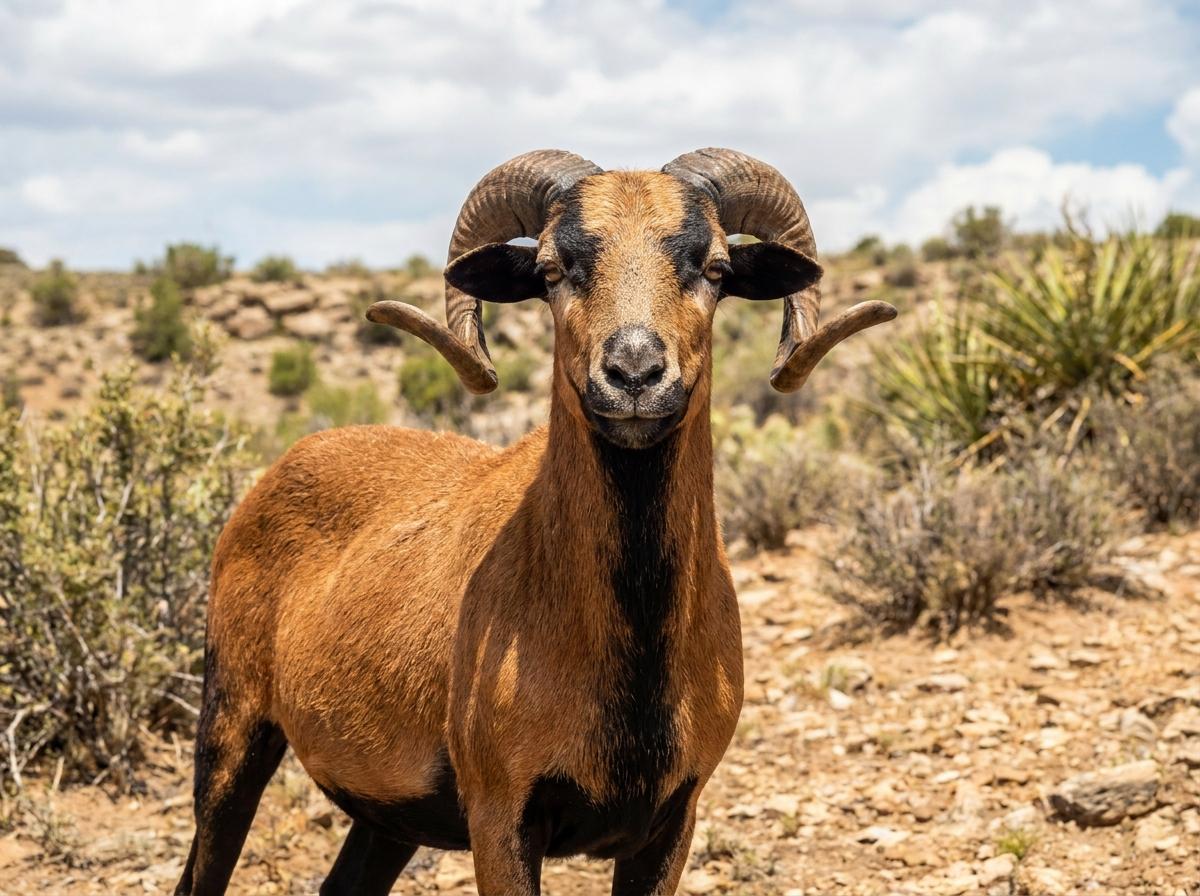
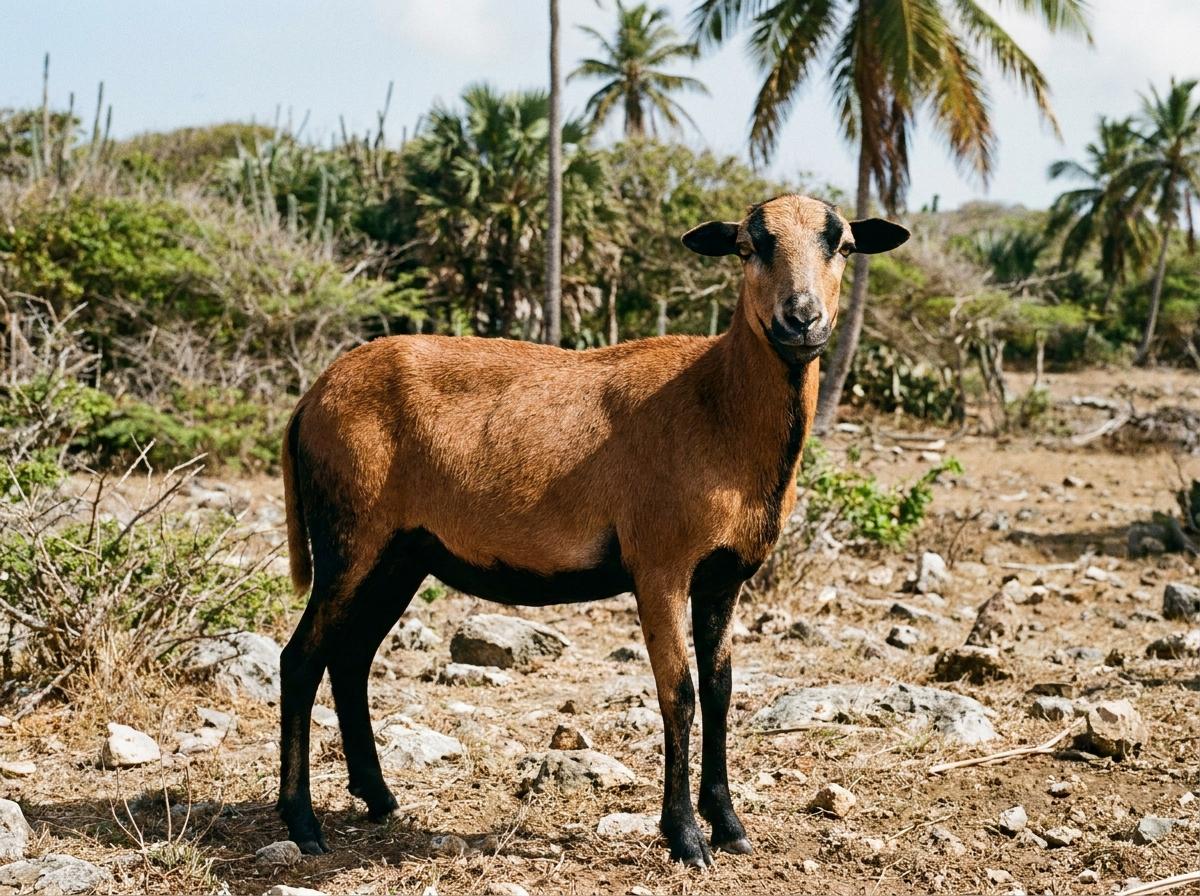
The St. Croix, from the US Virgin Islands, and the Barbados Blackbelly both descend from West African sheep brought to the Caribbean, and both are prized for fertility and resistance to worms; the Livestock Conservancy lists the St. Croix on its watch list and the Barbados Blackbelly as threatened. Two newer American breeds were built from them: the American Blackbelly, a blackbelly type crossed with mouflon and Rambouillet whose rams carry heavy horns, and the white, hornless Royal White, developed in the 1990s from Dorper and St. Croix stock. In hot, humid country farther south, the Pelibuey of Cuba and Mexico and Brazil’s Santa Ines do the same job, and the fat-rumped Blackhead Persian is one of the Dorper’s two parent breeds. Shedding is not the same as no work: hair sheep still need hoof care, parasite checks, good fences and, in cold climates, shelter.
Wool breeds: fine, medium, long and carpet wool
Wool breeds are grouped by the fleece they grow, which is measured by fiber diameter in microns. Fine wool, usually 20 microns or less by Sheep 101’s definition, comes from the Merino and the breeds descended from it. The Merino was developed in Spain by the 12th century, and its French and German offshoot is the Rambouillet, the range breed mentioned above. Sheep 101 notes that fine-wool sheep are known for long lives and a strong flocking instinct. The Delaine Merino is the smooth-bodied type of Merino raised in the US, and the Debouillet was developed in New Mexico from Delaine Merino and Rambouillet crosses.
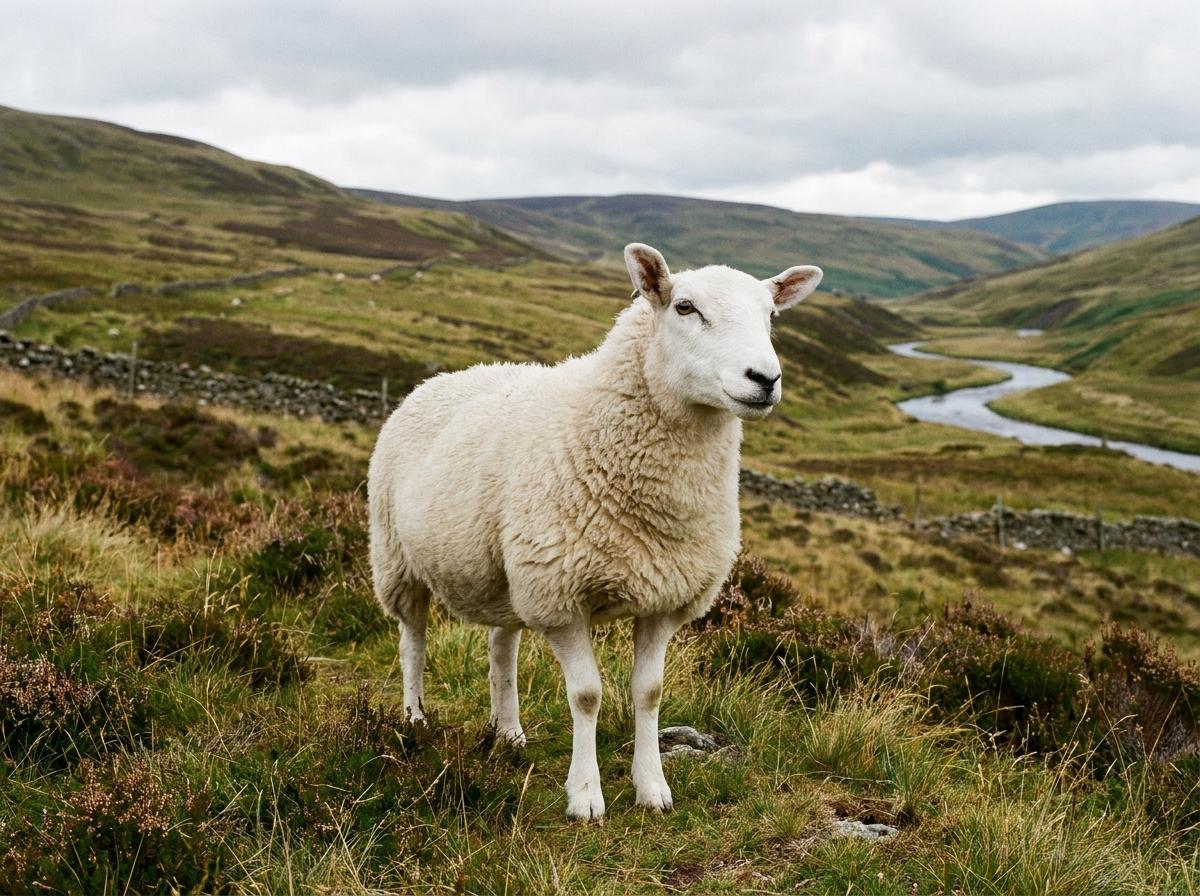
Medium-wool breeds grow a useful fleece on a meatier frame, and many are dual-purpose. The Columbia, developed by the USDA starting in 1912 by crossing long-wool rams on Rambouillet ewes, is among the largest US breeds: the Columbia Sheep Breeders Association puts mature rams at 250 to 350 pounds and ewes at 150 to 250. The Targhee was developed in 1926 at the US Sheep Experiment Station in Dubois, Idaho, from Rambouillet, Columbia and Corriedale crosses, and the Corriedale, a Merino and Lincoln cross developed in Australia and New Zealand in the 1800s, is one of the most numerous breeds in the world.
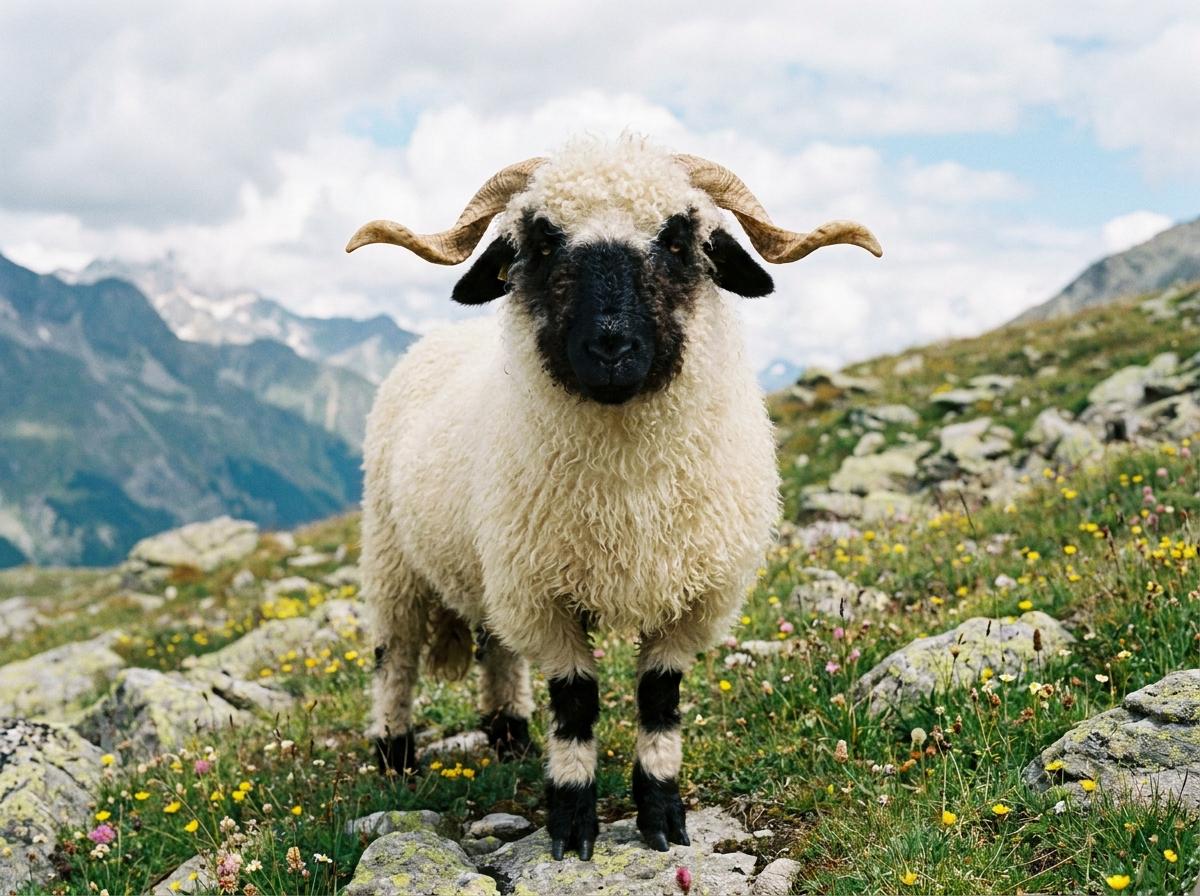
Long-wool breeds grow long, lustrous locks, usually more than 30 microns in diameter, and in the US their fleeces sell mostly to hand spinners. The Lincoln is one of the largest sheep breeds in the world and grows the heaviest, longest fleece of any breed, according to Sheep 201. Others include the Leicester Longwool, developed by Robert Bakewell in the 1700s; the upright-eared Border Leicester; the Romney, the main breed of New Zealand; and the Cotswold and Teeswater. Several are rare. On the Livestock Conservancy’s 2026 Conservation Priority List, the Cotswold and Teeswater sit in the critical category and the Lincoln and Leicester Longwool in the threatened one. The Swiss Valais Blacknose, with its long white fleece and black nose, ears, knees and feet, is a long-wool breed with the highest median price of any breed in the Creatures auction data.
Carpet-wool breeds are double-coated, with a coarse outer coat over a fine undercoat, and are generally adapted to harsh conditions. In the US they include the Navajo-Churro, which the Livestock Conservancy traces to Churra sheep brought by the Spanish in the 1540s and whose wool is the basis of Navajo weaving, along with the Icelandic, the fat-tailed Karakul and the horned Scottish Blackface. The Navajo-Churro is critical on the 2026 priority list. Every wool sheep, whatever its fleece, has to be shorn at least once a year.
Dairy sheep
Any ewe can be milked, but specialized dairy breeds give far more. Sheep 101’s dairy page puts them at 400 to 1,100 pounds of milk per lactation, against 100 to 200 pounds for ordinary breeds, and lists the East Friesian, Lacaune and Awassi as the dairy breeds available in the US. The East Friesian, from the same Friesian coast as the Holstein cow, is considered the world’s highest-producing dairy sheep. The French Lacaune gives less milk with more solids and is the breed behind Roquefort, and the fat-tailed Awassi, the leading milk breed of the Middle East, reached the US as embryos in 2012; crossed with the East Friesian, it forms the Assaf. In Italy, the Sarda supplies the milk for Pecorino Romano and Pecorino Sardo. Most sheep milk becomes cheese, and ewes are milked once or twice a day through the lactation, so read Dairy Sheep Breeds: A Farmer’s Guide before you buy a milking flock.
Dual-purpose and prolific maternal breeds
Many farm flocks are built on ewes that raise plenty of lambs and milk well, bred to a meat ram. The Polypay is a four-breed composite of Targhee, Dorset, Rambouillet and Finnsheep, developed in the 1970s at the US Sheep Experiment Station in Idaho and on a California farm, with the aim of two lamb crops and one wool crop a year; its name combines “poly,” for many, with “pay.” The Finnsheep of Finland typically has litters of 3 to 4 lambs, and the Romanov from Russia’s Volga Valley is also among the world’s most prolific breeds. Both are used mainly to make crossbred ewes, and Sheep 201 notes that ewes with a quarter or half Romanov blood can produce lamb crops of 200 to 300 percent. The Booroola Merino owes its multiple births to a single gene that can be carried into other breeds. The Canadian Rideau Arcott and the British Clun Forest, now threatened in the US, are other maternal breeds.
Small, heritage and rare breeds
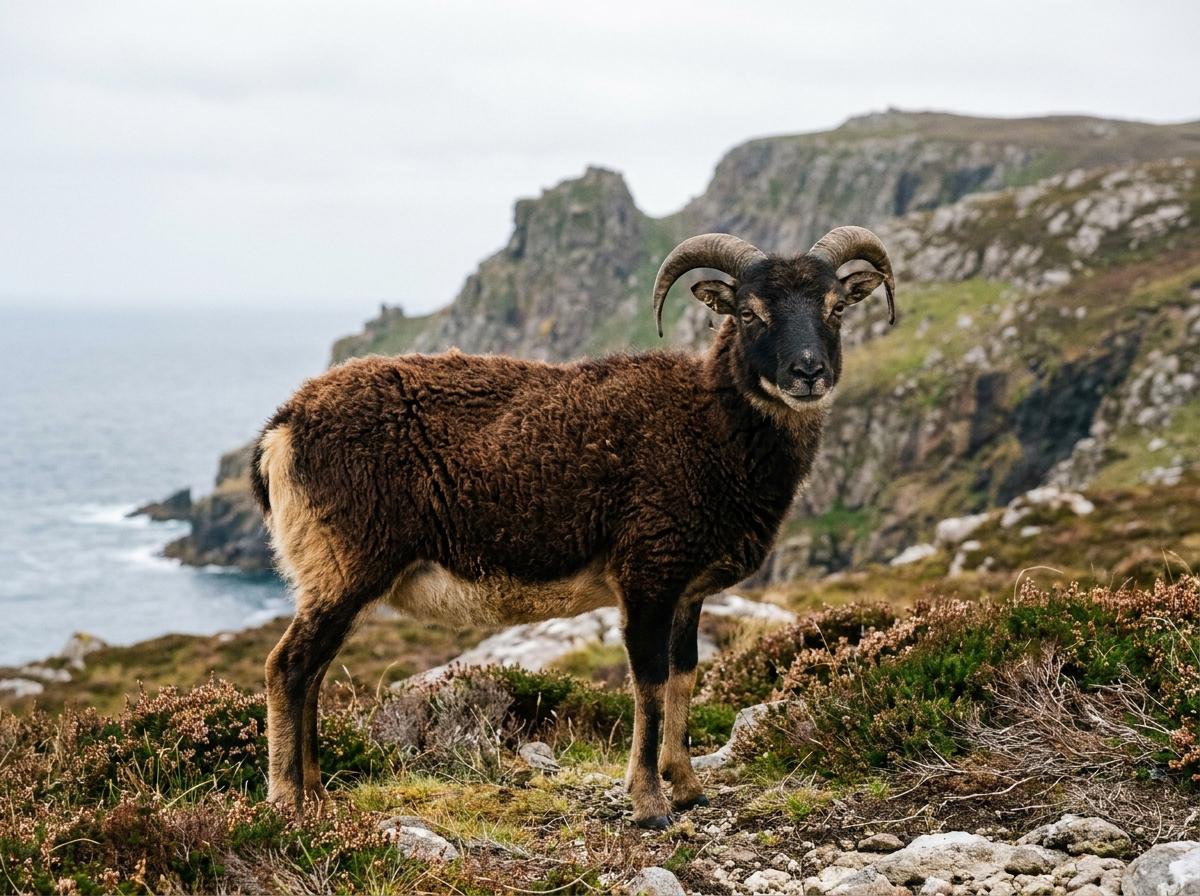
Small breeds suit small acreages and are easier to handle, though each still needs a flock, hoof care, a sound fence and either shearing or a breed that sheds well. The smallest of all, according to Guinness World Records, is the Ouessant of Brittany, at 29 to 35 pounds and 18 to 20 inches at the withers. The Babydoll Southdown is a small, old-style Southdown kept mostly as a pet and for orchard and vineyard grazing, and the North American Babydoll Southdown Sheep Association’s breed standard calls for adults between 18 and 24 inches tall at the shoulder. The Shetland, one of the smallest breeds, grows soft wool in an unusual range of natural colors (Sheep 201 counts 11 main colors and 30 markings), and the brown, gazelle-like Soay, from the St. Kilda islands off Scotland, sheds its fleece naturally.
Rarity is the norm among American heritage sheep, and a small farm that keeps and registers purebred stock gives those breeds real help. The 2026 Conservation Priority List ranks the Gulf Coast Native, Hog Island, Santa Cruz, Florida Cracker and Navajo-Churro as critical. Most of these North American landraces descend from Spanish or early British sheep and were shaped largely by natural selection on islands, on open range or in the heat of the Gulf states; the Gulf Coast Native, for example, is known for its resistance to internal parasites. The American Jacob, with its spotted black-and-white fleece and often four horns, and the Black Welsh Mountain are threatened, and the Shetland is listed as recovering.
Fat-tailed and regional breeds from around the world
Across Africa, the Middle East and Asia, fat-tailed and fat-rumped sheep store fat in the tail or rump and are kept mainly for meat and milk; Sheep 101 estimates that they make up about a quarter of the world’s sheep. The Awassi and Karakul are the examples most often seen in North America. The Saudi Najdi, black with a white head and a heavy fat tail, is a star of Gulf show rings, and the American Tunis descends from fat-tailed sheep that the Livestock Conservancy says the Bey of Tunis sent as a gift to George Washington in the late 1700s; it is on the watch list today. Europe has hundreds of local breeds as well, such as the Danish Landrace, a hardy conservation breed from the dune heaths of western Jutland. And not every name that sounds like a breed is one: “yellow sheep,” a common search, usually refers to the Mongolian gazelle, as our explainer on yellow sheep sets out.
What sheep cost to buy and keep
Most sheep are inexpensive to buy, and keeping them costs more. The How Much Does a Sheep Cost? guide puts a commercial ewe or wether at roughly $200 to $500 and registered breeding stock at several hundred dollars into the low thousands, set mostly by genetics and show record, while feeder lambs bought to raise for meat are priced by the pound. A pet wether is usually the cheapest sheep you can buy, and at those prices a starter flock of three to five commercial ewes runs roughly $600 to $2,500 before you spend anything on fencing or shelter.
For registered and show sheep, auction results are a better guide. The Creatures sheep auction price guide summarizes 4,424 per-head sales at 445 public catalog auctions through August 31, 2026 (computed September 4, 2026). The median was $900, the middle half sold for $600 to $1,500, and sheep with registration evidence had a median of $1,025. Among breeds with their own price guide, medians range from $650 for Polypay and $850 for Katahdin to $1,140 for Suffolk, $1,800 for Dorper and $2,751 for Valais Blacknose, the highest of any breed in the guide. There are also guides for Southdown, Dorset, Hampshire, Shropshire, Oxford, White Dorper and crossbred sheep. To price one particular sheep, run it through the free livestock value calculator, which draws a directional range from those same sales. Treat both as market evidence rather than an appraisal.
Over a few years, upkeep outweighs the purchase price. University of Missouri Extension’s 2026 sheep planning budget for a 50-ewe commercial hair-sheep flock puts total costs at about $417 per ewe per year once labor, depreciation and interest are counted. Feed (pasture, hay, supplement and mineral) is the biggest piece at about $102 per ewe, including about 846 pounds of hay, and in that budget lamb and cull sales of about $419 per ewe only just cover the total. A few backyard sheep cost more per head, because fencing, a ram and vet calls are spread across fewer animals. Wool breeds add shearing, and the fleece rarely pays for it: USDA’s figures work out to about 6.8 pounds of wool per sheep shorn in 2025 at an average price of $1.40 a pound, under $10 a fleece, while the cost guide finds small-flock shearing at about $18 to $40 a head.
How long sheep live
A healthy, well-managed sheep lives about 10 to 12 years, much like a large dog, according to Sheep 101’s basic sheep facts, and some breeds, the Merino among them, are known for living longer. The record is far beyond that: Guinness World Records lists a crossbred ewe in Wales that lived to 28 years and 51 weeks and gave birth to a healthy lamb at 28, after lambing more than 40 times.
Commercial ewes leave the flock much sooner. A ewe is most productive from about 3 to 6 years old, and Ohio State University’s sheep team reports, citing USDA data, that age is the leading reason sheep are culled in the US, with ewes in western flocks culled at 5 to 6 years on average. Teeth are often what ends a ewe’s working life. Once she has broken, short or missing incisors, a “broken mouth” in South Dakota State University Extension’s terms, she struggles to eat, and her lamb, wool and milk production fall. The 10 to 12 year figure belongs to the pet or fiber sheep that is never culled, so anyone buying sheep as companions is signing up for a decade or more. How Long Do Sheep Live? goes through the limits in detail, from teeth and feet to the risks of late pregnancy.
Caring for sheep: company, land, fences and shelter
Sheep are prey animals that survive by staying together. The Merck Veterinary Manual describes them as gregarious, with strong herd instincts, and says plainly that isolation is stressful for sheep and should be avoided, and Sheep 101’s page on flocking notes that animal behaviorists consider four or five sheep the group in which grazing sheep keep sight of one another. Plan on a small flock, never a single sheep. When one has to be penned apart for treatment or lambing, keep it where it can see and hear the others, and put it back as soon as you can.

Land and grazing. Sheep are grazers that prefer short, tender grass, clover and broadleaf weeds, where goats browse leaves and shrubs, as Sheep 101’s comparison of sheep and goats explains. How many sheep an acre can carry depends on rainfall, soil and how you graze, so ask your county extension office for a realistic figure. As one regional benchmark, the Missouri budget above allows about 0.6 acre of pasture per ewe plus 0.25 acre for each lamb. Moving the flock through smaller paddocks keeps grass growing and lets you see every sheep up close, and portable electric netting makes it practical.
Fencing and predators. A sheep fence has two jobs: keep the flock in and keep predators out. Sheep 101’s summary of USDA predator-loss data puts coyotes behind more than half of predator kills and dogs behind about a fifth, and lambs are the most vulnerable. Woven wire with a small mesh, multi-strand high-tensile electric, or electric netting kept properly hot are the usual choices, and many shepherds add a guardian animal. Sheep Fencing: Electric Netting vs Woven Wire compares them.
Shelter. Most sheep do not need a warm barn. They need a dry, well-ventilated place out of wind, rain and summer sun, and Penn State Extension describes a three-sided shed open to the south or east as one common option, with 25 to 40 square feet per sheep outdoors and 30 to 50 for a ewe with lambs. Damp, stale air in a closed barn does more harm than cold, and newly shorn sheep and newborn lambs are the ones that need real protection. Sheep Shelter and Housing covers ventilation, bedding and indoor space.
Water. Clean water should be available at all times. As minimums for temperate climates, Merck’s nutritional requirements of sheep list about 1 gallon a day for a ewe on dry feed in winter, 1.5 gallons for a ewe nursing lambs and half a gallon for a finishing lamb. Check troughs daily, and break ice in winter.
Feeding sheep
Feed sheep forage first. Merck’s guide to feeding sheep says their diet should consist primarily of good-quality forage, whether pasture, hay or silage, and that sheep eat on average about 1.8 to 2 percent of their body weight in dry matter a day. Merck notes that a pet ewe on moderate-quality forage will likely need no grain at all. Needs climb in the last weeks of pregnancy and while a ewe is nursing, especially with twins, and that is when a grain supplement earns its place. Introduce grain gradually and keep the feed room locked, because a sheep that gorges on grain can develop grain overload, which can kill. What to Feed Sheep walks through each stage of the year.
One rule sets sheep apart from other livestock: feed only minerals and feeds made for sheep. Sheep are the species most susceptible to copper poisoning. Copper builds up quietly in the liver until a stress such as transport, handling, bad weather, pregnancy or lactation releases it all at once and destroys red blood cells, and Merck notes that treatment is often unrewarding, so prevention is everything. Minerals and feeds formulated for goats, cattle, horses or “all stock” can carry copper levels that suit those animals and slowly poison sheep. If you also keep goats, which need more copper, feed the two species separately. Sheep still need salt and other minerals, and Sheep Minerals: Why Copper Is the One That Can Kill explains what a sheep mineral should and should not contain.
Judge condition with your hands, not your eyes, because a full fleece hides a thin sheep. When you need an actual weight, for a fair or for a dose your vet sets, the free sheep weight calculator estimates it from heart girth and body length, with no account needed. How Much Does a Sheep Weigh? gives typical weights by breed type, and How to Measure a Sheep for Weight explains how to measure through wool and when to confirm on a scale.
Keeping a flock healthy
Line up a veterinarian who treats sheep before the first animal arrives. It matters legally too: under FDA’s Guidance #263, medically important livestock antibiotics once sold over the counter, sheep products included, have carried prescription labels on new stock since June 11, 2023, so you need a vet to buy them. Sheep also hide pain and illness well, a prey animal’s habit that Sheep 101 describes, so learn what normal looks like in your own flock.
The core of a sheep health program is short:
- Vaccines. The standard vaccine is CD&T, which protects against Clostridium perfringens types C and D, the cause of enterotoxemia or “overeating disease,” and against tetanus, as Ohio State’s sheep team explains. Merck’s guide to sheep breeding and lambing advises vaccinating ewes 4 to 6 weeks before lambing so that their colostrum carries more antibodies to the lambs. The CD&T vaccine guide covers the lamb schedule; ask your vet which other vaccines your area needs.
- Worms. The barber pole worm, Haemonchus contortus, is the most common disease-causing gut parasite of sheep and goats, according to Merck. It feeds on blood, so the sign to watch for is anemia (pale eyelids, weakness and, in severe cases, swelling from fluid build-up) rather than diarrhea, and FAMACHA eyelid scoring is the field tool for catching it. FDA reports increasing dewormer resistance in sheep and goats in the United States, so deworm on evidence (FAMACHA scores and fecal egg counts) and your vet’s plan rather than by the calendar. Sheep Deworming: FAMACHA, Fecal Egg Counts, and Refugia explains the method.
- Feet. Contagious footrot spreads fast; Merck notes that under the right conditions nearly every sheep in a flock can be affected. A sheep that limps needs a look at its feet that day, and Sheep Hoof Trimming and Foot Rot Prevention covers routine trimming.
- Fleece and flies. Wool sheep must be shorn at least once a year, and a dirty, wet fleece around the tail attracts blowflies whose maggots eat living tissue. Shearing Sheep: When, How Often, and Crutching covers timing, Flystrike in Sheep covers prevention and what to do in an emergency, and the Creatures directory lists sheep shearers by state.
- New arrivals. Keep newly bought sheep apart from your flock for a quarantine period your vet sets, and ask the seller about ovine progressive pneumonia (OPP), caseous lymphadenitis (CL) and Johne’s disease, chronic infections that a closed, tested flock can keep out.
- Scrapie identification. Nearly all sheep must carry official identification under the USDA National Scrapie Eradication Program before they enter interstate commerce or change owners, usually an official ear tag that traces to the flock of origin, with exemptions such as wethers under 18 months. USDA’s animal ID and recordkeeping fact sheet explains the rules, notes that some states are stricter, and says first-time participants can get up to 100 free plastic tags by calling 866-USDA-TAG.
A sheep standing apart or lagging behind the flock, one that has stopped eating or chewing its cud, and one with pale eyelids all warrant a call to the vet, and an early call beats a late one.
Breeding and lambing
Most sheep are seasonal, short-day breeders: ewes start cycling as the days shorten in late summer and fall, so a fall breeding gives spring lambs. Some breeds are much less seasonal, and Sheep 201’s page on reproduction in the ewe names the Dorset, Rambouillet, Merino, Finnsheep, Romanov, Karakul and the hair breeds, while the British long-wool and meat breeds are the most seasonal. A ewe’s cycle averages 17 days, and she stays in heat for about 24 to 36 hours, according to Merck’s table of reproductive cycles. Ewe lambs reach puberty at 6 to 9 months in Merck’s figures (5 to 12 months by breed, per Sheep 201). Merck advises waiting until a ewe lamb weighs 60 to 65 percent of her mature weight; Sheep 201 suggests about 70 percent.

Most flocks simply turn a ram in with the ewes for several cycles. Merck suggests about one ram to 40 ewes, fewer for an inexperienced ram lamb, and a marking harness on the ram shows which ewes he has bred and when. Merck also advises a physical exam for the ewes and the ram before the season, including the ewes’ udders and the ram’s testicles. Sheep Breeding: Heat Cycles, Flushing, and Ram Management covers flushing and ram care.
A ewe is pregnant for about 147 days, just under five months, and most lamb between day 144 and day 152 after breeding, according to New Mexico State University, which notes that medium-wool and meat breeds tend to run a little shorter than fine-wool breeds. Put the breeding date, or the days the ram went in and came out, into the free sheep gestation calculator for a lambing date and window, and see the sheep gestation chart for what moves it. The sheep lambing preparation timeline counts forward from the same date to the pre-lambing CD&T booster, the late-pregnancy feeding check and getting clean lambing pens ready.
Twins are common in well-fed farm flocks and prolific breeds (the Missouri budget plans on 180 lambs born per 100 ewes), but USDA’s January report puts the 2025 national rate at only 105 lambs per 100 ewes, a count that in western range states includes only lambs that survived to docking. Late pregnancy is the riskiest stretch of a ewe’s year. Pregnancy toxemia, which Merck notes is more common in ewes carrying more than one lamb, can kill even with intensive treatment, which is why feeding in the last weeks matters so much. Most ewes lamb without help, but know the signs of a birth that has stalled and have your vet’s number ready; Lambing: Signs of Labor, the Stages, and a Lambing Kit covers when to step in. Merck says lambs should stand and nurse within about 30 minutes of birth, because colostrum, the first milk, carries the antibodies they need. A lamb that cannot nurse needs colostrum by hand, and Bottle-Feeding Lambs gives amounts and schedules. Most wool lambs have their tails docked for cleanliness, while hair lambs usually keep theirs; if you dock, length matters for the sheep’s welfare, and Tail Docking and Castrating Lambs covers how long to leave the tail and when to do it.
Buying sheep
Decide what the sheep are for (meat, fleece, milk, grazing or pets) before you shop, then buy from a flock you can see. Sellers use a few terms precisely, as Sheep 101’s sheep terminology page defines them:
- Ewe: a female sheep. A young female is a ewe lamb.
- Ram: an intact male. A young male is a ram lamb.
- Wether: a castrated male. Wethers are less aggressive than rams and are the usual choice for pets and brush grazing.
- Lamb: a sheep under a year old. A yearling is between one and two years old (a hogget or shearling in some countries).
Where to look:
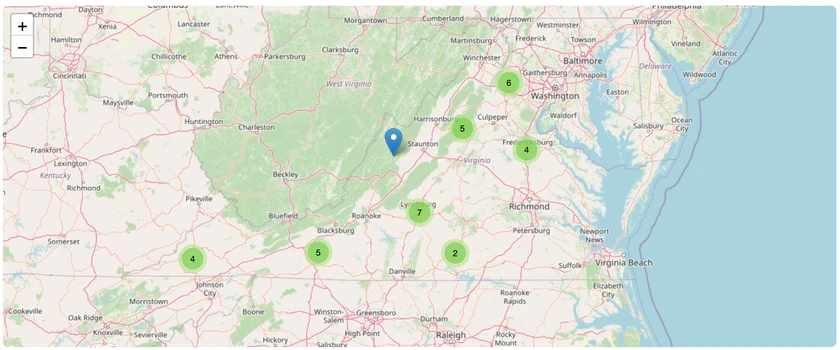
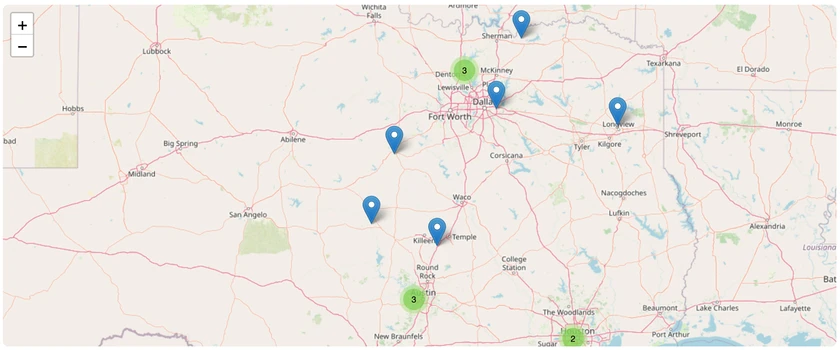
- Breeders and farms. A farm visit shows you the flock the sheep came from, its parents and its records. In the Creatures directory, sheep breeders and farms are searchable by breed and state; because most of those listings are compiled from public sources, put your questions to the farm itself.
- Breed associations. A registry can point you to its members and to breed sales, and a registered sheep arrives with papers. To find one, browse the Creatures registry directory, which is organized by species.
- Sales and auctions. Breed and club sales are good places to see many registered animals at once. At a sale barn, sheep from many flocks mix in the same pens, which raises the disease risk, so quarantine anything you bring home.
- Online listings. The Creatures sheep marketplace lists sheep from sellers who have passed verification. Sheep listings are few today, so set an alert and let the right animal come to you.
Put the same questions to every seller: the flock’s health history and whether it has been tested for OPP, CL and Johne’s, its parasite program and FAMACHA scores, its vaccination record, and why the animals are for sale. Look at feet, teeth, udder, eyelid color and body condition with your hands. Walk away from breeding sheep or adults with no acceptable official scrapie identification (usually an ear tag, sometimes a registry tattoo that meets the rules), from lame or coughing sheep, from swollen lumps over the lymph nodes, such as under the jaw or in front of the shoulder, which can be CL abscesses, and from anyone selling a single sheep as a pet that is “fine on its own.” Where to Buy Sheep goes through choosing a type, checking a seller and the disease tests to ask about.
Flock records worth keeping
Buyers pay fair prices for sheep with a documented history, and part of that history is required by law: the scrapie program has you keep ID, purchase and sale records for 5 years after an animal leaves your flock. Write these down the day they happen:
- identity: the official tag or other ID, birth date, sire, dam and any registration number;
- breeding and lambing: the ram and the dates he ran with the ewe, any scan result, the lambing date, how many lambs were born and raised, and whether she needed help;
- growth: weights at birth and at weaning;
- parasites and treatments: FAMACHA scores, fecal egg counts, and for every dewormer or drug the product, dose and the day its withdrawal period ends;
- routine care: CD&T and other vaccines, hoof trims, shearing dates and fleece weights;
- movements: each purchase, sale and move off the farm.
The Sheep Flock Record Book shows how to set this up for individual sheep and groups, and Sheep Group Care Records explains how to log work done to the whole flock without losing the exceptions. For registered sheep, keep the pedigree too; the free pedigree chart maker turns it into a printable three-generation chart, registration numbers included, for a sale or show, with no account needed. If you run a breed club, Breed Club Member Directories covers keeping a public roster accurate. And if a new lamb still needs a name, the sheep name generator has ideas.
A free Creatures profile for each sheep stores its ID, pedigree, photos and all of the records above, charts its weights over time, and sends reminders for boosters, hoof trims and due dates. Log a treatment once for a group and Creatures can create a linked record on each sheep in it, and a sold sheep can be transferred to its buyer with its history attached. The help guides on adding a record, health and medical records and applying records to a group show each step.
Frequently asked questions
How many breeds of sheep are there?
More than 1,100. In the FAO’s 2022 tally there are 1,143 local sheep breeds, the most of any farm mammal (cattle have 1,049 and pigs 566), plus 145 breeds shared by several countries within a region. In the United States, the American Sheep Industry Association lists more than 60 breed associations and registries.
What are the main types of sheep?
Meat breeds such as the Suffolk; wool breeds grouped by fleece into fine (Merino), medium (Columbia), long (Lincoln) and carpet wool (Navajo-Churro); hair sheep such as the Katahdin and Dorper, which shed instead of being shorn; and dairy breeds such as the East Friesian. Many breeds are dual-purpose, and small heritage breeds such as the Shetland suit small farms.
How much does a sheep cost?
A commercial ewe or wether usually costs about $200 to $500, and registered breeding stock runs from several hundred dollars into the low thousands. At public catalog auctions in the two years to August 2026, the median sheep sold for $900. Keeping sheep costs more over time: University of Missouri Extension’s 2026 budget for a 50-ewe commercial flock puts total costs, labor and depreciation included, at about $417 per ewe per year, and small flocks cost more per head.
How long do sheep live?
About 10 to 12 years for a healthy, well-managed sheep, and the oldest on record, a crossbred ewe in Wales, lived to 28 years and 51 weeks. Commercial ewes are usually culled much younger, often at 5 to 6 years, when their teeth wear out or they stop raising lambs well.
What do sheep eat?
Mainly pasture and hay, with clean water and a mineral made for sheep available at all times. Grain is a supplement for late pregnancy, nursing ewes and growing lambs, not the base of the diet. Never feed sheep a goat, cattle or “all stock” mineral, because sheep are the species most susceptible to copper poisoning.
Can you keep just one sheep?
No. A lone sheep is a stressed sheep: the Merck Veterinary Manual says isolation is stressful for sheep and should be avoided, so start with a small flock. If one has to be separated for treatment or lambing, keep it within sight and sound of the others.
How long is a sheep pregnant?
About 147 days, just under five months, with most ewes lambing between day 144 and day 152 after breeding. Twins are common in well-fed farm flocks, and prolific breeds such as the Finnsheep and Romanov often have three or more, though across all US ewes the 2025 average was about one lamb per ewe.
Do all sheep need shearing?
No. Wool sheep must be shorn at least once a year, but hair breeds such as the Katahdin, Dorper and St. Croix shed their coats naturally, and a few primitive breeds such as the Soay shed their fleece as well.
What is the smallest breed of sheep?
Guinness World Records recognizes the Ouessant, from the island of Ouessant off Brittany, as the smallest sheep breed, at 29 to 35 pounds and 18 to 20 inches at the withers. In North America you are more likely to meet the Babydoll Southdown, held to 18 to 24 inches at the shoulder by its association’s standard. At the other end of the scale Columbia rams reach 250 to 350 pounds, and for any individual sheep the free weight calculator estimates weight from two tape measurements.
Do this next on Creatures
These next steps run in the order most readers need them, from finding sheep to keeping their records.
Get told when the right sheep is listed. Sheep listings are few right now, so set a free sheep listing alert and Creatures emails you when matching sheep are posted, no account needed to start. Here is how saved searches work.
Find breeders by breed and state. Search the Creatures breeder directory, or go straight to sheep breeders and farms, and ask each one about flock health testing, scrapie identification and parasite control.
See what is for sale now. Browse sheep on the Creatures marketplace. Every seller there has passed verification, though sheep supply is thin today.
Bought ewes, a ram or a few lambs? Create a free profile for each sheep with its tag number, birth date, breed and photos, no account needed to start. The walkthrough is in adding an animal to Creatures.
Keep the records a flock needs. Breeding and lambing dates, FAMACHA scores, dewormers and withdrawal dates, CD&T boosters, hoof trims and shearing: add a record. The record sheet opens for any visitor to look around, and a free account saves what you enter. See adding a record and reminders and upcoming care for boosters and due dates.
Raise or sell sheep? Farms and breeders can create a free farm or breeder profile so buyers searching for sheep can find you, no account needed to start. See getting listed in the breeder directory, adding your team and how seller payout works, and if the farm needs a name, try the farm name generator.
Use the free sheep tools. Work out a lambing date with the sheep gestation calculator, estimate weight with a tape and the sheep weight calculator, check auction prices with the livestock value calculator, print a pedigree chart, or find a name in the sheep name generator.