Awassi
Author: Elliott Garber, DVM · Published
Awassi are fat-tailed sheep from the Near East, used for milk, meat and coarse wool. The usual combination is a white fleece, brown head and long hanging ears, but the breed is more than a color pattern. A traditional grazing flock and a flock selected intensively for dairy work can offer very different animals. FAO’s breed account distinguishes those types.
If you are comparing Awassi with other sheep breeds, start with your purpose: breeding, milking, lamb production or simply learning to recognize them. A photograph cannot tell you how a ewe milks, what she eats or whether her ancestry is documented.
| Origin | Near East |
|---|---|
| Type | Fat-tailed wool sheep |
| Uses | Milk, meat and coarse wool |
| Typical appearance | White fleece, brown head, pendulous ears |
| Selection matters | Traditional and dairy-selected flocks differ |
| Buying priority | Documented ancestry and flock performance |

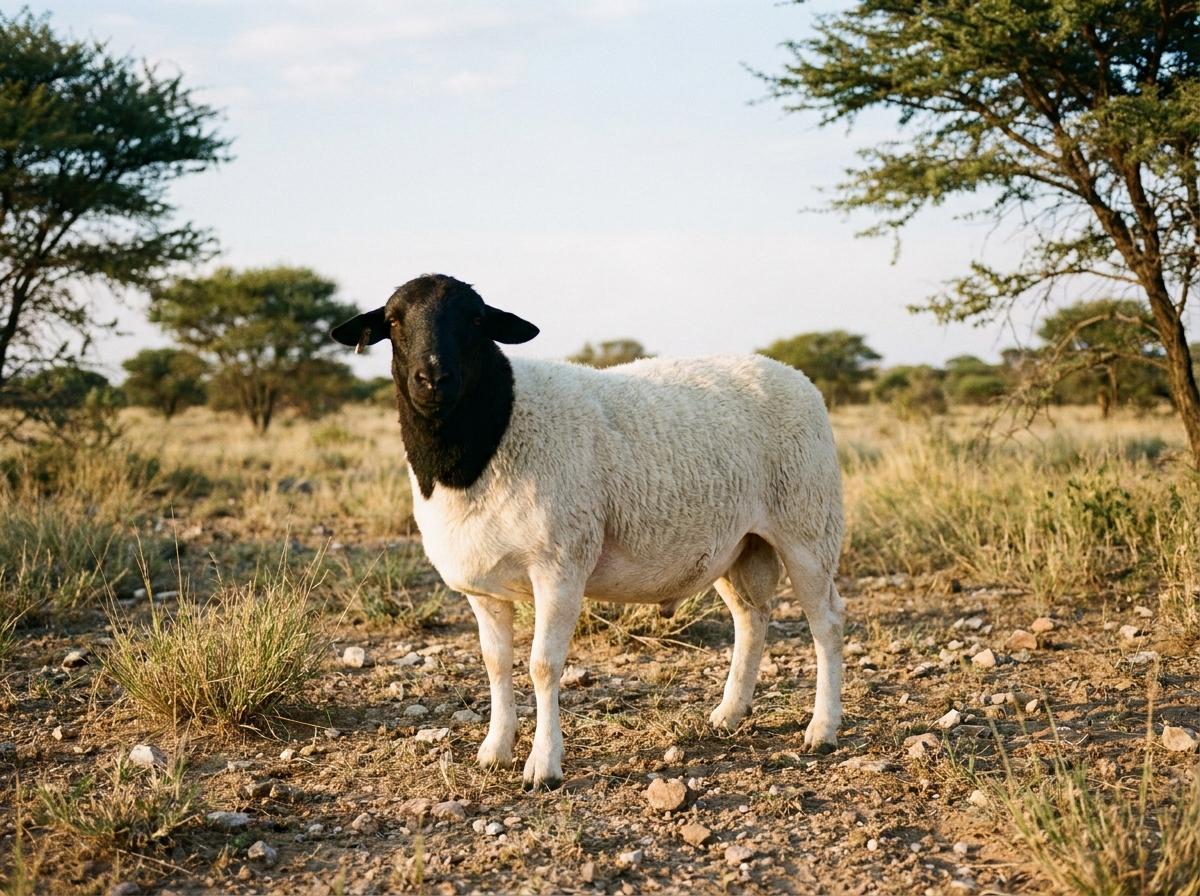
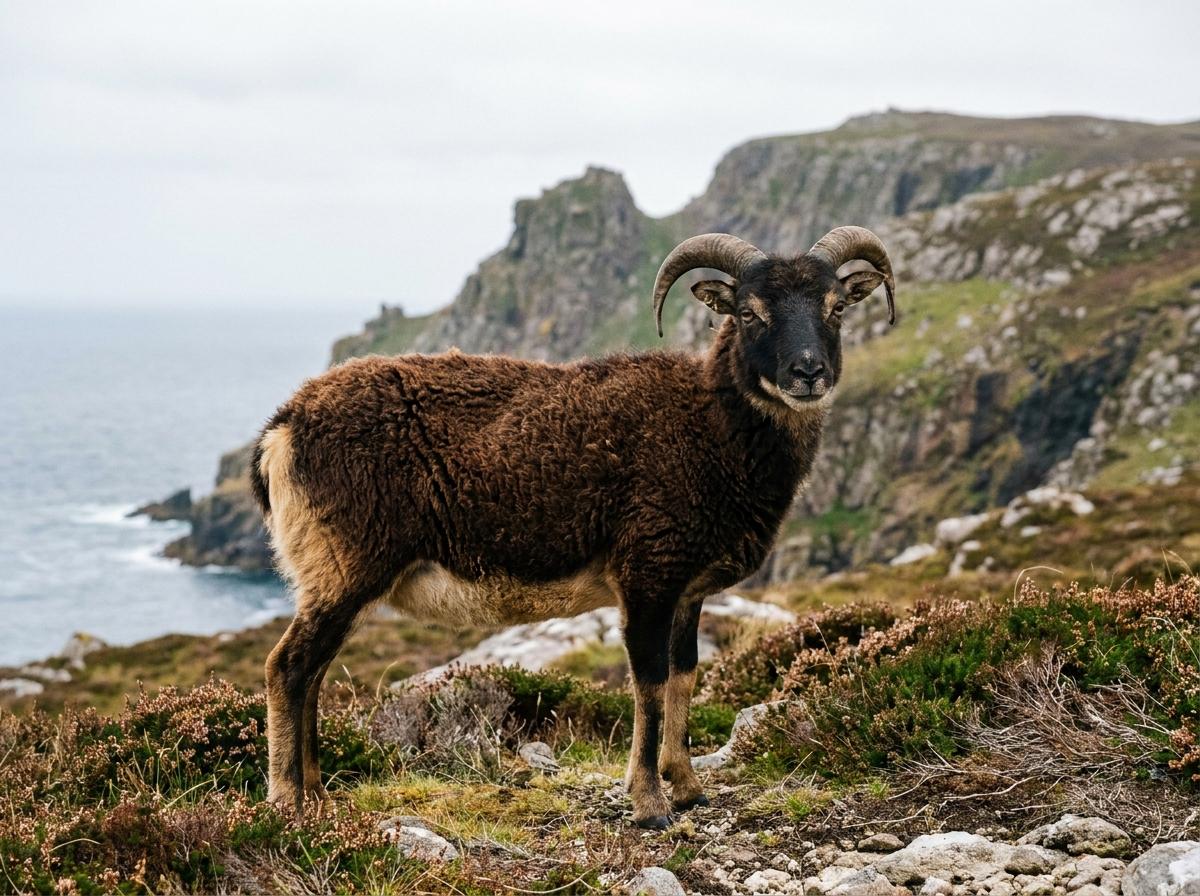
AI-generated illustration. An educational reconstruction, not an animal offered for sale.
Browse listings, public profiles, breeders, or add your animal.
What makes an Awassi recognizable?
The fat tail is the most useful starting point. It forms a broad reserve of fat behind the rump rather than the narrow tail seen in many familiar wool breeds. The head usually has a convex profile, and the ears hang downward. Rams commonly carry substantial curved horns; ewes are often polled or have much less horn development. Those are tendencies, not a rule that every ewe must be hornless.
Do not identify an animal as pure Awassi from a brown head alone. Other fat-tailed populations and crossbreds can resemble the breed. If breeding identity matters, ask which flock and registry or national recording system produced the animal, and whether both parents are recorded. An honest description of an unregistered cross is more useful than an unsupported claim of purity.

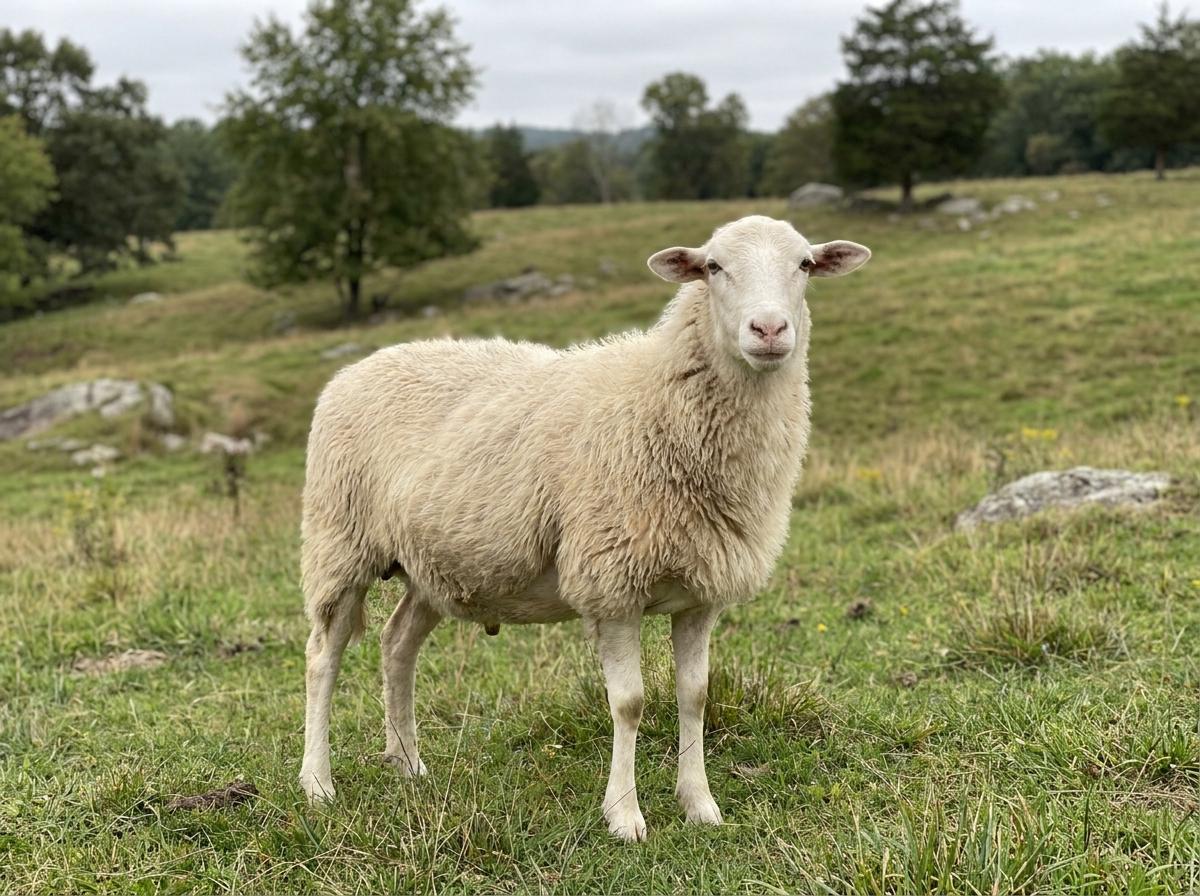
AI-generated illustration. A portrait crop, not a complete husbandry setup.
The photographs you request from a seller should answer separate questions. A side view helps with body shape and movement; a rear view helps explain tail and udder conformation; a clear identification image connects the animal to its paperwork. The illustrations here show a recognizable type, not a checklist that proves pedigree.
Dairy Awassi versus a general-purpose flock
Decide what evidence you need before asking how much milk an Awassi gives. For a milking ewe, request records with dates, the length of the recorded period, her age and parity, and whether lambs were also nursing. Ask how she was fed and milked. A total without that context is difficult to compare with another flock’s claim.
For a ewe lamb, her dam’s and female relatives’ records are more informative than an estimate of what she might eventually produce. For a ram, ask what selection decisions support the flock’s dairy claims. A striking head or large tail does not measure the traits you want to improve.
If your goal is lamb production, ask about the flock’s lambing and rearing records instead. Keep the questions attached to the actual animals and management system. Avoid paying a dairy premium for a label when no useful performance records accompany it.
Care implications of a fat-tailed wool breed
Plan the same essentials you would for a managed sheep flock: suitable companions, secure grazing, clean water, weather protection and access to skilled help. Fleece means a shearing plan, and purchasing sheep means a flock health and introduction plan. Defra’s sheep welfare guidance is a useful reference for these fundamentals.
A breed’s association with dry regions does not mean it can be left short of feed or water. Nor does a full-looking tail tell you everything about current condition. Ask a veterinarian or experienced sheep adviser to show you how to assess the animal and plan feeding for its life stage. If you intend to milk, review the practical handling and milking arrangement before buying.
For US summer conditions, University of Maryland Extension stresses shade, cool clean water and avoiding unnecessary handling during severe heat. Plan those measures even for sheep associated with dry climates.

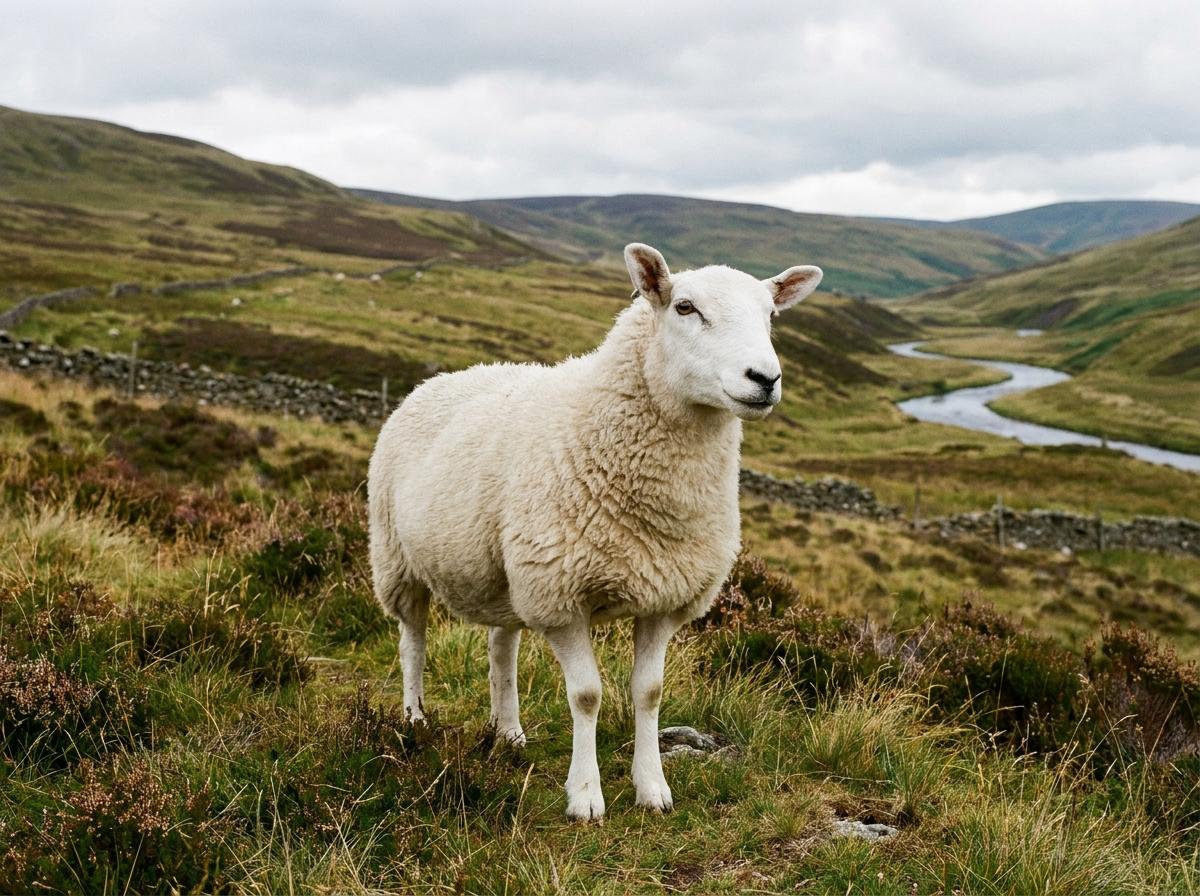
AI-generated illustration. An educational reconstruction, not an animal offered for sale.
Walk through a normal working day on paper. Who will inspect the sheep, bring them into handling facilities, cover milking when you are away and respond to a ewe that goes off feed? For a small new flock, these details are more useful than a claim that a breed is easy to keep.
Buying Awassi: compare the whole offer
There is no defensible single price for an Awassi across countries and markets. Ask for a dated quote for the actual class of animal you want. A breeding ram, a recorded milking ewe and an unregistered youngster are different purchases.
A useful written quote identifies the animal, seller, pedigree status, reproductive status, included documents and transport arrangements. Ask whether any health tests were performed, on which animals and when, and have your own veterinarian interpret the results. Confirm that required movement and import arrangements can be met before committing to an animal at a distance.
For dairy purchases, make the milking records part of the conversation rather than a promise to send them later. For breeding groups, check relatedness among the proposed animals. A group that looks convenient on a sales list may leave you with fewer mating options than expected.
Awassi questions
Are Awassi hair sheep?
No. They are wool sheep, even though the face, ears and parts of the legs are short-haired. Do not confuse a brown-headed Awassi with a shedding hair breed such as Barbados Blackbelly.
Is a fat tail a sign of a problem?
It is a normal feature of Awassi. A new asymmetry, injury or change still deserves an individual assessment; breed identity is not a diagnosis.
Can I use a breed average to plan a dairy?
Use actual flock records and a realistic feed and labor budget. A published breed figure is not a production contract for the animals you will buy.
Do this next on Creatures
Continue comparing origin, coat and use on the sheep hub.