Corriedale
Author: Elliott Garber, DVM · Published
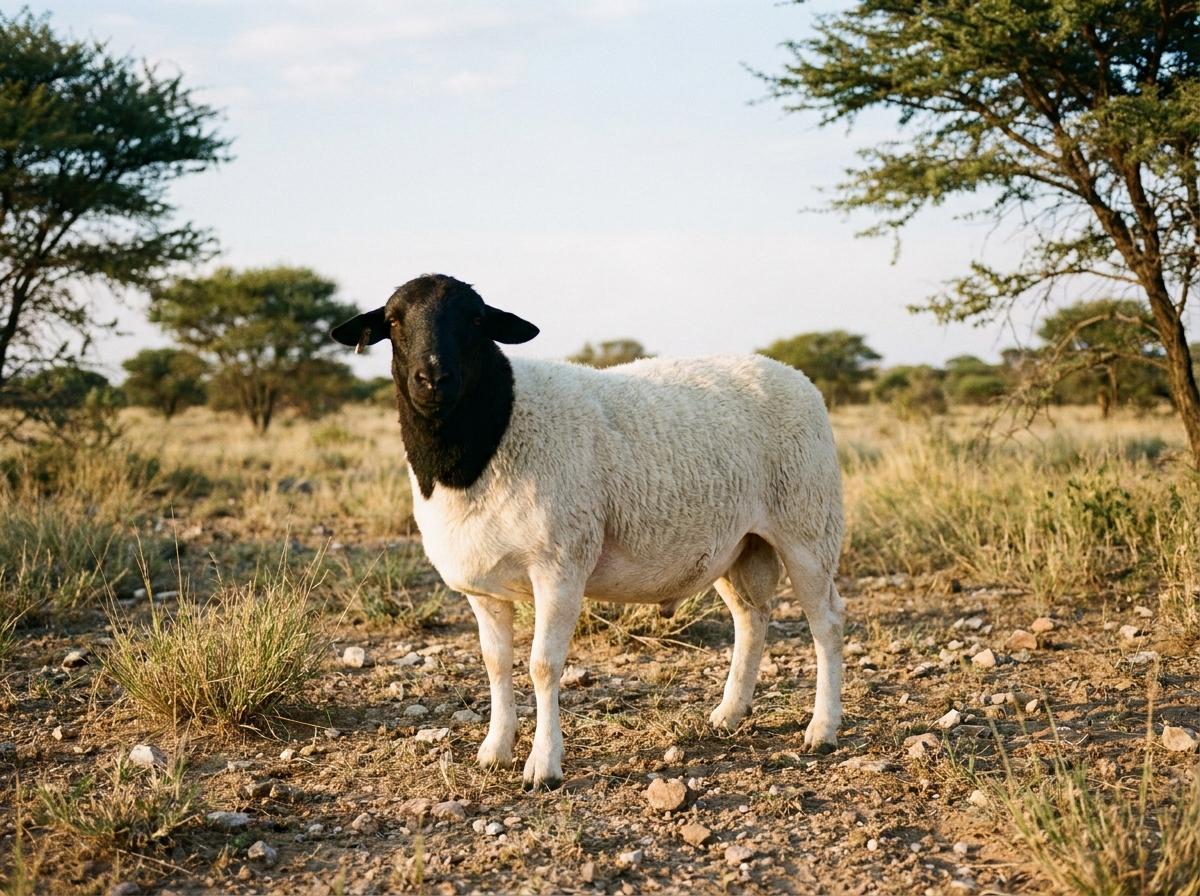
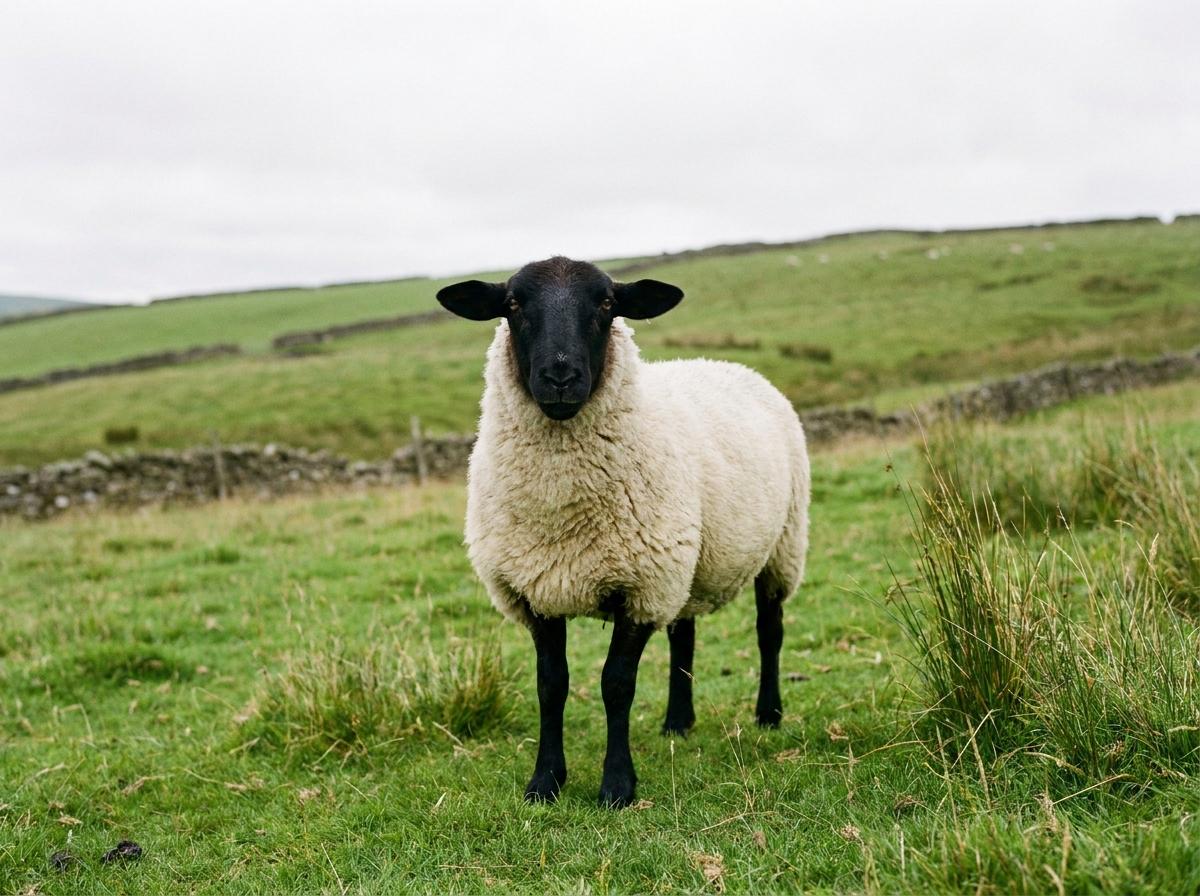
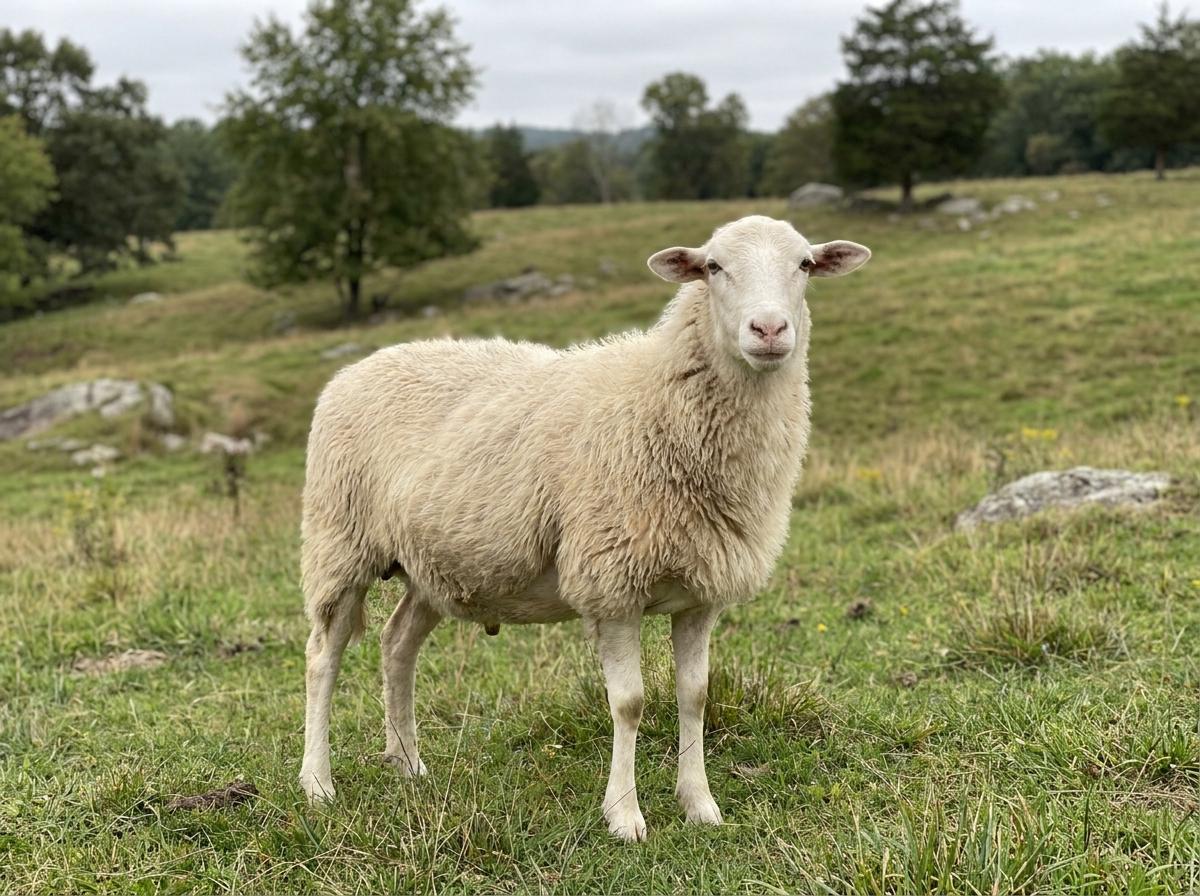
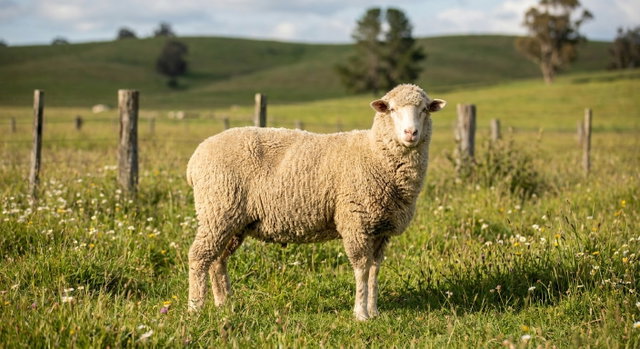
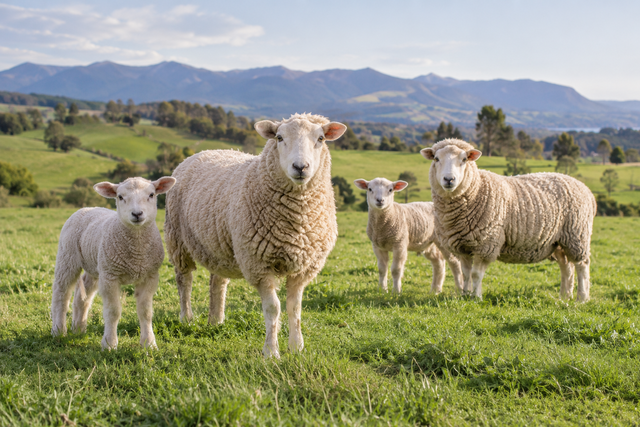
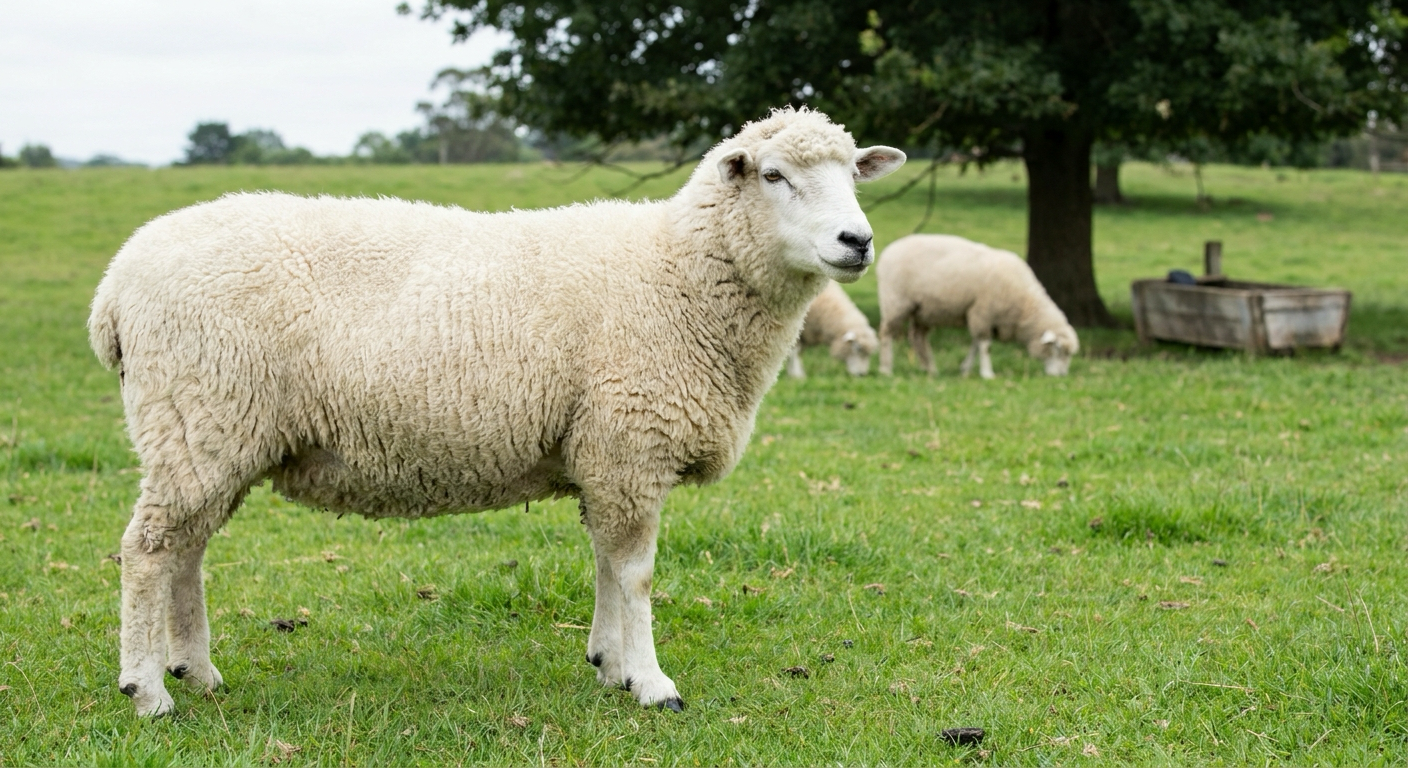
The Corriedale is a large, hornless, white-faced sheep bred for both meat and a heavy fleece of medium wool. It was developed in New Zealand from Merino ewes and Lincoln rams, reached the United States in 1914, and is registered here by the American Corriedale Association. If you want one flock that pays in lambs and in wool, it is one of the classic choices, as long as you are ready to shear every year.
Corriedales are sizable sheep, and a full fleece hides how much they actually weigh. The free Creatures sheep weight calculator turns two tape measurements into an estimate with no account needed (press the tape through the wool), and the sheep gestation calculator gives a lambing date from a breeding date.
| Type | Dual-purpose meat and medium wool, hornless, white face |
|---|---|
| Origin | New Zealand, from Merino ewes crossed with Lincoln rams |
| US registry | American Corriedale Association (records through Associated Registry) |
| Wool | 50s to 58s spinning count, about 25 to 31 microns (ACA standard) |
| Fleece weight | About 10 to 14 lb (New Zealand Sheepbreeders Association) |
| Mature weight | ACA standard: rams 275 lb and up, ewes 175 lb and up |
| Key standard points | No horns; black nose preferred; no black or brown fibers in the fleece |
| Shearing | At least once a year |
Browse listings, public profiles, breeders, or add your animal.
Where the Corriedale came from
The Corriedale began as an “inbred halfbred”, a Merino by longwool cross bred on until it bred true. According to the American Corriedale Association’s breed history, James Little began developing it on the Corriedale estate in New Zealand’s South Island in the 1860s, using Merino on the dam’s side and English Lincoln longwool on the sire’s side. The name Corriedale was adopted in 1902, the New Zealand Sheep Breeders Association began publishing Corriedale pedigrees in 1911, and a separate Corriedale flock book followed in 1924.
The New Zealand Sheepbreeders Association’s Corriedale page adds that Little first tried Romney rams on Merino ewes before moving to Lincoln crosses, and that the breed went on to large exports to South America, Australia and North America.
In the United States, the ACA says the Department of Agriculture sent F. R. Marshall and Frank S. King to New Zealand in 1914, where they selected 65 ewes and 10 rams for the government experiment station in Wyoming. King founded the American Corriedale Association in 1916. The association reports more than 547,000 Corriedales registered since then, with members in more than 40 states and Canada.
Corriedale sits between its parent types. It carries more fleece and a finer fiber than a longwool such as the Lincoln, and more body and a coarser fiber than a Merino or Rambouillet. The American Columbia came from a similar longwool by fine-wool cross, so the two are worth comparing side by side on the sheep hub.
The breed standard: what a good Corriedale looks like
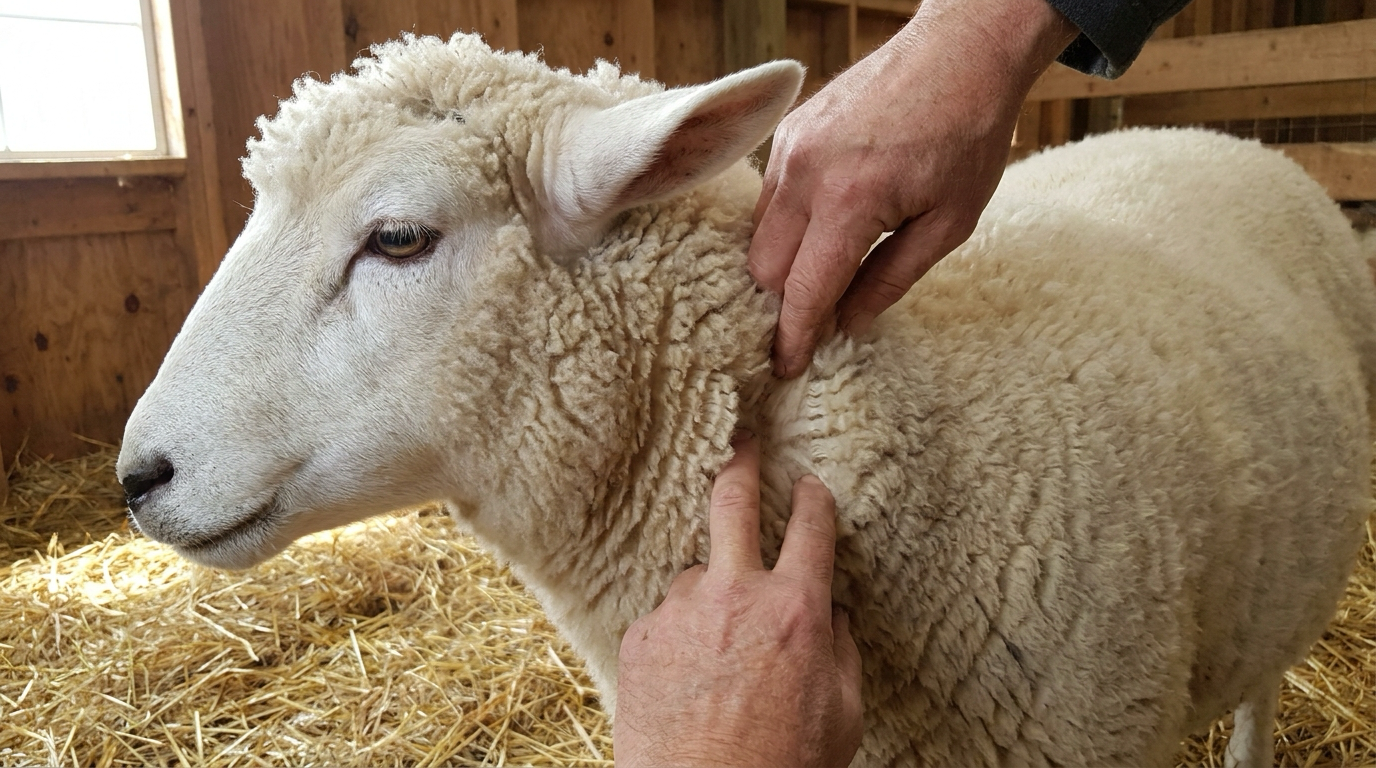
The ACA breed standard asks for a stylish, well-balanced, heavy-shearing and growthy sheep, with weight given to both carcass and wool. The points a buyer can check by eye:
- Head: hornless, with a well-defined pit where horns would grow. Slight scurs attached only to the skin are a minor defect; horn growth attached to the bone is unacceptable. A black nose is preferred and a solid pink or white nose is discouraged.
- Face and eyes: the area around the eyes and a channel forward from the eye should be free of wool, so the sheep is never wool blind, while the poll should carry a good wool cap.
- Feet: hard and oval, preferably black. Streaky or lighter feet are allowed if they are not totally white.
- Size: longer than tall. The ACA standard calls for mature rams of 275 pounds and up and mature ewes of 175 pounds and up.
- Rams: testicles even and well descended, with a minimum scrotal circumference of 35 cm at 18 months or older and 30 cm at 6 months.
The ACA’s judging scorecard splits 100 points into breed character and appearance (25), conformation (40) and wool (35). It lists faults that disqualify an otherwise good sheep: black or brown spots in the wool, horns, wool blindness, a malformed mouth, a solid pink or white nose with all-white hooves, and malformed legs or feet.
New Zealand figures run a little smaller. The NZSBA gives ewes at 65 to 80 kg (143 to 176 pounds) and rams at 85 to 105 kg (187 to 231 pounds). Treat the ACA numbers as a breeding target for US registered stock, not a forecast for an individual ewe lamb.
The fleece
The fleece is half the reason to keep Corriedales. The ACA standard asks for a heavy, even fleece of bright, lustrous wool with good staple length and density, a well-defined lock, uniform crimp and a 50s to 58s spinning count, which it describes as medium grade, approximately 25 to 31 microns. Belly wool should not creep up above a line from fore flank to rear flank, the fleece should be white or creamy white, and a genetic canary-yellow color is penalized. Legs wooled down toward the fetlock are preferred.
The NZSBA gives a fleece weight range of 4.5 to 6.5 kg (10 to 14 pounds, averaging about 12), a staple of 75 to 125 mm (3 to 5 inches), and fiber diameters of 28 to 33 microns for adults and 24 to 30 for hoggets. The difference from the ACA’s 25 to 31 micron target is a useful reminder that fiber diameter changes with age, nutrition and the flock’s breeding goals. If you sell wool to handspinners, ask a seller for an actual fiber test on the animal or its flock rather than relying on the breed range.
Corriedales still have their own classes at major shows. The National Western Stock Show’s 2025 breeding sheep rules, for example, list Corriedale as a breed class and name it among the dual-purpose medium and fine wool breeds. If you are interested in exhibiting, our guide to showing sheep explains fitting and ring work, which differ for wool breeds that are carded rather than slick shorn.
Care: shearing, feeding and health
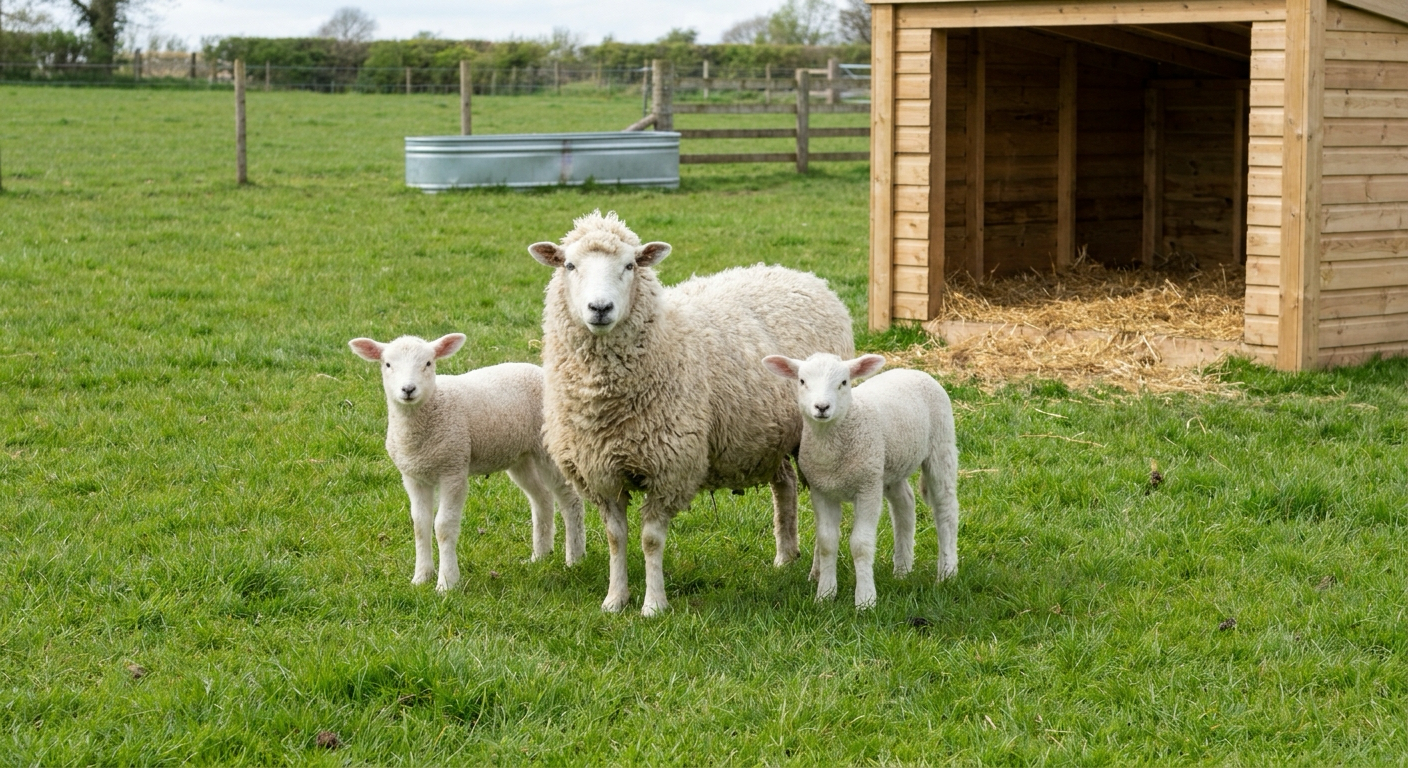
Shear at least once a year. University of Wisconsin Extension’s sheep guide says wooled sheep must be shorn at least annually, notes that many flocks shear shortly before lambing so lambs can find the udder, and warns that ewes shorn in winter need shelter to stay warm. Book a shearer early in the year; our sheep shearing guide covers timing and crutching.
Feed for the stage the ewe is in. Forage is the base of the ration, with more energy and protein in late pregnancy and lactation. See the sheep feeding guide. Wisconsin Extension also explains why sheep should get only minerals formulated for sheep with low added copper: sheep store copper in the liver and can die of copper toxicity. Our sheep minerals guide covers the details.
Shelter and company. Sheep need flock mates, clean water, secure fencing and a dry, ventilated shelter from wind and wet. A heavy wool fleece holds rain, so a sheltered spot matters in a wet spring.
Parasites and health. Wisconsin Extension recommends basing deworming decisions on FAMACHA scoring or fecal egg counts rather than the calendar, because treating without cause breeds dewormer resistance. Read our sheep deworming guide, quarantine new arrivals, and set a vaccination and health plan with your veterinarian.
Lambing. The NZSBA gives a lambing percentage of 90 to 130 percent for the breed, and the ACA describes Corriedale ewes as good mothers. Use the sheep gestation calculator to plan the lambing date, then the lambing guide for the signs of labor and when to call a veterinarian.
Registration and buying Corriedales
The ACA’s registrations page says all registrations, transfers and memberships are handled through Associated Registry in Sedalia, Missouri. When you buy registered stock, ask for the certificate, a transfer to your name and the ear tag or tattoo that matches it.
Before you pay a deposit, ask:
- Is the sheep registered or eligible, and will the seller transfer the paper?
- Does it clear the standard’s disqualifications: no horns, no solid pink or white nose with all-white hooves, no colored fibers, a sound mouth and feet? A black nose is preferred.
- What does the fleece weigh, and is there a micron test for the animal or the flock?
- For a ram, what is his scrotal circumference, and has he had a breeding soundness exam?
- For a ewe, how many lambs has she raised, and were any births assisted?
- What is the flock’s health history, including foot problems and any disease testing?
- Does the sheep carry official scrapie identification, and what does your state require when sheep move to your farm?
Our guide to where to buy sheep covers seller questions and disease tests, and how much a sheep costs gives price context by type. Ask more than one breeder for dated prices on comparable sheep; registered breeding stock, a commercial ewe and a wool wether are different purchases.
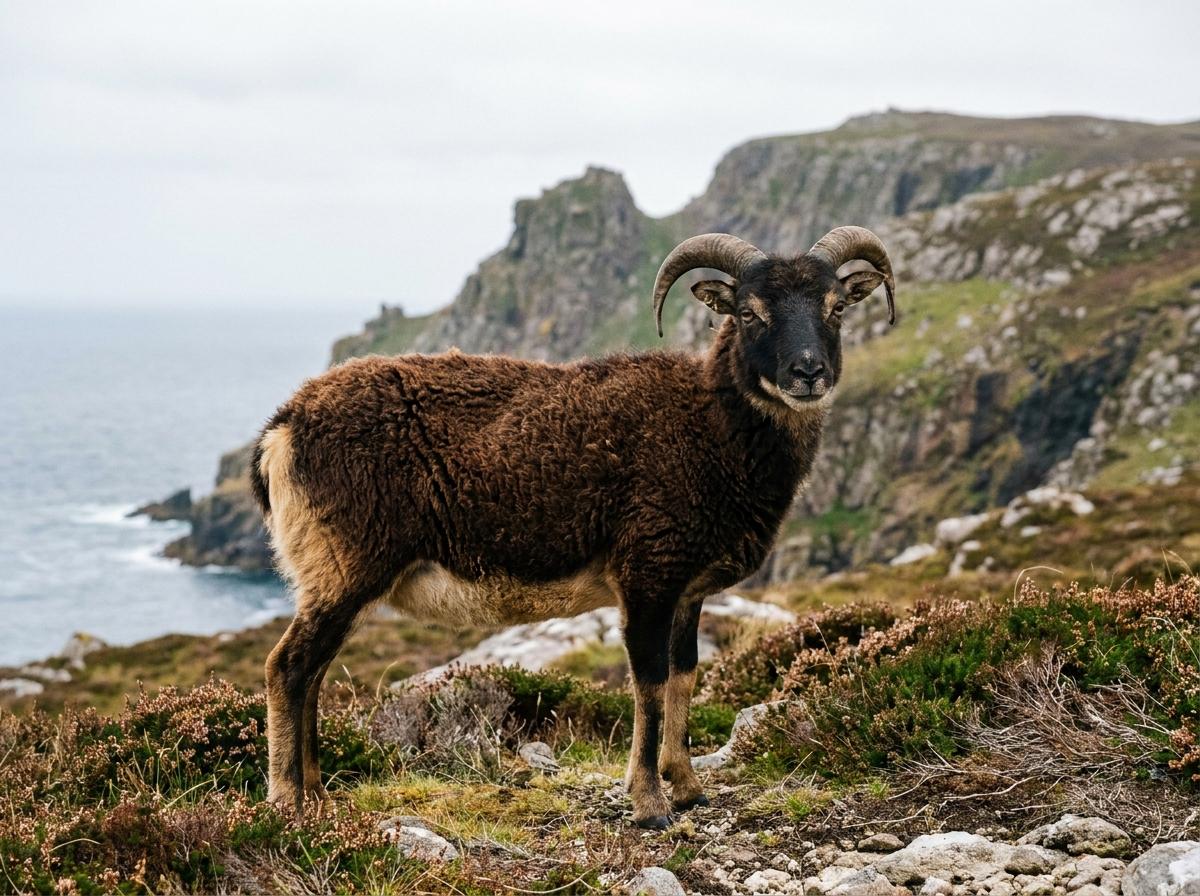
If you would rather keep a small primitive breed that sheds instead of being shorn, our sister guide to Soay sheep is the opposite end of the scale from a Corriedale. For keeping individual records across a flock, see the sheep flock record book guide.
Frequently asked questions
Are Corriedale sheep meat or wool sheep?
Both. The ACA calls the Corriedale a dual-purpose breed and gives weight to both carcass and wool in its standard and scorecard.
Do Corriedales have horns?
No. The ACA standard requires a hornless sheep. Small scurs attached to the skin are a minor defect; horns attached to the skull disqualify.
What micron is Corriedale wool?
The ACA standard targets a 50s to 58s spinning count, about 25 to 31 microns. New Zealand figures give 28 to 33 microns for adults and finer for young sheep.
How much does a Corriedale weigh?
The ACA standard calls for mature rams of 275 pounds and up and ewes of 175 pounds and up. New Zealand figures are lighter, at about 143 to 176 pounds for ewes.
Who registers Corriedales in the US?
The American Corriedale Association, founded in 1916. Its registrations, transfers and memberships run through Associated Registry.
Do this next on Creatures
Corriedale listings come and go, so most buyers start with an alert and a few breeder conversations. A listing or directory entry does not establish registration, health status or fleece quality.
Get told when one is listed. Set a Corriedale listing alert, with no account needed to start. See saving searches and using your watchlist.
Contact breeders. Search the breeder directory for sheep farms and ask about registered Corriedales. Directory entries are a starting point, not an endorsement.
Browse what is listed. Check Corriedale sheep on the marketplace, then ask for the evidence above.
Start a profile for your sheep. Add your Corriedale with its tag and registration number. No account is needed to start; a free account keeps it. See adding an animal to Creatures.
Keep breeding and fleece records. Add a record for a breeding date, a weight or a shearing. The sheet opens for visitors; a free account saves it. See recording a breeding and track weight and growth.
Breed Corriedales? Create your flock’s profile, no account needed to start. See creating an organization and adding your team and getting listed in the breeder directory.