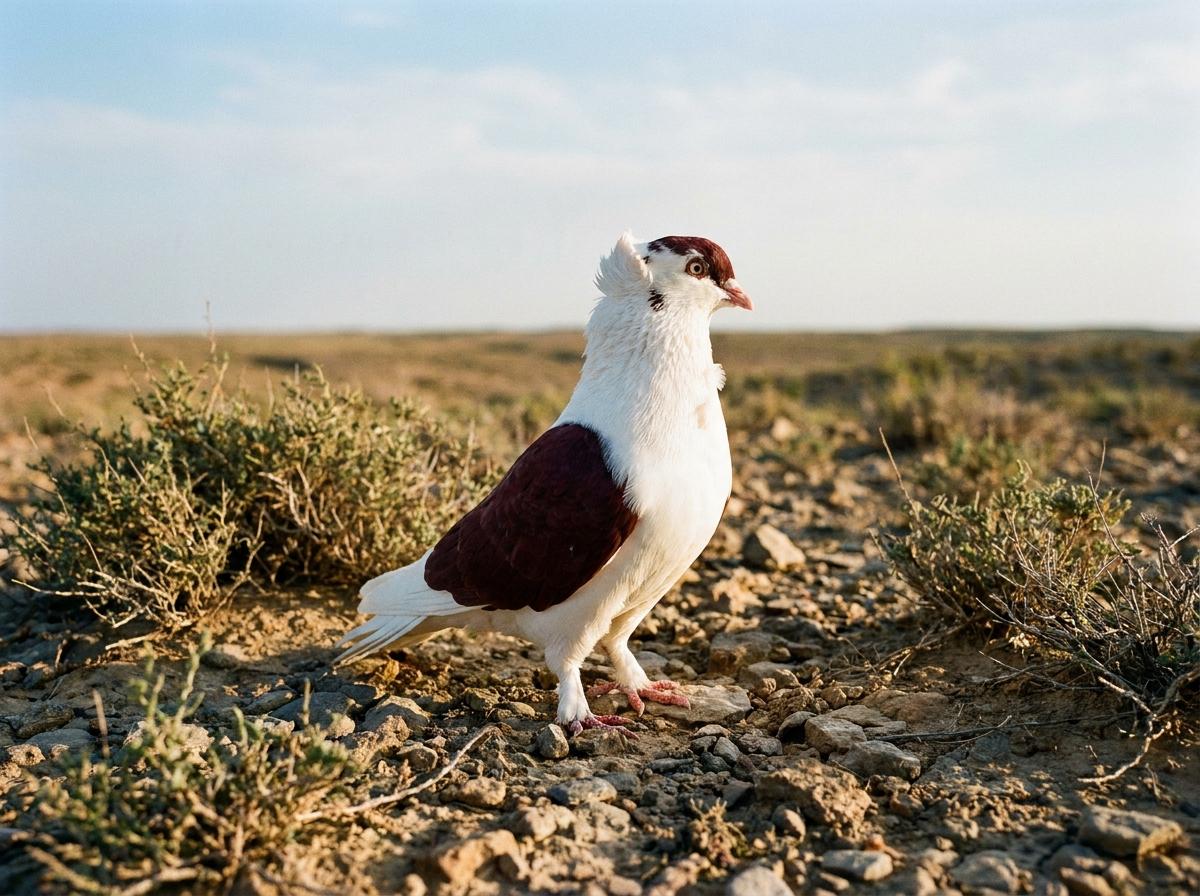
Pigeon
Columba livia
Author: Elliott Garber, DVM · Published
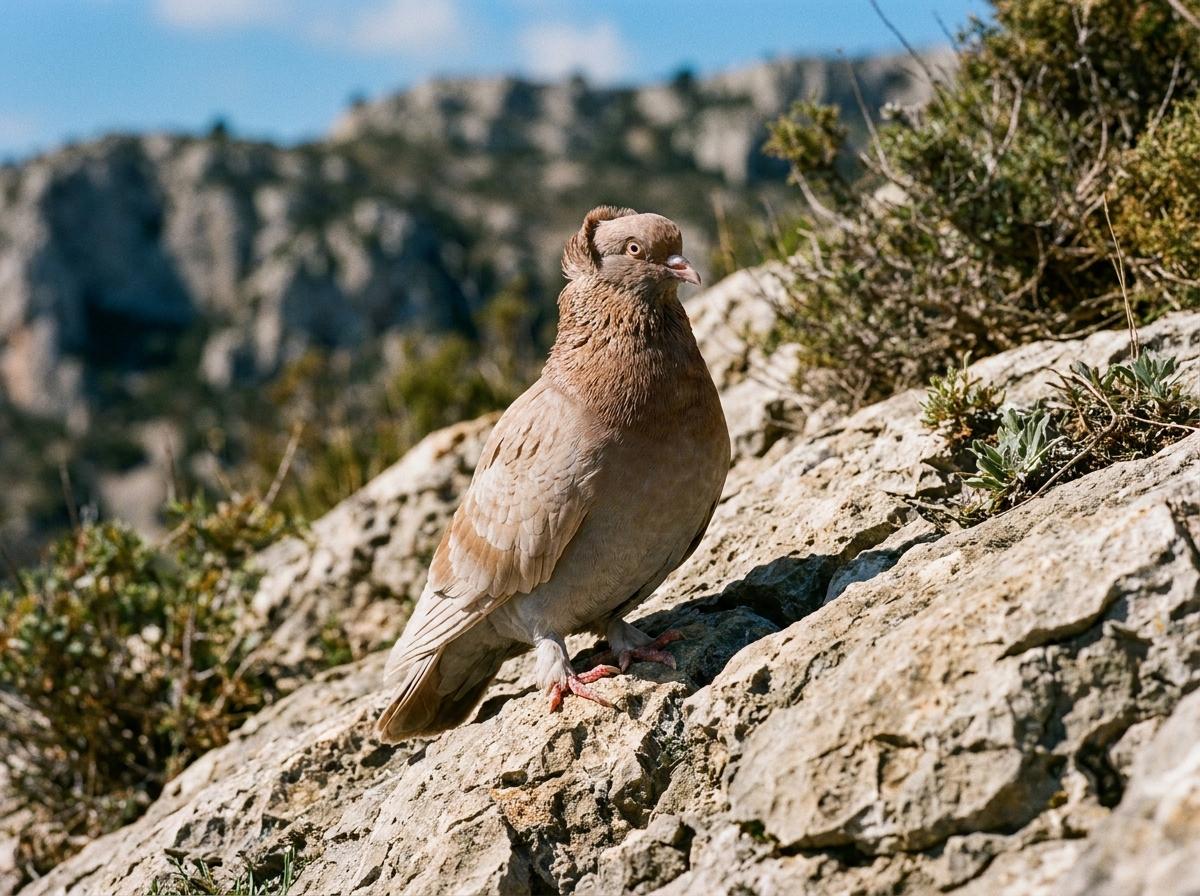
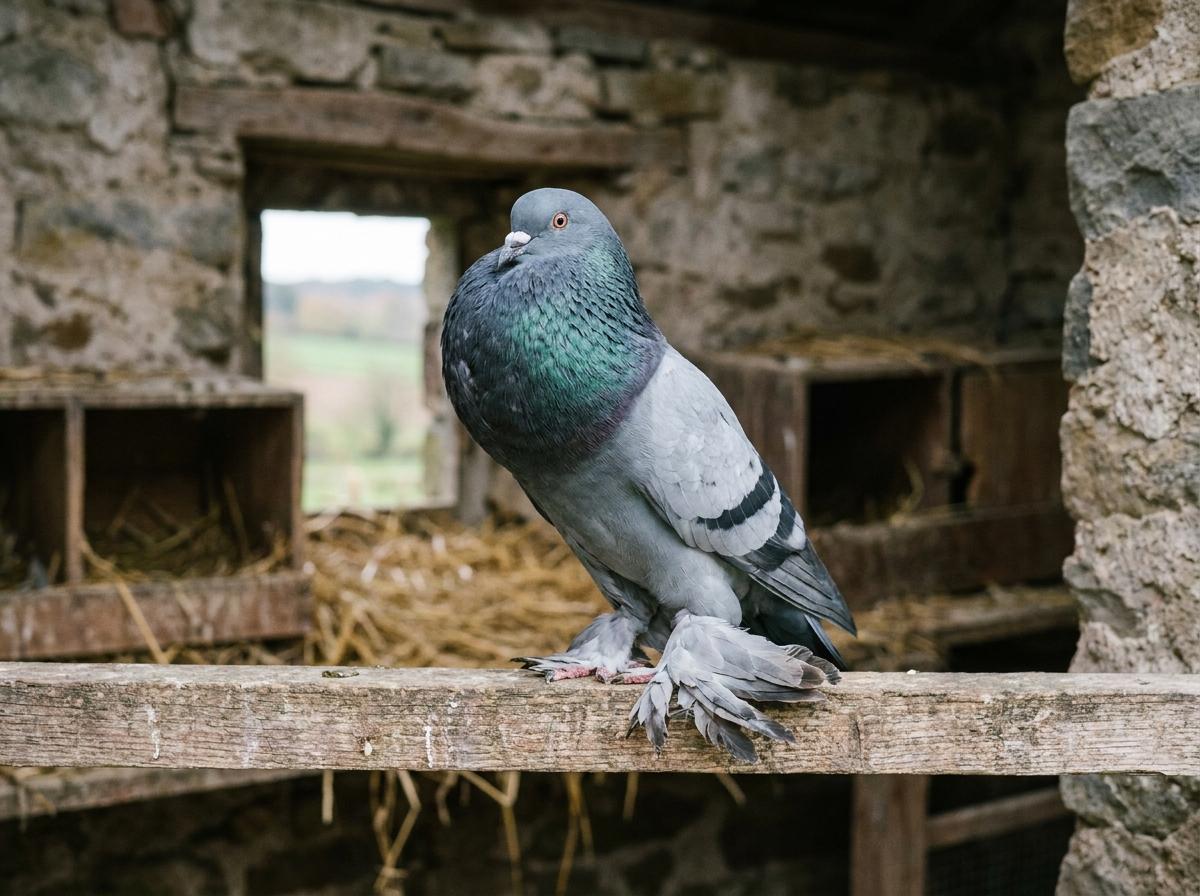
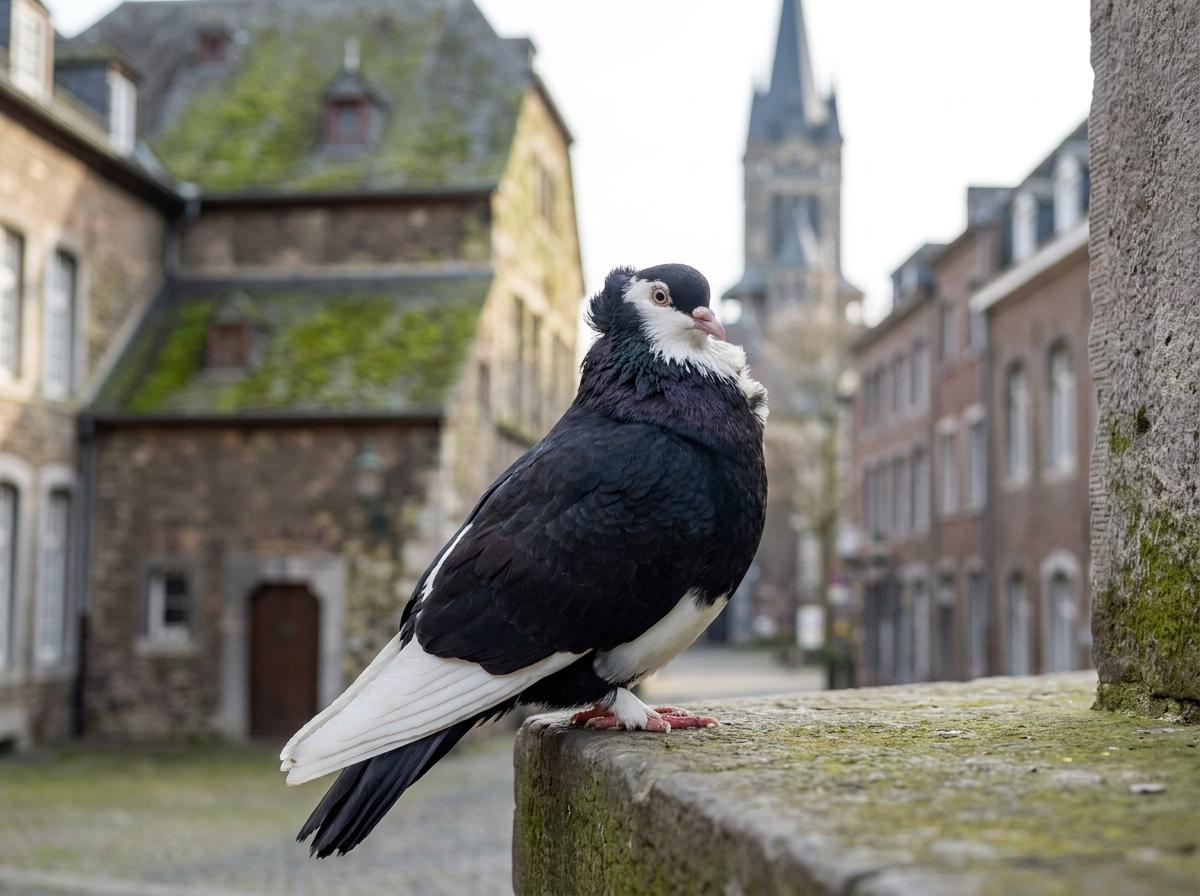
The pigeons people keep, race and show are all one species: the domestic form of the rock pigeon, Columba livia, the same bird as the feral pigeon on a city ledge. Breeders have turned it into more than 350 breeds, and keepers sort them by the job they were bred for: racing and homing, flying and performing, fancy and show, and utility breeds raised for squab. A pair lays two eggs that hatch after about 18 days, the birds pair for life, and lifespan depends on how a pigeon lives: feral city pigeons average about 2.4 years, while a kept homing pigeon has lived to 31. If you are looking for birds now, start with the pigeon breeders and lofts listed in the Creatures directory.
Pigeon breeds come first here, grouped by the job each was bred for and by the National Pigeon Association’s show groups; costs, lifespan, loft and health care, breeding, buying and record keeping follow. Breed names link to their Creatures breed pages, and the free pigeon name generator and the other free Creatures tools are linked where they help.

| Species | Domestic pigeon, Columba livia: the same species as the wild rock pigeon and the feral city pigeon |
|---|---|
| Main types | Racing and homing, flying and performing, fancy and show, and utility breeds raised for squab |
| Breeds | More than 350 worldwide; the US National Pigeon Association sorts the breeds in its standard into 10 show groups |
| Adult size | From about 6 oz (African Owl, Spanish Figurita) to about 3.5 lb (Runt), per the National Pigeon Association; a wild rock pigeon weighs 9.3 to 13.4 oz |
| Lifespan | Feral city pigeons average about 2.4 years; kept pigeons live far longer, and recorded birds have passed 30 years |
| Diet | A grain or pellet mix of at least 13% protein (18 to 20% for breeding and molting), pigeon grit and clean water |
| Breeding | Two eggs a clutch, hatching about 18 days after the second egg; both parents feed crop milk; young weaned at about 35 days |
| Social needs | Flock birds that pair for life: plan on at least a pair |
| Housing | A dry, airy, predator-proof loft, commonly about 27 cubic feet per pair, with a covered fly pen for birds that are not flown loose |
Browse listings, public profiles, breeders, or add your animal.
Types of pigeons and pigeon breeds
Every domestic pigeon breed belongs to the same species, which is what made the pigeon so useful to Charles Darwin. He kept pigeons for years, and the gap between the fancy breeds and the wild bird helped him think through evolution, as Cornell’s Lab of Ornithology notes. The differences breeders have fixed since the rock pigeon was domesticated in Neolithic times are extreme: the National Pigeon Association’s basic care guide puts the giant Runt at up to about 3.5 lb and the little African Owl and Spanish Figurita at barely 6 oz. How many breeds there are depends on who is counting. University of Kentucky poultry specialist Jacquie Jacob’s extension guide to raising pigeons says more than 175, the NPA’s Grand National show alone exhibits over 200, and a 2013 genome study in Science puts the world total at over 350.
For a keeper, the job comes first, so this guide sorts breeds into four practical groups: birds raced home, birds flown for what they do in the air, birds bred for looks, and birds raised for the table. Show rules use a finer system. The National Pigeon Association, the US all-breeds club founded in 1920 that publishes the Book of Standards, places each breed in one of ten show groups: form; wattle; trumpeters; structure; Syrian; doves; owls and frills; croppers and pouters; color; and tumblers, rollers and high flyers. Those groups follow body type and ornament rather than use, which is why the Racing Homer and the King both sit in the form group on the show bench. For any breed not covered here, the full A to Z list lower on this page has hundreds more names, each with a page for its breeders and public profiles.
| Racing and homing | Racing Homer; show forms of the homer such as the American Show Racer and German Beauty Homer |
|---|---|
| Flying and performing | Birmingham Roller, Oriental Roller, tipplers, Pakistani Highflyer, flying tumblers |
| Owls, frills and structure | Old German Owl, African Owl, Oriental Frill, Turbit, Chinese Owl, Fantail, Jacobin |
| Croppers and pouters | English Pouter, Pigmy Pouter, Norwich Cropper, Holle Cropper |
| Wattle and trumpeter breeds | English Carrier, Barb, Scandaroon; English Trumpeter, Bokhara Trumpeter |
| Color pigeons | Archangel, Ice Pigeon, Saxon Monk, Lucerne Gold Collar |
| Form and Syrian breeds | Modena, Strasser, Lahore; Damascene, Lebanon |
| Utility (squab) | King, Carneau, French Mondain, Runt, giant homers |
Racing and homing pigeons
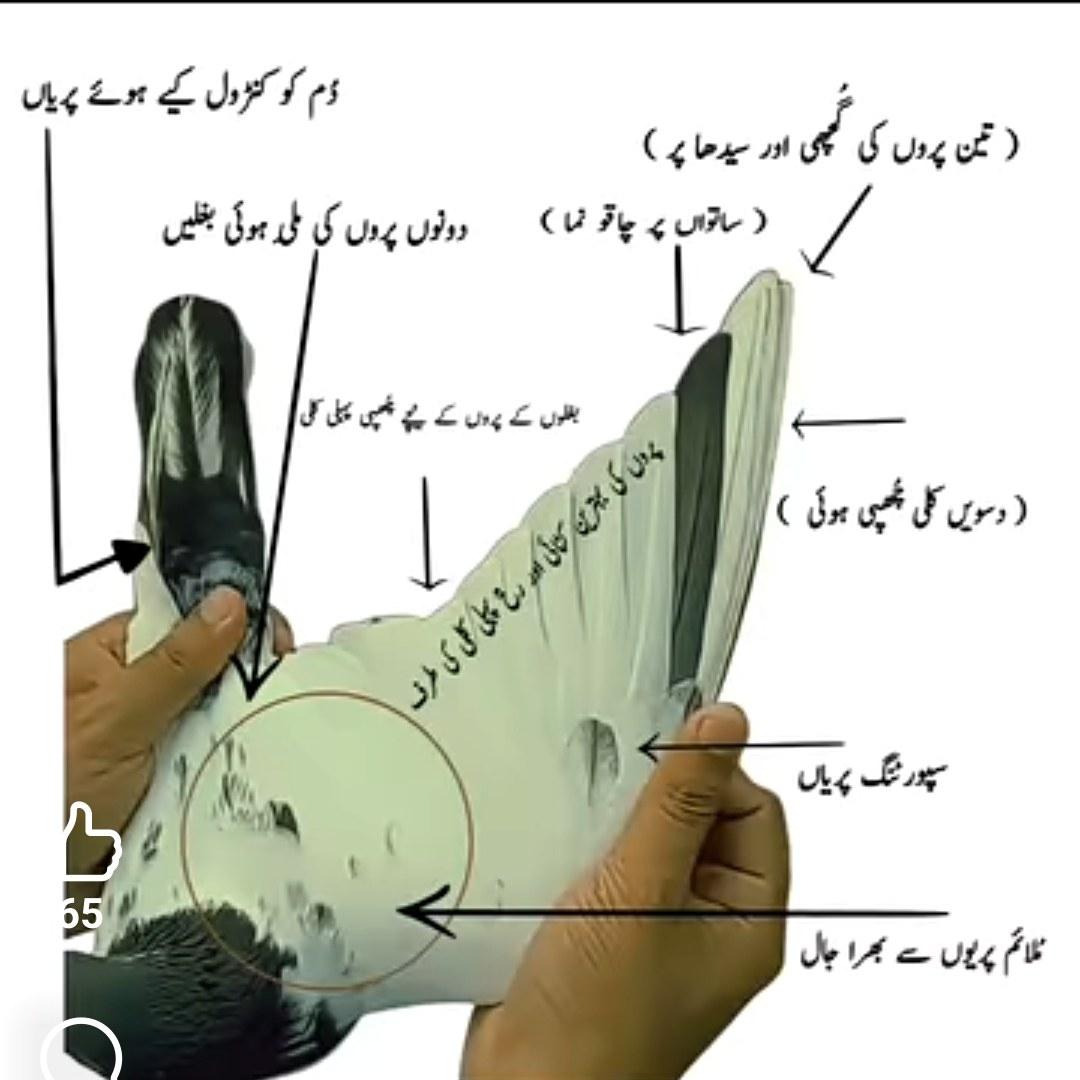
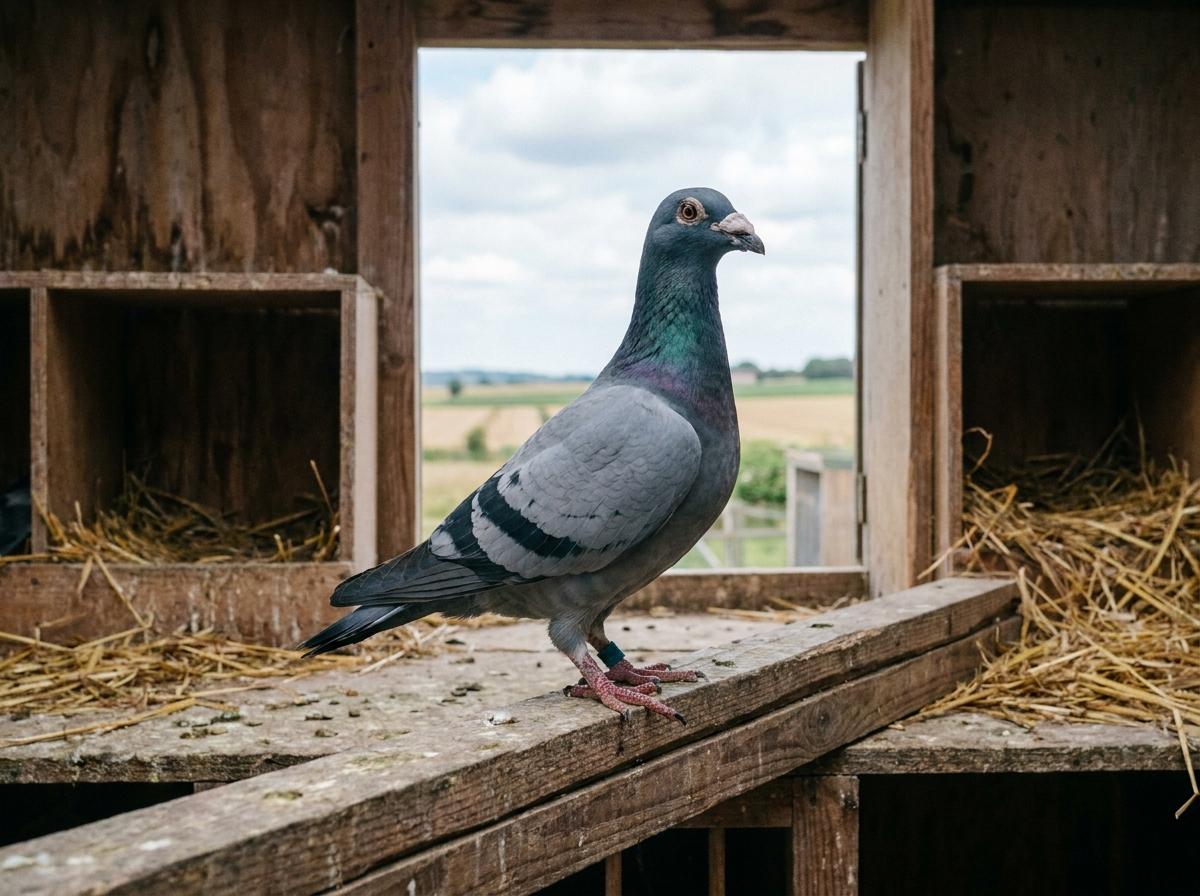
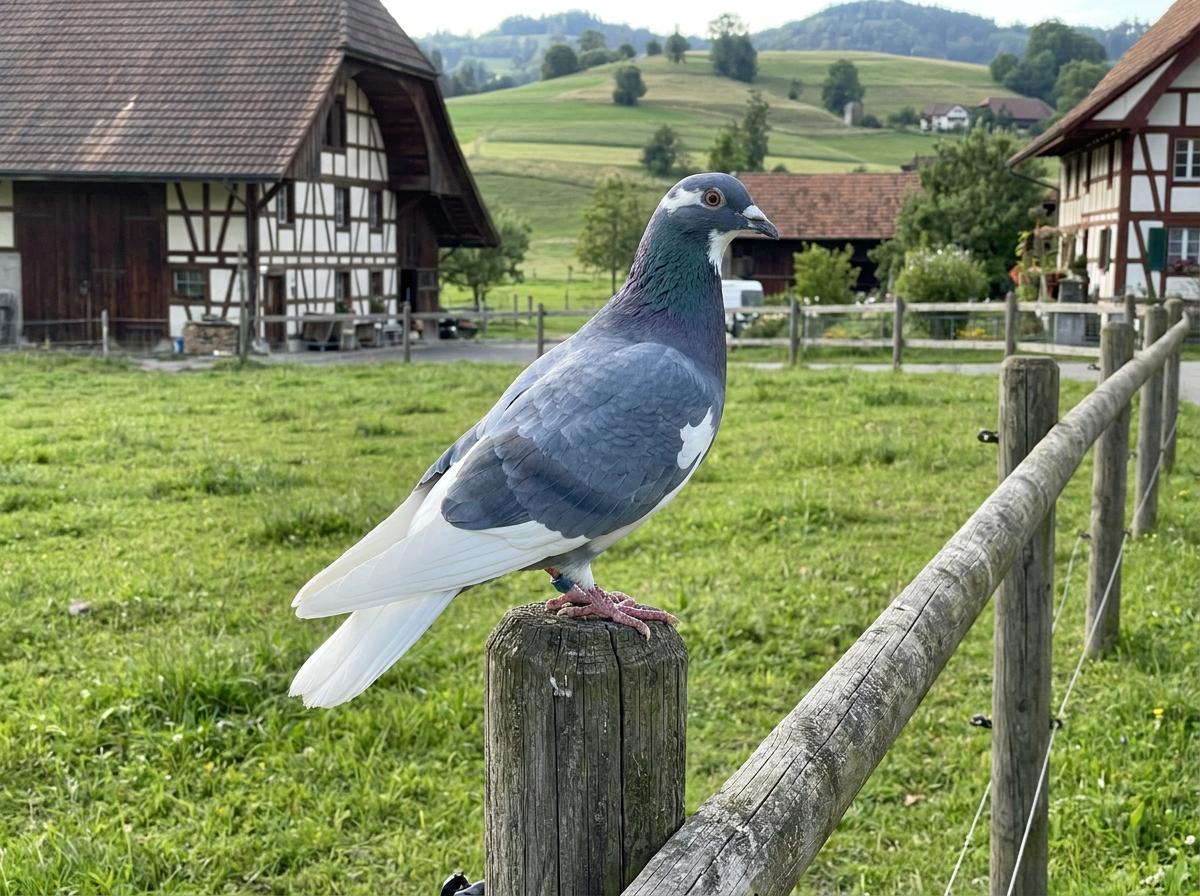
The Racing Homer is the breed behind the sport of pigeon racing, and nearly every pigeon breeder listed on Creatures today keeps them. Jacob’s extension guide describes racing pigeons as tight-feathered, rugged birds trained to fly home to their own loft, with young birds typically racing up to about 300 miles and older birds 500 to 1,000. Pigeons can find their way home even from a distant release point, navigating by the earth’s magnetic field, the position of the sun and perhaps sound and smell, according to Cornell. Homing pigeon is the general name for birds kept for that ability; the Racing Homer is the breed built around it.
The sport reached the United States from Belgium, where races were held as early as the 1700s. The American Racing Pigeon Union’s history dates the first imports of homing pigeons to the 1860s and the first racing club to 1872. The AU itself was organized in 1909, and the other national racing body, the International Federation of American Homing Pigeon Fanciers, took its current name in 1907 after growing out of the federations of the 1880s. Both register racing birds through their clubs and issue the seamless leg bands that identify them.
One rule shapes everything else about racing. A homer flies to the loft where it was raised and settled, so only young birds raised in your own loft can be raced, and an older bird bought from another breeder may fly straight back to its first loft if you let it out (Jacob). That is why racing stock changes hands as youngsters, and why a bought adult is kept as a breeder that never flies loose. Where to Buy Pigeons explains how that works in practice.
Several breeds come from racing stock but are judged on looks and never raced. The American Show Racer is bred to an idealized racing-homer type for the show pen, the German Beauty Homer is the German equivalent, and the Exhibition Homer is another show form of the homer family. One name trips up many buyers: despite it, the modern English Carrier is a wattled exhibition bird, not a message carrier.
Flying and performing pigeons: rollers, tumblers and highfliers
Flying breeds are kept for what they do in the air rather than for how fast they get home. The Birmingham Roller turns rapid backward somersaults as it falls, and rollers are flown in teams called kits, usually about 20 birds, with faster somersaults counting as better performance (Jacob). The National Birmingham Roller Club, quoted on the NPA’s beginner page, says kits are judged on how many birds roll at once, the depth and quality of the roll, and how well the birds fly together. The Oriental Roller is one of the oldest performing breeds, a Near Eastern pigeon that rolls and spins through steep dives and is now both flown and shown.
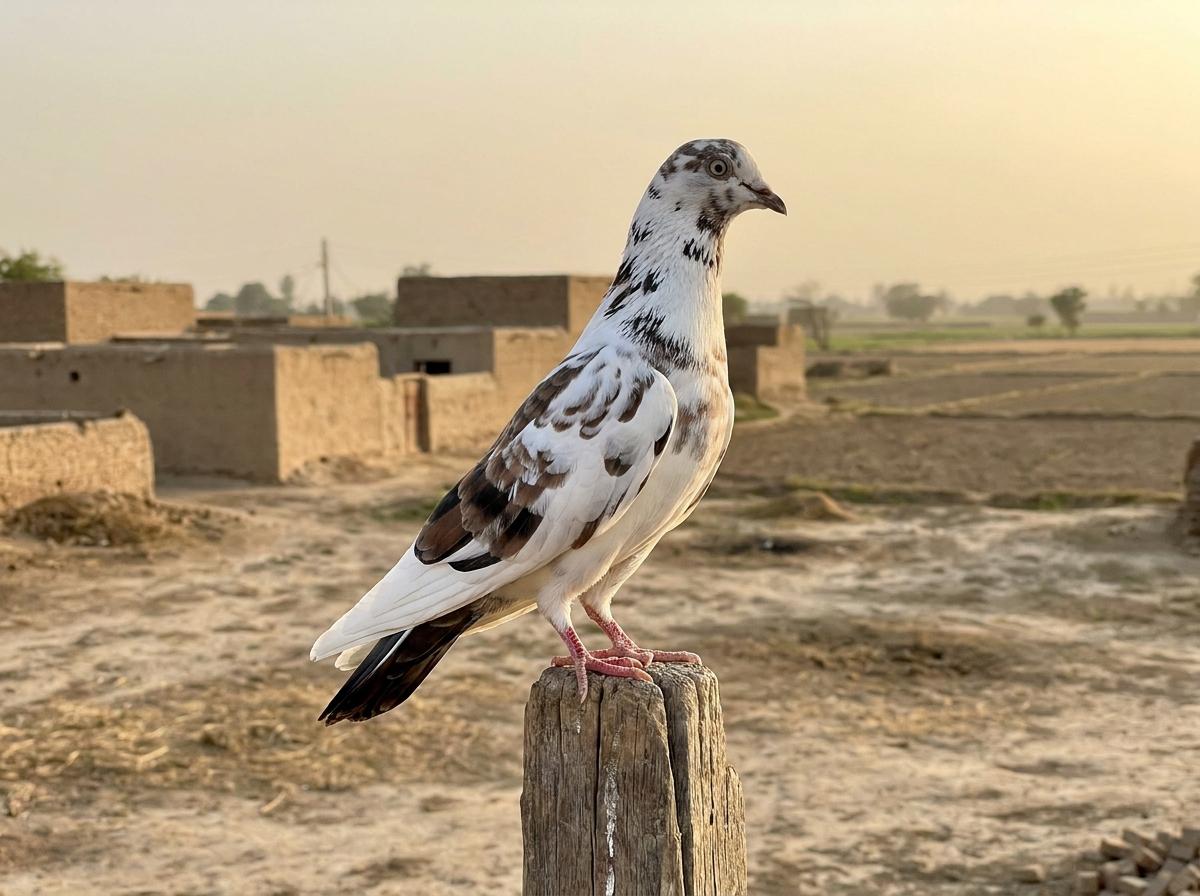
Highfliers and tipplers are flown for altitude and endurance. The NPA names the Tippler as a classic high flyer, and the Pakistani Highflyer is a family of loft strains from Punjab bred to stay up high for hours and judged by the clock rather than on the show bench. The rare Dutch Groninger Slenke, with its startling backward-curved neck, is a display flier that claps its wings above and below its body in a ringbeat.
Tumblers make up the biggest share of the NPA’s flying group, from flying breeds such as the West of England Tumbler and Danish Tumbler to exhibition birds such as the English Short-Faced Tumbler. The NPA files several marked show breeds here too, including the Helmet and the Nun, a white bird with a colored head, bib, tail and flights under a pure white shell crest. Some tumblers cannot fly at all: ground tumblers do their rolls on the floor and have to be raised as ground birds, because they cannot reach perches or nest boxes (Jacob), so their loft has to be built for them. And because performance birds are flown loose, predators and losses are part of that hobby; decide whether you can accept that before you buy a kit.
Fancy and show pigeons
Fancy pigeons are bred for looks: feather ornaments, body shape, color, markings and, in a few breeds, voice. They account for most of the breeds in the NPA’s standard. The NPA’s Grand National is the largest pigeon show in the United States, showcasing over 200 breeds and often close to 9,000 birds, and its 2027 edition runs January 22 to 24 in Springfield, Missouri. The NPA’s show groups are the easiest way to make sense of so many breeds.

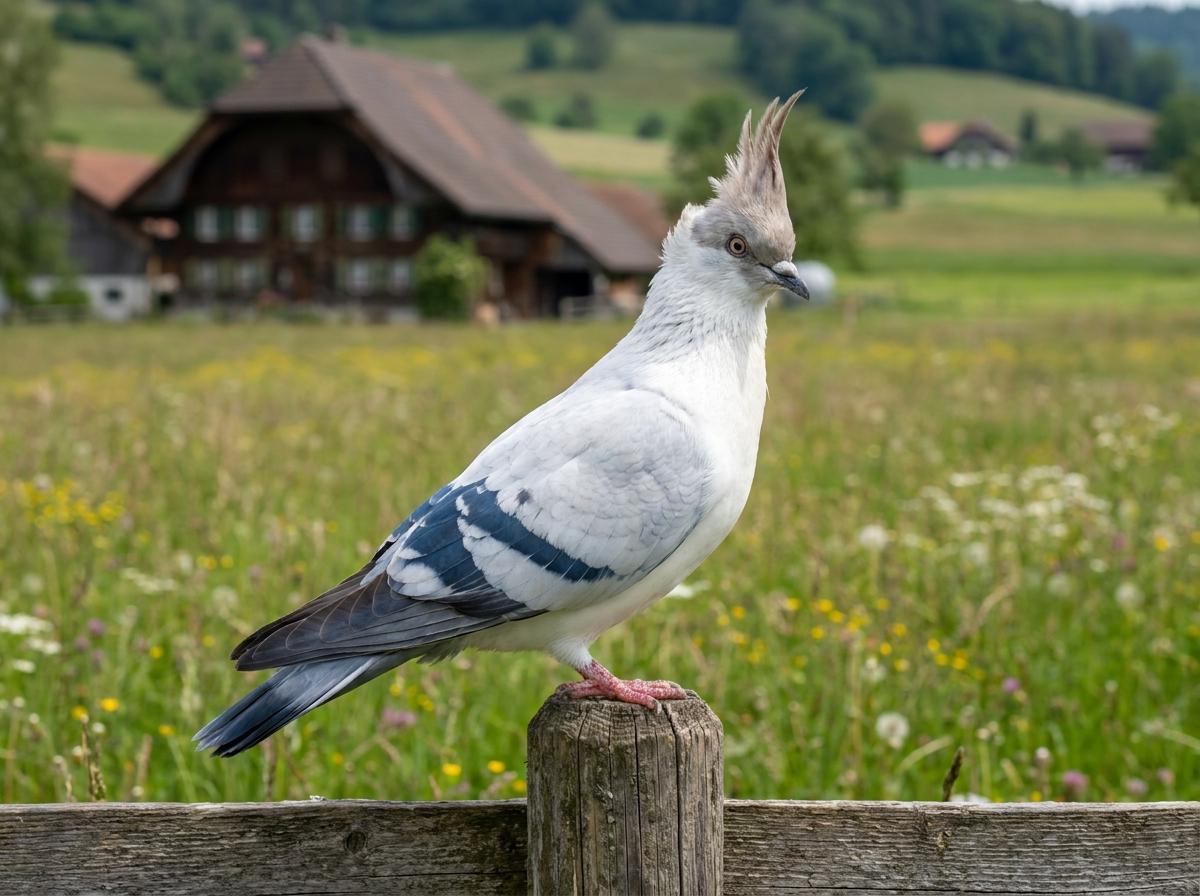
Owls and frills. These are small, short-beaked breeds, most with a frill of reversed feathers down the breast. The Old German Owl is small, frilled and hardy, one of the owl breeds that feeds and rears its own young well. The African Owl has a tiny, stout, downturned beak, and most pairs cannot feed their own young, so eggs are usually fostered under another breed. The Turkish Oriental Frill adds a needle-point peak crest and feathered feet, and its fully colored, laced variety is the Blondinette. The Turbit is an old English breed, white with colored wing shields; the Seraphim is a modern American breed whose youngsters feather in color and molt toward a white adult; and the Belgian Antwerp Smerle is a broad-headed owl with a white body and colored wing shields. The Italian Owl and the tiny Valencian Figurita belong to the same group.
Short beaks are the welfare question in this group: many short-faced birds cannot feed their own young well, and breeders raise the squabs under foster (“feeder”) pairs of a normal-beaked breed, as the African Owl profile explains. Ask how a seller’s birds are reared before you buy, and read the breed guide first.
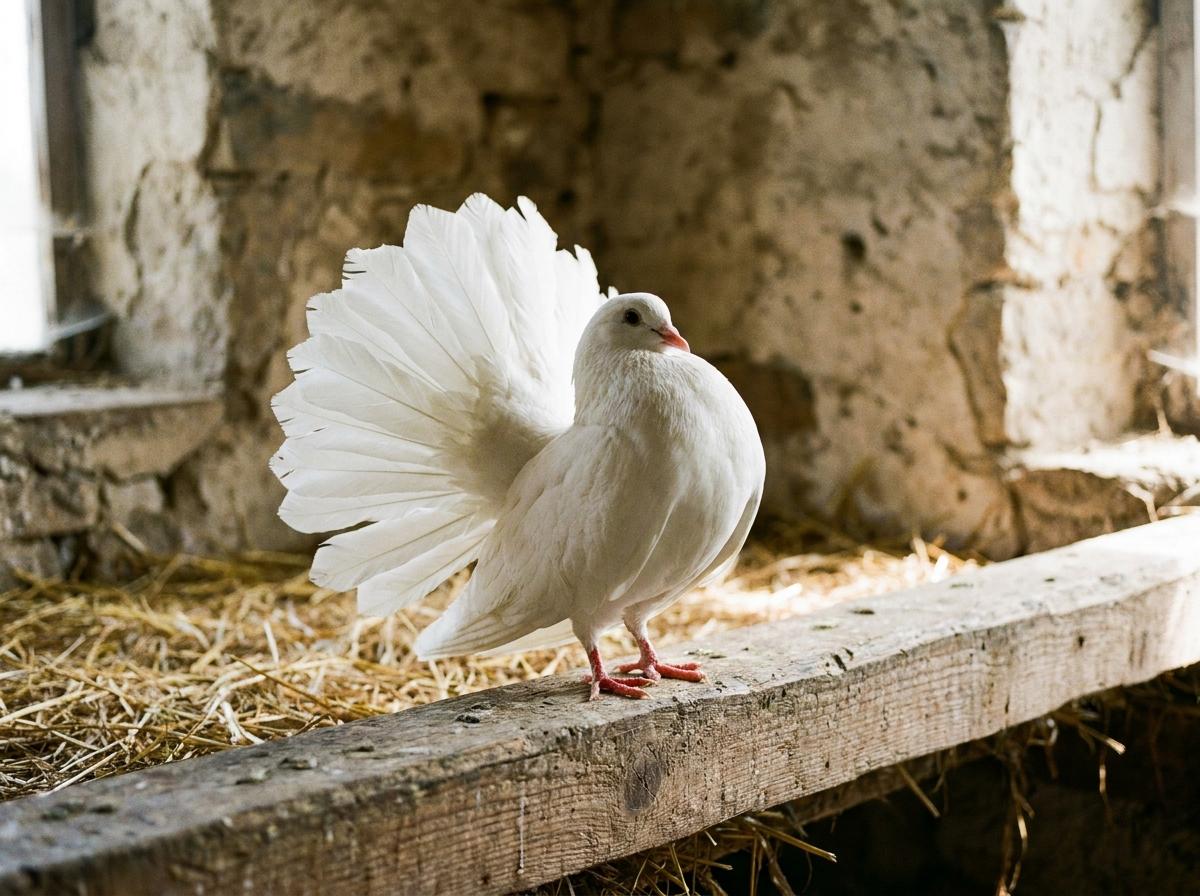
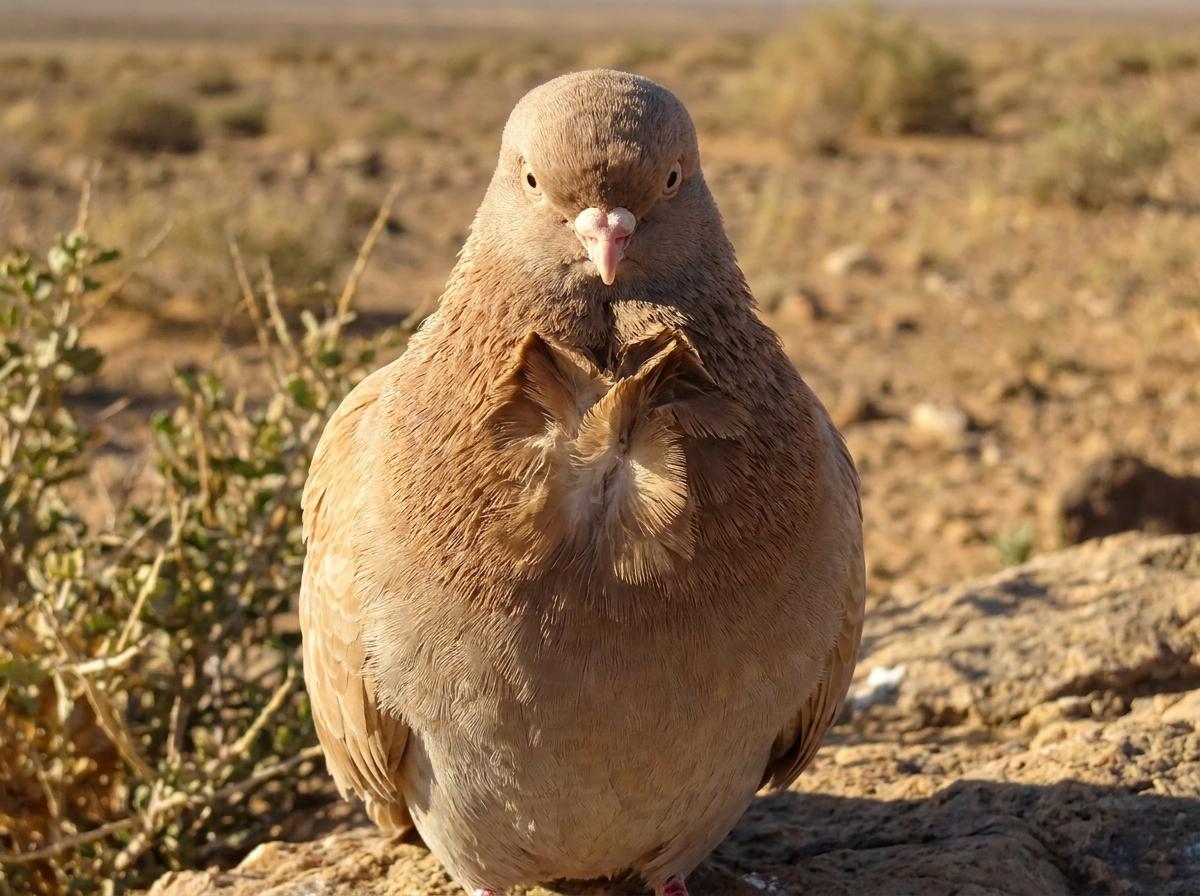
Structure breeds. These are defined by the shape and structure of their feathers. The Fantail carries a broad, upright fan of a tail, and the Jacobin a hood of feathers that wraps the head. Jacob’s guide warns that fantails are weak fliers that cannot see a predator coming from behind or ahead, and that the Jacobin’s hood blocks its vision in every direction except forward, so both belong in the loft and fly pen rather than loose outdoors. The Indian Fantail, the Old Dutch Capuchine and the Chinese Owl are structure breeds too; the NPA groups the Chinese Owl here rather than with the owls, and it carries a dense rosette of reversed feathers on the breast and a frilled collar.
Croppers and pouters. These breeds inflate the crop into a ball and stand tall behind it: the English Pouter, the small Pigmy Pouter, the Norwich Cropper, Spanish breeds such as the Gaditano Pouter, and the Dutch Holle Cropper, a small, round bird that courts with a tripping, dancing walk. A blown crop is a genuine welfare subject in this group, and the Holle Cropper profile explains what it means for the bird.
Wattle breeds and trumpeters. Wattle breeds carry fleshy ornaments over the beak and around the eyes. The English Carrier is the extreme example: a tall, upright show bird with a large, powdery white wattle mounded over the beak and wattle rings around the eyes. The Barb, the Dragoon and the Scandaroon are in the same group. Trumpeters are named for their voice, a booming, laughing coo, and most add heavy feathering. The English Trumpeter has a rose-shaped crest on the forehead and long feathered muffs on its feet, and the Bokhara Trumpeter, named for Bukhara in Central Asia, has a double crest that can fall across its eyes. The Arabian Trumpeter is another member of the group.
Color pigeons. These are kept for color and markings rather than shape. The Archangel has a burnished copper or gold head and body set against a contrasting black, blue or white wing, and the Archangel pigeon breed guide walks through keeping and judging it. The Ice Pigeon is bred for a blue so pale that its standard asks for a color as soft as new-fallen snow, and the Saxon Monk is a colored bird with a pure white head like a monk’s cowl and feathered feet. The Lucerne Gold Collar and the Nuremberg Lark are two of the many German and Swiss color breeds.
Form and Syrian breeds. Form pigeons are judged on body shape and carriage. The Italian Modena is short, round and upright, shown either as gazzi (a white body with colored head, wing shields, flights and tail) or as schietti (one solid color). The Strasser, Lahore, Maltese, Polish Lynx and Texan Pioneer are other form breeds. The Syrian group holds old Near Eastern breeds: the Damascene, with its frosty, silvery body, two jet-black wing bars and a deep plum-colored ring around the eye, along with the Lebanon and the Shakhsharli.
Utility pigeons bred for squab
Utility pigeons are raised for squab, the young pigeon taken for the table just before it leaves the nest. Jacob’s guide lists the White King, Red Carneau, French Mondain and giant homers as the common meat breeds. Squab are harvested at about 26 to 30 days, when each weighs about 17.6 oz (500 g), already more than an adult wild rock pigeon, which weighs 9.3 to 13.4 oz according to Cornell’s identification guide. Ten pairs can produce about eight squab a month, and a second nest per pair raises that, because the hen lays and sits a new pair of eggs while the cock finishes feeding the first.
The King is an American breed developed for squab that has also become a major show pigeon; the French Mondain and the Carneau are the other classic table breeds; and the American Giant Homer is a heavy homer type. At the top of the size range is the Runt, which its NPA standard asks to be as large and heavy as possible; the Runt guide covers the breed and its real weights in detail. Buy squab stock from working utility lines rather than show strains: Jacob notes that show-type birds are generally larger, blockier and heavier than the utility breeds they were selected from, and that breeding to show standards has cost them some of the original careful feeding of young and rapid reproduction. Plenty of people keep Kings and Mondains as big loft birds and never take a squab.
Colors, patterns and varieties
People asking about pigeon varieties often mean color. Cornell’s guide to the feral rock pigeon names the common forms: blue bar (blue-gray with two black wing bars and a dark tail band), red bar (the same pattern in rusty red), checker (spotted wings), spread (all black or all gray) and pied (any color splashed with white), plus mostly red and mostly white birds. Domestic breeds carry these and many more, and each breed’s standard lists the colors and markings it accepts, so check the standard before you pay extra for a color.
Doves and wild pigeons
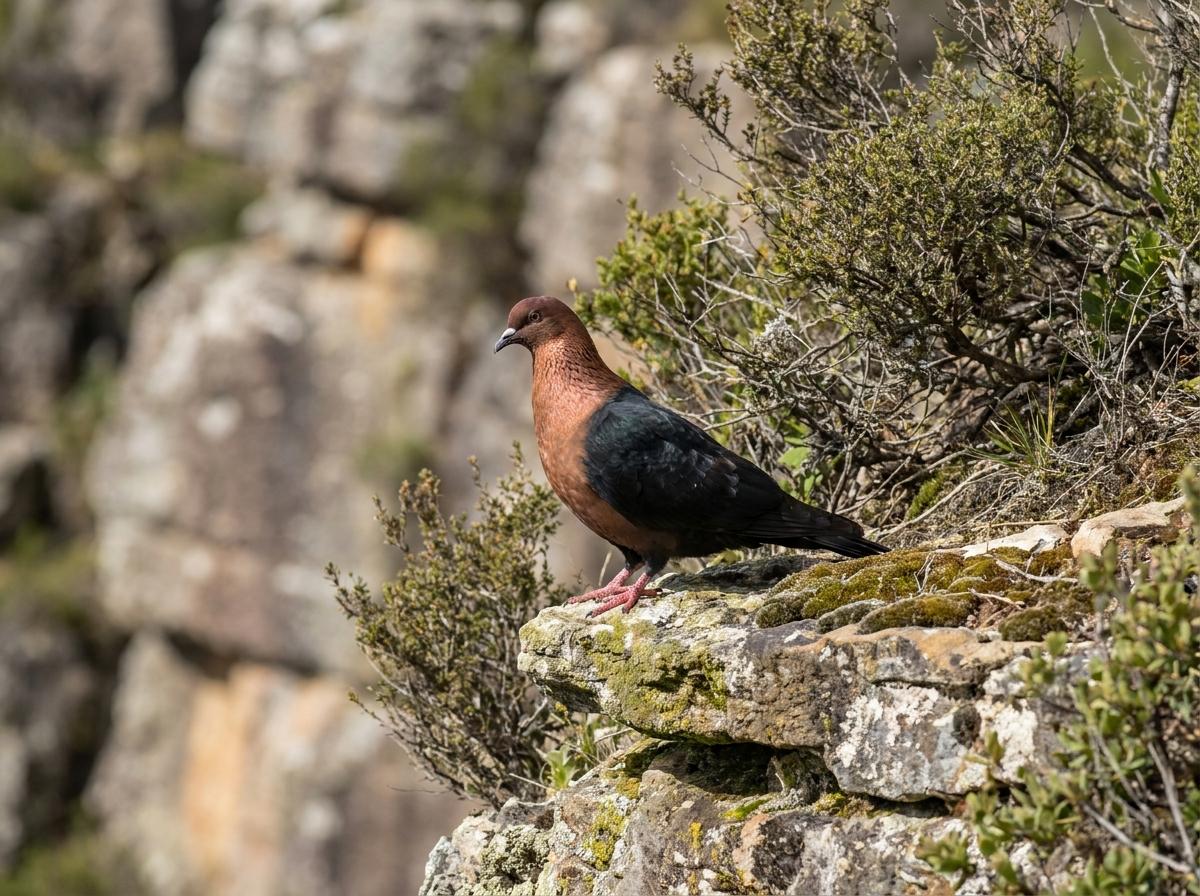
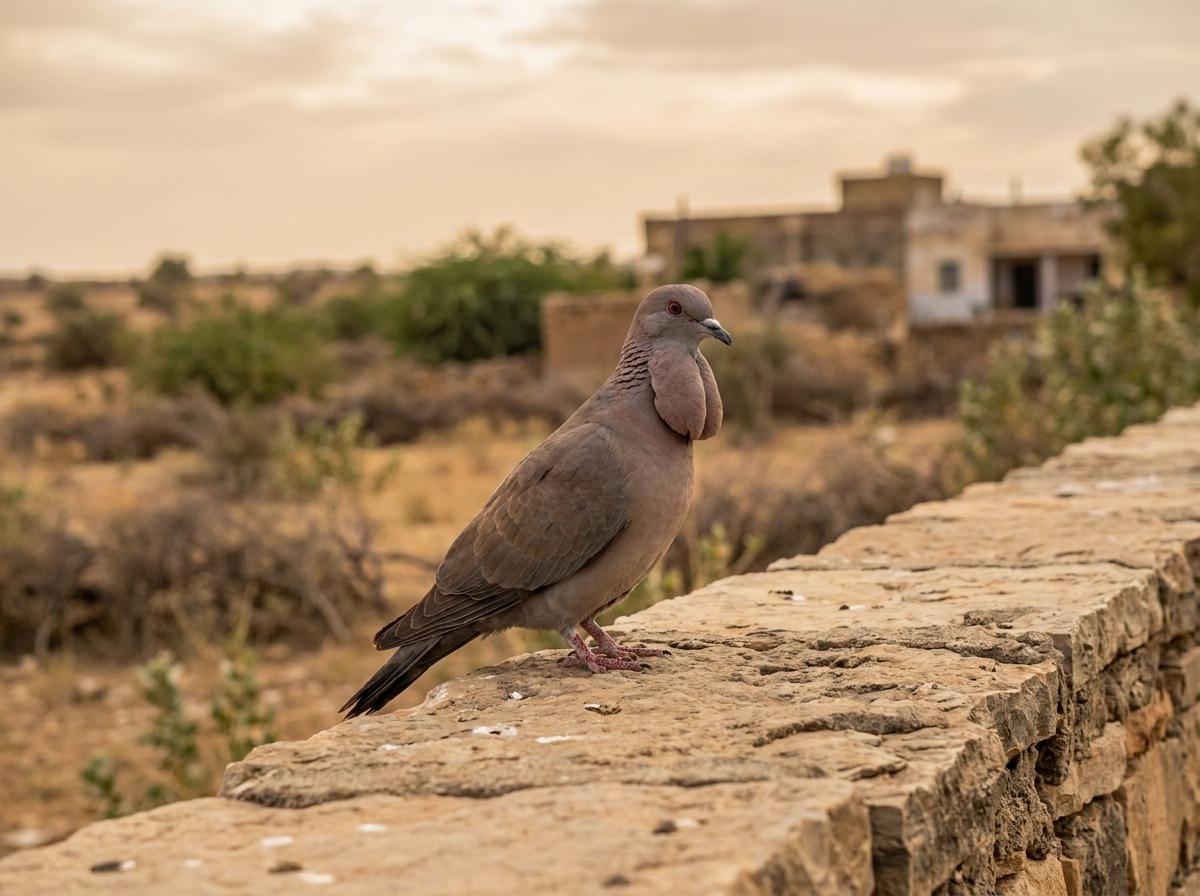
Pigeon and dove are not scientific categories. The family Columbidae has about 308 species, by the count in the University of Michigan’s Animal Diversity Web, and the smaller species tend to be called doves and the larger ones pigeons, although the names do not reflect real differences and are used interchangeably. Only one of those species, Columba livia, gave us the domestic pigeon. The NPA also keeps standards for two small cage and aviary doves of other species, the ringneck dove and the diamond dove, which are often kept alongside pigeons.
Native wild doves are a different matter. The Mourning Dove and the Band-tailed Pigeon are on the federal list of birds protected by the Migratory Bird Treaty Act, whose regulations cover taking and possessing them, so a wild dove is not a bird to catch or keep. The introduced rock pigeon is not on that list. If what you actually want is a small songbird for an indoor cage, the canary guide covers that very different hobby.
What pigeons cost to buy and keep
Most pigeons are inexpensive to buy, and most of the trade happens between keepers rather than through shops. There is no published price index for pigeons, so treat any single figure with caution, but the market sorts into three rough tiers:
- Loft and pet birds. Ordinary homers, mixed-breed birds and a club member’s surplus youngsters change hands for modest sums, and rescued or rehomed birds may cost little or nothing.
- Breed-quality show stock and young racers. A pair of a sought-after show breed from a winning line, or youngsters from a loft with a race record, costs more, and rare imported breeds cost more again.
- Elite racing birds. The top of the racing market is a world of its own. Guinness World Records lists a Belgian racing pigeon named New Kim, which fetched a reported 1.6 million euros in November 2020, as the most expensive pigeon sold at auction.
For how pigeons compare with parrots, finches and other pet birds on price, see How Much Is a Bird?
Over a pigeon’s life, the running costs outweigh the price of the bird. They come from:
- feed, a pigeon grain or pellet mix of at least 13 percent protein, with more in the breeding and molting seasons (NPA);
- pigeon grit, which a pair eats at about 6 lb a year (Jacob);
- seamless bands for every youngster you raise, bought from the national organization your club belongs to;
- vaccination against pigeon paramyxovirus and a reserve for the avian vet;
- the loft itself, its repairs, nest bowls, waterers and bath pans;
- club and national dues, race fees if you race and entry fees if you show.
How long pigeons live
How long a pigeon lives depends almost entirely on how it lives. Feral city pigeons have short lives: Cornell puts their average life expectancy at only 2.4 years, although one wild bird in Kansas was recaptured at 6 years and 2 weeks old. Kept pigeons are sheltered from the predators, disease, hunger and weather that end most street pigeons’ lives, and they can live far longer. Cornell records a retired U.S. Army Signal Corps homing pigeon named Levi that lived to 31, and the AnAge longevity database lists a reported 35 years in captivity as the maximum for the species.
There is no well-published average for loft pigeons, which is why this page does not give one. What the records do show is that a healthy pair kept well is a commitment measured in many years, not one or two, and because pigeons pair for life, the decision to keep a bird is usually a decision to keep its mate too. Racing birds face the extra risks of training and race flights, and birds that do well often move to the breeding loft when they stop racing. Keep a hatch date and band number for every bird, so you always know how old each one is.
Caring for pigeons: the loft, feeding and health
Pigeons are easy to please, but a few basics are not negotiable: a dry loft, the right feed with grit, clean water, room for the young they will raise, and protection from predators.
The loft
Start with your local rules. Jacob’s guide advises checking town, city, county and state regulations before you start a flock, because they can limit the type of loft and where it sits, and the American Racing Pigeon Union names local ordinances as a real limit on the hobby. Then build for the birds. The NPA’s housing fundamentals ask for a loft free of drafts in winter, easy to keep clean and dry, well ventilated, with sunshine and room for the number of birds you will have, and Jacob is blunt that pigeons tolerate heat and cold but must be kept dry, because damp lofts breed disease. The commonly recommended allowance is 27 cubic feet of space for every pair, and the flock grows by two birds for every nest, so plan for the young as well as the parents.

Inside, pigeons need box perches rather than chicken-style roosts; Jacob’s simple design is a board divided into compartments about 10 inches high and 12 inches wide. Protect feeders and waterers from droppings, and keep cats, dogs and rats out. Offer a shallow bath of 2 to 3 inches of water once or twice a week for about two hours, big enough that birds do not pile on top of each other, then take it away so they do not drink dirty water. Birds that are not flown loose, including fantails, Jacobins, bought adults and many show breeds, need a covered fly pen attached to the loft so they still get sun, air and exercise. As the flock grows, a separate section for weaned youngsters and a way to split cocks from hens after the breeding season, both of which the NPA suggests, make management much easier.
Feeding and water
Domestic pigeons eat grains and seeds and seldom take insects (Jacob). The NPA’s care guide recommends a whole-grain or pellet mix with at least 13 percent protein as a maintenance diet, rising to 18 to 20 percent during breeding and molting, and warns that so-called dove mixes are usually too low in protein. Jacob adds that pigeons do better on four or more grains than on one or two, that grain should be old, dry and sound rather than freshly harvested (new grain can cause vomiting and diarrhea, and squabs can die within days if their parents are fed it), and that you should feed only what the birds will finish, so nothing is left on the floor to mold.
Pigeons swallow seeds whole and need grit to grind them, as the Merck Veterinary Manual’s introduction to birds explains. Buy pigeon grit specifically: it carries oyster shell, salt and minerals, where ordinary grit is just stone, and parent birds want it most while they are feeding young. Water needs care too. Pigeons suck water up rather than tipping it down their throats, so the NPA asks for drinkers with at least 1.5 inches of standing water, scrubbed out at least once a week.
Health
Line up a vet who treats pigeons while your birds are still healthy; How to Find an Avian Vet covers where to look. The NPA’s care guide singles out three problems every keeper should be ready for:
- Canker (trichomoniasis). A protozoan infection that usually shows as cheesy growths in the mouth and weight loss. The Merck Veterinary Manual notes that pigeons pass it to their young in crop milk, that chronically infected birds should be kept away from breeding birds, and that it is not considered a risk to people.
- Pigeon paramyxovirus (PMV-1). A pigeon-adapted strain of the virus that causes Newcastle disease. Merck’s Newcastle disease chapter lists tremors, loss of balance and a twisted neck as typical signs in pigeons, with deaths commonly around 40 percent of infected birds, and notes that vaccines are available for pigeons. The AU’s history notes that it helped develop the PMV-1 vaccine in 1984; ask your vet about a vaccination schedule for your loft.
- Coccidiosis. An intestinal parasite that causes severe diarrhea and is mainly a problem in damp lofts, one more reason to keep yours dry.
Quarantine new birds away from your loft for a period your vet recommends before they join the flock, and never treat a sick bird by guesswork: treatments and doses are your vet’s call. If you also keep poultry, keep the two apart. Merck notes that pigeons have occasionally been the source of virulent Newcastle disease infections in poultry, so give your chickens their own housing, feed and water.
Pigeon keeping carries two health points for people. Psittacosis is a bacterial infection that birds can carry without looking sick, and the most common way people catch it is by breathing dust from dried droppings; the CDC’s prevention advice is to wash your hands after handling birds, wet surfaces before cleaning, avoid dry sweeping, and isolate and treat infected birds. Long-term exposure to pigeon proteins in droppings and feathers can also cause bird fancier’s lung, a form of hypersensitivity pneumonitis. Keep dust down, ventilate the loft well and see a doctor about a lasting cough.
Company and handling
Pigeons live in flocks, and pairs form for life, according to the Animal Diversity Web’s rock pigeon account; mates preen each other and share the work of the nest. Plan on at least a pair, and more if you want to fly or show them. Never release a domestic pigeon to set it free: a settled bird flies back to the loft it knows, and an unsettled one has nowhere to go. If you cannot keep a bird, rehome it through a club or a breeder who can.
Breeding pigeons
Pigeons breed readily, which is a pleasure and a responsibility. The NPA’s care guide says they mature at five to seven months, though many keepers wait until a bird is a year old, and that experienced fanciers control which birds pair, both to pick the best and to keep numbers in check. Once a pair has mated and chosen a nest, give them a nest bowl and nesting material such as long-needle pine.

The timetable, from the NPA’s care guide:
- The hen usually lays her first egg 10 to 14 days after mating and the second about 44 hours later. Young and very old hens may lay only one.
- Incubation starts in earnest once the second egg is laid. The hen usually sits from late afternoon until mid-morning and the cock takes the day shift, as Cornell’s life history also describes.
- The eggs hatch about 18 days after the second egg is laid.
- Both parents feed the squabs crop milk, a secretion from the lining of the crop, and begin adding grain at about 5 to 10 days; by about 15 days the young are on grain.
- Seamless bands go on between about 5 and 12 days, depending on the breed and how fast it grows, while the foot is still small enough for the band to slide over.
- The young are weaned by about 35 days, but most pairs go back to nest at about 21 days, so give each pair a second nest bowl. Most hens stop feeding once they lay again, and the cock finishes the job.
Two cautions. Short-faced breeds may need foster parents to raise their young, so line up feeder pairs before you set eggs. And a loft can fill up fast: the NPA’s housing page suggests building divisions so you can separate cocks and hens when breeding is over and give weaned youngsters a section of their own.
Buying pigeons
Buy pigeons where you can check a bird’s band, hatch year, parents and loft, and talk to the keeper who raised it.
- Clubs and breeders. Most pigeons change hands between club members and breeders. For racing birds, the AU’s Find a Club tool lists local racing clubs, and joining one gets you young birds from lofts whose results you can watch, plus a mentor. Breed specialty clubs do the same for show breeds.
- Shows. A show is the one place to see dozens of birds of a breed in an afternoon and meet the people who bred them. The NPA keeps a show calendar of pigeon shows around the country, and the Grand National is the biggest of them.
- Rescues and rehomes. Pigeons need homes more often than people expect, from lost racers to whole lofts given up by keepers. A rescued adult can be a fine loft bird, as long as you accept that it can never be flown loose.
- Creatures. Search pigeon breeders and lofts in the Creatures directory by breed and state; today most are racing homer lofts, and because most entries are compiled from public sources, contact the loft directly. When a pigeon is listed for sale it appears on the Creatures pigeon marketplace, and a listing alert tells you when that happens.
From any seller, ask for the band number and the organization that issued it, the hatch year, the parents or a written pedigree, and what has been in the loft this year, including canker and PMV-1 vaccination. In hand, look for a bright eye, clean nostrils and wattle, a full breast, a clean vent and quiet breathing, and if you plan to fly the birds, buy young ones that have never been flown. Where to Buy Pigeons walks through the full checklist, loft visit included.
Red flags are worth knowing in advance:
- A banded bird someone “found”. A band traces a bird to the person or club that registered it. The AU’s lost pigeon page explains how finders look up a band, and notes that official AU bands carry a security symbol that unofficial or counterfeit bands lack.
- No band and no history. An unbanded bird of unknown origin comes with no hatch year, no parentage and no health record, whatever the seller says.
- Adults sold for flying. A seller offering adult homers for you to fly at your place is either misunderstanding the homing instinct or counting on you to.
- Guaranteed buy-backs. Walk away from anyone selling breeding pairs with promised guaranteed returns on the young they raise. That was the pitch of Pigeon King International, whose founder was sentenced to seven years in prison in 2014 for defrauding farmers in Canada and the United States in a Ponzi scheme.
Records to keep
Race secretaries, show judges, buyers and vets all start with the same question: which bird is this? The band answers it. A seamless band goes on in the first two weeks and stays for life, and its letters and numbers identify the issuing organization, the club, the bird’s own serial number and the year: the International Federation’s guide to reading a pigeon band breaks one down. Racing bands come from the AU or the IF, and the NPA supplies seamless bands for all breeds of domestic pigeon. Then log these as they happen:
- band number, issuing organization, hatch date, sex and color;
- sire and dam, with their band numbers;
- every pairing, laying date and hatch, and which youngsters each pair raised;
- vaccinations, treatments and the dates they were given;
- race results, with the race point, distance and clocked arrival time, or show placings and the judge’s remarks;
- every purchase, sale and loan, with the other party’s details.
Pedigrees matter in every branch of the hobby, and a written one, with band numbers for every ancestor, should travel with any bird you sell. And if a new bird still needs a name, the pigeon name generator has ideas.
A free Creatures profile per bird keeps its band number, hatch date, parents, photos and all of the records listed above in one place. Once sire and dam are linked, the profile assembles the pedigree and exports it as a PDF for a sale; vaccination reminders can be set on it; and a sold bird can be transferred to its buyer with its history attached. The help articles on adding a record, health and medical records and pedigree, family and lineage show each step.
Frequently asked questions
How many breeds of pigeons are there?
A 2013 genome study published in Science puts the world total at more than 350. Narrower lists give smaller tallies: a University of Kentucky extension guide says more than 175, and the National Pigeon Association’s Grand National shows over 200. Creatures lists several hundred breed names in its A to Z list.
What are the main types of pigeons?
Keepers sort pigeons by job: racing and homing pigeons, flying and performing breeds such as rollers, tumblers and tipplers, fancy show breeds, and utility breeds raised for squab. For shows, the National Pigeon Association uses ten groups based on type and ornament, including owls and frills, croppers and pouters, color pigeons and form pigeons.
What is the biggest pigeon breed?
The National Pigeon Association’s care guide puts the Runt at the top of the size range, at up to about 3.5 lb, while the African Owl and the Spanish Figurita barely reach 6 oz. The King, the Carneau and the French Mondain are other heavy breeds, raised for squab and for show.
How long do pigeons live?
Feral city pigeons average only about 2.4 years, according to Cornell’s Lab of Ornithology. Kept pigeons live much longer: a retired US Army homing pigeon named Levi lived to 31, and the AnAge database lists a reported 35 years as the maximum in captivity.
What do pigeons eat?
Kept pigeons need a pigeon grain or pellet mix with at least 13 percent protein, rising to 18 to 20 percent when they are breeding or molting, plus pigeon grit with oyster shell and minerals and clean drinking water. Wild and feral pigeons eat mostly seeds and some fruit, along with whatever food people leave behind.
How much does a pigeon cost?
Most pigeons are inexpensive, and ordinary loft birds and rehomed birds change hands for modest sums, while breed-quality show pairs and young racers from proven lofts cost more. At the extreme, a Belgian racing pigeon sold for a reported 1.6 million euros in 2020, the Guinness World Record. Over time, feed, grit, bands, vaccination, dues and the loft cost more than the birds.
Are pigeons and doves the same?
They belong to the same family, Columbidae, and the names are used interchangeably: smaller species tend to be called doves and larger ones pigeons, without any real scientific difference. The domestic pigeon is one species, Columba livia, while ringneck and diamond doves are separate species.
What should I do if I find a pigeon with a band?
The band identifies the organization that issued it and lets the bird be traced to its owner. Look up an AU band through the American Racing Pigeon Union’s lost pigeon page, and contact the IF, NPA or National Birmingham Roller Club for their bands. Never sell or buy a banded bird that someone has found.
Can you keep just one pigeon?
It is better not to. Pigeons are flock birds that pair for life, so plan on at least a pair, with a dry loft and a covered fly pen if they will not be flown loose.
Do this next on Creatures
If you are hunting for a particular breed, start at the top; if you already keep a loft, the profile, records and tools steps are further down.
Get told when the right birds are listed. Pigeon listings are rare, so set a free pigeon listing alert and Creatures emails you when matching pigeons are posted, no account needed to start. Here is how saved searches work.
Find lofts and breeders by breed and state. Search the Creatures breeder directory, or go straight to pigeon breeders and lofts, most of them racing homer lofts today. Listings are mostly compiled from public sources, so contact the loft and ask your questions directly.
See what is for sale. Pigeons listed for sale appear on the Creatures pigeon marketplace. Few are listed at any one time, which is why the alert comes first; ask every seller for the band number, hatch year and loft health history.
Brought home a pair or banded your first youngsters? Create a free profile for each bird with its band number, hatch date, breed and photos, no account needed to start. The walkthrough is in adding an animal to Creatures.
Keep the loft records. Pairings, hatches, vaccinations, treatments and race or show results: add a record. The record sheet opens for any visitor to look around, and a free account saves what you enter. See adding a record and reminders and upcoming care for vaccination reminders.
Run a loft or a breeding program? Racing lofts, show breeders and squab producers can create a free loft or breeder profile so people searching for pigeons can find you, no account needed to start. See getting listed in the breeder directory and adding your team.
Use the free tools and build pedigrees. Find a name in the pigeon name generator, name your loft with the aviary name generator, or browse every free Creatures tool. For pedigrees, link each bird to its sire and dam on its profile; pedigree, family and lineage explains how.