


Dutch Warmblood
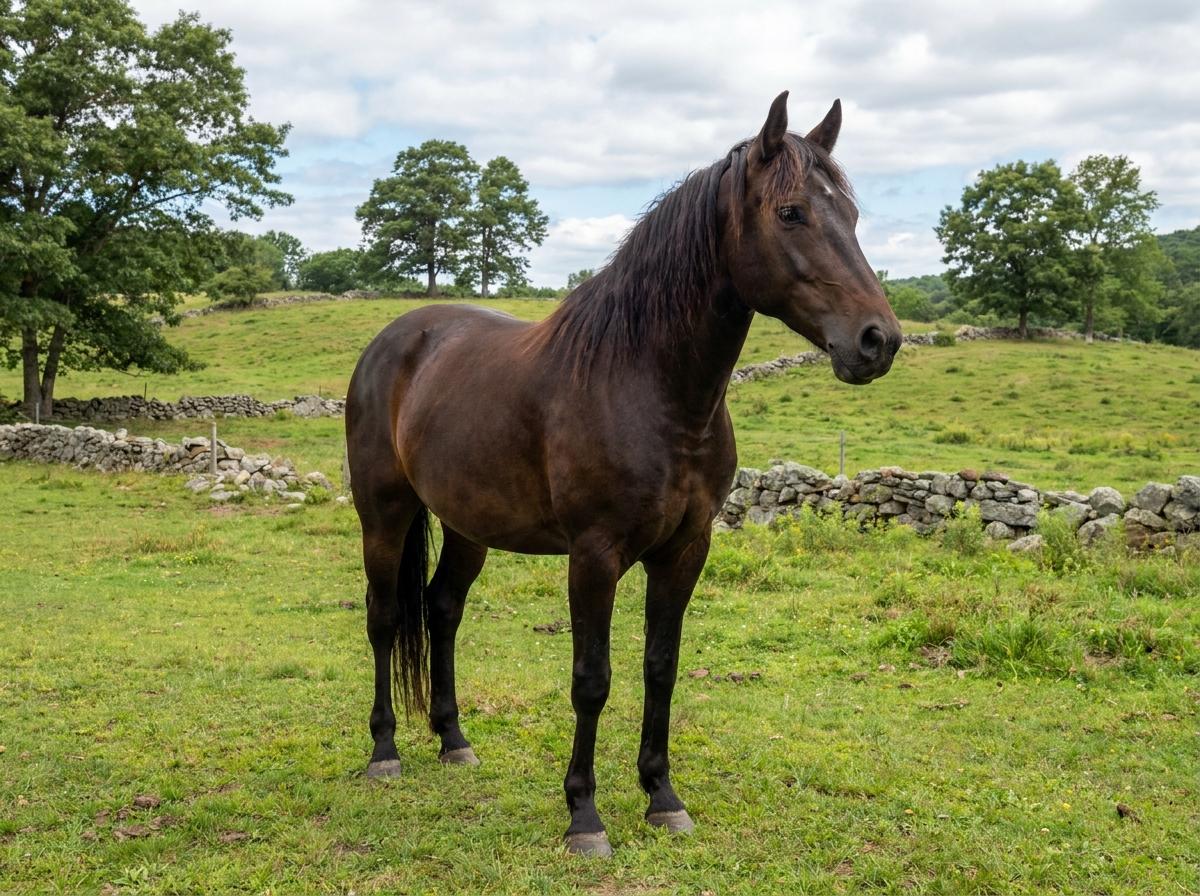
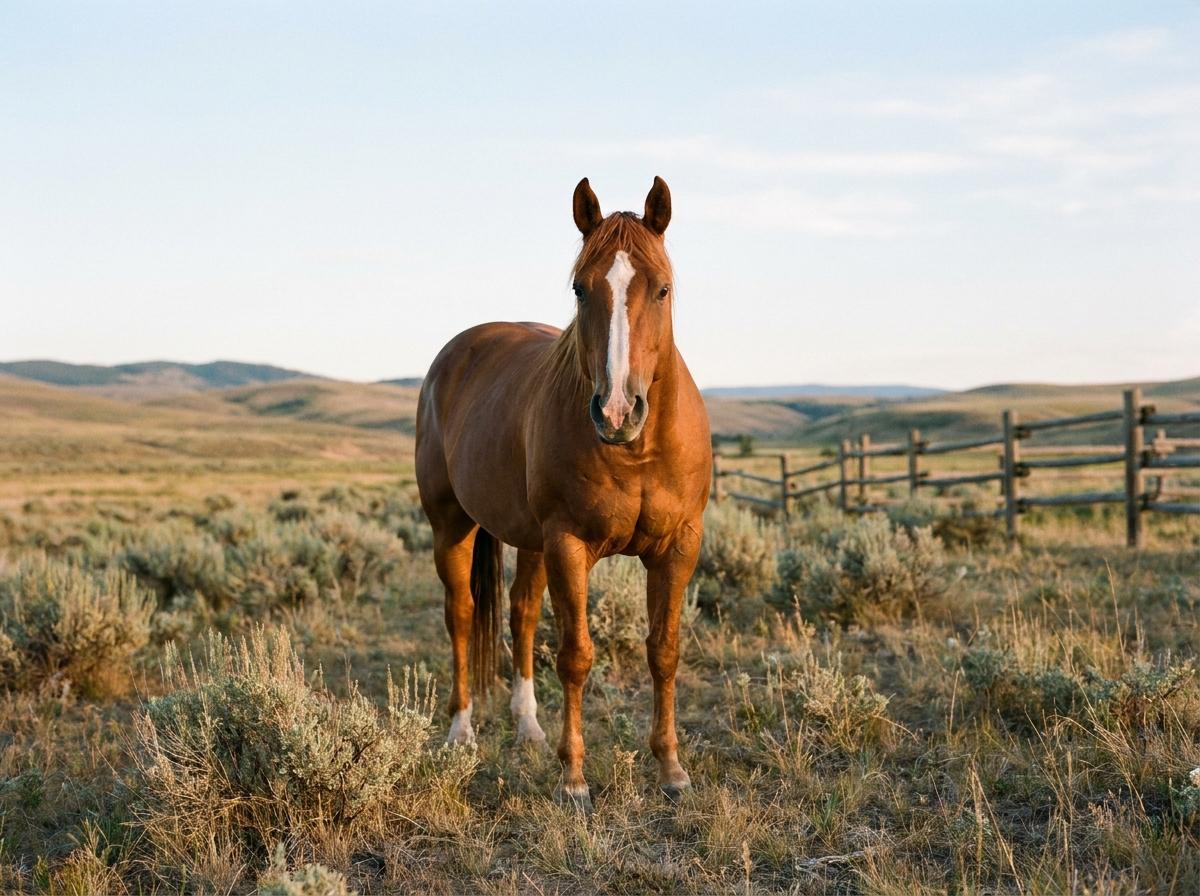
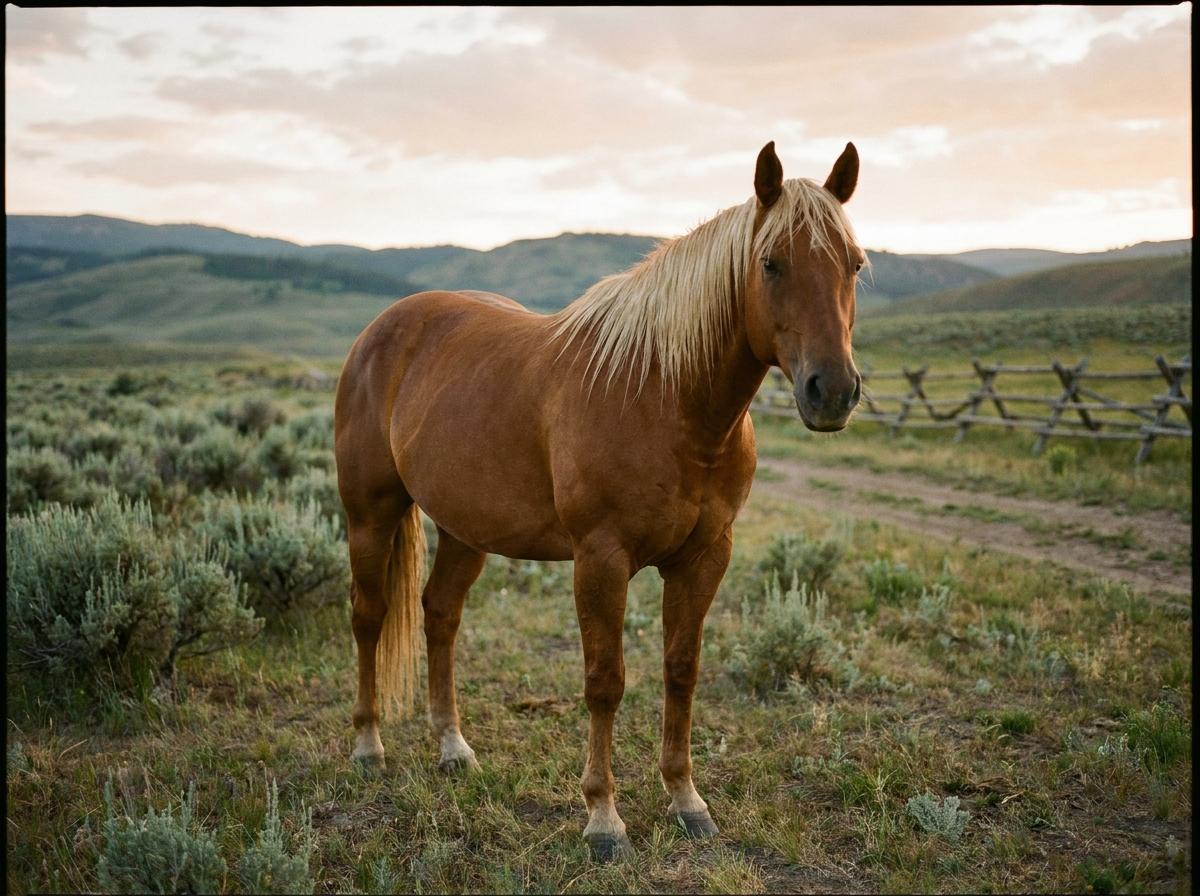
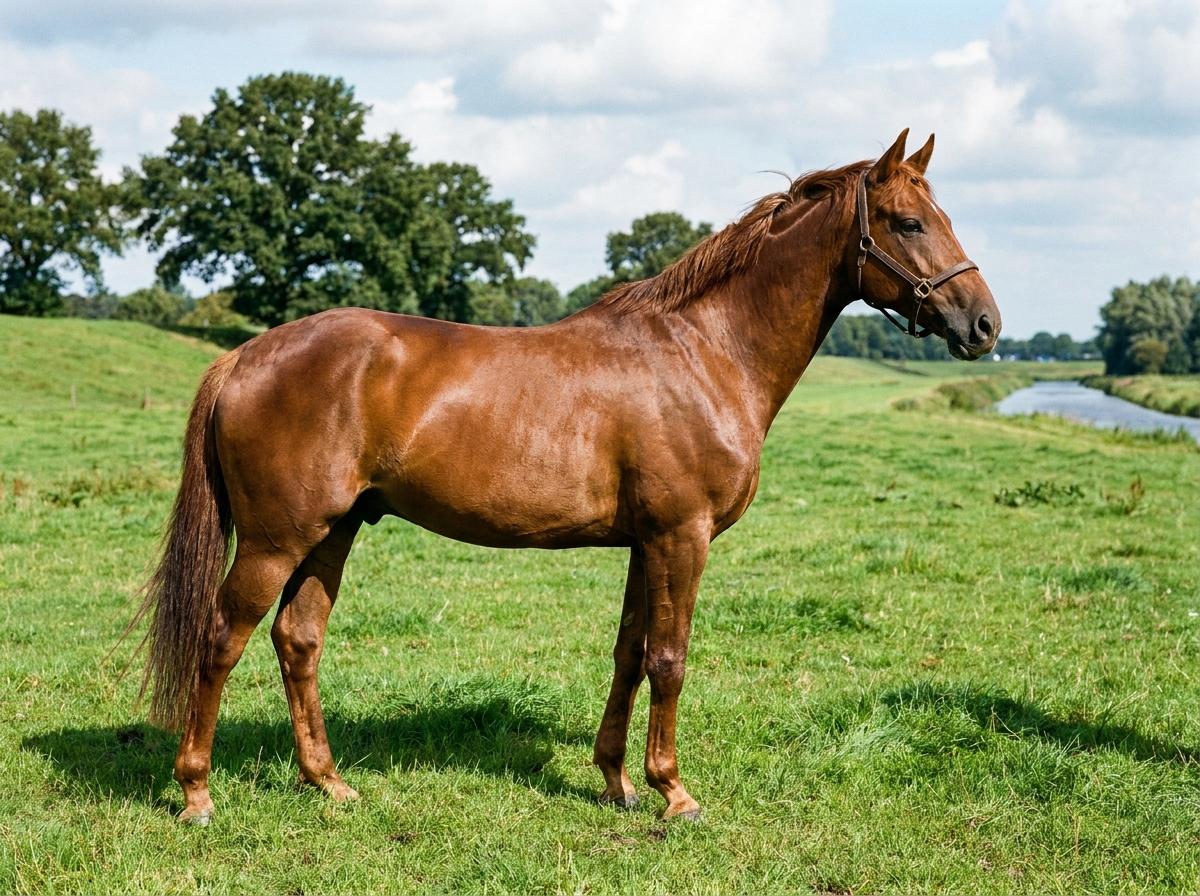
The Dutch Warmblood is the modern sport horse most closely associated with the KWPN, the Royal Warmblood Studbook of the Netherlands. Its foundation came from Dutch Gelderlander and Groningen horses, refined with Thoroughbred and international sport-horse blood to produce athletic riding horses for dressage, show jumping, and eventing. In English, the name usually refers to the KWPN riding-horse population, while separate Dutch harness and Gelders types have their own emphasis. Dutch Warmbloods are typically tall, well-muscled, and elastic movers, with bay, chestnut, black, and gray among common colors.
Good Dutch Warmblood management is sport-horse management: progressive training, turnout, careful farriery, and feeding that supports muscle without creating excess weight. Buyers usually look beyond the famous prefix or sire line to the individual horse's soundness, rideability, veterinary findings, and suitability for the intended discipline. Breeding decisions are often guided by performance results, inspections, and attention to traits such as temperament, movement, jumping technique, and durability. A talented young warmblood may need a skilled rider and time to mature, while older trained horses can be valuable partners for amateurs when their workload is matched to their conditioning.