

Colorado Ranger
Author: Elliott Garber, DVM · Updated
The Colorado Ranger is an American stock horse breed that traces, on paper, to two specific foundation stallions and, in spirit, to a pair of desert horses gifted to a U.S. president in the 1870s. It is closely tied to the Appaloosa and often carries the same leopard and blanket spotting, but it is defined by pedigree, not color: to be a registered Colorado Ranger, a horse must descend from Patches No. 1 or Max No. 2, the two stallions the Colorado Ranger Horse Association recognizes as its foundation sires. What you get is a compact, versatile ranch and trail horse with genuine cow sense, and a distinctive spotted coat that comes along for the ride in most, though not all, individuals.
| Also called | Colorado Rangerbred, Rangerbred |
|---|---|
| Origin | Colorado High Plains, United States; foundation traces to Nebraska ranch stock |
| Registry | Colorado Ranger Horse Association (CRHA), founded 1935, chartered 1938 |
| Foundation sires | Patches No. 1 and Max No. 2; every registered Ranger descends from one or both |
| Height | About 14.2 to 16 hands (roughly 58 to 64 inches) |
| Build | Compact, muscular stock horse; straight head, broad chest, short back, sloping shoulders |
| Weight | No official standard published; a medium stock-horse build for its height |
| Coat and color | Any solid color; Appaloosa (leopard complex) spotting is the only approved pattern. No Paint or Pinto |
| Primary use | Ranch work, trail, and general Western riding; a versatile all-arounder |
| Appaloosa overlap | About 90 percent of registered Rangers are also registered Appaloosas |
| Numbers | More than 6,000 registered as of 2005, with roughly 100 to 125 new registrations a year |
Browse listings, public profiles, breeders, or add your animal.
What is a Colorado Ranger?
A Colorado Ranger is a stock horse whose registration depends on ancestry rather than looks. The Colorado Ranger Horse Association is explicit that it is not a color registry: coat color and pattern are not what make a horse eligible. Instead, a horse qualifies by showing direct descent from at least one of two foundation stallions, Patches No. 1 and Max No. 2. That is the single fact that separates a Colorado Ranger from any other spotted Western horse.
This causes constant confusion with the Appaloosa, and the two breeds really are entangled. Roughly 90 percent of registered Colorado Rangers are also registered with the Appaloosa Horse Club, and by the association’s own account a sizable share of Appaloosas carry eligible Ranger breeding whether or not their owners have ever pursued it. So the honest way to think about it is this: both are pedigree registries, not simple color registries. The Appaloosa Horse Club requires Appaloosa parentage or an approved outcross and even registers solid, non-characteristic horses that lack the spotting, while the Colorado Ranger is defined by descent from Patches or Max and admits a controlled set of outcrosses to keep its gene pool healthy. A solid-colored horse with the right pedigree is still a Colorado Ranger. A loudly spotted horse without Patches or Max behind it is not. If you are weighing the two, the broader Creatures horse species page is a good place to compare them alongside the Appaloosa and the Quarter Horse, both of which are accepted outcrosses in the Ranger studbook.
Origin and history
The breed’s story starts with two imported stallions. In 1878, the Sultan of Turkey, Abdul Hamid II, gave former president Ulysses S. Grant two gray stallions: a desert-bred Arabian named Leopard, foaled in 1873, and a Barb named Linden Tree, foaled in 1874. The pair reached Virginia in 1879 and spent years in the breeding program of Randolph Huntington before General Leonard Colby brought them west to breed a band of mares on his ranch in Nebraska. Those crosses produced hardy, capable ranch horses, and word of the Colby horses spread.
Colorado ranchers took it from there. A.C. Whipple and other breeders acquired mares descended from the Colby stock and linebred to concentrate the athleticism, endurance, and working ability those Barb and Arabian stallions had passed down. Out of that broader effort came the two colts the modern breed is built on: Max, foaled in 1918, and Patches, a son of the original Colby ranch line. Every registered Colorado Ranger today traces to one or both.
The breed owes its name and its registry to rancher Mike Ruby, who championed these horses and, in 1935, founded the Colorado Ranger Horse Association. The state of Colorado granted the association a corporate charter in 1938, and Ruby led it until his death in 1942. For decades the registry capped its membership at 50 people, which had an odd side effect: breeders shut out of a slot often registered their Ranger-bred horses with the Appaloosa Horse Club instead. That is a big reason the two breeds overlap so heavily today. The 50-member cap was lifted in 1964, and ever since, pedigree research has kept turning up horses with Ranger breeding that were unregistered or registered only as Appaloosas.

What a Colorado Ranger looks like
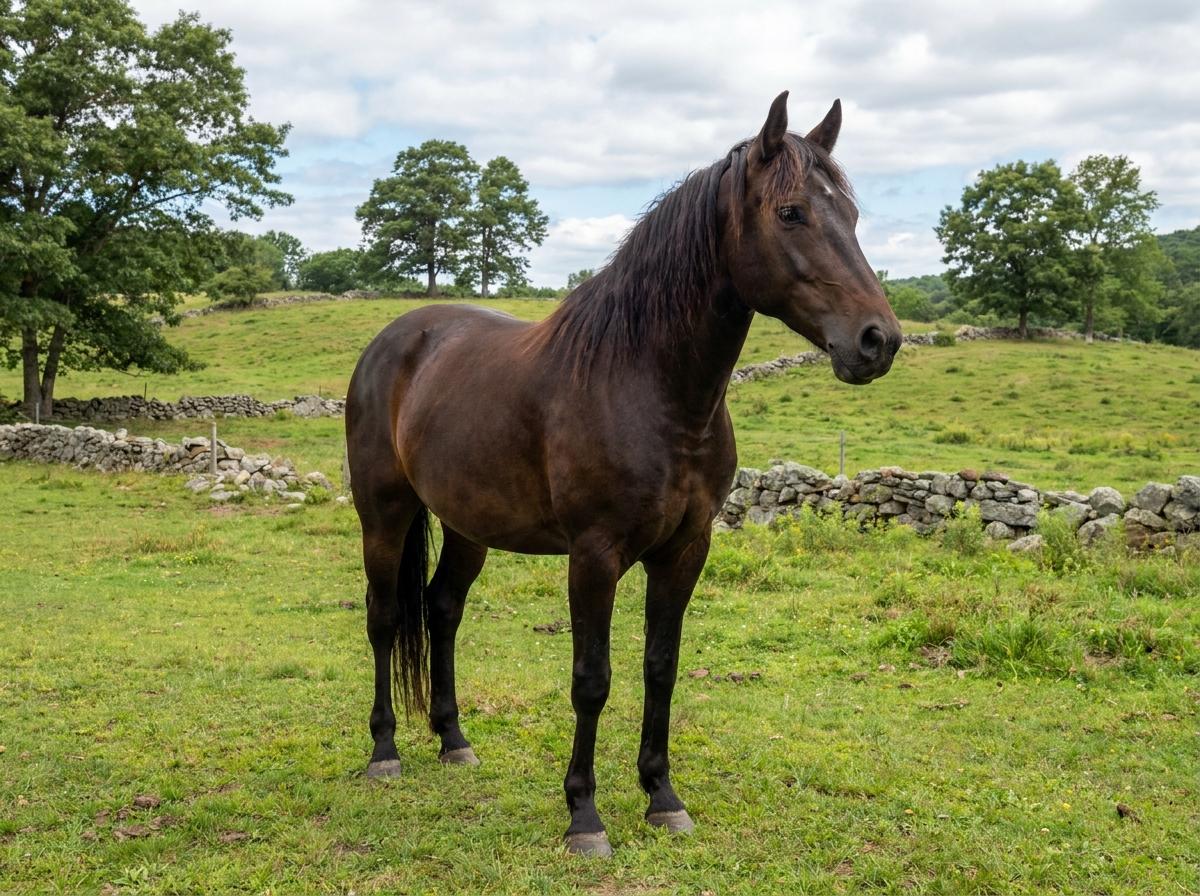
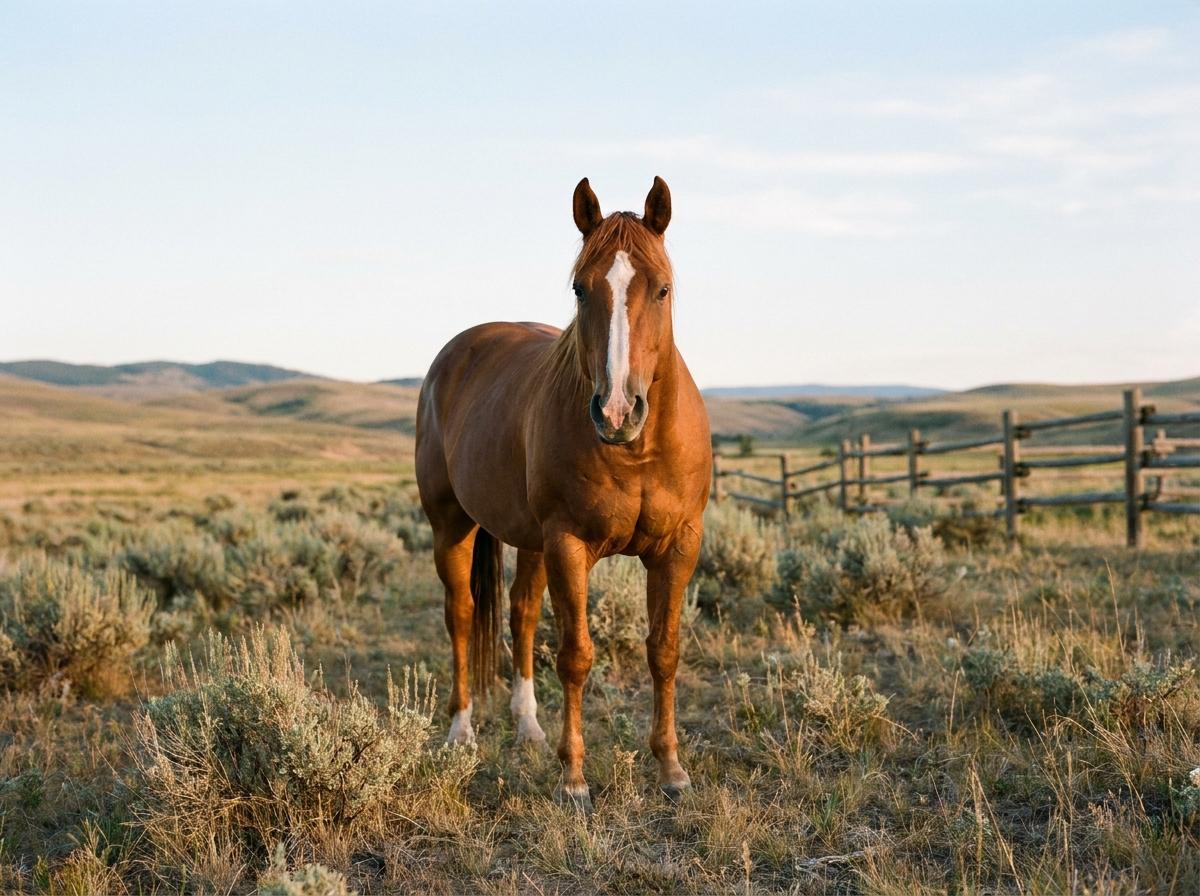
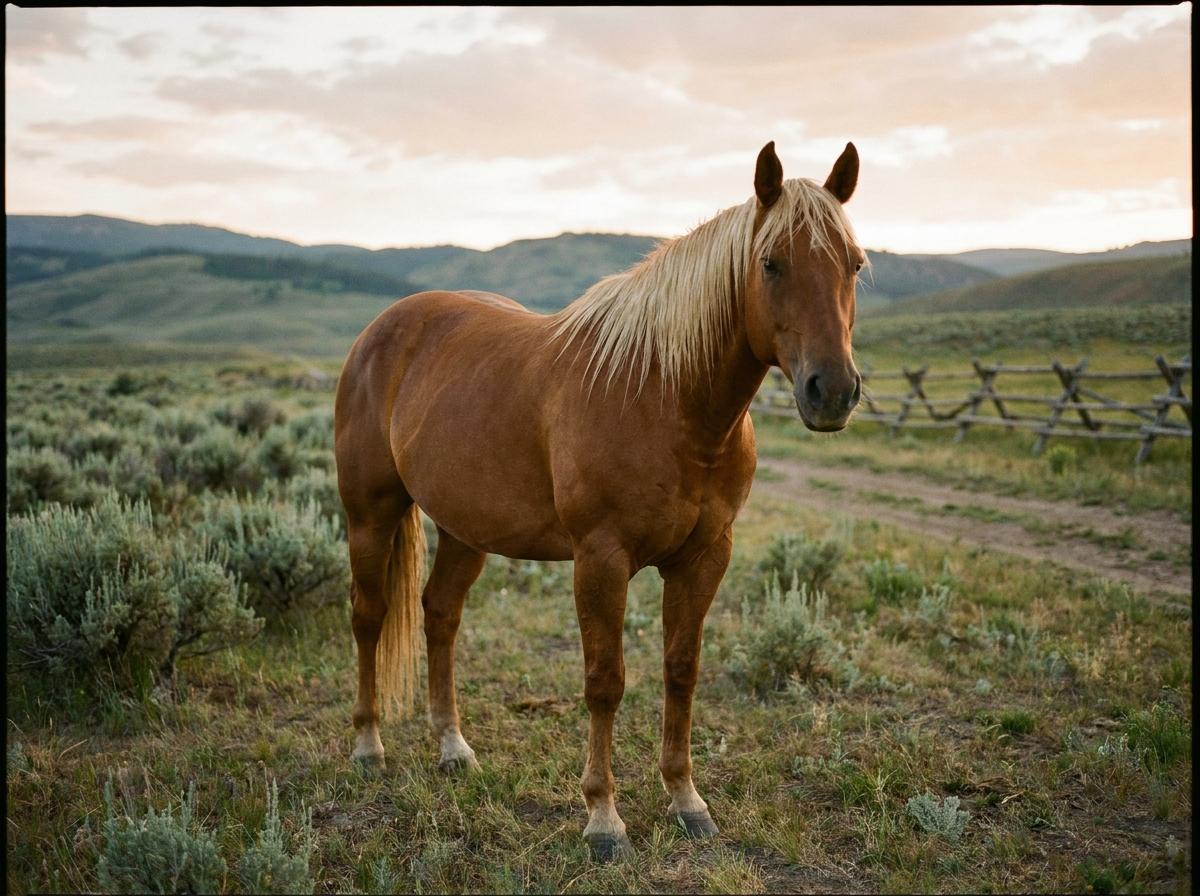
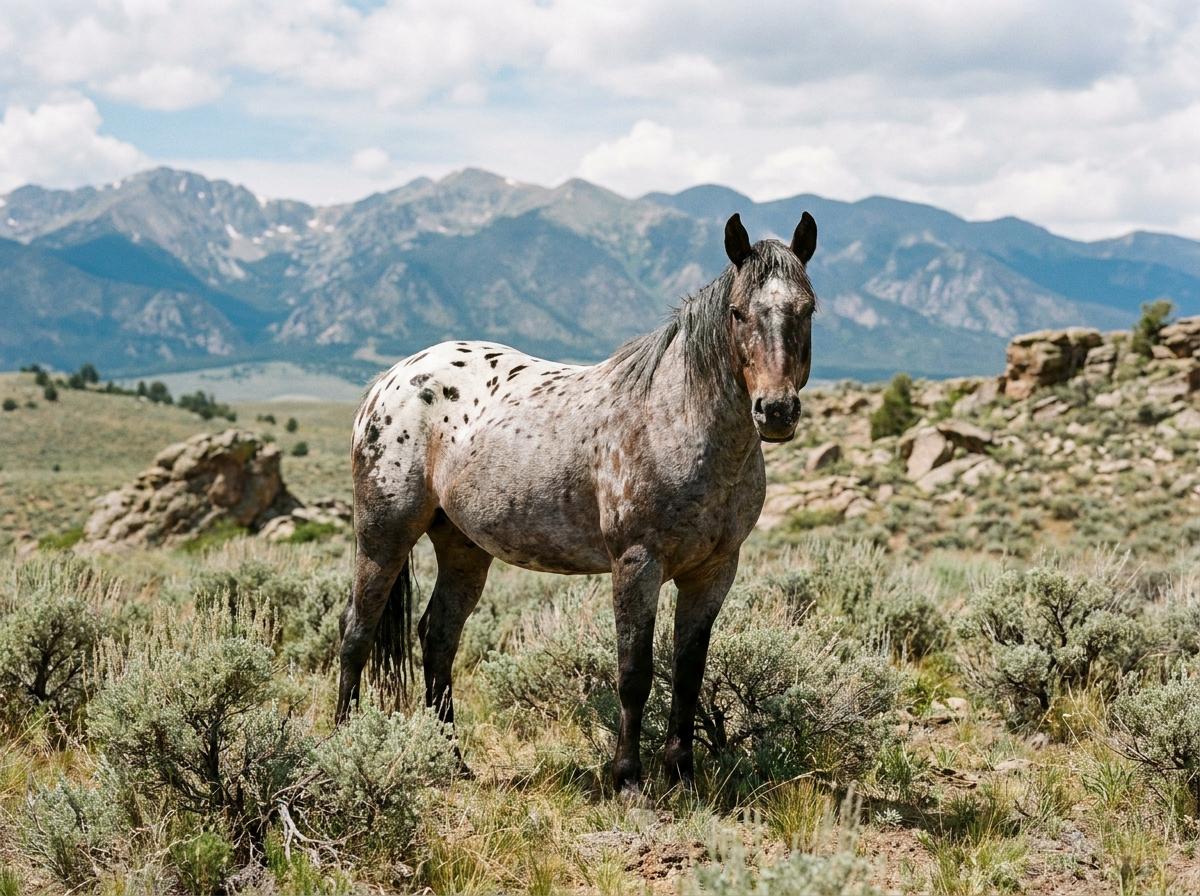
Set aside the spots for a moment and a Colorado Ranger reads as a well-made stock horse. The published breed description points to a straight head (not the dished profile of an Arabian, despite the Arabian in its distant background), a broad chest, sloping shoulders, a muscular neck, a short back, and clean, straight legs. Small, neat ears are a preferred detail. The overall impression is compact and athletic rather than tall or leggy, the frame of a horse meant to work cattle and cover ground.
Most stand somewhere between about 14.2 and 16 hands, which is 58 to 64 inches at the withers. The association publishes no official weight standard, so treat any single weight figure you see online with caution. For a horse of this height and build, expect a medium, muscular body, not a precise pound number that no authority stands behind.
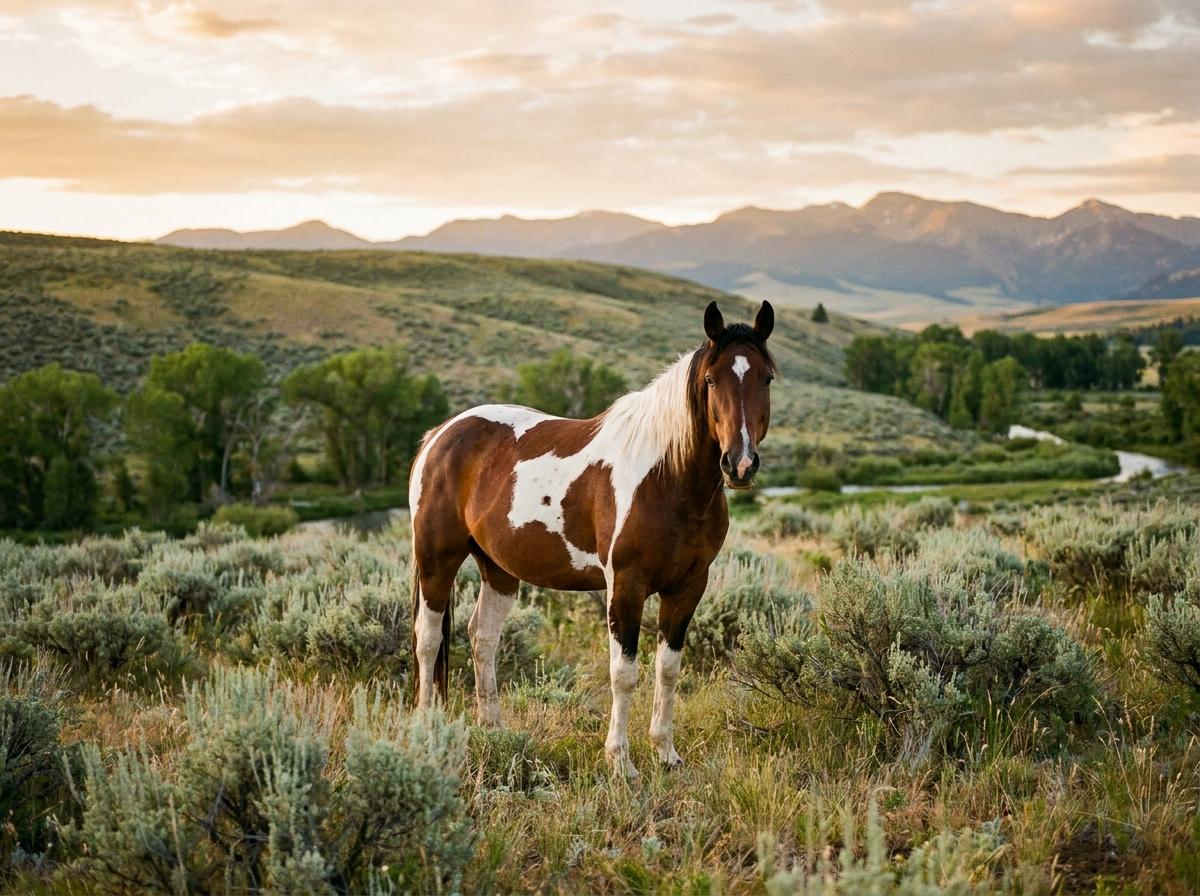
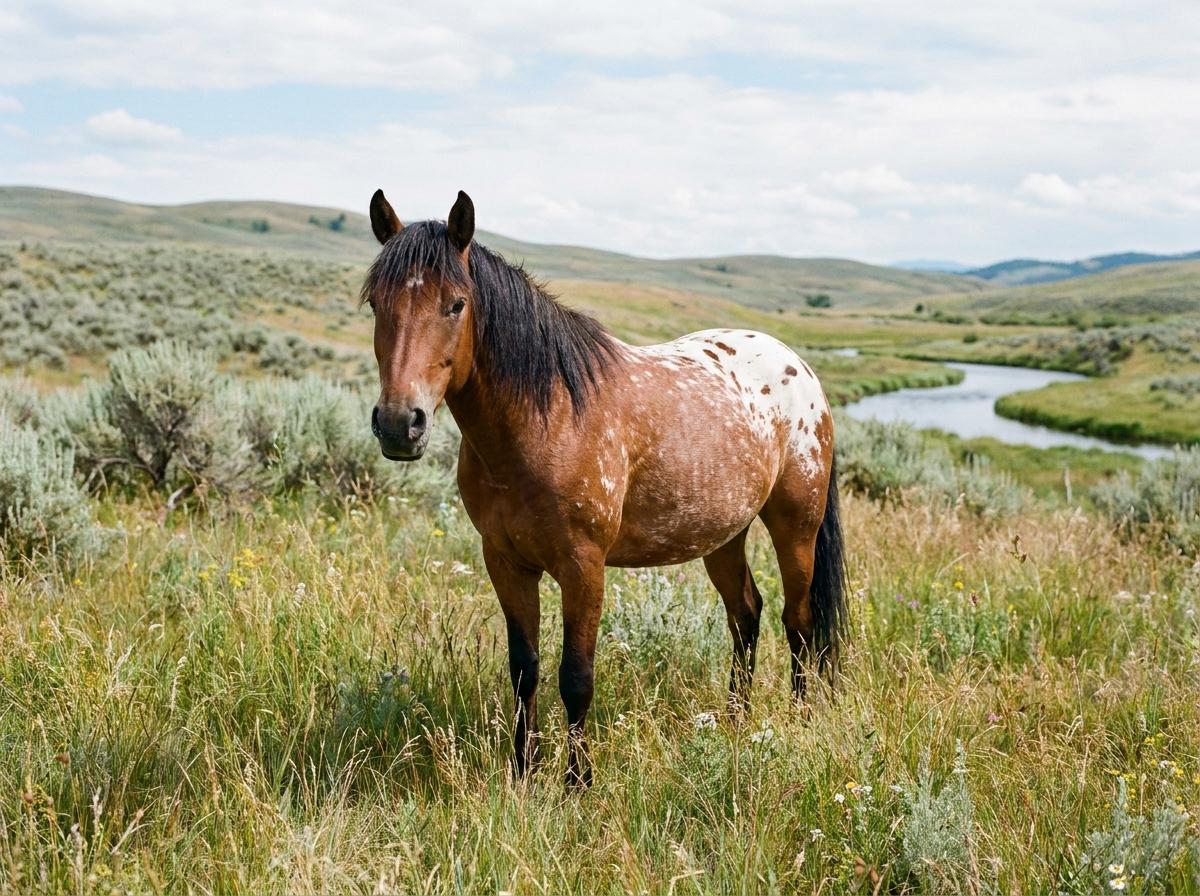
Then there is the coat. Appaloosa spotting, produced by the leopard complex gene, is the only color pattern the registry approves, and it shows up in the familiar range: a spotted blanket over the hip and loin, a full leopard pattern of dark spots on a light body, roaning that develops with age, mottled skin around the eyes and muzzle, and striped hooves. But because the registry cares about pedigree and not color, plenty of registered Rangers are solid bay, black, chestnut, or roan with little or no visible spotting. The one hard color rule is exclusionary: no Paint or Pinto patterning is allowed, and a pedigree should be free of Paint, Pinto, pony, or draft breeding.
For a contrasting pattern and registration question, the Pinto horse guide separates a spotted coat from the horse’s underlying type and documented ancestry.
Temperament and what they are used for
Ask breeders and the registry what a Colorado Ranger is for, and the answer is almost always the same word: versatility. These are ranch horses at their core, bred across generations for cow sense, stamina, and a level head, and that background shows up as a horse that is generally willing, intelligent, and calm enough to be useful across disciplines. Owners put them to trail riding, ranch and cattle work, Western performance classes, and family riding, and endurance is a recurring theme in how owners describe them.
A fair caveat: these temperament and stamina descriptions come from breeders, the association, and long practitioner experience rather than from controlled studies, so read them as the reputation of the breed rather than a measured trait. As with any horse, the individual in front of you, its training, and its handling matter more than the breed label. A well-started Ranger from working lines and a green one that has been sitting in a pasture are very different animals to bring home.

Care, and the one health issue tied to the spots
Day to day, a Colorado Ranger needs what any working stock horse needs: forage-based feeding matched to its workload, routine hoof care, dental care, parasite management, and the core vaccinations your veterinarian recommends for your region. Nothing about the breed calls for exotic management. Build a normal health and record-keeping routine and keep it consistent.
There is, however, one genetics point worth understanding, and it comes directly from the spotting the breed is known for. The leopard complex gene (LP) that creates Appaloosa patterning is also linked to two eye conditions, and this is well documented by the Veterinary Genetics Laboratory at the University of California, Davis. Horses that carry two copies of the gene (LP/LP), which tend to be the most heavily white-patterned individuals, are born with congenital stationary night blindness, or CSNB, meaning reduced vision in low light. CSNB is present from birth and does not progress or worsen with age, and many horses compensate well, but it is real, and worth knowing about before you ride an affected horse at dusk or load one in a dark trailer. Research has also connected the LP gene to a higher risk of equine recurrent uveitis (ERU), a recurring inflammatory eye disease that is a leading cause of blindness in horses.
Two practical takeaways. First, because Colorado Ranger is not a color registry, not every registered horse carries LP at all, and a horse with one copy or no copies is not affected by CSNB. Second, if spotting and its genetics matter to you, LP status can be confirmed with a simple DNA test through a lab such as UC Davis, and any eye concern, from a horse that seems hesitant in the dark to signs of inflammation, should go to your veterinarian rather than to a home remedy. Keeping clear records of test results, eye exams, and any treatment makes those conversations much easier over a horse’s life.
Breeding and the registry reality
If you plan to breed or to register, the rules are straightforward and worth getting right before money changes hands. To register a foal as a Colorado Ranger, it must trace to Patches No. 1 or Max No. 2. The association accepts specific outcrosses to keep the gene pool healthy: Thoroughbreds (via the Jockey Club), American Quarter Horses, Appaloosas from recognized registries, Arabians, and Arabian-Appaloosa crosses are among the approved options. What is not allowed is any Paint, Pinto, pony, or draft breeding in the pedigree. Because the breed and the Appaloosa overlap so much, many horses are eligible for both registries at once, and dual registration is common and legitimate.
For anyone building a program, the takeaway is that the Ranger studbook is a foundation-descent, pedigree-defined population that admits a controlled set of outcrosses and rides on top of a much larger Appaloosa gene pool. That is a strength for preserving a distinct working bloodline, and it is also why verifying papers matters so much on the buying side.
How rare is it, and how to find one
The Colorado Ranger is best described as uncommon and well established rather than critically rare. As of 2005, more than 6,000 horses had been registered with the CRHA over the breed’s history, with roughly 100 to 125 new horses registered each year at that time. That is a small breed by the standards of the Quarter Horse, but it is a functioning, actively bred population with a real registry behind it, not a handful of survivors.
The practical wrinkle for a buyer is the Appaloosa overlap. Many horses with full Ranger eligibility are marketed simply as Appaloosas, because that is the registry their breeder happened to use. So finding a Colorado Ranger is often less about locating a separate pool of horses and more about checking pedigrees: a good-looking Western horse advertised as an Appaloosa may already trace to Patches or Max, and be registrable as a Ranger, if you ask for the papers and read them. When you shop, do the ordinary due diligence you would for any horse: a pre-purchase veterinary exam, an honest look at soundness and temperament for your intended use, and, for a spotted horse where it matters to you, LP genetic testing. Then confirm the registration paperwork actually shows the foundation descent the breed requires.
You can browse horses on the Creatures marketplace and look for programs in the Creatures directory. Because the breed is uncommon and often hides inside Appaloosa listings, a saved listing alert (below) is one of the more practical ways to catch a genuine registered Ranger when one is posted. If your interest is broader than one breed, Creatures profiles heritage animals across species, from the Surti water buffalo to the Tang dog, so you can research and track more than one project in the same place.
Frequently asked questions
Is a Colorado Ranger the same as an Appaloosa?
No, though they overlap heavily. Both are pedigree registries rather than simple color registries: the Appaloosa Horse Club requires Appaloosa parentage or an approved outcross and even registers solid, non-characteristic horses, while the Colorado Ranger is a foundation-descent registry defined by descent from two foundation stallions, Patches No. 1 and Max No. 2, that admits a controlled set of outcrosses. About 90 percent of registered Rangers are also registered Appaloosas, but a solid-colored horse with Ranger pedigree still qualifies, and a spotted horse without that pedigree does not.
Do all Colorado Rangers have spots?
No. Appaloosa spotting is the only approved pattern, but because eligibility is based on pedigree rather than color, many registered Rangers are solid bay, black, chestnut, or roan with little visible spotting.
How big do Colorado Rangers get?
Most stand between about 14.2 and 16 hands (roughly 58 to 64 inches). The registry does not publish an official weight, so expect a medium, muscular stock-horse build appropriate to that height rather than a specific pound figure.
What are Colorado Rangers good for?
They are versatile Western horses, bred for ranch and cattle work and valued for endurance and a level, trainable temperament. Owners use them for trail riding, ranch work, Western performance, and family riding.
Is there a health issue linked to the breed?
The leopard complex gene that creates the spotting is linked to congenital stationary night blindness in horses that carry two copies (LP/LP), and to a higher risk of equine recurrent uveitis. CSNB is present from birth and does not worsen over time. Not every registered Ranger carries the gene, and LP status can be confirmed with a DNA test. Take any eye concern to your veterinarian.
How do I know a horse is really a Colorado Ranger?
Ask for the registration papers and confirm they show descent from Patches No. 1 or Max No. 2. Many eligible horses are sold as Appaloosas, so the pedigree, not the coat, is what tells you.
Do this next on Creatures
Whether you are researching the breed, tracking down a registered horse, or already keeping Rangers, Creatures is the records, marketplace, and directory layer to do it in one place.
Add your horse. Already own a Colorado Ranger? Create a free animal profile in a few minutes and keep its pedigree, papers, and photos together. The walkthrough is in adding an animal to Creatures.
Track health and training. Start health, farrier, and training records so vet visits, eye exams, and any LP test results live in one history. The record sheet opens for any visitor to look around, and a free account saves what you enter. See adding a record and health and medical records for the how-to.
Get alerted. Genuine registered Rangers are uncommon and often hide inside Appaloosa listings, so set a free Colorado Ranger listing alert and we will tell you when one is posted. No account needed to start, and you can learn the tools in saving searches and using your watchlist.
Browse what is available. Check Colorado Rangers on the marketplace and search trusted breeders and programs in the Creatures directory.
List your program. Breed or stand a Ranger stallion? Create a free breeder or barn profile and get listed in the breeder directory so buyers searching for this hard-to-find breed can reach you.
Compare the breed. Still deciding? Read the horse species overview and compare the Ranger with the Appaloosa and Quarter Horse.