Westphalian
Author: Elliott Garber, DVM · Published
The Westphalian is a German warmblood bred for sport, above all dressage and show jumping. It comes from Westphalia, the region around Münster in the state of North Rhine-Westphalia, and it is registered by the Westfälisches Pferdestammbuch, the Westphalian Horse Studbook, which has run the breed since 1904. Westphalians have carried riders to Olympic dressage gold and to back-to-back show jumping world championships, and the studbook placed fifth among all studbooks worldwide in the 2025 dressage breeding rankings. This page covers what the breed is, how the German studbook system actually works, what the brand on an older horse’s hip means, what the sport record looks like, and what to check before you buy. If you are still comparing sport horse breeds, the Creatures horse species page is a good place to line them up side by side.

| Registry | Westfälisches Pferdestammbuch e.V. (Westphalian Horse Studbook), Münster-Handorf, founded 1904 |
|---|---|
| Origin | Westphalia, North Rhine-Westphalia, Germany |
| Height | Official minimum 158 cm (about 15.2 hands); most modern horses stand roughly 16 to 17 hands |
| Colors | All colors permitted by the standard; bay, chestnut, black, and grey dominate in practice |
| Type and use | Warmblood sport horse for dressage, show jumping, and eventing |
| Breeding population | 6,869 registered broodmares and 319 stallions (studbook count, October 2023) |
| Identification | Microchip and equine passport; the traditional hip brand has not been applied in Germany since January 2019 |
| Claim to fame | Olympic dressage champions Ahlerich and Rembrandt; show jumping world champions Roman and Fire |
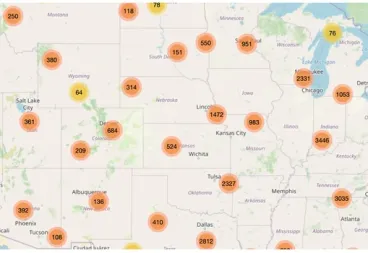
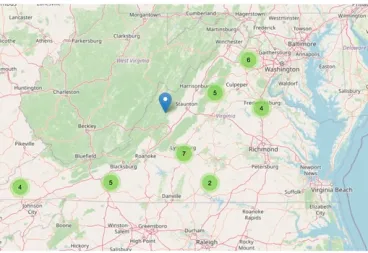
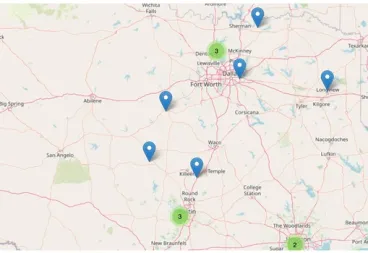
Browse listings, public profiles, breeders, or add your animal.
What is a Westphalian horse?
A Westphalian, also written Westfalen or Westfale, is a warmblood registered with the Westfälisches Pferdestammbuch, the breeding association headquartered in Münster-Handorf at the Westphalian Horse and Event Center. The association was founded in 1904 and today represents more than 8,500 members organized in 24 districts. It keeps the studbook of origin for the Westphalian riding horse, which means every filial Westphalian studbook in the world, including the North American one, works to the breeding rules set in Münster.
That framing matters, because German warmblood “breeds” work differently from closed breeds like the Arabian. The Westphalian studbook runs what breeders call an open population: alongside its own bloodlines it admits approved stallions and mares from a long list of related books, including Hanoverian, Holsteiner, Oldenburg, Trakehner, Rhinelander, Thoroughbred, and Anglo-Arab. What makes a Westphalian a Westphalian is not a sealed gene pool. It is selection: the studbook decides which mares and stallions are good enough to breed, tests them, and registers the resulting foals. You are buying the quality-control system as much as the bloodline.
The breeding population is large. The studbook’s own program document counted 6,869 registered broodmares and 319 stallions as of October 2023, which keeps Westphalia among the biggest warmblood breeding regions in Germany, and the association registers riding ponies, draft horses, and dozens of other breeds besides the riding horse that made its name.
Origin and history
Organized horse breeding in Westphalia is older than the studbook itself. In 1826 the Prussian state founded a stud at Warendorf, about 25 km from Münster, stocking it with 24 East Prussian stallions and four heavy work horses for the use of local breeders. That institution still operates today as the Nordrhein-Westfälisches Landgestüt, the state stud of North Rhine-Westphalia. It keeps about 80 active breeding stallions, runs a network of breeding stations across the region each season, and marked its 200th anniversary in 2026.
For most of the nineteenth century the local product was a practical farm horse, and as cavalry demand declined the type actually got heavier. The studbook founded in 1904 initially bred in two directions, a warmblood and a coldblood, which tells you how agricultural the priorities still were. The turn came in the 1920s, when Westphalian breeders decided to build systematically on Hanoverian bloodlines, and the modern riding horse type began to emerge. After the Second World War, as tractors replaced horses on farms, the studbook completed the shift from work horse to sport horse, the same transformation that produced the other modern German warmbloods.
The payoff arrived within two generations. By the 1970s and 1980s, Westphalian-bred horses were winning at the very top of world sport, and Warendorf grew into the center of German equestrian sport as a whole: the German Olympic equestrian committee trains there, and the Bundeschampionate, the national championships for young dressage, jumping, and eventing horses, have been held there every September since 1994.
What a Westphalian looks like
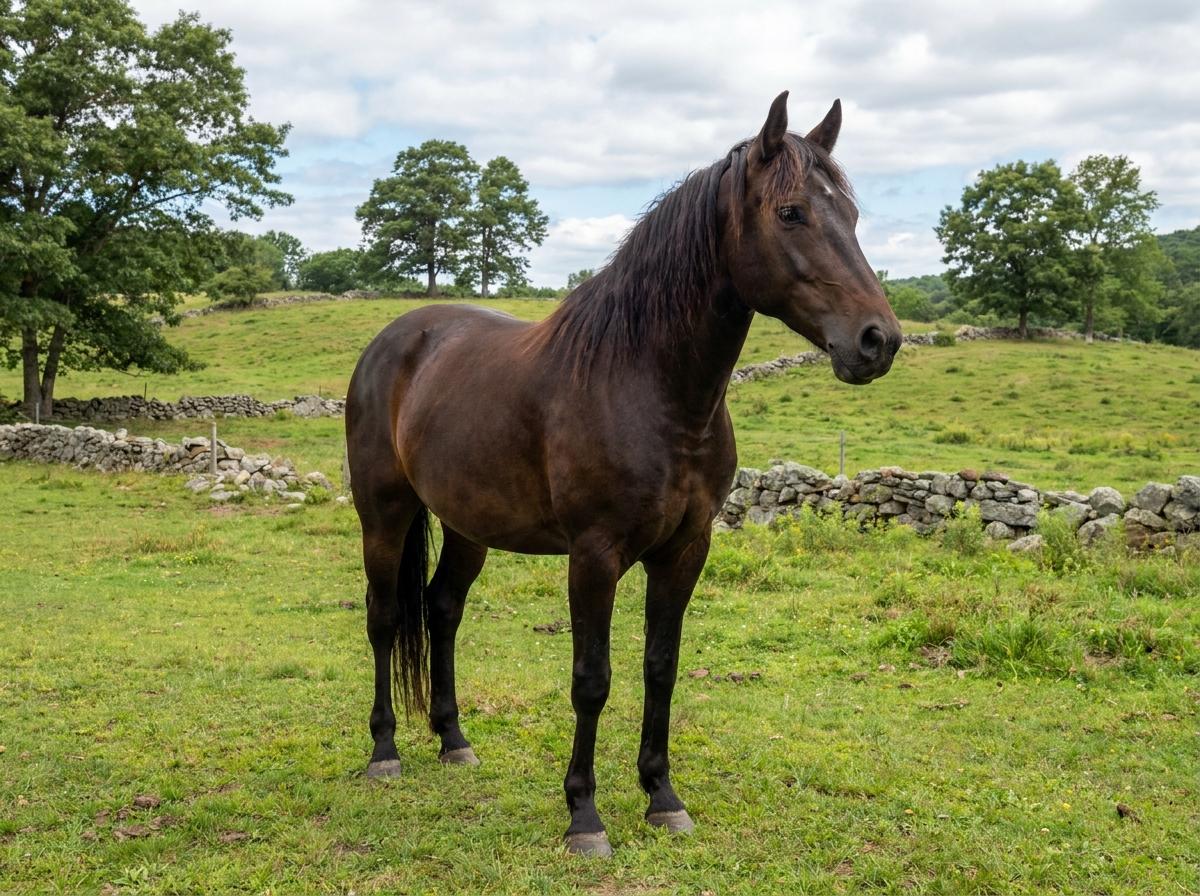
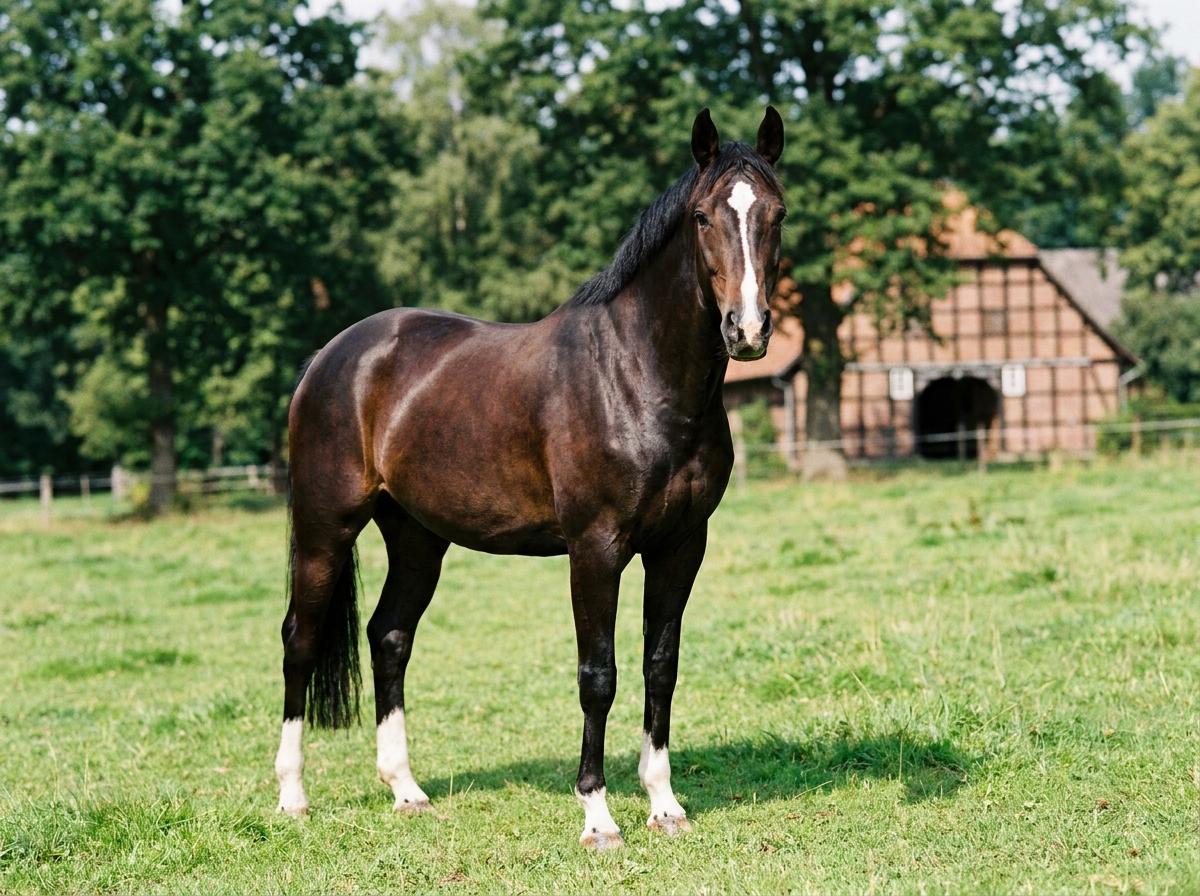
The official breeding goal, shared with the other German riding horse studbooks, calls for a noble, large-framed, correct, healthy, and fertile horse with energetic, ground-covering, elastic movement, suited by its temperament, character, and rideability to every kind of riding. The Westphalian program spells out the details: a dry, expressive head with large eyes, a long, well-set neck, a big sloping shoulder, a pronounced wither reaching well into the back, a strong croup, and clean, correct limbs with large joints.

A few practical numbers and traits from the standard are worth knowing:
- Height. The standard sets a minimum of 158 cm at the withers, about 15.2 hands, and no maximum. In practice most modern Westphalians stand somewhere between 16 and 17 hands, and plenty of top sport horses sit at either end of that band.
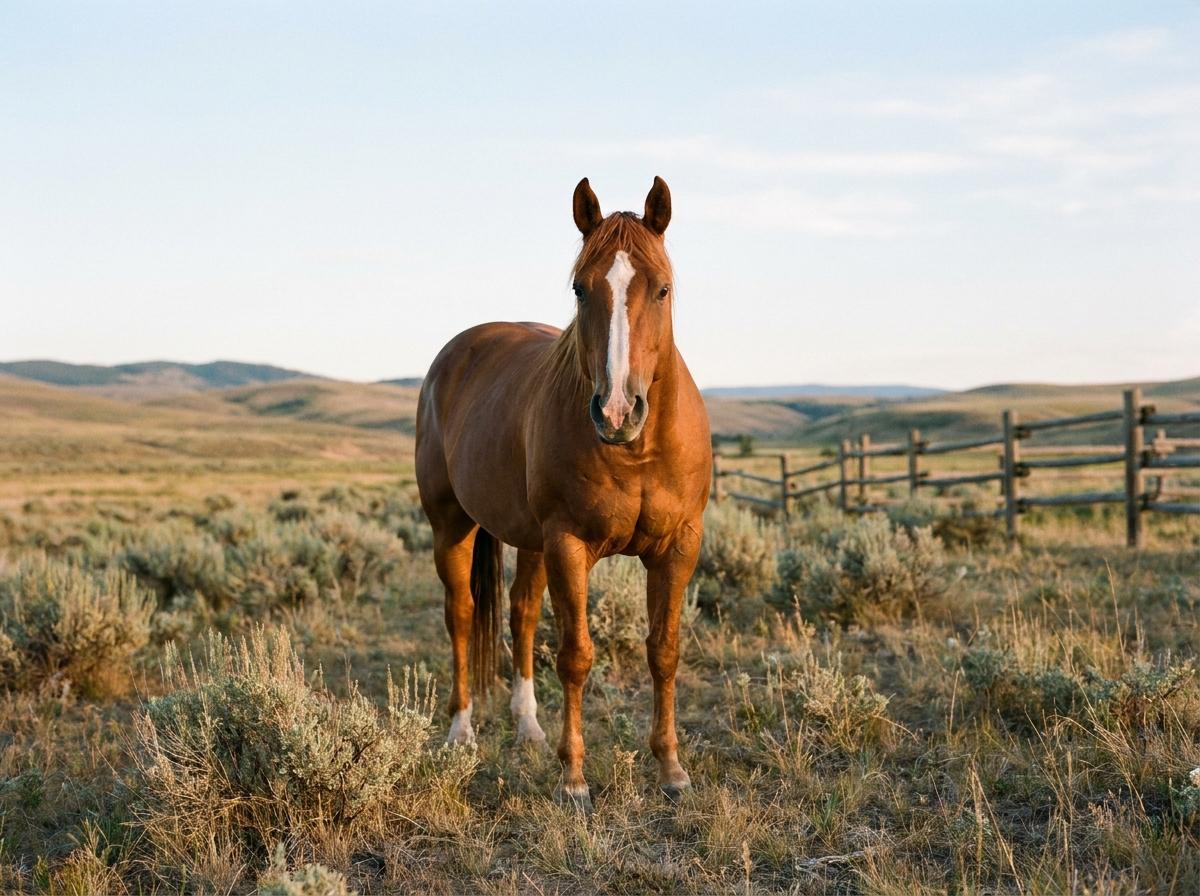
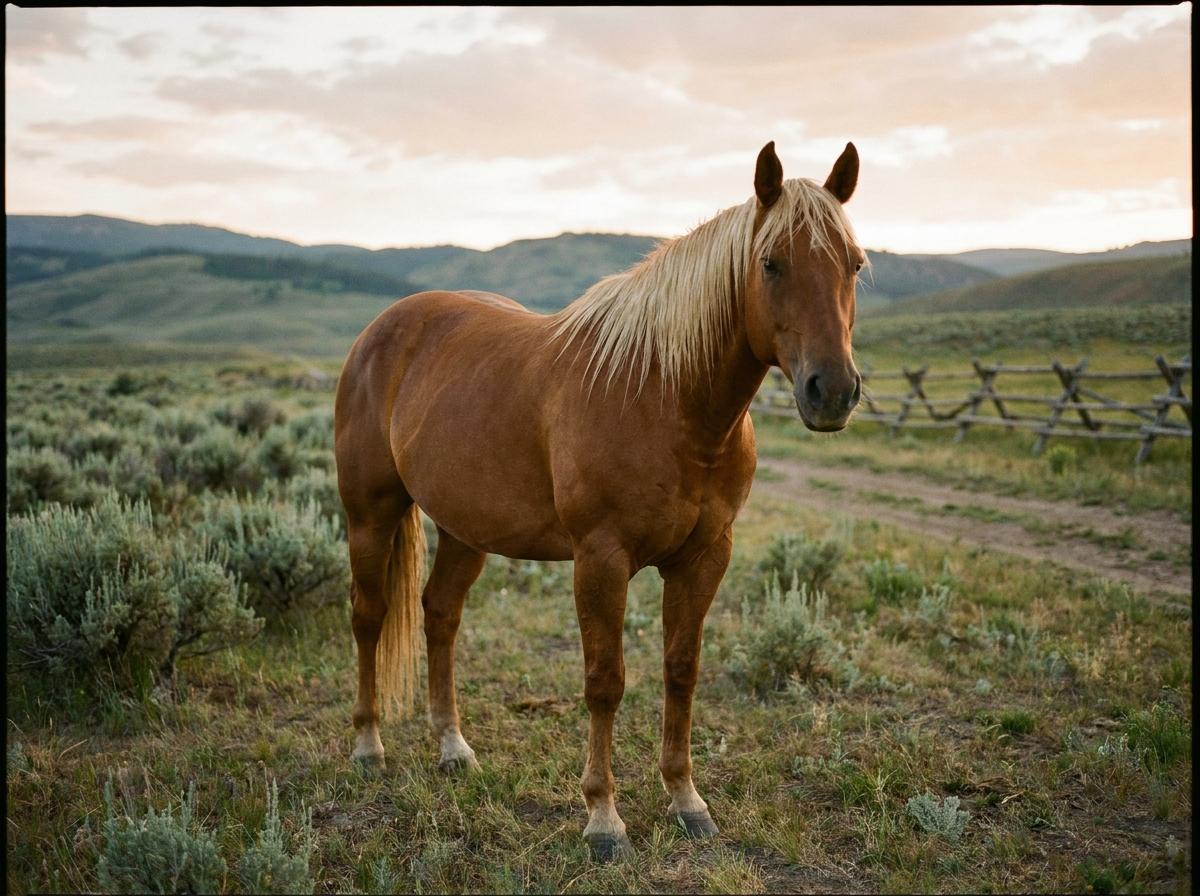
- Color. All colors are permitted. In the real population, bay, chestnut, black, and grey account for nearly everything you will see; flashy white markings are common and unpenalized.
- Movement. The program asks for a clear four-beat walk, a two-beat trot and three-beat canter with visible suspension, and, notably, says a little knee action is desirable. That touch of front-end expression is part of why Westphalians catch the eye in the dressage ring.
- Jumping. Judged stock is expected to show a quick, careful technique with tight forearms and an obvious bascule, the rounded arc over the fence.
- Temperament. The standard explicitly wants an uncomplicated, willing, strong-nerved, and reliable horse, and marks down difficult, nervous, or hot ones. Breeding for rideability is a stated goal, not a marketing line.
None of this guarantees an individual horse, of course. It describes what the judges reward, which over decades has shaped what the average Westphalian is like to sit on.
How the studbook system works
If you have never bought a German-registered sport horse before, the paperwork can look like alphabet soup. It is worth ten minutes to understand, because the system is the product.
Foals. A Westphalian foal is registered the year it is born, at a foal show or an on-farm appointment, while it is still at its dam’s side. It is microchipped, described, and its parentage is documented, with DNA verification backing the pedigree. The breeder must have an equine passport issued within the foal’s first 12 months. Those baseline documents follow the horse for life.

Mares. From age three, a mare can be presented for studbook entry, where judges score her type, conformation, and movement. The main mare book, Stutbuch I, requires an overall score of at least 6.0 with no trait below 5.0; mares that fall short enter Stutbuch II or the pre-books. The best mares earn premium titles at elite shows. Mare performance tests, under saddle at a station or in the field, document rideability and, where relevant, jumping talent.
Stallions. Stallion selection is far stricter. A colt must first pass the Körung, the licensing at Münster-Handorf, with an overall score of at least 7.00, plus a veterinary examination against published health standards. Licensing alone is not enough: to stand in Hengstbuch I, the top stallion book, he must also complete performance testing, through a short suitability test combined with sport tests, a 50-day station test, or tournament results, and be parentage-verified by DNA. Since the studbook adopted modern genetic screening, stallions must also be tested for Warmblood Fragile Foal Syndrome (WFFS), a heritable connective tissue disorder, or be cleared through two tested parents. Only a small fraction of each colt crop ever reaches the breeding shed, which is exactly the point.
The famous proof of how open and merit-based the system is: Cornet Obolensky, a Belgian-born grey by Clinton, was presented at the 2001 Westphalian licensing in Münster-Handorf, was licensed into the book, and went on to become one of the world’s most influential jumping sires, with his Westphalian son Comme il faut, out of the great mare Ratina Z, jumping at the top of the sport with Marcus Ehning. Gestüt Ligges, the German stud that stands him, gives 2001 as his licensing year. The studbook did not care where the horse was born. It cared whether he could improve the population.
If you breed, buy, or sell horses with this kind of documented system behind them, keeping your own records to the same standard is the obvious next step. A free Creatures animal profile gives each horse a pedigree, health history, and ownership record in one place, and no account is needed to start one.
Brands, microchips, and identification
For decades the visible badge of the breed was the Westphalian brand, applied to the left hip at the foal show: a crowned shield enclosing the letter W. Then the rules changed, and this is the part many buyers have not caught up with.
Every foal born in the EU since 1 July 2009 must be identified with an implanted microchip, set on the left side of the neck, and recorded in an equine passport. Branding continued alongside the chip for a while, but German animal welfare law was amended so that from 1 January 2019 a hot brand could only be applied with effective pain elimination using an approved veterinary drug, and no approved product existed. The practical result, confirmed in the studbook’s own breeder guide, is that the traditional brand has simply not been applied in Germany since January 2019.
So read the horse in front of you accordingly. A German-bred Westphalian foaled in 2018 or earlier will usually carry the crowned-W brand on its left hip. A younger one will carry no brand at all, and its identity rests on the chip, the passport, and the papers. Neither state is a red flag; both are just the era the horse was born in. What should concern you is a mismatch: always have the chip scanned and check that its number matches the passport and registration documents before money changes hands.
One regional wrinkle: in North America, where German animal welfare law does not apply, the studbook’s daughter organization still offers branding as an option at inspections. An unbranded American-bred Westphalian and a branded one can be a year apart in age and identically registered.
The sport record
For a regional studbook, the Westphalian trophy cabinet is remarkable.
In show jumping, Westphalian-breds won back-to-back world championships: Roman under Gerd Wiltfang at Aachen in 1978, and Fire under Norbert Koof in Dublin in 1982.
In dressage, two Westphalians defined whole eras. Ahlerich, ridden by Reiner Klimke, took individual and team gold at the 1984 Los Angeles Olympics. Rembrandt, a dark bay gelding by Romadour II whose dam was a full sister to Ahlerich, then did it twice with Nicole Uphoff, winning both individual and team gold at Seoul in 1988 and again at Barcelona in 1992, a double double recorded in Uphoff’s Olympic results that made him one of the most decorated dressage horses in Olympic history.

The modern record holds up. Damon Hill NRW, a Westphalian stallion by Donnerhall, won the 2013 FEI World Cup Final with Helen Langehanenberg and added team gold plus two individual silvers at the 2014 World Equestrian Games. Bella Rose, a chestnut Westphalian mare by Belissimo M, carried Isabell Werth to team gold and individual Grand Prix Special gold at the 2018 World Equestrian Games, triple gold at the 2019 European Championships in Rotterdam, and team gold with individual freestyle silver at the Tokyo Olympics before retiring at 17. On the World Breeding Federation for Sport Horses rankings for 2025, Westfalen stood fifth among all studbooks worldwide in dressage, behind only the Dutch, Oldenburg, Hanoverian, and Danish books, while also ranking with the leading books in jumping.
For a buyer, the takeaway is less about medals than about depth: the same selection system produces amateur-friendly riding horses in far greater numbers than champions, and the champions are the proof the selection works.
Cost and availability
There is no single meaningful price for a Westphalian, and you should be skeptical of any page that quotes one. The registered population spans weanling foals, unbroken youngsters, solid amateur horses, and international Grand Prix contenders, and those markets barely overlap. Price follows age, training, soundness, pedigree, and record, just as it does for every other warmblood. As broad orientation only: registered foals and unstarted young stock generally cost the least, well-started riding horses with clean veterinary findings command substantially more, and proven upper-level competitors trade in a market of their own.
In Germany the supply is deep, and the studbook itself runs auctions and sales at Münster-Handorf. In North America the breed is established but thinner on the ground, so expect fewer horses per listing search, longer travel to see them, and, for imports, transport and quarantine costs that can rival the price of a modest horse. Because good ones surface irregularly, a standing listing alert for Westphalians does the watching for you, and you can browse what is currently available on the Creatures marketplace at any time.
Buying a Westphalian: what to check
The German system generates a paper trail most breeds can only envy. Use it.
- Match the horse to the documents. Scan the microchip and confirm the number against the passport and registration papers. On an older German-bred horse, expect the crowned-W brand on the left hip; on a post-2018 one, expect none.
- Read the studbook classes, not just the word “papers.” Parents in Hengstbuch I and Stutbuch I, premium titles, and performance test results all say something concrete about the breeding. A horse whose dam line shows generations of Stutbuch I mares was bred deliberately.
- Ask for the performance and health history. Competition records, breeding history for mares, and veterinary history tell you more than any sales video. Organize what you receive; a health and medical record per horse beats a folder of loose PDFs.
- Do a pre-purchase exam. For a sport horse, a veterinary pre-purchase exam with radiographs is customary and worth the money at most price points. Defer judgment on findings to your own veterinarian, not the seller’s.
- Meet the horse under saddle. The standard selects hard for rideability, but individuals vary, and the right amateur horse is defined by temperament more than by movement scores.
For a step-by-step look at the sale channels themselves, from breeders to auctions to private sales, see the companion guide on where to buy a horse.
Westphalians in North America
You do not need to import to own a Westphalian. Westfalen NA, the official North American daughter organization of the Westfälisches Pferdestammbuch, registers and inspects horses across the United States and Canada. Its annual inspection tour runs each late summer and fall, with the 2026 in-person tour scheduled from mid July through October, and the inspections are judged by representatives of the German parent registry, the same judges who assess foals in Germany, which keeps the standard consistent on both continents.
The process mirrors the German one: foals are physically inspected, microchipped, and DNA parentage-verified; mares and stallions go through studbook entry and licensing against the German criteria. For a North American breeder, that means a foal bred here can carry the same registration weight as one born outside Münster. If you breed or stand stock, a breeder or farm profile on Creatures makes your program findable by exactly the buyers searching for this paperwork.
Care and management
A Westphalian needs what every large sport horse needs, and nothing exotic. Forage-first feeding scaled to work, with concentrates added only as the workload justifies. Daily turnout and social contact; these are herd animals, and the standard’s calm temperament does not survive isolation and confinement. Routine farrier care on a four-to-eight week cycle, dental checks, and a vaccination and deworming program set with your veterinarian for your region. Athletes in regular work also benefit from planned conditioning and scheduled rest, because most career-ending problems in sport horses build gradually and show up first as small changes in soundness or attitude.
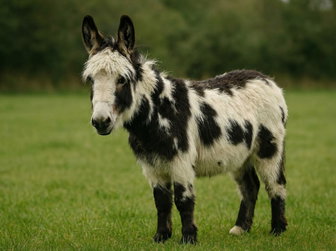
Two habits pay for themselves. First, track everything: weights, shoeing dates, vaccinations, worming, injuries, and training milestones, so patterns surface early; reminders for upcoming care keep the routine on schedule. Second, plan for company. Many barns keep a calm companion for horses that stress when alone, and a pony or a miniature Mediterranean donkey often fills that role well. For any medical decision, from vaccines to lameness workups, your veterinarian is the authority; this page is orientation, not treatment advice.
Frequently asked questions
Is the Westphalian a breed or just a registry?
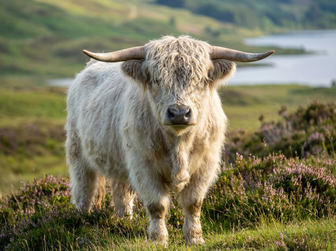
Both, in the German sense. The population is defined by the studbook that selects and registers it, and that studbook admits approved outside blood, so it is not a closed gene pool. Contrast it with something like the garron, a Highland pony type defined by its job rather than by any registry, and the German model becomes clear: a Westphalian is defined by its papers and the selection behind them.
How big is a Westphalian horse?
The official standard sets a minimum of 158 cm, about 15.2 hands, with no maximum. Most modern Westphalians stand between roughly 16 and 17 hands.
What does the Westphalian brand look like, and do foals still get branded?
The brand is a crowned shield enclosing the letter W, set on the left hip. In Germany it has not been applied since January 2019, when animal welfare rules made hot branding impractical, so only horses foaled 2018 and earlier normally carry it. Identification now rests on the microchip and passport. In North America, the daughter registry still offers branding as an option.
What is the difference between a Westphalian and a Hanoverian?
Less than the names suggest. The two studbooks work to the same national frame breeding goal for the German riding horse and have exchanged bloodlines for a century; Westphalia deliberately built on Hanoverian lines from the 1920s onward. The practical differences are where the horse was registered, which licensing and testing its parents passed, and which region’s breeding program stands behind it.
Are Westphalians good horses for amateur riders?
Often, yes. The breeding goal explicitly selects for uncomplicated temperament and rideability, and the bulk of the population is bred to be ridden by normal riders, not professionals. Individuals still vary widely with training and management, so try the specific horse and buy on temperament and soundness, not on the registry name alone.
How much does a Westphalian cost?
There is no reliable single figure. Expect the price to track age, training, soundness, pedigree, and competition record, with unstarted youngsters at the low end and proven sport horses at multiples of that. Import costs add a fixed overhead for North American buyers; the domestic Westfalen NA population avoids them.
Do this next on Creatures
Whether you are researching the breed, hunting for a horse, or already running a breeding program, Creatures is the records, marketplace, and directory layer to do it in one place.
Find one. Browse Westphalian listings on the marketplace and search trusted breeders and farms in the Creatures directory. New to searching? See saving searches and using your watchlist.
Get alerted. Good Westphalians surface irregularly, especially in North America, so set a free Westphalian listing alert and we will tell you the moment one is posted. No account needed to start.
Add your horse. Already have one in the barn? Create a free animal profile with pedigree, photos, and history in a few minutes, no account needed to start. The walkthrough is in adding an animal to Creatures.
Keep records like a studbook. Add health, breeding, and training records as they happen. The record sheet opens for any visitor to look around, and you will need a free account to save what you enter. See adding a record for the full how-to.
List your program. Breed or stand Westphalians? Get listed in the breeder directory so buyers searching for registered stock can reach you, and read creating an organization and adding your team if you run the operation with others.
Sell with confidence. Planning to sell a horse? Learn how seller payout works before you list.
If you breed or stand sport horses, you can also list your operation in the Creatures directory so buyers searching for registered Westphalian stock can find you.