


Icelandic Horse
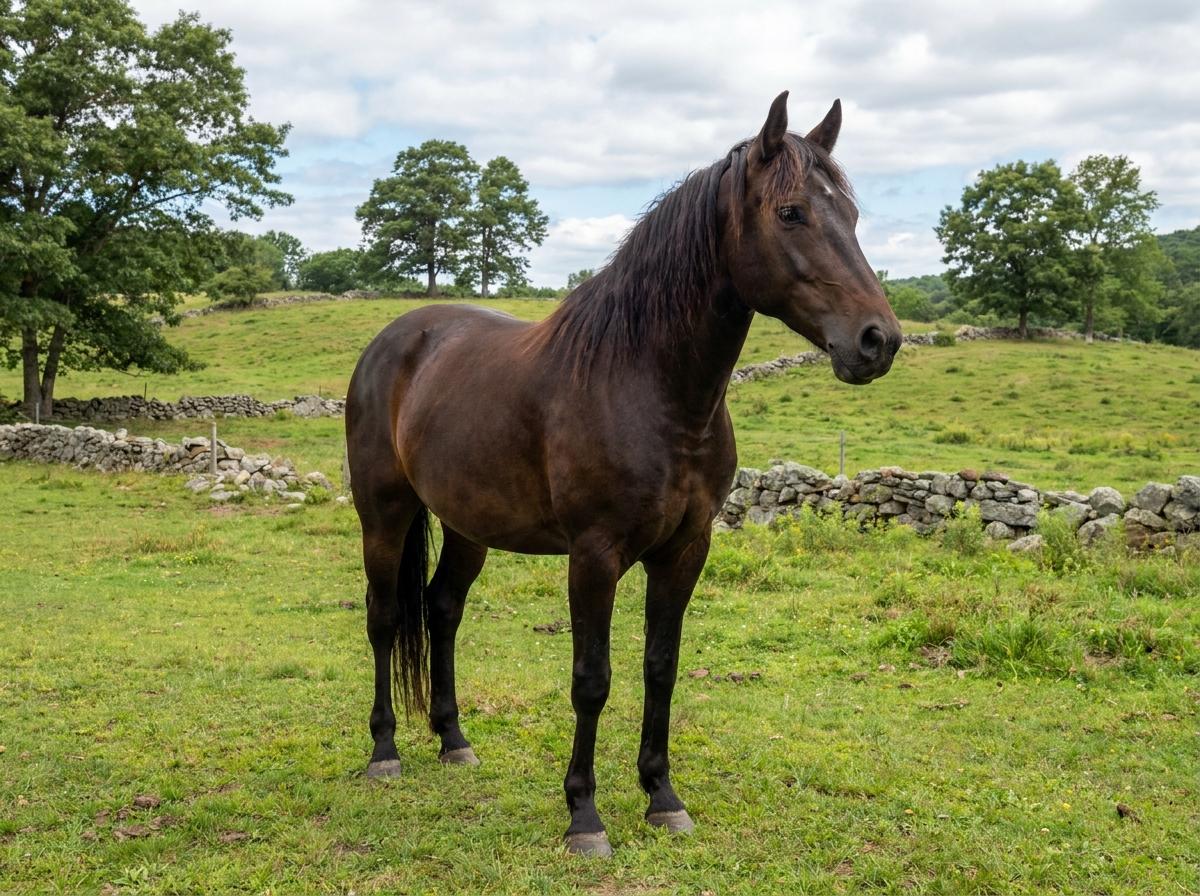
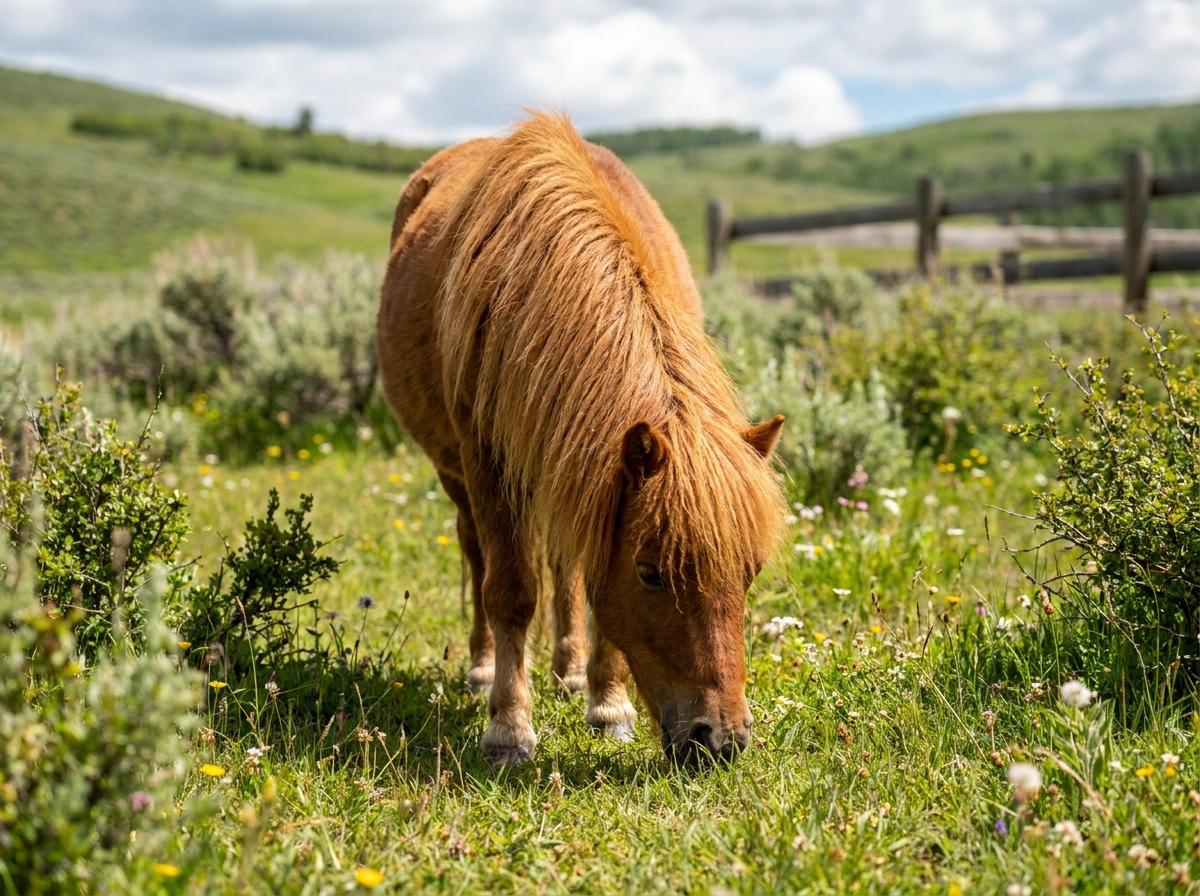
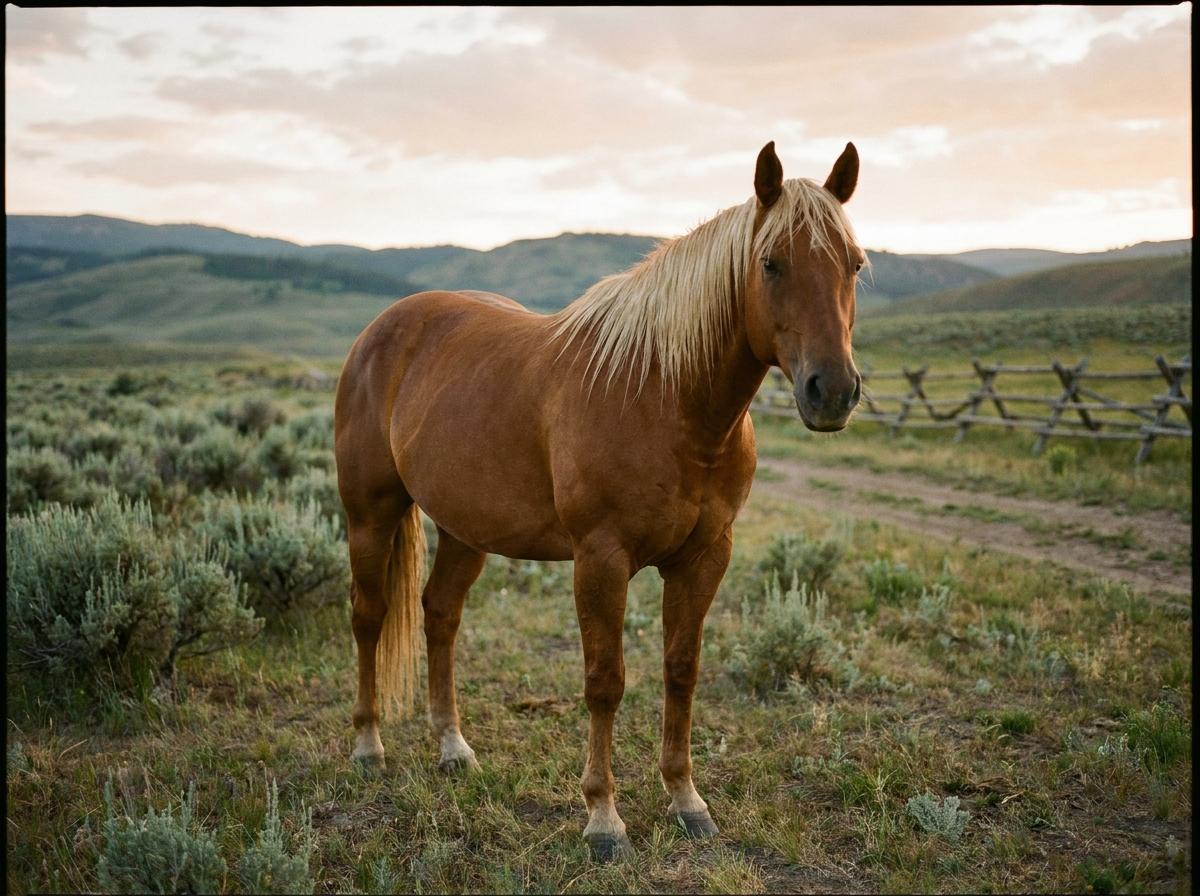
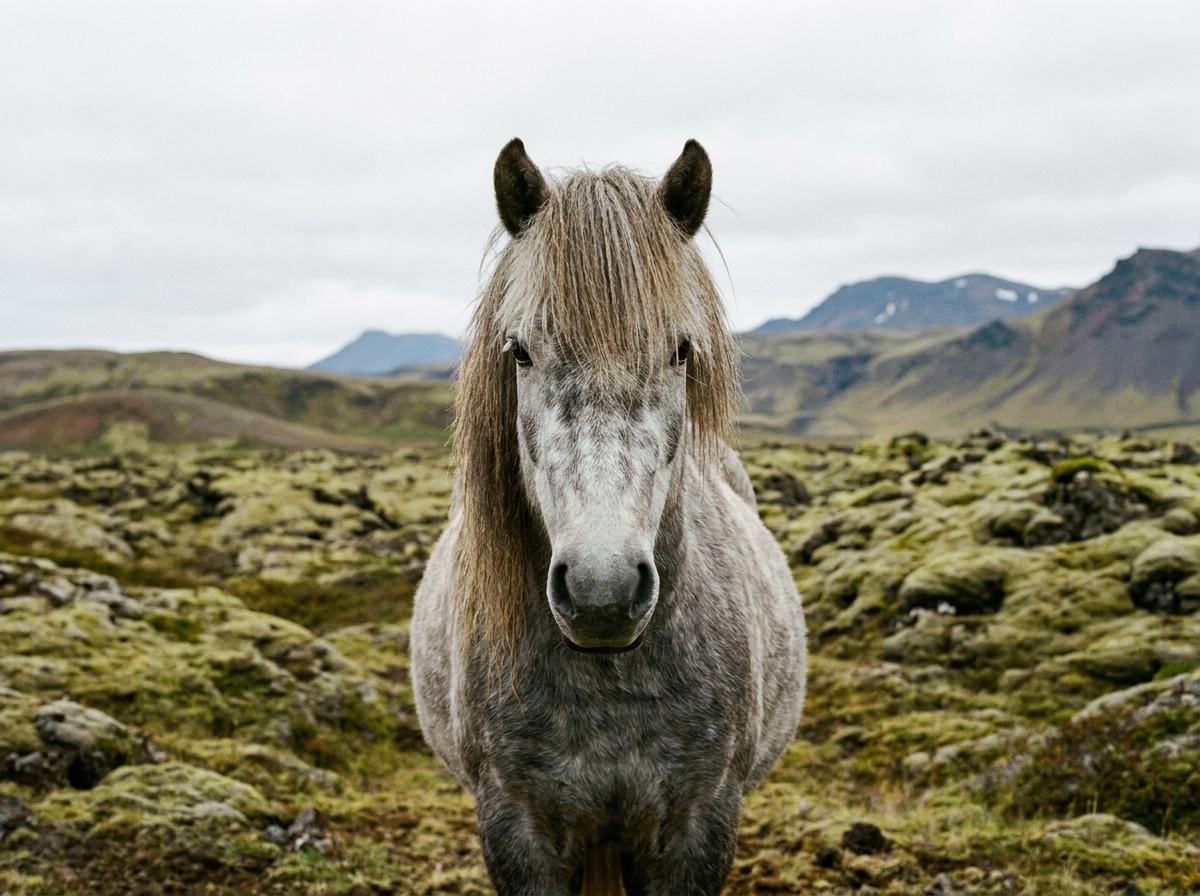
The Icelandic horse is a small, sturdy horse from Iceland, descended from horses brought by Norse settlers and maintained under strict isolation for centuries. Although pony-sized by many measurements, it is traditionally called a horse. The breed is famous for extra gaits, especially the tölt, a smooth four-beat gait used for comfortable travel, and in some individuals the flying pace. Icelandic horses are hardy, heavily coated in winter, and found in many colors.
Owners value the Icelandic horse for trail riding, gaited sport, breed shows, and family riding, but its management still requires discipline. Many are easy keepers, so pasture, hay quality, and body condition should be watched closely. Gait training is specialized, and a horse's value may depend on whether it is four-gaited, five-gaited, naturally tölting, or trained for pace. Breeders rely on pedigree, conformation, rideability, and gait evaluations, while Iceland's import rules make the native population especially distinct from Icelandic horses bred elsewhere.