Shire
A Shire is a large draft horse whose size changes the practical details of ownership. Feed storage, transport, farrier access, tack and handling facilities need to fit the horse you buy. The breed’s impressive appearance is easy to appreciate; the daily arrangements deserve just as much attention.
Use the free horse pedigree chart maker to lay out the ancestry in a seller’s documents. Training, handling and health still need their own evidence.
Set a Shire search alert for new matching listings. Current supply may be empty; the Shire breeder directory is another route to contact sources and ask about availability.

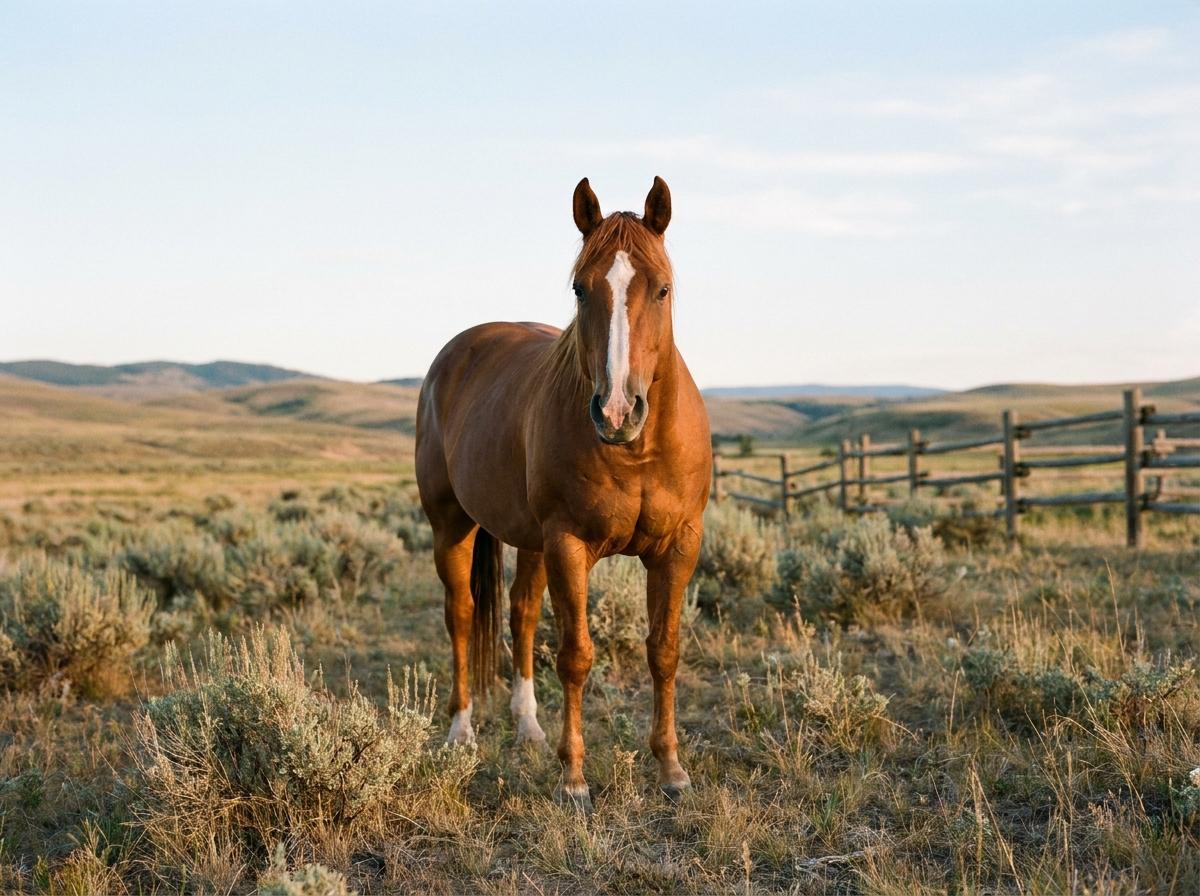
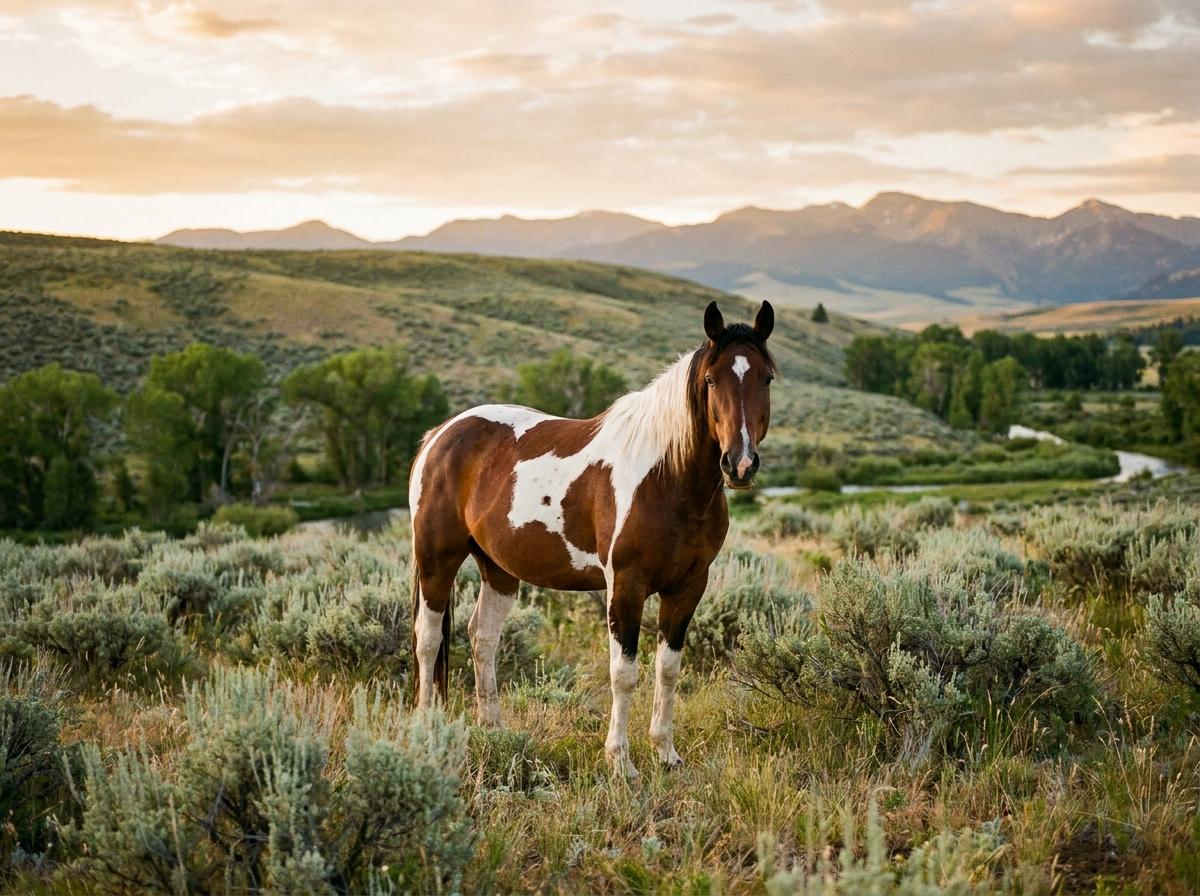
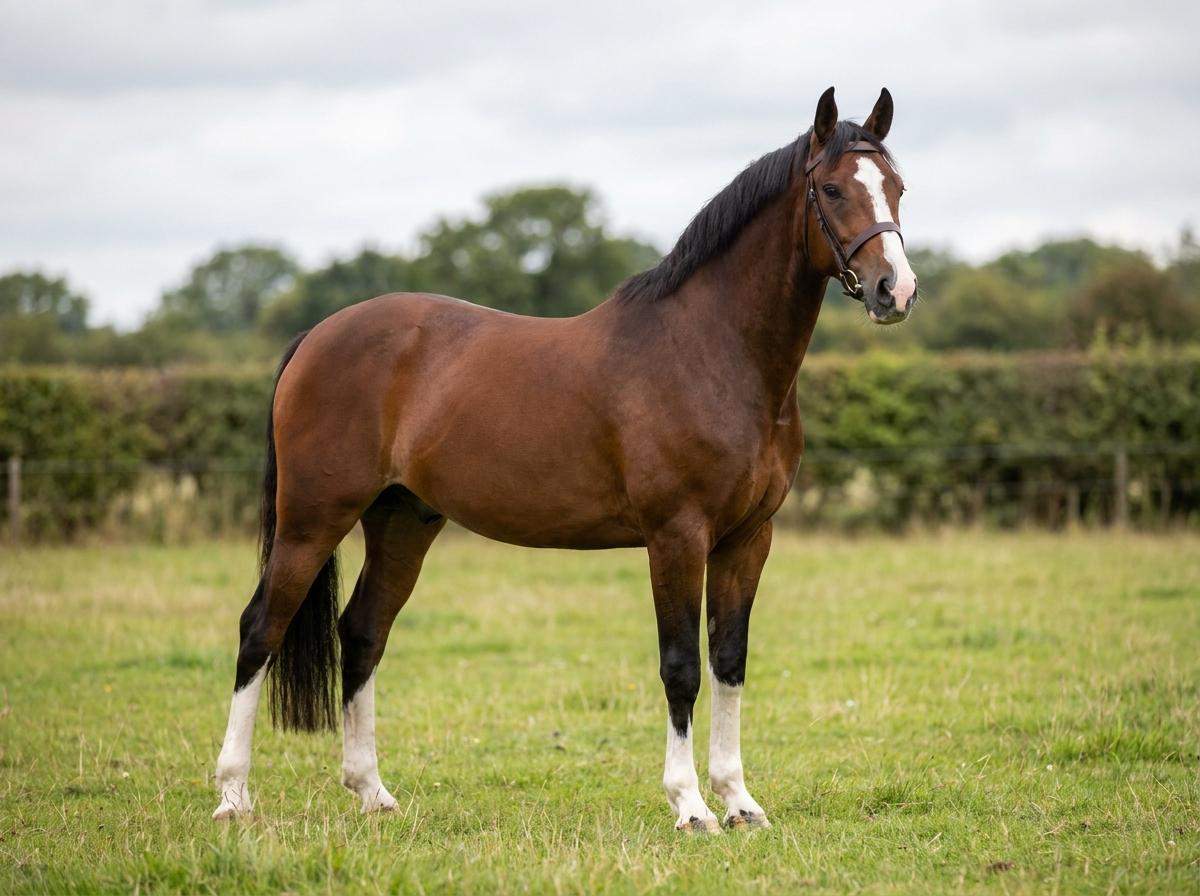
AI-generated illustration.
| Origin | English heavy draft horse |
|---|---|
| Stallion height | Minimum 16.2 hands; average around 17.1 |
| Colors | Black, brown, bay and gray; chestnut rare |
| Distinctive feature | Substantial frame and fine lower-leg feather |
| Health priority | Inspect beneath feather for swelling and skin disease |
| Conservation | Livestock Conservancy: Critical, 2026 |
Browse listings, public profiles, breeders, or add your animal.
English draft history and substantial size
Shires developed as English draft horses for heavy work. The American Shire Horse Association’s history describes the breed’s development. The English Cart Horse Society was founded in 1878 and renamed the Shire Horse Society in 1884, as recorded in ASHA’s historical account. Mechanization reduced the working population; the Livestock Conservancy’s 2026 list places the Shire in its Critical category. That makes sound, documented breeding important, but rarity does not establish an individual horse’s health or value.
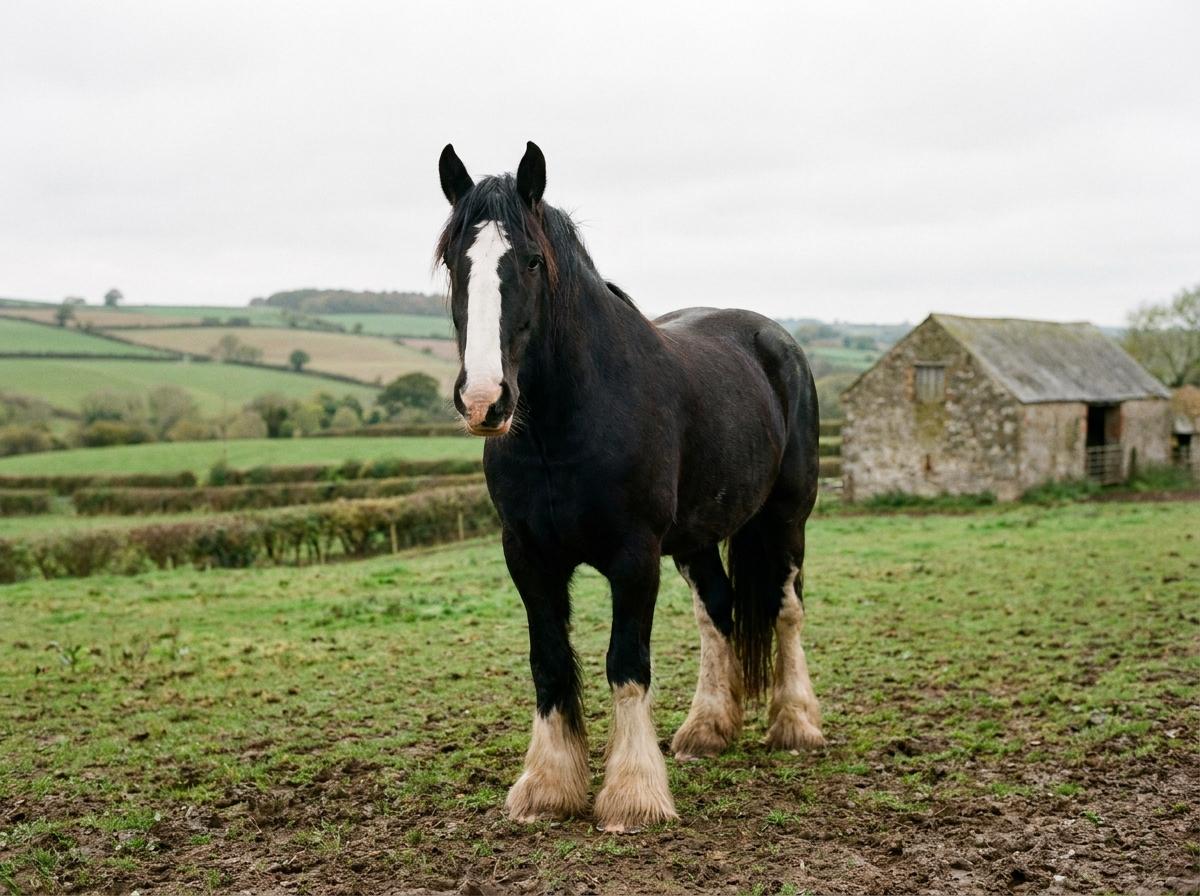
The American Shire standard gives stallions a minimum height of 16.2 hands and an average around 17.1. Those figures concern stallions, not a minimum for every Shire. Black, brown, bay and gray occur; chestnut is described as rare. A long lean head with a slightly Roman profile, substantial bone and fine, straight, silky lower-leg feather distinguish the type.
Look through the decorative feather to feet, joints and movement. Watch the horse walk toward and away from you, turn and stand comfortably. Confirm the certificate and registry category; a suitable Shire cross can be a good horse without being the same registration proposition as a purebred.
Driving, riding and handling are different skills
A horse trained to drive is not automatically trained to carry a rider, and a riding horse is not automatically safe in harness. Ask for a clear account of the horse’s education. “Broken” or “experienced” is too vague when the equipment and risks differ.
For driving, involve a competent driving instructor in the assessment. Discuss the vehicle, harness, terrain and whether the horse works singly or with another horse. For riding, have an experienced person assess the horse, rider and tack together. Do not test an unfamiliar skill merely because the horse appears calm.
Large horses also need ordinary manners. Watch leading, stopping, backing, waiting at gates and lifting feet. Size increases the consequences of poor handling even when the horse is friendly. Plan consistent training and safe routines from the beginning.

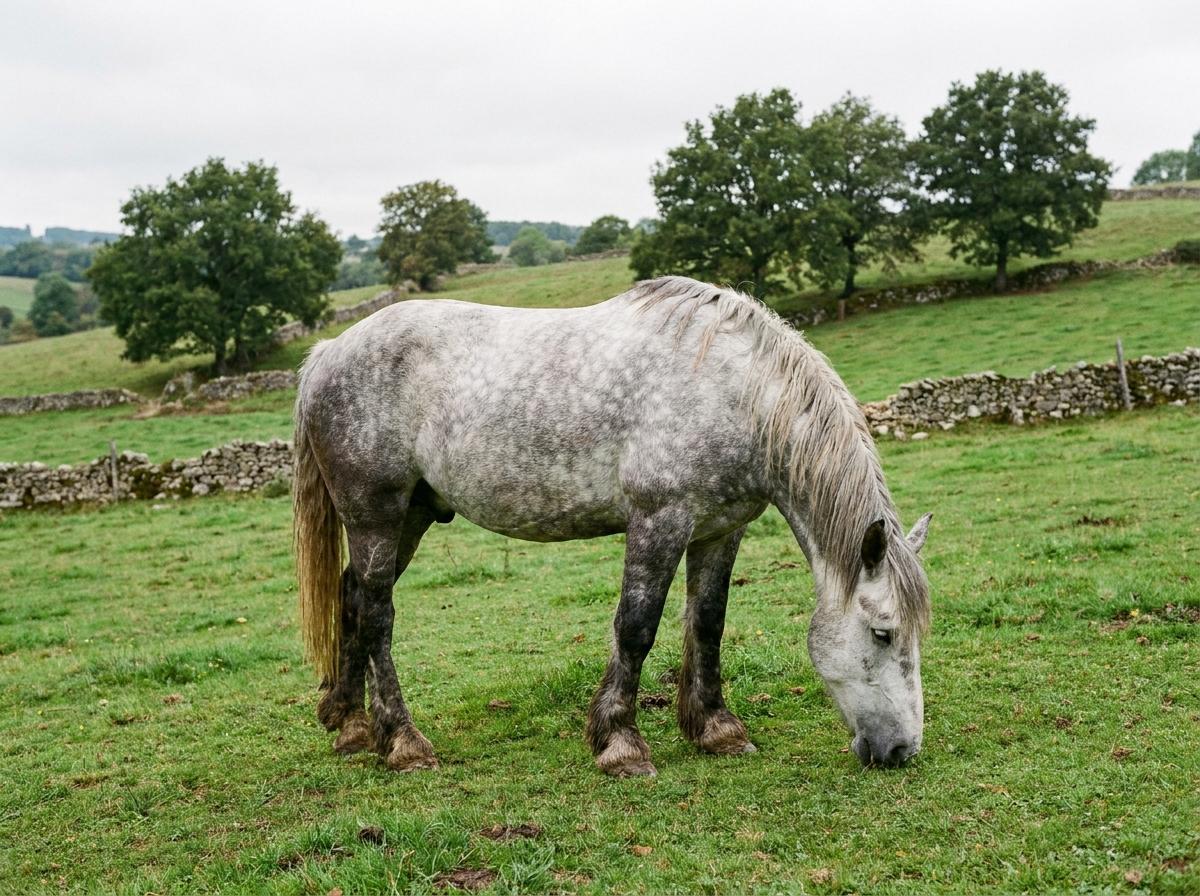
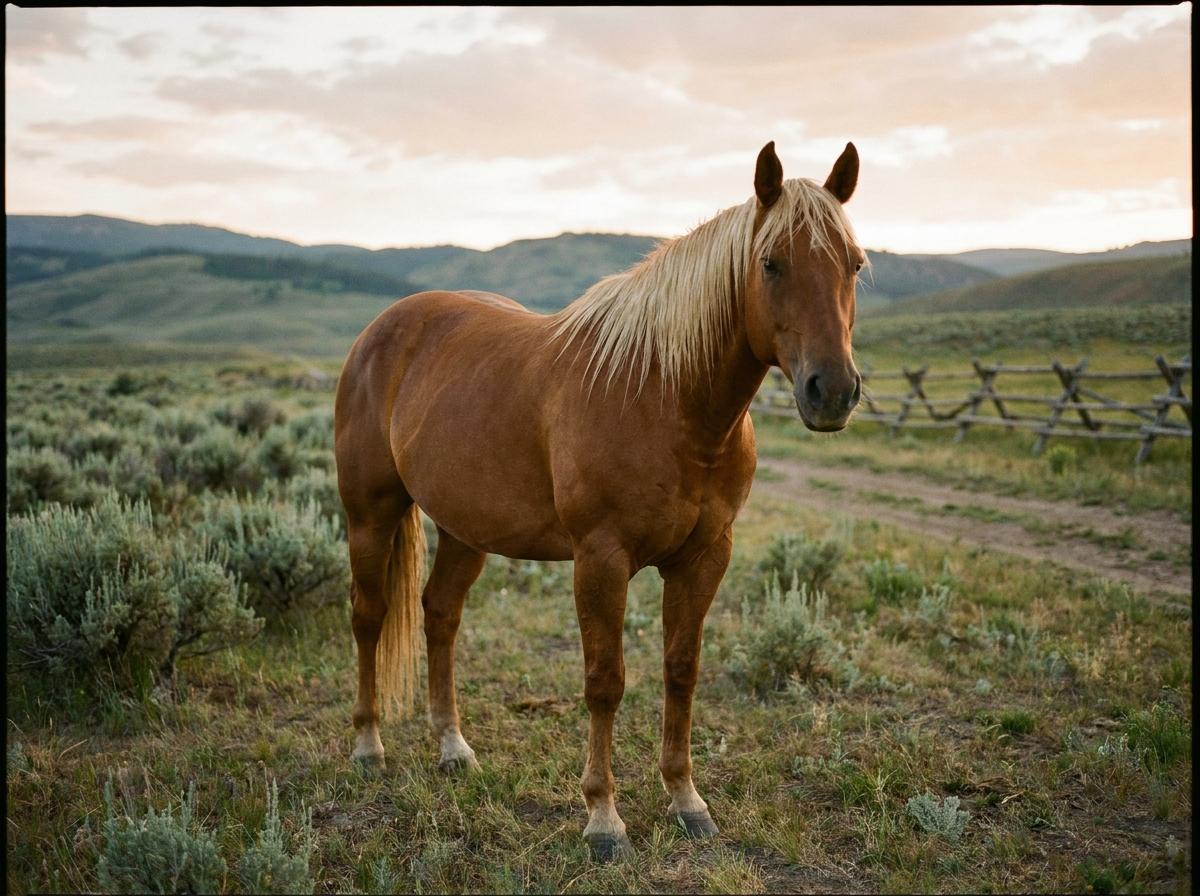
AI-generated illustration.
Measure the facilities before measuring the dream
Make a practical list of clearances and equipment: gates, shelter entrances, stalls if used, trailer dimensions, loading space and the load capacity of the towing arrangement. Confirm suitability with knowledgeable providers rather than assuming standard equipment will fit.
Use the horse hoof-care guide to prepare questions, then call local farriers before purchase. Explain the horse’s size, its current hoof-care routine and whether it stands reliably for work. Ask about facilities needed for safe service and the likely ongoing cost. A provider who handles your smaller horse may not offer the same service for a draft horse.
Feeding and turnout for the individual Shire
A draft build does not justify indiscriminate feeding. A veterinarian or equine nutritionist should relate forage and any concentrates to the horse’s condition, workload and health. Record the current ration before collection and arrange changes deliberately.
The Merck equine nutrition guidance explains why feeding needs vary across life stages and work. Do not use a show photograph as a body-condition target, and do not assume a heavily built horse needs grain simply because it is large.
Provide suitable companionship, room to move and access to shelter. In groups, ensure a quieter horse can reach resources without being trapped or driven away. Keep turnout and high-traffic areas in good order. University of Minnesota Extension emphasizes safe fencing, drainage and routine prevention in practical horse management.
Compare the everyday management questions in the Percheron guide when working out whether your facilities and support suit a large draft horse.
Merck cautions that ordinary weight tapes are unsuitable for draft horses. The horse weight calculator also supplies an estimate, not a measured weight. Arrange a scale weight for decisions needing accuracy; do not use an estimate to set medication doses.
Feather should not prevent you checking the skin
Shires are among the breeds affected by chronic progressive lymphedema, described by UC Davis. It causes progressive lower-leg swelling, skin thickening, folds and nodules that feather can conceal. Chorioptic mites and secondary infections can complicate the picture. There is no cure, but veterinary management can slow progression and improve comfort. Ask specifically about leg swelling, persistent itching, prior treatment and the workload of ongoing care before buying.
Build lower-leg inspection into grooming. Part the feather enough to see and feel what is underneath, and learn what is normal for your horse. Ask the seller about previous leg or skin problems and obtain relevant veterinary records.
Swelling, soreness, discharge or persistent irritation needs veterinary assessment. Do not diagnose a condition from the breed name or copy a treatment from a photograph. Tell the veterinarian when the change started, which legs are affected and what products have already been used.
The farrier-record guide helps connect dated hoof photographs, work performed and follow-up instructions. Keep lower-leg concerns with the veterinary advice too. Clear documentation helps show change over time. It should support the clinician’s assessment, not substitute for examining the horse.
Buying a Shire: evidence worth paying attention to
Arrange a purchase examination tailored to your plans. Tell the veterinarian whether the horse will be ridden, driven, bred or kept as a companion, and provide the available history. Discuss the facilities and work you have in mind rather than asking for a general guarantee.
Ask the seller for a demonstration of the skills included in the advertisement. Watch preparation and recovery, not just the most impressive moment. If transport is part of the sale, establish who supplies an appropriate vehicle and what happens if loading proves difficult.
Request registration and transfer documents, veterinary history, farrier details and the current routine. A quiet animal at one viewing can still need careful introduction to a new environment. Agree on handover arrangements in writing.

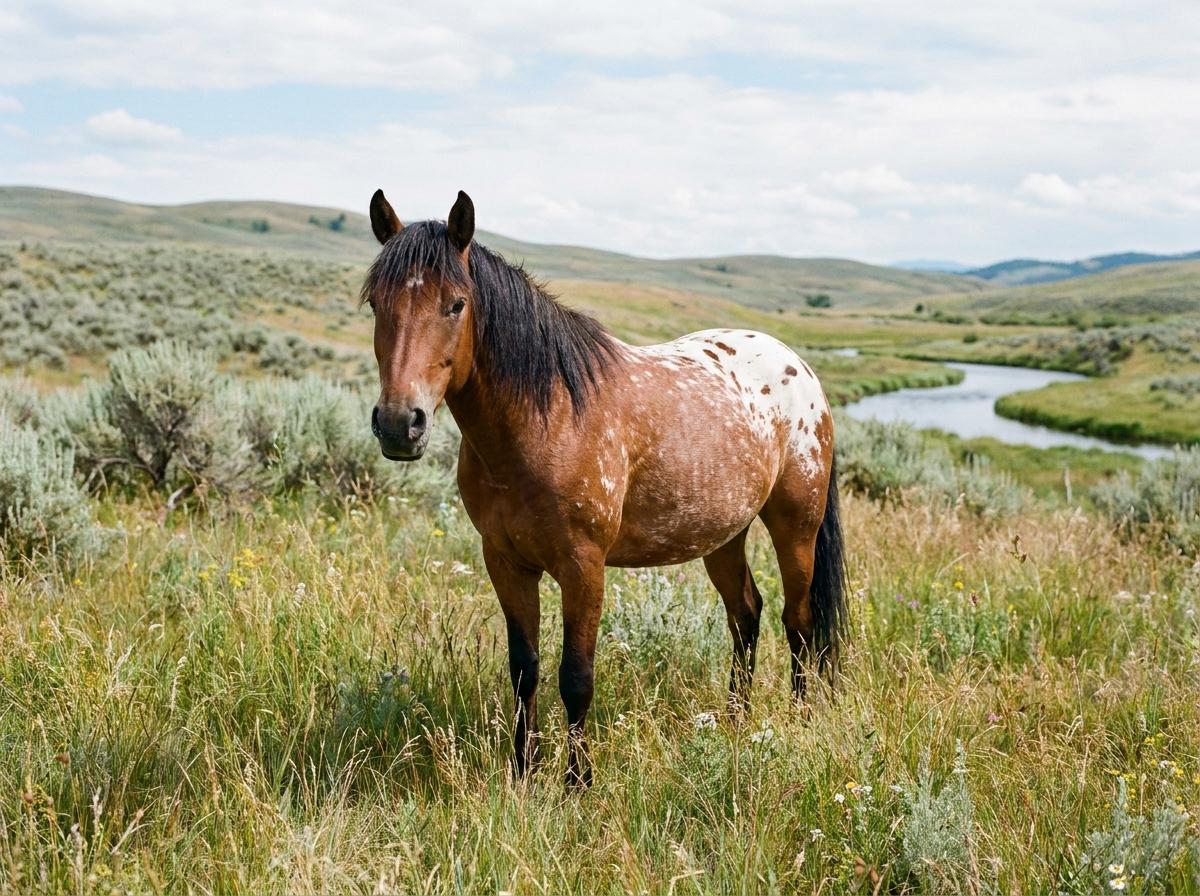
AI-generated illustration.
Price is only the first large-horse expense
The horse cost guide separates the purchase price from continuing care, training and equipment costs.
Age, training, soundness and registration all influence asking price. A trained driving horse and an unstarted youngster are different purchases; a mare sold for breeding needs a different evidence review from a leisure gelding. Use comparable animals and current local quotes instead of treating a breed average as a budget.
Include any specialist equipment and transport changes before committing. Ask a saddle or harness fitter, haulier, farrier and boarding provider about the actual horse. It is better to discover a facility limit while shopping than at the gate on delivery day.
Is a Shire the right horse for you?
Read the broader horse ownership guide and compare the very different scale of the Florida Cracker horse. The Pinto horse guide is also useful if a seller describes a colored draft cross as a Shire: coat pattern alone cannot establish breed identity.
Are Shires always gentle?
No breed name guarantees safe behavior. Assess the individual’s handling and training with experienced help. Friendly behavior does not eliminate the need for safe boundaries around a large horse.
Can Shires be ridden?
An individual trained and physically suited to the work may be ridden. Confirm its experience, the rider fit and the tack, rather than assuming every driving or breeding horse is ready.
Does more feather mean a better Shire?
The association’s standard values fine, straight, silky feather, but sound feet and correct movement remain central. Do not let decorative appearance distract from function and care.
The Brabant guide adds a useful draft-breed comparison, including the importance of checking the actual horse rather than choosing from size and feather alone.
Do this next on Creatures
Keep the animal’s identity, original documents and your dated observations together. Choose the next step that matches where you are in the process.
- Set up a Shire search alert. Get notified when new listings match, with help from the saved-search guide.
- Check current Shire listings; supply may be empty or change. Ask for the evidence relevant to your intended purchase.
- Start a Shire profile. No account is needed to start. The animal-profile guide explains the details.
- Add a care or breeding record. The form opens for visitors; a free account saves the record. Read the record guide before adding documents.
- Start a breeder or farm profile. The directory guide explains how a breeder listing works.
- Explore Shire breeders to compare sources and prepare a careful introduction to the seller.