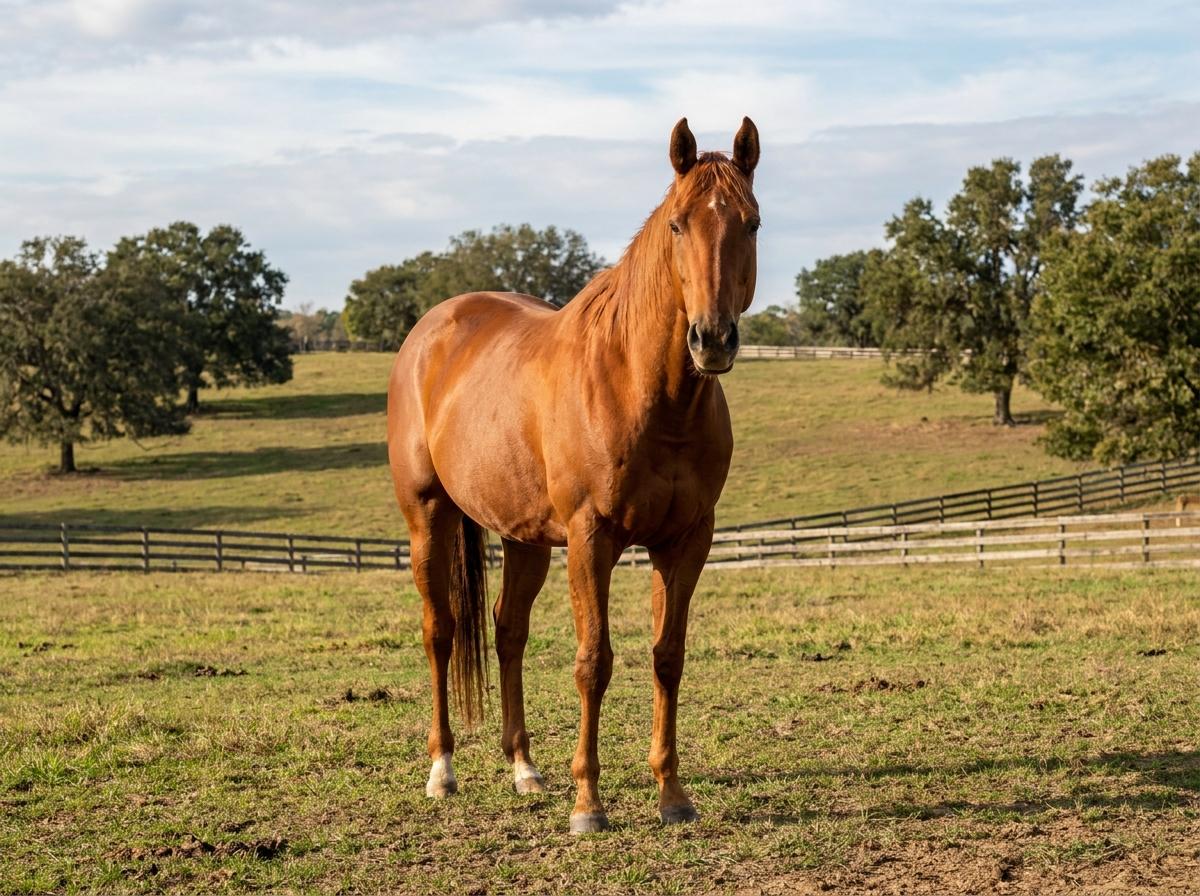
Thoroughbred
Author: Elliott Garber, DVM · Published
A Thoroughbred is a specific horse breed associated with racing, but a racing background is only one part of an individual horse’s story. Buyers also consider Thoroughbreds for riding, sport and companionship. The key question is whether the horse’s current education and physical condition match the life you plan to offer.
Use the free horse pedigree chart maker to organize the family information that comes with the horse, while keeping the original identification and registry records available for verification.
Set a Thoroughbred search alert for new matching listings. Current supply may be empty; use the alert while you prepare your care plan and the records to request from a seller.

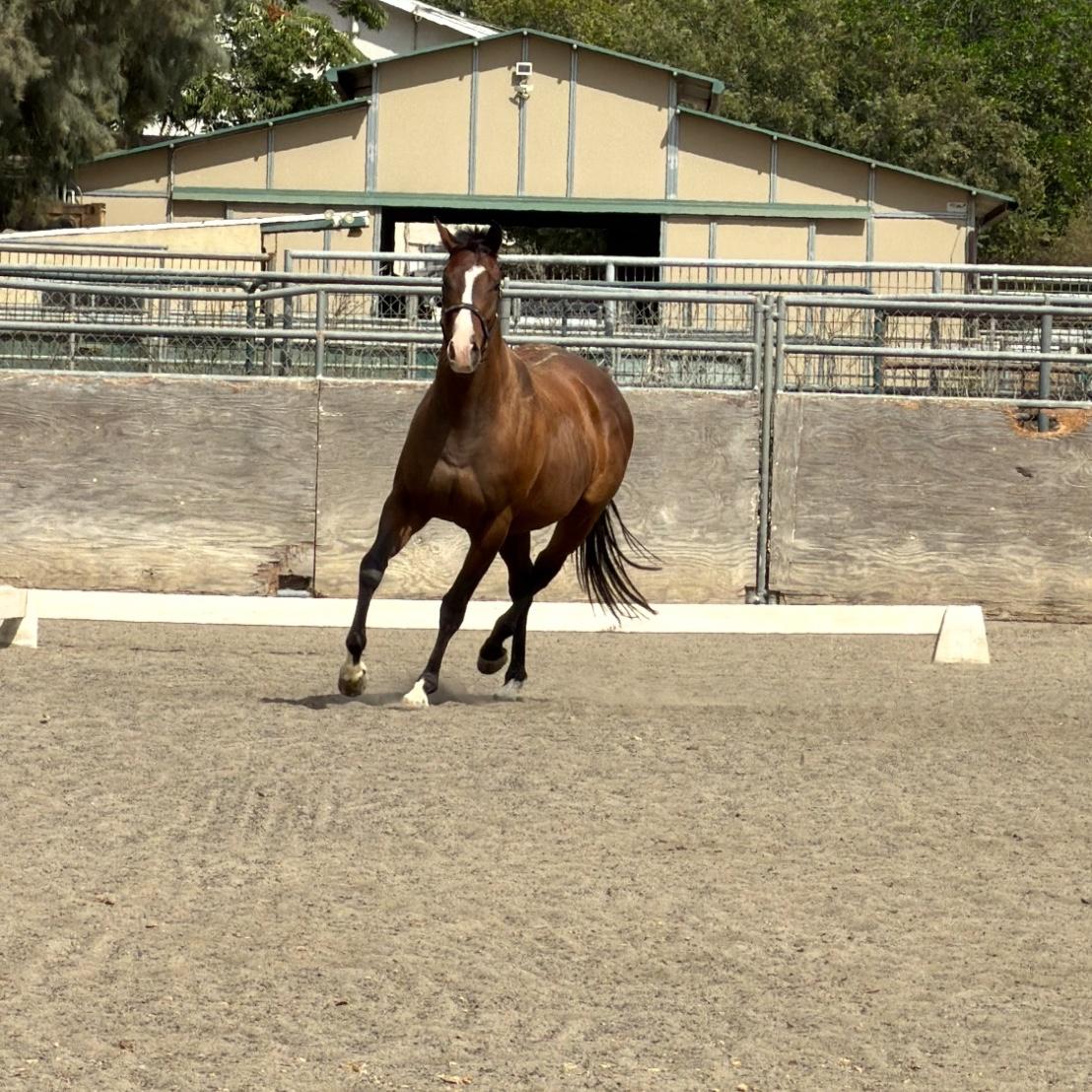
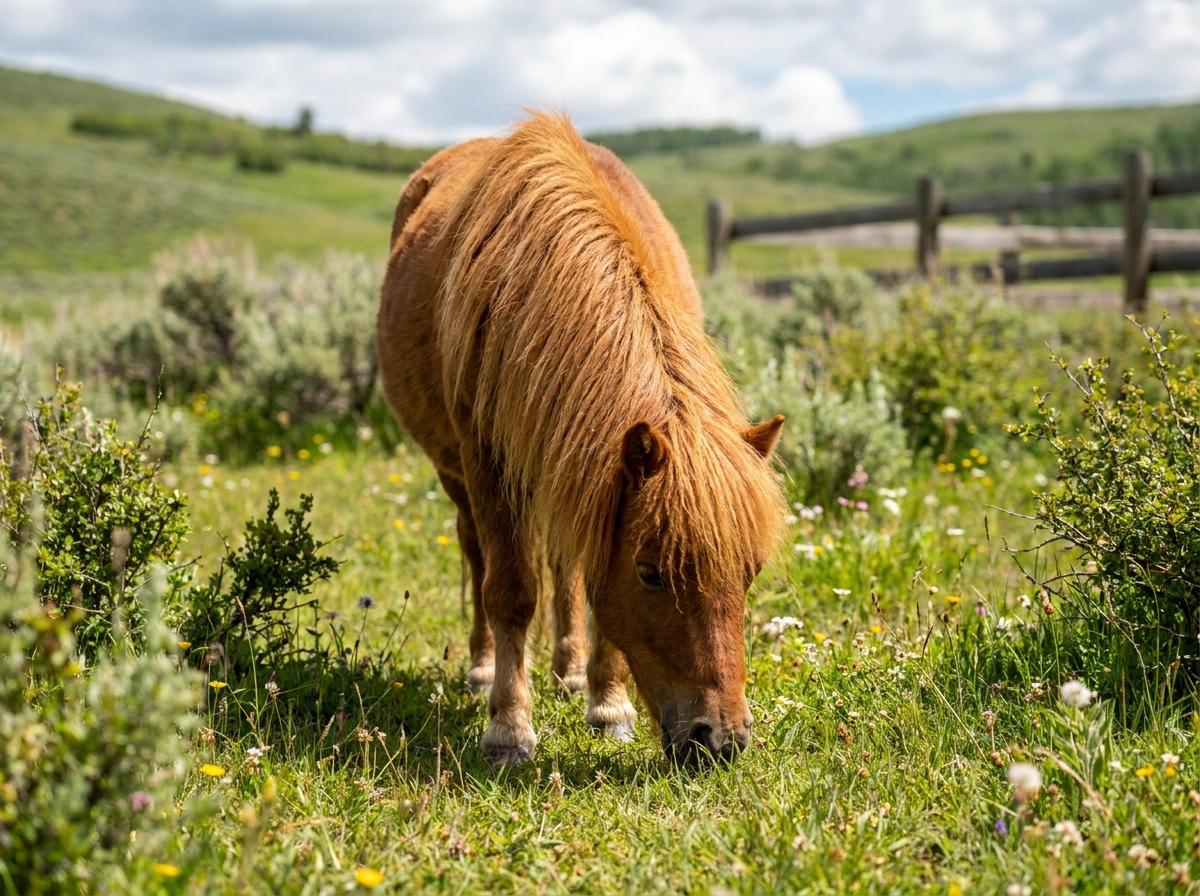
AI-generated illustration.
| Origin | England; developed for racing |
|---|---|
| Identity | Registered breed, not a synonym for purebred |
| North American registry | The Jockey Club (US) |
| Identification | Registered name, older tattoo or microchip |
| Typical size | A little over 16 hands on average (OSU) |
| Buying priority | Medical history, education and retraining support |
Browse listings, public profiles, breeders, or add your animal.
English racing roots and documented identity
The Thoroughbred developed in England for racing. The Darley Arabian, Godolphin Arabian and Byerley Turk are the three famous foundation sire lines described in the British Jockey Club’s history of the breed. Generations of selection for racing explain an athletic background, but neither speed nor a pedigree establishes suitability for a novice rider.
“Thoroughbred” is not a synonym for any purebred horse. In North America, The Jockey Club, a separate US organization, maintains the registry in the United States, Canada and Puerto Rico. Ask for the registered name as well as the stable name, and match the horse to its identity records. The Jockey Club’s Thoroughbred identification assistance describes routes using older lip tattoos and microchips; microchipping became a registration requirement for foals born in 2017 and later.
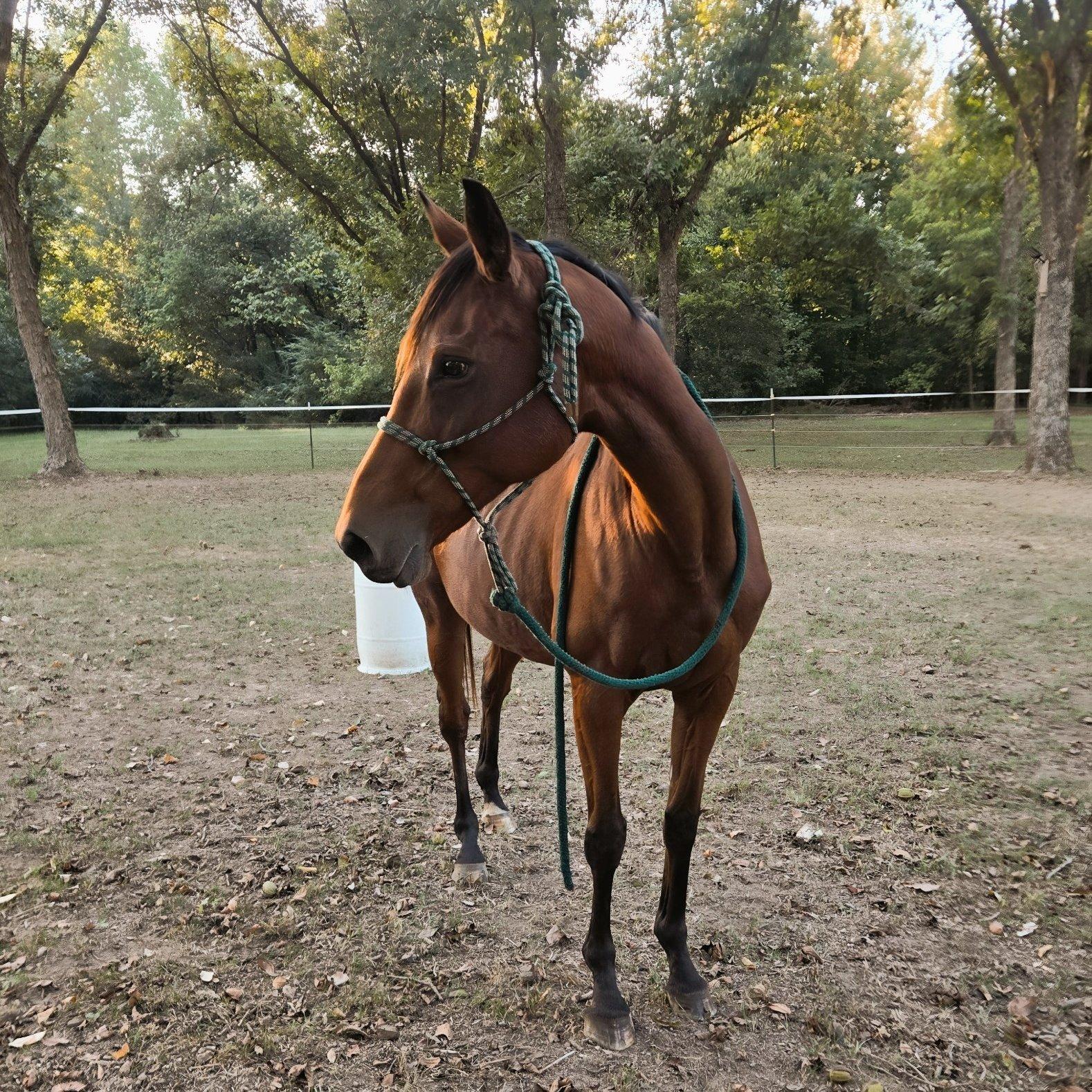
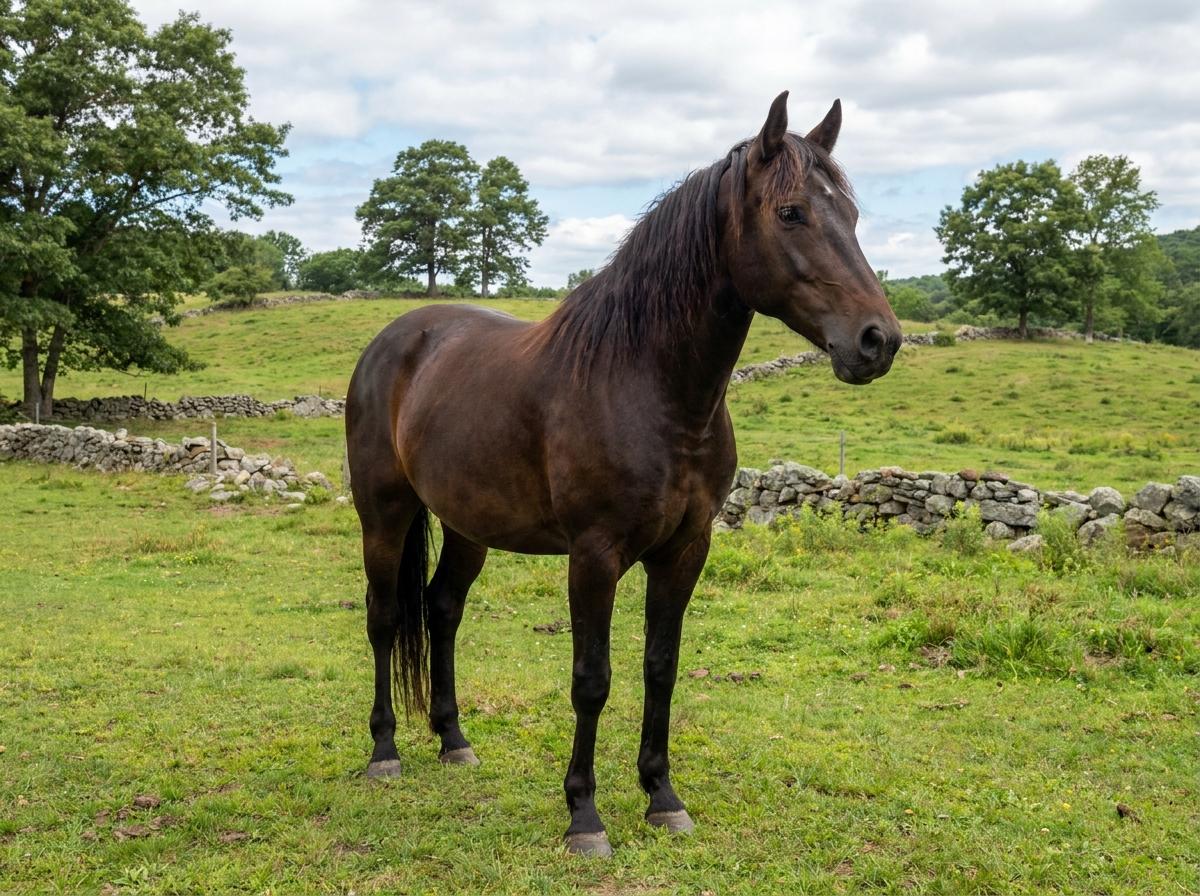
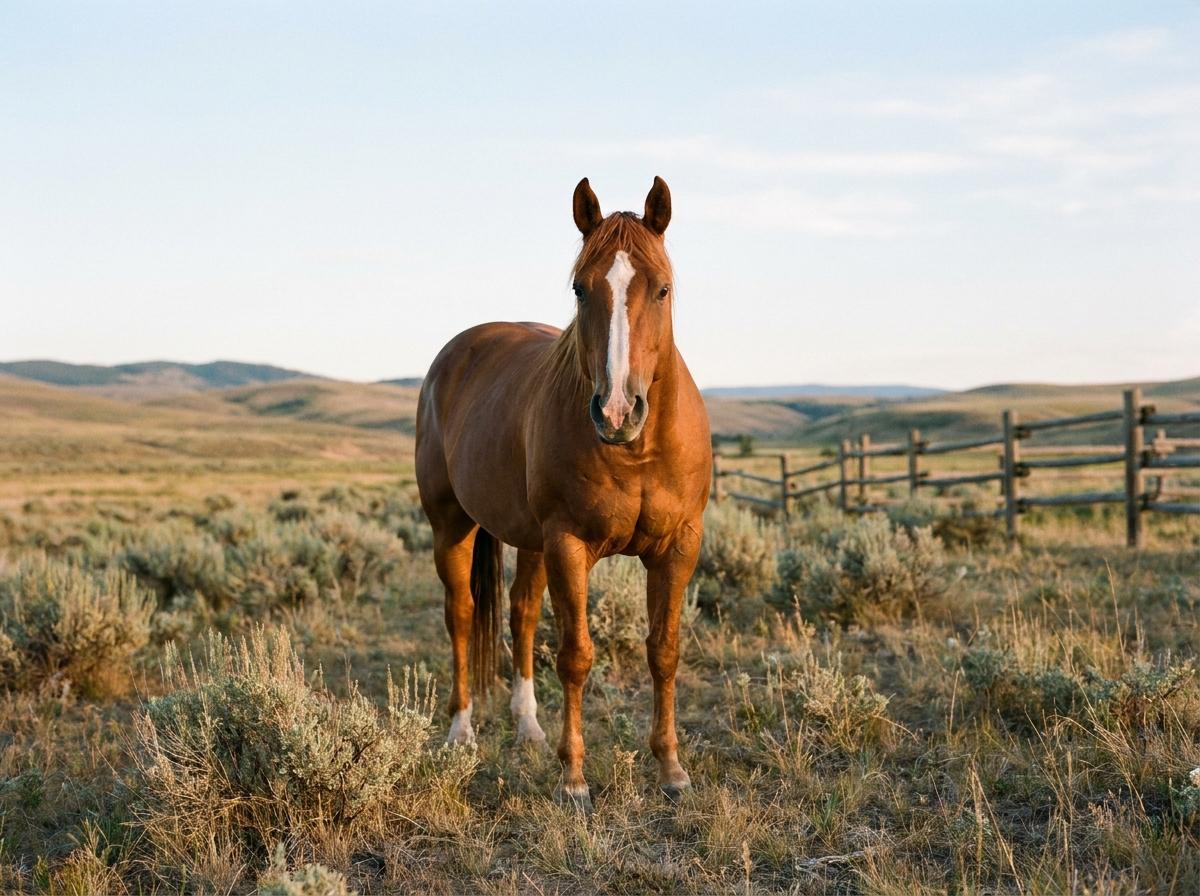
Oklahoma State’s breed account describes the average Thoroughbred as a little over 16 hands tall. Bay, chestnut, black and gray are common colors, as shown in the American Museum of Natural History’s coat guide. Height and build vary, so measure the candidate for tack, transport and facilities. A horse that never raced can still be a registered Thoroughbred.
What does this horse already understand?
Ask the seller to describe the horse’s present routine in concrete terms. Does it stand to be mounted? Work quietly in an arena? Travel alone or with companions? Load reliably? Accept the farrier? A horse can be experienced in one environment and unfamiliar with another.
Watch the horse in the circumstances described in the advertisement. An edited jumping clip does not show how it behaves during preparation, between exercises or after several days off. Ask to observe a normal session and discuss a suitable trial with your instructor and the seller. Stop a viewing if you are uncomfortable with the proposed handling or riding situation.

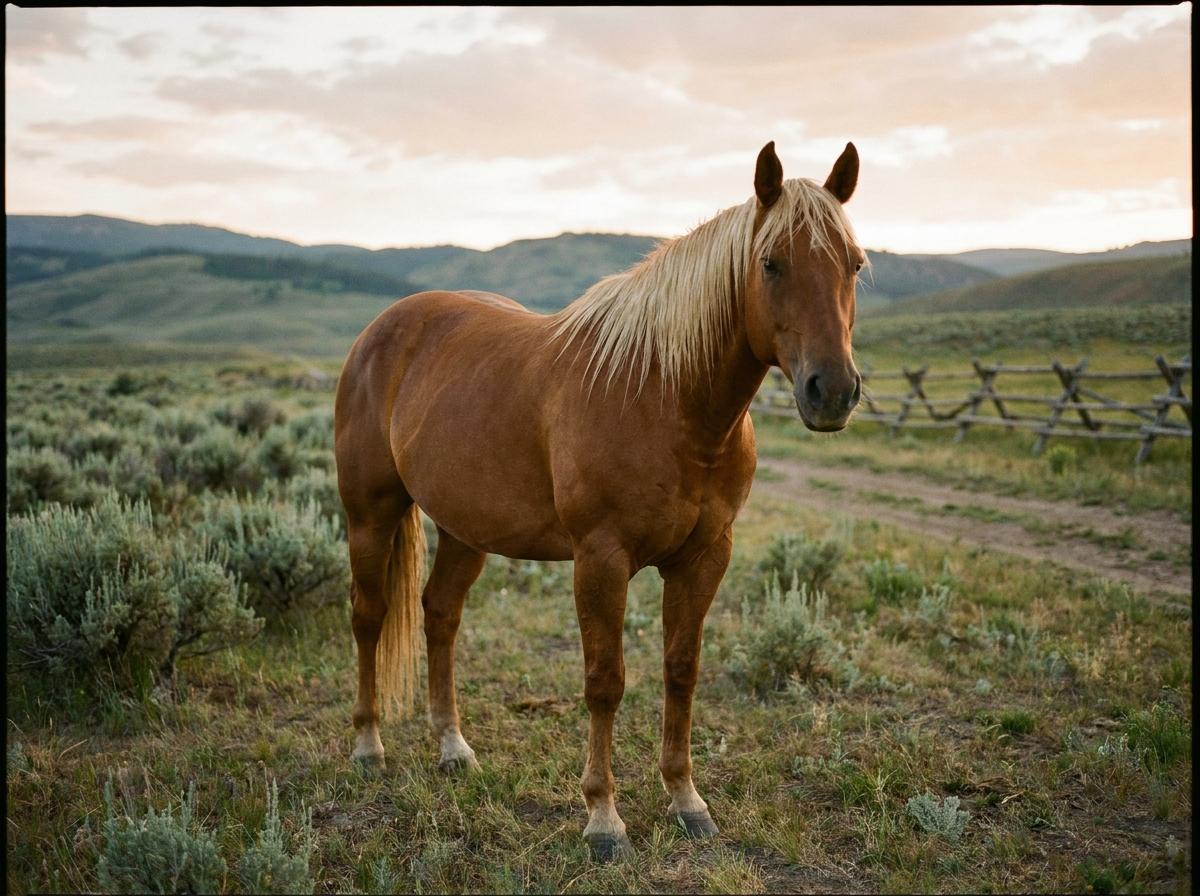
AI-generated illustration.
The purchase exam and the history behind it
Arrange a veterinary purchase examination with your intended use clearly stated. The AAEP’s purchase-exam guidance emphasizes communication between buyer and veterinarian. An examination is most useful when the veterinarian understands both the horse’s background and your expectations.
Request existing veterinary records, imaging where available, medications, surgeries, known injuries and the stated reason for retirement. Ask which information is documented and which comes from a previous owner’s account. Do not label an unexplained gap as proof of a problem, but do not fill it with reassuring guesses either.
For a horse leaving racing, discuss gastric-ulcer risk with the examining veterinarian. UC Davis explains that ulcers are common in performance horses and signs can be subtle; appetite or behavior alone cannot confirm the diagnosis. Ask the veterinarian and farrier to assess the feet and explain any shoeing transition or rehabilitation needs. The hoof-care guide helps organize those questions.
Feeding and management during a change of home
A change from racing or intensive training to another life is also a change in routine. Obtain the current feed product names, amounts by weight, forage type and turnout schedule. Work with your veterinarian or nutritionist on a transition suited to the horse’s condition and new workload; do not replace the ration abruptly because someone says all Thoroughbreds need the same feed.
The Merck Veterinary Manual’s equine nutrition guidance groups Thoroughbreds and related breeds among harder keepers with higher maintenance energy needs. Individuals still vary: assess condition, forage, health and current workload before changing the ration.
Plan turnout, shelter and compatible horse contact. Give the horse a safe place to settle and follow your veterinarian’s arrival biosecurity advice. Merck’s discussion of equine behavior explains why social contact and opportunities for normal behavior matter. A new riding goal does not remove those needs.
The horse-feeding guide explains how to organize forage, condition observations and changes in work into a feeding discussion.
A free horse weight estimate can be a starting point for a size discussion. Record it as an estimate and use an actual scale weight when accuracy is needed; it should not determine a medication dose or replace a feeding assessment.
Retraining is a plan, not a promised deadline
Avoid a fixed timetable based on the word Thoroughbred. Ask a trainer to assess the horse’s present education, then agree on achievable stages. These might include quiet handling, accepting a different mounting routine, basic balance under saddle and confidence away from familiar companions. Medical concerns belong with the veterinarian before they become training assumptions.
The Thoroughbred Aftercare Alliance accredits aftercare organizations. Accreditation is a useful starting point for choosing a source; still ask that organization about the horse’s assessment, return terms and support after placement. Read the actual agreement. An organization may have conditions that differ from a private sale; you should understand them before transport is booked.
Cost includes the period before the horse does your job
The horse cost guide separates the purchase price from continuing care, training and equipment costs.
A modest asking price can be outweighed by board, professional training, veterinary investigation, farrier work and equipment during a transition. Ask for local estimates for these services and build a budget that does not depend on the horse becoming competition-ready by an arbitrary date.
Compare like with like. A horse established in a second career is not the same purchase as a recently retired prospect. The seller may have invested considerable time in education; ask to see the resulting behavior rather than assigning value to the word “retrained.”
University of Minnesota Extension’s budgeting advice supports planning around prevention, facilities and routine care. Include emergency funds and the possibility that your intended use changes. Owning the horse continues even if a particular sporting ambition does not.

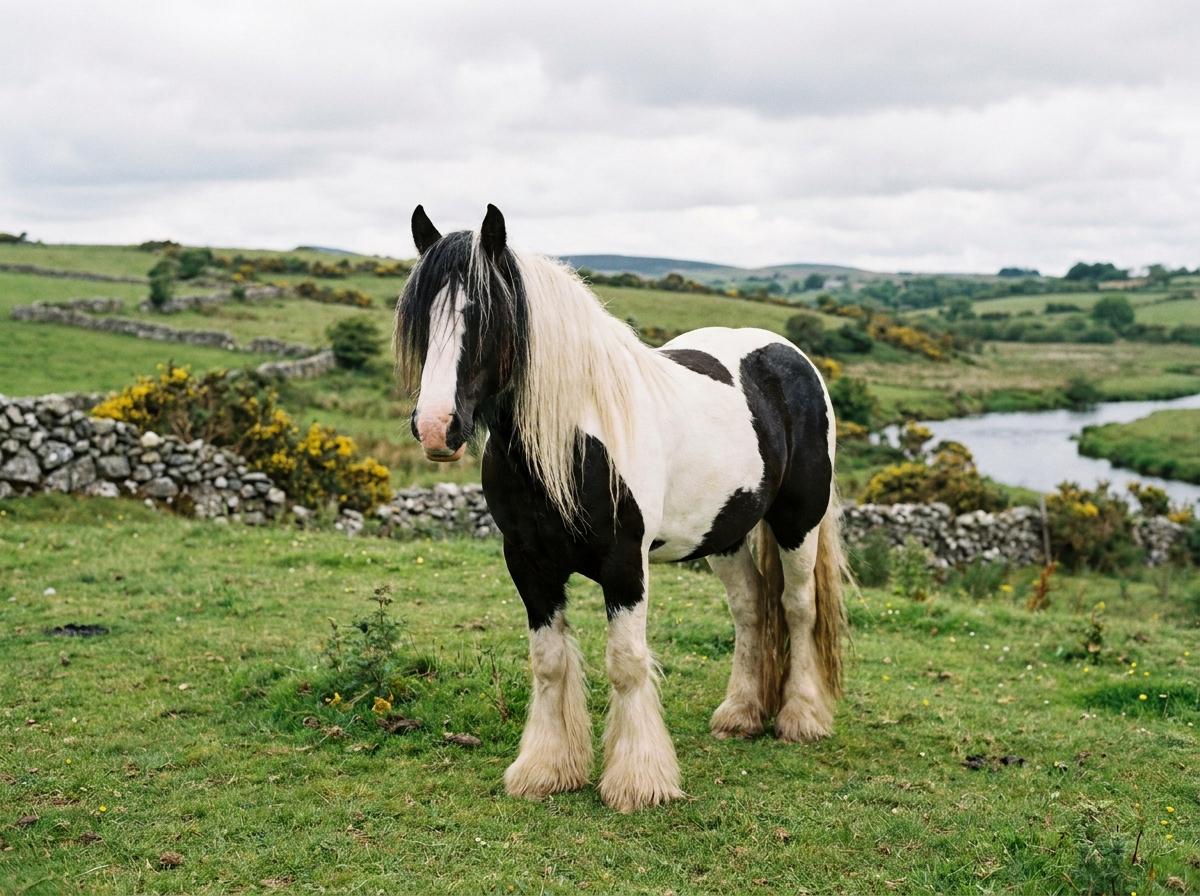
AI-generated illustration.
Records to request at handover
Use the horse record-packet guide to collect the registered identity, sale or adoption agreement, race history, veterinary documents and current care routine. Record the date the horse arrives and the names of the professionals involved in its transition. Keep original reports rather than only a typed summary.
If information is missing, record it as missing. An unknown injury history should remain unknown until evidence resolves it. Do not copy a seller’s speculation into a factual medical record. Creatures’ health and medical records guide can help organize the material you do have.
Compare the broader horse guide and Arabian guide if you are still deciding what type of riding horse fits your plans. The best comparison is between individual candidates doing comparable work, not between breed stereotypes.
The where-to-buy-a-horse guide helps you compare the information and support available from different types of seller.
Questions buyers often ask
Is an off-track Thoroughbred a beginner horse?
That depends on the individual, its education since racing and the support available. A recent retirement should not be assumed ready to teach a novice. Ask an instructor to evaluate the actual partnership.
Are all Thoroughbreds hard to keep in condition?
No. Some need more help maintaining condition than others, especially during a change in workload or management. Use the horse body-condition guide, review the ration and investigate unexplained weight loss with a veterinarian rather than automatically increasing grain.
Does a racing record include medical records?
It is not a substitute for them. Request veterinary history separately and tell your veterinarian what is available and what remains uncertain.
Do this next on Creatures
Keep the animal’s identity, original documents and your dated observations together. Choose the next step that matches where you are in the process.
- Set up a Thoroughbred search alert. Get notified when new listings match, with help from the saved-search guide.
- Check current Thoroughbred listings; supply may be empty or change. Ask for the evidence relevant to your intended purchase.
- Start a Thoroughbred profile. No account is needed to start. The animal-profile guide explains the details.
- Add a care or breeding record. The form opens for visitors; a free account saves the record. Read the record guide before adding documents.
- Start a breeder or farm profile. The directory guide explains how a breeder listing works.
- Explore horse breeders to compare sources and prepare a careful introduction to the seller.