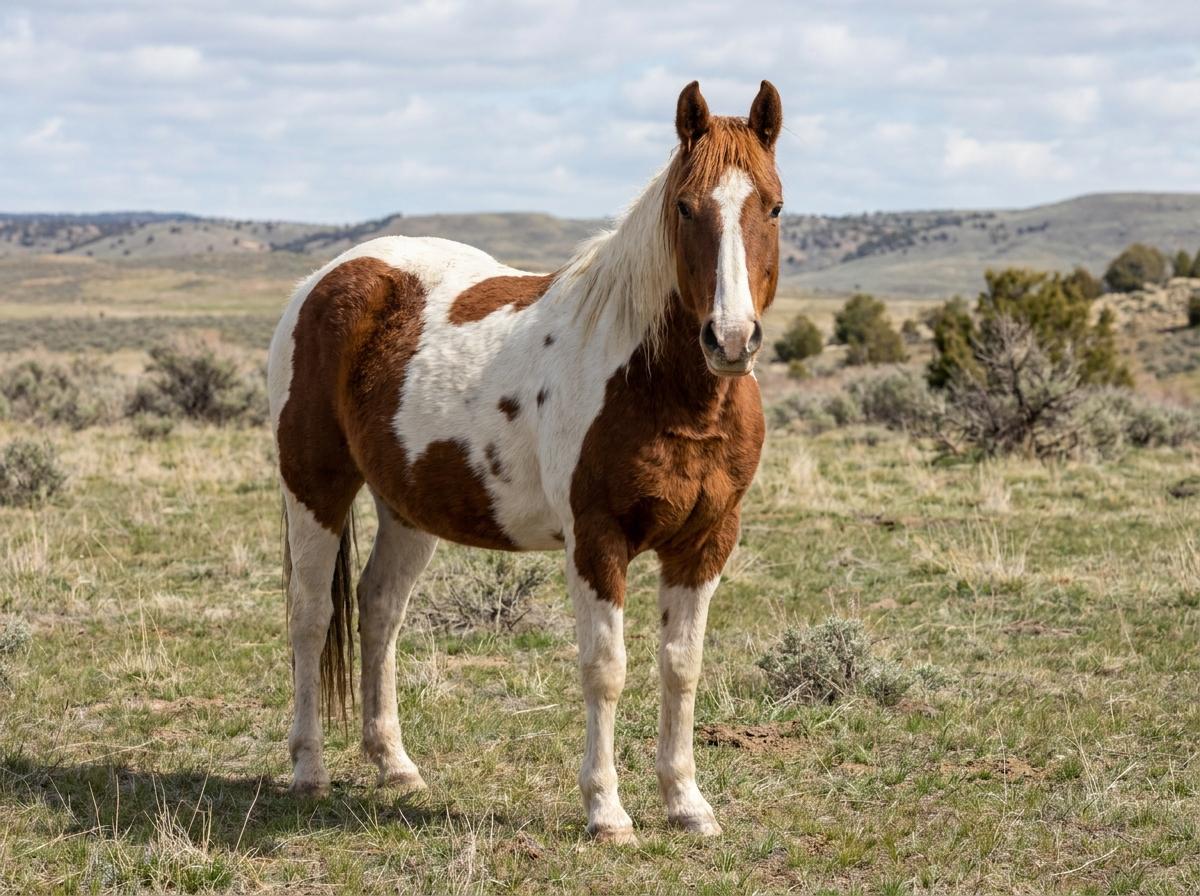
Pinto Horse
Author: Elliott Garber, DVM · Published
A pinto horse has a coat with substantial white and colored areas, but the pattern does not give every pinto the same ancestry, size or temperament. That distinction is the starting point for a sensible purchase. A pinto pony, a stock-type riding horse and a heavy driving horse can all be very different animals despite sharing a striking coat.
The free horse pedigree chart maker can put supplied ancestry alongside the color description. Keep the issuing registry documents as the evidence behind the chart.
Set a Pinto horse search alert for new matching listings. Current supply may be empty; the Pinto horse breeder directory is another route to contact sources and ask about availability.

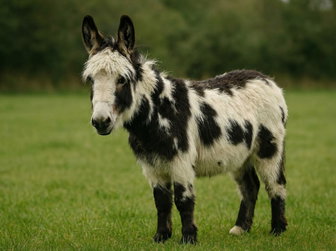
AI-generated illustration.
| Meaning | White-patched coat across several breeds |
|---|---|
| PtHA categories | Miniature, Pony, Horse and Utility |
| Qualifying white | Horse 4, pony 3, miniature 2 square inches |
| Registry distinction | PtHA color registry differs from APHA ancestry rules |
| Breeding caution | Frame-overo status needs testing |
| Buying priority | Underlying type, training and soundness |
Browse listings, public profiles, breeders, or add your animal.
A color registry, not one ancestry
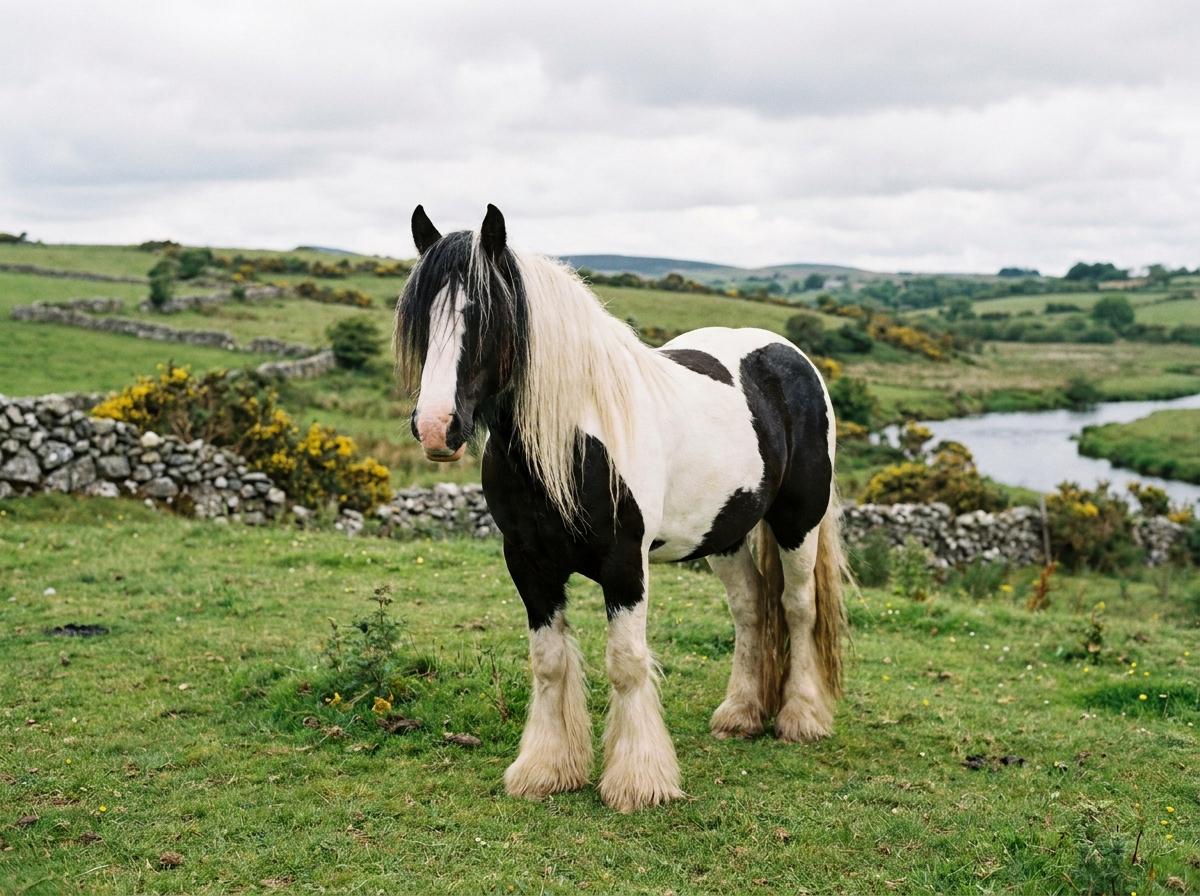
Pinto describes a white-patched coat found in horses of several breeds and sizes. The Pinto Horse Association of America (PtHA) records color-qualified animals in classifications (Miniature, Pony, Horse and Utility) and types such as Stock, Hunter, Pleasure and Saddle. Its registration guidance requires cumulative white over pink skin within a defined qualifying zone: four square inches for horses, three for ponies and two for miniatures. White elsewhere does not automatically count.
PtHA’s size and type rules include Mini A at 35 inches or less, Mini B above 35 through 39 inches, ponies above 39 through 56 inches and horses above 56 inches. A “registered pinto” might therefore be a small companion, a riding horse or a substantial utility type. Read the certificate and measure the actual animal for your intended use.
The American Paint Horse Association (APHA) is a different registry with ancestry requirements involving APHA, American Quarter Horse Association or Jockey Club parents. APHA’s registration guides require parentage verification for new registrations from January 1, 2022; its FAQ explains additional routes and color testing. An attractive pinto pattern alone is not proof that a horse qualifies as an American Paint Horse.
Ask for every existing certificate, the recorded identity and the transfer documents. Keep current registration separate from a seller’s suggestion that an application could succeed later.
What the patterns tell you, and what they do not
Tobiano commonly has rounded patches with white crossing the topline and a comparatively dark head. “Overo” groups several appearances, including frame, sabino and splashed white; tovero describes combined pattern features. These visual labels are not a complete genetic report. The UC Davis Veterinary Genetics Laboratory explains equine coat color genetics, including white spotting patterns and cases where testing is needed to resolve an uncertain phenotype.
For a riding companion, color should come after soundness, suitable training and a manageable temperament. It is easy to remember the horse with beautiful markings. Write down the practical reasons you would buy it so that the coat does not become the entire decision.

AI-generated illustration.
The Colorado Ranger guide offers a useful contrast: a different spotted appearance still needs to be connected to the correct breed and registry evidence.
Choose a type that fits your plans
Ask what the pinto has actually done. “All-rounder” should lead to specific examples: trail rides, lessons, driving, competition or work at home. A horse shown under a professional rider is not automatically accustomed to a novice’s balance and cues. A horse that leads quietly is not necessarily trained to drive.
Measure rather than guess. Photographs can conceal scale, and two horses with similar markings may need very different equipment and facilities. If you need a particular size for a rider, a trailer or a competition category, have the relevant measurement confirmed in the appropriate way.
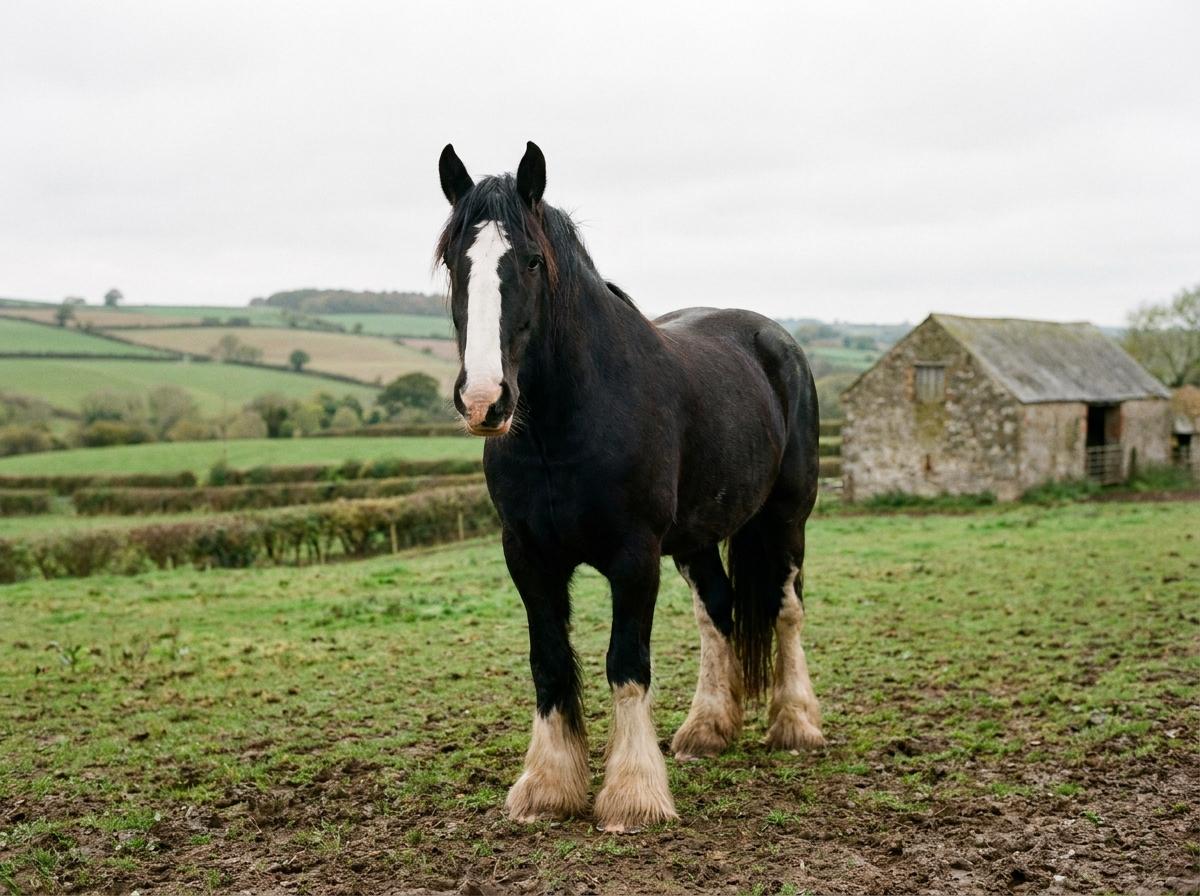
Compare Arabian horses for one riding-horse type and Shires for a very different draft build. A pinto’s underlying type may resemble either more closely than it resembles another pinto. The horse species guide gives the wider ownership context.
Care follows the individual horse
Do not buy a special feeding program because of white patches. Nutrition follows the horse’s body condition, age, health and work. Record the current forage, feed products and routine before collection, then plan any transition with the professionals responsible for the horse’s care.
Provide safe turnout and compatible equine company, with enough room and resources to prevent a quieter animal being pushed away. The Merck pasture guidance addresses space, grazing and access to feed in group settings. Good care is visible in how every horse uses the space, not just in how attractive the fencing looks.
Before arrival, check that the facilities suit the actual horse. A miniature needs secure gaps and suitable companions; a large riding or utility horse needs appropriate clearance and equipment. Seek experienced advice where your setup differs from the seller’s. Do not assume a facility is suitable because another pinto once lived there.
Coat pattern says nothing about weight. The horse weight calculator is an estimate; obtain a scale weight for decisions needing accuracy, including medication, and assess feeding separately.
Breeding for color requires more than matching patches
Some coat variants have health implications. UC Davis explains lethal white overo: two copies of the frame-overo variant cause the lethal syndrome, while carriers may have very little white. Test both proposed parents when this variant could be present; a modest marking does not rule it out. Discuss relevant testing and mating decisions with your veterinarian before breeding; visual pattern names alone are not a safe substitute for test results. This does not mean every white-patterned horse has the condition, nor that every pinto shares the same variants.
Keep the original laboratory reports with the horse’s identity and the mating record. If a report is unclear, ask the laboratory or veterinarian to interpret it. Never turn a coat-color result into an unsupported claim that the horse is “clear of all genetic disease.”
After the mating and genetic-health questions are resolved, use the recorded service date in the horse gestation calculator. It estimates timing, not the foal’s markings or health.
The horse color DNA records guide helps keep a laboratory result distinct from a visual guess. The horse coat-color calculator can help explore a color question, and the coat-color visualizer illustrates appearances. Neither tool establishes the horse’s genotype or replaces appropriate laboratory testing.
Price: compare training and evidence first
The horse cost guide separates the purchase price from continuing care, training and equipment costs.
A pinto’s coat may affect a buyer’s preferences, but it does not supply a universal price scale. Compare horses by age, type, current training, soundness history and documented achievements. An unstarted horse and an established riding companion carry different costs even when the advertised price is similar.
Budget for the horse’s ongoing needs before selecting a maximum purchase price. University of Minnesota Extension’s horse budgeting guidance is a useful reminder that prevention, facilities and routine care are part of the cost. Get local quotations for board, farrier work and transport; a national average cannot tell you what your providers will charge.

AI-generated illustration.
What to check before bringing a pinto home
Start with identity. Request current photographs from both sides and compare distinctive markings with the paperwork. Ask why the horse is being sold, how long the seller has had it and what records can be transferred.
Then assess suitability with help. Watch the normal handling routine and, where appropriate, a demonstration of the intended work. Arrange a veterinary purchase examination tailored to your plans. Tell the veterinarian whether the horse will be used for casual riding, breeding, showing or driving, because that context matters.
At handover, collect the feed routine, veterinary and farrier history, registration documents and agreed ownership paperwork. Keep a copy of the advertisement and the written agreement. These are more useful than trying to reconstruct the conversation after a disagreement.
Use the horse-buying source guide to plan your approach to breeders, private sellers and other sources before arranging a viewing.
Common questions about pinto horses
Is a pinto a breed?
In everyday usage, pinto describes a white-and-color coat pattern. The Pinto Horse Association also provides a defined registration system. Ask about the particular horse’s ancestry and registry rather than assuming a shared breed background.
Are all pintos calm?
No coat pattern can promise that. Assess handling, training and response to ordinary situations, with an experienced person who understands your needs.
Can a horse without enough color still have Pinto papers?
The association has separate registry categories, including a solid registry. Eligibility is a question for the registry and its current rules. A buyer should inspect the actual certificate rather than infer category from a photo.
Do this next on Creatures
Keep the animal’s identity, original documents and your dated observations together. Choose the next step that matches where you are in the process.
- Set up a Pinto horse search alert. Get notified when new listings match, with help from the saved-search guide.
- Check current Pinto horse listings; supply may be empty or change. Ask for the evidence relevant to your intended purchase.
- Start a Pinto horse profile. No account is needed to start. The animal-profile guide explains the details.
- Add a care or breeding record. The form opens for visitors; a free account saves the record. Read the record guide before adding documents.
- Start a breeder or farm profile. The directory guide explains how a breeder listing works.
- Explore Pinto horse breeders to compare sources and prepare a careful introduction to the seller.